汽车

Search documents
美国2月CPI全面符合预期:环球市场动态2026年3月12日
citic securities· 2026-03-12 04:35
Market Overview - U.S. February CPI year-on-year growth remained steady at 2.4%, while month-on-month growth increased from 0.2% to 0.3%[6] - Core CPI year-on-year growth held at 2.5%, with month-on-month growth slowing from 0.3% to 0.2%[6] - The U.S. 10-year Treasury yield rose by 6-9 basis points, reflecting market caution amid inflation concerns[31] Stock Market Performance - U.S. stock indices showed mixed results; the Dow Jones fell by 0.61% to 47,417 points, while the Nasdaq rose by 0.08% to 22,716 points[11] - Asian markets were predominantly up, with Taiwan's index gaining 4.1% to 34,114 points, and Vietnam's index up 3.1% to 1,728 points[21] - The Hang Seng Index in Hong Kong fell by 0.24% to 25,898.76 points, with significant declines in major tech stocks[13] Commodity and Energy Markets - Oil prices surged, with U.S. crude oil rising by 4.55% to $87.25 per barrel, driven by ongoing geopolitical tensions in the Middle East[28] - The International Energy Agency (IEA) agreed to release 400 million barrels of emergency oil reserves, but this did not prevent oil prices from rising[11] Economic Indicators - The U.S. trade representative announced the initiation of a 301 investigation, indicating potential trade tensions ahead[6] - China's February automobile sales dropped by 15%, highlighting challenges in the domestic market[6] Corporate Highlights - Tesla's Shanghai factory delivered 58,600 vehicles in February, a year-on-year increase of 91%[11] - Nvidia plans to invest $2 billion in AI data center company Nebius, reflecting ongoing investment in AI technology[6]
成材:缺乏自身驱动跟随原料波动
Hua Bao Qi Huo· 2026-03-12 03:44
Group 1 - Report's industry investment rating: Oscillatory operation [3] Group 2 - The report's core view: The finished products lack their own drivers and mainly fluctuate following the raw material end. The price is mainly consolidating. Driven by raw materials such as iron ore, the price center has shifted upward. After the domestic meeting, the output of some steel mills in the northern region may continue to rise. The current focus of steel is on the start - up of downstream demand [1][2] Group 3 - Automobile sales data: In February, China's automobile sales were 1.805 million, a year - on - year decrease of 15.2%. New energy vehicle sales were 765,000, a year - on - year decrease of 14.2%. In February, automobile exports were 672,000, a year - on - year increase of 52.4% [2] - Project start - up data: In February 2026, 1,062 projects started across the country, with a total investment of about 514.583 billion yuan [2] - Home air - conditioner export situation: Since the continuous escalation of the Middle East conflict, the export production schedule of home air - conditioners has been significantly reduced compared with the previous plan. Overseas customers have cancelled or postponed orders due to freight increases or war surcharges by shipping companies. It is expected to be reduced by more than 500,000 units in March [2] - Later concerns: Macroeconomic policies; downstream demand [3]
国新证券每日晨报-20260312
Guoxin Securities Co., Ltd· 2026-03-12 02:54
Domestic Market Overview - The domestic market continued its upward trend with mixed performance. The Shanghai Composite Index closed at 4133.43 points, up 0.25%, while the Shenzhen Component Index closed at 14465.41 points, up 0.78%. The ChiNext Index rose by 1.31%, and the STAR Market 50 Index fell by 1.37%. The total trading volume of the A-share market was 25,283 billion yuan, slightly increasing from the previous day [1][4][9]. - Among the 30 first-level industries, 16 saw gains, with coal, electric equipment and new energy, and basic chemicals leading the increases. Conversely, defense, media, and comprehensive finance experienced significant declines. Notably, indices related to photovoltaic inverters, lithium battery electrolytes, and selected chemical raw materials performed actively [1][4][9]. Overseas Market Overview - The three major U.S. stock indices closed mixed. The Dow Jones Industrial Average fell by 0.61%, the S&P 500 Index decreased by 0.08%, while the Nasdaq rose by 0.08%. Notably, Tesla's stock increased by over 2% [2][4][9]. - The Nasdaq China Golden Dragon Index dropped by 0.77%, with significant declines in stocks such as Wanwu Xingsheng, which fell over 10%, and iQIYI, which dropped more than 4% [2][4][9]. News Highlights - The Ministry of Industry and Information Technology released recommendations to prevent security risks associated with the OpenClaw ("Lobster") open-source intelligent body, outlining "six do's and don'ts" [3][11]. - China has independently developed the world's strongest T1200-grade ultra-high-strength carbon fiber, marking a significant breakthrough in production capabilities [16]. - The International Energy Agency (IEA) agreed to release 400 million barrels of strategic oil reserves to address energy supply disruptions due to the Iran conflict, marking the largest coordinated release in its history [18].
资讯早间报:隔夜夜盘市场走势-20260312
Guan Tong Qi Huo· 2026-03-12 02:48
1. Report Industry Investment Rating No information provided. 2. Core Viewpoints of the Report The report presents the overnight performance of the night - market, important news, and the situation of the financial market, all affected by factors such as the Middle - East geopolitical conflict, supply and demand changes, and policy adjustments [5][9][33]. 3. Summary by Relevant Catalogs Overnight Night - Market Market Trends - International precious metal futures generally closed down, with COMEX gold futures down 1.11% at $5183.90 per ounce and COMEX silver futures down 4.11% at $85.91 per ounce. Multiple factors including Fed rate - cut expectation cooling, inflation logic change, short - term profit - taking, and dollar strengthening pressured the precious metal trend [5]. - US oil and Brent oil futures rose, with US oil up 5.94% at $88.41 per barrel and Brent oil up 6.64% at $93.63 per barrel. The Middle - East geopolitical conflict disrupted oil tanker transportation, and the pre - digested IEA strategic oil reserve release had limited impact on suppressing oil prices [5]. - Most London base metals fell, with LME aluminum and nickel rising, and lead, copper, zinc, and tin falling [5]. - As of 23:00, most domestic futures contracts rose, with PX up over 13%, PTA up over 11%, and many other products showing significant increases [7]. Important News Macroeconomic News - Maersk has 10 ships trapped in the Persian Gulf, and over 100 container ships are trapped in the Gulf area. It will take at least one to ten days to resume normal operations if a cease - fire is achieved [9]. - In February, China's auto production and sales decreased both month - on - month and year - on - year. From January to February, the decline was also significant [9]. - Three ships were attacked in the Strait of Hormuz [10]. - Trump said the war with Iran would "soon" end [11]. - The US February unadjusted CPI and core CPI annual rates met market expectations and were flat compared to the previous month [12]. Energy and Chemical Futures - The IEA will provide 4 billion barrels of oil from emergency reserves. Japan and Germany will release their strategic oil reserves [15]. - China's methanol port inventory decreased. The total inventory was 131.28 million tons as of March 11, 2026, a decrease of 13.07 million tons from the previous period [15]. - UAE's Fujairah port's refined oil inventory decreased by 21.5% week - on - week [15]. - Saudi Aramco asked Asian buyers for two sets of loading plans for April. The loading volume at Yanbu increased in March [16]. - OPEC maintained its global supply, demand, and economic forecasts [16]. - The EIA report showed that the commercial crude oil inventory (excluding strategic reserves) increased by 382.4 million barrels to 443 million barrels in the week of March 6, a 0.87% increase [17]. - The US will release 1.72 billion barrels of strategic oil reserves starting next week [19]. Metal Futures - Workers at Glencore's Australian copper smelter threatened to strike due to a salary negotiation breakdown [21]. - The aluminum premium for Japanese buyers reached an 11 - year high due to supply tightening in the Middle - East [21]. - The average price of polysilicon decreased, and the industry's average operating rate dropped to 35.5% [21]. - China's refined nickel production in February decreased month - on - month but increased year - on - year [21]. - The cumulative production of cathode copper by 23 sample enterprises from January to February increased year - on - year [22]. Black - Series Futures - HeSteel's 75B ferrosilicon tender quantity decreased in March [25]. - A coal mine in Henan was ordered to suspend production for rectification [25]. - Some iron ore cargo ships changed their routes to China due to the Strait of Hormuz situation [25]. Agricultural Product Futures - Malaysia's palm oil inventory in March may decrease by 8% month - on - month, and prices may rise if the Middle - East conflict continues [27]. - Brazil's soybean exports in March are expected to reach 1647 million tons, possibly exceeding last year's record [27]. - The trading margin and daily limit of apple futures contracts 2604 and 2605 will be adjusted from March 16 [28]. - Malaysia's palm oil production from March 1 - 10 increased month - on - month [30]. - Argentine farmers sold 59.48 million tons of soybeans in the week of March 4 [31]. - Soybean harvesting in Brazil's Parana state is in full swing [31]. Financial Market Finance - The Shanghai Composite Index rose 0.25%, the Shenzhen Component Index rose 0.78%, and the ChiNext Index rose 1.31%. The market turnover was 2.53 trillion yuan. New energy and chemical stocks performed well, while military and rare metal stocks declined [33]. - Hong Kong stocks opened higher and closed lower. Southbound funds had a net purchase of over HK$3.4 billion, but Tencent was net sold over HK$2.4 billion [33]. - Many Chinese investment banks withdrew from the role of overall coordinators for listed companies in the Hong Kong IPO market [33]. - The popularity of "Electronic Lobster" OpenClaw has shifted the focus of the AI industry chain, bringing new investment opportunities [34]. Industry - The National Supercomputing Internet will provide free Tokens to OpenClaw users and announced a discounted Token purchase price [35]. - The semiconductor market is expected to reach a scale of one trillion US dollars in 2026, and China's share in mainstream semiconductor manufacturing capacity will reach 42% by 2028 [35]. - China's auto sales in February decreased year - on - year, but new energy vehicle exports increased [35]. - The Middle - East war led to an oil price surge, and Asian airlines raised ticket prices [35]. Overseas - G7 leaders discussed the Middle - East situation and economic impact. They welcomed the IEA's decision to release strategic oil reserves and emphasized the importance of freedom of navigation in the Strait of Hormuz [36]. - Iran's President reiterated the commitment to regional peace and proposed conditions for ending the war [38]. - Iran's new supreme leader was reported to be injured [38]. - The Trump administration plans to conduct trade investigations to impose new tariffs [38]. - The US government budget deficit in February was $308 billion, and the deficit from the beginning of the fiscal year to February was $1.004 trillion, a 12% decrease from the same period last year [39]. - The US February inflation data met expectations, but the impact of the Iran situation on oil prices was not reflected [39]. - The average US gasoline price reached a 21 - month high [39]. - The energy price surge due to the Iran war has reshaped the European Central Bank's policy expectations [40]. International Stock Markets - US stocks closed mixed. The Dow fell 0.61%, the S&P 500 fell 0.08%, and the Nasdaq rose 0.08%. The market was concerned about the Middle - East war and oil prices [41]. - European stocks closed down due to inflation concerns and hawkish remarks from the European Central Bank [41]. - Most Asia - Pacific stocks rose, with the exception of the Indian SENSEX30 index [42]. Commodities - International precious metal futures generally closed down, with gold and silver futures falling [43]. - US and Brent oil futures rose due to the Middle - East conflict [45]. - Most London base metals fell, with aluminum and nickel rising [45]. - OPEC maintained its global oil demand growth rate forecasts [45]. - Fitch raised its short - term oil price expectations [46]. - An Iranian military spokesman warned of $200 - per - barrel oil prices [46]. - Global physical gold ETFs had an inflow of about $5.3 billion in February, and the total position reached a record high [46]. - Qatar's largest LNG export factory has been shut down for five days [46]. Bonds - The domestic bond market was weak, with most major interest - rate bond yields rising slightly. The Hong Kong government plans to increase the borrowing limit for infrastructure bonds [48][49]. - US bond yields rose across the board [49]. Foreign Exchange - The on - shore RMB against the US dollar rose, and the RMB central parity rate against the US dollar reached a new high since April 25, 2023. The US dollar index rose, and non - US currencies showed different trends [50]. Scheduled Events - There are various events scheduled for March 12, including central bank operations, meetings, and conferences, as well as corporate earnings reports [53].
信达国际控股港股晨报-20260312
Xin Da Guo Ji Kong Gu· 2026-03-12 02:43
Market Overview - The Hang Seng Index (HSI) faces short-term resistance at 26,500 points, with geopolitical uncertainties causing volatility in international oil prices and potential capital outflows from Asian markets [2] - The Chinese government has slightly lowered its economic growth target for the year to a range of 4.5% to 5%, aligning with expectations, while the overall economic data remains stable [2] - The HSI has formed a head-and-shoulders pattern since January, recently testing support at 25,000 points, with a short-term rebound resistance around the 50-day moving average at approximately 26,500 points [2] Sector Focus - AI Stocks: The semiconductor industry is experiencing rapid growth due to intensive upgrades in AI large models [3] - The People's Bank of China emphasizes the need for a cautious and orderly advancement of AI applications in the financial sector, aiming to enhance digital and intelligent development momentum [6] Company News - Cathay Pacific reported a 9.5% increase in profits last year, exceeding expectations [3] - Guohua Technology is set to raise up to 3.3 billion HKD through its IPO starting today [3] - Several companies, including Oriental Overseas and Li Auto, are expected to announce their earnings today [3] Economic Indicators - The U.S. Consumer Price Index (CPI) rose by 2.4% year-on-year in February, meeting expectations [7] - The U.S. fiscal deficit surpassed 1 trillion USD as of February, although it has decreased significantly compared to the previous year [7] - The International Energy Agency (IEA) member countries agreed to release 400 million barrels of oil reserves to address market disruptions caused by geopolitical tensions [8] Investment Recommendations - There are suggestions to lower the eligibility threshold for investors in the Hong Kong Stock Connect program to enhance market liquidity and attract international capital [6]




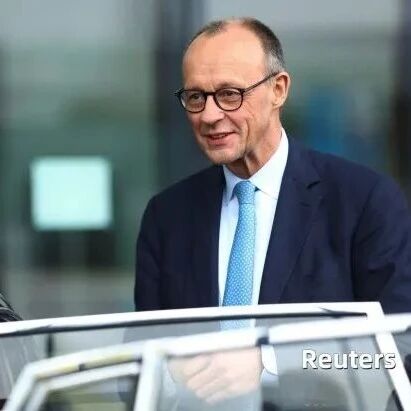
FT中文网精选:德国总理默茨在中国经历的三重时空
日经中文网· 2026-03-12 02:39
Group 1 - The core viewpoint of the article emphasizes the deepening economic ties between Germany and China, highlighting that many German companies are increasingly linking their future competitiveness with China [4][5]. - The article discusses the historical context of the Germany-China economic relationship, noting that Germany has benefited from its export-oriented economy, particularly through its "German manufacturing" reputation in global markets [5][6]. - The article mentions the significance of the automotive sector, where German cars have historically dominated the Chinese market, indicating a long period of success [6].

国元证券闭幕
Guoyuan International· 2026-03-12 02:38
Economic Indicators - US inflation in February showed a stable decline, with market focus on energy price impacts[4] - February sales of new energy vehicles in China decreased by 14.2% year-on-year[4] US Treasury Yields - 2-year US Treasury yield increased by 6.06 basis points to 3.651%[4] - 5-year US Treasury yield rose by 6.31 basis points to 3.804%[4] - 10-year US Treasury yield climbed by 7.20 basis points to 4.230%[4] Stock Market Performance - Nasdaq index closed at 22,716.13, up 0.08%[5] - Dow Jones Industrial Average closed at 47,417.27, down 0.61%[5] - S&P 500 index closed at 6,775.80, down 0.08%[5] Commodity Prices - ICE Brent crude oil price increased by 6.64% to $93.63[5] - CME Bitcoin futures rose by 0.88% to $70,815.00[5] - London gold spot price decreased by 0.14% to $5,182.88[5]
铜冠金源期货商品日报-20260312
Tong Guan Jin Yuan Qi Huo· 2026-03-12 02:35
Report Industry Investment Rating - Not provided in the given content Core Viewpoints of the Report - The Middle East geopolitical disturbances are still fermenting, and the international oil price will continue to be highly volatile. The US inflation data is in line with expectations, and the Fed's interest - rate cut expectations have cooled. The A - share market is likely to maintain a volatile and sector - differentiated pattern in the short term, and the bond market is expected to be weakly volatile. Different commodity prices will show different trends affected by factors such as geopolitical situations, supply - demand relationships, and inflation expectations [2][3] Summary by Related Catalogs Macro - Overseas, the Middle East conflict continues. Iran warns that oil prices may rise to $200 per barrel, and the IEA plans to release a record 4 billion barrels of reserves. The US 2 - month CPI data is in line with expectations, with the core CPI at a five - year low. The US stock market is weakly volatile, the US dollar index rises, and the 10 - year US Treasury yield rebounds. Domestically, the A - share market closes higher with reduced trading volume, and the bond market continues to weaken [2][3] Precious Metals - International precious metal futures generally close down. The latest US CPI data shows that inflation continues to cool, which cools the Fed's interest - rate cut expectations and strengthens the US dollar, suppressing precious metal prices. Although the release of oil reserves weakens the inflation logic, the Middle East geopolitical situation remains highly uncertain, and it is difficult to form a trend - based market for now [4][5] Copper - LME copper fluctuates around $13,000. The US inflation is in line with expectations, and the cost - transfer signs of tariffs are emerging. The Iranian - US conflict has uncertain directions, and the large - scale fluctuations in oil prices may limit the Fed's interest - rate cut space this year. Fundamentally, the supply growth rate of copper concentrates is low, and the domestic social inventory starts to be destocked. It is expected that copper prices will remain high and volatile in the short term [6][7] Aluminum - The price increase of aluminum slows down. Trump indicates that the military action against Iran is "about to end", but the Strait of Hormuz is still blocked. It is expected that the upward trend of aluminum prices will slow down. If the strait is restricted for more than 4 weeks, there may be a shortage of raw material alumina in the Middle East, leading to passive production cuts [8][9] Alumina - The domestic supply - demand of alumina is relatively stable recently. The supply - side operating rate remains flat, and the consumption - side electrolytic aluminum enterprises resume most long - term order purchases. Overseas alumina prices fall, but freight prices rise. It is expected to maintain range - bound fluctuations [10] Cast Aluminum - Cast aluminum runs strongly. The Middle East geopolitical situation disturbs the market, and the price of primary aluminum remains strong. Although the supply of scrap aluminum has improved significantly, the price of scrap aluminum also rises with the increase of primary aluminum. The cost support of cast aluminum is strong, and it is expected to run strongly, but the sustainability depends on the realization of the consumption peak season [11] Zinc - The zinc price shows a volatile pattern. The US core inflation slows down, and the market expects the next Fed interest - rate cut to be in September. The release of oil reserves fails to effectively relieve inflation concerns, and the US dollar strengthens, suppressing metals. The downstream consumption improvement is not obvious, and the inventory remains high, but the overseas zinc ore supply tightens, and the processing fees are under pressure. The zinc price has support at the bottom, and the short - term contradiction is not prominent, maintaining a volatile pattern [12] Lead - The lead price stabilizes. After the lead price falls, the downstream battery enterprises' purchase at low prices improves, but the high inventory and the inflow pressure of crude lead restrain the lead price. The short - term futures price is difficult to change the low - level volatile pattern [13] Tin - The tin price fluctuates narrowly. Investors are vigilant about the further escalation of the Middle East conflict, the US dollar index rises after a fall, and risk assets are under pressure. The downstream demand is average, and the inventory reduction in China needs to be observed. The supply - side concerns are alleviated, and the fundamental support weakens. It is expected that the tin price will maintain a narrow - range fluctuation in the short term [14] Nickel - The nickel price fluctuates strongly. The US inflation is in line with expectations, but the Iranian - US conflict is uncertain, and the large - scale fluctuations in oil prices may limit the Fed's interest - rate cut space. The shipping obstruction in the Strait of Hormuz affects Indonesia's sulfur imports, increasing the production cost of nickel. The downstream steel mills enter the peak season, but the actual production may be lower than expected. It is expected that the nickel price will maintain a volatile trend in the short term [15][16] Steel (Screw and Coil) - The steel futures fluctuate and rebound. The spot market trading shows signs of recovery. The downstream construction sites resume work, and the steel demand enters the release channel. The supply side also recovers, but the steel mills' production - increasing motivation is insufficient due to limited profit margins, and the inventory starts to decline. It is expected that the futures price will continue to fluctuate and rebound [17] Iron Ore - The iron ore futures fluctuate strongly. After the Two Sessions, steel mills resume production, and the iron - water output rises, supporting the ore price. The overseas shipment decreases this week, but the arrival increases, and the domestic mines also resume production. The port inventory remains at a high level, and the supply pressure still exists. It is expected that the ore price will continue to fluctuate and rebound [18] Coking Coal and Coke - The coking coal supply recovers rapidly, the production increases steadily, and the inventory accumulates. After the first - round price cut of coke, the profit margin of coke enterprises narrows, and the production - increasing motivation is not strong. With the end of the Two Sessions, steel mills are expected to resume production, and the demand for coke increases. It is expected that coking coal and coke will run in a volatile manner [19] Soybean and Rapeseed Meal - The soybean meal futures fluctuate strongly. Although the IEA plans to release strategic reserves, the obstruction of the Strait of Hormuz dominates, and the oil price rises, boosting the US soybean market. The estimated soybean arrival in March is low, and the supply is tight. The import cost rises, and the domestic soybean meal valuation increases. It is expected to run strongly in the short term [20][21] Palm Oil - The palm oil futures fluctuate strongly. The US core inflation slows down as expected, but the post - war impact is not reflected, and the inflation may heat up later. The IEA plans to release reserves, but the oil price still runs strongly due to the obstruction of the Strait of Hormuz. If the oil price remains high, Indonesia may restart the B50 policy this year. The palm oil production in Malaysia increases in early March, but the export demand increases more. It is expected to run strongly in the short term [22][23]
股市维持适度乐观,债市表现疲软
Zhong Xin Qi Huo· 2026-03-12 02:18
1. Report Industry Investment Rating - Not provided in the content 2. Core View of the Report - The stock market maintains a moderately optimistic outlook, while the bond market shows weakness. Specifically, for stock index futures, maintain a moderately optimistic stance; for stock index options, continue to hold call options for defense; for treasury bond futures, the bond market is weak [2][3]. 3. Summary by Relevant Catalogs 3.1 Market Outlook 3.1.1 Stock Index Futures - **View**: Maintain a moderately optimistic outlook. Yesterday, the equity market rose and then fell, with the ChiNext Index leading the gain by 1.31% and the CSI 300 rising by 0.64%. The large - cap style was generally strong. The new energy sectors such as photovoltaic and lithium - battery took turns to make up for the gains, while the technology sector declined. Due to the stalemate in the geopolitical conflict and the failure of energy mitigation measures, market risk appetite was suppressed, and funds quickly gathered towards certain themes. The negative public opinion caused by the OpenClaw security issue led to the adjustment of software and semiconductor sectors. The annual report performance of new energy and automobile stocks exceeded market expectations, indicating strong downstream demand, and institutions revealed price - increase expectations for lithium mines and photovoltaics, which catalyzed the industry switch of funds. Although the seesaw effect between short - term energy, the US dollar index, and the stock market is still obvious, both domestic and international markets are relatively restrained, suggesting the expectation of TACO and mitigation measures still exists. In operation, temporarily maintain a moderately optimistic attitude, hold half - position IM long positions, and wait for the risks to materialize before making a right - side attack [3][9]. - **Operation Suggestion**: Hold IM [9]. 3.1.2 Stock Index Options - **View**: Continue to hold call options for defense. Yesterday, the equity index fluctuated strongly. The overall form of option indicators was similar to that of the previous day. The trading volume of the varieties decreased slightly, and the option sentiment indicator, the position PCR, strengthened mainly. Combined with the natural decline of implied volatility, it shows that the market sentiment is relatively warm. However, considering the large recent market fluctuations, the trend - following effect of option - end indicators is stronger than the guiding effect, and the current option market is trading on volatility rather than simply on direction. Therefore, the option strategy will cautiously maintain the weekly report view, still suggesting to continue to hold call options for defense to protect the systematic risks of the overall position [4][9]. - **Operation Suggestion**: Continue to hold call options for defense [9]. 3.1.3 Treasury Bond Futures - **View**: The bond market is weak. Treasury bond futures fell across the board. The inter - bank bond market was generally weak yesterday, with the yields of most major interest - rate bonds rising slightly. The 30 - year main contract led the decline, pushing the yield curve to steepen. The inter - bank market funds were stable but slightly tightened. Although the overall market fund supply remained stable and the difficulty of institutional lending was limited, as the mid - month tax - payment time approached, the market funds might face certain phased pressure, but it was expected not to cause large - scale liquidity tension. The widening of the spread between 30 - year and 10 - year treasury bonds was a significant feature of the bond market yesterday. The market was still worried about the possible inflation increase caused by the rising oil price. Coupled with the strong export data at the beginning of the year, the 30Y treasury bond performed worse than the 10Y treasury bond. In the short term, the situation in the Middle East is still very changeable, and the impact on inflation needs to be continuously observed. Inflation concerns may continue to disturb the bond market, and the bond market may continue the volatile market in the short term [5][9][10]. - **Operation Suggestion**: Trend strategy: volatile. Hedging strategy: pay attention to short - hedging at the low basis. Basis strategy: pay attention to the long - end positive arbitrage opportunity. Curve strategy: pay attention to the flattening of the 30Y - 10Y in the short term [10].
比亚迪闭门会:2万座闪充站背后的「油电切换」大周期
雷峰网· 2026-03-12 00:54
Core Viewpoint - The recent BYD press conference aimed to address potential fuel vehicle users, showcasing advancements in electric vehicle technology and charging infrastructure [2][5]. Group 1: Charging Technology - BYD's new charging technology, including the second-generation blade battery and ultra-fast charging, aims to significantly reduce charging times, with the latest charging station capable of delivering 1.5 MW, allowing vehicles to charge in approximately 10 minutes [4][22]. - The company plans to establish 20,000 fast charging stations by the end of 2026, with 18,000 being integrated into existing public charging stations and 2,000 designated for highways [7][14]. - As of March 5, 2023, BYD has already built 4,239 fast charging stations, with a goal of having one station every 5 kilometers in urban areas and every 100 kilometers on highways [8][14]. Group 2: Market Strategy - The press conference was strategically designed to attract users still considering fuel vehicles, emphasizing the advantages of electric vehicles and the convenience of fast charging [5][24]. - BYD's approach includes a comprehensive system that integrates battery technology, vehicles, and charging infrastructure, which is seen as a competitive advantage in the market [12][23]. - The company is also focusing on expanding its electric vehicle lineup, with plans to implement fast charging technology across at least 10 models this year [6][20]. Group 3: Battery Technology - The second-generation blade battery has achieved over a 5% increase in energy density, which is attributed to advancements in materials and structural design [13]. - BYD's commitment to battery technology is underscored by its long history in the industry, having pioneered lithium iron phosphate as a core technology since 2002 [23]. - The company continues to support the first-generation blade battery for users who may not require the latest technology, ensuring a diverse product offering [24][25].