房地产

Search documents
关注AI上游供需
Hua Tai Qi Huo· 2026-02-11 05:30
Report Summary 1. Industry Investment Rating No investment rating information provided in the content. 2. Core Viewpoints - The AI chip demand remains strong as TSMC's January revenue showed significant growth, indicating the continued AI boom. The central bank will continue a moderately loose monetary policy to promote stable economic growth and reasonable price recovery [1][2]. 3. Summary by Directory A. Mid - view Event Overview - **Production Industry**: The five - department joint release aims to enhance the supply capacity of the information and communication industry for low - altitude infrastructure, including promoting 5G - A development, upgrading base stations, and accelerating technology - industrial maturity. TSMC's January revenue reached NT$401.26 billion (about $12.71 billion), a 36.8% year - on - year increase and 19.8% month - on - month increase, the highest in history [1]. - **Service Industry**: The central bank will continue a moderately loose monetary policy, using various tools like reserve requirement ratio and interest rate cuts to ensure sufficient liquidity and reasonable growth of social financing [2]. B. Industry Overview - **Upstream**: Black commodity prices declined, egg prices dropped, and chemical product prices were at a low level [3]. - **Midstream**: PX and urea had high operating rates among chemical products, while others were low. Power plant coal consumption increased, and the production of pork products rose [3]. - **Downstream**: The sales of commercial housing in first - and second - tier cities decreased seasonally, while the number of domestic flights continued to rise [4]. C. Key Industry Price Indicators - **Agriculture**: Corn prices remained stable, while egg, palm oil, cotton, and pork prices declined. Copper prices rose slightly, and zinc prices fell [39]. - **Non - ferrous Metals**: Aluminum prices increased, while nickel prices decreased slightly. - **Black Metals**: The prices of steel products and iron ore all declined, except for a slight increase in glass prices. - **Non - metals**: Natural rubber prices rose slightly, and the China Plastic City price index decreased. - **Energy**: Crude oil prices (WTI and Brent) declined, while liquefied natural gas and coal prices changed slightly. - **Chemicals**: The prices of PTA, polyethylene, urea, and soda ash all declined, and the cement price index decreased. - **Real Estate**: The building materials and concrete price indices both declined [39].

上海收储二手房具备重要信号意义
Orient Securities· 2026-02-11 03:14
Investment Rating - The report maintains a "Buy" rating for the real estate industry, indicating an expected return that is more than 15% above the market benchmark index [19]. Core Insights - The report presents a unique perspective on the Shanghai government's initiative to acquire second-hand housing, which is seen as a significant signal for the market [1][4]. - The acquisition aims to alleviate the housing exchange chain and is supported by financial backing from China Construction Bank for affordable rental housing projects [2][3]. - The report highlights that the initiative is crucial in providing an exit channel for specific assets and reshaping price anchors, which could stabilize price expectations in the market [4][9]. Summary by Sections Market Overview - The report notes a slight decrease in new and second-hand housing sales in the sixth week of 2026, with new home sales down 3% and second-hand home sales down 4% compared to the previous week [10]. Policy Implications - The report emphasizes the importance of monitoring the pace and intensity of policy implementations throughout 2026, particularly in response to weakening fundamentals [5]. - It suggests that the market should not overestimate the scale of the second-hand housing acquisition, as the willingness of homeowners to participate may be limited due to acquisition price constraints [9]. Investment Recommendations - The report identifies three categories of investment opportunities expected to yield excess returns: 1. Quality developers with light historical burdens and strong sales growth expectations [5]. 2. Commercial real estate operations, particularly shopping centers that can maintain stable growth [5]. 3. Real estate brokerage platforms that benefit from scale and brand advantages, which could see significant performance upside with policy implementation or market recovery [5].
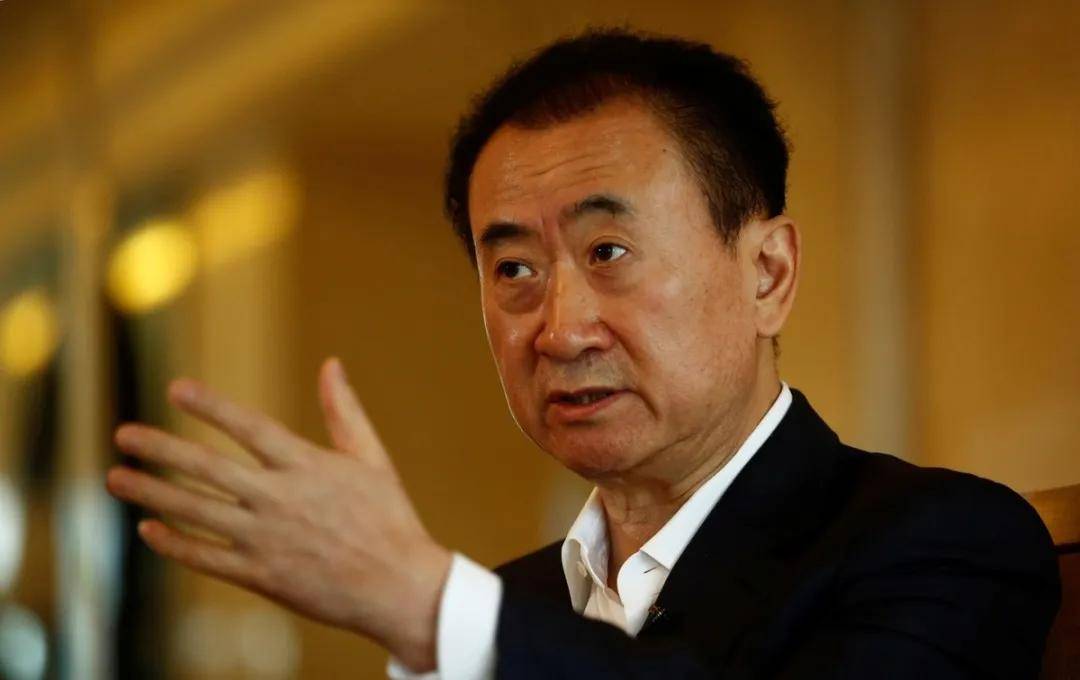
王健林预言应验!别急了卖房,2026年的房价,要变天!
Sou Hu Cai Jing· 2026-02-11 03:00
Core Viewpoint - The real estate market is experiencing a significant downturn, with increasing listings but declining prices, leading to a "fire sale" mentality among homeowners [2][5][9]. Group 1: Market Trends - From 2021 to the present, the number of second-hand homes listed for sale has risen sharply, while prices have consistently decreased, causing distress among homeowners who purchased at peak prices in 2019 [2]. - As of early 2024, many homeowners are anxious to sell, fearing further depreciation of their properties, resulting in a wave of price reductions in the market [2][5]. - The expectation for significant price increases in 2026 is deemed overly optimistic, as the fundamental supply-demand dynamics remain unfavorable, with high inventory levels and declining new population growth [5][6]. Group 2: Price Predictions - The overall trend for housing prices in 2026 is likely to be a gradual decline rather than a dramatic increase or decrease, characterized by a stable and slow adjustment [8][9]. - The notion that policy changes will lead to immediate price surges is unlikely to materialize, as the current market conditions do not support such a scenario [8][9]. Group 3: Selling Strategies - The strategy of drastically reducing prices to sell homes quickly is not advisable, as it may lead to significant losses for homeowners who do not urgently need cash [9][10]. - An alternative strategy of "renting instead of selling" is suggested, as stable rental income can offset potential losses from declining property values, allowing homeowners to wait for better selling conditions [9][10]. Group 4: New Home Purchases - For potential new home buyers who are not in urgent need, it is recommended to wait and observe the market, as future policy changes may further lower purchasing barriers [12]. - The likelihood of a sudden spike in home prices during the observation period is low, making it a reasonable strategy to delay purchases [12]. Group 5: Market Risks - The real estate market's adjustment period may be longer than anticipated, with risks still present, as many areas continue to struggle with poor sales despite various encouraging policies [14][15]. - If significant price declines occur, properties may shift from being seen as assets to burdens, particularly if property tax policies are implemented [15]. Group 6: Conclusion - The real estate market is transitioning from a speculative environment to one focused on stable living and asset management, necessitating a realistic approach to market conditions and individual asset strategies [17].

热点思考 | 积极因素正在累积(申万宏观·赵伟团队)
申万宏源宏观· 2026-02-11 02:53
Group 1 - The most challenging period for the real estate sector may have passed, with signs of marginal recovery in supply and demand. The year-on-year decline in second-hand housing transaction area in major cities narrowed by over 5 percentage points to -14.7% in the last 3-4 weeks before the festival [3][9][47] - Government revenue from real estate funds saw a year-on-year decline narrowing to -11.7% in December 2025, while land transfer income decreased by 22.9%, a reduction of 3.9 percentage points compared to November [3][9][47] - Local governments have introduced breakthrough policies to support the acquisition of second-hand housing, with Shanghai's pilot program being particularly noteworthy. The program focuses on acquiring small second-hand apartments under 70 square meters in key urban areas [3][9][48] Group 2 - Multiple ministries have strengthened policy coordination, with fiscal and financial policies working together to support three key areas: consumption, equipment investment, and the private economy. In January, the net financing scale of government bonds increased by over 280 billion yuan year-on-year [4][20][49] - The total issuance of government bonds, including new general bonds and special bonds, reached 12,915 billion yuan by February 8, 2026, an increase of 2,860 billion yuan year-on-year [4][20][49] - The central bank announced an increase in the quota for re-loans for technological innovation and transformation by 400 billion yuan, aiming to stimulate private investment and support small and medium-sized enterprises [4][25][49] Group 3 - Local governments have proactively advanced economic work, moving the timing of policy deployment earlier. Some regions have held their first meetings of the year immediately after New Year's Day to kickstart annual work [6][32][51] - By the end of January, 20 provinces and cities had disclosed their GDP targets for 2026, with a weighted average of 5.1%, indicating a more pragmatic and positive outlook [6][35][51] - Investment growth targets show regional differentiation, with western regions demonstrating stronger momentum, such as Xinjiang setting a target of around 8% for investment growth [6][35][51] Group 4 - The 2026 Spring Festival will feature the longest holiday in history, making holiday consumption a key driver for boosting first-quarter domestic demand and solidifying the foundation for economic recovery throughout the year. Policies have shifted from traditional physical consumption stimulation to a balanced focus on both physical and service consumption [7][42][52] - Local governments have implemented significant consumption-boosting policies, including the issuance of large consumer vouchers and cultural tourism subsidies in regions like Henan and Hubei [7][42][52] - Various regions are launching rich cultural tourism activities and distributing Spring Festival consumption vouchers to enhance consumer engagement during the holiday [7][42][52]

未知机构:①2月8日媒体报道字节多模态模型Seedance20重磅更新据悉模-20260211
未知机构· 2026-02-11 02:40
Summary of Key Points from Conference Call Records Industry and Company Involvement - **Artificial Intelligence and Data Analysis**: The records highlight advancements in AI technologies, particularly focusing on ByteDance's Seedance 2.0 and OpenAI's ChatGPT, along with significant funding in the data analysis sector. - **Entertainment and Media**: The records discuss developments in the film and gaming industries, including new AI-driven content creation tools and upcoming film releases. - **Solar Energy and Semiconductor Industries**: There are mentions of Tesla's expansion in solar energy and projections for semiconductor sales growth. Core Insights and Arguments - **ByteDance's Seedance 2.0**: The model has reportedly overcome previous limitations and is now leading in AI video generation, moving towards industrial-grade applications [1][1][1] - **OpenAI's Growth**: ChatGPT's monthly growth rate has surpassed 10%, indicating strong user engagement and the upcoming release of an upgraded chat model [1][1][1] - **Databricks Funding**: The data analysis company has completed a $5 billion funding round, raising its valuation to $134 billion, reflecting investor confidence in AI and data analytics [1][1][1] - **Cost of Video Production**: The traditional cost structure for video production is shifting towards marginal costs associated with computational power, indicating a potential disruption in the industry [2][2][2] - **Content Inflation**: The content sector is expected to experience unprecedented inflation, leading to a complete restructuring of traditional organizational frameworks and production processes [3][3][3] - **Concerns Over Deepfakes**: The CEO of Game Science raised concerns about the proliferation of fake videos and the associated trust crisis, emphasizing the importance of responsible AI development [4][4][4] Other Important but Potentially Overlooked Content - **Seedance 2.0 Restrictions**: The model has temporarily disabled the upload of real human images and videos to mitigate issues related to deepfakes [4][4][4] - **Emerging AI Tools**: New AI models and tools are being developed across various companies, including Alibaba's AI video creation tool and Xiaohongshu's video editing AI product [1][1][1] - **Investment in Semiconductor Industry**: The Semiconductor Industry Association predicts global semiconductor sales will reach $1 trillion this year, with a projected growth of 25.6% by 2025 [7][7][7] - **Rising Prices in Dye Industry**: Recent reports indicate a significant increase in the prices of disperse dyes, with some prices rising by approximately 10% [7][7][7] - **Upcoming Film Releases**: Several domestic films have been scheduled for release during the 2026 Spring Festival, indicating a robust film market [9][9][9]
1月政策跟踪观察:积极因素正在累积
Shenwan Hongyuan Securities· 2026-02-11 02:11
Real Estate Sector - The most challenging period for the real estate sector may have passed, with supply and demand pressures easing, as evidenced by a narrowing year-on-year decline in second-hand housing transaction area to -14.7%[2] - In first-tier cities, the year-on-year decline in second-hand housing transactions narrowed by over 25% to -0.95%[2] - Government fund revenue decline narrowed to -11.7% in December 2025, while land transfer revenue fell by 22.9%, a 3.9 percentage point improvement from November[2] Policy Coordination - Multiple ministries have strengthened policy coordination, with a net increase of over 280 billion yuan in government bond financing in January compared to the previous year[4] - As of February 8, 2026, the cumulative issuance of government bonds, new general bonds, and new special bonds reached 12,915 billion yuan, an increase of 2,860 billion yuan year-on-year[4] - The central bank announced an increase in the re-lending quota for technological innovation and technological transformation by 400 billion yuan[4] Local Government Initiatives - Local governments are proactively deploying economic work, with some regions moving their "New Year first meeting" to after New Year's Day to kickstart annual work early[6] - By the end of January, 20 provinces and cities had disclosed their GDP targets for 2026, with a weighted average of 5.1%, indicating a more pragmatic and positive outlook[6] - Investment growth targets show regional differentiation, with Xinjiang setting a high target of around 8%[6] Consumer Spending Initiatives - The 2026 Spring Festival will feature the longest holiday in history, with holiday consumption becoming a key driver for first-quarter domestic demand and overall economic recovery[7] - Local policies have shifted from traditional physical consumption stimulation to a balanced focus on both physical and service consumption, with significant consumer vouchers and cultural tourism subsidies being issued in various regions[7] - Notable initiatives include Henan and Hubei issuing large consumer vouchers and promoting rich cultural tourism activities during the Spring Festival[7]
未知机构:交易台高盛中国午间快讯上证综指002科创500-20260211
未知机构· 2026-02-11 02:05
Summary of Key Points from Conference Call Industry Overview - The Chinese stock market showed mixed performance with the Shanghai Composite Index down by 0.02% and the ChiNext Index down by 0.14% while the STAR 50 Index increased by 0.80% [1] - The total trading volume in the A-share market was 1.41 trillion RMB, indicating a relatively quiet trading day [1] Core Insights - AI applications and media stocks led the market gains, driven by investor anticipation for updates from domestic AI model developers [1] - The healthcare sector also saw gains, with a shift in the CDMO (Contract Development and Manufacturing Organization) field from beta-driven to visibility-driven growth, suggesting a focus on high-certainty compound growth targets for 2026 [1] - The Chinese healthcare sector is expected to perform strongly in 2025, primarily due to the global expansion of emerging assets [1] - Biotechnology, pharmaceuticals, and CRO/CDMO sectors are leading the market, contrasting with negative returns in other sectors [1] Additional Important Information - The white liquor sector experienced a decline, leading the market downwards, along with corrections in the real estate and agriculture sectors [2] - Cash transaction volumes are continuously shrinking, indicating a cautious market sentiment [3] - Current fund flow preferences lean towards selling, with a configuration ratio of 1.06 times, while buying is focused on gold, lithium, and GPU sectors, and selling is occurring in memory and defense sectors [3]
未知机构:交易台高盛香港市场综述恒生指数06国企指数0-20260211
未知机构· 2026-02-11 01:50
交易台 – 高盛香港市场综述 恒生指数 +0.6% 国企指数 +0.8% 科技指数 +0.6% 成交额:2340 亿港元 领涨板块:医疗保健 +2.1%,能源 +1.8%,材料 +1.3% 落后板块:公用事业 -0.5%,地产 -0.5%,信息技术 -0.3% 港股开盘表现强劲,但很快回吐涨幅,收盘仅小幅走高。 恒生指数一度逼近 27400 点关口,随后回落至 27 交易台 – 高盛香港市场综述 恒生指数 +0.6% 国企指数 +0.8% 科技指数 +0.6% 成交额:2340 亿港元 领涨板块:医疗保健 +2.1%,能源 +1.8%,材料 +1.3% 落后板块:公用事业 -0.5%,地产 -0.5%,信息技术 -0.3% 港股开盘表现强劲,但很快回吐涨幅,收盘仅小幅走高。 内地 A 股表现落后于 H 股,收盘仅小幅上涨。 资金流向方面,交易台买入倾向为2.2 倍,零售板块(泡泡玛特)的回补买盘以及保险板块(友邦保险)的部分买 入使交易台倾向偏多。 交易台今日在大型科技股上也获得了不错的买盘,买入阿里巴巴,同时在美团等股票上进行做空以部分抵消。 材料板块买入持续,紫金矿业和 MMG1208 持续有买盘。 除此 ...
金融界财经早餐:央行重申适度宽松的货币政策;五部门联合发文推动低空通信建设;葛卫东10亿元认购江淮汽车定增股;五倍牛股嘉美包装再发警示公告;初代小米SU7正式停产(2月11日)
Jin Rong Jie· 2026-02-11 01:35
Company Highlights - Semiconductor company SMIC reported revenue of 17.81 billion yuan, a year-on-year increase of 11.9%, and a net profit of 1.22 billion yuan, up 23.2% [9] - WuXi Biologics expects a net profit of 4.91 billion yuan for the full year of 2025, reflecting a strong competitive position in the biopharmaceutical sector with a growth of 46.3% [9] - Jianghuai Automobile disclosed a stock issuance report, raising approximately 3.5 billion yuan by issuing 70.17 million shares at 49.88 yuan each, with significant participation from individual investors [9] - Hengdian Film and Television announced a stock price deviation of 100% over ten trading days, indicating potential for further stock price scrutiny [10] - CATL successfully issued green technology innovation bonds totaling 5 billion yuan with a coupon rate of 1.70%, aimed at supporting its operations [10] - BYD's U.S. subsidiary filed a lawsuit against the U.S. government over tariff policies, seeking refunds for substantial duties paid on imported materials [11] - Country Garden received disciplinary measures from the Shanghai Stock Exchange for failing to disclose overdue debts in a timely manner, affecting its corporate governance reputation [11] - Beijing Automotive anticipates a net profit of approximately 110 million to 130 million yuan for the year ending December 31, 2025, a significant decline of 86.4% to 88.5% year-on-year due to intense competition [11] Industry Insights - The ABF substrate demand is surging due to the AI server boom, with domestic manufacturers achieving full production capacity and expanding their output [8] - North American battery factories are pivoting towards energy storage battery production in response to declining electric vehicle sales, creating new opportunities in the energy storage sector [8] - ByteDance's AI video generation model Seedance 2.0 is gaining attention for its ability to create high-quality videos, although it raises privacy concerns among users [8][13] - The dye industry is expected to see a rebound in demand, with price increases anticipated as the post-holiday printing and dyeing season approaches [8]

早报 | 特朗普称若美伊谈判失败将强硬行动;雷军宣布初代小米SU7正式停产;多平台称春节期间配送费涨价;谷歌百年期债券获7倍认购
虎嗅APP· 2026-02-11 00:48
Group 1 - The article discusses President Trump's consideration of deploying an additional aircraft carrier strike group to the Middle East if negotiations with Iran fail, highlighting the ongoing military buildup in the region [2][4][5] - The second round of negotiations between the U.S. and Iran is expected to take place next week, with Trump emphasizing the need for a strong agreement or else face tough actions [3][4] Group 2 - Alphabet, Google's parent company, raised nearly $32 billion in debt financing, showcasing the significant funding needs of tech giants in the AI race, with a record issuance of a century-long bond that received over 7 times the demand [6][6] - The issuance of the century bond is notable as it reflects Alphabet's financial stability and long-term planning, especially as the company plans to double its capital expenditure to $185 billion this year, primarily for AI infrastructure [6] Group 3 - xAI, Elon Musk's AI startup, has lost another co-founder, Tony Wu, amid a series of departures from the company, which is facing consumer backlash and regulatory scrutiny [8][8] - The company has been criticized for its AI product, Grok AI, which has been involved in creating unauthorized deepfake images [8] Group 4 - Paramount Skydance has revised its hostile takeover bid for Warner Bros Discovery, offering to pay a $2.8 billion breakup fee if Warner Bros terminates its agreement with Netflix, and promising to refinance Warner's debt [9][10] - Following the announcement, shares of Paramount and Warner Bros saw slight increases, indicating market interest in the revised proposal [10] Group 5 - The European Commission accepted Volkswagen's price commitment for exporting electric vehicles from China, allowing the company to avoid anti-subsidy taxes on its CUPRA Tavascan model [11][12] - Volkswagen has also committed to limiting the quantity of vehicles exported to the EU and investing in significant projects related to electric vehicles to support EU industry strategies [12] Group 6 - Xiaomi's founder announced the official cessation of production for the first-generation Xiaomi SU7, with total deliveries nearing 370,000 units [13][14] - The company is adjusting its service and delivery fees during the Spring Festival period, with various platforms announcing price changes [15] Group 7 - Country Garden's executives received disciplinary action from the Shanghai Stock Exchange for failing to timely disclose debt defaults, although the board believes there is no reason to doubt their integrity [16] - Investors such as Ge Weidong and Fang Wenyuan participated in Jianghuai Automobile's private placement, each investing 1 billion yuan [17][18] Group 8 - ByteDance launched its image generation model Seedream 5.0 across various platforms, indicating a push in AI capabilities [19][20] - The model is positioned to compete with existing technologies in the market [20] Group 9 - The Shanghai Gold Exchange announced adjustments to margin requirements and price limits for gold and silver contracts to mitigate risks during the Spring Festival [28] - The U.S. is set to release its non-farm payroll data, a key economic indicator that influences global financial markets [30] Group 10 - The National Healthcare Security Administration implemented new pricing regulations for innovative drugs to enhance transparency and expedite the market entry of new medications [31] - Elon Musk predicted that general artificial intelligence (AGI) could emerge within three years, potentially leading to significant job displacement in various sectors [32][33]