
茶饮

Search documents
48小时卖30万杯,“冬天第一杯热奶茶”杀疯了
3 6 Ke· 2025-10-27 02:36
Core Insights - The demand for hot beverages has surged across multiple regions in China as temperatures drop, leading to significant sales increases for various brands [1][2][6] - Popular products include "Super Thick Taro Mud" from Cha Bai Dao, which sold nearly 200,000 cups on its first day, and "Strawberry Milk Cloud Mochi" from Shu Yi Shao Xian Cao, which sold 300,000 cups within 48 hours [1][6] Group 1: Market Trends - The topic "First Cup of Milk Tea in Winter" has gained over 20 million views on Xiaohongshu, indicating a strong consumer interest in hot drinks [1] - Offline store orders for hot drinks have increased significantly, with some stores reporting that over half of the orders are for hot beverages [2] - Major brands are actively launching new products to capitalize on the rising demand, with Cha Bai Dao introducing a cake milk tea series and other brands promoting their classic hot drink offerings [3][4] Group 2: Product Innovations - Many brands are reintroducing successful past products, such as Cha Bai Dao's "Super Thick Taro Mud," which has proven to be a hit again this season [8] - The trend of combining unconventional ingredients, such as sweet soy sauce and salted egg yolk with traditional beverages, is gaining traction, showcasing a willingness to experiment with flavors [10][12] - Common ingredients like pumpkin, sweet potato, and rice are being incorporated into drinks, reflecting a shift towards more familiar, home-style flavors [12][14] Group 3: Seasonal Adaptations - Hot fruit teas made with ingredients like pear and orange are becoming popular as the seasons change, with brands innovating by pairing these fruits with various tea bases [15][17] - The introduction of seasonal flavors and ingredients is expected to continue, with brands planning to incorporate apples and strawberries into their offerings [17]

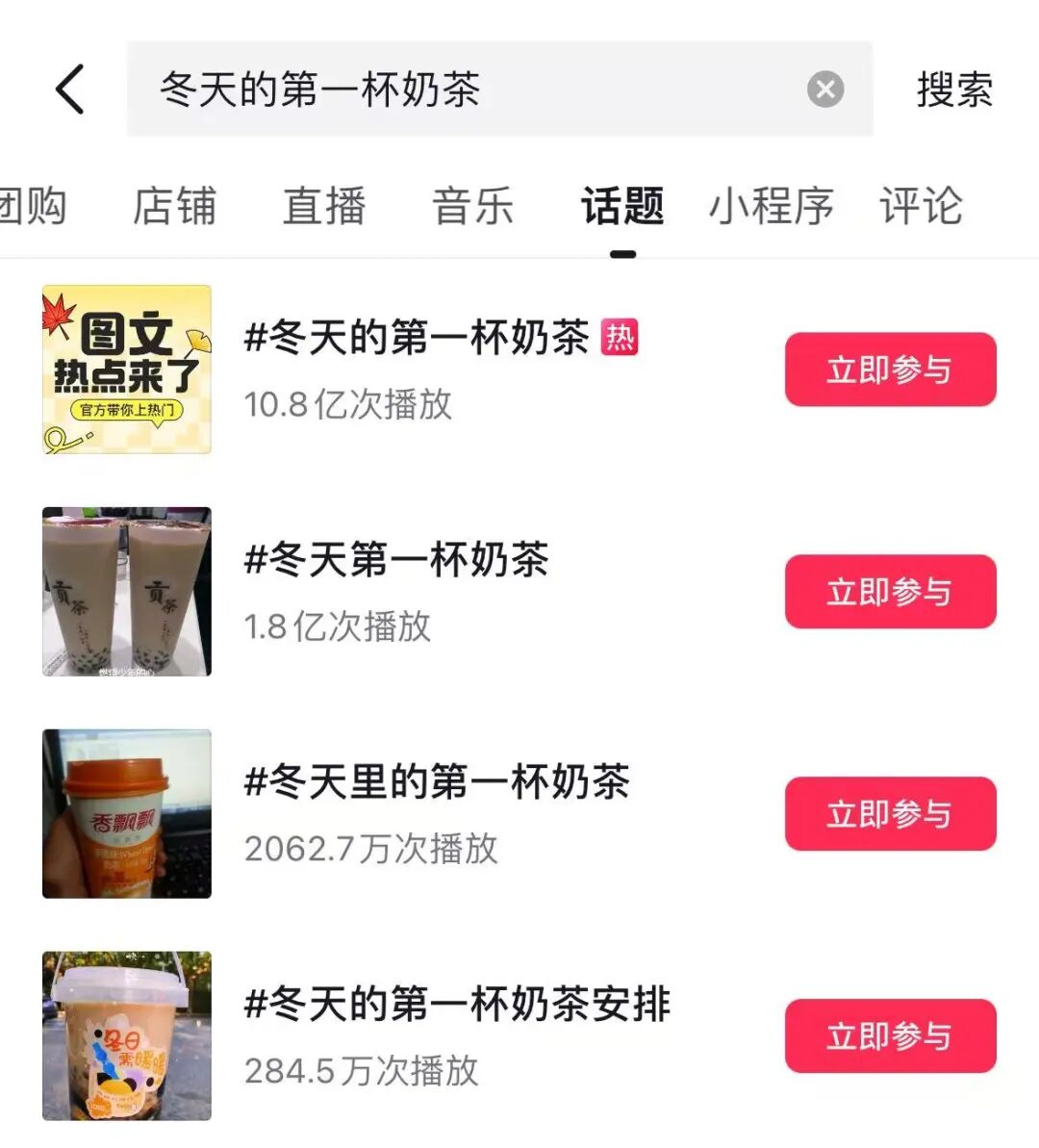
中国啤酒升级故事怎么讲?摸一摸美国“精酿革命”的石头
Guan Cha Zhe Wang· 2025-10-26 14:03
Core Viewpoint - The acquisition of 53% stake in Fresh Beer Fulu by Mixue Group for 297 million yuan marks a significant move for the company, aiming to diversify its product offerings beyond tea drinks and tap into the beer market [1][5][6]. Group 1: Acquisition Details - Mixue Group completed its first major acquisition post-IPO by acquiring a 53% stake in Fresh Beer Fulu for 297 million yuan, achieving absolute control [1][5]. - Fresh Beer Fulu, founded in 2021, operates approximately 1,200 stores and offers fresh beer products priced between 5.9 yuan and 14.9 yuan [5][20]. - The acquisition structure involved a combination of capital injection and share transfer, allowing Mixue to avoid potential antitrust scrutiny [5][6]. Group 2: Market Context - Following a brief post-IPO surge, Mixue's stock has faced downward pressure, reflecting market skepticism regarding its growth potential and operational challenges in the coffee and overseas expansion sectors [2][6]. - The tea drink sector's growth rate is projected to slow from 44.3% in 2023 to 12.4%, prompting Mixue to seek new growth avenues [6][28]. Group 3: Strategic Implications - The acquisition is seen as a strategic extension of Mixue's business, aiming to cover a broader range of product categories and meet consumer demand for high-quality, affordable products [6][27]. - The entry of a major player like Mixue into the craft beer market is viewed positively, potentially enhancing industry visibility and optimizing supply chains [7][27]. Group 4: Challenges Ahead - Significant challenges include adapting to the operational differences between tea and beer production, brand perception shifts, and navigating a complex regulatory environment for alcoholic beverages [28][29]. - The financial performance of Fresh Beer Fulu has been underwhelming, with a reported loss of 1.5277 million yuan in 2023, raising concerns about the valuation of the acquisition [29].
全国首店撤出深圳海岸城!茶饮巨头遭转型阵痛
Sou Hu Cai Jing· 2025-10-26 06:33
Core Insights - The closure of Naixue Life's first store in Shenzhen marks a significant shift in the new tea beverage industry, highlighting the challenges of innovation and transformation within the sector [1][9][11] Company Overview - Naixue Life's first store, which opened in August 2022, was a multi-brand platform that aimed to create a shared operational model but has now closed after three years of operation [1][4] - The brand has faced ongoing financial difficulties since its IPO, with a cumulative net loss of nearly 1.5 billion yuan over four years, and has closed 132 stores in the first half of 2023 [8][9] Strategic Shifts - Naixue has shifted from a fully direct-operated model to a franchise model in response to rising costs and inefficiencies, aiming to penetrate lower-tier cities [10] - The company has also attempted to adapt its product strategy to align with health trends, launching new product lines and opening 30 "Naixue Green" stores [10][11] Industry Context - The closure of Naixue Life's flagship store reflects broader challenges in the new tea beverage industry, where brands are grappling with the dual pressures of scaling and achieving profitability [9][11] - The industry is moving towards a phase of "precision cultivation" rather than mere conceptual innovation, emphasizing the need for deeper integration of core products with specific consumer scenarios [11] International Expansion - Naixue has made strides in international markets, with its first U.S. store opening in October 2025 in New York, which generated significant initial revenue [3][10]

热销45万杯,一款“宝藏茶”蹿红!喜茶、奈雪都在上
东京烘焙职业人· 2025-10-25 08:32
Core Insights - The article highlights the rising popularity of Tibetan tea in the beverage industry, particularly in tea and coffee sectors, with brands like Nayuki and Heytea launching new products featuring Tibetan tea, which have garnered significant consumer interest [5][6][16]. Group 1: Product Launches and Sales Performance - Nayuki introduced the "Raw Cocoa · Black Tea" series, combining Yunnan ripe Pu'er and Sichuan Ya'an Tibetan tea, which aligns with consumer preferences for light and nourishing drinks in autumn and winter [7]. - Heytea has reintroduced popular products like "Snowy Yak Milk Tea" and "Yak Milk Ghee Tea," which pair yak milk with classic tea bases, attracting repeat orders due to their rich flavor [9][10]. - Regional brands like Wuyin Liangpin and Hedian Shuipu have also reported strong sales, with Wuyin Liangpin's "Tibetan Barley Cheese Tea" selling over 450,000 cups in just 25 days and achieving a repurchase rate of 33.8% [11][13]. Group 2: Market Trends and Consumer Preferences - The article notes a shift from regional specialties to national trends, indicating that Tibetan tea is gaining traction across the country, with predictions of sustained popularity [16]. - The unique flavor profile of Tibetan tea, characterized by its rich and complex taste, offers a differentiation point in a market saturated with similar tea types [19]. - The combination of Tibetan tea with dairy products meets the demand for warm beverages in colder seasons, enhancing its appeal [21][24]. Group 3: Cultural Significance and Branding - Tibetan tea carries a cultural depth that resonates with consumers seeking products with stories and heritage, enhancing its market value [25][28]. - The historical context of Tibetan tea and its connection to the ancient Tea Horse Road provides brands with rich narrative material to engage consumers [26][29]. - Brands are leveraging this cultural narrative to create a unique identity for their products, making them more attractive to a discerning consumer base [28][29]. Group 4: Challenges and Future Directions - Despite its potential, Tibetan tea faces challenges in mainstream acceptance, as its unique flavor may require consumer education and adaptation [32][33]. - Brands are exploring blending Tibetan tea with other ingredients to create more approachable flavors, enhancing its marketability [33][34]. - Future innovations may include diversifying product forms, such as tea-based desserts and beverages, to broaden consumer appeal [34][35].
5家消费品公司拿到新钱;李佳琦回应一夜之间赔了20亿;红果内测短剧带货|创投大视野
36氪未来消费· 2025-10-25 08:12
Group 1 - Blue Noxxi completed a 8 million RMB angel round financing to support the development and market expansion of its teeth whitening and oral care project in collaboration with Shanghai Aimeiya Medical Technology Research Center [2] - Tongyou Network completed a 100 million RMB Series A financing, focusing on building a digital consumption ecosystem driven by technology and data, while empowering rural revitalization and promoting green consumption [3][4] - Punk Coding completed a new round of financing worth several tens of millions, focusing on the development of popular culture toys and IP innovation [5] - Qiye Bakery completed a Pre-A round financing of 30 million RMB, aimed at improving smart equipment channels and production lines [6] - Bangzhu Intelligent completed a 70 million RMB angel round financing to accelerate the nationwide layout of its "smart unmanned AI bar" product [7] Group 2 - Li Jiaqi responded to rumors of losing 2 billion RMB during Double Eleven, stating that the claims were false and part of a smear campaign against him [8] - Wa Xiaozhi's chairman made his first live appearance, announcing a promotional policy where purchasing 300,000 RMB worth of goods would reward buyers with an SUV [9] - Qian Dao clarified misunderstandings regarding a recent refund incident, emphasizing that the issue arose from personal transactions and not from platform policies [10] - Fengchao's IPO process is stalled due to disputes with investors, particularly regarding buyback issues [11] - Roma Technology's shares have been frozen, and the company has recalled over 160,000 power banks [12] Group 3 - Hongguo has initiated a small-scale internal test for short drama e-commerce, aiming to drive traffic to Douyin e-commerce [13] - Bawang Tea Ji opened a new store at Shanghai Oriental Pearl Tower, enhancing brand visibility at a major tourist site [14] - Guming announced a collaboration with the classic anime "Crayon Shin-chan," offering themed packages with various merchandise [15] - Guming launched a promotional campaign offering coffee at a limited-time price of 2.9 RMB during breakfast hours [16] Group 4 - Domestic tourism in China saw 4.998 billion trips in the first three quarters of 2025, a year-on-year increase of 18% [18] - Investment in silver bars is in high demand, with prices rising nearly 70% this year, leading to shortages in stores [19] - The smart glasses market experienced a shipment increase of over 64% in the first half of 2025, with expectations for continued growth [20][21] - Coffee prices in the U.S. have risen nearly 21% year-on-year due to tariffs imposed on coffee imports [22] - Korean literature saw a 130% increase in overseas sales last year, reaching a record high of 1.2 million copies [23] - In the first nine months, China's postal industry completed 158.26 billion deliveries, a 15% year-on-year growth [24]

爱施德前三季度实现营收超390亿元 旗下品牌门店再扩容
Zheng Quan Ri Bao Zhi Sheng· 2025-10-25 02:40
Core Viewpoint - Shenzhen Aishide Co., Ltd. reported strong financial performance for the first three quarters of 2025, with revenue of 39.375 billion yuan and a net profit of 337 million yuan, indicating improved operational quality and cash flow management [1][2]. Financial Performance - The company’s cash and cash equivalents reached 4.695 billion yuan, a 46.58% increase from the beginning of the year [1]. - The net cash flow from operating activities was 2.701 billion yuan, reflecting a year-on-year growth of 129.21% [1]. Industry Trends - The Apple supply chain has seen increased activity, with the iPhone 17 series experiencing a 14% sales growth compared to the previous generation within the first ten days of its launch in China and the U.S. [1]. - Apple is expected to sell between 96 million to 100 million units of the iPhone 17 series in 2025, contributing to an overall shipment of 230 million to 240 million units [1]. Market Activity - Tmall's "Double 11" event saw Apple’s sales exceed 100 million yuan in the first hour, indicating a vibrant consumer electronics market [2]. - The Apple 17 series is noted for its comprehensive upgrades, including AI imaging and new chip technology, marking the beginning of an innovation cycle driven by AI [2]. Company Strategy - Aishide has expanded its "Coodoo" brand with 46 new self-operated Apple APR stores, bringing the total to 246, maintaining its leading position in the industry [2]. - The company is diversifying into health beverages with its brands "Tea Xiaokai" and "Yue Xiaokai," launching new products that cater to various consumer needs [2][3]. Growth Potential - The tea industry in China is projected to reach 22.7 billion yuan in 2025, with a year-on-year growth of 38.2%, presenting a significant opportunity for Aishide [3]. - Aishide's investment in AI and digital transformation through its Aishide Smart City Fund positions the company for long-term growth [3]. Conclusion - Aishide's strong cash flow, leading channel capabilities, and strategic investments in new consumer trends and technologies suggest a robust potential for navigating industry changes and achieving sustained value creation [3].


奈雪生活全国首店闭店 茶饮巨头转型阵痛
Nan Fang Du Shi Bao· 2025-10-24 09:55
Core Insights - The closure of Naixue's first store in Shenzhen's Nanshan Coastal City marks a significant shift in the new tea beverage industry, highlighting the challenges of innovation and transformation within the sector [2][6] - Naixue's international expansion continues, with its first store in the U.S. opening in Flushing, New York, indicating a new direction for the brand [2][7] Company Overview - Naixue's Life originated from the "Naixue Dream Factory," which opened in 2018 and was a multi-functional space that combined tea, baking, and retail, becoming a popular destination in Shenzhen [3] - In 2022, Naixue upgraded to "Naixue Life," shifting its focus from a product experience store to a brand co-creation platform, featuring 16 brands in a shared space [3] - Despite initial success, the actual effectiveness of shared customer flow among brands did not meet expectations, leading to operational challenges [3] Financial Performance - Naixue has struggled financially since its IPO, with cumulative net losses nearing 1.5 billion yuan over four years, and only achieving slight profitability in 2023 [4] - In the first half of the year, Naixue closed 132 direct-operated stores, leaving a total of 1,638 tea shops, with 1,321 being direct-operated and 317 franchised [4] Industry Context - The closure of Naixue's first store reflects broader adjustments in the new tea beverage industry, where leading brands face pressures from both expansion and profitability [6] - The competitive landscape has intensified, with brands like Naixue and Heytea expanding into high-end shopping centers while mid-tier brands are increasingly diversifying their offerings [6] Strategic Shifts - Naixue has shifted from a fully direct-operated model to a franchise model to reduce costs and improve efficiency, although this has raised concerns about quality control [6] - The company has also made frequent changes to its product strategy, launching health-oriented products to align with consumer trends, but these efforts appear reactive rather than part of a cohesive long-term strategy [6][8] Future Directions - The opening of Naixue's U.S. store has shown promising initial results, with significant customer interest and sales, suggesting potential for growth in international markets [7] - The industry is moving towards a phase of "precision cultivation" rather than mere concept accumulation, emphasizing the need for deeper integration of core products with specific consumer scenarios [8]
奈雪生活全国首店闭店,茶饮巨头转型阵痛
Nan Fang Du Shi Bao· 2025-10-24 09:37
Core Insights - The closure of Naixue Life's first store in Shenzhen's Nanshan Coastal City marks a significant shift in the new tea beverage industry, highlighting the challenges of transformation and innovation within the sector [1][9][11] Company Overview - Naixue Life, originally launched as "Naixue Dream Factory" in 2018, aimed to create a multi-functional space combining tea, baking, and retail, becoming a popular destination in Shenzhen [4][8] - The brand transitioned to Naixue Life in 2022, rebranding itself as a "brand co-creation platform" with a focus on shared operations and cross-brand marketing [4][6] Store Performance - The first store experienced initial success, benefiting from the "first store economy" and a large member base, but ultimately faced challenges in shared traffic and high operational costs [6][8] - Naixue has closed 132 direct-operated stores in the first half of 2023, with a total of 1,638 stores as of June 30, 2025, indicating a trend of store closures becoming a norm for the company [8][10] Industry Context - The closure of Naixue Life's first store reflects broader adjustments in the new tea beverage industry, where leading brands face pressures of scale expansion and single-store profitability [9][11] - The competitive landscape has intensified, with brands like Naixue and Heytea expanding into high-end shopping centers while mid-tier brands are diversifying their offerings [9] Strategic Shifts - Naixue has shifted from a fully direct-operated model to a franchise model to reduce costs and improve efficiency, raising concerns about product quality control [9][10] - The company has also attempted to pivot towards health-oriented products, launching new offerings like "Daily Fruit Bottles" and "Fruit Smoothies," but these efforts appear reactive rather than part of a cohesive long-term strategy [9][11] International Expansion - Naixue's first international store opened in Flushing, New York, in October 2025, generating significant initial sales, indicating a potential new growth avenue for the brand [3][10] Future Outlook - The closure of the Naixue Life store serves as a warning for the industry, suggesting that future innovations should focus on core categories and specific consumer needs rather than broad, unfocused concepts [11]
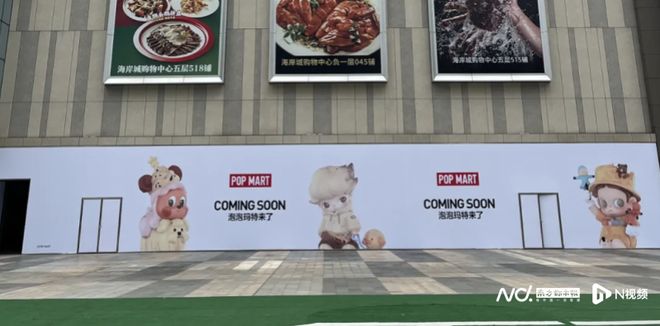
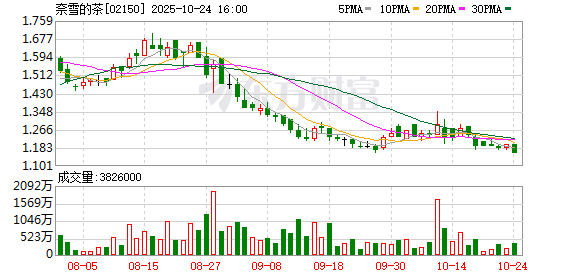
股市面面观|港股“新消费三姐妹”集体回调逾30%,背后发生了什么?
Xin Hua Cai Jing· 2025-10-24 07:25
Core Viewpoint - The recent significant pullback in the stock prices of leading new consumption companies, such as Pop Mart, Lao Pu Gold, and Mixue Group, is attributed to valuation corrections rather than deteriorating fundamentals, prompting a reevaluation of the new consumption business logic in the market [1][2]. Group 1: Market Performance - As of October 23, 2023, Mixue Group has seen a nearly 5% decline, with a 10% drop over the past five trading days; Pop Mart has dropped 9.3%, with a 19.3% decline over the same period; Lao Pu Gold has experienced a 13.8% drop in the last five trading days [1]. - The "new consumption trio" (Pop Mart, Lao Pu Gold, and Mixue Group) has collectively lost over 280 billion HKD in market value from their peak [2]. Group 2: Valuation Metrics - The dynamic price-to-earnings (P/E) ratios for Lao Pu Gold, Pop Mart, and Mixue Group have significantly decreased, with Lao Pu Gold dropping from over 150 times to 35 times, Pop Mart from 128 times to 42 times, and Mixue Group from 48 times to 26.7 times [2]. - In comparison, traditional consumption leader Kweichow Moutai has a dynamic P/E ratio of 20.4 times, while international companies like Disney and Hasbro have P/E ratios of 23.7 times and 22.3 times, respectively [3]. Group 3: Growth Potential and Market Sentiment - Analysts express concerns about the sustainability of growth for new consumption stocks, with some predicting that Pop Mart's revenue growth may peak in 2025, followed by a slowdown [5]. - The PEG (Price/Earnings to Growth) ratios for Pop Mart, Lao Pu Gold, and Mixue Group are currently below 1, indicating strong growth expectations despite moderate valuations [4]. Group 4: Future Outlook - Analysts remain optimistic about the future revenue prospects of the new consumption sector, with expectations that product repurchase rates, usage frequency, and pricing power will be key indicators of revenue outlook [6]. - The overseas revenue share is also seen as a critical metric for assessing the growth potential of new consumption companies, with Pop Mart's overseas revenue share increasing from 23% in 2021 to 39% in 2024 [7].
古茗(01364.HK):潜心深耕 积厚成器
Ge Long Hui· 2025-10-24 06:37
Core Viewpoint - The company, Gu Ming, is the largest mid-priced tea beverage brand in China, focusing on fresh and high-quality products to attract and retain consumers, supported by a robust supply chain and extensive store network [1][2][3] Company Overview - Gu Ming has established itself as a leading brand in the mid-priced tea beverage sector, with a slogan that emphasizes daily consumption without fatigue, offering a diverse range of fresh and delicious products at affordable prices [1] - The company has a significant presence in second-tier and lower cities, with a leading number of stores and the largest cold chain logistics system in the industry [1] Product Strategy - The product logic is defined by "fresh and high quality," with a focus on consistent product offerings and competitive pricing to drive consumer repurchase [2] - Gu Ming employs a strategy of large-scale procurement of fresh fruits and self-built cold chain logistics to enhance cost control and quality assurance, supporting store expansion [2] Market Potential - The mid-priced tea beverage segment is expected to grow rapidly, with the market size projected to exceed 500 billion yuan during the 14th Five-Year Plan period, with a compound annual growth rate (CAGR) of nearly 15% [3] - There is significant room for market share consolidation in the mid-priced tea segment, with Gu Ming positioned to increase its market share due to its strong supply chain and store management [3] Financial Projections - Gu Ming is expected to achieve adjusted net profits of 2.19 billion, 2.50 billion, and 2.88 billion yuan for the years 2025 to 2027, reflecting year-on-year growth rates of 44%, 14%, and 15% respectively [3] - The company maintains a "buy" rating, with projected price-to-earnings (PE) ratios of 24, 21, and 18 times for the same period [3]