
零食

Search documents
中式零食破局需打破三重壁垒
Zheng Quan Ri Bao· 2025-06-18 16:17
Core Insights - The Chinese snack industry is undergoing a critical transformation from following market trends to defining them, driven by health demands, new channels, and globalization [1][2][3] Group 1: Health and Innovation - The first step to breaking through is to challenge the stereotype of Chinese snacks being "high in oil and fat" by focusing on health and flavor innovation [1] - The explosive growth of products like "konjac" snacks demonstrates that "healthy ingredients + Chinese seasoning" can create new category value [1] - Companies like Jinzai Foods are customizing spice levels for different regions, indicating a shift from "ingredient thinking" to "solution thinking" [1] Group 2: Channel Transformation - The core of breaking through lies in capturing the migration patterns of consumer scenarios, as seen in Salted Fish's channel transformation [2] - Salted Fish's direct supermarket channel share plummeted from 53.57% to 3.55%, replaced by snack wholesale and e-commerce, showcasing a deep insight into "people, goods, and venues" [2] - The channel transformation is driving upstream upgrades in the supply chain, with companies like Spicy Prince investing 300 million yuan to build GMP-standard production facilities [2] Group 3: Globalization Strategy - The ultimate goal of breaking through is to solve the challenges of cross-cultural taste adaptation and truly open international markets [3] - Leading companies like Salted Fish and Jinzai Foods are establishing overseas production bases to control raw material costs through a model of "initial processing abroad + fine processing domestically" [3] - The challenge lies in balancing "taste localization" with "cultural authenticity," creating a "new global flavor" that combines Chinese ingredients with local tastes [3]
《营养大真探》之零食挑选攻略:从读懂两个“表”开始
新华网财经· 2025-06-18 06:57
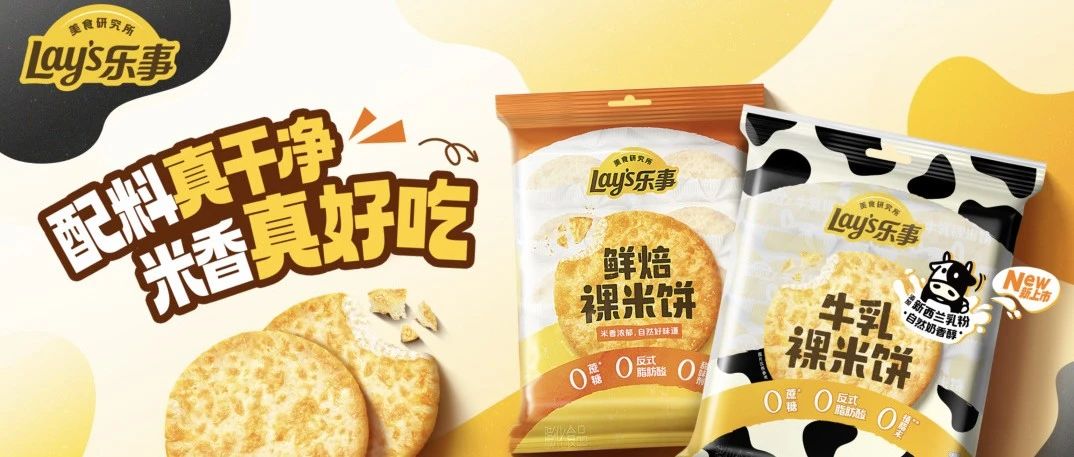
Core Viewpoint - The article emphasizes the evolving consumer preferences in China towards healthier and more transparent snack options, driven by the "Healthy China 2030" strategy, highlighting the importance of ingredient selection and nutritional awareness in snack consumption [1][2]. Group 1: Consumer Trends - Chinese consumers are increasingly seeking snacks that not only taste good but also align with their health-conscious lifestyles, reflecting a desire for "happiness on the plate" [1]. - The notion that snacks are not inherently bad is supported by experts, who advocate for selective and moderate consumption of snacks made from simple, high-quality ingredients [1][2]. Group 2: Nutritional Awareness - The article discusses the significance of reading ingredient lists and nutritional information, particularly the Nutrient Reference Value (NRV%), which indicates the percentage of daily nutrient needs met by a serving [2]. - Consumers are encouraged to focus on the first few ingredients in the list to assess the quality of the snack, particularly regarding sugar content [1][2]. Group 3: Product Examples - The article highlights the example of Lay's Fresh Baked Naked Rice Cake, which features a clean ingredient list with no added sugars or artificial additives, showcasing a commitment to quality and consumer preferences [3][5]. - The nutritional profile of the Lay's product is favorable, with zero trans fats and a low calorie count, making it suitable for health-conscious consumers [5][6]. - The introduction of new flavors, such as the Milk Naked Rice Cake, reflects the brand's innovation in meeting the demands of families and enhancing the overall snack experience [6].

收购爱零食告吹,三只松鼠线下拼图少了一块
经济观察报· 2025-06-17 11:31
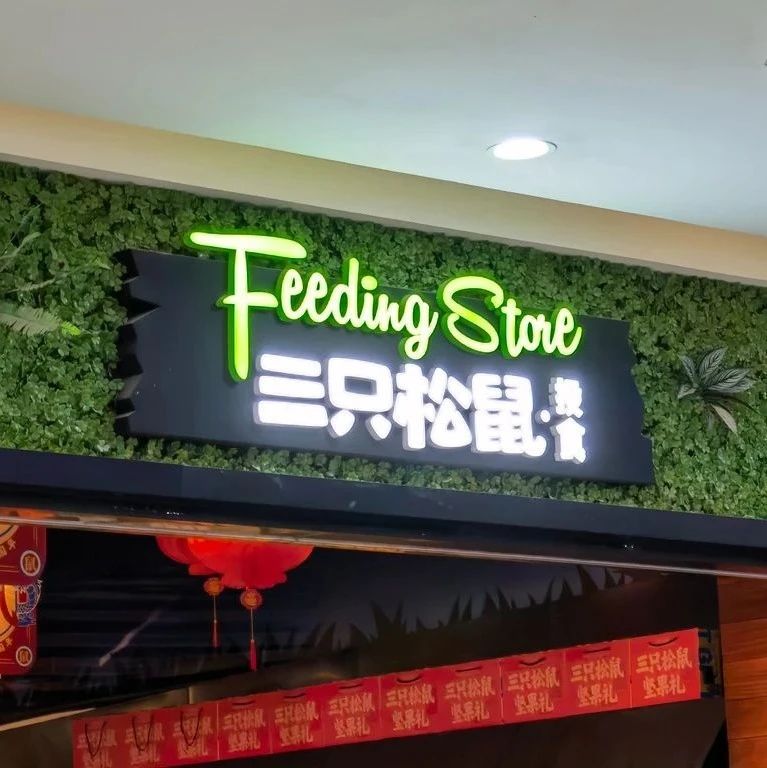
Core Viewpoint - The collaboration between Three Squirrels and Ai Ling Shi has failed, impacting the company's offline expansion strategy, but the company will continue to seek development opportunities in line with its established strategy [1][18]. Group 1: Acquisition Details - Three Squirrels announced the termination of its acquisition of Hunan Ai Ling Shi Technology Co., Ltd. due to a lack of agreement on core terms after eight months of negotiations [2][3]. - The acquisition was part of a larger plan involving three acquisitions, with a total investment not exceeding 360 million yuan, where Ai Ling Shi represented the largest portion at 200 million yuan [8]. - Ai Ling Shi operates over 2,000 stores nationwide and was seen as a key player in strengthening Three Squirrels' offline presence [5][16]. Group 2: Financial Performance - Three Squirrels experienced a revenue decline from 2020 to 2023, but in 2024, it reported a revenue of 10.622 billion yuan, a year-on-year increase of 49.3%, and a net profit of 408 million yuan, up 85.5% [16]. - The company's revenue has been heavily reliant on online channels, with third-party e-commerce platform revenue accounting for about 70% of total revenue from 2020 to 2024 [16][17]. Group 3: Strategic Shift - Following the failed acquisition, Three Squirrels is expected to continue its focus on offline market expansion, aiming to adjust its revenue structure from a 7:3 online-to-offline ratio to a 5:5 ratio over the next 2 to 3 years [15]. - The company has shifted its strategic positioning, moving from a focus solely on snacks to a broader "all-category, all-channel" approach, emphasizing high-quality products [20][21]. - Recent actions include entering the beverage market and plans to open all-category lifestyle stores and convenience stores [21][22].

行业点评报告:5月社零增速稳步上行,内需动力进一步修复
KAIYUAN SECURITIES· 2025-06-17 06:21
Investment Rating - The industry investment rating is "Positive" (maintained) [1] Core Viewpoints - The report indicates that the retail sales data for May 2025 showed a better-than-expected growth of 6.4% year-on-year, driven by the early launch of the "618" shopping festival and the ongoing effects of the "old-for-new" policy [4][5] - The food and beverage sector is expected to benefit from an improving macroeconomic environment, with consumer income and willingness to spend likely to improve in the medium to long term [3][4] - The white liquor industry is currently in a bottoming phase, but is expected to attract attention due to low valuations and increasing dividend yields [3][6] - The snack food sector is experiencing growth driven by channel innovation and product diversification, with emerging channels like Sam's Club and online e-commerce showing high growth trends [6] Summary by Sections Retail Sales Performance - In May 2025, the retail sales of consumer goods increased by 6.4% year-on-year, with a month-on-month increase of 1.3 percentage points compared to April [4] - The food and oil category saw a year-on-year growth of 14.6%, while the beverage category grew by 0.1% and the tobacco and alcohol category increased by 11.2% [4][10][16] Quarterly Observations - The retail sales growth is expected to rebound in Q2 2025, with food and oil categories maintaining high growth rates [5] - The retail sales of food and oil, beverages, and tobacco and alcohol categories for April-May 2025 were +12.2%, -0.5%, and +6.3% year-on-year, respectively [5] Industry Insights - The white liquor sector is under pressure due to regulatory impacts and seasonal demand weakness, while the snack food sector is thriving with strong growth opportunities [6] - The report highlights specific companies to watch in the snack food sector, including Ximai Food, Yanjinpuzi, and Wancheng Group, which are expected to benefit from new consumption trends [3][6]
雅诗兰黛名誉董事长逝世;网红欢牛蛋糕深夜发文“告别” 丨 消费早参
Mei Ri Jing Ji Xin Wen· 2025-06-17 01:10
Group 1: Company News - Leonard A. Lauder, the honorary chairman of Estée Lauder, passed away at the age of 92, having played a crucial role in transforming the company from a single brand to a multi-brand cosmetics group [1] - The company is expected to experience limited direct impact on stock prices in the short term, with investors focusing more on current performance and business progress [1] Group 2: Industry Impact - The price of lemons, particularly Anju lemons, has surged to 7.5 to 10 yuan per jin, nearly tripling from the previous price of 3 to 4 yuan per jin, due to reduced production caused by drought conditions [2] - Rising raw material costs may lead tea beverage brands, especially smaller ones, to adjust their supply chain strategies and product pricing capabilities [2] - The exit of Huan Niu Cake from the market due to cost increases, competition, and management issues highlights the importance of cost control and operational management in the baking industry [3] - The termination of the acquisition of Hunan Ailing Food Technology by Three Squirrels indicates disagreements on core terms, potentially affecting the pace of expansion in the snack food sector [4]

王长田想重切电影蛋糕,动了谁的利益?丨消费参考
2 1 Shi Ji Jing Ji Bao Dao· 2025-06-17 00:48
Industry Insights - Wang Changtian, chairman of Light Media, emphasizes the need to change the profit distribution structure in the film industry, advocating for a shift that favors producers [1] - The film market is moving towards a stagnant phase, making survival difficult for producers, as evidenced by a 51.1% year-on-year decline in the box office for the May Day holiday, totaling 747 million yuan [2] - The overall losses in the film industry exceed 10 billion yuan annually, with many productions facing funding shortages during filming [3] Financial Implications - The lack of external funding has led to a 10% to 20% annual decline in net capital within the industry, as companies rely solely on box office revenues [4] - The box office revenue sharing model heavily favors cinemas, with 52.27% of the box office from "Nezha 2" going to cinemas, highlighting the challenges in adjusting profit-sharing ratios [4] Cinema Performance - Cinemas are also struggling, with average earnings per venue dropping by 47.8% to 325.7 yuan during the May Day holiday, and daily earnings per cinema falling by 52% to 12,000 yuan [5] - The survival of cinemas is crucial for maintaining stable box office revenues, indicating a complex interdependence between producers and cinemas [6] Market Challenges - Wang Changtian's proposal to redistribute profits in the film industry faces significant challenges, as both producers and cinemas are experiencing financial difficulties [7]





国泰海通 · 晨报0617|金工、美护
国泰海通证券研究· 2025-06-16 14:53
Group 1: Market Overview - A-shares have been in a rebound trend since mid-April, with a significant drop on June 13 due to geopolitical factors, but the overall adjustment is expected to be limited [1] - As of June 13, 2025, the best-performing sectors include pharmaceuticals and banking, while food and beverage and real estate sectors show weaker performance [1] - The financing balance in the market has not significantly increased during this rebound, indicating that the implied risk in major A-share indices is not at a high level [1] Group 2: Investment Style and Trends - The differentiation between large-cap value and small-cap growth styles is at a central level compared to the past two years, with no clear mean reversion opportunity currently [1] - The high basis level of stock index futures is influenced by the seasonal increase in dividend distributions from listed companies during May and June, alongside increased hedging demand from cautious investors [1] Group 3: New Consumption Trends in Cosmetics - The new consumption era in the cosmetics industry is characterized by product innovation and emotional value consumption, moving away from the previous traffic-driven growth [3] - The emergence of new channels and media is accelerating product innovation and market penetration, with platforms like Douyin playing a crucial role in product testing and promotion [4] - Traditional industries such as personal care, health products, and cosmetics are experiencing significant product renewal opportunities, driven by structural changes in consumer demand and channel dynamics [5]

消费还是得靠00后
3 6 Ke· 2025-06-16 03:52
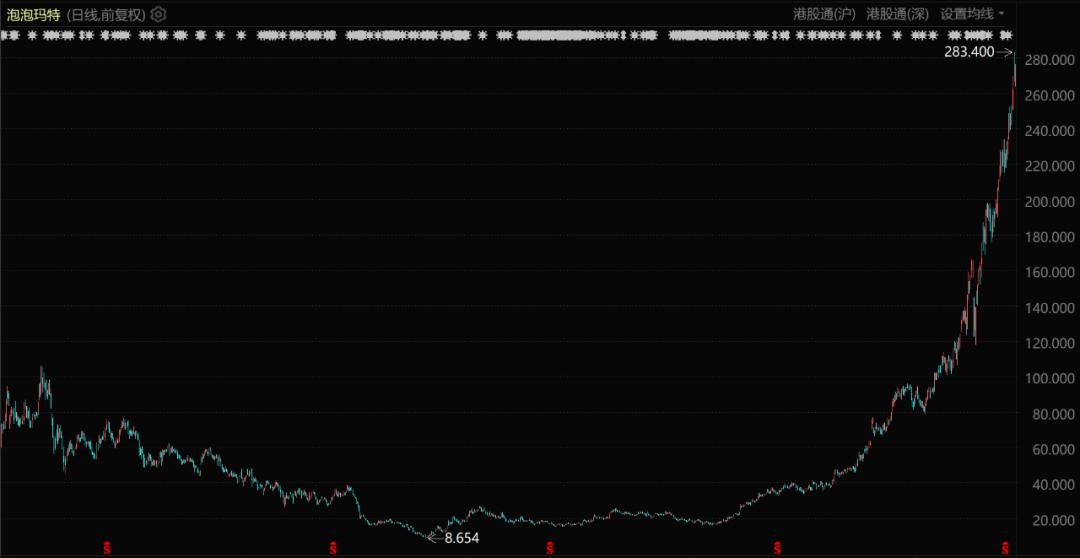
Group 1 - The core viewpoint of the articles highlights the significant growth of Pop Mart, particularly its The Monsters series, which achieved sales exceeding 3.04 billion yuan in 2024, marking a year-on-year increase of 726.6% and surpassing the MOLLY series to become the most profitable IP for the company [1][5][19] - The recent surge in new consumption trends is attributed to the Z generation (born between 1995 and 2009), who represent 19% of China's population but account for 40% of total consumption power, indicating a strong willingness to spend on non-essential items like collectibles [5][19] - The consumption behavior of the Z generation reflects a shift towards emotional and social value, prioritizing identity and belonging over traditional material needs, which has led to a rise in products that cater to these desires, such as blind boxes and trendy toys [4][9][10] Group 2 - The Z generation's average disposable income reached 3,501 yuan in 2020, significantly higher than the national average of 2,682 yuan, enabling them to spend more on personal interests and emotional fulfillment [5][6] - The articles discuss the emergence of a "circle culture" among the Z generation, where purchasing items like blind boxes serves as a ticket to join specific social groups, enhancing their sense of belonging and identity [11][19] - Pop Mart's high gross margin of 63.9% in mainland China, along with the popularity of its products in the second-hand market, demonstrates the brand's ability to create high-value items that resonate with consumers' emotional and social needs [15][19]

可选消费W24周度趋势解析:宠物和黄金珠宝板块表现最优,各板块表现分化加剧-20250615
Haitong Securities International· 2025-06-15 14:56
Investment Rating - The report assigns an "Outperform" rating to multiple companies including Nike, Midea Group, JD Group, Gree Electric, Anta Sports, and Haier Smart Home among others [1]. Core Insights - The pet and gold jewelry sectors have shown the best performance, with significant growth driven by online sales and geopolitical factors affecting gold prices [4][5]. - The report highlights a divergence in sector performance, with luxury goods and pet sectors outperforming MSCI China, while other sectors like cosmetics and sportswear are experiencing negative growth [4][10]. Sector Performance Summary - **Pet Sector**: Increased by 4.2% this week, benefiting from high online sales growth, with brands like MaiFuDi and FrieGat showing year-on-year growth of 26% and 147% respectively [5][14]. - **Luxury Goods**: Continued strong performance in gold jewelry due to rising gold prices influenced by geopolitical risks and expectations of interest rate cuts in the US [5][14]. - **Snacks**: Experienced a slight pullback after previous gains, but companies show resilience with increasing production capacity and new product placements [5][14]. - **Sportswear**: Mixed performance with local brands experiencing a downturn, while international brands like Lululemon face challenges after lowering earnings guidance [5][14]. - **Cosmetics**: Continued decline over four weeks, impacted by discussions around collagen restructuring and pressure on domestic brands [5][14]. - **US Hotels and Credit Cards**: Both sectors declined due to risk-averse market sentiment [5][14]. Valuation Analysis - Most sectors are valued below their historical averages, with expected PE ratios for 2025 indicating potential undervaluation: - Sportswear: 14.5x (72% of 5-year average) - Luxury Goods: 23.1x (65% of 5-year average) - Gambling: 14.6x (24% of 5-year average) - Cosmetics: 33.9x (84% of 5-year average) - Pet Sector: 52.6x (54% of 5-year average) - Snacks: 25.3x (39% of 5-year average) - US Hotels: 28.0x (17% of 5-year average) - Credit Cards: 31.2x (60% of 5-year average) [6][15].
以创新点亮新消费,深市民营企业向“新”聚力
Zheng Quan Shi Bao Wang· 2025-06-13 12:10
Group 1: Overview of Private Economy - The private economy in China is characterized by the "five six seven eight nine" features, with private enterprises accounting for over 90% of the total number of enterprises, significantly impacting consumer market vitality [1] - The newly enacted Private Economy Promotion Law aims to create a stable, fair, transparent, and predictable development environment for private enterprises, focusing on aspects like fair competition and investment promotion [2][3] - As of now, there are over 2,100 private listed companies in the Shenzhen market, representing more than 70% of the total listed companies, with over 70% of these companies expected to be profitable in 2024 [2] Group 2: Innovation and New Consumption - Private enterprises are actively innovating and entering new industries, particularly in the new consumption sector, enhancing product and service specialization to meet diverse consumer needs [4] - Wanchen Group has built a membership system with over 100 million consumers, leveraging data and feedback to capture trends and optimize supply chains [4] - Three Squirrels has become the fourth largest snack company in China, implementing a digital supply chain strategy to reduce costs and ensure product freshness [4] Group 3: Financial Performance and Growth - Chao Hong Ji, the first fashion jewelry listed company in A-shares, reported a revenue of 2.252 billion yuan in Q1 2025, a year-on-year increase of 25.36%, and a net profit of 189 million yuan, up 44.38% [5] - The overall R&D investment of private enterprises in Shenzhen reached 528.77 billion yuan in 2024, reflecting a year-on-year growth of 4.12% [7] - Chao Hong Ji has focused on digital transformation since 2006, enhancing operational efficiency and inventory management through advanced information systems [7][8] Group 4: Supply Chain and Efficiency - Baichen Group has invested in smart warehousing and predictive systems to optimize inventory management, achieving a gross margin increase from 9.52% to 10.86% in 2024 [8] - The company operates over 15,000 stores, demonstrating the effectiveness of its "technology-driven efficiency and model innovation" strategy [8]