
房地产

Search documents
一线城市二手房市场回暖
Jing Ji Ri Bao· 2026-02-09 00:16
Group 1 - The real estate market in major cities like Beijing and Shanghai is showing signs of recovery, with increased transaction volumes and a decrease in low-priced housing inventory [1][2] - In January 2026, Beijing's second-hand housing transaction volume reached 15,000 units, maintaining above this level for two consecutive months, while Shanghai saw a 24% year-on-year increase in transactions [1][2] - The decline in housing listings over the past nine months indicates a shift towards market equilibrium, with demand and supply stabilizing [1][2] Group 2 - The recent adjustments in tax policies and mortgage rates are expected to further stimulate the housing market, with a reduction in the value-added tax for properties held for over two years and a decrease in mortgage rates [3] - The combination of policy support, seasonal demand increases, and improved market expectations is contributing to the current market performance [3] - Overall, the real estate market is anticipated to stabilize, supported by favorable policy environments and improved macroeconomic conditions [4]
中国最大的支柱产业曝光,已经取代房地产,未来甚至会超越美国
Sou Hu Cai Jing· 2026-02-08 23:46
新王加冕,大势已定 曾经呼风唤雨的楼市"霸主",如今的情况真是惨不忍睹啊。烂尾楼的阴影没散去,断供潮的恐慌还在蔓延,房价一路阴跌犹如钝刀割肉,坏消息接连不断, 就像多米诺骨牌一样接踵而至。 那段只要闭着眼睛买房就能实现财富自由的黄金岁月,好像一夜之间已经藏进了泛黄的旧日历里。 最近这几年,房地产行业逐渐式微,中国的主要经济支柱也在发生转变,眼下看来,整个经济结构似乎在悄然改变。 而且,这个在潜移默化中影响人们生活方式的产业,将来很可能会让美国远远落在后面。 这个产业其实就是科技和数字经济,而它跟我们这些普通人关系挺大的。毕竟,从你我日常用的手机、网购,到工作、学习,都离不开它的支撑。 这些新兴的产业正在逐步改变我们的生活方式,有时候感觉像是在悄悄地把日子变得更方便、更智能。 很多国人仍旧陷在房产这片泥潭里,面对每个月的还贷账单,唉声叹气。有的人甚至发出感叹:"要不是靠房地产,又还能靠什么支撑中国这艘大船的经 济?" 可是,就在大家对着满目疮痍的楼市废墟感慨叹息的时候,一组令人震惊的数字却在暗潮中快速上升,不断冲击着人们的心理。 你以为经济引擎停摆了?其实,一位全新的万亿级"隐形巨头"早已经悄悄地接过接力棒了。 ...

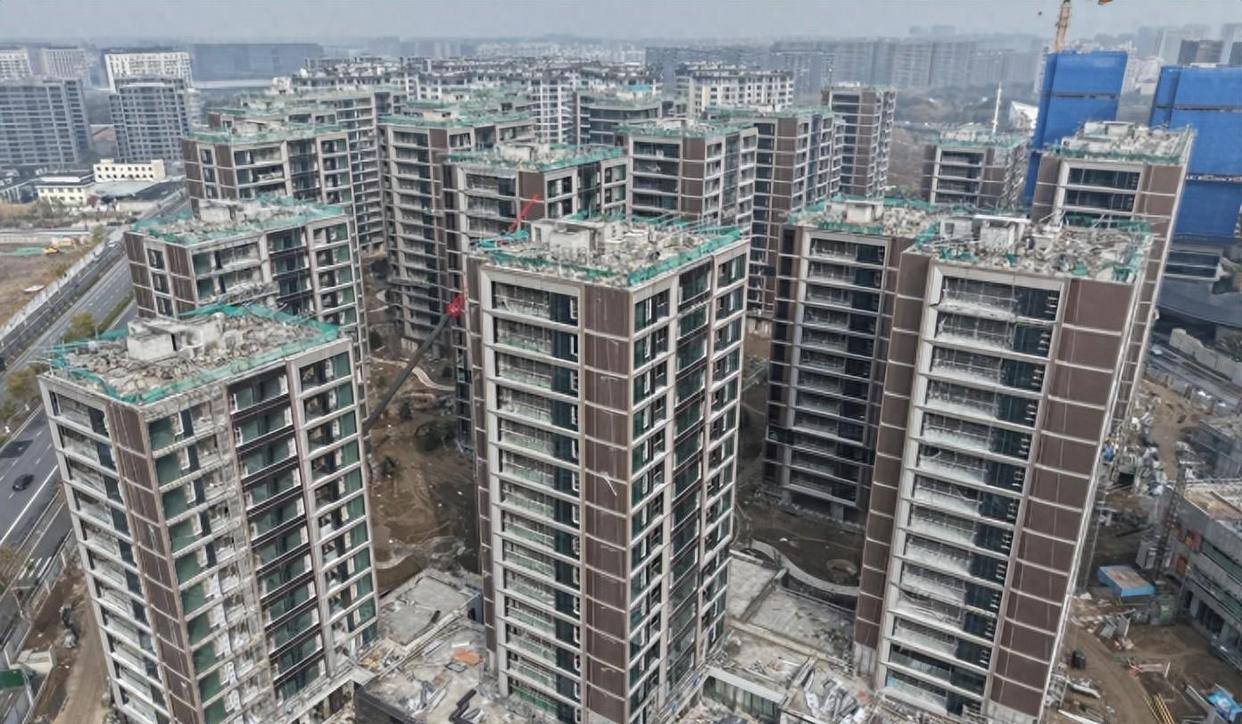
覆盖能源、航空、房地产等领域
Xin Lang Cai Jing· 2026-02-08 21:40
Core Viewpoint - Saudi Arabia has announced a significant investment plan for Syria, indicating its role as a major supporter of the new Syrian regime [1] Group 1: Investment Plans - Saudi Arabia will establish the "Elaf" investment fund with a planned investment of 7.5 billion Saudi Riyals (approximately 2 billion USD) to develop two airports in Aleppo, Syria [1] - The fund aims to provide financial support for large-scale projects in Syria, with participation from the Saudi private sector [1] Group 2: Aviation Sector - Saudi Arabian Airlines has signed an agreement with the Syrian Civil Aviation Authority to jointly establish a new airline, expected to commence operations in the fourth quarter of 2026 [1] Group 3: Telecommunications Investment - Saudi Telecom Company plans to invest over 3 billion Saudi Riyals (800 million USD) to enhance Syria's telecommunications infrastructure, including a fiber optic network exceeding 4,500 kilometers to connect Syria with neighboring regions [1]
人生发财靠康波:2026年展望
泽平宏观· 2026-02-08 16:05
Core Viewpoint - The article discusses the impending global economic shifts, including de-dollarization, the rise of AI, and the cyclical nature of economic trends, predicting significant inflation and subsequent monetary tightening by 2026 [2][4][5]. Group 1: Economic Cycles - The article emphasizes the end of a century-long economic cycle, marked by the disintegration of the old order and the emergence of new challenges such as income inequality, populism, and geopolitical tensions [6][12]. - It highlights the fourth technological revolution driven by AI, which is expected to lead to substantial capital expenditure in new infrastructure and reshape wealth distribution and national power [6][18][19]. Group 2: Real Estate Market - The real estate sector is entering a phase of differentiation, with a predicted 20% of the population moving to core cities while 80% in lower-tier cities face prolonged declines [7][21]. - The article forecasts that 2026 will see a stabilization in the real estate market, contingent on policy support such as relaxed purchase restrictions and lower interest rates [22][23]. Group 3: Capacity Cycle - The capacity cycle is undergoing a transition, with traditional industries facing capacity reduction while new productive forces, particularly AI, drive large-scale infrastructure investments [24][27]. - The article notes that the capacity cycle has reached a turning point, with improvements in supply-demand dynamics and a recovery in prices and corporate profits expected [25][29]. Group 4: Inventory Cycle - The inventory cycle is transitioning from passive destocking to active restocking, although the recovery is expected to be weak due to ongoing industry differentiation and external uncertainties [29][30]. - The article anticipates a potential exit from deflation in 2026, driven by factors such as anti-involution policies and external inflationary pressures [30][31]. Group 5: Debt Cycle - The article discusses the ongoing challenges in the debt cycle, particularly the need for households to repair their balance sheets while new productive enterprises increase leverage [34][35]. - It emphasizes the necessity for fiscal and monetary policy adjustments to support new productive forces and stimulate economic recovery [39][41]. Group 6: Policy Outlook - The article outlines five key policy areas for 2026, including maintaining a moderately loose monetary policy, proactive fiscal measures, and supportive real estate policies aimed at stabilizing the market [46][48]. - It suggests that the focus will shift from merely preventing overheating in the real estate market to encouraging sustainable growth and addressing housing affordability [48][49]. Group 7: Asset Class Outlook - The article predicts a "confidence bull market" in the stock market, driven by technological advancements and a favorable policy environment, with a focus on sectors like AI, semiconductors, and renewable energy [51][52]. - It also anticipates a significant year for commodities, with expectations of rising prices due to de-dollarization and increased demand from the AI sector [53][54].
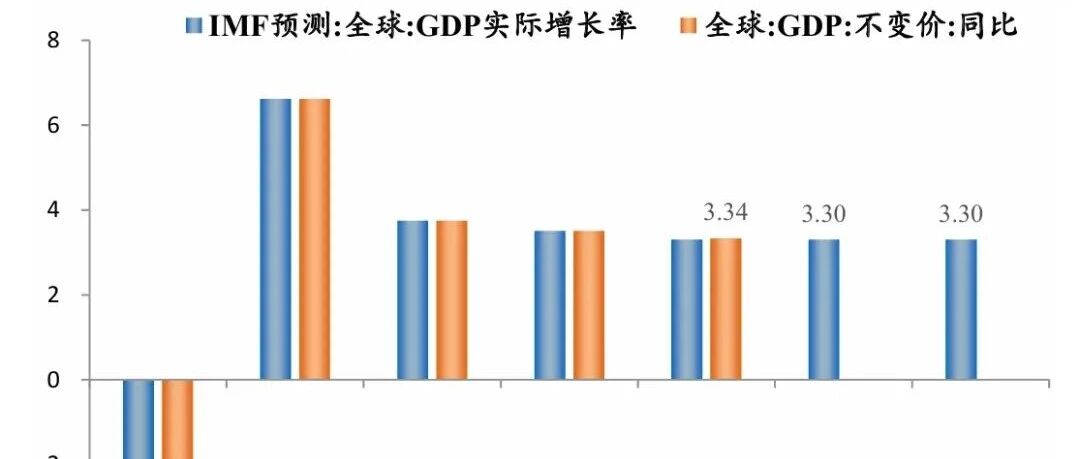
出口高频数据大幅回升——每周经济观察第58期
一瑜中的· 2026-02-08 15:02
Economic Outlook - The Huachuang Macro WEI index remains high at 9.38% as of February 1, 2026, down from 10.77% on January 25, indicating a general recovery since November [8] - The increase in the WEI index is primarily driven by domestic demand, particularly in movie box office and residential property transaction areas [8] Asset Performance - The stock-bond Sharpe ratio difference is at 3.69, indicating a high relative value for stocks compared to bonds, while the bond-stock yield difference is at a historical low of 0.06% [12] Demand Analysis - Residential property sales remain weak, with a 27% year-on-year decline in transaction area for 67 cities as of February 6, 2026, worsening from a 17% decline in January [3][16] - Passenger car retail sales saw a slight year-on-year increase of 0.3% in January, despite a month-on-month decline of 20.4% [2][16] Production Insights - Cement shipment rates are low at 26.3% as of February 6, 2026, stable compared to the previous week but better than 22.8% year-on-year [3][21] - The operating rate for asphalt plants has decreased to 24.5%, down 1 percentage point from the previous week and 4.8 percentage points year-on-year [3][21] Trade Developments - The global manufacturing PMI rose to 50.9 in January, up from 50.4, indicating a recovery in global trade demand [25] - China's port container throughput increased by 12.4% week-on-week as of February 2, 2026, with a significant year-on-year increase of 15% [25] Price Trends - Major commodity prices have declined, with the South China comprehensive index down 4.5% and the RJ/CRB commodity price index down 3.3% [44] - Oil prices fell, with Brent crude at $68.1 per barrel, down 3.7%, and WTI crude at $63.6 per barrel, down 2.5% [44][45] Interest Rates and Debt - As of February 6, 2026, the yields on 1-year, 5-year, and 10-year government bonds are 1.3207%, 1.5552%, and 1.8102%, respectively, with slight fluctuations compared to January 30 [4][59] - A total of 256.6 billion yuan in new local government bonds is planned for issuance in the week of February 9, 2026 [49]
【十大券商策略】持股过节,兼具胜率与赔率!眼下是加仓良机
券商中国· 2026-02-08 14:39
Group 1 - The core viewpoint is that there is no need to worry about short-term market fluctuations, as the underlying trends indicate a shift from virtual to real economies in Europe and the US, alongside the disruptive innovation brought by AI [2] - The urgency for strategic security investments and new infrastructure in the US reflects a growing competition, balancing short-term shareholder interests with long-term strategic value [2] - China's capital market has already completed the pricing adjustment from virtual to real, currently undergoing a verification and pricing process for quality and efficiency improvements [2] Group 2 - A potential "favorable timing and conditions" for a new upward cycle in the A-share market is anticipated in the coming months, particularly around the Spring Festival [3] - Historical data shows that February, especially around the Spring Festival, is a period of strong market activity, with small-cap stocks likely to outperform [3] - The recent market pullback is seen as an opportunity to regain confidence and prepare for the upcoming upward cycle, especially around the 4000-point level [3] Group 3 - The global market is quickly pricing in the potential hawkish stance of the Federal Reserve, while the Chinese government is shifting its focus towards domestic demand, which is expected to boost economic prospects [5] - The recent emphasis from the China Securities Regulatory Commission on stabilizing the capital market is expected to support a gradual recovery in the A-share market [5] - Recommendations include focusing on emerging technologies and sectors such as consumer services, food and beverage, and traditional manufacturing [5] Group 4 - The recent global asset adjustment is more about digesting emotions rather than fundamental changes, with a favorable environment for market recovery expected post-Spring Festival [6] - Key sectors to focus on include technology manufacturing, resource products, and infrastructure chains, with a particular emphasis on AI hardware and high-end manufacturing [6] - The upcoming period is expected to see increased industry catalysts and a rise in risk appetite, creating opportunities for thematic investments [6] Group 5 - The Hang Seng Technology Index is seen as having value for investment, with expectations of a rebound once the liquidity shock subsides [7] - The market is expected to experience a stronger performance post-Spring Festival, with a focus on sectors benefiting from the "14th Five-Year Plan" [7] - The rotation of investment focus is anticipated to accelerate in February, particularly towards sectors like oil, food and beverage, and construction materials [7] Group 6 - The global risk-off mode has led to a reevaluation of assets, with a focus on physical assets and a recovery in manufacturing trends [8] - Recommendations include investing in commodities like oil, copper, and lithium, as well as sectors with confirmed bottoming out in the Chinese manufacturing industry [8] - The return of capital and easing of pressure from quantitative tightening are expected to support a recovery in consumer sectors [8] Group 7 - The recent adjustments in the A-share market are primarily driven by internal factors, with external shocks having limited impact on the fundamental industry landscape [9][10] - The market sentiment has been sufficiently released, and a continuation of the spring market rally is anticipated post-Spring Festival [10] - Key sectors to watch include AI computing, chemical industries, and power equipment, with potential catalysts from local policy signals [10] Group 8 - The market is expected to maintain a range-bound oscillation, with a shift towards value and consumer sectors as high-valuation tech stocks face selling pressure [12] - Defensive sectors like banking and food and beverage are likely to attract investment, while growth sectors may regain focus post-Spring Festival [12] - The upcoming policy window and recovery in risk appetite are expected to shift market attention back to growth sectors with clear performance catalysts [12]
2月8日周末公告汇总 | 晶合集成拟20亿取得晶奕集成100%股权;沪硅产业拟签订逾30亿电子级多晶硅框架合同
Xuan Gu Bao· 2026-02-08 12:01
Group 1: Resumption and Suspension of Trading - Longyun Co., Ltd. plans to acquire 58% equity of Yuheng Film Industry through share issuance, leading to stock resumption [1] - Ruili Kemi intends to issue shares to purchase 16% equity of Wuhan Kedes, resulting in stock suspension [2] - Yongtai Technology aims to acquire 25% equity of Yongtai High-tech, with Ningde Times becoming a shareholder, leading to stock suspension [3] Group 2: Mergers and Acquisitions - Jinghe Integration plans to acquire 100% equity of Jingyi Integration for 2 billion yuan; Jingyi is the construction entity for Jinghe's Phase IV project [4] - Shahe Co., Ltd. intends to purchase 70% equity of Jinghua Electronics for 274 million yuan; the target company focuses on IoT smart display controllers and LCD devices [4] - Yiwan Yichuang plans to issue shares and pay cash to acquire 100% equity of Lianshi Legend; the target company specializes in AI algorithm-based intelligent marketing services [4] - Shanshan Co., Ltd. has signed a restructuring investment agreement with its controlling shareholder and subsidiaries; if successful, the actual controller will change to the Anhui State-owned Assets Supervision and Administration Commission [4] Group 3: Equity Transfers and Increases - Dongwang Times' controlling shareholder plans to publicly solicit the transfer of 6% equity [5] - Kangtai Biological's shareholder Yuan Liping intends to transfer 2% equity to Huabao Wanying Private Fund [6] - Linyang Energy's controlling shareholder Huahong Electronics plans to increase holdings by 50 million to 100 million yuan [7] Group 4: External Investments and Daily Operations - Hu Silicon Industry plans to sign a framework contract for the procurement of 3.045 billion yuan of electronic-grade polysilicon [8] - Dongtian Micro plans to invest 400 million yuan to establish a global R&D center and manufacturing headquarters in South China, focusing on precision optical components for optical communication [8] - Zhenyu Technology intends to invest in Thailand to establish a production base with an annual output of 15 million precision transmission components [9] - Lvtong Technology's investment fund plans to invest 10 million yuan in Shenghao Optoelectronics, which specializes in optical communication chip testing equipment [10] - Xinwangda's subsidiary has reached a settlement with Weir Electric, expected to impact the net profit attributable to the parent company by 500 million to 800 million yuan in 2025 [11] - Heng Rui Pharmaceutical's HRS-4642 injection has been included in the list of breakthrough therapeutic varieties, with no similar drugs approved for sale domestically or internationally [12] - Zhixin Co., Ltd. plans to invest 1.1 billion yuan to establish an automotive welding parts project [13] - Aisheng Co., Ltd. has received patent authorization for Maxeon BC batteries and components, with total licensing fees amounting to 1.65 billion yuan [14] - Sanfu Co., Ltd. is investing in a new project with an annual output of 200 tons (Phase I: 40 tons) of SOD and supporting solvents, with a total investment of 154 million yuan, including 125 million yuan for Phase I [14] - Gongxiao Daji is participating in the auction for 60% equity of Guotou Agricultural Products Supply Chain (Beijing), with a transfer base price of 99.7776 million yuan [15]

全国百城千企联展联销活动走进荆门
Sou Hu Cai Jing· 2026-02-08 11:42
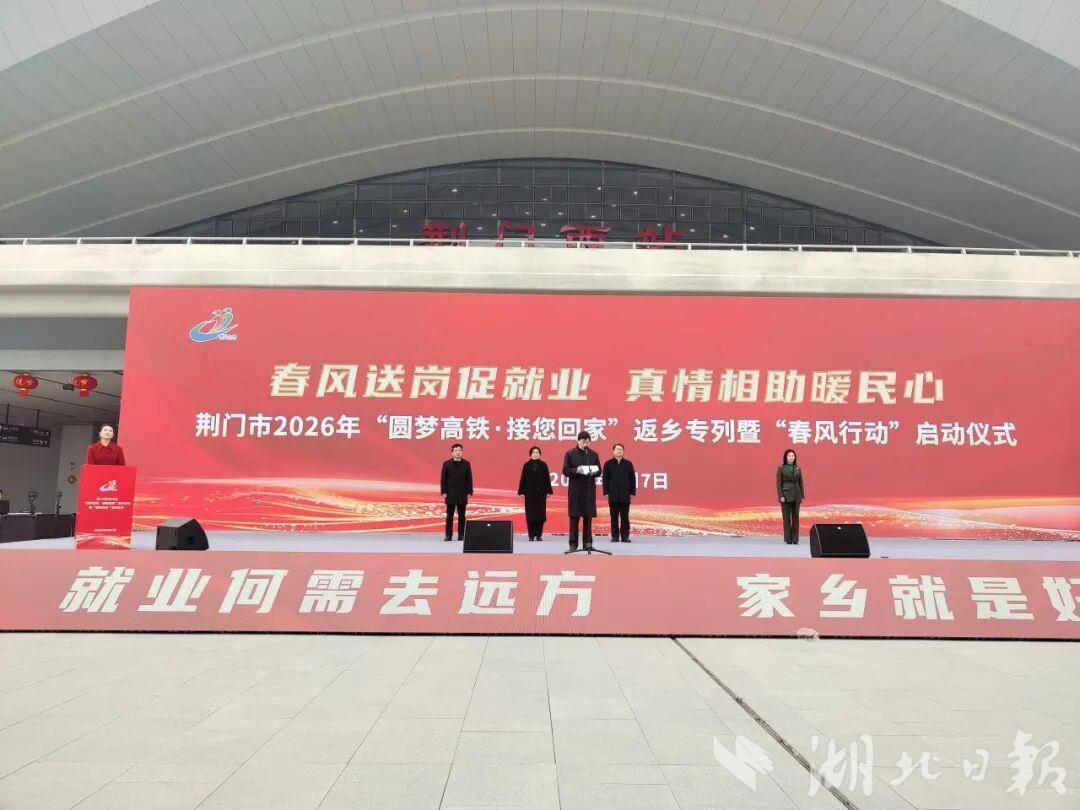
市民了解楼盘信息 此次走进荆门活动,将"联展联销"与"新春安居·返乡置业"有机结合,不仅在返乡专列站点同步推介优质房源信息,更在招聘会现场设立"安居工程"服务专 区,提供"购房+家装+家居+家电"一站式服务,真正实现"就业"与"安居"的双向奔赴。这一创新做法为其他城市提供了可复制、可推广的经验。 此次活动是百城千企房地产联展联销系列活动的一次生动实践。自12月中旬以来,中国房地产业协会号召发起了"百城千企跨地域迎新年过新春房地产联 展联销活动",旨在抢抓元旦、春节外出人口集中返乡契机,通过打破地域壁垒,整合市场资源,让供需双侧精准对接,进一步释放刚性和改善性购房需 求,构建起"政府搭台、企业唱戏、多地联动"的创新模式。 据介绍,"百城千企跨地域房地产联展联销系列活动"目前已覆盖31个省份150多个城市,累计举办线上线下活动280余场,线上浏览量近2亿人次,线下接 待客户超65万人次,跨地域购房联动效应已逐步显现。 湖北日报讯(通讯员罗汉卿)2月7日,荆门市举办"百城千企跨地域房地产联展联销活动"暨荆门市"圆梦高铁·接您回家"返乡专列、"新春安居·返乡置 业"主题活动。本次活动共组织50余个优质楼盘参展,并联动 ...
避险情绪升温科技板块深度调整,节前A股风格显著切换
第一财经· 2026-02-08 10:35
Core Viewpoint - The A-share market has experienced a significant style switch in early February, with the technology sector facing deep adjustments, while defensive sectors like liquor and real estate have shown resilience [3][4]. Group 1: Market Performance - In the first week of February, the electronic industry saw a market value decline of approximately 890 billion yuan, with leading stocks like Zhongji Xuchuang and Xinyi Sheng dropping over 13% [3]. - The technology sector's representative index, the Sci-Tech Innovation 50 Index, recorded a weekly decline of 5.76%, marking the largest drop since November 2025, with a cumulative decline of 8.45% over two weeks [6]. - The electronic industry had a trading volume of 313.9 billion yuan, the highest this year, while the communication sector fell by 6.94% [5]. Group 2: Individual Stock Performance - Major technology stocks experienced significant declines, with Zhongji Xuchuang and Xinyi Sheng down 16.79% and 13.2%, respectively, and Hanwujing falling 17.3% [6]. - The storage chip sector faced collective pressure, with stocks like Xiangnong Xinchuan dropping 18.25%, and several others exceeding 12% declines [6]. - New GPU companies like Muxi Co. and Moer Thread hit new lows since their listings, with Muxi Co. down 44.8% from its peak [7]. Group 3: Factors Behind the Adjustment - The technology sector's deep correction is attributed to multiple factors, including pre-holiday market caution, high valuations prompting profit-taking, and increased volatility from external macroeconomic conditions [9][10]. - The electronic industry's price-to-earnings ratio (TTM) reached 69.76, significantly above the five-year average, indicating substantial internal adjustment pressure [9]. - The market's high sentiment earlier in the year, combined with liquidity tightening and profit-taking behavior, contributed to the sector's phase adjustment [10]. Group 4: Market Reallocation - Funds exiting the technology sector have not left the market but have shifted towards more resilient sectors like consumer goods and real estate, indicating a potential phase shift in market style [11]. - The liquor index rose by 2.24%, with stocks like Kweichow Moutai and Wuliangye increasing by 8.14% and 1.9%, respectively, while the real estate sector became active due to expectations of policy optimization [11].

避险情绪升温科技板块深度调整,节前A股风格显著切换
Di Yi Cai Jing Zi Xun· 2026-02-08 10:04
Core Viewpoint - The A-share market experienced a significant style switch in the first week of February, with the technology sector undergoing a deep adjustment while defensive sectors like liquor and real estate showed resilience [1][4]. Group 1: Technology Sector Performance - The technology sector faced a comprehensive pullback, with the electronic industry market capitalization dropping by approximately 890 billion yuan, and leading stocks like Zhongji Xuchuang and Xinyi Sheng seeing weekly declines exceeding 13% [1][2]. - The electronic industry recorded a trading volume of 313.9 billion yuan, marking a new high for the year, while the industry index fell by 5.22% and the communication sector by 6.94% [2][3]. - The ChiNext 50 index, representing the technology sector, experienced its largest weekly decline since November 2025, with a drop of 5.76% [2]. Group 2: Market Dynamics and Investor Behavior - The market's risk appetite for technology stocks has notably decreased, with many stocks retreating 20% to 30% from their recent highs, indicating a significant sell-off [3][4]. - The upcoming Spring Festival led to increased risk aversion among investors, prompting them to shift from high-volatility sectors to those with stronger earnings certainty [1][4]. - High valuations in the technology sector, with the electronic industry's price-to-earnings ratio at 69.76, have created substantial internal adjustment pressure [4][5]. Group 3: Factors Influencing the Adjustment - Multiple factors contributed to the technology sector's deep pullback, including seasonal trading patterns, high valuations prompting profit-taking, and increased market volatility due to external macroeconomic conditions [4][5]. - The anticipation of rising interest rates in the U.S. has negatively impacted technology stock valuations, as indicated by market reactions to Federal Reserve signals [5][6]. - The shift of funds from technology stocks to defensive sectors like liquor and real estate suggests a phase of market style transition, with investors seeking stability amid uncertainty [6].



