
咖啡

Search documents
逛展乐趣多 观众意犹未尽
Guang Xi Ri Bao· 2025-09-21 02:34
Group 1 - The 22nd East Expo has a total exhibition area of 160,000 square meters, featuring over 3,200 enterprises from 60 countries, with a strong focus on ASEAN countries [5][6] - Popular products include Malaysian durian ice cream, which won a gold award last year and continues to attract significant attention this year [5][6] - Local Guangxi agricultural products are also performing well, with nearly 200 agricultural enterprises and over 1,000 products showcased, highlighting innovative packaging and flavors [6][8] Group 2 - The event has introduced new exhibitors, such as Philippine textiles and Malaysian probiotics, enhancing the diversity of offerings [6] - The public open day has been extended to two days since last year, improving visitor experience and satisfaction [8] - Interactive activities and creative merchandise, such as fridge magnets and canvas bags, have added a fun element to the exhibition, enhancing visitor engagement [7]


【东盟专线】东博会“啡”凡商机 东南亚客商抢滩中国市场
Zhong Guo Xin Wen Wang· 2025-09-20 22:25
Core Insights - The China-ASEAN Expo showcases a variety of Southeast Asian coffee products, highlighting the growing market opportunities between China and ASEAN countries [1][2][3] - Malaysia's white coffee and other unique coffee products are gaining popularity in China, with significant export potential [1][2] - The coffee consumption market in China is projected to reach 369.3 billion RMB by 2025, indicating substantial growth potential [1] Group 1: Company Highlights - Malaysia's King of Durian Coffee, made from Musang King durian, accounts for 30% of the company's annual sales, reflecting strong demand from Chinese consumers [2] - Indonesian coffee brands are introducing high-end products like Bali Gold Coffee and Kopi Luwak, which are gaining traction despite their high prices [2] - Laos coffee exports to China are benefiting from the opening of the China-Laos railway, enhancing market opportunities for Lao coffee [2] Group 2: Industry Trends - Vietnam is leveraging its position as a leading coffee exporter by expanding its presence in China through cafes and online channels [3] - The integration of AI technology in coffee preparation is being explored, with companies developing new coffee robots tailored for the ASEAN market [3] - The China-ASEAN Free Trade Agreement and RCEP are facilitating the growth of ASEAN coffee products in China, benefiting both regions economically [2]
全国技能大赛上,北京成果展示派出氢动力机器狗和“天工”机器人
Xin Jing Bao· 2025-09-20 14:40
Group 1: Technological Innovations - The third National Skills Competition showcased advanced technologies such as a hydrogen-powered robotic dog capable of navigating complex terrains, with a static endurance of 8 hours and dynamic walking endurance of 5 hours [1] - An AI examination system designed for domestic workers can recognize over 40 dialects in China with an accuracy rate of 99%, facilitating real-time interaction [2] Group 2: Traditional Craftsmanship - The exhibition featured traditional craftsmanship, including the official glazed pottery technique, which is a national intangible cultural heritage, demonstrated by a young artisan who creates intricate pieces using specific clay and firing techniques [3] - A coffee-making demonstration highlighted the growing demand for skilled baristas, with a noted shortage in the market as coffee consumption rises among younger demographics [4] Group 3: Industry Trends - The coffee industry is experiencing rapid growth, leading to a significant demand for barista talent, with educational institutions reporting full enrollment in coffee-related programs [4] - The National Skills Competition included various exhibits showcasing high-tech innovations such as satellite return capsules and domestic chips, alongside interactive projects like AI smart glasses for CPR training [4]

Bad news for coffee drinkers: The record-high prices you're paying will go even higher when tariffs take their toll
MarketWatch· 2025-09-20 13:00
Core Insights - The coffee industry is experiencing unexpected challenges due to President Trump's tariffs, leading to an increase in retail coffee prices [1] Industry Impact - Retail coffee prices are on the rise, indicating a direct impact from the tariffs imposed [1]
瑞幸“美国梦”遇狙击:文化有隔阂,盈利陷困局
Xin Lang Cai Jing· 2025-09-20 01:59
Core Insights - The article discusses the competitive landscape between Starbucks and Luckin Coffee, highlighting Luckin's rapid expansion and unique business model that leverages digital platforms for growth [1][3][10]. Group 1: Luckin Coffee's Business Model - Luckin Coffee has adopted a digital platform model similar to Uber, focusing on online transactions to restructure traditional coffee retail dynamics [3][4]. - The company has achieved significant growth in China, with a total of 26,206 stores globally as of Q2, including 26,117 in China, and opened nearly 2,000 new stores in a single quarter [4][10]. - Luckin's strategy includes aggressive marketing tactics such as "first cup at ultra-low price" and "buy two get one free," which have helped it rapidly gain market share [3][4]. Group 2: Challenges in the U.S. Market - Luckin faces cultural and operational challenges in the U.S., where the digital ordering model may not resonate with all consumers, as many still prefer cash transactions or in-person ordering [6][10]. - The company is currently operating at a loss in New York, with monthly operational costs around $91,600 per store, requiring sales of 1,100-1,200 cups daily to break even, but actual sales are only about half of that [7][10]. - Luckin is attempting to shift its brand perception in the U.S. from a low-cost provider to a more multifaceted brand, engaging with local culture and influencers to enhance its image [7][10]. Group 3: Strategic Positioning and Future Outlook - The CEO of Luckin has indicated a cautious approach to expanding in the U.S., focusing on validating consumer acceptance of its brand and operational strategies [8][10]. - Despite past controversies, Luckin is seen as a long-term growth opportunity, with analysts noting its strong performance metrics compared to expectations [10][11]. - Starbucks is aware of the competitive threat posed by Luckin, with its CEO acknowledging Luckin's innovation and announcing new product developments to meet consumer health trends [11].


第二十三届中国昆明国际花卉展开幕
Ren Min Wang· 2025-09-19 16:01
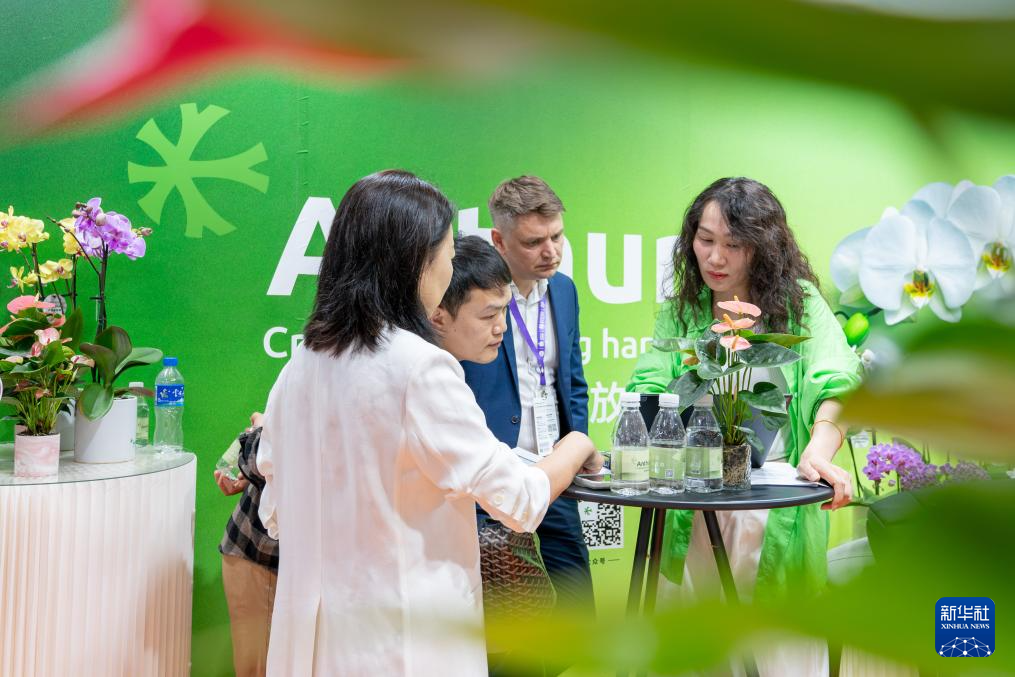
Core Points - The 23rd China Kunming International Flower Expo opened on September 19 in Kunming, Yunnan, with the theme "'Elephant' Towards Yunnan, World Garden" [2][4][6] - The expo attracted over 500 global enterprises to participate [2][4][6] - The event will last until September 21, showcasing four major industries: flowers, coffee, tropical plants, and small berries, allowing visitors to experience the charm of Yunnan's plateau agriculture in a "one-stop" manner [2][4][6] Industry Insights - The expo serves as a significant platform for the floral and agricultural industries, promoting Yunnan's unique agricultural products [2][4][6] - The event highlights the integration of various agricultural sectors, potentially enhancing collaboration and innovation within the industry [2][4][6] - The participation of over 500 enterprises indicates a robust interest and investment in the floral and agricultural sectors, reflecting growth opportunities in these markets [2][4][6]
咖啡期货两个月大涨4成,9.9元的低价咖啡还能持续吗?
Di Yi Cai Jing· 2025-09-19 08:12
Group 1 - The core viewpoint is that after hitting a low in July, U.S. C-type coffee futures prices have risen significantly, with a 40% increase over two months, impacting the retail coffee market [1][2] - The recent surge in coffee futures is attributed to adverse weather conditions in Brazil, a major coffee-producing country, which has led to reduced production expectations [2][4] - The price of U.S. C-type coffee futures reached a historical high of over 430 cents per pound in February 2025, before dropping to 271.09 cents in July, and then rebounding to 424 cents by mid-September [2] Group 2 - The increase in coffee futures prices has been transmitted to the spot market, with retail coffee bean prices also rising, although the impact on ready-to-drink coffee products remains limited due to cost structure [4][5] - Some coffee brands have already raised their prices by approximately 5%, while others have experienced price increases of 30% for certain products [4][5] - Despite rising coffee bean prices, low-priced coffee options like 9.9 yuan coffee remain available, as the overall cost impact on ready-to-drink products is not yet significant [5]
总市值约93亿元,158家咖啡店撑起一个IPO
Sou Hu Cai Jing· 2025-09-19 00:55
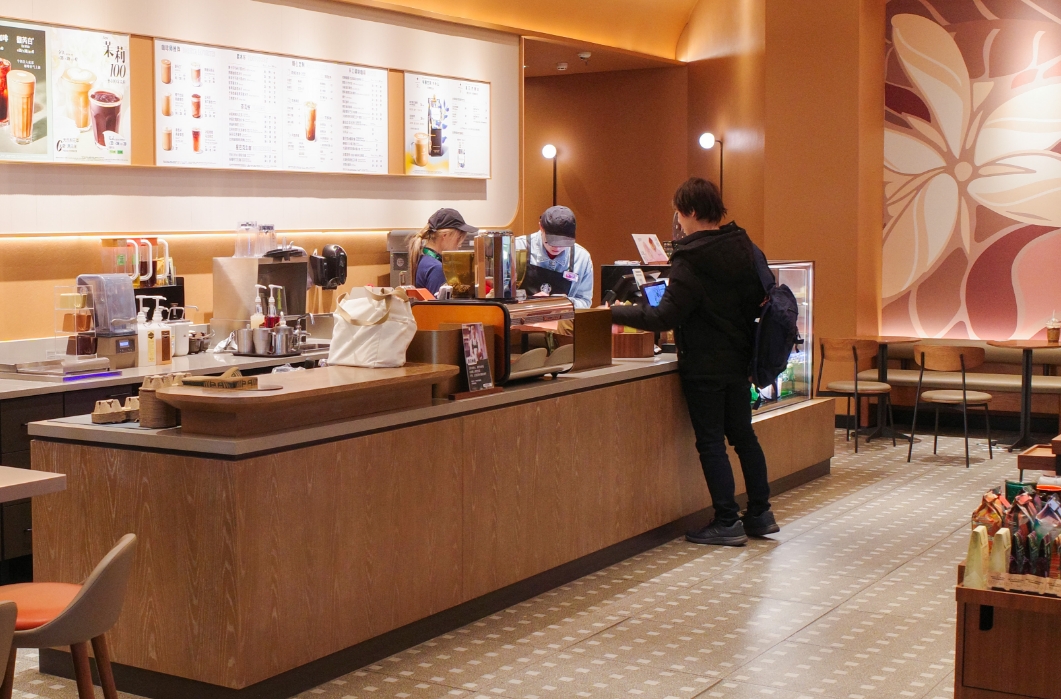
Core Viewpoint - The global coffee market is experiencing unprecedented turbulence in 2025, with both challenges and opportunities emerging for different players in the industry [1][3]. Industry Overview - Major industry players are divesting assets, indicating a downward trend, as seen with Starbucks' China business attracting over twenty institutional bidders and Coca-Cola selling its UK coffee chain Costa [3][6]. - Conversely, Black Rock Coffee Bar has successfully gone public with a strong IPO, raising funds at a price of $20 per share, which closed at $27.53, reflecting a 38% increase and a market capitalization of approximately $1.31 billion (93 million) [3][5]. Company Performance - Black Rock Coffee Bar's IPO was met with strong demand, achieving 20 times the issuance scale, marking it as the first IPO in the U.S. restaurant sector since Cava's listing in 2023 [5]. - The company operates 158 locations across seven states in the U.S. and has a unique "drive-thru" model that caters to the fast-paced lifestyle of suburban consumers [6][10]. - Financially, Black Rock Coffee Bar reported a total revenue of $160.9 million in 2024, a 20.8% year-over-year increase, and $95.2 million in the first half of 2025, a 24.2% increase compared to the same period in 2024 [11][12]. Business Model and Strategy - The company's business model emphasizes efficiency, with a single store achieving profitability within 18 months and an average annual sales volume (AUV) of approximately $1.1 million [12]. - Black Rock Coffee Bar's pricing strategy is competitive, avoiding the low-price competition seen with other brands while offering better value than Starbucks, which has faced a 4% decline in average transaction value [10][12]. - The company has also leveraged digital tools to optimize operations, with mobile ordering accounting for 15% of store revenue and a membership system that has attracted over 1.8 million users, contributing to 64% of orders [12][13]. Market Position and Future Outlook - Black Rock Coffee Bar represents a "third path" in the coffee market, distinguishing itself from both Starbucks' global expansion and Luckin Coffee's aggressive pricing strategies [13]. - The company faces the challenge of scaling its operations while maintaining profitability, similar to Dutch Bros, which has successfully expanded its footprint and profitability since its IPO [14]. - The potential for replicating its success in markets like China remains uncertain, given the different consumer behaviors and market dynamics [14].
4块9!茶饮企业掀咖啡价格战,古茗、茶百道击穿9块9底价
Nan Fang Du Shi Bao· 2025-09-18 11:13
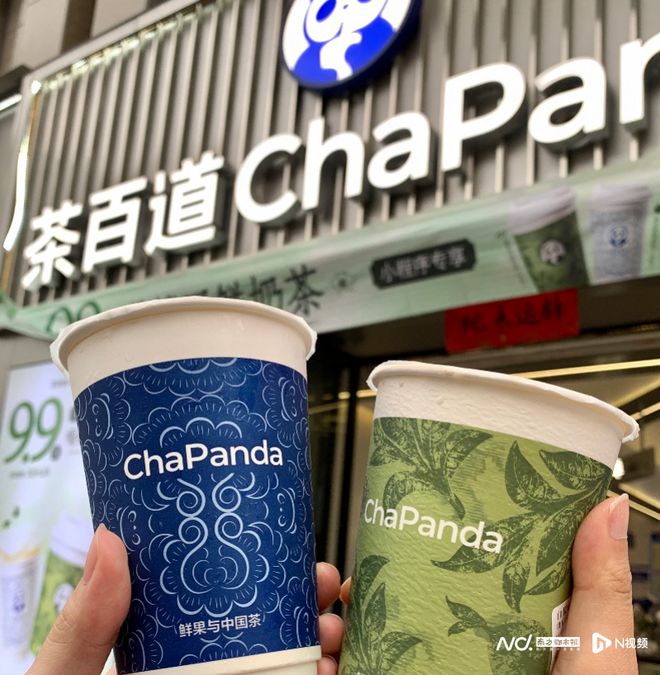
Core Viewpoint - The entry of tea beverage companies into the coffee market has intensified the price war, with prices for coffee products being significantly lowered, indicating a shift in consumer perception of coffee from a premium product to an everyday beverage [1][3][14] Group 1: Market Dynamics - Tea beverage companies like Cha Bai Dao and Gu Ming have launched coffee products at prices as low as 4.9 yuan, breaking the previous price floor of 9.9 yuan [1][3] - The coffee market is experiencing a price war as major brands adopt aggressive pricing strategies to capture market share [3][14] - The introduction of coffee by tea brands is seen as a response to declining profit margins in the tea beverage sector, with companies seeking new growth avenues [11][12] Group 2: Pricing Strategies - Cha Bai Dao's coffee products are priced at a minimum of 6.9 yuan, while Gu Ming offers coffee starting at 4.9 yuan, showcasing a significant reduction in prices [1][7] - The pricing strategies of both companies are supported by substantial promotional discounts, with Cha Bai Dao offering 19.1 billion yuan in limited-time coupons [4][12] - The competitive pricing is further enhanced by external factors such as delivery platform subsidies, making coffee even more accessible to consumers [13][14] Group 3: Industry Trends - The rapid expansion of coffee offerings by tea brands is part of a broader trend where companies are diversifying their product lines to include coffee, driven by the need to adapt to changing consumer preferences [11][12] - The coffee market in China is still growing, with per capita coffee consumption increasing from 7 cups five years ago to approximately 22 cups currently, indicating significant potential for further growth [12] - The entry of tea brands into the coffee market is expected to reshape consumer expectations and redefine the acceptable price range for coffee products [14][15]
海底捞才是星巴克的soulmate
3 6 Ke· 2025-09-18 09:17
Group 1: Starbucks China Business Sale - The sale of Starbucks' China business is nearing completion, with potential bidders including Boyu Capital, Carlyle Group, EQT, and Sequoia China, with a decision expected by the end of October [1] - The bidders are all financial investors, following the precedent set by McDonald's China sale, but local consumer giants may have better operational experience and financial strength [1] - The potential for local consumer giants, such as Alibaba, Meituan, Tencent, and Haidilao, to take over Starbucks China is highlighted, suggesting they could be more suitable buyers [1] Group 2: Haidilao's Position - Haidilao, despite being a hotpot chain, shares a similar business core with Starbucks as both operate social spaces rather than just food service [2] - Haidilao's recent business expansion efforts, including selling bread and launching community stores, indicate its evolution into a "startup incubator" [3] - The need for growth is pressing for Haidilao, as its revenue and net profit declined in the first half of 2025, with a revenue of 20.703 billion yuan, down 3.7% year-on-year [5] Group 3: Market Dynamics - The overall restaurant consumption market is experiencing a downturn, affecting high-ticket items like hotpot, while new tea drinks are thriving [6] - New tea drink brands have seen significant growth, with companies like Gu Ming and Mi Xue Ice City going public and achieving high stock price increases [6] - Haidilao's attempts to create new brands have not yet achieved significant scale, with other restaurant income only contributing 2.9% to total revenue [6] Group 4: Strategic Opportunities - The sale of Starbucks presents Haidilao with an opportunity to quickly enter the tea drink market, leveraging Starbucks' established brand and store network [12] - Haidilao's strengths in local innovation and commercial real estate negotiations could address Starbucks' current challenges, such as rising rental costs and competition [4] - The combination of Haidilao and Starbucks could enhance negotiation power in commercial real estate, potentially leading to better lease terms and store placements [15] Group 5: Challenges in Acquisition - The estimated valuation for Starbucks' China business is between $5 billion and $6 billion, which poses a significant financial challenge for Haidilao [16] - Haidilao would likely need to form a consortium with financial investors to complete the acquisition, complicating decision-making due to a fragmented ownership structure [17] - Starbucks' management desires to retain brand control while selling a majority stake, which may conflict with Haidilao's operational ambitions [17][18]