半导体

Search documents
大摩闭门会:中国AI GPU前景展望以及台积电最新资本支出预期; 上调阿里巴巴为互联网首选
2026-03-16 02:05
Summary of the Conference Call on China's AI GPU Outlook and TSMC's Capital Expenditure Industry Overview - The conference focused on the outlook for China's AI GPU market and the latest capital expenditure expectations from TSMC, highlighting the increasing importance of domestic chip production in the AI sector [1][2][3]. Key Points and Arguments 1. **AI Chip Ownership**: Companies like Alibaba are moving towards owning their chips to reduce reliance on third-party suppliers, similar to Google's strategy with TPU [5][6]. 2. **Customization and Flexibility**: Owning chips allows companies to tailor their products to specific applications and adjust capacity based on demand, which is crucial in the rapidly evolving AI landscape [7][8]. 3. **Performance Comparison**: Domestic chips are reportedly closing the performance gap with international counterparts, with some Chinese chips outperforming NVIDIA's A100 in inference tasks [9][10]. 4. **Market Positioning**: Alibaba is positioned as a leading player in the AI space due to its comprehensive supply chain, including its chip production (Pingtouge) and cloud services [12][13]. 5. **Demand Projections**: The demand for AI chips in China is expected to grow significantly, with projections estimating a market size of $67 billion by 2030, driven primarily by internet companies [14][15]. 6. **Supply Chain Dynamics**: The supply of AI chips is anticipated to increase, with domestic foundries like SMIC and Hua Hong playing key roles in supporting production [27][28]. 7. **Self-Sufficiency Goals**: The self-sufficiency rate of domestic AI chips is projected to rise from 33% in 2024 to 76% by 2030, indicating a strong push towards local production [27][28]. 8. **Valuation Insights**: Valuations for companies like Kunlun and Pingtouge were discussed, with estimates suggesting a market cap range of $20 billion to $61 billion for Kunlun based on a price-to-sales ratio of 26x [19][20]. Additional Important Insights - **Investment Recommendations**: Alibaba was highlighted as a preferred investment due to its strong position in the AI ecosystem and expected performance in upcoming earnings reports [21][22]. - **Global Competitive Landscape**: The conference noted that while domestic companies are gaining ground, competition remains fierce, particularly from state-owned enterprises like Huawei and Cambricon [16][17]. - **Technological Advancements**: The discussion included the importance of advancements in chip technology and packaging, with Chinese firms catching up in areas like 2.5D packaging and advanced process nodes [29][30]. - **Market Consolidation**: The AI chip market is expected to undergo consolidation, with a few key players dominating the landscape, which may lead to reduced margins for new entrants [17][37]. This summary encapsulates the critical insights from the conference call, emphasizing the strategic shifts in China's AI chip industry and the implications for investment and market dynamics.


AI 芯片大短缺 --- The Great AI Silicon Shortage
2026-03-16 02:05
Summary of the Conference Call on the Great AI Silicon Shortage Industry Overview - The report discusses the ongoing shortage of AI chips, particularly focusing on TSMC's N3 wafer capacity and the implications for the semiconductor industry as a whole [1][6][12]. Key Points and Arguments AI Chip Demand Surge - There is a significant increase in demand for AI compute, driven by advancements in model capabilities and the rise of agentic workflows, leading to a surge in user adoption and token demand [5][7]. - Anthropic reported an increase of $6 billion in annual recurring revenue (ARR) in February 2026, primarily due to the adoption of its Claude Code platform [5][7]. TSMC's N3 Wafer Shortage - TSMC's N3 logic wafer capacity is one of the biggest constraints in the industry, with demand initially driven by smartphones and PCs but now shifting towards AI applications [15][17]. - The N3 family started shipping in 2023, but early variants faced yield issues and high costs, leading to a more successful adoption of the N3E process [16][20]. Capital Expenditure and Capacity Constraints - Hyperscalers are increasing capital expenditures significantly, with Google’s 2026 capex expectations doubling due to datacenter and server spending [8][12]. - TSMC's capital expenditures are expected to exceed previous records as they attempt to meet surging demand, but they are constrained by silicon supply limitations [27][29]. Shift in Customer Priorities - AI infrastructure customers are prioritized over consumer electronics, as AI-driven demand is the primary growth driver for TSMC [43][44]. - The mobile and client markets are saturated, limiting growth opportunities, which gives AI accelerator customers an advantage in securing advanced-node capacity [45][46]. Memory Supply Constraints - A global memory shortage is emerging, with DRAM supply being a critical battleground as chip vendors and hyperscalers compete for HBM supply for accelerator production [65][66]. - HBM consumes significantly more wafer capacity than commodity DRAM, exacerbating the supply constraints [67][68]. Potential for Smartphone Demand to Soften - Smartphone demand is projected to decline, which could free up capacity for AI accelerators. Current orders from major smartphone manufacturers assume low single-digit growth, but rising memory prices may dampen consumer demand [55][56][57]. - Reallocating a portion of smartphone wafer starts to AI accelerators could significantly increase production capacity for AI chips [58][60]. Other Important Insights - TSMC is expected to exceed 100% effective utilization of N3 capacity in the second half of 2026, indicating extreme pressure on supply [47][48]. - The transition to higher HBM pin speeds is creating additional supply constraints, as memory vendors struggle to meet these specifications [76][79]. - The overall DRAM demand is expected to rise due to the increasing deployment of AI and general-purpose servers, which may offset declines in consumer electronics [84]. This summary encapsulates the critical insights from the conference call regarding the AI chip shortage, TSMC's capacity challenges, and the broader implications for the semiconductor industry.

OPPO发布涨价函,2026年全球PC出货量预计下降
Ping An Securities· 2026-03-16 02:00
Investment Rating - Industry investment rating is "Outperform" (expected to outperform the market by more than 5% within the next 6 months) [24] Core Insights - OPPO has announced a price adjustment for certain products starting March 16, 2026, due to rising costs of key components like high-speed storage hardware, which is expected to impact product quality and user experience [3][6] - Global smartphone shipments are projected to decline by 2.1% in 2026, driven by increased costs in the Bill of Materials (BoM) due to rising DRAM prices, which are expected to increase by approximately 25%, 15%, and 10% for low, mid, and high-end models respectively [3][6] - The global PC shipment volume is expected to decrease by 12% in 2026, reaching 245 million units, primarily due to significant increases in memory and storage prices, which have risen by $90 to $165 since Q1 2025 [10] Summary by Sections Price Adjustments and Market Impact - OPPO and OnePlus will adjust prices for certain products, including the OPPO A series and K series, to cope with rising component costs [3][6] - The price adjustments are a response to the increased costs of key components, which are expected to affect the overall market dynamics [3] Smartphone and PC Shipment Forecasts - The forecast for global smartphone shipments indicates a decline of 2.1% in 2026 due to rising storage costs [3][6] - The global PC market is projected to face a 12% decline in shipments, attributed to the financial pressures from increased memory and storage costs [10] Market Performance Overview - The semiconductor industry index experienced a weekly decline of 2.6%, underperforming the CSI 300 index by 2.68 percentage points, while year-to-date, it has increased by 7.07%, outperforming the CSI 300 index by 6.23 percentage points [15]
中国银河证券:AI推升VC和金刚石散热需求 国产替代仍具备广阔市场空间
Zhi Tong Cai Jing· 2026-03-16 01:52
Core Insights - The domestic thermal materials industry in China has formed a clustering effect in fields such as TIM, ceramic substrates, and liquid cooling materials, with significant potential for domestic substitution [1] Group 1: Industry Overview - The thermal materials industry chain consists of upstream raw materials, midstream device manufacturing, and downstream applications, characterized by high barriers in upstream, high value in midstream, and strong demand in downstream [1] - Upstream raw materials include high-purity ceramic powders (AlN/BN/SiC/diamond), carbon-based materials (graphene/CNT/graphite), metal materials (copper/aluminum/copper alloys/tantalum), and liquid cooling working fluids (fluorinated liquids/synthetic esters/water-based liquids) [1] - Major players in the first tier of thermal materials are concentrated in Europe, America, and Japan, while the second tier includes domestic companies like Zhongshi Technology, Feirongda, Zhongci Electronics, Sanhuan Group, and Tianyue Advanced, focusing on TIM, ceramic substrates, and liquid cooling materials [1] Group 2: Key Technologies - VC vapor chamber and graphite film have become the preferred cooling solutions for AI smartphones, with VC vapor chambers offering a heat transfer efficiency that significantly increases the heat dissipation area by 5 to 8 times compared to traditional solid thermal methods [2] - The thermal conductivity of VC vapor chambers ranges from 0.2 to 50 KW/m*K, while that of heat pipes is approximately 10 to 100 KW/m*K, and liquid cooling plates range from 1 to 5 KW/m*K [2] Group 3: Emerging Materials - Diamond alloy materials are expected to be promoted in high-power AI chip cooling, with diamond being an excellent heat sink material when thermal conductivity requirements exceed 500 W/m·K [3] - CVD polycrystalline diamond is highlighted as an ideal cooling solution for the high computing power era, with a thermal conductivity of 2000-2200 W/(m·K) compared to copper's 380-400 W/(m·K) [3] - The global diamond cooling market is projected to reach 17.2 to 48.3 billion yuan by 2028, benefiting related enterprises [3] Group 4: Advanced Cooling Solutions - Thermoelectric cooling offers precise temperature control with no moving parts and rapid response, penetrating applications in AI optical modules, medical devices, lasers, and automotive sectors [4] - Liquid metal cooling, utilizing gallium-based, indium-based, and bismuth-based alloys, provides a thermal conductivity of 15-73 W/(m·K), significantly improving upon traditional silicone grease by 5-10 times, making it crucial for high-power density cooling in AI servers and high-end consumer electronics [4]


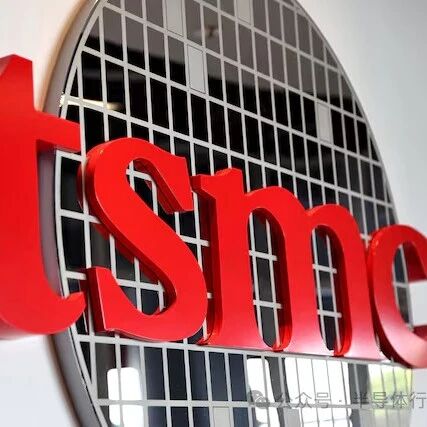
台积电1.2nm,新进展
半导体行业观察· 2026-03-16 01:11
Group 1 - TSMC's 1.2nm process development at the Shalun Ecological Science Park is facing environmental concerns due to its impact on the habitat of the grass owl, with the environmental impact statement expected to be submitted by April this year [2][3] - The Shalun Ecological Science Park covers an area of 531 hectares and is projected to generate a value of NT$2.2547 trillion, creating approximately 35,000 job opportunities upon completion [2] - The development plan has been optimized to address ecological integrity, focusing on preserving green spaces and minimizing habitat fragmentation for the grass owl [2] Group 2 - TSMC's 1.4nm process is progressing well, with risk trial production expected to start in 2027, aimed at identifying potential production issues before mass production [5][6] - The construction of the 1.4nm factory is underway, with an initial investment of NT$1.5 trillion, and is expected to generate revenue of US$16 billion in its first year, creating 8,000 to 10,000 jobs [6] - Initial yield rates for the 1.4nm process are projected to be below 20%, with expectations for improvement over time as market demand increases [6]

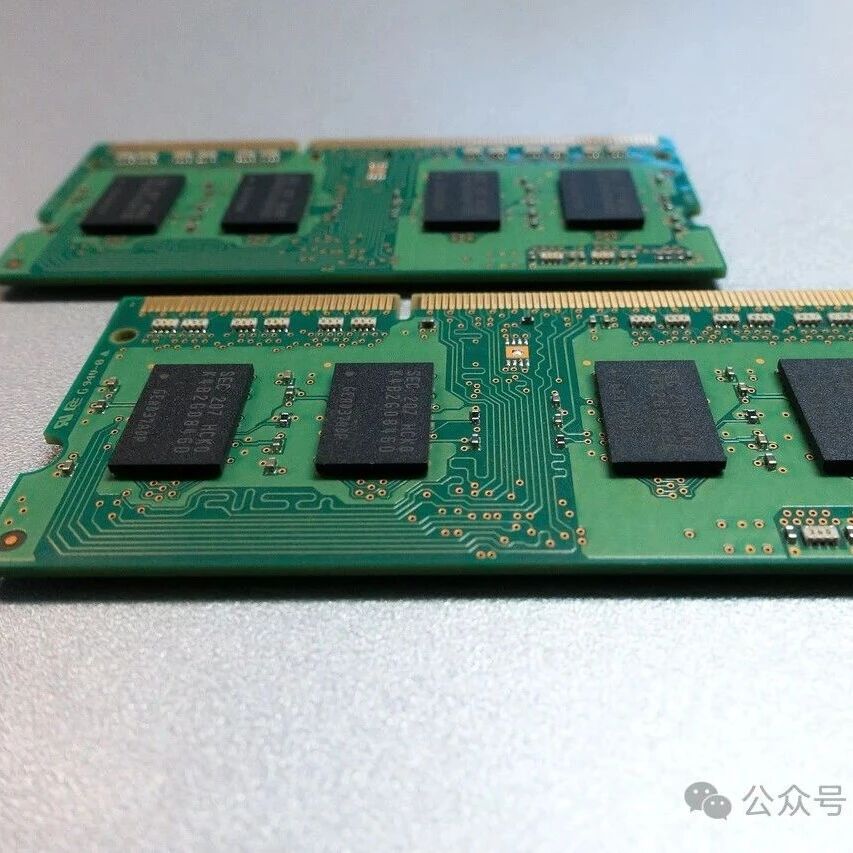
存储芯片巨头,表示担忧
半导体行业观察· 2026-03-16 01:11
Core Viewpoint - Samsung and SK Hynix are adopting a cautious approach towards their DRAM production plans due to concerns over potential supply surplus, despite currently benefiting from unprecedented demand and soaring contract prices [2][4]. Group 1: Market Conditions - The DRAM chip shortage is intensifying each quarter, with contract prices experiencing shocking increases of up to three digits [2]. - Major DRAM suppliers, including Samsung and SK Hynix, anticipate that the memory shortage will persist for several quarters, driven by historically high demand [4]. - The suppliers are concerned about a potential downturn in DRAM demand, particularly as the PC industry shows weak procurement momentum [2][4]. Group 2: Production Strategy - Samsung and SK Hynix control over 70% of global DRAM production and are focusing on profitability rather than rapid capacity expansion [4]. - Both companies are adjusting their production capacity based on market demand forecasts to avoid over-investment in expansion plans [2][4]. - The suppliers are expected to maintain a cautious stance on capacity expansion, as any overcommitment could lead to significant issues if demand stabilizes or declines [3][4]. Group 3: Future Outlook - The DRAM shortage is projected to last until 2028, with manufacturers signing short-term contracts to ensure that price increases are quickly reflected in customer quotes [5]. - The current pricing trends for DRAM and consumer products are expected to become the "new normal," with no specific timeline for price normalization [3][5]. - Consumers should be aware that the DRAM supply situation is unlikely to improve in the next couple of quarters, indicating continued supply constraints for products like RAM and GPUs [5].
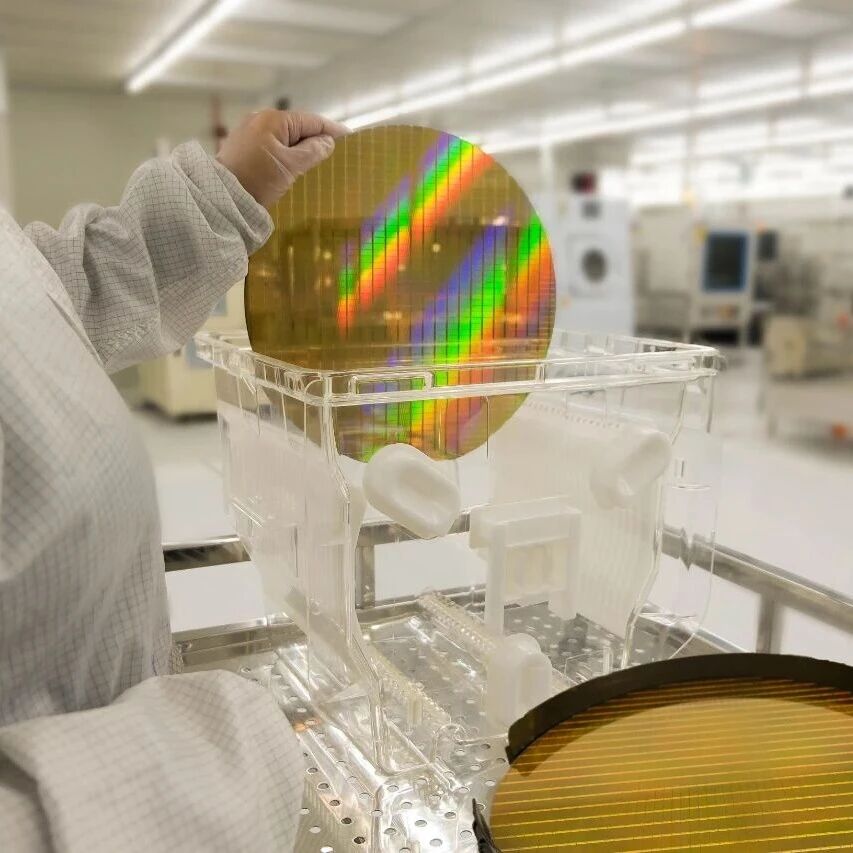
四大晶圆厂,涨价
半导体行业观察· 2026-03-16 01:11
Core Viewpoint - The semiconductor industry is experiencing a new wave of price increases, particularly among the four major mature process foundries: UMC, GlobalFoundries, Powerchip, and China’s JHICC, with price hikes expected to start as early as April, potentially exceeding 10% [2][3] Group 1: Price Increases - The four major mature process foundries are planning to raise their prices, indicating a broader trend of "chip inflation" in the semiconductor industry [2] - UMC holds a global market share of approximately 4.2% in wafer foundry services and has acknowledged a more favorable pricing environment compared to previous periods [2] - GlobalFoundries has communicated to customers about the need to adjust prices starting April 2026 due to rising costs in semiconductor equipment, raw materials, energy, and labor [2][3] Group 2: Impact on IC Design Firms - IC design firms, particularly those producing driver ICs, are expected to pass on the increased costs to consumers, as wafer foundry prices constitute a significant portion of their total costs [3] - Powerchip has confirmed that it has already begun raising prices this quarter, focusing on product lines with lower profit margins [3] - JHICC is also set to increase its foundry prices by 10% starting June 1, indicating a collective trend among mature process foundries to raise prices [3]

蔚小理,交出“芯”答卷
半导体行业观察· 2026-03-16 01:11
Core Viewpoint - The article discusses the shift of Chinese automotive companies, particularly NIO, Li Auto, and Xpeng, towards self-developed chips as a strategic move to enhance competitiveness and reduce reliance on external suppliers, marking a significant trend in the smart automotive industry towards "computing power sovereignty" by 2026 [2][29]. Group 1: NIO's Chip Development - NIO has successfully developed its second chip, the Shenji NX9031, which utilizes 5nm technology and offers performance equivalent to three NVIDIA Orin-X chips while significantly reducing costs [3][5]. - The Shenji NX9031 chip is expected to contribute approximately 10,000 yuan in cost savings per vehicle, supporting NIO's path to profitability by Q4 2025 [7][9]. - NIO's chip division, Shenji, aims to transition from a cost center to a profit engine, having secured 2.257 billion yuan in its first round of financing, indicating strong market confidence in its technology and production capabilities [8][9]. Group 2: Li Auto's Chip Strategy - Li Auto's self-developed M100 chip is set to enter mass production, boasting a total computing power of 2560 TOPS, which is three times that of NVIDIA's Thor-U, positioning it as a leading solution in the industry [10][11]. - The M100 chip is designed based on the "hardware-software co-design" principle, addressing the inefficiencies of traditional chip development processes and enhancing the utilization of computing power [14][15]. - Li Auto's approach emphasizes the importance of optimizing chip design for specific applications, particularly in the context of VLA (Vision-Language-Action) models, which are becoming increasingly relevant in autonomous driving [15][16]. Group 3: Xpeng's Chip Development - Xpeng has fully transitioned to self-developed chips, launching the Turing AI chip, which features a 40-core design and achieves a computing power of 750 TOPS, equivalent to three Orin-X chips [19][21]. - The Turing chip is designed for end-to-end large model optimization, supporting advanced autonomous driving capabilities and demonstrating Xpeng's commitment to integrating technology deeply into its products [19][22]. - Xpeng's strategy includes forming alliances and partnerships, such as with Volkswagen, to enhance its market presence and leverage its chip technology across various applications, including robotics and flying cars [22][24]. Group 4: Industry Trends and Implications - The trend of automotive companies developing their own chips is driven by the need for cost control, supply chain security, and the desire for greater technological autonomy [24][25]. - The shift towards self-developed chips is reshaping the automotive industry's value chain, moving away from reliance on foreign suppliers and fostering a more competitive domestic ecosystem [25][26]. - The integration of algorithms and chip design is becoming crucial, as companies recognize that the architecture of chips must align with the specific needs of advanced driving algorithms to optimize performance [27][29].



中原证券晨会聚焦-20260316
Zhongyuan Securities· 2026-03-16 01:09
Key Insights - The report highlights the ongoing recovery in cyclical machinery and the robust growth of AI and humanoid robotics industries, indicating a positive outlook for these sectors [5] - The semiconductor industry is experiencing a significant uptrend, driven by strong demand for AI hardware and rising prices for memory products, with expectations of continued growth in 2026 [15][16] - The food and beverage sector is facing challenges with declining revenue growth and rising costs, but certain segments like pre-packaged foods and beer are showing resilience [27][28] Domestic Market Performance - The A-share market has shown slight fluctuations, with the Shanghai Composite Index closing at 4,095.45, down 0.82%, while the Shenzhen Component Index closed at 14,280.78, down 0.65% [3] - The average P/E ratios for the Shanghai Composite and ChiNext are 17.02 and 49.86 respectively, indicating a suitable environment for medium to long-term investments [7][12] Industry Analysis - The semiconductor sector saw a 1.30% decline in February, but overall, it has risen 17.09% since the beginning of 2026, with global semiconductor sales increasing by 46.1% year-on-year [14][15] - The food and beverage industry has shown a mixed performance, with a 1.24% increase in the sector during January and February, but individual segments like prepared foods and beer have performed better [27][28] Investment Recommendations - The report suggests focusing on domestic storage module and chip manufacturers, as they are expected to benefit from the ongoing demand driven by AI and memory price increases [15][16] - In the food and beverage sector, attention is drawn to companies involved in upstream raw materials and those that can leverage inflationary trends, such as beer and pre-packaged food producers [26][27]

全球大公司要闻 | 315曝光企业密集回应,茅台高管涉违纪被查
Wind万得· 2026-03-16 01:04
Group 1 - Haier and other companies have responded to being named in the CCTV "3.15" gala, with Haier expressing apologies and confirming compliance with national standards by limiting electric vehicle speeds to 25 km/h [3] - Apple announced a reduction in the commission rate for its App Store in China, lowering the standard rate from 30% to 25% and for eligible small developers from 15% to 12% [3] - Meta plans to conduct large-scale layoffs involving 20% or more of its workforce to offset high AI infrastructure costs and has delayed the release of its AI model "Avocado" due to performance issues compared to competitors [4] Group 2 - Tencent Cloud will provide free installation and deployment services for its products across 17 cities in China over the next 40 days [7] - Didi's core platform is projected to see a 13.5% year-on-year increase in order volume by Q4 2025, reaching 4.844 billion orders, with a total transaction value of 123.8 billion yuan [8] - China Power Construction signed a contract for a nickel mining project in Indonesia worth approximately 54.56 billion yuan, with a contract duration of 60 months [8] Group 3 - Amazon has partnered with AI chip startup Cerebras Systems to enhance AI computing efficiency and accelerate the development of various AI applications [11] - Nvidia's GTC 2026 technology conference will focus on AI factories and the next-generation M10 chip, with supply chain implications for related industries [11] - Tesla's CEO announced the launch of the AI chip super factory Terafab, aiming for an annual production capacity of 100 to 200 billion chips [11] Group 4 - Samsung has raised foundry fees and is developing new HBM4E memory using a 2nm process, which is ahead of the industry standard [14] - Toyota's new RAV4 model has been launched, but market feedback is cautious regarding its sales without price incentives [15] - Japan Post has agreed to acquire a Norwegian shipping company to strengthen its global network and expand its participation in niche markets [15]