金融

Search documents
12月非农数据点评:就业中性偏弱,政策取向谨慎
Guoxin Securities· 2026-01-10 11:05
Employment Data Overview - December non-farm payrolls increased by 50,000, below the expected 60,000, while the unemployment rate fell to 4.4%[2] - The labor force participation rate declined to 62.4%, which statistically suppresses the unemployment rate, diluting its actual significance[4] Employment Sector Insights - Private sector added 37,000 jobs, with leisure and hospitality, and education and healthcare contributing 88,000 jobs combined, significantly boosting overall non-farm employment[14] - Job losses were evident in the goods-producing sectors, with construction, manufacturing, and mining losing 11,000, 8,000, and 2,000 jobs respectively, indicating weakening demand in the real economy[14] Wage Trends - Average hourly earnings in the service sector rose by 3.7% year-on-year, while goods-producing sectors saw a 4.1% increase, driven more by structural factors than by demand[20] - The increase in average wages reflects a structural effect where low-wage positions are being eliminated, raising the average wage of remaining employees[20] Monetary Policy Outlook - The probability of a rate cut in January is near zero, with the Federal Reserve likely to maintain a cautious stance due to the current employment and inflation dynamics[24] - The Fed's policy decisions will be influenced by upcoming inflation data and potential changes in the Federal Open Market Committee (FOMC) membership, which could reshape market expectations[24]
一江一河 织出惬意生活图景
Xin Lang Cai Jing· 2026-01-10 09:09
Core Viewpoint - The development of the Huangpu River and Suzhou River waterfront areas during the 14th Five-Year Plan period has significantly enhanced public spaces, transportation accessibility, and cultural activities, making these areas popular destinations for residents and tourists [2][3][5]. Group 1: Waterfront Development - During the 14th Five-Year Plan, 24 kilometers of new waterfront connectivity were added along the Huangpu River, with over 80 hectares of new riverside green spaces and public areas along the Suzhou River [3]. - The Huangpu River waterfront has seen the construction of over 520 hectares of new waterfront green spaces and public areas, including parks and cultural sites [3]. - Key projects include the completion of the Yangpu Riverside Park and various ecological corridors, enhancing the overall landscape and recreational opportunities [3][4]. Group 2: Transportation Improvements - The construction of Metro Line 23 has commenced, along with the initiation of several river tunnels and bridges, improving connectivity across the waterfront [4]. - Upgrades to riverside roads and the establishment of new ferry terminals have strengthened waterway access and transportation options for visitors [4]. Group 3: Cultural and Recreational Activities - Over 60,000 square meters of high-grade public facilities have been built, including cultural centers and museums, enhancing the cultural landscape along the rivers [5]. - A variety of sports and cultural events, such as the Shanghai Tourism Festival and the International Light and Shadow Festival, have been organized, attracting significant visitor numbers [5]. - By 2025, over 800 themed events are expected to be held along the waterfront, with peak attendance exceeding 120,000 in certain areas [5]. Group 4: Economic Development - The formation of world-class waterfront business districts is underway, with a focus on finance, technology, and culture, particularly in the "Golden Triangles" of the city [6]. - New industries are rapidly emerging in areas like digital economy and cultural creativity, with significant developments in the Yangpu Riverside area [6]. Group 5: Governance and Community Engagement - The governance model for waterfront areas is shifting from management to service, with enhanced community involvement and resource sharing among districts [7]. - Initiatives have been implemented to improve public service facilities and ensure accessibility for all age groups, including the establishment of barrier-free zones [7].


2025城市经济研究专题:向先而行,深圳加快建设中国特色社会主义先行示范区
Sou Hu Cai Jing· 2026-01-10 07:11
Core Viewpoint - Shenzhen is accelerating its development as a leading demonstration zone for socialism with Chinese characteristics, leveraging its unique urban positioning and economic vitality to achieve high-quality growth [1]. Group 1: Urban Positioning - Shenzhen has transformed from an early processing trade model to a technology-driven industrial transformation, supported by multiple strategic advantages such as being a special economic zone and a core engine of the Guangdong-Hong Kong-Macao Greater Bay Area [1][10]. - The city aims to cultivate new productive forces, with the added value of strategic emerging industries accounting for 42.3% of GDP in 2024, maintaining the highest total industrial output value and added value among cities in China for three consecutive years [1][18]. Group 2: Industrial Growth - Shenzhen has established leading advantages in several frontier industries, including a complete semiconductor and integrated circuit supply chain, rapid growth in the smart connected vehicle sector, and a strong foundation in high-end medical devices [2][18]. - The "20+8" industrial cluster strategy is being upgraded to create several trillion-yuan and 500-billion-yuan industrial clusters, showcasing strong development potential [1][18]. Group 3: Collaborative Development - The city's development relies on both internal collaboration and close ties within the Greater Bay Area, with key districts like Nanshan and Futian leading in technological innovation and international finance, respectively [2][18]. - Shenzhen's cooperation with Hong Kong is advancing towards deeper integration of rules and cross-border flow of innovative factors, while collaboration with surrounding cities like Dongguan and Huizhou forms an efficient industrial chain [2][18]. Group 4: Advantages and Challenges - Shenzhen's high-quality development is supported by its innovative capabilities, with a 10.5% year-on-year growth in the added value of strategic emerging industries in 2024, and a significant increase in high-tech manufacturing investments [18][25]. - The city faces challenges such as external uncertainties, competition in key technologies, and regional competition, necessitating continued efforts in economic reform, optimizing the business environment, and enhancing the innovation ecosystem [3][18]. Group 5: Future Opportunities and Policy Recommendations - The report emphasizes the need for Shenzhen to strengthen its competitive edge in artificial intelligence, semiconductors, and biomedicine through institutional innovation and capital empowerment, positioning itself as a global leader in industrial innovation [3][18].
杀疯了,刷爆历史记录的一天!
Ge Long Hui· 2026-01-10 06:44
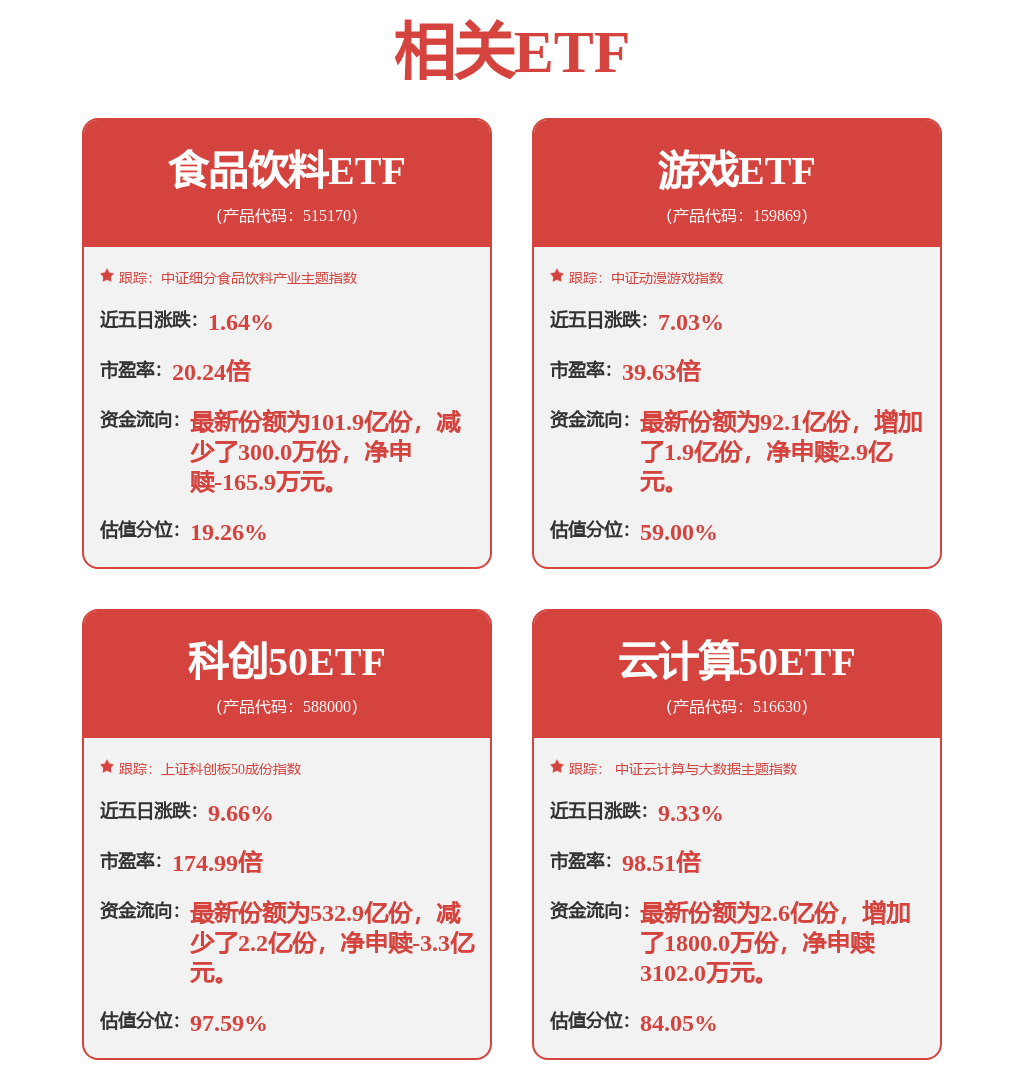
Group 1 - A-shares achieved a historic 16 consecutive days of gains, marking the longest streak in 33 years [1] - The Shanghai Composite Index surpassed 4100 points for the first time in ten years, reaching its highest level since July 2015 [1] - Daily trading volume exceeded 3 trillion yuan, marking the fifth occurrence in A-share history [1] - Margin financing saw a net inflow of over 70 billion yuan this week, with the total margin balance exceeding 2.6 trillion yuan for the first time [1] Group 2 - The satellite ETF managed by E Fund (563530) tracked the satellite industry index, which surged by 22.9% this week, making it the strongest index of the year [5] - The satellite ETF has increased by 86.74% over 33 trading days, with a net inflow of 860 million yuan over ten consecutive days [6] - The AI-focused ETF (159140) recorded an increase of 13.83% over 15 days, benefiting from the AI boom [6][10] - The commercial space sector is experiencing a significant surge, driven by SpaceX's anticipated $1.5 trillion IPO in 2025, which is expected to ignite market interest [8][9] Group 3 - The A-share market's recent performance is largely attributed to leveraged funds and ETF investments, which have been key drivers of the market's new highs [12][13] - The first week of the year saw leveraged funds purchasing a total of 789.99 billion yuan, contributing to the record margin balance [14] - The sectors favored by leveraged funds include hardware equipment, semiconductors, non-bank financials, and metals [15] Group 4 - The bond market faced significant outflows, with bond ETFs experiencing a net outflow of 623 billion yuan in the first week of the year [18] - The outflows were primarily driven by expectations of interest rate changes and pressures from the bullish stock market [21][22] - The shift in investment behavior indicates a reduced urgency among institutional investors to enter the bond market, with a preference for equities instead [27]
山东:推动金融业扩能提质 用足用好适度宽松的货币政策
Xin Lang Cai Jing· 2026-01-10 06:08
格隆汇1月10日|山东全省金融系统工作会议在济南召开,总结2025年金融工作,安排部署2026年重点 任务。会议要求,要有力有序有效防风险,稳妥推动中小金融机构改革,防范打击非法金融活动,统筹 化解各类交织风险。要巩固和强化金融监管,严把准入关口,严格监管执法,严肃追责问责。要全力以 赴促进高质量发展,推动金融业扩能提质,用足用好适度宽松的货币政策,实施上市资源培育"十百 千"计划,加强对扩大内需、科技创新、中小微企业等重点领域金融支持。 ...
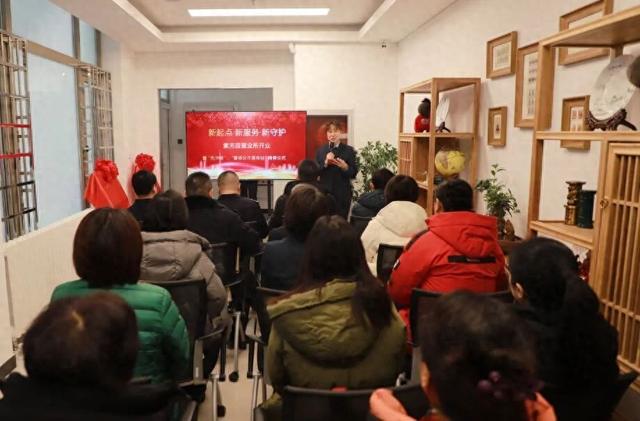
守护您的“钱袋子”,丰台方庄有个政警银反诈宣传站
Xin Lang Cai Jing· 2026-01-10 04:03
Core Viewpoint - The establishment of a fraud prevention publicity station in Beijing's Fengtai district aims to enhance public awareness and education on fraud prevention through a collaborative model involving local government, police, and postal services [3]. Group 1: Fraud Prevention Initiatives - The fraud prevention publicity station is a joint initiative by Fengtai Street, Beijing Public Security Bureau Fengtai Branch, and Fengtai Postal Service, utilizing a "street + service point + police station" collaborative model [3]. - The station integrates fraud prevention education into daily service scenarios, providing resources such as anti-fraud manuals, warning videos, and on-site consultations for residents [3][5]. - Targeted education is provided for vulnerable groups, including the elderly and business operators, focusing on common scams like "pension fraud," "order refund scams," and "false loans" [3][5]. Group 2: Comprehensive Service Platform - The "Xianfeng Port" service point spans over 300 square meters and includes areas for party services, business negotiations, and policy dissemination [3]. - The initiative aims to create a comprehensive service platform that integrates postal services, inclusive financial services, government services, and community safety services [5]. - Residents and businesses can access financial and postal services, consult on government policies, and participate in fraud prevention knowledge sessions at this integrated service hub [5].
阿联酋经济2026年增速上调至5%,有望继续领先全球主要经济体
Shang Wu Bu Wang Zhan· 2026-01-10 03:35
Core Viewpoint - The economic growth outlook for the UAE has been upgraded to 5% for 2026, surpassing the previous forecast of 4%, and significantly outpacing the global average growth rate [1] Group 1: Economic Growth Projections - Standard Chartered Bank's latest research indicates that the UAE's GDP growth is expected to reach 5% in 2026, which is higher than the previously estimated 4% [1] - The UAE's growth rate is projected to exceed that of China (4.6%), the United States (2.3%), and the Eurozone (1.1%) [1] Group 2: Factors Supporting Growth - Key factors supporting the upgraded growth forecast include strong trade volumes, ample liquidity in the banking system, and ongoing expansion in the non-oil economy [1] - The UAE is expected to maintain "potential growth" for two consecutive years, continuing to be a highlight in the global economic landscape [1] Group 3: Trade and Non-Oil Sector Performance - The UAE's position as a regional trade and logistics hub is expected to be further solidified due to global supply chain restructuring [1] - The total foreign trade volume for the UAE is anticipated to approach $1 trillion this year, with the non-oil sector expected to grow by 4.5% next year, driven by improvements in population structure and strong performance in the real estate market [1]

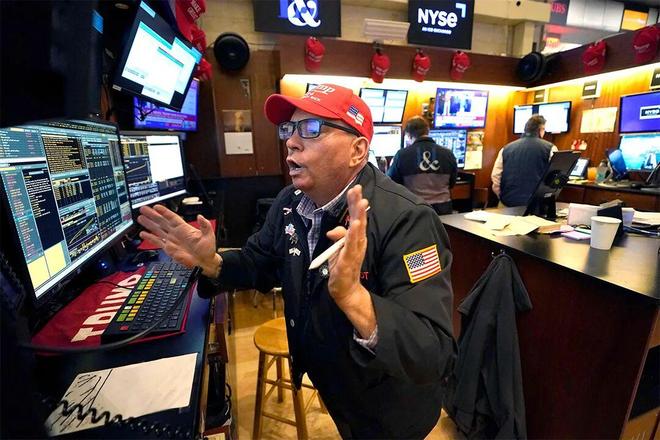
【环球财经】宏观数据提振人气 纽约股市三大股指9日均上涨
Xin Hua Cai Jing· 2026-01-10 02:08
Group 1 - The New York stock market indices opened higher on January 9, 2025, with the Dow Jones Industrial Average rising by 237.96 points to close at 49,504.07, a gain of 0.48% [1] - The S&P 500 index increased by 44.82 points to close at 6,966.28, reflecting a rise of 0.65%, while the Nasdaq Composite Index rose by 191.331 points to close at 23,671.346, marking an increase of 0.82% [1] - Among the S&P 500 sectors, nine out of eleven sectors saw gains, with the materials and utilities sectors leading with increases of 1.80% and 1.24%, respectively [1] Group 2 - The U.S. Labor Department reported that 50,000 non-farm jobs were added in December 2025, below the market consensus of 55,000, with previous months' job additions revised downwards [1] - The unemployment rate for December 2025 was reported at 4.4%, a slight decrease from the revised rate of 4.5% in the previous month [1] Group 3 - The preliminary consumer confidence index for January 2025 was reported at 54, surpassing the previous month's 52.9 and the market consensus of 53.5, marking the highest level since September 2025 [2] - Consumer inflation expectations for one year remained stable at 4.2%, the lowest since January 2025, while the five-year inflation expectation rose from 3.2% to 3.4% [2] Group 4 - D.R. Horton, a major U.S. homebuilder, saw its stock price increase by 7.8% following President Trump's announcement to request Fannie Mae and Freddie Mac to purchase mortgage bonds to lower interest rates [3]

和中国分手?“做梦!否则谁买拉美玉米、大豆”
Guan Cha Zhe Wang· 2026-01-10 01:24
Core Viewpoint - The article discusses the U.S. government's efforts under Trump to undermine China's economic influence in Latin America, particularly through actions against Venezuela and its oil resources, while highlighting China's significant economic presence in the region over the past two decades [1][5]. Economic Influence of China in Latin America - Over the past twenty years, China has established substantial economic influence in Latin America, with bilateral trade exceeding $500 billion in 2024, marking a 6% increase year-on-year [1][2]. - China is now the second-largest trading partner for Latin America and the Caribbean, with imports from the region reaching $241.47 billion, a 46% increase compared to five years ago [1]. - Chinese products and investments are pervasive in Latin America, with significant market presence in various sectors, including automotive, electronics, and food [2]. U.S. Response and Strategy - The Trump administration's strategy includes actions to curb China's influence, such as pressuring Venezuela to sever economic ties with China and threatening tariffs on Brazilian goods [4][5]. - Analysts suggest that the U.S. must provide a credible alternative to China's economic engagement in the region, akin to the Marshall Plan post-World War II, to effectively challenge China's established position [6]. Regional Dynamics - Research indicates that in ten out of twelve South American countries, China has economically replaced the U.S., with Chinese trade, investment, and development financing surpassing that of the U.S. [2]. - Some Latin American countries may strengthen their economic ties with China in response to U.S. pressures, as they rely on Chinese markets for their agricultural exports [6].

标普道指齐创收盘新高
Di Yi Cai Jing Zi Xun· 2026-01-10 00:54
Market Overview - The US stock market reached new historical highs driven by strong performance in chip stocks and a rotation into value sectors, with the S&P 500 index closing at 6966.28 points, up 0.65% [2] - The labor market showed signs of stability, with December non-farm payrolls adding 50,000 jobs, slightly below expectations of 73,000, while the unemployment rate fell to 4.4%, better than the anticipated 4.5% [5] - The S&P 500 index saw a weekly increase of 1.6%, the Dow Jones Industrial Average rose over 2.3%, and the Nasdaq Composite gained 1.9% during the first full trading week of 2026 [2] Sector Performance - Among the 11 sectors in the S&P 500, 9 sectors experienced gains, with the materials sector leading at 1.8% and utilities up 1.24% [2] - The Philadelphia Semiconductor Index rose by 2.7%, reaching a record high, with notable performances from companies like Lam Research, which surged 8.7%, and Intel, which increased nearly 11% following positive comments from President Trump [3] Notable Stocks - Major tech stocks showed mixed results, with Broadcom up 3.79%, Tesla rising 2.11%, and Meta Platforms increasing by 1.08%, while Nvidia saw a slight decline of 0.08% [3] - Vistra Energy's stock jumped 10.5% after Meta Platforms agreed to purchase power from its nuclear power plants [3] Economic Indicators - The Federal Reserve's interest rate expectations shifted, with traders now estimating a 4.8% probability of a rate cut at the January meeting, down from 11.6% prior to the employment data release [5] - The two-year US Treasury yield rose by 4.6 basis points to 3.534%, while the ten-year yield fell slightly by 1.4 basis points to 4.183% [5] Commodity Market - Oil prices increased, with light crude oil futures for February rising by $1.36 to $59.12 per barrel, a 2.35% gain [8] - Gold prices continued to show strength, with spot gold closing at $4496.09 per ounce, up 0.5%, and silver prices also rising significantly [9]