
新能源汽车制造

Search documents
法拉第拿下特斯拉,贾跃亭为何连马斯克都忽悠了?
美股研究社· 2025-12-04 10:19
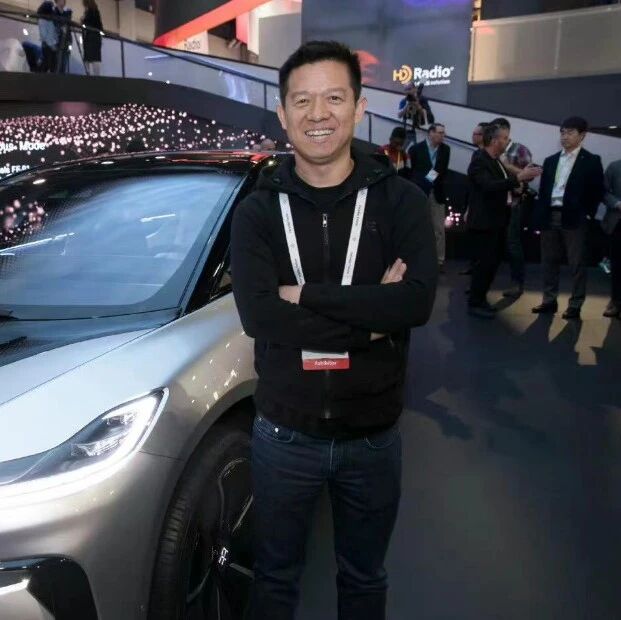
Core Viewpoint - Faraday Future (FF) has signed a cooperation agreement with Tesla, allowing its electric vehicles to access Tesla's Supercharger network, which includes over 28,000 charging stations in North America, Japan, and South Korea, significantly enhancing charging convenience and efficiency for users [3][4][20]. Group 1: Cooperation with Tesla - The agreement enables FF and FX models to utilize Tesla's Supercharger network, which will aid in the delivery of the Super One model and improve user experience [3][4]. - FF's compatibility with Tesla's charging network is expected to alleviate consumer concerns regarding after-sales service and reduce the need for FF to build its own charging infrastructure [21]. - FF's CEO, Jia Yueting, expressed a desire for deeper collaboration with Tesla on Full Self-Driving (FSD) technology, although Tesla's CEO Elon Musk showed little interest in this proposal [7][8]. Group 2: Financial Performance and Market Position - As of Q1 2025, FF has delivered only 16 units of the FF 91 model, with a total asset value of $425.4 million and liabilities of $310.43 million, resulting in a net loss of $355.85 million for 2024 [10][11]. - FF's market capitalization is currently $19.47 million, with a price-to-earnings ratio of -0.4070, indicating a significant decline since its initial public offering [10][11]. - The company faces challenges in converting over 11,000 pre-orders for the FX Super One model into actual sales, as the low deposit amount of $100 raises questions about the orders' legitimacy [24]. Group 3: Personal and Corporate Challenges of Jia Yueting - Jia Yueting has been absent from China since 2017 and has faced significant personal debt, with claims of over $20 billion remaining, which complicates his ability to regain trust in the market [16][24]. - Despite having a large following on social media, this has not translated into sales for FF, and the company's stock remains low, reflecting a lack of investor confidence [25]. - The ongoing financial struggles and market competition from established players like Tesla and BYD pose significant hurdles for FF's future success [24].



威马、极越、高合都要复活了
3 6 Ke· 2025-12-03 11:43
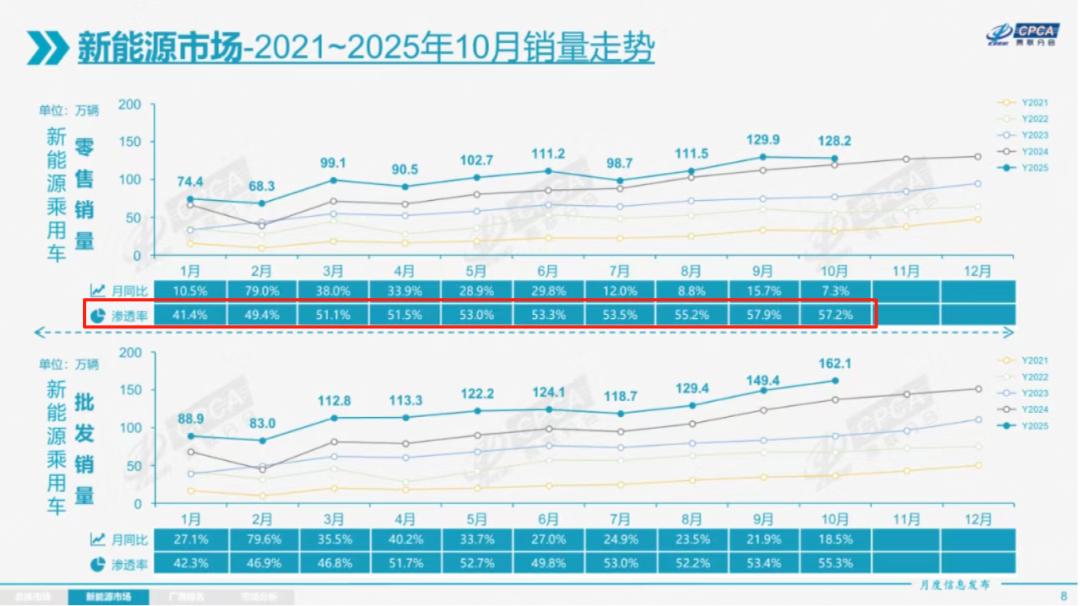
Core Insights - By December 2025, the market penetration rate of new energy vehicles (NEVs) has exceeded 50%, with leading manufacturers capturing over 70% of the market share, pushing many small and medium brands to the brink of survival [1][3] - Several struggling new car brands, including WM Motor and Jidu, are attempting to revive their operations through various strategies, despite the significant challenges posed by the rapidly evolving market and technological advancements [3][4] Group 1: Revival Attempts of New Car Brands - New car brands that have faced bankruptcy are actively seeking revival, with WM Motor announcing the establishment of a new sales company and resuming app services [4][10] - Jidu has filed for pre-restructuring, indicating a formal attempt to reorganize and continue operations [15] - High-end brand HiPhi has also taken steps to establish a new company, aiming to leverage its existing assets and market presence [15][17] Group 2: Market Dynamics and Challenges - The competitive landscape for NEVs has intensified, with product iterations and technological advancements creating a significant gap between established players and struggling brands [3][32] - The revival of these brands is driven by the desire of stakeholders, including investors and local governments, to avoid losing previous investments and to utilize existing resources effectively [18][20] - Despite the potential for revival, the likelihood of success is low due to the brands' outdated technologies and the current market's high standards for performance and innovation [24][34] Group 3: Consumer Sentiment and Market Viability - Consumer sentiment towards the revival of these brands is mixed, with many potential buyers expressing a preference for established brands over those attempting to return from bankruptcy [23][34] - The market for NEVs is becoming increasingly saturated, making it difficult for revived brands to compete against newer, more technologically advanced offerings [32][34] - The financial implications of a failed revival could result in significant losses for investors and stakeholders, emphasizing the importance of a successful turnaround [20][24]
又一家新势力倒下!
Zhong Guo Qi Che Bao Wang· 2025-12-03 01:19
又一家美国造车新势力关门了! 行业寒冬:美国造车新势力的集体溃败 Bollinger的倒下并非孤例,而是美国造车新势力破产潮的最新注脚。自2023年以来,洛兹敦、Proterra、菲斯克、Canoo、尼古拉等一众初创车企相继 退场,曾经火热的美国新能源造车赛道,如今一片狼藉。这场集体溃败的背后,是资本退潮、政策转向与自身短板共同作用的必然结果。 遗憾的是,这次转型最终并未能成功挽救Bollinger,多重危机接踵而至。今年3月,创始人罗伯特・博林格在离开公司后,对母公司穆伦汽车提起了 诉讼,诉讼缘由是他此前给公司提供的一笔约1000万美元的个人贷款。他在诉讼中还提及公司当时财务状况已陷入绝境。尽管穆伦最终偿还了款项,但信 任危机已然爆发,Bollinger遭到蒂森克虏伯等多家供应商起诉,同时因拖欠员工工资引发诉讼。此外,由于未能完成承诺的就业目标,Bollinger面临偿还 密歇根州300万美元拨款的压力。多重危机叠加下,这家曾被视为潜力股的企业走向了终结。 "这是一个时代的终结,但你们都应该为此感到非常自豪。"Helen Watson 在告别邮件中写道。尽管Bollinger Innovations(穆伦与 ...

赛力斯牵手清华大学,成立联合研究中心!
Xin Lang Cai Jing· 2025-12-02 12:05
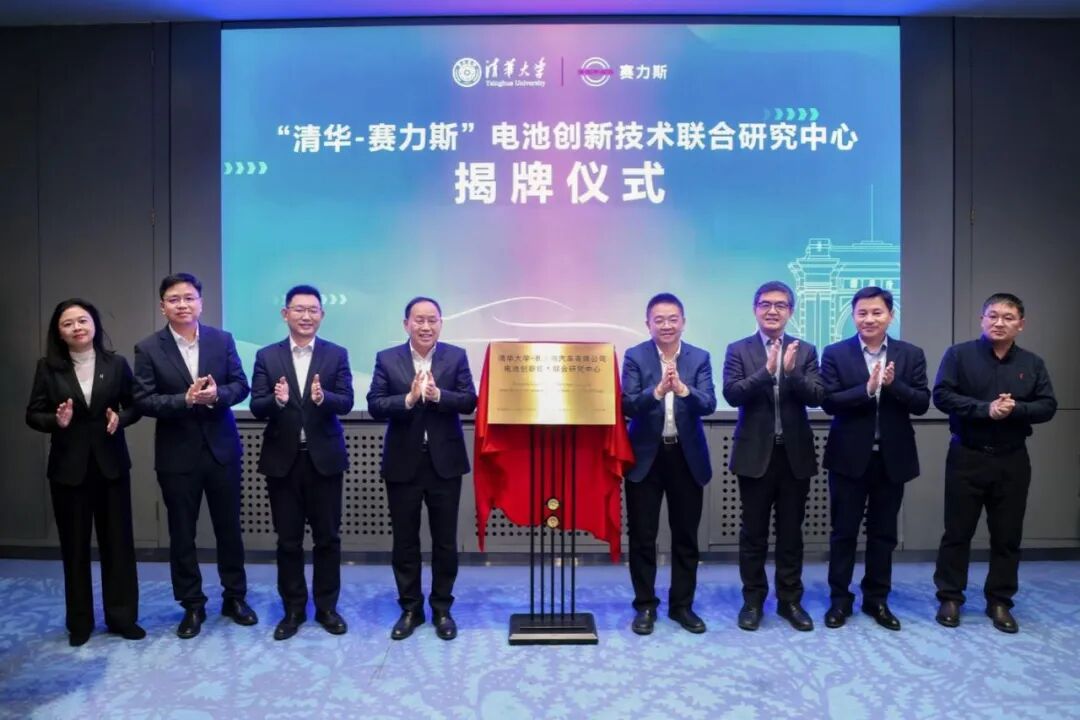
Core Viewpoint - The establishment of the Tsinghua University-Sirius Automotive Battery Innovation Technology Joint Research Center marks a significant step in advancing China's position in the global new energy technology competition, focusing on battery safety and artificial intelligence [3][4]. Group 1: Research Center Objectives - The Joint Research Center aims to create an innovation model that integrates theory, technology, and products, facilitating a seamless innovation chain from basic research to high-end product definition [3][4]. - The center is expected to become a hub for battery and safety technology, a conversion center for innovative results, and a training base for high-end talent, supporting the development of China's new energy vehicle industry and the continuous advancement of power battery technology [3][4]. Group 2: Battery Technology and Safety - Sirius has developed a five-layer battery defense system through over 150 rigorous analyses and tests, which includes five typical protective designs, five layers of battery safety protection, battery thermal separation technology, and collision high-voltage instantaneous disconnection technology [3][4]. - The current state of China's new energy vehicle industry features a complete and self-controllable industrial chain, with 100% self-controlled battery production [4]. Group 3: Future Plans - China plans to launch the "14th Five-Year" special plan for power batteries to promote the development of new battery industries, expand application scenarios, and support innovations in battery swapping models and vehicle-network interactions [4].

热门方向,“八连涨”!
Zhong Guo Ji Jin Bao· 2025-12-02 11:53
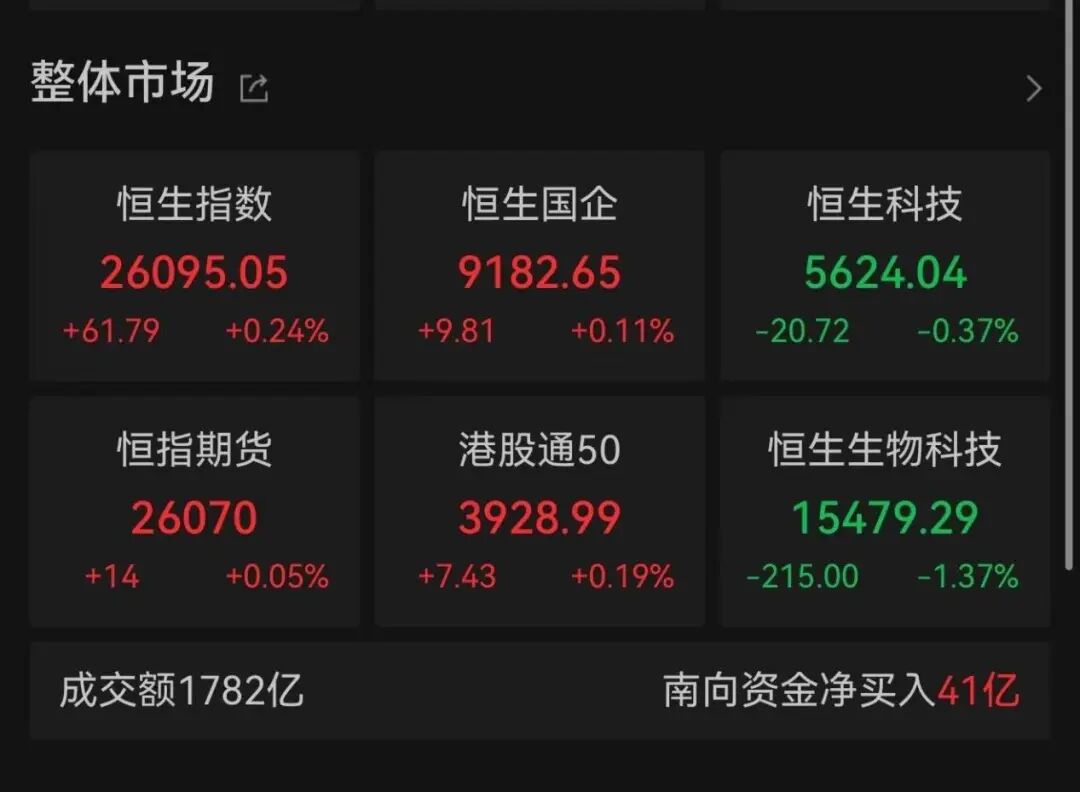
Market Overview - The Hong Kong stock market showed mixed performance with the Hang Seng Index closing at 26,095 points, the Hang Seng China Enterprises Index up by 0.11%, and the Hang Seng Tech Index down by 0.37% [2][3] - Southbound capital recorded a net inflow of 4.1 billion HKD today [2][3] Technology Sector - Major tech stocks exhibited divergent trends, with Meituan down over 3%, while Alibaba, Xiaomi, and NetEase saw gains [2][4] - The Hang Seng Tech Index's decline was influenced by the performance of electric vehicle manufacturers, particularly NIO and Xpeng, which fell by 6.74% and 5.52% respectively [9][10] Heavy Machinery Sector - Heavy machinery stocks experienced a significant rally, with SANY Heavy Industry rising over 5% and other companies like Zoomlion and China Longgong also reporting gains [5][6] - The heavy truck market in China saw a substantial year-on-year sales increase of approximately 46% in November, marking eight consecutive months of growth [5] Insurance Sector - Insurance stocks showed recovery, with China Pacific Insurance, China Life, and China People's Insurance Group rising by 3.32%, 2.78%, and 2.54% respectively [7][8] - Analysts suggest that the impact of real estate sector fluctuations on insurance companies' asset sides is limited, and a rebound in liabilities is expected to support valuation recovery [7] New Energy Vehicles - The new energy vehicle sector faced pressure, with NIO, Xpeng, and Li Auto reporting declines in stock prices [9][10] - November delivery figures revealed a 19% year-on-year increase for Xpeng, while NIO's deliveries rose over 76%, contrasting with a more than 30% decline for Li Auto [9] Consumer Electronics - The consumer electronics sector continued its upward trend, with companies like FIH Mobile, AAC Technologies, and GoerTek seeing increases of 5.38%, 3.95%, and 3.00% respectively [11][12] - The rise in AI capabilities is expected to reshape the competitive landscape in the consumer electronics industry, providing new growth opportunities for related companies [11] Biopharmaceutical Sector - The innovative drug sector faced challenges, with companies like Peijia Medical and WuXi AppTec experiencing declines of over 10% and 5% respectively [13][14] - Analysts believe that a potential easing of financing pressures due to expectations of Federal Reserve interest rate cuts could lead to a systemic recovery in the sector's valuations [13]
大洗牌!造车新势力巨变来袭
Xin Lang Cai Jing· 2025-12-02 11:44
Core Insights - The competition among new energy vehicle manufacturers is intensifying, with significant shifts in market leadership as companies strive to establish themselves ahead of the 2025 deadline [1][3][38] - The "big reshuffle" in the automotive market is a recurring theme as new players enter the field, leading to increased industry concentration and the potential elimination or upgrading of smaller firms [4][39] Sales Performance - Hongmeng Zhixing achieved a record monthly delivery of 81,900 vehicles in November, marking a 89.61% year-on-year increase [5][40] - Leap Motor delivered 70,327 vehicles in November, maintaining a growth streak for nine consecutive months [5][40] - Xiaomi's sales exceeded 40,000 units, solidifying its position in the second tier of new energy vehicle manufacturers [5][40] - Xpeng Motors delivered 36,728 vehicles, showing a 19% year-on-year increase but a 12.6% decline from the previous month [5][40] - NIO delivered 36,275 vehicles, with a 76.3% year-on-year increase but a 10% month-on-month decline [5][40] - Li Auto's deliveries were 33,181 units, reflecting a 31.9% year-on-year decrease but a 4.45% month-on-month increase [5][40] - Deep Blue and Lantu also reported sales of 33,060 and 20,005 vehicles respectively, with varying year-on-year performance [5][40] Market Dynamics - The new energy vehicle sector is experiencing a significant transformation, with companies like Leap Motor and Xiaomi achieving their annual sales targets ahead of schedule [8][43] - The competitive landscape is shifting, with traditional leaders like NIO, Xpeng, and Li Auto facing challenges as they collectively fall below 40,000 units in November [6][41][42] - The market is increasingly defined by technological advancements, with safety becoming a critical concern for manufacturers as they navigate the evolving landscape [70] Financial Performance - Leap Motor has exceeded its annual delivery target of 500,000 vehicles, while NIO, Xpeng, and Leap are all currently operating at a loss [26][61] - Li Auto has emerged as the first new energy vehicle manufacturer to achieve annual profitability, with a reported net profit of 11.81 billion yuan [25][26] - The cumulative losses for NIO have surpassed 100 billion yuan, highlighting the financial struggles faced by many in the sector [58][61] Industry Trends - The new energy vehicle market is characterized by a rapid influx of players, with significant investments exceeding 100 billion yuan over the past decade [11][46] - The competitive dynamics have led to a re-evaluation of market positions, with companies like Xiaomi quickly gaining traction despite being relatively new entrants [10][67] - The industry is moving towards a phase where technological capabilities will determine survival, with safety and reliability becoming paramount [70]




【新能源周报】新能源汽车行业信息周报(2025年11月24日-11月30日)
乘联分会· 2025-12-02 11:35
Industry Information - Tesla China updates the expected delivery date for Model Y Long Range AWD to 8-13 weeks [8] - BYD and Midea reach a strategic cooperation to control home appliances from the car and vice versa [8] - Changan Deep Blue Automotive takes over Hyundai's Chongqing factory, which has completed rebranding [8] - Avita officially enters the Latin American market [8] - JD's "National Good Car" Aion UT super begins full delivery [8] - Seres announces multiple automotive design patents [8] - Leap Motor is included in the Hang Seng Tech Index [8] - Xiaomi HAD Enhanced Version officially pushes updates, improving three major capabilities [8] - NIO's Q3 financial report shows multiple core indicators reaching historical highs, with deliveries of 87,071 units, a year-on-year increase of 40.8% [8] - Leap Motor announces a sales target of 1 million units by 2026 [8] Policy Information - The National Development and Reform Commission reports that as of the end of October, China's electric vehicle charging infrastructure totals 18.645 million units, a year-on-year increase of 54% [14] - The Ministry of Industry and Information Technology and other departments issue a plan to enhance rural consumer goods quality and support enterprises in rural product exhibitions and new energy vehicles [14] - Beijing's 14th Five-Year Plan aims to steadily increase the proportion of new energy vehicles and improve supporting facilities [21] - The State Council emphasizes the need to strengthen the planning and construction of parking facilities and the renovation of existing facilities [27] Company Information - Media reports indicate that Stellantis and CATL have started construction on a €4.1 billion battery factory in Spain, with plans for partial production by the end of next year [15] - Northvolt and Britishvolt face bankruptcy, highlighting the challenges for local European battery manufacturers [15] - BYD establishes a new battery company in Chengdu with a registered capital of 50 million yuan [42] - Ideal Auto plans to mass-produce its self-developed 5C battery next year, enhancing battery safety and user experience [42] - Avita submits an IPO application to the Hong Kong Stock Exchange, aiming for completion in Q2 2026 [44]


新势力Q3财报:李斌、李想、何小鹏,终于活成了对方的模样
2 1 Shi Ji Jing Ji Bao Dao· 2025-12-01 11:55
Core Insights - The competitive landscape of new energy vehicle manufacturers in China is undergoing significant changes as Q3 2025 financial reports are released, with companies like XPeng showing remarkable revenue growth while others struggle with losses [1][3]. Group 1: Company Performance - XPeng Motors reported a revenue increase of 101.8% year-on-year, achieving 20.38 billion yuan in revenue, despite a net loss of 0.38 billion yuan, which is a 79% reduction compared to the previous year [2][4]. - NIO's revenue reached 21.79 billion yuan, with a year-on-year growth of 16.7%, but it remains the largest loss-maker among new energy vehicle companies, recording a net loss of 3.48 billion yuan, a 31.2% reduction year-on-year [2][8]. - Li Auto experienced a revenue decline of 36.2% year-on-year, totaling 27.4 billion yuan, and reported a net loss of 0.624 billion yuan, ending an 11-quarter streak of profitability [2][6]. - Leap Motor achieved a revenue of 19.45 billion yuan, marking a 97.3% increase year-on-year, and reported a net profit of 0.15 billion yuan, marking its second consecutive profitable quarter [2][11]. Group 2: Strategic Adjustments - XPeng is shifting its strategy by embracing range-extended electric vehicles (REEVs) and enhancing its overseas market presence, with a significant increase in deliveries abroad [5][6]. - NIO is focusing on cost reduction and efficiency, cutting R&D expenses by 28% year-on-year, and is refocusing on its core automotive business after diversifying into various sectors [8][9]. - Li Auto is pivoting towards AI technology, aiming to transform its vehicles into smart terminals, while still facing challenges in its electric vehicle transition [7][10]. - Leap Motor is entering the REEV market and targeting the high-end SUV segment, attempting to elevate its brand image beyond its previous reputation for cost-effectiveness [11][12]. Group 3: Market Dynamics - The Chinese new energy vehicle market is transitioning from growth to competition for existing market share, with companies needing to enhance their product, technology, and brand capabilities to survive [3][12]. - The competitive landscape is characterized by companies learning from each other and adapting their strategies, leading to a blurring of previous market labels [2][3]. - The overall profitability of these companies will be crucial in determining their positions in the market as they approach the end of 2025, with a focus on product definition, technology implementation, cost control, and brand perception [12][13].


阿维塔递表港交所,三年半亏损超百亿
Sou Hu Cai Jing· 2025-12-01 11:06
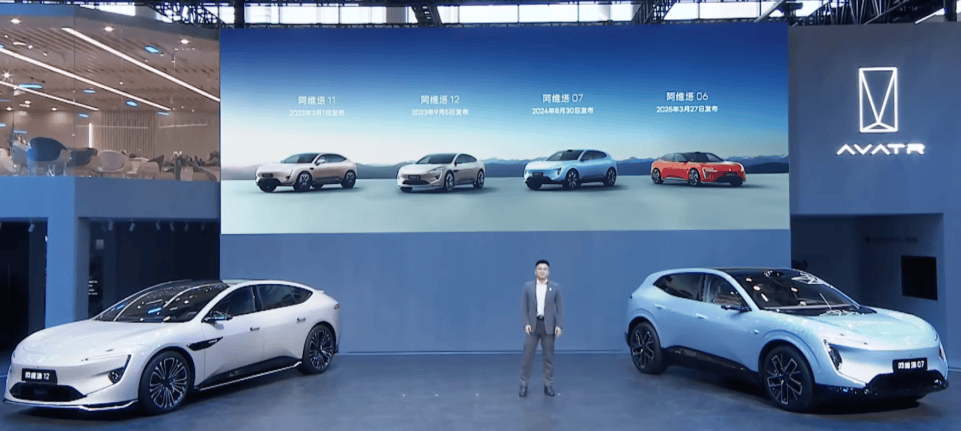
Core Insights - The article discusses the rapid growth and challenges faced by Avita Technology, which plans to go public on the Hong Kong Stock Exchange after just three years since delivering its first vehicle. The company has experienced significant revenue growth but continues to incur substantial losses, raising questions about its long-term profitability and market position [2][3][4]. Group 1: Financial Performance - Avita's revenue has shown a consistent increase over the reporting period, with figures of 0.28 billion, 5.645 billion, 15.195 billion, and 12.208 billion from 2022 to the first half of 2025 [4][5]. - Despite the revenue growth, Avita has reported net losses of 2.016 billion, 3.693 billion, 4.018 billion, and 1.585 billion during the same period, totaling 11.312 billion in losses [5]. - The company's R&D expenditures have also increased significantly, with amounts of 0.544 billion, 0.66 billion, 1.214 billion, and 0.83 billion, reflecting a 167% year-on-year growth in the first half of 2025 [7]. Group 2: Market Position and Strategy - Avita aims to enhance its product lineup and has set ambitious sales targets of 400,000, 800,000, and 1.5 million units for 2027, 2030, and 2035, respectively, with a goal of achieving annual revenue of 100 billion by 2027 [8]. - The company has launched four models, with prices ranging from 200,000 to 700,000, and plans to introduce five upgraded models in collaboration with Huawei starting in 2026 [9][10]. - Avita has begun exporting vehicles, generating overseas revenue of 0.22 billion in 2024 and 0.686 billion in the first half of 2025, with plans to enter over 80 countries by 2030 [11]. Group 3: Financial Health and Valuation - As of 2024, Avita's total assets are approximately 29.154 billion, with total liabilities around 20.564 billion, resulting in a debt ratio of about 70.5% [13]. - The company has completed four rounds of financing totaling over 19 billion, with a significant C round raising over 11 billion in 2024 [14]. - Avita's valuation has fluctuated, with recent estimates around 26 billion, down from previous valuations of approximately 30 billion [15]. Group 4: Safety Concerns and Market Perception - Avita has faced multiple safety incidents, including vehicle fires, which have raised concerns about its safety standards and market credibility [16]. - The company has been criticized for its pricing strategies, including significant price reductions shortly after product launches, leading to dissatisfaction among early adopters [16]. Group 5: Future Outlook - The collaboration with major partners like Changan Automobile, Huawei, and CATL is central to Avita's growth strategy, providing a robust support system for product development and market expansion [17]. - The upcoming IPO is seen as a critical step for Avita to secure additional funding for its expansion plans and to enhance investor confidence [19][20]. - Leadership changes, including the appointment of a new chairman with extensive industry experience, signal a strategic shift towards integrated growth in sales, product definition, and international market presence [21][22].
理想汽车-W(02015):11月交付新车33181辆
智通财经网· 2025-12-01 08:37
本公司预计,理想i6的月产能将在明年初提升至2万辆,OTA 8.1预计于2025年12 月初推送。本公司正 在从组织体系、产品布局和技术创新三方面构建面向下一个十年的竞争力,推动汽车向具身智能的蜕 变。 智通财经APP讯,理想汽车-W(02015)发布公告,于2025年12月1日,中国新能源汽车市场的领导者理想 汽车(理想汽车或本公司)(纳斯达克:LI;香港交易所:2015)宣布,2025年11月,理想汽车交付新车 33181辆。截至2025年11月30日,理想汽车历史累计交付量为1,495,969辆。 截至2025年11月30日,理想汽车在全国已有544家零售中心,覆盖157个城市;售后维修中心及授权钣喷 中心556家,覆盖227个城市。理想汽车在全国已投入使用3614座理想超充站,拥有20027个充电桩。 ...