
石化

Search documents
两韩企将整合丽水裂解装置
Zhong Guo Hua Gong Bao· 2025-09-08 02:38
Core Viewpoint - LG Chem and GS Caltex are negotiating the integration of LG Chem's steam cracking facility in Yeosu, South Korea, as part of a broader petrochemical industry restructuring plan initiated by the South Korean government [1] Group 1: Company Developments - LG Chem is considering selling its Yeosu cracking facility to GS Caltex and establishing a joint venture for its operation, contingent on reaching an agreement on valuation [1] - GS Caltex is a refining joint venture owned equally by GS Energy and Chevron, which indicates a strong backing for the proposed integration [1] Group 2: Industry Context - The South Korean government has agreed to reduce ethylene production capacity by 2.7 to 3.7 million tons per year, equivalent to shutting down 3 to 4 cracking facilities, aiming for a 25% overall reduction in national ethylene output [1] - Currently, South Korea's total ethylene capacity is approximately 13 million tons per year, primarily distributed across the Yeosu, Daesan, and Ulsan bases [1] - LG Chem has a total ethylene capacity of 3.38 million tons per year, with its No. 2 naphtha cracking facility in Yeosu likely to be shut down as part of this integration [1] - GS Caltex operates a 900,000 tons per year mixed feed cracking facility in Yeosu, which is considered more competitive due to its flexibility in processing various feedstocks [1]
欧洲烯烃产能削减浪潮奔涌
Zhong Guo Hua Gong Bao· 2025-09-08 02:38
Group 1 - The European petrochemical industry has experienced an unprecedented wave of olefin capacity reductions over the past 18 months, with seven steam cracker plants permanently closed or planned to be shut down by the end of 2027, significantly altering the regional supply landscape [1] - The closed or planned cracker plants have a combined ethylene capacity of approximately 4.5 million tons per year, along with propylene capacity of 2.3 million tons and butadiene capacity of 430,000 tons [1] - The number of existing ethylene plants in Europe is expected to fall below 50, with projections indicating a decrease to 48 plants by 2026 and further to 46 by 2029, compared to 60 plants in 2015 with a total design capacity exceeding 26 million tons per year [1] Group 2 - Major companies like Shell and SABIC are reassessing and optimizing their European asset portfolios, which include four cracker plants in the Netherlands, Germany, and the UK with a total ethylene capacity of 2.6 million tons per year [2] - BP is seeking buyers for its integrated refining and petrochemical assets in Gelsenkirchen, Germany, while Dow has announced the permanent closure of its 510,000 tons per year mixed feed cracker in Germany by Q4 2027 [2] - The closures are a response to ongoing industry challenges, with Shell's CEO acknowledging the need to evaluate its loss-making global chemical assets and potentially further selectively shut down facilities in Europe [2] Group 3 - SABIC's CEO emphasized the need to optimize the asset portfolio and does not rule out exiting certain markets due to the pressing need to reduce costs [3] - Dow's CEO revealed that the board has approved the closure of three chemical plants in Europe to adjust regional capacity and mitigate commercial sales risks [3] - The current operating rate of European cracker plants is around 75%, and by reducing ethylene capacity by 4.5 million tons per year, it is expected that the operating rate will rebound to approximately 85% by 2030, promoting market balance [3]
韩国小型石脑油裂解装置面临关停
Zhong Guo Hua Gong Bao· 2025-09-08 02:38
Group 1 - The South Korean petrochemical industry is undergoing a comprehensive restructuring due to oversupply, with small independent naphtha cracking units potentially facing shutdowns and some facilities considering mergers to cope with the crisis [1] - The South Korean Ministry of Trade, Industry and Energy announced that the top ten petrochemical companies in Korea have agreed to cut naphtha cracking capacity by 2.7 to 3.7 million tons per year, which is equivalent to 25% of the current total capacity, aiming to alleviate the long-term oversupply situation and improve industry profit margins [1] - Wood Mackenzie's chemicals division head, Catherine Tan, indicated that the restructuring's impact on naphtha demand may exceed that of liquefied petroleum gas (LPG), as 82% of ethylene production in Korea relies on naphtha as a feedstock [1] Group 2 - SK Innovation is considering various options, including shutting down a naphtha cracking unit, while analysts suggest that YNCC, the third-largest ethylene producer in Korea, may close 1 to 2 of its 3 cracking units [2] - Hyundai Heavy Industries is in talks with Lotte Chemical regarding the acquisition of its naphtha cracking unit or a business merger, with Lotte being the second-largest ethylene producer in Korea [2]
周期论剑|中报总结与展望
2025-09-07 16:19
Summary of Key Points from Conference Call Records Industry Overview - The conference call discusses the overall market conditions in China, focusing on the capital market, economic structure changes, and specific industries such as real estate, energy, and chemicals. Core Insights and Arguments 1. **Market Stability and Bullish Outlook** The domestic economic structure is positively changing, with a decrease in risk-free interest rates driving capital into the market, stabilizing the capital market. The short-term bullish logic remains unchanged, and the mid-term outlook is still positive [1][3][5]. 2. **Risks to the Bull Market** Major risks include regulatory tightening and tensions in US-China relations. However, the current regulatory approach is focused on risk prevention, and no significant risks from US-China relations have been observed, making the overall risk manageable in the short term [4][5]. 3. **Market Adjustment Reasons** Recent market adjustments were primarily due to weak narratives around rising stocks, with profit effects narrowing to specific sectors like AI computing. This extreme concentration in a few stocks necessitates a structural adjustment in trading [6]. 4. **Investment Directions** Suggested investment areas include: - **Anti-involution related industries**: Such as photovoltaic, chemicals, and petrochemicals, which are expected to benefit from policy support and capacity clearing [7]. - **Growth opportunities**: Focus on sectors like AI and innovative pharmaceuticals, which have strong industry trends [7]. - **Hong Kong stock opportunities**: Benefiting from the improvement in domestic fundamentals [7]. 5. **Impact of US Tariff Exemptions on Strategic Metals** The US has exempted certain strategic metals from tariffs, highlighting their importance in technology and defense. China, being a major producer of antimony and molybdenum, is expected to see price increases due to supply-demand imbalances [10][11]. 6. **OPEC+ Production Increase** OPEC+ has agreed to increase production in October 2025, indicating a shift from price maintenance to market share preservation. This is expected to lead to a gradual loosening of global oil supply-demand balance, with Brent crude prices potentially dropping below $60 [12][13]. Additional Important Insights 1. **Real Estate Market Recovery** Recent policies in Shenzhen, such as lifting purchase restrictions, are expected to improve market conditions, similar to previous experiences in Shanghai and Beijing [2][29]. 2. **Chemical Industry Recovery** The chemical industry is showing signs of recovery due to supply-side reforms and seasonal demand increases, particularly during the "Golden September and Silver October" period [14][15]. 3. **Coal Market Dynamics** The coal market is experiencing a price decline after reaching a peak, with expectations of a bottom around 650 RMB. Government policies are aimed at stabilizing prices and reducing overproduction [20][21]. 4. **Steel Industry Challenges** The steel industry is facing self-imposed production cuts and regulatory measures aimed at reducing overproduction. However, demand is expected to improve as the market transitions from off-peak to peak seasons [24][25]. 5. **Future of Energy Sector** The energy sector, particularly coal and storage, is expected to see gradual growth in the coming years, driven by changing supply-demand dynamics and policy support [46][47]. 6. **Aviation and Shipping Industries** The aviation sector is projected to achieve significant profitability in the upcoming peak season, while the shipping industry is expected to benefit from increased demand due to OPEC+ production adjustments [35][38]. 7. **Regulatory Environment for Express Delivery** Recent price increases in the express delivery sector are expected to alleviate competitive pressures, with a focus on maintaining profitability as the e-commerce peak season approaches [39]. This summary encapsulates the key points discussed in the conference call, providing insights into market trends, risks, and investment opportunities across various sectors.
绿色、智能、创新 数智融合驱动能源转型
Zhong Guo Jin Rong Xin Xi Wang· 2025-09-07 13:51
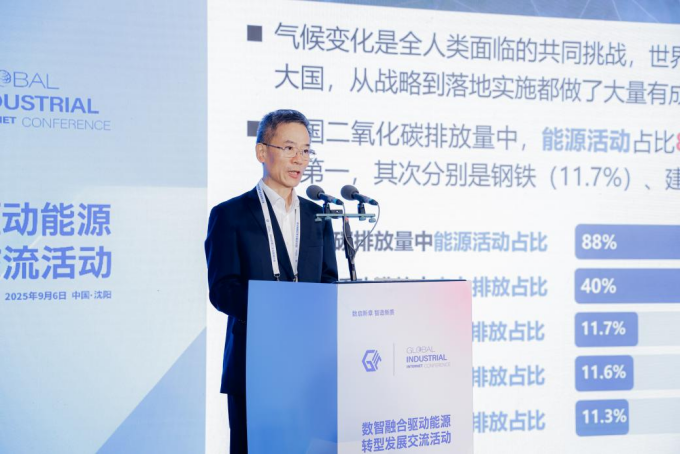
Core Viewpoint - The energy sector is crucial for economic development and national security, with digitalization and intelligence reshaping the global energy landscape [1] Group 1: New Energy Systems - The integration of digital technology with new power systems is essential for creating a secure, green, and economically viable energy framework in China [1] - Energy activities account for 80% of China's carbon emissions, with electricity generation contributing 40% of that [1] Group 2: Nuclear Energy - Nuclear energy is recognized globally as a near-zero carbon clean energy source, supporting high-energy industries in carbon reduction and contributing to the new energy system [3] - The high energy density of nuclear fuel makes it suitable for various applications, including those in challenging environments [3] Group 3: Smart Grid and Digitalization - The State Grid Corporation emphasizes the importance of digitalization in enhancing the energy transition, implementing various applications to support the new power system [4] - Initiatives include the development of a comprehensive digital grid and AI applications to improve service delivery [4] Group 4: Hydrogen Energy - Hydrogen is viewed as the ultimate energy source of the 21st century, with over 60 countries developing hydrogen strategies, and China's hydrogen industry expected to exceed one trillion by 2025 [6] - China Petrochemical Corporation is actively developing hydrogen infrastructure in Liaoning, including the establishment of hydrogen refueling stations [6] Group 5: Oil and Chemical Industry Transition - The oil and chemical industry in China is transitioning from primary chemical production to fine chemical manufacturing, with fossil fuels remaining dominant for the foreseeable future [8] - The industry aims for high-quality development through technological innovation and green low-carbon pathways during the 14th Five-Year Plan [8] Group 6: Future Trends in Energy Transition - The energy transition in China is expected to showcase multi-energy collaboration, diverse application scenarios, and breakthroughs in disruptive technologies [11] - The discussions at the event highlighted the need for a systematic approach to digital and intelligent transformation in the energy sector [13]

中国“三号民企”的掌舵人
Zhong Guo Xin Wen Wang· 2025-09-07 04:03
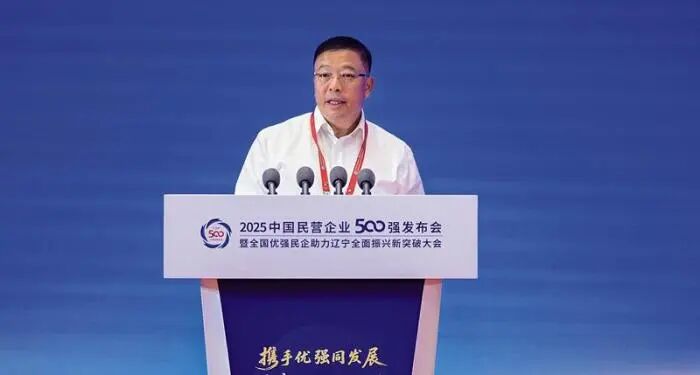
Core Insights - Hengli Group ranks 3rd in the 2025 China Private Enterprises 500 Strong list with a revenue of 871.5 billion yuan, marking its fifth consecutive year in this position [1] - The company has a workforce of 210,000, significantly larger than Tencent's 112,100 employees, highlighting its substantial scale in the industry [1] Group 1: Business Strategy - Hengli Group has established a complete industrial chain from crude oil to consumer products, including petrochemicals and textiles, which is rare in the industry [2] - The company began its journey in 1994 by acquiring a local textile factory for 3.69 million yuan, quickly turning it profitable within a year [2] - In 2002, Hengli expanded into upstream chemical fiber production, investing 2.2 billion yuan to establish Jiangsu Hengli Chemical Fiber Co., becoming a leader in the chemical fiber industry [4] Group 2: Market Adaptation - Hengli's strategic moves during economic downturns, such as acquiring production lines during the 1997 Asian financial crisis and investing in equipment during the 2008 financial crisis, allowed it to capitalize on recovery periods [8] - The company entered the petrochemical sector in 2010 with the establishment of the Dalian Changxing Island Industrial Park, which became a significant project for private enterprises in China's refining industry [4] Group 3: Recent Developments - Hengli is currently expanding into shipbuilding through Hengli Heavy Industry, acquiring the idle STX (Dalian) shipyard and building large oil tankers and bulk carriers [8][9] - The shipbuilding division has already launched over 70 vessels and has orders scheduled until 2029, positioning itself as a major player in the global shipbuilding market [9] - Hengli Heavy Industry is also preparing for a backdoor listing, with leadership transitions indicating a focus on nurturing the next generation of management [12]

13.2万亿元、50.6%……多领域活力数据折射经济强大韧性与潜力
Yang Shi Wang· 2025-09-07 01:53
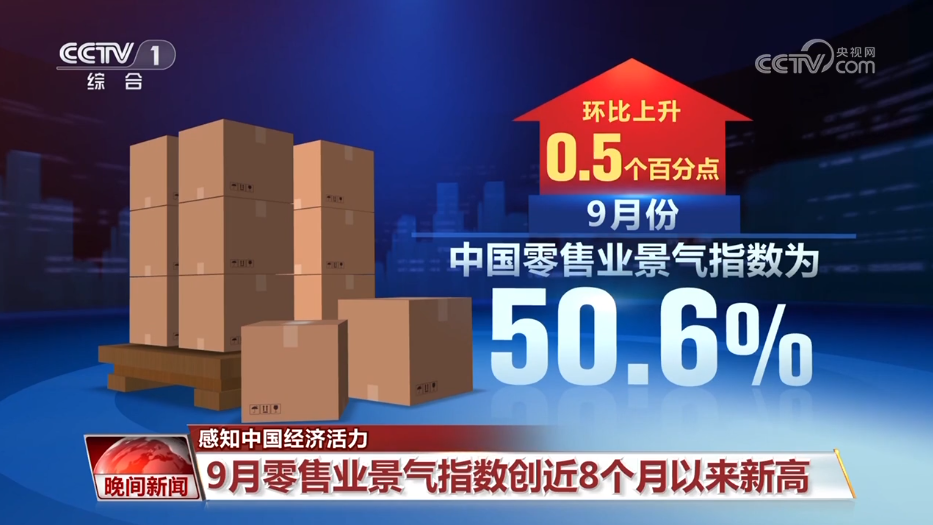
Economic Resilience and Retail Sector - In September, China's retail industry prosperity index reached 50.6%, an increase of 0.5 percentage points month-on-month, marking the highest level in eight months, indicating a positive trend in retail development [3] - The retail sector's performance is supported by policies aimed at expanding domestic demand and promoting consumption, with retail sales of 11 categories of light industrial goods reaching 4.9 trillion yuan, a year-on-year increase of 11.4% [8] Logistics and Transportation - In August, 15 new international air cargo routes were opened, with over 30 round-trip flights added weekly, totaling 152 new routes in the first eight months of the year [5] - The road logistics price index for August was reported at 105.1 points, reflecting a month-on-month increase of 0.01% and a year-on-year increase of 0.8%, indicating a vibrant road logistics market [7] Light Industry Performance - In the first seven months of the year, China's light industry maintained steady operation with a total revenue of 13.2 trillion yuan and a profit of 760.1 billion yuan, supported by strong production and market scale [8] - The investment growth in the light industry remains robust, with major sectors experiencing double-digit growth rates, surpassing the national fixed asset investment and manufacturing investment growth rates [10] Export Dynamics - Light industry exports reached 535.75 billion USD in the first seven months, accounting for 25.1% of the national total, with 11 out of 21 major categories showing growth [12] Foreign Investment in Guangdong - Guangdong province saw a 32.7% year-on-year increase in the number of newly established foreign-funded enterprises, totaling 17,000 in the first seven months [13][14] - The actual use of foreign capital in Guangdong reached 65.67 billion yuan, an increase of 8.2% year-on-year, with the manufacturing sector accounting for 29.1% of the total [16] Customs Special Supervision Areas - The comprehensive bonded zones and bonded logistics parks have contributed significantly to foreign trade, accounting for one-fifth of the national import and export value despite occupying less than 0.02% of the land area [16][18] - By 2024, the import and export value of customs special supervision areas is expected to grow by over 30% compared to 2020 [16]
中国石油和化学工业联合会党委常委、外资委主席兼秘书长庞广廉:能源转型是石化行业降低碳排放的必由之路
Zhong Guo Jin Rong Xin Xi Wang· 2025-09-06 15:03
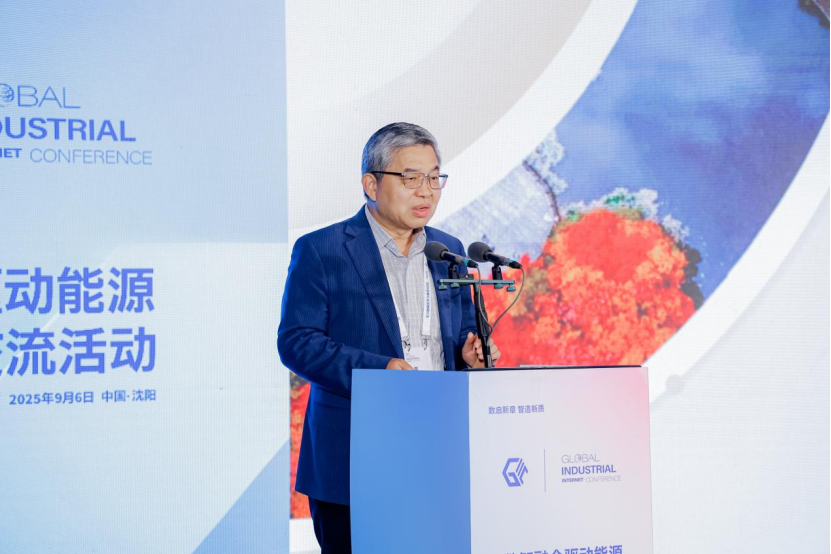
Core Viewpoint - The petrochemical industry must undergo an energy transition to reduce carbon emissions, with a focus on high-quality development and the integration of digital intelligence [1][3]. Group 1: Industry Position and Market Share - China is the largest chemical market globally, with a chemical output value of €2.4 trillion in 2022, accounting for 44% of the global market share, surpassing the combined total of the EU, the US, Japan, and South Korea [3]. - The carbon intensity of green energy usage in China is approximately 80 grams, compared to the global average of 60 grams, indicating a higher carbon emission structure [3]. Group 2: Energy Transition Strategy - The energy transition is essential for the petrochemical industry, moving from coal and oil to biomass, solar, wind, hydrogen, and nuclear energy as primary energy sources [3][4]. - By 2050, coal's share in primary energy must drop to over 10%, and below 5% by 2060, presenting significant challenges [3]. Group 3: Recommendations for High-Quality Development - The focus of the "14th Five-Year Plan" for high-quality development in the petrochemical sector includes new chemical materials as a direction, optimizing major productivity layouts as support, and establishing a robust institutional mechanism as a guarantee [3][4]. - Four key areas for institutional support are proposed: 1. Strengthening financial planning and support for R&D and production of key new chemical materials [4]. 2. Improving project investment guidance to ensure reliable technology and avoid overcapacity in popular new material fields [4]. 3. Promoting market construction for product applications, encouraging first-time applications, and creating a fair competitive environment [4][5]. 4. Enhancing collaboration and cooperation to foster both domestic and international supply chain advantages [5]. Group 4: Event Overview - The event focused on the digital and intelligent transformation of energy systems, aiming to provide systematic solutions for building a modern energy system [5].

辽宁:以数智赋能 助制造升级
Xin Hua Wang· 2025-09-06 12:30
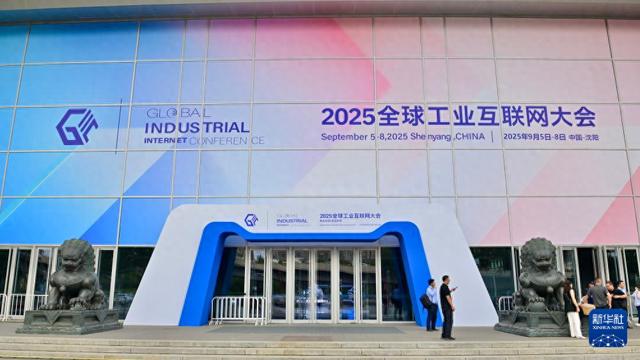
Core Insights - The 2025 Global Industrial Internet Conference was held in Shenyang, Liaoning Province, focusing on the technological iteration of industrial interconnectivity and the reconstruction of industrial ecosystems [5][9][19] Group 1: Industrial Development in Liaoning - Liaoning Province is accelerating the layout of smart factories to create an efficient and green modern industrial system [5][9][19] - The province's digital production equipment networking rate has reached 50.8% [5][9][19] - A total of 469 provincial-level digital workshops and 238 advanced smart factories have been established [5][9][19] - Eight enterprises have been recognized as national exemplary smart factories [5][9][19] Group 2: Technological Empowerment - Liaoning manufacturing is leveraging digital technology to empower its transformation and drive innovation [5][9][19] - The conference explored new ways to enhance industrial ecosystems through technology [5][9][19]
今年前七个月广东新设外资企业数量同比增长32.7%
Yang Shi Wang· 2025-09-06 11:56
Core Insights - Guangdong has established 17,000 new foreign-funded enterprises from January to July this year, representing a year-on-year increase of 32.7%, indicating a sustained enhancement in foreign investment attraction [1] - Major foreign investment projects in Guangdong are accelerating, including a large-scale smart manufacturing base by German industrial giant Siemens in Foshan and the official production launch of the ExxonMobil ethylene project in Huizhou [1] - Guangdong has implemented a new round of foreign investment incentive policies, introducing 12 additional measures to stimulate market vitality, including loan interest subsidies for manufacturing and high-tech enterprises, as well as support for foreign R&D centers [1] - The actual foreign investment utilized in Guangdong reached 65.67 billion yuan in the first seven months of this year, showing an 8.2% year-on-year growth, with the manufacturing sector accounting for 29.1% of the total foreign investment [1]