人形机器人

Search documents
十大券商策略:宽松预期再起,短期市场调整接近尾声,牛市整理期赛道高低切换是常态-股票-金融界
Jin Rong Jie· 2025-09-07 23:35
Core Viewpoint - The market is approaching the end of a short-term adjustment and entering a "slow bull" consolidation phase, with structural opportunities still present despite recent volatility [1][5][10]. Market Characteristics - Recent market liquidity features include a clear divergence in ETF fund flows, with a shift from broad-based to sector-specific investments, indicating a high-cut low strategy among institutional investors [2][3]. - The market is likely entering the last round of intensive subscription and redemption for actively managed public funds since 2021, with core assets expected to gradually absorb redemption pressures [2][4]. - The coexistence of high debt funding rates and passive interest rate cuts in overseas markets is reducing competitive pressure on Chinese manufacturing, which may lead to improved profit margins in the long term [2][4]. Investment Strategy - Investors are advised to focus on structural opportunities in sectors such as consumer electronics, innovative pharmaceuticals, new energy, and high-dividend stocks while adjusting their portfolio structures [1][2][3]. - Emphasis on growth themes like AI computing power, solid-state batteries, and humanoid robots is recommended, as these areas are expected to perform well in the current market environment [1][3][4]. - The strategy of "embracing low penetration sectors" is highlighted as a core response to the current market adjustments [3][10]. Sector Focus - Key sectors to watch include new energy, innovative pharmaceuticals, non-bank financials, and high-quality cyclical industries, which are expected to benefit from ongoing structural changes in the economy [4][9][12]. - The attractiveness of RMB assets is increasing, supported by favorable policies and the influx of long-term capital from insurance and pension funds [5][10]. - The market is expected to see a rotation within sectors, with a focus on high-quality growth and cyclical stocks as the market stabilizes [11][12].
9月股票池。
Sou Hu Cai Jing· 2025-09-07 11:38
1,有色/贵金属:紫金矿业,洛阳钼业;中国黄金/老铺黄金/周六福,原因看下图: 吕长顺(凯恩斯) 证书编号:A0150619070003。【以上内容仅代表个人观点,不构成买卖依据,股市有风险,投资需谨慎】 3,人形机器人:拓普,三花,均胜,优必选等。 2,锂电池/固态电池:宁德时代,亿纬锂能、华友钴业等。 ...

AI周报|9月起AI生成合成内容必须添加标识;Anthropic融资130亿美元
Di Yi Cai Jing· 2025-09-07 02:00
Group 1: Anthropic's Valuation and Funding - Anthropic completed a Series F funding round of $13 billion, bringing its valuation to $183 billion, making it the fourth highest-valued unicorn globally, following SpaceX, ByteDance, and OpenAI [2] - The high valuation is supported by the performance of its AI model, Claude, which has shown leading capabilities in programming and mathematics [2] - Anthropic's annualized revenue is projected to reach approximately $10 billion by early 2025, increasing to over $5 billion by August 2025 [2] Group 2: AI Content Regulation - The "Artificial Intelligence Generated Synthetic Content Identification Measures" came into effect on September 1, requiring all AI-generated content to be clearly labeled [3] - Companies like DeepSeek and Tencent have implemented identification systems for AI-generated content to prevent public confusion and misinformation [3] Group 3: Broadcom's AI Chip Orders - Broadcom received over $10 billion in AI chip orders from a new customer, significantly improving its AI revenue outlook for fiscal year 2026 [4] - In the third quarter, Broadcom's AI-related revenue reached $5.2 billion, a 63% year-over-year increase, with expectations of $6.2 billion in the fourth quarter [4] Group 4: Nvidia's Investment in Quantum Computing - Nvidia's venture capital arm invested approximately $600 million in quantum computing company Quantinuum, which is valued at $10 billion [5] - Nvidia is actively collaborating with quantum computing companies and has established a quantum computing research lab [5] Group 5: DeepSeek's Advanced AI Model Development - DeepSeek is reportedly developing a more advanced AI model with agent capabilities to compete with U.S. rivals like OpenAI [6] - The new model aims to perform multi-step tasks with minimal user instructions and learn from past actions [6] Group 6: Lenovo's AI Product Launch - Lenovo unveiled multiple AI-enabled products at the IFA 2025 event, including high-performance PCs and smart devices [7] - The company emphasizes the importance of balancing innovation with commercial viability in product development [7] Group 7: Salesforce's Workforce Reduction - Salesforce has cut approximately 4,000 customer support positions, attributing the reduction to AI's ability to handle tasks previously performed by humans [8] - The CEO noted that AI now manages up to 50% of the company's workload [8] Group 8: Apple's Collaboration with Google - Apple has reportedly partnered with Google to evaluate the Gemini AI model and has shelved plans to acquire Perplexity [9] - This collaboration indicates a shift towards leveraging existing technologies rather than pursuing acquisitions for AI development [9] Group 9: UBTECH's Robot Procurement Contract - UBTECH secured a procurement contract worth 250 million yuan for humanoid robots, marking one of the largest contracts in the global humanoid robot sector [10] - This contract is part of a trend of increasing commercial applications for humanoid robots [11] Group 10: Stardust Intelligence's Robot Order - Stardust Intelligence announced a strategic cooperation for a thousand-unit order of humanoid robots, aimed at automating tasks in industrial settings [12] - This collaboration represents one of the earliest large-scale commercial deployments of humanoid robots in the industrial sector this year [12]




【RimeData周报08.30-09.05】人形机器人关键窗口期已至!年内融资已超100亿元
Wind万得· 2025-09-06 22:28
Key Points - The total number of financing events this week reached 142, with a total financing amount of approximately 15.892 billion yuan, marking an increase of 11.707 billion yuan from the previous week [4] - There were 59 disclosed financing events this week, a decrease of 15 from last week, with the financing amount distribution remaining relatively unchanged [5] - The top five industries by financing event count were electronics, information technology, equipment manufacturing, healthcare, and consumer goods and services, accounting for 74.65% of total events [12] - The top five industries by financing amount were transportation, electronics, healthcare, information technology, and equipment manufacturing, together accounting for 96.65% of total financing [12] - The most notable financing events included significant rounds for humanoid robots, semiconductor materials, optical chips, and surgical robots, indicating strong investment interest in these sectors [7][8][9] Financing Events Overview - This week saw 17 financing events with amounts of 1 billion yuan or more, a decrease of 2 from the previous week [4] - The financing amount for the semiconductor materials sector exceeded 1 billion yuan, while the optical chip sector secured over 1.5 billion yuan [8][9] - The humanoid robot sector has received over 10 billion yuan in financing since the beginning of 2025, indicating a growing trend towards commercialization and large-scale application [14] Industry Distribution - The electronics and information technology sectors were tied for the highest number of financing events, each with 28 events, while the equipment manufacturing sector followed with 26 events [12] - The healthcare sector had a notable presence with 15 financing events, reflecting ongoing investment in medical technology [12] Regional Distribution - The top five regions for financing events were Jiangsu, Guangdong, Shanghai, Zhejiang, and Beijing, collectively accounting for 78.87% of total events [18] - In terms of financing amount, Shanghai led with 15.242 billion yuan, followed by Guangdong and Zhejiang, indicating a concentration of investment activity in these areas [18] Financing Rounds - Angel and A rounds were the most active, totaling 105 events, while strategic financing and B rounds followed [22] - A rounds accounted for nearly 80% of the financing amount this week, primarily driven by a significant A+ round in the transportation sector [22] Investment Institutions - A total of 170 investment institutions participated this week, with notable activity from institutions like Shenzhen Capital Group and Zhongxin Juyuan [24]

全球最大订单!人形机器人市场爆发,碳材料如何接住“泼天富贵”
DT新材料· 2025-09-05 16:04
Core Viewpoint - The article highlights the growing significance of carbon materials in the development of humanoid robots, emphasizing their role in enhancing performance through lightweight, high-strength, and reliable components, as well as energy storage and thermal management solutions [4][5][6]. Group 1: Market Opportunities - UBTECH, the first humanoid robot company, secured a procurement contract worth 250 million yuan for its Walker S2 humanoid robot, marking the largest disclosed order in the global humanoid robot sector [4]. - The Walker series has garnered nearly 400 million yuan in contracts, with expectations to deliver over 500 industrial humanoid robots this year, aiming for an annual production capacity of 1,000 units [4]. - The global humanoid robot market is projected to exceed 2 million units by 2035, with a potential market space of $30 billion to $50 billion, and could reach $1.4 trillion to $1.7 trillion by 2050 [4]. Group 2: Material Innovations - Carbon fiber and its composites are identified as the most mature options for structural lightweighting, providing equivalent or superior stiffness and strength compared to metals, thus widely used in robot frameworks and components [5]. - The carbon fiber production capacity in China is increasingly directed towards applications in robots, UAVs, and automotive lightweighting, with key players working on integrated solutions from raw materials to composite parts [5]. - In thermal management, diamond and carbon-based high thermal conductivity films are emerging as solutions to address heat dissipation challenges in high-power robots, enhancing reliability and reducing weight [6]. Group 3: Energy Storage and Integration - Carbon materials serve as active materials in batteries and conductive agents, with a focus on high-capacity, long-cycle-life anode materials being crucial for humanoid robots' operational efficiency [6]. - The large-scale industrialization of silicon-carbon anodes is expected to significantly enhance energy density, thereby extending operational time or reducing battery size for robots [6]. - Companies are actively expanding production capacities in this area, indicating a rapid industrialization process [6][8]. Group 4: Functional Applications - Graphene and carbon nanotubes are highlighted for their potential in flexible sensors, conductive electrodes, and EMI shielding, transitioning from laboratory research to application-driven development [8]. - The integration of porous carbon materials and graphene-modified coatings is becoming increasingly important in robotic applications, contributing to tactile feedback, noise control, and structural design [8]. - The multi-functional characteristics of carbon materials enable them to fulfill various roles within a single robot, optimizing material, structure, and function [8].

沪指重返3800点,杨德龙:A股四季度有望创年内新高,黄金长期看到1万美元
Sou Hu Cai Jing· 2025-09-05 07:29
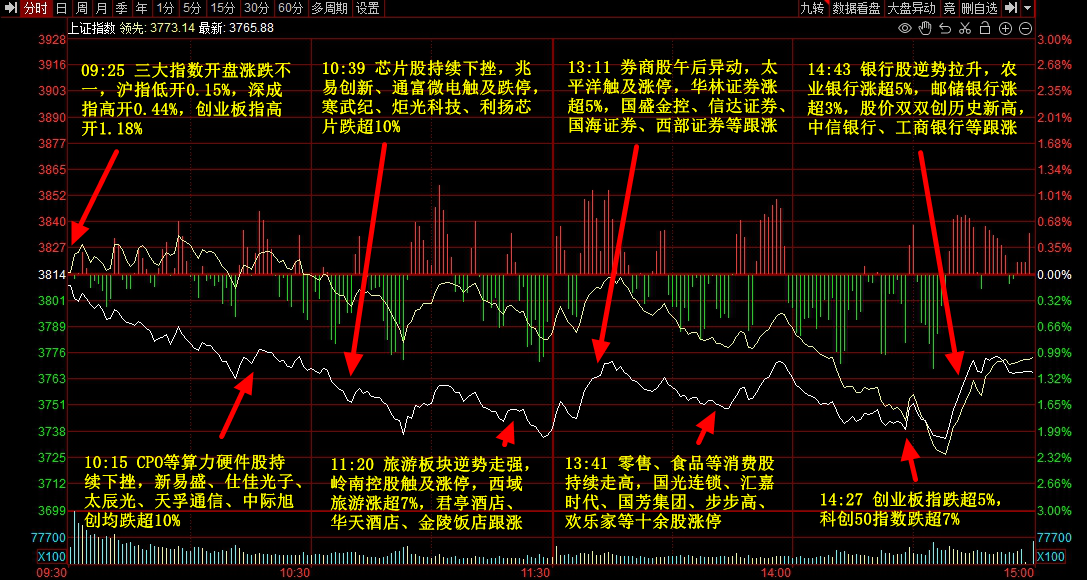
Market Overview - A-shares experienced a strong rebound after a significant correction, with the Shanghai Composite Index returning above 3800 points and the ChiNext Index rising over 6% [3] Economic Outlook - The market liquidity is expected to be ample after October, with household savings continuing to flow into the capital market, leading to a potential new round of increases in A-shares in Q4 [4][11] - The consumer sector, traditionally strong in Q4, is anticipated to attract more funds due to its relatively underperforming status this year [4][11] - The technology sector, particularly humanoid robots and innovative pharmaceuticals, may present buying opportunities if they experience significant pullbacks [4][11] Gold Market Insights - Recent fluctuations in gold prices have been noted, with international gold prices reaching historical highs before experiencing volatility [6] - Long-term bullish sentiment on gold is expressed, with expectations that gold prices could eventually exceed $5000 to $10000 per ounce due to increasing dollar supply and government debt concerns [7][8] Federal Reserve and Monetary Policy - The Federal Reserve is widely expected to cut interest rates by 25 basis points in September, with an additional 15 basis points reduction anticipated by December, bringing the benchmark rate to around 4% [10] - The Fed's rate cuts are expected to influence global central banks, potentially allowing the People's Bank of China to implement similar easing measures to support economic recovery [10][5] Investment Strategy - The recent market adjustment is seen as a foundation for Q4 opportunities, with expectations of capital inflows from various sectors, including real estate and bonds, into equities [11] - A diversified asset allocation strategy is recommended, with suggested allocations of 30% in small-cap stocks, 50% in traditional blue-chip stocks, and a small portion in high-dividend sectors like banks and utilities [13][12]

AI与人形机器人深度融合:商业化路径逐清晰
3 6 Ke· 2025-09-05 00:02
Group 1: AI Applications - The year 2025 is seen as a pivotal point for AI applications, transitioning from technical concepts to deep industry integration, with the global AI market expected to reach $221.87 billion, growing at a CAGR of approximately 26.2% [1] - AI applications are expanding across all fields, with high-value sectors leading the way; for instance, Wanjun Technology achieved AI-native application revenue of 60 million yuan, with a 200% increase in paid users [2] - Despite challenges such as data privacy issues and the inability of 54% of companies to quantify AI investment returns, AI is evolving from an auxiliary tool to a business partner, particularly in data-intensive sectors like finance and healthcare [3] Group 2: Humanoid Robots - 2025 is marked as the "commercialization year" for humanoid robots, supported by government policies and market dynamics, with significant advancements in core component localization, such as a 25% localization rate for harmonic reducers [4] - Major manufacturers like Estun and Midea are making strides in the humanoid robot market, with Estun capturing 23% market share in medical exoskeletons and Midea integrating robots into standard operations [5] - Despite progress, challenges remain, including reliance on imported high-end sensors and the high cost of humanoid robots, which is around 199,000 yuan, making them unaffordable for most households [5] Group 3: Integration and Breakthroughs - The deep integration of AI and humanoid robots is seen as a key driver for industry breakthroughs, with AI models enhancing decision-making capabilities and humanoid robots providing physical interaction with the environment [6] - The localization of core components is crucial, with current localization rates for key parts like harmonic reducers at 25% and expectations to reach over 50% by 2027 [6] - The focus on industrial applications is evident, as they offer clear ROI, with Midea's robots demonstrating value in equipment maintenance and material handling [7] Group 4: Future Outlook - The global humanoid robot market is projected to grow significantly, with Goldman Sachs forecasting a CAGR of 94% from 2025 to 2035, contingent on achieving large-scale production [7] - The integration of AI and humanoid robots is expected to create new business models and industry ecosystems, with predictions of the global humanoid robot market reaching between $38 billion and $154 billion by 2035 [7][8] - Investors are encouraged to focus on companies that are quickly commercializing AI models and those involved in the supply chains of key component manufacturers [8]

港股“慢牛”底色未改:资金面拐点临近,基本面有望换挡,九月关注补涨与结构机会
Sou Hu Cai Jing· 2025-09-04 16:02
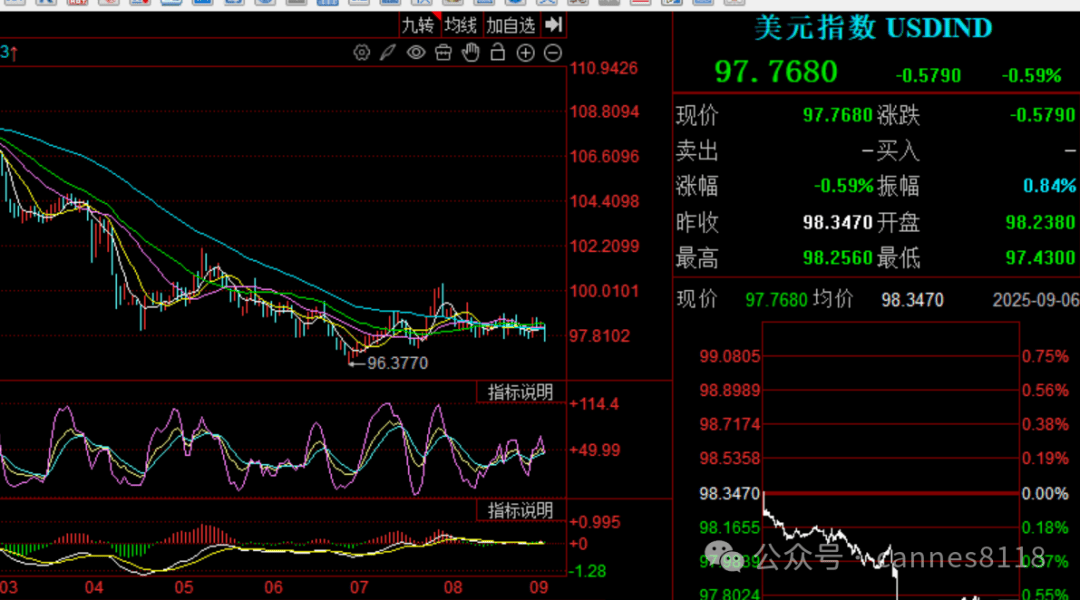
Market Dynamics - Since the beginning of 2024, A-shares and Hong Kong stocks have alternated in performance, with Hong Kong stocks stabilizing in Q1 driven by the internet sector, followed by new consumption and innovative pharmaceuticals in Q2, leading to a compression of the AH premium to approximately 120 by June 2025 [2] - In July and August, A-shares continued to perform strongly while Hong Kong stocks faced pressure from tightening liquidity and competition in the platform economy [2] Funding Environment - The liquidity situation is improving, with the Hong Kong Monetary Authority passively injecting liquidity in April and May, leading to a temporary drop in HIBOR to near zero; however, by late June, excess liquidity was being withdrawn, and HIBOR rose rapidly to around 4% in August [3] - The Hong Kong dollar has moved away from the 7.85 weak-side guarantee, and the HIBOR-SOFR overnight interest rate spread has returned to a normal range of about 0.36%, indicating that the most stringent phase of the funding environment is likely over [3] Fundamental Outlook - The consensus EPS forecast for the Hang Seng Index for 2025 was revised down from 6.7% in early July to 2.35% by the end of August, primarily due to lowered profit expectations in the platform economy and increased competition in food delivery [4] - However, earnings expectations for sectors such as materials and healthcare within the Hong Kong Stock Connect have been significantly upgraded, and regulatory constraints on unfair competition are expected to reduce price wars in instant retail [4] - With the release of mid-year reports and a shift in outlook for Q4 towards "AI empowerment and efficiency recovery," the internet sector is anticipated to see a rebound in expectations [4] Long-term Framework - The long-term bullish logic for A/H shares is supported by policies and wealth migration, emphasizing a balance between an effective market and proactive government intervention [5] - The dynamic balance aims to stabilize the market while enhancing capital market functions through measures such as mergers and acquisitions, registration system deepening, and attracting long-term capital [5] Structural Changes in Funding - There is a noticeable acceleration in the entry of long-term funds such as social security, insurance, and wealth management into the market, with a clear trend of increased allocation to ETFs and institutional investments [7] - The decline in deposit and wealth management yields has created an "asset shortage" environment, suggesting that both residents and institutions have room to increase their equity allocation [7] Industry and Sector Trends - Emerging sectors such as AI computing chains, semiconductor equipment and materials, military technology, innovative pharmaceuticals, and humanoid robots are advancing from technology to commercialization [8] - This trend is beneficial for platform-based internet companies in AI commercialization as well as for hard technology and its upstream supply [8] External Variables and Capital Inflow - Historically, there is a strong negative correlation between the US dollar index and the Hang Seng Index; if the Federal Reserve enters a rate-cutting cycle in September and the dollar weakens in Q4, the previously high short-selling ratio in Hong Kong stocks may trigger a short-covering rally [9] - The potential for overseas capital to flow back into A/H shares is expected to increase [9] September Outlook - The market may experience fluctuations due to external interest rates and internal expectations, but the tightest phase of the funding environment has passed, and the fundamental narrative of "AI empowerment" is set to unfold [10] - Valuations and risk premiums remain attractive, suggesting that in a "fluctuating-upward" rhythm, sectors such as technology internet (AI), innovative pharmaceuticals, high-dividend stocks, and cyclical leaders with "anti-involution" characteristics are more cost-effective main lines [10] Strategy and Allocation - The strategy focuses on capturing rebound opportunities and the main line of "qualitative change," with a shift from "price wars" to "AI efficiency" in the internet/technology sector [10] - The innovative pharmaceutical sector is viewed positively, with September being a key window for positioning [10] - In the new consumption sector, performance is prioritized, emphasizing differentiation [10] - High-dividend and "anti-involution" sectors are also highlighted, with a focus on selecting companies with stable cash flow and sustainable dividends [10] Valuation Insights - The forecasted PE for the Hang Seng Technology Index is approximately 20.3 times, which is around 30% lower than levels seen since July 2020 [11] - The Hang Seng Index's TTM PE is about 12.3 times, significantly lower than that of the S&P 500, Nikkei, and European stocks [11] - The risk premium of the Hang Seng Index relative to 10-year government bonds is about 6.4%, making it attractive to global capital [11] Core Logic - Following the mid-year reports, the impact of "involution" is weakening, and the narrative for Q4 is shifting towards "AI empowerment," with a focus on commercialization and efficiency [12] - The direction includes AI applications, advertising efficiency improvements, and collaboration in cloud and computing services [12] - The strategy emphasizes holding quality leaders with strong execution capabilities during the concentrated period of academic and medical insurance directory catalysts in Q3 and Q4 [12]

北京经开区加快打造新质生产力典范区
Zhong Guo Xin Wen Wang· 2025-09-04 15:02
Core Insights - Beijing Economic-Technological Development Area (BDA) has achieved a GDP growth rate of 12.3% in the first half of the year, ranking first among national-level development zones and contributing over 15% to the city's economic growth [1][2] - The region focuses on technological innovation to drive industrial upgrades, aiming to establish itself as a model for new productivity and a high-end industrial complex [1][5] Economic Performance - The average annual GDP growth rate since the 14th Five-Year Plan is 9.6%, with a total GDP exceeding 360 billion yuan [1] - Industrial output value has surpassed 600 billion yuan, accounting for 25.8% of the city's total [1] Key Industries - The four leading industries in BDA have a combined output value exceeding 560 billion yuan, with an average annual growth rate of 8% [2] - The automotive industry generated 265 billion yuan in output last year, producing 650,000 vehicles [2] - The electronic information industry has entered the trillion-yuan level, with over 60% of the integrated circuit industry chain located in the area [2] - The biopharmaceutical sector has nearly 5,000 companies with revenues exceeding 100 billion yuan [2] Future Industry Layout - BDA is proactively positioning itself in future industries such as artificial intelligence, humanoid robots, and commercial aerospace, with respective industry scales of over 60 billion yuan, 10 billion yuan, and 30 billion yuan [2] - The region has established a presence in 23 future sub-fields, including 6G and quantum information [2] Innovation and R&D - BDA hosts 155 national-level "little giant" enterprises, accounting for 15% of the city's total, and has 2,386 high-tech enterprises [2] - The area ranks first among national-level development zones in terms of PCT applications [2] Foreign Investment and Trade - Over 420 new foreign enterprises have been established in BDA during the 14th Five-Year Plan, with actual foreign investment expected to exceed 4 billion USD [3] - The first comprehensive bonded zone themed on new productivity is set to commence operations in September [3] Cultural and Technological Integration - BDA has developed a cultural industry system focused on high-tech audiovisual and gaming, with 146 cultural industry units generating 28.29 billion yuan in revenue, a 13.9% increase year-on-year [3] Talent Development - The total talent pool in BDA has reached 400,000, with a talent contribution rate of 69% [4] - The region has implemented a "Talent Ten Measures" policy and established a 1 billion yuan fund to support entrepreneurial talent [4] Business Environment - BDA emphasizes a "small government, large society, professional" approach, introducing over 20 innovative measures to improve the business environment [4]
晚报 | 9月5日主题前瞻
Xuan Gu Bao· 2025-09-04 14:38
Group 1: Foldable Phones - Huawei launched the Mate XTs foldable phone, featuring the Kirin 9020 chip and HarmonyOS, with a 36% performance improvement [1] - In the first half of 2025, China's foldable phone shipments are expected to reach 4.98 million units, a 12.6% year-on-year increase, with Huawei capturing 75% market share [1] Group 2: Sports Industry - The State Council issued an opinion aiming for the sports industry to exceed 7 trillion yuan by 2030, promoting high-quality development and a multi-level event system [2] - The sports events sector is evolving into a multi-dimensional economic ecosystem, integrating culture, tourism, and technology, driven by policy and market forces [2] Group 3: Robotics - Zhiyuan Robotics won a bid for a humanoid robot project in Hubei, marking a significant step towards large-scale production in China's humanoid robot industry [3] - The humanoid robot market in China is projected to reach nearly 38 billion yuan by 2030, with a compound annual growth rate exceeding 61% from 2024 to 2030 [3] Group 4: Beidou Industry - The Ministry of Industry and Information Technology released a plan to develop a Beidou-based precision time-space information service system, integrating with AI and smart vehicles [4] - The Beidou industry is expected to reach a total output value of 500-600 billion yuan by 2025, with a projected growth rate of over 10% annually [5]