
外卖

Search documents
环球热评局:以“价值创造”为锚,外卖理性竞争释放普惠价值
Huan Qiu Wang· 2025-09-15 04:13
Core Viewpoint - The rapid growth of the food delivery market has led to significant job creation and improvements in labor rights, with platforms like Taobao Shanguo and Meituan actively enhancing rider protections and income opportunities [1][4][5] Group 1: Employment and Labor Rights - Taobao Shanguo reported over 2 million active riders in August, creating more than 1 million new jobs compared to the previous year [1] - The overall employment landscape has improved, with the food delivery sector contributing to a significant increase in job opportunities and income for riders [4] - The number of riders earning over 10,000 yuan per month has increased to 2.8 times compared to last year [4] Group 2: Market Growth and Competition - The food delivery market has seen a doubling in scale, with daily orders increasing from around 100 million in May to over 200 million currently, peaking at nearly 300 million [1] - New platforms have entered the market, leading to healthy competition and innovation in service delivery, with significant growth in night orders across various cities [2] - The introduction of "warehouse stores" has met consumer demand for timely delivery, contributing to increased consumption [2] Group 3: Consumer Behavior and Spending - Online retail sales grew by 6.3% year-on-year, accounting for 24.9% of total retail sales, indicating strong digital consumption [1] - A study from Peking University found that every 1 yuan spent on Taobao Shanguo coupons generates an additional 6.76 yuan in overall consumption [2] Group 4: Business Model Innovation - Platforms are innovating their business models, such as Taobao's new membership system that integrates various services to enhance consumer engagement [3] - Differentiated strategies are emerging among platforms, with Meituan focusing on local commerce and Taobao Shanguo leveraging Alibaba's ecosystem [3] Group 5: Societal Impact - The competitive landscape has created shared value, benefiting not only the platforms but also the broader community, including small businesses and indirect employment opportunities [4][5] - The food delivery sector's growth has positively impacted the restaurant industry, with many small businesses experiencing a revival [4]



“算法公示”不是逃避责任的挡箭牌|外卖大战,战而不休为哪般?
Xin Hua Wang· 2025-09-15 03:23
Core Insights - Recent initiatives by Meituan, Ele.me, and JD.com to disclose algorithms aim to enhance transparency and reduce information asymmetry in platform operations [1][2] - Despite these efforts, the complexity and ambiguity of algorithms still leave merchants with limited bargaining power, often resulting in unclear profitability and increased operational costs [1] - The purpose of algorithm disclosure should be to promote healthy industry development, rather than allowing companies to shift operational costs and evade social responsibilities [1] Summary by Sections Algorithm Transparency - Meituan has established an algorithm disclosure area, while Ele.me has engaged in discussions about algorithm transparency and thematic research [1] - JD.com has committed to creating a simple and transparent subsidy mechanism [1] Merchant Challenges - Many platforms have opaque fee structures and traffic mechanisms, leaving merchants in a passive position regarding cost analysis and business decisions [1] - Complex algorithms often transfer costs, such as shipping, that should be borne by the platforms onto merchants, further squeezing their profit margins [1] - Merchants face a dilemma: accept the rules and potentially increase revenue without profit, or refuse participation and risk a significant drop in orders [1] Call for Fairness - The industry must recognize that algorithm disclosure should lead to fair and reasonable rules, not serve as a shield for companies to pass on costs [1] - Platforms are urged to establish a more open and diverse governance mechanism to facilitate effective communication among merchants, delivery personnel, and consumers [1] - The ultimate goal is to create fair, reasonable, and empathetic algorithm rules that benefit all parties involved [1][2]
必须终结“补贴内耗”回归比品质比服务|外卖大战,战而不休为哪般?
Xin Hua Wang· 2025-09-15 03:23
Core Insights - The article highlights the challenges faced by the food delivery industry, particularly the struggle between maintaining customer flow and achieving profitability, leading to a "loss-making for visibility" dilemma for many businesses [1] - It emphasizes the need for a fundamental shift in the competitive logic of the industry from "price competition" to "quality and service competition" to escape the cycle of low prices, low quality, and low profits [1][2] Industry Challenges - A restaurant in Yichang, Hubei, received 4,158 orders in June, generating over 160,000 yuan in revenue, but incurred losses exceeding 10,000 yuan after costs [1] - Consumers may enjoy low prices in the short term, but could face risks such as declining service quality and increased food safety concerns in the long run [1] - Delivery riders are experiencing increased workloads and safety risks due to a surge in orders, despite a rise in average daily income [1] Proposed Solutions - The article suggests that the industry must focus on creating value through quality and service rather than relying on subsidies [2] - Platforms should shift their focus from "subsidy competition" to technological innovation and service quality optimization [1] - Examples include Meituan using AI-driven solutions to enhance operational efficiency for restaurants and JD.com providing social insurance and professional training for delivery riders [1] Future Outlook - A transition towards a high-quality development model is necessary for the food delivery industry and the broader instant retail sector, promoting a sustainable and healthy future [2]
堂食外卖双标定价合规吗
Jing Ji Ri Bao· 2025-09-15 03:06
Core Viewpoint - The article discusses the ongoing issue of price discrepancies between dine-in and takeout orders in the food delivery industry, highlighting the challenges faced by consumers and businesses amid stricter regulations [1][2][3]. Pricing Discrepancies - Consumers in Zhengzhou report significant price differences between dine-in and takeout meals, with examples showing a 30% increase in takeout prices compared to in-store prices [1]. - The average markup for takeout in the restaurant industry is around 30%, with delivery platforms taking a commission of 20% to 25% [1][2]. - Some restaurants choose to maintain consistent pricing between dine-in and takeout, focusing on quality to attract customers [2]. Business Challenges - Restaurant owners face high costs associated with participating in delivery platform promotions, which can reduce their profit margins significantly [2]. - The cost structure for takeout includes platform commissions, delivery fees, and operational costs, leading to higher prices for consumers [2][3]. Legal Perspective - According to legal experts, the dual pricing strategy does not constitute consumer rights infringement as businesses have the right to set prices based on their costs [3]. - However, if businesses misrepresent the quality or quantity of food, it could lead to consumer rights violations [3]. Delivery Thresholds - Some businesses set minimum order thresholds for delivery to ensure profitability, as low-value orders do not cover operational costs [3][4]. - Analysts argue that these thresholds are a logical business strategy to maximize efficiency and reduce resource waste [4]. Regulatory Response - The market regulatory authority has engaged with food delivery platforms to ensure compliance with laws and to promote fair competition within the industry [4][5]. - There is optimism that regulatory measures will help address various issues in the food delivery sector, leading to a more orderly market environment [5].
属于蒋凡的“胜利”
3 6 Ke· 2025-09-15 02:22
Core Insights - The article discusses the rise of Jiang Fan within Alibaba, highlighting his strategic moves and leadership style in the context of the company's evolving landscape [1][5][11] Group 1: Jiang Fan's Background and Rise - Jiang Fan, born in 1985 in Urumqi, Xinjiang, has a stellar academic and professional background, including being a top student at Fudan University and working at Google China before joining Alibaba [1] - In 2019, Wang Xing, the founder of Meituan, recognized Jiang Fan's potential, predicting an exciting competition between him and Pinduoduo's Huang Zheng [3] - Jiang Fan's leadership in Alibaba's core e-commerce business has been marked by significant achievements, including the launch of Taobao Flash Sale, which reached a peak of 120 million daily orders and over 300 million monthly active buyers [5][11] Group 2: Competitive Landscape and Challenges - The competition in the instant retail sector has intensified, with Jiang Fan's initiatives putting pressure on Meituan, prompting Wang Xing to declare that they would take all necessary measures to win the competition [5][11] - Jiang Fan's previous successes at Alibaba, despite a setback due to a personal scandal in 2020, have positioned him as a key player in the company's future direction [11][14] Group 3: Alibaba's Strategic Shift - The article notes a significant shift in Alibaba's strategy, with a focus on AI and cloud computing, as well as a restructuring of its e-commerce operations under Jiang Fan's leadership [19][20] - The company is moving away from traditional retail models, with plans to invest 380 billion yuan in AI and cloud initiatives over the next three years, indicating a strategic pivot towards technology [22][23] - Jiang Fan's approach to integrating online and offline retail experiences aligns with Alibaba's historical strategies, reminiscent of Jack Ma's early tactics [24][25] Group 4: Future Prospects - At 40 years old, Jiang Fan is at a pivotal point in his career, with the potential to shape Alibaba's narrative and future direction significantly [25][27] - The article suggests that Jiang Fan's success in the instant retail sector could be crucial for his continued ascent within Alibaba, positioning him as a transformative leader for the company [27][28]


新华每日电讯整版聚焦“外卖大战”
Bei Jing Ri Bao Ke Hu Duan· 2025-09-15 01:52
Core Viewpoint - The ongoing "subsidy war" among food delivery platforms has created a vicious cycle for many restaurants, leading to a situation where not participating results in a loss of traffic, while participation leads to price cuts and losses [1][2][3] Group 1: Impact on Restaurants - Many small and medium-sized restaurants are caught in a dilemma of whether to engage in the delivery business and how to handle the aggressive subsidies [2][3] - A restaurant owner reported that a dish priced at 21.8 yuan only yields 11.33 yuan after subsidies, with the majority of the subsidy burden falling on the restaurant rather than the platform [2][3] - The increase in order volume does not translate to increased revenue, as many restaurants experience a rise in orders but stagnant income [6][11] Group 2: Market Dynamics - The "subsidy war" has led to a phenomenon where order volumes increase while revenue remains stagnant, indicating a misalignment in the market [11][12] - The competition has intensified, with platforms focusing on large chain brands, leading to a situation where small businesses struggle to survive [12][23] - The market is witnessing a shift where platforms prioritize their own efficiency and profits, often at the expense of smaller merchants [12][22] Group 3: Regulatory Response - The National Development and Reform Commission has proposed rules to curb irrational competition and protect the pricing rights of operators [13][14] - Recommendations include improving platform algorithm governance, reducing the burden on businesses, and fostering a more balanced market environment [14][15] Group 4: Future Outlook - Experts suggest that the competition may eventually lead to a focus on quality rather than price, which could benefit the industry in the long run [5][14] - Platforms like Meituan and JD are taking steps to support small merchants and improve their operational conditions amidst the ongoing competition [18][23]
外卖大战“压垮”堂食了吗?多家门店称营业额少一半
Sou Hu Cai Jing· 2025-09-14 16:35
Core Insights - The fierce competition in the food delivery market has intensified, with major players like JD, Meituan, and Taobao aggressively subsidizing to attract users, leading to significant shifts in consumer behavior and restaurant revenue dynamics [2][4][10]. Delivery Market Dynamics - JD's entry into the food delivery market initially raised expectations, but the subsequent price wars have led to increased subsidies from competitors, resulting in a surge in daily active users for Taobao and significant growth in active users for JD [2]. - Meituan reported over 64 million daily orders in Q2, indicating a robust demand for delivery services [2]. Impact on Dining Experience - The rise of low-cost delivery options has shifted consumer preferences, with many opting for delivery over dining in, leading to a noticeable decline in in-store customers for many restaurants [3][5]. - Restaurant owners have reported a significant drop in dine-in customers, with some noting that their revenue from dine-in has decreased substantially due to the rise in delivery orders [4][5]. Financial Implications for Restaurants - Many restaurants are experiencing a decline in revenue despite an increase in delivery orders, as the actual income from delivery orders is often significantly lower than dine-in sales due to platform fees and discounts [4][6][10]. - For instance, a restaurant may receive only 22 yuan from a 40 yuan delivery order, compared to the full amount received from dine-in customers [4]. Consumer Behavior Changes - Consumers are increasingly adopting a "price comparison" mentality, often choosing to order delivery even when they are physically near the restaurant, leading to a rise in self-pickup orders [8][14]. - The prevalence of large discount coupons has further incentivized consumers to prioritize delivery and self-pickup over traditional dining [10][11]. Challenges for Small Restaurants - Smaller, non-chain restaurants are particularly vulnerable in this competitive landscape, as they lack the flexibility to adjust pricing and promotions in response to aggressive discounting by larger chains [6][14]. - Many small restaurant owners express confusion and frustration over the sustainability of their business models in light of the ongoing price wars and rising operational costs [12][16]. Future Outlook - The survival of restaurants may increasingly depend on their ability to adapt to the changing market dynamics, with a potential focus on high-quality dine-in experiences or specialized offerings that cannot be easily replicated through delivery [17][18]. - The ongoing evolution of consumer preferences and competitive strategies will likely continue to reshape the restaurant industry landscape, raising questions about the long-term viability of traditional dining establishments [18].

这个时代最大的红利是什么?
虎嗅APP· 2025-09-13 13:19
Core Viewpoint - The current era is characterized by low costs for ordinary people to "lie flat," which can be seen as both a benefit and a sign of the disappearance of other benefits [4][8]. Group 1: Delivery Industry Insights - The low cost of food delivery in China is attributed to a significantly lower labor cost, averaging around $1 per delivery compared to $5 in the U.S. [9]. - Delivery riders face harsh penalties for delays, with a 20% deduction for being late by 3 minutes and a 50% deduction for being over 3 minutes late [9]. - A significant portion of delivery riders, nearly 45%, are aged between 31 and 45, with 37% working over 10 hours a day, yet only 2% earn over 10,000 yuan per month [9]. - Restaurants bear more than half of the costs for user subsidies, leading to a dilemma where they must choose between participating in subsidies for order growth or maintaining profitability [9][10]. - Major tech companies like Didi, Alipay, and Douyin have previously attempted to enter the food delivery market but exited due to low profitability [13][14]. Group 2: Market Dynamics - The ongoing food delivery competition is driven by companies seeking to use delivery services as a means to attract customers to their core businesses, rather than a genuine interest in the delivery market itself [15][18]. - The absurdity of the current delivery war lies in the fact that no major player is truly committed to making food delivery profitable, as evidenced by the historical losses incurred by companies in this space [15][18]. - The competitive landscape reflects a broader trend across various industries where all parties involved are pressured to perform, leading to a cycle of "survival of the fittest" [15][16]. Group 3: Societal Reflections - The notion of "lying flat" is not a new concept but rather a response to the overwhelming pressures of modern life, where individuals feel trapped in a cycle of relentless competition [32]. - The current era offers a unique opportunity for individuals to pursue personal interests without the immediate pressure of societal expectations, contrasting sharply with previous generations [34][35]. - The narrative of success has shifted, with the current generation facing different challenges compared to those who thrived during the previous economic boom [24][34].

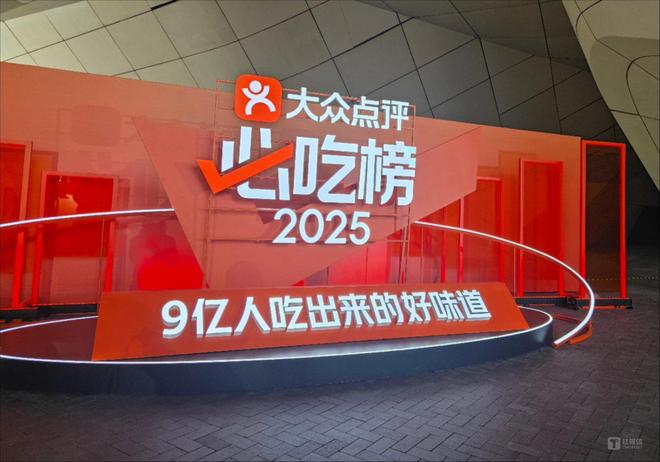
大众点评重启品质外卖,本地生活流量入口大战
Tai Mei Ti A P P· 2025-09-13 02:01
Core Insights - The competition in the food delivery market has intensified, with Dazhong Dianping (大众点评) announcing the relaunch of its quality delivery service, leveraging AI and real user reviews to enhance decision-making for consumers [2][4] - Dazhong Dianping plans to distribute 25 million various types of quality delivery coupons to encourage user engagement and support local restaurants [2][3] - Meituan (美团) is also enhancing its AI capabilities for consumer services, indicating a broader trend of technological upgrades in the industry [2][5] Company Strategies - Dazhong Dianping's quality delivery service now covers over 1,400 restaurants on the 2025 "Must Eat List" and nearly 30 restaurants on the "Black Pearl" list, showcasing a significant expansion of its offerings [2][6] - The platform emphasizes the importance of real user reviews, with a reported 3.63 billion genuine evaluations, reflecting a 60% year-on-year increase in the number of authentic reviews [6][7] - Meituan has initiated a "Dine-in Boost" plan, distributing up to 50,000 yuan in support funds to quality dining establishments, aiming to increase foot traffic and sales [3][7] Market Dynamics - The local lifestyle service market is experiencing heightened competition, with major players like Alibaba and Meituan investing heavily in user acquisition and retention strategies [4][8] - The ongoing battle for market share has led to significant financial commitments, with estimates suggesting that Meituan, JD, and Alibaba have collectively invested over 100 billion yuan in subsidies for the food delivery sector [8][9] - Goldman Sachs projects a 30% year-on-year growth in industry order volume, indicating a robust demand despite the competitive landscape [9]
京东、淘宝围攻“到家”,美团利润暴跌96.8%,“到店”又被高德“挑战”
3 6 Ke· 2025-09-12 11:16
Core Insights - Alibaba's Gaode Map launched the world's first user behavior-based ranking list, "Gaode Street Ranking," and initiated a "Good Store Support Plan" with over 1 billion yuan in subsidies to encourage offline consumption, aiming to bring 10 million customers daily to the service industry [1] - Meituan faces intensified competition in both its in-store and delivery services from new entrants like Gaode and established players like JD and Taobao [1][5] - Meituan's financial performance has been negatively impacted by the competition, with a significant drop in net profit and adjusted EBITDA in the second quarter of 2025 [1][2] Delivery Competition - Meituan's revenue for the first half of 2025 was 91.84 billion yuan, a year-on-year increase of 11.7%, but net profit fell by 96.8% to 365 million yuan, and adjusted EBITDA decreased by 81.5% to 2.782 billion yuan [1] - The sales cost for Meituan rose by 27% to 61.4 billion yuan, with the proportion of sales costs in revenue increasing from 58.8% in Q2 2024 to 66.9% in Q2 2025 [2] - Sales and marketing expenses grew by 51.8% to 22.5 billion yuan, reflecting increased spending on promotions and user incentives due to fierce competition [2] Rider Welfare and Support - Meituan has expanded occupational injury insurance to all riders in 17 provinces and cities, with plans to roll out pension insurance subsidies nationwide by the end of 2025 [3] - Meituan's CEO reported that the company served 770 million users and connected 3.36 million riders monthly, with peak daily orders for instant retail exceeding 150 million [3] - JD has also enhanced rider benefits, including full insurance coverage and seasonal subsidies for riders during extreme weather [3][4] In-store Business Challenges - Gaode's entry into the in-store business poses a new challenge for Meituan, which relies on this segment for revenue growth amid increasing competition [5][6] - Gaode's Street Ranking covers over 7 million restaurant locations and has launched various behavior-based rankings, indicating a strong commitment to the in-store market [6][7] - Meituan's core local business revenue was 65.347 billion yuan in Q2 2025, a 7.7% year-on-year increase, but operating profit dropped by 75.6% [7]