填料

Search documents
建筑建材-一线反馈及近况梳理
2026-03-16 02:20
Summary of Key Points from Conference Call Records Industry Overview - **Industry**: Electronic Fabric and Cleanroom Engineering - **Key Companies**: 亚翔集成 (Axon Integrated), 台积电 (TSMC), 美光科技 (Micron Technology), 巨石集团 (Jushi Group), 国际复材 (International Composites), 泰山玻纤 (Taishan Fiberglass), 日东纺 (Nitto Denko) Core Insights and Arguments Electronic Fabric Market - **Price Trends**: The average price of ordinary electronic fabric reached 5.7 RMB/m in March 2026, with expectations to approach 7 RMB/m in the first half of the year [1][5] - **Supply Constraints**: A significant supply gap of 10% exists due to the shift of weaving machine capacity towards high-end products, limiting new capacity investments due to high precious metal costs [1][4] - **High-End Fabric Localization**: The domestic production of high-end fabrics is accelerating, with a 20% price advantage over Japanese products, indicating potential for price increases [1][7] - **AI Hardware Impact**: The upgrade of AI hardware, particularly the Rubin platform, is driving demand for high-end fabrics, leading to non-linear price increases for copper foil and fillers [1][10] Market Dynamics - **Supply-Demand Imbalance**: The ordinary electronic fabric market is experiencing tight supply due to no new supply in the past two and a half years, while demand continues to recover, leading to monthly price increases since December 2025 [3][4] - **Key Influencing Factors**: The price trajectory is influenced by limited weaving machine supply, high precious metal costs, and low industry inventory levels [4][5] - **Future Price Outlook**: The price of ordinary electronic fabric is expected to continue rising in the first half of 2026, with historical price comparisons indicating a potential peak between 6.6 RMB/m and 9 RMB/m [5][6] High-End Special Electronic Fabric - **Supply Gap**: The high-end special electronic fabric market is projected to face a supply gap of 10%-15% in 2026, particularly for second-generation fabrics and LCTE [7][8] - **Price Adjustments**: Price adjustments for high-end fabrics are less frequent than for ordinary fabrics, but there is a strong expectation for price increases based on market research [7][8] Cleanroom Engineering Market - **Market Opportunities**: The cleanroom market is expected to see significant growth due to TSMC's new factory plans in North America, with projected capital expenditures reaching 125 billion USD from 2026 to 2030 [20][21] - **New Projects**: Micron's announcement of a new Fab in Singapore is expected to create additional orders for cleanroom engineering companies [15] Company Performance - **亚翔集成 (Axon Integrated)**: The company reported strong performance in its 2025 financials, particularly in its Singapore project, with a net profit margin of 28%, exceeding market expectations [14][17] - **Future Projections**: The company is expected to maintain a stable revenue stream of 18-20 billion RMB annually from its Singapore operations, with a focus on high-margin projects [17][20] Additional Important Insights - **Market Trends**: The electronic fabric industry is witnessing a shift from high-end technology to ordinary fabric sectors, with expectations for alternating focus between high-end and ordinary electronic fabrics throughout 2026 [2][12] - **Investment Considerations**: The stock price movements are often ahead of fundamental changes, with price increase expectations being a key driver for stock performance [6][12] - **Labor Market Dynamics**: Personnel expansion is a critical leading indicator for cleanroom engineering companies, as it precedes project bidding and revenue recognition [25]
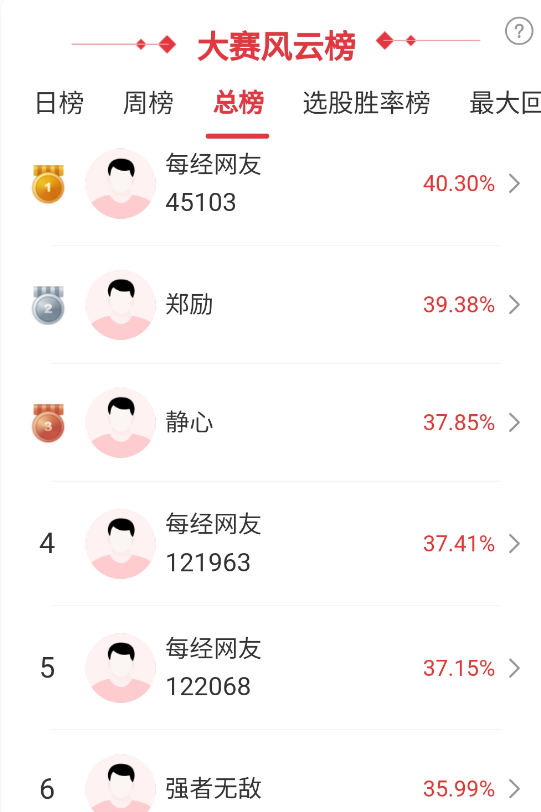
金刚石钻针、玻璃基板涨幅居前,高手看好这个大主线!
Mei Ri Jing Ji Xin Wen· 2026-01-27 10:20
Group 1 - The Shanghai Composite Index closed up 0.18% at 4139.90 points, with a trading volume of 29,217 billion yuan, a decrease of 3,593 billion yuan compared to the previous day [1] - The discovery of the oral nucleoside drug VV116 by the Wuhan Institute of Virology shows significant antiviral activity against the Nipah virus, providing new hope for the prevention and treatment of this highly fatal emerging infectious disease [1] Group 2 - In response to the news, the stock price of Wangshan Wangshui in Hong Kong rose by 11%, with related companies such as Junshi Biosciences and Xiansheng Pharmaceutical also seeing gains [2] - The 82nd session of the "Digging Gold" competition organized by the Daily Economic News App started on January 19, with participants capitalizing on the surge in the precious metals sector [2] Group 3 - Participants in the competition believe the current market trend is a slow bull market, focusing on individual stocks rather than the overall market [5] - Some participants are optimistic about the M9 copper-clad laminate (CCL) industry chain, including PCD diamond drill bits and hydrogenated resins, as the CCL is expected to upgrade significantly by 2026 [5] Group 4 - The "Fire Line Quick Review" product, developed by the team led by Dage, provides insights into market trends, investment logic, and company analysis, available to participants in the competition [5][6] - Notable stocks in the Nvidia supply chain, electronic cloth, rare earths, tungsten mines, and silver have shown significant price increases since April 2025, with some companies doubling their stock prices [6]

高速覆铜板CCL:四大核心材料机遇与挑战(附报告)
材料汇· 2026-01-21 15:30
Core Viewpoint - The article emphasizes the AIPCB wave and highlights the investment opportunities arising from the upgrade of M9 materials, focusing on four main lines of development [1]. Group 1: Low Dielectric Electronic Fabrics - The transition from LDK to second-generation fabrics is underway, with M9 paired with Q fabrics evolving towards third-generation products [17]. - The market for low dielectric electronic fabrics is expected to grow rapidly, driven by AI server demand, with a projected compound annual growth rate of 23.8% from 2024 to 2033 [20][23]. Group 2: Electronic Resins - The use of hydrocarbon resins in M9 is expected to increase significantly, with a ratio of hydrocarbon resins to PPO rising to 2:1, enhancing the value of materials [31][34]. - New types of resins are becoming mainstream, with hydrocarbon resins being the preferred choice for next-generation high-frequency CCLs [31][39]. Group 3: Fillers - The proportion of spherical silica micro-powder in M9 is expected to increase significantly, with high-performance spherical silica micro-powder filling ratios expanding to over 40% [36][40]. - Liquid-phase preparation methods for silica are becoming the industry standard, meeting the requirements for M7 and above [40]. Group 4: Other Upstream PCB Materials - Attention is drawn to electronic-grade fluorinated copper powder and PCB-specific electronic chemicals, which are essential for the upgrade trends in high-end PCBs [3][43]. - The supply of high-end materials, including Low Dk electronic fabrics and HVLP copper foil, is facing shortages, with major manufacturers accelerating production to meet demand [7][29]. Group 5: Market Performance - The demand for high-end CCL driven by AI is accelerating the upgrade of upstream materials, with significant performance improvements observed in various AIPCB sub-sectors since mid-2025 [5][8]. - The average increase in AIPCB sub-sector indices from May to August 2025 shows substantial growth, particularly in electronic fabrics and copper foil [6]. Group 6: Investment Recommendations - Companies to watch include: 1. Low dielectric electronic fabrics: Honghe Technology, Feilihua, Zhongcai Technology [4]. 2. HVLP networks: Gangguan Copper Foil, Rongfu Technology, Longyang Electronics [4]. 3. Electronic resins: Dongcai Technology, Shengnong Group, Hongchang Electronics, Tongzi New Materials [4]. 4. Other upstream materials: Jiangnan New Materials for electronic-grade oxidized copper powder, Tiancheng Technology for PCB-specific electronic chemicals [4].




电子行业专题:AIPCB浪潮,关注M9材料升级机会
Shanghai Securities· 2026-01-21 11:56
Investment Rating - The report maintains an "Overweight" rating for the electronic industry [1] Core Insights - The AI wave is driving higher value consumption in CCL (Copper Clad Laminate) materials, with a focus on M9 material upgrades and four main lines of development [4][8] - The demand for high-performance electronic materials is expected to surge, particularly with the anticipated release of Nvidia's Rubin platform in 2026, which will require M9-level CCL using Q-glass [8][29] - The supply of high-performance electronic materials is facing constraints, particularly in Low Dk electronic cloth and HVLP copper foil, leading to a supply-demand imbalance [8][35] Summary by Sections CCL and Key Materials - CCL's cost structure shows that upstream raw materials account for approximately 90% of the total cost, with copper foil, resin, and glass fiber being the primary components [13][15] - The transition from M7 and M8 to M9 CCL is underway, with M9 expected to utilize high-performance Q-glass and HVLP4 copper foil as the next mainstream products [21][36] Electronic Cloth - The global low dielectric electronic cloth market is projected to grow significantly, with a compound annual growth rate (CAGR) of 23.8%, reaching approximately $1.94 billion by 2033 [24][26] - The industry is transitioning from first-generation to second-generation low dielectric cloth, with a notable shift towards Q-glass for M9 applications [29][30] HVLP Copper Foil - HVLP copper foil has evolved to HVLP4, which is expected to become the mainstream product for AI server applications by 2026 [41][44] - Major manufacturers like Mitsui and Jincheng are accelerating production to meet the high demand for advanced copper foil [42][44] Electronic Resins - The use of hydrocarbon resins in M9 is expected to increase significantly, with a ratio of 2:1 compared to PPO, enhancing the value of resin in M9 materials [45][48] - The market for hydrocarbon resins is currently dominated by overseas suppliers, but domestic companies are ramping up production capabilities [49][52] Fillers - The use of spherical silica powder is increasing, with a projected market size exceeding 61,685.97 tons by 2026, driven by the demand for high-speed substrates [53][56] - Liquid-phase preparation methods for silica are becoming the industry standard, meeting the requirements for M7 and above [53][54] Other Upstream Materials - Electronic-grade copper oxide powder is crucial for high-end PCB upgrades, accounting for about 6% of PCB costs [57][60] - The market for PCB-specific electronic chemicals is evolving towards higher-end products, with domestic suppliers increasingly replacing foreign ones [61][62]
【私募调研记录】明汯投资调研赛分科技
Zheng Quan Zhi Xing· 2025-08-26 00:11
Group 1 - The core viewpoint of the news highlights that Mingyuan Investment has conducted research on a listed company, Sifen Technology, which is experiencing strong demand recovery in the biopolymer field, particularly driven by domestic substitution trends [1] - Sifen Technology's overall performance is expected to grow steadily in 2025, with significant year-on-year increases in the antibody and peptide sectors [1] - In Q2, Sifen Technology reported increased revenue but a decline in profit margins due to lower gross margins in the insulin and GLP-1 sectors, alongside intensified market competition [1] Group 2 - The domestic innovative drug business development trend is leading to increased market demand, accelerated domestic substitution, technological innovation upgrades, customized service development, and intensified industry competition [1] - Sifen Technology's overseas business is divided into analytical chromatography and industrial fillers, with main competitors being Cytiva and Thermo Fisher; the company’s advantages lie in its technology platform and customized services [1] - The trend of domestic substitution is irreversible, and entering overseas markets requires local companies to serve international markets [1] Group 3 - The utilization rate of the first phase of Sifen Technology's production capacity in Yangzhou is high, and the second phase, once completed, will be able to meet the demands of large customers [1] - The recombinant collagen market is experiencing a boom, and Sifen Technology is developing various MMC composite mode fillers suitable for multiple subtypes of recombinant humanized collagen purification [1] - The GLP-1 drug market has broad prospects, with significant sales growth in related filler products [1]
【机构调研记录】朱雀基金调研兆易创新、赛分科技等3只个股(附名单)
Sou Hu Cai Jing· 2025-08-26 00:06
Group 1: Zhaoyi Innovation - Zhaoyi Innovation reported good growth across all business lines in Q2 2024, with NOR Flash experiencing high single-digit growth, niche DRAM growing over 50%, MCU close to 20%, and sensor chips growing about 10% [1] - The company expects a quarter-on-quarter growth in Q3, with overall demand increasing and a tight supply for niche DRAM expected to last throughout the year [1] - The gross margin remains stable, with a moderate price increase anticipated for Flash and an improvement in DRAM gross margin [1] Group 2: Saifen Technology - Saifen Technology's fillers are primarily used in the biopolymer field, with strong demand recovery from downstream customers, particularly driven by domestic substitution [2] - The company anticipates steady growth in overall performance for 2025, with significant year-on-year increases in the antibody and peptide sectors [2] - The market for GLP-1 drugs is promising, with substantial sales growth for related filler products [2] Group 3: Lepu Medical - Lepu Medical's subsidiary, Lepu Ruikang, focuses on elderly care services, holding a 70.18% stake in the company [3] - The company has received regulatory approval for its self-developed polylactic acid facial filler, commonly known as "youthful needle" [3] - Lepu Medical's AI products include various hardware for monitoring vital signs, adaptable to different applications [3]


策略对话医药:生命科学服务 - 医药领域上游“卡脖子”环节
2025-07-03 15:28
Summary of Conference Call on Life Sciences Services in the Pharmaceutical Sector Industry Overview - The life sciences services sector is fundamental to the biological sciences field, with a current domestic substitution rate of less than 30%, and 0% in high-end scientific instruments compared to international giants like Thermo Fisher and Danaher [1][3] - Domestic companies are significantly smaller in scale compared to their international counterparts, with Thermo Fisher projected to generate $43 billion in revenue in 2024 and Danaher close to $24 billion, while few domestic companies exceed $500 million in annual revenue [3] Core Points and Arguments - Achieving domestic substitution requires a multi-faceted approach, including enhancing basic scientific education to improve high-end talent cultivation and incorporating high-end scientific instrument R&D into national planning through government support [1][4] - Domestic enterprises need to form positive feedback loops with upstream and downstream supply chains, accelerating product upgrades through feedback from lower-end markets to break into high-end markets [1][5] - The uncertain international trade environment is prompting multinational companies to accelerate local supply chain layouts, which in turn supports the development of domestic industries [1][5] Production Material Substitution - Progress has been made in certain segments of production materials, but the substitution process must be gradual due to the necessity of these materials in the commercialization of innovative drugs, which have long cultivation cycles [1][6] - The COVID-19 pandemic has accelerated the substitution of imported raw materials in industrial production, leading many pharmaceutical companies to prefer domestic materials during early research stages and to make changes during Phase III clinical trials and commercialization to ensure supply chain security and cost control [1][6] Notable Companies and Opportunities - In the scientific instrument sector, attention should be given to Focused Technology, whose subsidiary, Puyutech, has made significant breakthroughs in the mass spectrometry field [2][7] - In the production materials sector, Aopumai in the culture medium segment has rapidly increased its pipeline project numbers, while Nanwei Technology and Saifen Technology in the filler segment are also recommended for their strong quality [2][7]
国产替代:43页PPT详解先进封装材料及国产替代(附15份先进封装报告)
材料汇· 2025-04-24 15:12
点击 最 下方 "在看"和" "并分享,"关注"材料汇 互动问题: 添加 小编微信 ,遇见 志同道合 的你 问题1:目前有哪些先进封装材料迫切需要国产化呢?国产化的难点是在哪里呢? 问题2:如果你是创业者或者从业者,你会选择什么样的封装材料赛道?你认为最关键的点在哪里?你将如何进行布局? 问题3:如果你是投资者,面对先进封装材料的项目,你最看重哪几个点呢? | 相关标的汇总 | | | | | | --- | --- | --- | --- | --- | | 公司 | 市值 /亿元 | 材料 | 讲属 | 2024H1半导体材料营收 /Q | | 鼎龙股份 | 279 | CMP材料、临时键合材料、PSPI | CMP材料、封装光刻胶、临时键合胶等多款材料能在国内丰流晶 圆厂客户端应用 | 6.3 | | 安集科技 | 223 | 湿电子化学品、电镀材料、CMP材料 | 先进封装用电镀液及添加剂已有多款产品实现量产销售 | 7.9 | | 上海新阳 | 114 | 电镀材料、湿电子化学品、光刻胶 | 已有电镀系列产品应用于先进封装及相应客户 | 4 4 | | 飞凯材料 | 101 | 临时键合材料、电镀材 ...
中国对美关税反制事件点评:关注重磅药品、器械及上游核心原材料的国产替代
Shenwan Hongyuan Securities· 2025-04-06 13:44
Investment Rating - The report suggests a positive outlook for the pharmaceutical industry, indicating a potential for outperformance compared to the overall market [27]. Core Insights - The report highlights the impact of the recent U.S. tariff measures, which include a 34% additional tariff on Chinese goods, and the subsequent Chinese countermeasures that may benefit domestic pharmaceutical companies [3][4][5]. - It emphasizes the growth in China's pharmaceutical exports, particularly to the U.S., which reached $19.05 billion in 2024, marking an 11.7% increase year-on-year [6][7]. - The report identifies specific sectors within the pharmaceutical industry that may benefit from the tariff situation, including blood products, high-end raw materials, medical devices, and innovative drugs [18][19]. Summary by Sections Tariff Impact - The U.S. has implemented a 34% tariff on Chinese goods, which affects a wide range of medical supplies and devices, while China has responded with similar tariffs on U.S. imports [4][5]. - The tariffs are expected to disrupt the supply of imported blood products, potentially increasing demand for domestic alternatives [18]. Trade Statistics - In 2024, China's total pharmaceutical trade amounted to $199.376 billion, with exports at $107.964 billion and imports at $91.412 billion, showing a slight decline in imports but a recovery in exports [6][11]. - The U.S. remains the largest market for Chinese pharmaceutical exports, accounting for 17.6% of total exports [7][11]. Sector Opportunities - Blood Products: The tariff on U.S. imports may lead to increased domestic production and sales of blood products, with companies like Tian Tan Biological, Hualan Biological, and others positioned to benefit [18]. - High-End Raw Materials: The report suggests that domestic manufacturers of critical raw materials and consumables may gain market share due to reduced competition from U.S. imports [18]. - Medical Devices: Companies focusing on high-value medical devices are recommended for their potential to capture market share from imported products [18]. - Innovative Drugs: The report encourages investment in companies involved in the development of innovative drugs, particularly those that can replace U.S. imports in oncology and vaccine sectors [19].