店小蜜

Search documents
流量是一时的,有利润才长久,2026天猫为优质品牌「兜底」
36氪· 2026-03-27 11:12
Core Insights - The article emphasizes the importance of Tmall's "扶优" strategy, which focuses on supporting high-quality brands and products while increasing subsidies to expand user base and serve quality consumers [3][4][6] - Tmall's performance metrics indicate a significant increase in brand merchants with annual transactions exceeding 100 million, showcasing a 15% year-on-year growth [4][5] - The platform aims to enhance merchant profitability and support innovative products through targeted incentives and advertising subsidies [13][15] Group 1: Tmall's Strategy and Performance - Tmall's "扶优" strategy was introduced to support brands with originality and creativity, moving away from equal support to a more selective approach [3][12] - In 2025, Tmall launched over 16 million quality new products, achieving a total transaction of 120 billion, reflecting a 20% year-on-year growth [16] - The number of brands collaborating with Tmall's 88VIP membership program increased by 51%, indicating a focus on high-value consumers [19] Group 2: Challenges in E-commerce - A survey revealed that 30.1% of e-commerce merchants reported negative net profits, with over 30% having profit margins between 0-5% [8] - High traffic costs and low-price competition were identified as major factors eroding merchant profits, with 78% of merchants citing high traffic costs as a concern [9][10] - The article highlights a shift in consumer trust from categories to brands, suggesting a need for merchants to focus on building brand identity [11] Group 3: Technological Advancements and AI Integration - Tmall is leveraging AI to enhance operational efficiency for different types of merchants, with significant investments in AI tools to improve conversion rates [22][24] - The platform's AI customer service, "店小蜜," has served 300 million users and is transitioning to smart sales assistance [23] - As AI tools become widely available, the ability to innovate and attract core consumers will become critical competitive factors for brands [25]


阿里财报:全栈AI能力提升,全力入局AI to C,天猫双11首次大规模应用AI
Yang Zi Wan Bao Wang· 2025-11-25 13:05
Core Insights - Alibaba Group reported a strong revenue growth of 34% year-on-year for its cloud segment, driven by robust AI demand, with AI-related product revenue achieving triple-digit growth for nine consecutive quarters [1][2] - The company has made significant capital investments, totaling 31.5 billion yuan in the latest quarter, and approximately 120 billion yuan over the past four quarters, to bolster its AI and cloud infrastructure strategy [1][5] Group 1: AI Infrastructure and Model Development - Alibaba Cloud announced major upgrades to its full-stack AI capabilities, covering advanced AI foundational models and high-performance infrastructure, including servers and AI platforms [2] - The flagship model Qwen3-Max has surpassed competitors like GPT-5 and Claude Opus 4, ranking among the top three globally [2] - The number of derivative models based on the Qwen family on Hugging Face has exceeded 180,000, more than double that of the second-ranked competitor [2] Group 2: AI to Consumer Market Expansion - The launch of the "Qianwen" project aims to penetrate the AI to consumer market, creating a personal AI assistant that integrates deeply with Alibaba's ecosystem [3] - The Qianwen App achieved over 10 million downloads within a week of its public beta, making it the fastest-growing AI application, surpassing ChatGPT and others [3] - Management views Qianwen as a critical initiative in the AI era, with plans to integrate it into various Alibaba services such as e-commerce and local life [3] Group 3: AI Application in E-commerce - During the Double 11 shopping festival, Alibaba implemented AI tools to enhance merchant efficiency and consumer experience, impacting core areas like search and recommendations [4] - Approximately 5 million merchants utilized the AI tool "Business Manager," achieving an average efficiency increase of 1.5 times [4] - AI customer service "Dianxiaomi" served 300 million consumers, improving merchant conversion rates by 30% [4] Group 4: Long-term Strategic Investments - Alibaba plans to continue investing in AI technology and infrastructure, as well as in integrating life services with e-commerce to create long-term strategic value [5]

2025天猫“双11”算力规模破纪录 阿里云提供千万核高性能CPU算力
Zheng Quan Ri Bao Wang· 2025-11-12 06:42
Core Insights - This year's Tmall "Double 11" event has set a new record for computing power, with Alibaba Cloud providing over 10 million CPU cores, enhancing core business performance by over 30% [1] - The introduction of AI applications and the complexity of business scenarios have increased the demands on computing, storage, and network technologies [1] - Alibaba has announced an investment of over 380 billion yuan in cloud and AI hardware infrastructure [1] Computing Power - The 2025 Tmall "Double 11" utilized Alibaba Cloud's public cloud to schedule high-performance computing with over 10 million cores, successfully supporting the event with a capacity exceeding 2 million [2] - Alibaba Cloud's self-developed technologies have significantly improved performance, with business performance in areas like recommendations and marketing increasing by 30% to 50%, and real-time latency reduced by over 30% [2] - The Lingjun Intelligent Computing Cluster provided AI computing power, optimizing inter-card connectivity and bandwidth for personalized and efficient AI services during the event [2] AI Applications - This year marks the first large-scale application of the Tongyi series models for "Double 11," enhancing consumer experience and e-commerce operations [3] - The AI data analyst in the upgraded Business Manager application covers 90% of core analysis scenarios for small and medium-sized businesses, significantly improving analysis and decision-making efficiency [3] - The Qwen-MT translation model supported the translation needs for overseas products, achieving a 40% reduction in single-call latency and handling over 1.4 billion calls in a single day for product translations [3] Evolution of Cloud Services - Since Alibaba Cloud first supported Tmall "Double 11" in 2015, the event has evolved from basic cloud usage to a comprehensive deployment of a full-stack AI system [4] - The peak traffic is no longer the biggest technical challenge, as Alibaba Cloud leverages innovative cloud and AI technologies to enhance the experience for merchants and consumers during "Double 11" [4]
天猫双11算力规模刷纪录 阿里云已提供超千万核CPU算力
Huan Qiu Wang· 2025-11-12 02:52
Core Insights - Alibaba Cloud has set a new record for computing power during this year's Double 11 event, providing over 10 million CPU cores to enhance performance by over 30% for core business scenarios like Taobao recommendations [1][3] - The introduction of AI applications at scale, including the Tongyi Qwen large model, has significantly improved translation, data analysis, and customer service efficiency for merchants and consumers [1][2] Computing Power - The 2025 Double 11 utilized Alibaba Cloud's public cloud infrastructure to schedule high-performance ECS computing power, achieving a capacity of over 2 million for ultra-large VPCs [3] - Alibaba Cloud's self-developed technology has led to performance improvements of 30% to 50% in various business scenarios, with a reduction in real-time latency by over 30% [3] AI Applications - The Tongyi series models were deployed extensively for the first time during Double 11, enhancing consumer experience and e-commerce operations across various stages [2][4] - The AI data analyst feature in the upgraded business manager application provides data analysis for 90% of small and medium-sized merchants, significantly improving analysis and decision-making efficiency [2] Translation Services - The Qwen-MT translation model supported the translation needs for Taobao's international product offerings, achieving a 40% reduction in single-call latency [4] - The translation system handled over 1.4 billion calls in a single day, translating images, reviews, and product details for hundreds of millions of products [4] Evolution of Cloud Services - Since 2015, Alibaba Cloud has evolved from basic cloud usage to a comprehensive AI-driven system for Double 11, transforming the technical challenges faced during peak traffic [4]
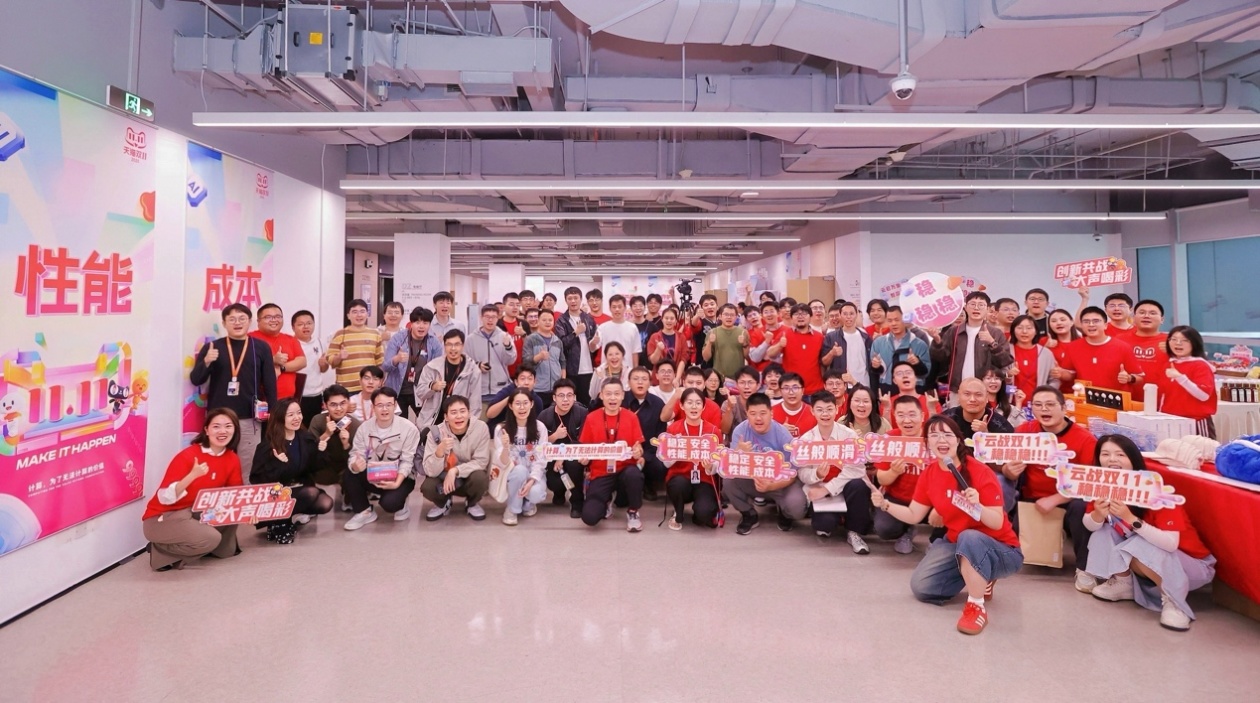
天猫双11的第十七年,和被AI重写的新地图
3 6 Ke· 2025-11-12 00:34
Core Insights - The e-commerce industry is at a transformative juncture, with AI emerging as a critical variable in enhancing efficiency and growth [1][2][20] - Traditional search and recommendation systems are being restructured to leverage AI capabilities, improving user experience and operational efficiency [3][4][5] Group 1: Changes in Traffic - E-commerce growth fundamentally revolves around the efficiency of matching users with products, which is now being enhanced through AI [2] - The traditional systems of search, recommendation, and advertising are undergoing a structural overhaul due to advancements in AI technology [3] - Taobao has revamped its product database using generative AI to better understand and categorize approximately 2 billion products, improving search relevance by about 20% in complex queries [4][5] Group 2: Changes in Experience - Consumers increasingly desire AI-driven personalized shopping experiences, with 71% expressing interest in integrating generative AI into their shopping [10] - Taobao has introduced features like AI Universal Search and AI Help Me Choose, which streamline the shopping process and enhance decision-making for users [11][12][14] - During the recent shopping festival, AI Universal Search addressed nearly 50 million consumer needs, showcasing its practical application in enhancing user experience [14] Group 3: Changes in Business Operations - Taobao has upgraded its AI Business Manager, introducing an "AI Store Manager" and various AI agents to assist merchants in data analysis and operational efficiency [15][17] - The AI tools have significantly reduced the workload for small and medium-sized merchants, saving about 30% of their time and improving efficiency by 1.5 times [18] - The new AI customer service product, "Dianxiaomi," has demonstrated enhanced contextual understanding, effectively managing customer inquiries and reducing the need for human intervention [19]
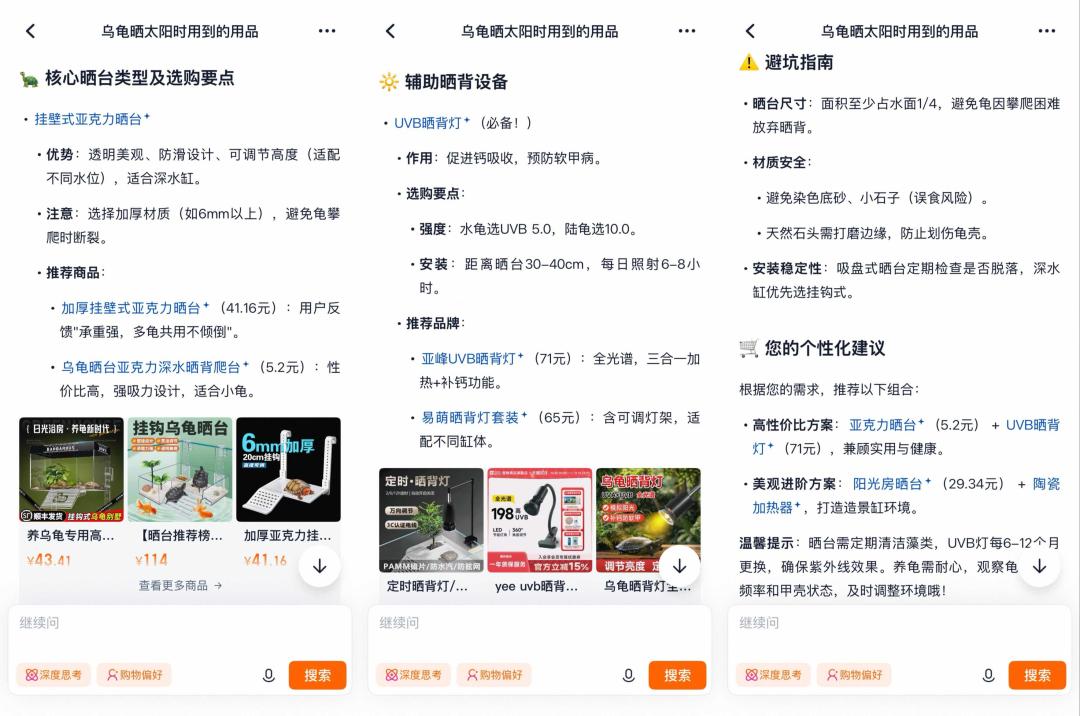
天猫双11的第十七年,和被AI重写的新地图
36氪· 2025-11-11 13:35
Core Insights - The article emphasizes that AI is becoming a crucial variable in the e-commerce sector, particularly as traditional growth strategies face limitations [3][4] - It highlights that the value of AI lies in its ability to enhance efficiency and growth in e-commerce, moving beyond theoretical discussions to practical applications [5][12] E-commerce Transformation - The global AI-enabled e-commerce market is projected to grow from $7.25 billion in 2024 to $64.03 billion by 2034, indicating a significant transformation on the horizon [4] - Taobao is leading the way in integrating AI into its operations, focusing on practical applications that address real problems in the e-commerce space [4][6] - The core of e-commerce growth is identified as the efficiency of matching consumers with products, which AI is set to enhance through improved understanding of user needs [6][7] AI Applications in Taobao - Taobao has implemented generative AI to clean, enrich, and index its product database of approximately 2 billion items, improving the understanding of product features and consumer needs [7] - The introduction of generative search has improved search result relevance by approximately 20% in complex semantic scenarios, enhancing user experience [7][8] - AI-driven recommendations have increased information flow click-through rates by about 10%, allowing for a broader range of product suggestions based on user behavior [8][10] Consumer Experience Enhancement - Taobao has launched several AI features, such as AI Universal Search and AI Shopping List, to streamline the shopping experience and assist consumers in making informed decisions [15][19] - AI Universal Search can interpret natural language queries, providing tailored product suggestions and reducing the time consumers spend on decision-making [16][19] - The AI Shopping List feature generates personalized shopping lists based on user behavior and seasonal needs, enhancing the shopping experience [17][19] Merchant Support and Efficiency - Taobao's AI Business Manager has been upgraded to assist merchants with real-time business insights and market analysis, significantly reducing the time and effort required for data analysis [22][23] - The AI tools have helped save approximately 30% of the workload for merchants, improving operational efficiency by 1.5 times [24] - The AI customer service agent, "Dianxiaomi," has demonstrated a 35% increase in intelligent conversion rates, showcasing the effectiveness of AI in enhancing customer interactions [25][26] Conclusion - The integration of AI in Taobao's operations marks a significant shift towards efficiency in the e-commerce industry, with AI becoming a core component rather than a supplementary tool [26] - The article suggests that true technological revolutions stem from continuous optimization of small efficiencies, leading to the emergence of "usable AI" as a transformative force in the industry [26]

当AI遇上“双11”:电商已经成为AI最大练兵场
Feng Huang Wang· 2025-11-10 11:19
Core Insights - The article emphasizes that platforms like Taobao, with a user base of 1 billion, are becoming significant AI application scenarios due to their vast commercial ecosystem and data [1] - The upcoming Double Eleven (双11) in 2025 is expected to showcase unprecedented AI applications in daily life, validating the notion that AI is enhancing productivity in the e-commerce sector [1] AI Impact on Consumer Behavior - This year's Double Eleven has significantly reduced the time consumers spend selecting products, with AI providing more precise recommendations based on previous searches [2] - AI tools like "万能搜" have addressed nearly 50 million consumer needs, allowing for direct checkout from search results [2] - A survey indicates that 46% of users have increased their use of AI for shopping, with users aged 20-39 being the primary contributors [2] AI Integration in E-commerce - The number of merchants using Taobao's AI tools reached 5 million during Double Eleven, marking a shift from AI as a concept to a practical productivity tool [3] - AI tools are transforming data analysis for merchants, allowing for quicker insights and strategy adjustments [4] - AI-generated marketing materials are saving merchants over 40 million in production costs daily [4] Evolution of AI Capabilities - Taobao's unique advantages, such as comprehensive consumer data and the demand for growth from millions of merchants, have positioned it as a leading platform for AI application [6] - The evolution of AI capabilities is moving from simple matching to understanding and generating insights, enhancing the efficiency of search and recommendation systems [6] Strategic Implications for Brands - AI is reshaping competitive dynamics in e-commerce, with brands needing to focus on product innovation and consumer insights to succeed [8][10] - The democratization of AI technology is lowering operational barriers for small and medium-sized businesses, emphasizing the importance of core brand strengths [9] - Brands must adapt to a new logic of creating value based on AI-driven demand insights rather than traditional marketing approaches [11] Future Outlook - The Double Eleven event is seen as a pivotal moment in the transition to an AI-driven e-commerce ecosystem, where the ability to be understood and recommended by AI will determine brand success [12]
这个双11,已有500万商家习惯用AI了
Hua Er Jie Jian Wen· 2025-11-04 13:14
Core Insights - Alibaba's AI-driven strategy is accelerating, with significant adoption during this year's Double 11 shopping festival, marking a transformative shift in e-commerce operations [2][9] AI Tools and Adoption - Over 5 million merchants are utilizing AI tools provided by Taobao and Tmall since the start of Double 11, showcasing widespread integration of AI in daily operations [3] - The upgraded "Business Manager" AI tool includes an "AI Store Manager" and six AI agents, which have generated 5 million promotional strategies, saving an average of 30% in workload and improving efficiency by 1.5 times [3][4] Marketing Innovations - Alibaba's marketing platform, Alimama, has upgraded its AI model LMA2, enhancing the marketing chain through a comprehensive approach that includes various AI-driven components [5] - The "Full Product Promotion" feature has led to over 30% growth in transactions for a million products during Double 11, indicating a significant impact on sales [6] Customer Service Enhancements - The AI customer service product "Dianxiaomi" has effectively handled 3 billion consumer interactions, with 1 billion being fully automated, improving conversion efficiency by 30% [8] - Merchants reported a reduction in manual customer service interactions to below 30% after implementing the AI agent, significantly enhancing customer satisfaction [9] Overall Impact - The integration of AI in e-commerce operations during Double 11 represents a fundamental transformation, shifting the focus from mere traffic and discounts to deep operational capabilities driven by AI and data insights [9]
购物体验被重塑!AI助手主动挖掘需求,传统电商面临颠覆性变革!
Sou Hu Cai Jing· 2025-11-02 16:48
Core Insights - This year's Double 11 marks a significant transformation in the e-commerce landscape, driven by the integration of AI assistants into shopping experiences [1][3] - Major AI chatbots have evolved from mere conversational tools to active sales facilitators, enhancing the shopping process by providing direct purchase links [3][5] AI Integration in E-commerce - AI assistants like Doubao, Tencent Yuanbao, and Kimi are now equipped with e-commerce functionalities, significantly increasing the AI presence in online shopping [3][5] - Tmall's president stated that this year represents the first full implementation of AI in Double 11, while JD.com noted the deepest integration of AI technologies to date [3][5] Personalized Shopping Experience - AI assistants are shifting from passive responses to actively identifying user needs, transforming traditional shopping into personalized recommendations [5][7] - Doubao, a product of ByteDance, integrates directly with Douyin's shopping links, providing users with tailored product lists based on their inquiries [5][9] Differentiated Approaches in Domestic and International Markets - Domestic AI e-commerce strategies focus on partnerships with traditional platforms, while international players like OpenAI are developing direct payment solutions within their AI interfaces [9][11] - OpenAI's collaboration with Walmart exemplifies a seamless shopping experience, contrasting with domestic models that often limit cross-platform comparisons [9][11] Commercialization Pressures on AI Companies - The surge in AI-driven sales is partly due to the commercialization pressures faced by AI firms, which are seeking new revenue streams amid high operational costs [11][13] - Major players like OpenAI reported significant losses despite high revenues, highlighting the financial challenges in the AI sector [11][13] Challenges in AI E-commerce Experience - AI e-commerce faces significant challenges, including ecosystem isolation and algorithmic biases that may prioritize high-commission products over smaller vendors [15][16] - The effectiveness of AI recommendations is hindered by outdated data and a lack of real-time price comparisons, impacting consumer trust [16][17] Infrastructure Development in E-commerce Platforms - Major platforms like JD.com and Tmall are enhancing their underlying infrastructure to better integrate AI capabilities into their search and recommendation systems [17][20] - Improvements in search relevance and user intent understanding have been reported, with Tmall achieving a 20% increase in search relevance [20][22] Future Competition for AI E-commerce Control - The competition for control over AI e-commerce entry points is intensifying, with general AI assistants vying against specialized platforms for user engagement [24][25] - The evolving relationship between AI assistants and e-commerce platforms will shape the future landscape, as companies seek to optimize user decision-making processes [24][25]

独家|对话淘天凯夫:淘宝AI升级,2025年做了三件事
虎嗅APP· 2025-10-18 02:57
Core Viewpoint - The article discusses the significant AI upgrade that Alibaba's Taobao is undergoing, aiming to enhance operational efficiency while maintaining user experience and business performance. The upgrade focuses on three key areas: improving traffic matching efficiency, reducing costs for merchants, and introducing new AI-driven shopping products [4][8]. Summary by Sections AI Upgrade Strategy - Taobao's decision-making process for the AI upgrade began in December 2024, with three main objectives identified: enhancing search and promotion efficiency, increasing merchant productivity, and launching new AI shopping products. These initiatives are set to roll out starting March 2025 [4][6]. Testing and Implementation - The implementation of new AI features follows a cautious approach, starting with a 2% user test group. If successful, the testing gradually expands to 5%, 10%, and eventually 50% of users before full deployment [5][7]. Major Projects - A significant project is the overhaul of Taobao's product information database, which has accumulated vast amounts of data over 23 years. The introduction of AI agents has enabled the automatic learning and writing of product information, addressing long-standing issues in data quality [6][14]. Performance Metrics - Since the AI initiatives began in March, there has been a notable increase in traffic matching efficiency, with search relevance improving by 20 percentage points and merchant advertising ROI increasing by 12% [7][8]. Upcoming Events - The 2025 Double 11 shopping festival will be the first to fully implement AI features, with several new AI tools already available to merchants [7][8]. AI as a Core Component - AI is positioned as a central theme in Taobao's evolution, with a focus on integrating AI capabilities into existing systems rather than completely overhauling them. This pragmatic approach aims to enhance the search and promotion system, which is critical for e-commerce platforms [11][12]. Infrastructure Development - The product information database is considered a foundational infrastructure for Taobao's future, as accurate and comprehensive product data is essential for effective AI-driven search and recommendation systems [17][18]. Resource Allocation - The company has made significant resource investments in AI, particularly in enhancing the search and promotion system, which is viewed as a long-term strategic initiative [19][20]. Demand-Driven Approach - The AI integration is driven by user needs rather than enforced through rigid performance metrics, allowing for a more organic adoption of AI tools across the platform [21]. Balancing Upgrades and User Experience - The company employs a gradual "cutover" strategy, maintaining both old and new systems simultaneously to ensure a seamless user experience during the transition [22].