气垫

Search documents
毛戈平20260122
2026-01-23 15:35
Summary of the Conference Call for Mao Geping Company Overview - **Company**: Mao Geping - **Industry**: Beauty and Cosmetics Key Points Membership Management and Customer Engagement - Mao Geping enhances customer loyalty and repurchase rates through refined membership management, achieving a same-store growth rate of approximately 18% in the first half of 2025, with a repurchase rate around 30% and new customer ratio increasing to 70% [2][11] - The company employs a differentiated membership system that encourages customers to transition from online to offline shopping, offering richer beauty or skincare customization services in-store compared to simpler online membership benefits [2][7] Product Category Expansion - Mao Geping is actively expanding its product categories from makeup to skincare, introducing products like caviar masks and black creams that emphasize repairing makeup damage and enhancing makeup effects [2][4] - Future focus includes skincare products unrelated to makeup and a newly launched perfume line in 2025, which are crucial for expanding market space [4][5][12] Online Channel Development - The online channel has positively impacted brand youthfulness, with the 25-30 age group increasing from 12% to 19% and over 75% of new customers coming from online channels, with a conversion rate of 25-30% to offline consumers [6][12] - Despite rapid online sales growth, the quality is lower than offline due to lower customer stickiness and repurchase rates, which rely heavily on high marketing costs [6] New Initiatives for Member Engagement - New initiatives include inviting non-purchasing members through a mini-program to receive sample perfumes and cosmetics, aiming to engage potential customers and guide them to offline counters [9][10] High-End Customer Services - Mao Geping has increased high-end beauty services, offering a 75-minute beauty care service for purchases over 3,800 yuan, and expanded beauty salon events to cover more cities, generating sales of 300,000 to over 1 million yuan per event [10] Sales Performance and Trends - The company reported a same-store growth rate of about 18% in the first half of 2025, with a stable repurchase rate of around 30% and an increase in new customer contribution to retail sales [11] - The reliance on top-selling products has decreased, with the sales contribution of the top ten products dropping from 80% in 2024 to 60% in 2025, indicating a shift towards a more diversified product portfolio [15] Skincare and Perfume Development - The skincare category relies heavily on offline channels and existing member repurchases, with new products like caviar eye masks performing well, and the company is filling the price gap between domestic and international brands [17] - The perfume business is developing through two series, with the second series performing better, reflecting a shift in consumer preferences towards personalized and niche fragrances [18][21] Market Trends - The perfume market is experiencing a trend towards everyday use, especially among younger consumers, which is driving the rise of domestic and niche brands [19][20] - The overall growth rate of the perfume industry is higher than that of makeup and skincare, aligning well with Mao Geping's channel structure, which is primarily offline [22]

韩妆出海的二次跃迁
Xin Lang Cai Jing· 2025-12-03 05:27
Core Insights - The global expansion of South Korean cosmetics has reached a new level, with exports hitting record highs and diversifying into various segments, particularly in emerging markets like North America [1][3] - The shift from a "Korean Wave single product-driven" model to a systematic collaboration of technology, branding, channels, and culture has allowed Korean cosmetics to establish a sustained trend in international markets [1] Group 1: Export Performance - In the first three quarters of 2025, South Korea's cosmetics exports reached $8.52 billion (approximately 606.27 billion RMB), marking a year-on-year increase of 15.4% and setting a record for the same period [1] - The third quarter alone saw exports of $3 billion (approximately 213.48 billion RMB), a 17.6% increase year-on-year, achieving the highest quarterly export figure in history [1] - Korean cosmetics were exported to a record 205 countries and regions, with the U.S. being the largest market at $1.68 billion (approximately 119.46 billion RMB), accounting for 19.7% of total exports [3] Group 2: Product Structure and Innovation - The export structure shows that base makeup accounts for 41.7% of total exports, with a value of $3.55 billion (approximately 252.44 billion RMB), followed by sunscreen and anti-wrinkle products at 25.5% [6] - New Korean beauty brands like TIRTIR and Beauty of Joseon have gained popularity globally, with major retailers like Ulta Beauty and Sephora introducing these brands to their shelves [6] - The innovation in product forms, such as cushion foundations and "no-makeup" looks, has allowed Korean cosmetics to define new usage scenarios and experience standards [7][9] Group 3: Strategic Insights for Chinese Cosmetics - The successful strategy of Korean cosmetics involves shifting from a "shelf product" mentality to a "anchor product" approach, focusing resources on a few core categories to redefine industry standards [21] - Chinese cosmetics brands are encouraged to leverage their understanding of local skin types and aesthetics to create 1-2 "anchor products" that represent "Chinese creation" on a global scale [24] - The competition in global markets is evolving from ingredient-based competition to product definition, necessitating a focus on creating iconic product forms that address global pain points [27] Group 4: Cultural and Aesthetic Framework - The deeper support for Korean cosmetics globalization lies in a complete "Korean aesthetic system," which promotes values like youthfulness and natural beauty through cultural narratives [27] - Different brands contribute to the narrative of "K-Beauty," creating a rich and attractive image of Korean cosmetics as a cultural symbol [27] - For Chinese cosmetics, there is a need to develop a unique "Chinese aesthetic system" that resonates globally, drawing from deep cultural roots while translating them into contemporary design language [30]

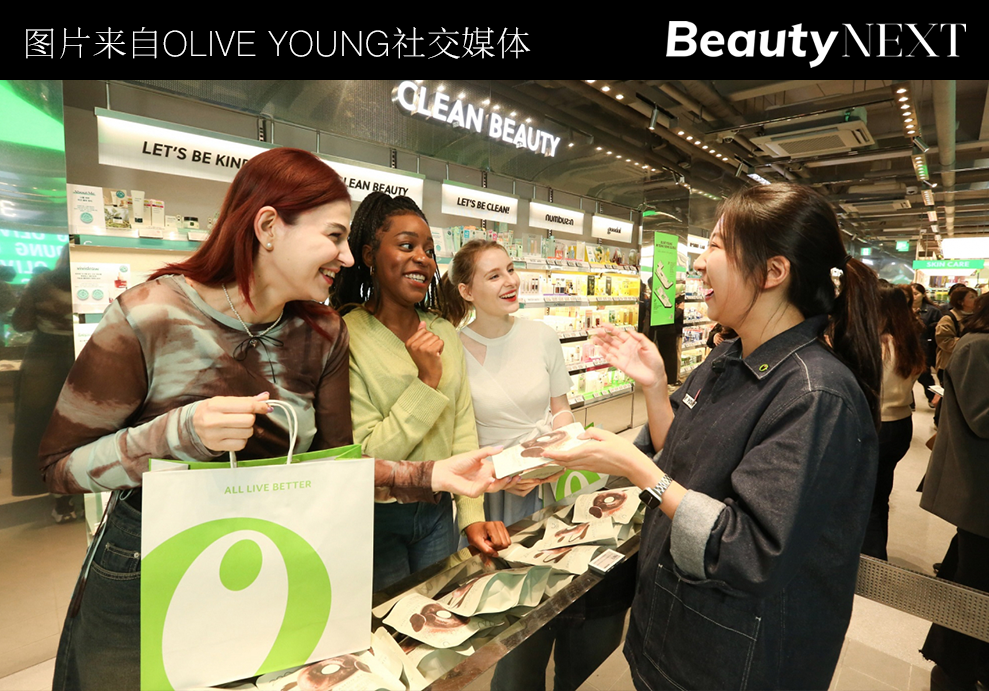
美妆联名回潮,但一半以上都是无效投入?2025美妆联名盘点
3 6 Ke· 2025-08-26 12:35
Core Insights - The rise of the "Guzi Economy" has become a significant trend among Generation Z consumers, with IP marketing emerging as a crucial strategy for brands aiming to attract younger audiences [1][4] - The beauty industry is witnessing a resurgence in IP collaborations, with many brands launching co-branded products in anticipation of major sales events like Qixi Festival [4][9] Industry Trends - There has been a notable increase in the number of beauty brands engaging in IP collaborations, with nearly 50 brands participating this year, reflecting a competitive market environment [4][9] - The types of IPs being utilized have expanded beyond traditional categories, now including popular games, novels, and even food and beverage brands, indicating a diversification in collaboration strategies [9][21] Marketing Strategies - Successful IP collaborations are often viewed as a more cost-effective alternative to celebrity endorsements, with brands achieving significant sales through strategic partnerships [10][14] - Brands are increasingly leveraging social media platforms and influencer marketing to promote their IP collaborations, enhancing visibility and engagement [18][19] Challenges and Risks - Many beauty brands face challenges in executing effective IP collaborations due to a lack of understanding of the IP economy and insufficient budgets, leading to ineffective partnerships [33][37] - Quality control issues have arisen, with some brands experiencing backlash due to poor execution of IP collaborations, highlighting the importance of aligning brand values and audience expectations [44][46] Future Outlook - The beauty industry is expected to see a normalization of IP collaborations, similar to trends observed in the beverage sector, but brands must focus on product quality and innovative designs to stand out [9][48] - As competition intensifies, brands will need to invest more in product development and marketing strategies to maintain relevance and appeal to discerning consumers [48]

为进穆斯林市场,连AI医疗都要做清真认证了
Hu Xiu· 2025-08-26 09:11
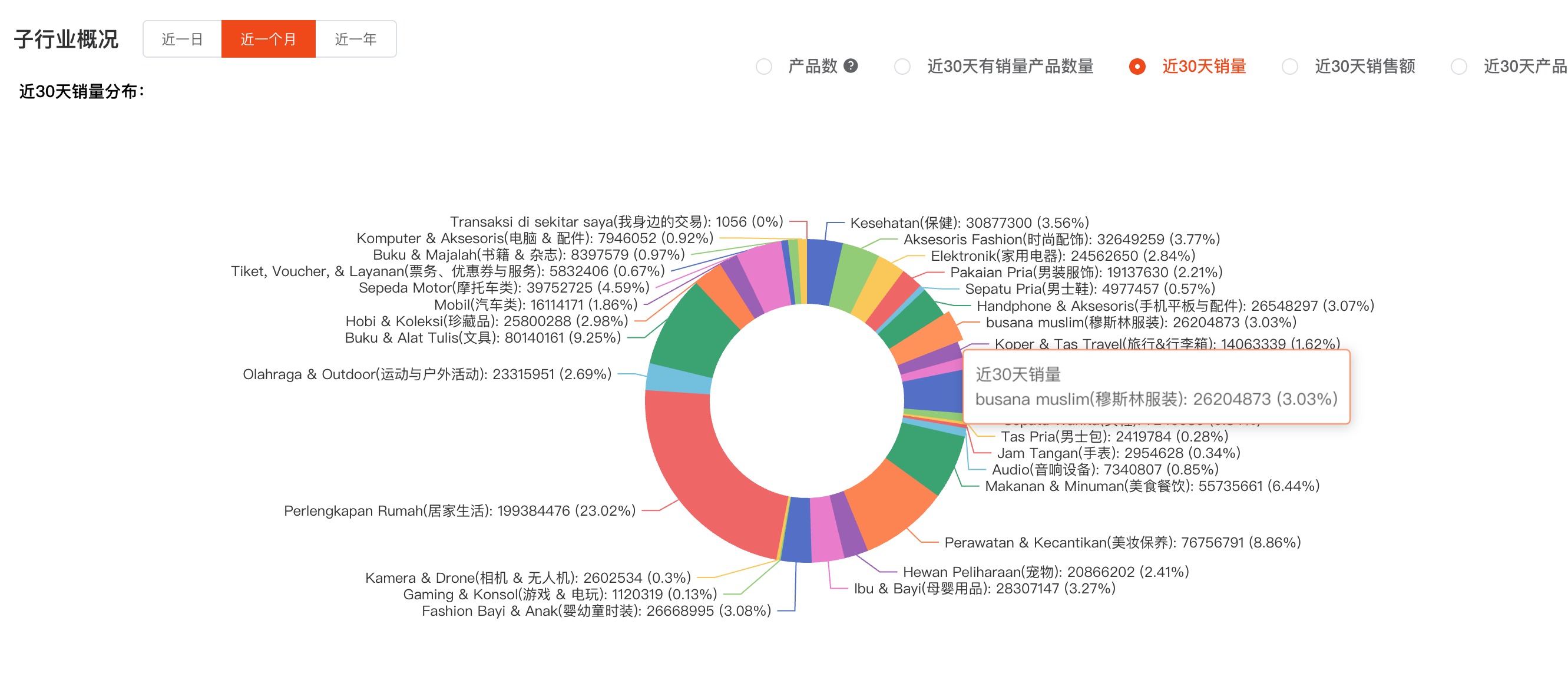
Market Size and Potential - The global Islamic finance market is projected to reach $3.18 trillion by 2024, while the halal food and beverage market was valued at $2.09 trillion in 2021, and the halal cosmetics market is expected to reach $47.7 billion by 2024 [2] - The Muslim market, with over 2 billion people, remains largely untapped by Chinese companies, contrasting with the intense competition faced by these companies in Western markets [2] Challenges and Barriers - Entering the Muslim market involves navigating cultural, religious, and commercial barriers, with many Chinese companies struggling with halal certification and local regulations [3][23] - Issues such as unfamiliarity with local contract laws and the complexities of halal certification processes have led to significant financial losses for Chinese contractors in the Middle East [3][24] Key Markets and Consumer Segments - Key markets for Chinese companies include Indonesia, Malaysia, Saudi Arabia, and the UAE, with a focus on sectors like home goods, food, beauty, and maternal and infant products [4][9] - The demand for Muslim fashion on platforms like TikTok is particularly strong, with peak sales periods around significant events like Ramadan [5][6] Halal Certification Importance - Halal certification is crucial for products that come into contact with skin or are ingested, and the certification process can be lengthy and complex, often taking up to six months [11][17] - The certification not only ensures compliance with religious standards but also signals respect for Muslim culture, which can influence consumer choices [16][18] Emerging Opportunities - The construction sector in Muslim countries is experiencing growth due to initiatives like Saudi Arabia's Vision 2030 and Indonesia's new capital plan, creating demand for infrastructure projects [9] - New technology infrastructure, such as data centers, presents additional opportunities for Chinese companies, leveraging their experience in these areas [9] Cultural and Operational Challenges - Cultural differences, such as local labor practices and religious observances, pose operational challenges for Chinese companies, requiring adaptations in management and logistics [27] - Legal complexities in contract negotiations and compliance with local laws can lead to significant risks for companies unfamiliar with the market [24][25]
毛戈平20250825
2025-08-25 09:13
Summary of Conference Call Industry Overview - The 2024 cosmetics market is showing a trend towards female-oriented consumption, with the high-end cosmetics segment performing exceptionally well, indicating significant potential for market upgrades [2][4] - Within high-end cosmetics, the base makeup category accounts for over 50% of the market share, making it the largest category, with structural upgrades driving the high-end trend [2][5] Key Insights and Arguments - The high-end base makeup price segment is growing faster than the mass price segment, with average prices across all price ranges on platforms like Tmall increasing [2][5] - Over the past five years, the overall average price of base makeup has consistently risen, with high-end brands on Tmall and Douyin showing a significantly higher market share compared to other categories, indicating a strong demand growth [2][5] - The company has seen a steady increase in its overall market share, with a growth rate from 2019 to 2023 that is only surpassed by USL and NAS. In 2023, the company achieved a 2% market share in the cosmetics sector, ranking 15th overall and 8th among high-end brands [2][6] Company Performance and Strategies - The company's online market share is increasing at a rate that far exceeds other foreign high-end brands, attributed to strong performances in traditional categories such as foundation, cushion, concealer, and highlighter, with these products ranking in the top ten [2][6] - The company is actively expanding into new product lines, such as black cream and skin clothing, which are expected to become new growth points and further solidify its position in the high-end base makeup market [2][6] Product Development Advantages - The company boasts a strong product development capability, led by a team centered around "Teacher Wang" and an artistic committee that deeply understands domestic consumer needs, continuously improving product quality [3][7] - This technical insight and research capability enable the company to launch high-quality products tailored to the characteristics of Chinese consumers, supporting its core competitiveness [3][7] Future Growth Drivers - From an investment perspective, the main drivers for the company's future development are the trend towards high-end base makeup products and the company's multi-faceted product layout strategy [2][8] - These factors together form the company's core competitive advantage, allowing it to maintain market leadership and achieve stable growth [2][8]
星徽精密股权变动!星野投资 6.99% 股份协议转让王晓东,3200 万股作价 1.44 亿元 | 每日并购
Sou Hu Cai Jing· 2025-08-21 06:36
Group 1: Equity Transfer Event - Xingye Investment transferred its 6.99% stake in Xinghui Precision to Wang Xiaodong, involving 32 million unrestricted circulating shares at a price of RMB 4.50 per share, totaling RMB 144 million [1] Group 2: Foreign Acquisition Event - KKR plans to acquire South Korean beauty packaging manufacturer Samhwa for 800 billion KRW, approximately RMB 4.16 billion, marking a significant acquisition in the Asian market this year [2]

毛戈平(01318):25H1增长亮眼,净利增速超35%
HTSC· 2025-08-13 03:41
Investment Rating - The report maintains a "Buy" rating for the company with a target price of 127.89 HKD [6][4]. Core Insights - The company is expected to achieve a revenue of 25.7-26.0 billion RMB in 25H1, representing a year-on-year growth of 30.4%-31.9%, and a net profit of approximately 6.65-6.75 billion RMB, reflecting a year-on-year increase of 35%-37% [1]. - The growth is attributed to the company's commitment to creating value for consumers and the increasing recognition of its brand as a high-end product, which is driving long-term business growth [1]. - The company is experiencing rapid growth in its foundation makeup, color cosmetics, and skincare categories, while the fragrance category is expected to provide new growth opportunities in the long term [1]. Online Performance - In 1H25, the company's GMV on Douyin reached 7.87 billion RMB, up 50% year-on-year, while GMV on Taobao and JD.com increased by 44% and 77% respectively, leading to a total GMV of approximately 14.4 billion RMB, also up 50% year-on-year [2]. - The strong growth in the color cosmetics segment, particularly in products like powder and cushion foundations, is helping the brand expand its market presence [2]. Offline Expansion - The company continues to expand its presence in high-end shopping malls, successfully entering locations such as Beijing SKP and upgrading its flagship store in Hangzhou [3]. - The company is also steadily expanding its stores in second and third-tier cities, with improvements in single-store efficiency noted since March [3]. Profit Forecast and Valuation - The company’s net profit forecasts for 2025-2027 are 11.75 billion RMB, 15.33 billion RMB, and 19.17 billion RMB respectively, with corresponding EPS of 2.40, 3.13, and 3.91 RMB [4]. - The report assigns a PE ratio of 38 times for 2026, maintaining the target price at 127.89 HKD, which reflects the company's strong product potential and sustained revenue growth across both online and offline channels [4].
底妆市场与消费者洞察报告-青眼情报
Sou Hu Cai Jing· 2025-07-25 14:23
Market Overview - The Chinese foundation makeup market is expected to grow steadily, with the market size increasing from 73.19 billion yuan in 2022 to 93.70 billion yuan in 2024, and is projected to exceed 100 billion yuan in 2025, indicating a healthy and active industry phase [1][9][10] - Online sales are dominated by Douyin, which holds a 51.23% share of the online GMV, followed by Taobao with 29.02%, while Pinduoduo has surpassed JD, highlighting the potential of lower-tier markets [1][12][15] Consumer Insights - The core consumer group is aged 31-35, with 37.54% residing in third-tier cities or below; nearly 90% of consumers have skin blemishes, emphasizing the demand for coverage and long-lasting makeup [2][5] - Daily commuting (64.36%) and social gatherings (85.64%) are the primary usage scenarios, with consumers preferring natural makeup (70.24%) and valuing lightweight, breathable, and long-lasting products [2][5] Product Trends - The market is witnessing continuous upgrades in long-lasting makeup technology, with brands like Caitang and Laose achieving 24-hour wear through patented technologies; the trend of combining makeup with skincare is becoming mainstream [2][7] - Scene-specific innovations, such as mini portable products and exclusive solutions for different occasions, are gaining popularity, along with cultural empowerment and IP collaborations enhancing product appeal [2][7] Competitive Landscape - The foundation makeup category is primarily dominated by basic foundation products, with Douyin users showing a strong preference for three-dimensional makeup effects [1][16] - Estee Lauder leads the foundation liquid market on Taobao, while Douyin is dominated by brands like Passional Lover; in the cushion category, YSL has a significant advantage on Taobao, while Douyin is a stronghold for domestic brands like Ruikefu and Laose [1][25][29] Category Performance - The foundation makeup products can be categorized into four main types: base makeup, makeup primer, local touch-up products, and setting products [7] - The basic foundation category holds a dominant position across platforms, with Douyin's local touch-up category accounting for 8.7%, reflecting users' pursuit of a three-dimensional makeup look [1][16]

HBN与潘通合作,韩束又获奖了
Ge Long Hui· 2025-07-12 18:59
Group 1 - MISTINE collaborates with the popular game "Light and Night of Love" to launch new products including sunscreen and cushion foundation, featuring game-themed designs to attract young consumers [2] - Face Gym, a UK skincare brand, receives investment from Reliance Industries, led by Mukesh Ambani, indicating interest in the international beauty market and providing strong financial support for global expansion [3] - Upm's brand Han Shu wins the Rongge Technology Innovation Award for its "X Peptide Cream" and has filed a patent for a hair loss prevention composition, showcasing innovation in the personal care sector [5] Group 2 - Henkel appoints Rajat Agarwal as North America President, effective July 1, 2025, to drive growth in the personal care business, strengthening the connection between packaging strategy and product portfolio [6] - Changzhou Baijiji Biopharmaceutical Co., Ltd. responds to IPO review and forecasts its functional skincare business to achieve breakeven by Q4 2027, with projected revenues of 73.14 million, 88.58 million, and 108.96 million over the next three years [7] - HBN collaborates with Pantone to define "Oriental Native White," creating four color cards and scientifically analyzing its texture, enhancing brand visibility in the color trend space [8]
【毛戈平(1318.HK)】厚积薄发,东方美妆容天下——投资价值分析报告(姜浩/孙未未/朱洁宇)
光大证券研究· 2025-05-11 13:28
Core Viewpoint - The article highlights the success of MAOGEPING (MGP) as the only domestic high-end cosmetics brand in China, driven by the founder's expertise and influence, achieving significant revenue and profit growth in recent years [3]. Company Summary - MAOGEPING was founded by renowned makeup artist Mao Geping and includes two major beauty brands: MAOGEPING and Zhi Ai Zhong Sheng, along with a makeup artistry training business [3]. - In 2023, MGP ranked 12th among the top 15 high-end beauty brands in China, with a market share of 1.8% [3]. - The company is projected to achieve a revenue of 3.885 billion yuan in 2024, representing a year-on-year growth of 34.6%, and a net profit of 881 million yuan, with a growth of 32.8% [3]. - From 2021 to 2024, the compound annual growth rates (CAGR) for revenue and net profit are expected to be 35.0% and 38.6%, respectively [3]. Industry Analysis - The Chinese cosmetics industry is in a growth phase, with skincare and makeup markets reaching 463 billion yuan and 116.8 billion yuan in 2023, respectively [4]. - The CAGR for skincare and makeup from 2018 to 2023 was 8.4% and 4.7%, with projections for 2023 to 2028 at 8.7% and 8.4% [4]. - The high-end segment is currently dominated by international brands, but domestic brands are increasingly emerging, with a shift from marketing-heavy strategies to brand development [4]. - The positioning of domestic and international brands has diversified, with high-end domestic brands gaining traction and pricing comparable to international counterparts [4]. Competitive Advantages - The brand's strength lies in its deep-rooted expertise as a makeup artist brand, which generates significant consumer recognition and loyalty [5]. - MGP has successfully created unique products that reflect Eastern aesthetics, particularly in the facial makeup category, with a comprehensive SKU layout compared to both domestic and international brands [5]. - The combination of product quality and enhanced service experiences strengthens brand perception and differentiates MGP from international competitors [5].