AI微短剧

Search documents
2025年,微短剧精品化走到哪步了?
腾讯研究院· 2026-02-11 08:57
Core Insights - The micro-short drama market has rapidly expanded from 3.68 billion yuan in 2021 to 50.44 billion yuan in 2024, marking a growth of over 13 times [2] - By June 2025, the user base for micro-short dramas is expected to reach 696 million, accounting for nearly 70% of internet users [4] Group 1: Quality and Content Evolution - The production quality of micro-short dramas has shifted towards a more "cinematic" standard, moving away from the initial reliance on rapid production and traffic-driven models [4][5] - The average production cost for micro-short dramas has increased from 200,000-300,000 yuan to 400,000-700,000 yuan, with top productions reaching investment levels in the millions [5] - Notable directors and actors have entered the micro-short drama space, enhancing the artistic quality and depth of content [5] Group 2: Thematic and Narrative Development - Micro-short dramas are increasingly focusing on mainstream themes, with a push towards realism and relatable storytelling as guided by regulatory bodies [6] - Successful examples include "Home and Away," which combines historical context with personal stories, and "Parrot," which addresses themes of loyalty and national unity [6] Group 3: Market Diversification and Innovation - The industry has seen a diversification of formats, including horizontal and vertical screen dramas, as well as the integration of animation [7] - AI technology is being leveraged to enhance content creation, with significant growth in AI-generated short dramas, showing a compound annual growth rate of over 80% [12] Group 4: Platform Strategies and Business Models - Video platforms are adopting differentiated strategies to promote the quality of micro-short dramas, emphasizing a consensus that "quality is the lifeline" [9] - The commercial model is evolving, with platforms implementing revenue-sharing mechanisms to incentivize high-quality content production [11] - The rise of free short dramas is shifting the focus from mere viewership to creative content, fostering a healthier industry ecosystem [11] Group 5: Future Opportunities and Challenges - The integration of micro-short dramas with various sectors, such as tourism and sports, is seen as a potential growth area for service consumption [16] - The industry is encouraged to further explore the use of AI in content creation, aiming for a balance between efficiency and quality [17]


沪游双周报|上海、厦门发布支持游戏电竞产业发展政策
Xin Lang Cai Jing· 2026-01-27 08:16
Policy Updates - Beijing's Shijingshan District plans to build a game museum branch and aims for the gaming industry's revenue to reach 31 billion yuan by 2026 [1] - The Beijing Municipal Bureau of Economy and Information Technology will support the intelligent transformation of game software in 2026, enhancing AI capabilities and assisting game engine technology [1] - Huairou District announced support for the esports gaming industry during a cultural tourism development conference, signing agreements with major companies [1] - Shanghai's government issued measures to promote the gaming and esports industry, including rewards for original games and AI-native games [1] - Xuhui District aims to strengthen the gaming industry chain and enhance cultural soft power as part of its development plan [1] - Haizhu District in Guangzhou will provide up to 5 million yuan in support for the gaming industry, focusing on innovation and international expansion [1] Industry Insights - The Chinese esports industry generated 29.331 billion yuan in revenue in 2025, with a year-on-year growth of 6.4% and a user base exceeding 495 million [2] - The actual sales revenue of esports games reached 170.051 billion yuan, marking an 18.96% increase [2] - The 2025 report highlighted Shanghai, Chengdu, and Chongqing as the top cities for hosting offline esports events [2] Events and Activities - The 21st China Game Industry Annual Conference will be held in Jiangxi, focusing on high-quality development paths for the gaming industry [4] - The 13th Golden Tea Awards attracted over 600 gaming companies, providing a platform for industry recognition and collaboration [5] - The 2026 Beijing IP Licensing Expo will take place from May 29 to 31, aiming to integrate IP with various industries [5] - Global Game Jam 2026 in China will occur from January 30 to February 1, encouraging participants to develop game demos within 48 hours [5]
宏观政策瞭望|加快培育新增长点 服务消费政策支持料加码
Zhong Guo Zheng Quan Bao· 2026-01-19 00:31
Core Viewpoint - The Chinese government is accelerating the cultivation of new growth points in service consumption, with a focus on various sectors such as the silver economy, green consumption, and cultural and sports consumption, supported by multiple policies at both national and local levels [1][2]. Policy Support - The State Council's meeting on January 16 emphasized the need to foster new growth points in service consumption, encouraging the emergence of new business models and enhancing the quality of service supply [2]. - Eight departments, including the Ministry of Civil Affairs, released measures to support the silver economy, particularly through technology-enabled elderly care services [2]. - The Ministry of Commerce and nine other departments issued a notice to promote green consumption, focusing on areas like green dining and accommodation [2]. Technological Integration - Experts believe that the integration of digital and intelligent technologies into service consumption can enhance supply-demand matching efficiency and expand the scale of service consumption [3]. - Local governments are also prioritizing the use of digital technologies to improve service quality and expand consumption [2]. Sector-Specific Support - The Ministry of Commerce has identified several service consumption sectors with high growth potential, including transportation, housekeeping, online audio-visual services, and experiential services, and is working to refine support policies [4]. - The Ministry of Transport is considering measures to expand yacht consumption, indicating a focus on niche markets within service consumption [5]. Financial Support - Financial support policies for the service consumption sector are expected to broaden, with the People's Bank of China planning to include the health industry in its support for service consumption and elderly care loans [6]. - The Ministry of Civil Affairs is collaborating with relevant departments to develop specialized financial support policies tailored to the characteristics of the elderly care industry [6]. Financial Pathways - Financial development can enhance service consumption through various pathways, including improving residents' income and encouraging investment in consumer-oriented enterprises [7]. - There is a pressing need for long-term funding in service consumption enterprises, which rely heavily on physical stores and supply chains, necessitating the use of loans and innovative financial products [7].
加快培育新增长点 服务消费政策支持料加码
Zhong Guo Zheng Quan Bao· 2026-01-18 21:05
Core Viewpoint - The Chinese government is accelerating the cultivation of new growth points in service consumption, with a focus on various sectors such as the silver economy, green consumption, and cultural and sports consumption, supported by multiple policies and local initiatives [1][2]. Policy Support - The State Council's meeting on January 16 emphasized the need to foster new growth points in service consumption, encouraging the emergence of new business models and enhancing the quality of service supply [2][4]. - Eight departments, including the Ministry of Civil Affairs, released measures to support the silver economy through technology-enabled elderly care services [2]. - The Ministry of Commerce and nine other departments issued a notice to promote green consumption, focusing on areas like green dining and accommodation [2]. Technological Integration - Experts believe that the integration of digital and intelligent technologies into service consumption can enhance supply-demand matching efficiency and expand the scale of service consumption [3]. - Local governments are prioritizing the use of digital technologies to improve service quality and expand consumption, with initiatives in cities like Shanghai and Jiangsu promoting AI and innovative service products [2][4]. Financial Support - Financial support policies for the service consumption sector are expected to expand, with the People's Bank of China indicating plans to include the health industry in support measures for service consumption and elderly care [6]. - The Ministry of Civil Affairs is working on specialized financial support policies to encourage social capital participation in the elderly care sector [6][7]. Market Potential - The potential for service consumption in China is significant, with calls for innovative and diversified consumption scenarios to attract more social capital and meet the diverse needs of high-income groups [5][7]. - The Ministry of Transport is exploring measures to expand yacht consumption, highlighting the broad opportunities within the service consumption market [5].
上海28条新政锻造消费“强磁场”
Xin Lang Cai Jing· 2026-01-15 14:14
Core Insights - Shanghai's "28 Measures" aim to stimulate consumption through a systematic restructuring of the supply side rather than simple financial incentives, focusing on enhancing quality and efficiency in various sectors [2][8][20] Group 1: Policy Measures - The measures include 28 specific policies designed to optimize the supply side and activate the entire consumption chain [2][8] - The policies encourage financial institutions to develop tailored financial products for emerging consumption scenarios such as holiday, night, nostalgic, and two-dimensional economies [4][16] - The initiative promotes the integration of financial services with cultural and tourism sectors, aiming to create a comprehensive ecosystem that supports both supply and demand [5][17] Group 2: Financial Innovations - The measures facilitate the securitization of personal consumption loans, which can enhance banks' lending capabilities and foster a positive cycle of financial support for consumption [4][17] - Innovations in financial products are expected to extend beyond traditional large-item purchases to include experiences like themed exhibitions and night markets [4][16] - The optimization of inclusive insurance products provides a safety net for consumers, alleviating concerns and encouraging spending [5][17] Group 3: Digital Content and AI - The development of AI micro-dramas is highlighted as a key area for cultural consumption, with policies aimed at creating a hub for this content and fostering talent through competitions [6][18] - The integration of AI technology is expected to lower production costs and increase output efficiency in the digital content sector, leading to significant market growth [21][22] - The cross-industry collaboration between micro-dramas and tourism or commerce is anticipated to open new monetization channels for advertising and brand placement [21][22] Group 4: Industry Integration - The measures emphasize the deep integration of cultural, tourism, and commercial sectors, breaking down barriers and creating new opportunities for resource consolidation [10][22] - The focus on experiential consumption is expected to transform traditional shopping centers into experience centers, enhancing customer retention and rental income [10][22] - The promotion of event-driven consumption models, such as "travel with events," is likely to benefit the sports industry and related sectors [10][22] Group 5: Retail and Service Upgrades - Retail and service industries are encouraged to adopt digital tools for comprehensive upgrades, leading to innovations like unmanned retail and smart business districts [11][23] - The policies aim to expand the production service sector, including advertising and market research, to better align with high-quality consumer demand [11][23] - Sectors related to healthcare, childcare, and green consumption are expected to be activated through policy guidance and financial support, creating new family consumption engines [11][23]
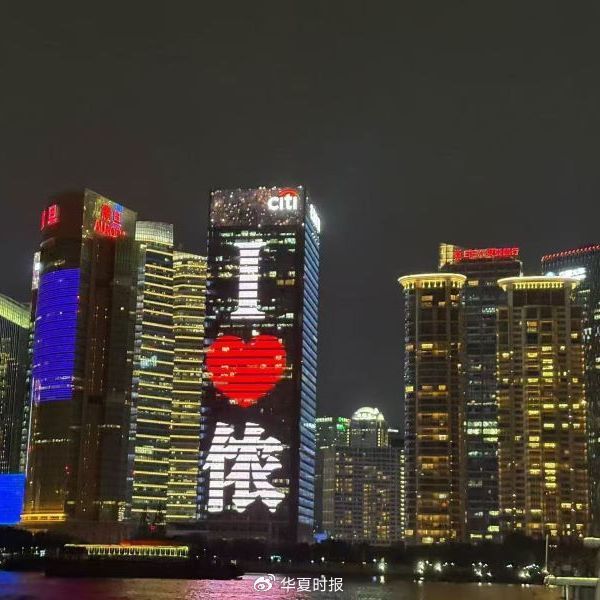
发布28条政策促进消费和服务业联动发展 上海:优化汽车贷款流程 放宽申请条件
Zhong Guo Zheng Quan Bao· 2026-01-13 21:03
Group 1 - The core viewpoint of the article is the introduction of 28 policy measures by the Shanghai Municipal Government to enhance service quality and boost consumption across six key sectors: finance, information services, transportation, cultural and entertainment services, life services, and inspection and certification [1][3] Group 2 - In the financial sector, the measures encourage innovation in financial products tailored to new consumption trends, such as holiday, night, nostalgic, and anime economies, and include personal consumption loan interest subsidies and optimized auto loan processes [1][2] - In transportation services, the government supports airlines in launching new international routes and developing luxury tourism trains, as well as enhancing airport commercial layouts to create composite consumption scenarios [2] - In the cultural and entertainment sector, there is a focus on promoting the gaming and esports industry, supporting the development of original IP games, and incentivizing quality micro-short film content creation [2] Group 3 - The next steps involve ensuring the effective implementation of the measures by coordinating service supply with consumer demand, promoting digital, green, and intelligent consumption, and enhancing service quality [3] - The government aims to create a favorable environment for sustained consumption growth by implementing fiscal and financial support policies and improving service quality management and brand building [3]
利好来了!刚刚,上海重大发布!28条举措,涉及消费
Xin Lang Cai Jing· 2026-01-13 07:20
Core Viewpoint - The Shanghai Municipal Government has issued a set of measures aimed at enhancing service quality and boosting consumption, focusing on the interconnection between service industries and consumer demand through 28 specific initiatives [1][8]. Group 1: Policy Measures - The measures support the innovation and development of comprehensive platform enterprises, including e-commerce and life service platforms, while promoting specialized consumption platforms in areas such as maternal and child care, housekeeping, and elderly care [1][8]. - The government aims to optimize the automotive loan process by relaxing application conditions and determining reasonable loan issuance ratios, terms, and interest rates [2][9]. - The measures encourage financial institutions to innovate consumer financial services tailored to new consumption characteristics, including holiday, night, nostalgic, and subculture economies [4][10]. Group 2: Financial Support and Infrastructure - There is a focus on enhancing financial support for consumer infrastructure, encouraging financial institutions to back key projects in commercial facilities and community service upgrades [4][10]. - The measures promote the issuance of real estate investment trusts (REITs) for consumer infrastructure and support eligible projects in applying for local government special bonds [4][10]. Group 3: Cultural and Entertainment Sector - The measures aim to invigorate the cultural and entertainment sectors by enhancing the supply of cultural performances and exhibitions, supporting high-level paid exhibitions, and developing cultural products [6][12]. - There is an emphasis on leveraging the spillover effects of sports events by attracting well-known brand events and creating proprietary sports event IPs, with incentives based on the economic impact of these events [6][12]. Group 4: Gaming and Short Video Content - The government plans to promote the development of the gaming and esports industry by establishing a globally influential proprietary event system and supporting high-quality original games and esports projects [7][13]. - Support for the creation of quality micro-short films is included, with initiatives to attract creators and provide rewards for outstanding projects [7][13]. Group 5: Health Services - The measures encourage the development of high-end medical services and diversified health industries, including medical tourism and various health insurance products [7][13].
利好来了!刚刚,上海重大发布!28条举措,涉及消费
券商中国· 2026-01-13 07:19
Core Viewpoint - The article discusses the recent policy measures introduced by the Shanghai Municipal Government aimed at enhancing service quality and boosting consumption through a series of initiatives that focus on innovation, financial support, and infrastructure development [1][3][4]. Group 1: Policy Measures Overview - The Shanghai Municipal Government has issued 28 specific measures to promote the quality and efficiency of the service industry and stimulate consumption [1]. - The measures emphasize the importance of quality supply, new growth areas, and addressing weak links in the service sector [1]. Group 2: Financial Support and Innovation - The measures include optimizing auto loan processes, relaxing application conditions, and promoting diverse credit products in large consumption areas like green smart home and home decoration [3]. - Financial institutions are encouraged to innovate consumer financial services tailored to new consumption trends, including holiday and night economies [3]. Group 3: Insurance and Infrastructure - The policy supports innovation in insurance products, enhancing coverage for specific groups and small businesses in the service sector [4]. - There is a focus on strengthening financial support for consumer infrastructure projects, including the issuance of real estate investment trusts (REITs) and local government bonds [4]. Group 4: Cultural and Sports Sector Development - The measures aim to invigorate the cultural and sports sectors by supporting high-level exhibitions and events, as well as enhancing the commercial viability of public sports venues [7]. - There is a push to develop a globally influential esports brand and support for original gaming IPs and high-profile gaming events [8]. Group 5: Health and Wellness Services - The initiatives encourage the development of high-end medical services and diverse health insurance products, promoting international medical services and medical tourism [8].

刚刚,上海宣布大利好
Zhong Guo Ji Jin Bao· 2026-01-13 04:14
Core Viewpoint - Shanghai has released 28 measures to promote the quality improvement and expansion of the service industry and consumption, focusing on optimizing supply and expanding demand to drive mutual growth [1][2]. Group 1: Background and Objectives - The measures are in response to the 20th National Congress of the Communist Party's call to expand domestic demand and enhance service consumption potential, with service industry value added growing by 5.9% and retail sales increasing by 5% in the first eleven months of 2022, both exceeding national averages [2][3]. - The aim is to create new growth points in service supply and consumption demand, facilitating high-quality development in the service sector [2][3]. Group 2: Key Measures - The measures focus on six key sectors: finance, information services, transportation, cultural and entertainment, life services, and inspection and certification, which together account for approximately 60% of the city's service industry value added and 70% of service consumption [5]. - Financial services will be enhanced by developing innovative products tailored to new consumption patterns, including personal consumption loans and insurance products [12][13]. - E-commerce platforms will be encouraged to shift from price competition to quality competition, driving offline consumption and enhancing service quality [14]. Group 3: Transportation and Cultural Services - Transportation services will be improved to connect various consumption scenarios, with initiatives to enhance service quality and develop diverse products [15][16]. - Cultural and entertainment sectors will see increased support for high-quality exhibitions and events, with measures to enhance the impact of sports events and promote the gaming and esports industry [17][18]. Group 4: Life Services and Quality Improvement - Life services will focus on improving the quality of home care, elderly care, and healthcare services, with specific initiatives to enhance service standards and accessibility [20][21][22]. - The measures aim to create a virtuous cycle of quality supply and consumer demand in life services [20]. Group 5: Brand and Standards Enhancement - The initiative includes strengthening brand certification and establishing a robust standard system to enhance consumer trust and service quality [23][24]. - The inspection and certification industry will be supported to improve service capabilities and foster a reliable consumption environment [24]. Group 6: Support and Talent Development - The government will enhance financial support and policy coordination to stimulate service industry growth and consumer spending [25][26]. - Talent attraction and development will be prioritized to ensure a skilled workforce in the service and consumption sectors [26].
TVB试水、福克斯入股,AI会“颠覆”微短剧吗?
Huan Qiu Shi Bao· 2025-11-04 22:53
Core Insights - The rise of AI-generated micro-dramas is transforming the entertainment landscape, with significant interest and investment in this sector [1][6] - The production costs for AI micro-dramas are substantially lower compared to traditional dramas, making it an attractive option for creators and platforms [5] Industry Trends - The micro-drama market is experiencing rapid growth, with platforms launching competitions and initiatives to explore various themes and formats, such as sci-fi and AI anthology series [4] - AI micro-dramas are characterized by their unique production process, which involves AI in scriptwriting and visual creation, leading to innovative storytelling [3][4] Market Potential - The production of AI micro-dramas can be completed in a short timeframe, with a 10-episode series taking only 10 days and costing less than 6,000 yuan, excluding labor costs [5] - Despite the low costs, there are challenges regarding originality and character development, as many AI-generated scripts tend to follow formulaic patterns [5] Global Perspective - The vertical streaming market is the fastest-growing segment in the entertainment industry, with companies like Fox Entertainment investing in AI-driven content creation [6] - Concerns about AI's impact on traditional roles in Hollywood are rising, leading to contractual stipulations regarding AI usage in creative processes [6]