Jing Ji Guan Cha Bao

Search documents
“石油小城”房价何以未跌反涨
Jing Ji Guan Cha Bao· 2025-10-05 12:14
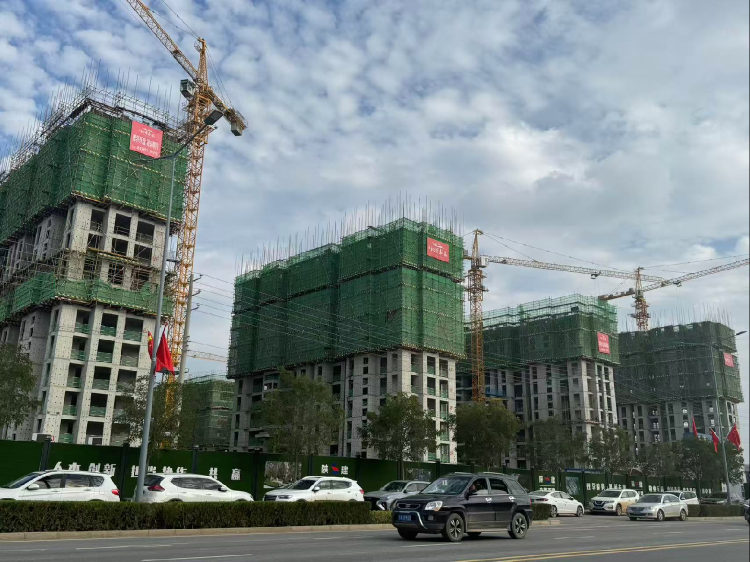
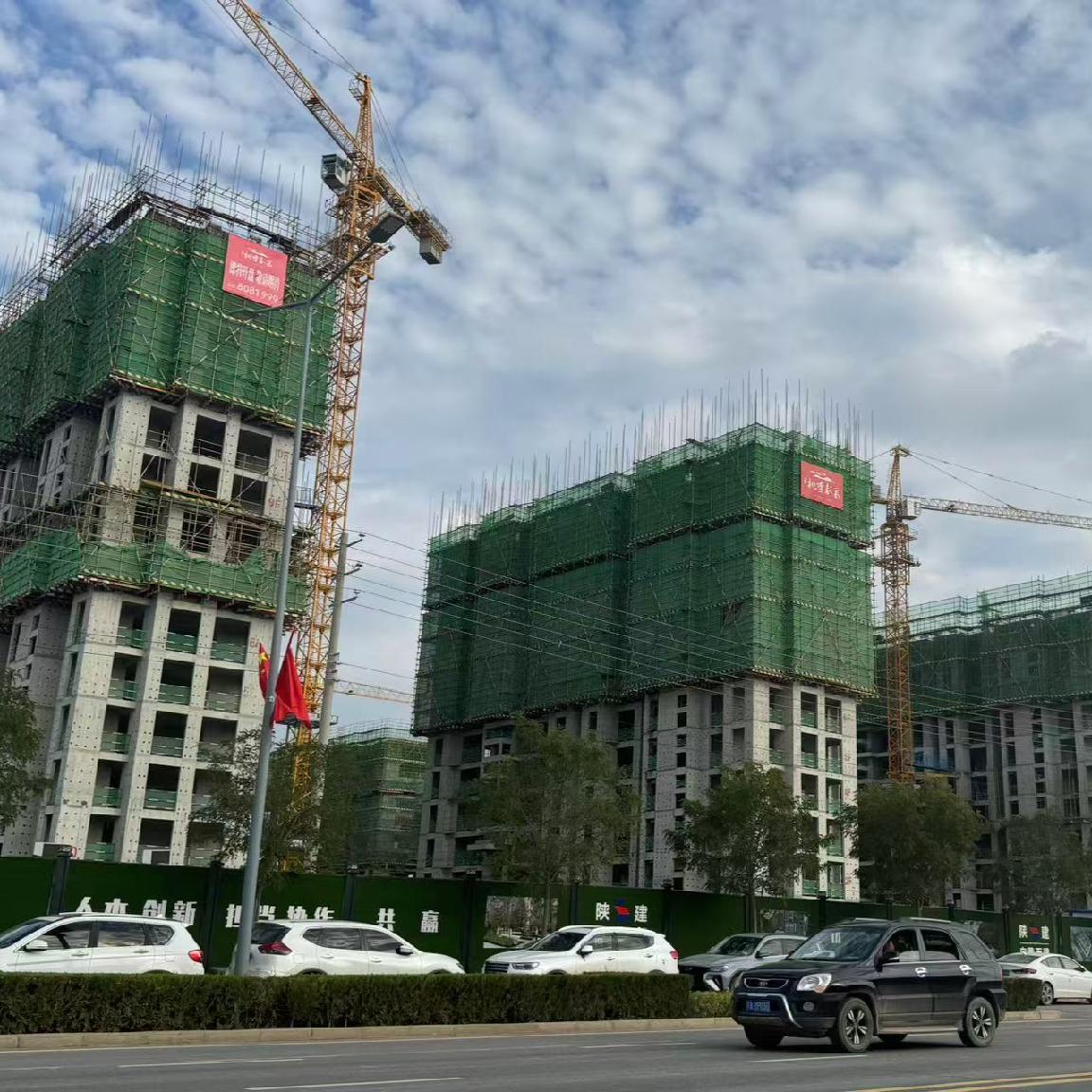
Core Viewpoint - The real estate market in Dingbian County is experiencing significant price increases, contrasting sharply with the declining market in Xi'an, the capital of Shaanxi Province [2][3][4]. Group 1: Price Trends - Dingbian County's new housing prices have risen over 25% in three years, with average prices exceeding 5000 yuan per square meter by October 2025, compared to less than 4000 yuan per square meter in 2022 [2][4]. - In contrast, Xi'an's second-hand housing prices have dropped by 10.1% year-on-year as of September 2025, with a nearly 25% decline over three years since reaching a peak of approximately 16,000 yuan per square meter in mid-2022 [3][4]. Group 2: Economic Factors - Dingbian County is recognized as a major oil and gas production area, contributing significantly to its local economy, with proven oil reserves of 1.618 billion tons and natural gas reserves of 300 billion cubic meters [4][5]. - The local economy heavily relies on the oil industry, which supports the demand for housing despite being a relatively small county with a population of around 360,000 [4][5]. Group 3: Demand Drivers - The demand for housing in Dingbian is driven by two main buyer categories: those purchasing for marriage and those seeking properties in desirable school districts [5][6]. - The influx of families moving from rural areas to the county for educational opportunities has created additional housing demand, contributing to sustained price increases [5][6]. Group 4: Market Sentiment - There is uncertainty about the sustainability of the current price increases, with some local residents expressing concerns that the rapid price growth may not be sustainable in the long term [6][7]. - The limited number of new housing projects in recent years has led to a scarcity of available properties, which has further fueled price increases [7].

香港二手房价格微跌 呈磨底企稳迹象
Jing Ji Guan Cha Bao· 2025-10-05 10:34
Core Insights - Hong Kong's secondary property prices showed signs of stabilization in Q2 2025, with the Centaline City Leading Index dropping 0.2% week-on-week to 139.94 during the week of September 22-28 [1] - Small units (under 100 square meters) saw a 0.2% month-on-month price increase, while large units (100 square meters and above) experienced a 2.7% decline [1] - Year-on-year declines narrowed to -3.8% for small units and -5.8% for large units, indicating an improvement compared to Q4 2024 [1] Property Market Trends - In 2025, low-priced new properties in the New Territories (such as Shatin, Tuen Mun, and Tseung Kwan O) gained popularity, accounting for 50% of transaction volume, while central urban areas still face inventory pressure [1] - The stamp duty policy was adjusted for residential units priced at HKD 4 million and below, reducing the stamp duty from HKD 60,000 to HKD 100, which is less aggressive than the comprehensive measures taken in 2023-2024 [1] - Despite the weaker policy measures, the proportion of mainland buyers increased to 17.74% in the first half of 2025, up from 5.90% in 2020, injecting new demand into the market [1] Economic Context - The recovery of Hong Kong's economy has led to improved income expectations, combined with a temporary easing of interest rates (such as a short-term decline in HIBOR), supporting the initial stabilization of the property market [1] - From January to August 2025, the private residential price index only slightly decreased by 0.24%, indicating signs of price stabilization after a bottoming out [1]
2025假日季消费延续增长态势 品牌成企业出海“杀手锏”
Jing Ji Guan Cha Bao· 2025-10-05 09:03
Core Insights - The holiday season is a crucial growth window for Chinese brands expanding overseas, with a projected 1.2% increase in U.S. holiday retail sales for 2025, marking the lowest growth since 2009 [1] - Consumer behavior is shifting towards more rational spending, with a significant portion of consumers in the UK and Germany prioritizing price in their shopping decisions, presenting new opportunities for Chinese brands [1][2] Group 1: Consumer Trends - Consumers are preparing for holiday shopping earlier, with 50% of U.S. shoppers planning to complete most purchases before Black Friday [1] - There is an increasing emphasis on rational consumption, with over 80% of consumers in the UK and Germany focusing more on price comparisons [2] - The shopping decision-making process is becoming more complex, with cross-platform and multi-touchpoint behaviors becoming more prominent [2] Group 2: Brand Strategy - Chinese brands need to balance short-term conversion with long-term brand asset accumulation, which is a key challenge for holiday marketing [2] - Successful brands focus on clear communication of core values and emotional connections with consumers rather than relying solely on discounts [3] - Brands that invest in building their brand equity during economic downturns tend to perform better in recovery periods, with stronger sales and marketing returns [4][6] Group 3: Marketing Channels - Despite the dominance of online channels, 80% of consumers still plan to visit physical stores, indicating a need for brands to navigate a complex cross-touchpoint environment [5] - Open Internet advertising, which covers 75% of users' digital media time, is becoming increasingly valuable for brands during the holiday season [5] - CTV (Connected TV) is emerging as a fast-growing medium, capturing 30% of U.S. consumers' digital media time, and is effective for enhancing emotional connections and interactions with audiences [5][6]
“石油小城”房价何以未跌反涨?
Jing Ji Guan Cha Bao· 2025-10-05 07:25
Core Viewpoint - The real estate market in Dingbian County is experiencing a significant upward trend, contrasting sharply with the declining prices in major cities like Xi'an, driven by high demand and limited supply [4][5][21]. Group 1: Real Estate Trends - Dingbian County's new housing prices have increased by over 25% in three years, with average prices surpassing 5000 yuan per square meter as of October 2025, compared to less than 4000 yuan in 2022 [4][5]. - In contrast, Xi'an's second-hand housing prices have dropped by 10.1% year-on-year as of September 2025, reflecting a broader trend of declining prices in many first- and second-tier cities [5][20]. - The county's real estate market is characterized by a scarcity of new housing projects, which has contributed to the rapid price increases [18]. Group 2: Economic Factors - Dingbian County is recognized as the largest oil and gas production county in China, with proven oil reserves of 1.618 billion tons and natural gas reserves of 300 billion cubic meters, significantly bolstering its local economy [7][8]. - The local economy heavily relies on the oil industry, which has led to increased disposable income among residents, further fueling demand for housing [8][9]. Group 3: Buyer Demographics - The primary buyers in Dingbian's real estate market include those purchasing homes for marriage and families seeking to secure school placements for their children, indicating a strong demand for housing [9][10]. - The trend of rural population migration to urban areas has intensified, with many families moving to the county for educational opportunities, thereby increasing housing demand [12]. Group 4: Market Sentiment and Future Outlook - Despite the current upward trend in housing prices, there are concerns about sustainability, with some residents expressing doubts about the long-term viability of the price increases [15][17]. - The potential influx of new housing projects in the coming years may shift the supply-demand balance, leading to uncertainty about future price stability [19].
寻找“受尊敬”企业系列报道之四:人力资本即核心竞争力,从薪酬榜单看企业长期主义
Jing Ji Guan Cha Bao· 2025-10-05 06:46
Core Insights - The article emphasizes that employee compensation is a crucial indicator of a company's sustainable development capability, reflecting corporate governance, strategic determination, and social responsibility [1][15] - The ongoing increase in employee compensation over three years indicates stable profitability and a reasonable cost allocation mechanism within companies, allowing them to maintain basic employee protections amid external fluctuations [1][15] Industry Overview - A total of 1,291 companies in the A-share market have experienced continuous employee compensation growth from 2022 to 2024, covering 32 industry categories, with a significant presence in the real economy [2] - The mechanical equipment industry leads with 166 companies (12.86%), followed by electronics (122 companies, 9.45%), electrical equipment (115 companies, 8.91%), pharmaceutical biology (113 companies, 8.75%), automotive (109 companies, 8.44%), and basic chemicals (106 companies, 8.21%) [2] - The financial sector, particularly banks and insurance groups, shows a strong trend in employee compensation growth, with 37 companies (2.86%) in banking and non-banking financial services [2] Top Companies by Employee Compensation - The top ten companies by total employee compensation are all from the financial sector, indicating a strong correlation between asset scale, profitability, and employee welfare [3] - Agricultural Bank ranks first with a total employee compensation of 87.803 billion yuan, followed by China Construction Bank (60.661 billion yuan) and Bank of China (58.554 billion yuan) [5][6][7] - These companies demonstrate a commitment to employee welfare through various strategies, including performance-based pay, investment in talent development, and alignment of compensation with business growth [5][6][7][8][9] Trends and Characteristics - The continuous growth in employee compensation is linked to the companies' long-term vision and is indicative of their ability to adapt to macroeconomic conditions and industry upgrades [15] - High industry concentration is observed, with the majority of the top ten companies being financial institutions, reflecting strategic considerations in human resource allocation [15] - The linkage between compensation growth and business transformation is evident, with many companies investing in technology innovation and digital transformation [15] - A trend towards market-oriented incentive mechanisms is noted, with more companies adopting performance-based compensation systems to attract and retain key talent [15]



心理学上有一个词叫:五秒钟法则(战胜拖延的秘诀)
Jing Ji Guan Cha Bao· 2025-10-05 04:22
Core Points - The article discusses the common issue of procrastination and its psychological impacts on individuals, including feelings of guilt, self-doubt, and potential mental health issues like anxiety and depression [2][12]. Group 1: Causes of Procrastination - Four main reasons for procrastination are identified: lack of confidence in success, dislike of assigned tasks, distraction and impulsivity, and distant goals [3][4][8][11]. - Lack of confidence can stem from feeling overwhelmed by tasks or striving for perfection, leading to "initiation anxiety" [4][5]. - Disliking assigned tasks often relates to a sensitivity to control, resulting in a rebellious attitude towards imposed duties [6][7]. - In the digital age, distractions are prevalent, making it easy to shift focus from important tasks to more immediate pleasures [8][10]. - When goals seem too far away or unattainable, individuals may feel discouraged and prefer immediate gratification over long-term objectives [11]. Group 2: Strategies to Overcome Procrastination - Five methods to combat procrastination are proposed: the Five-Second Rule, regaining control, simplifying goals, pursuing deep work, and timely goal tracking [12][32]. - The Five-Second Rule, developed by Mel Robbins, encourages immediate action by counting down from five to one before starting a task [13][16][17]. - Regaining control involves reframing assigned tasks as personal challenges to reduce resistance and increase motivation [18][19]. - Simplifying goals by breaking them into smaller, manageable steps can help reduce the fear of large projects and promote quicker action [20][24]. - Pursuing deep work requires focusing on one task at a time, minimizing distractions, and achieving a state of flow [25][26][28]. - Timely goal tracking emphasizes the importance of enjoying the process of working towards goals rather than fixating solely on the end result [29][31].
曹县的“逆袭”,从一根网线开始 | 丰收新图景
Jing Ji Guan Cha Bao· 2025-10-05 03:37
Core Insights - The transformation of Cao County from a traditional agricultural economy reliant on labor export to a thriving e-commerce hub centered around the production and sale of performance costumes and Hanfu has occurred over a span of just over a decade [1][10][12]. Group 1: Economic Transformation - Cao County was previously one of the poorest counties in Shandong, with a GDP of 56.5 billion yuan in 2005, where labor income accounted for 30% of the GDP [1]. - The county's shift to e-commerce began with the establishment of online stores, particularly in the towns of Dajitown and Ancailou, which are now known as "Taobao villages" [1][2]. - By 2024, the Hanfu sales revenue from Cao County is projected to reach 8.75 billion yuan, marking a 21.28% year-on-year growth [12]. Group 2: E-commerce Development - The first e-commerce venture in Cao County was initiated by a young entrepreneur in 2008, leading to the establishment of a successful online store for performance costumes [2][3]. - The growth of e-commerce in the region has led to the establishment of a complete supply chain for the performance costume industry within a 5-kilometer radius of Dajitown [5]. - By 2021, the establishment of a Hanfu live-streaming base in Ancailou has significantly boosted local sales and engagement in the Hanfu market [11]. Group 3: Community Impact - The rise of e-commerce has dramatically improved the living standards of local villagers, with average annual incomes rising from around 1,000 yuan to 60,000 yuan [4][13]. - Infrastructure improvements have transformed the village environment, with new housing and amenities becoming commonplace, including luxury vehicles [14]. - The e-commerce boom has created approximately 350,000 job opportunities in Cao County, allowing residents of all ages to participate in various roles within the industry [12].
成都博物馆11月将举办亚欧非黄金服饰展
Jing Ji Guan Cha Bao· 2025-10-05 01:10
Core Viewpoint - The Chengdu Museum will host an exhibition titled "Gold Threads: The Art of Costume from North Africa to East Asia" from November 2025 to March 2026, showcasing the diversity and richness of gold-threaded costume culture and craftsmanship from various countries [1] Exhibition Details - The exhibition will feature no less than 110 foreign exhibits and around 30 domestic exhibits [1] - It will borrow exhibits and content from the Musée du quai Branly's exhibition, highlighting the long history of using gold in costume art across Asia and Europe [1] - The displayed items will include gold-threaded garments and materials from regions such as the Maghreb in Africa, South Asia, Southeast Asia, and East Asia, covering types like gold thread, everyday wear, wedding attire, festive costumes, and embroidered fabrics [1]
十月行记|闽南博饼
Jing Ji Guan Cha Bao· 2025-10-04 11:41
Core Points - The article discusses the traditional Mid-Autumn Festival game of "Bo Bing" in Xiamen, which involves rolling dice to win prizes, highlighting its cultural significance and unique gameplay mechanics [1][2][3] Group 1: Game Mechanics - "Bo Bing" involves rolling six dice in a bowl, with specific combinations corresponding to different prize levels, such as "one show" for one red four, and "champion" for four red fours [1] - The game has various prize levels, with "champion" being the highest, and multiple players can compete for the same title based on the combination rolled [1] - A unique situation called "six bo black" occurs when six identical non-red fours are rolled, leading to a collective prize for all players, showcasing a community aspect of the game [2] Group 2: Cultural Significance - The origins of "Bo Bing" are linked to the historical figure Zheng Chenggong, who created the game to boost morale among his troops during the Ming-Qing transition [2] - The number "four" holds special significance in Minnan culture, symbolizing good fortune and joy, which is reflected in the game's mechanics and the use of red dice [3] - "Bo Bing" has evolved from a family activity to a community event, with modern adaptations including practical prizes instead of traditional mooncakes [3] Group 3: Modern Adaptations - Businesses in Xiamen are organizing competitive "Bo Bing" events, with locations set up for consumers to participate and win prizes, including a chance to win a car [4] - The game fosters community bonding and celebrates local culture, with ongoing events that connect residents and promote local heritage [5]
香港家族企业为何就可以传承?
Jing Ji Guan Cha Bao· 2025-10-04 05:57
Core Insights - Hong Kong's business families, despite having a history of only a century, have successfully passed down their enterprises across multiple generations, attributed to effective business succession, talent cultivation, and systematic family governance [2][3][26] Group 1: Business Succession - The experience of Hong Kong family businesses in succession offers valuable lessons for mainland counterparts, emphasizing the need for a long-term perspective on family governance and business continuity [2][26] - In the 2024 Hurun China 500 list, 42 companies have a history of over 50 years, with 70% from Hong Kong and Taiwan, showcasing the longevity of these family enterprises [2] - Notable examples of successful family businesses include the Li Ka-shing family, the Cheng Yu-tong family, and the Lee Kum Kee family, all of which have maintained their operations for over a century [2] Group 2: Ownership Transfer - The transfer of ownership in family businesses has evolved from equal distribution of shares to more sophisticated trust designs, reflecting a learning process from past failures [4][5][6] - The case of Yung Kee Restaurant illustrates the pitfalls of equal share distribution, leading to family disputes and operational challenges [5][6] - Trust mechanisms have been increasingly adopted, as seen in the case of New World Development, where the founder's estate was managed through a family trust to ensure wealth preservation [7][8] Group 3: Family Governance - Effective family governance has been established through the creation of family rules and the designation of family leaders, with examples from the Li Ka-shing and Lee Kum Kee families [22][23] - The Lee Kum Kee family has implemented a comprehensive governance structure, including a family constitution and various committees to facilitate communication and decision-making [24][25] - The role of family leaders has emerged, with instances where non-business heads have taken on leadership roles to maintain family unity and business stability [25] Group 4: Lessons for Mainland Families - The experiences of Hong Kong family businesses highlight the importance of a learning process in both business succession and family governance, which can serve as a reference for mainland enterprises [27][28] - The establishment of trust designs for ownership and collaboration between family members and professional managers is a prevalent model for managing family businesses [29] - Successful family succession not only ensures business continuity but also fosters talent development and family prosperity across generations [31][32]