
Zhong Guo Neng Yuan Wang

Search documents
气温预期上调美国气价回落、库存提取欧洲气价微增,25M11国内用气需求边际改善 | 投研报告
Zhong Guo Neng Yuan Wang· 2025-12-29 10:34
Core Viewpoint - The report indicates a mixed outlook for the natural gas market, with U.S. prices declining while European prices show slight increases, driven by changes in temperature expectations and inventory levels [1][2][3]. Price Tracking - U.S. natural gas prices decreased by 8.2% week-on-week, while European gas prices increased by 0.9% [2][3]. - As of December 26, 2025, the prices for various natural gas benchmarks are as follows: U.S. HH at 0.8 yuan/cubic meter, European TTF at 2.4 yuan/cubic meter, East Asia JKM at 2.5 yuan/cubic meter, and Chinese LNG at 2.6 yuan/cubic meter [2]. Supply and Demand Analysis - The U.S. natural gas storage decreased by 1,670 billion cubic feet to 35,790 billion cubic feet, a year-on-year decline of 1.2% [1][3]. - European natural gas consumption from January to September 2025 reached 3,138 billion cubic meters, a year-on-year increase of 4.1% [3]. - European gas supply increased by 45.3% week-on-week to 106,928 GWh during December 18-24, 2025, with significant contributions from inventory consumption and LNG terminals [3]. - Domestic natural gas prices decreased by 2.9% week-on-week, with a year-on-year increase in apparent consumption of 1.5% to 3,920 billion cubic meters from January to November 2025 [3]. Pricing Progress - As of November 2025, 67% of cities in China have implemented residential pricing adjustments, with an average increase of 0.22 yuan/cubic meter [4]. Investment Recommendations - The outlook for 2025 suggests a relaxed supply environment and cost optimization for gas companies, with a focus on companies like Xinao Energy, China Resources Gas, and Kunlun Energy, which are expected to benefit from pricing adjustments and demand growth [5]. - Companies with quality long-term contracts and cost advantages, such as Jiufeng Energy and Xinao Holdings, are highlighted for their potential [5]. - The report emphasizes the importance of energy self-sufficiency amid uncertainties in U.S. gas imports, recommending companies with production capabilities like New Natural Gas and Blue Flame Holdings [5].
终极KPI:降本、减碳、赚钱!中国氢能规模化试点“41+9”名单公布
Zhong Guo Neng Yuan Wang· 2025-12-29 10:11
Core Insights - The National Energy Administration of China has announced the inclusion of 41 projects in Inner Mongolia and 9 regions in Jilin into the first batch of hydrogen energy pilot projects, marking a transition from "sporadic demonstrations" to "scaled trials" in the hydrogen energy industry [1][2] Group 1: Pilot Projects and Policy Implications - The pilot project list is seen as a national-level test to establish unified standards and assessments, paving the way for the comprehensive promotion of hydrogen energy policies post-subsidy phase-out [1][2] - The selection of projects is based on the Energy Law and the Medium- and Long-term Planning for Hydrogen Energy Industry Development (2021-2035), indicating a shift towards a replicable management model and standards [2] - The approved projects reflect a shift in focus from merely accumulating projects to validating technological innovations and exploring regional collaboration mechanisms [2] Group 2: Technological Innovations - Among the approved projects, the majority focus on large-scale hydrogen production and integration, with 11 projects in this category, while only 2 projects are dedicated to advanced flexible off-grid hydrogen production [2] - The off-grid hydrogen production technology exemplified by the 5MW "self-storing" project in Inner Mongolia aims to eliminate reliance on traditional power grids or large-scale storage, simplifying system structure by over 30% [3][4] Group 3: Regional Collaboration - The pilot project list signals the end of isolated efforts, with a focus on collaborative development among urban clusters, as seen in the majority of the selected regions [5][6] - For instance, the Wuhan urban cluster aims to create a comprehensive hydrogen industry ecosystem by leveraging local resources and establishing a full industrial chain [5] - The Jiangsu coastal hydrogen industry innovation pilot emphasizes collaborative mechanisms across regions to promote high-quality development in the hydrogen sector [6][7] Group 4: Application Scenarios and Market Integration - The focus is shifting from merely having projects to achieving tangible results, with significant emphasis on integrating hydrogen into existing energy and chemical systems for carbon metabolism replacement [8] - Projects like the Xinjiang Kuqa project aim to produce green hydrogen for zero-carbon hydrogen source switching in refining processes, while the Changzhou underground hydrogen storage project addresses seasonal fluctuations in green hydrogen supply [8] - The pilot projects are designed to optimize the entire hydrogen production, storage, and application chain, transitioning hydrogen from demonstration projects to a foundational network for carbon neutrality [8]
我国人工硐室储气技术取得新突破创造运行时长与可靠性的世界纪录
Zhong Guo Neng Yuan Wang· 2025-12-29 09:44
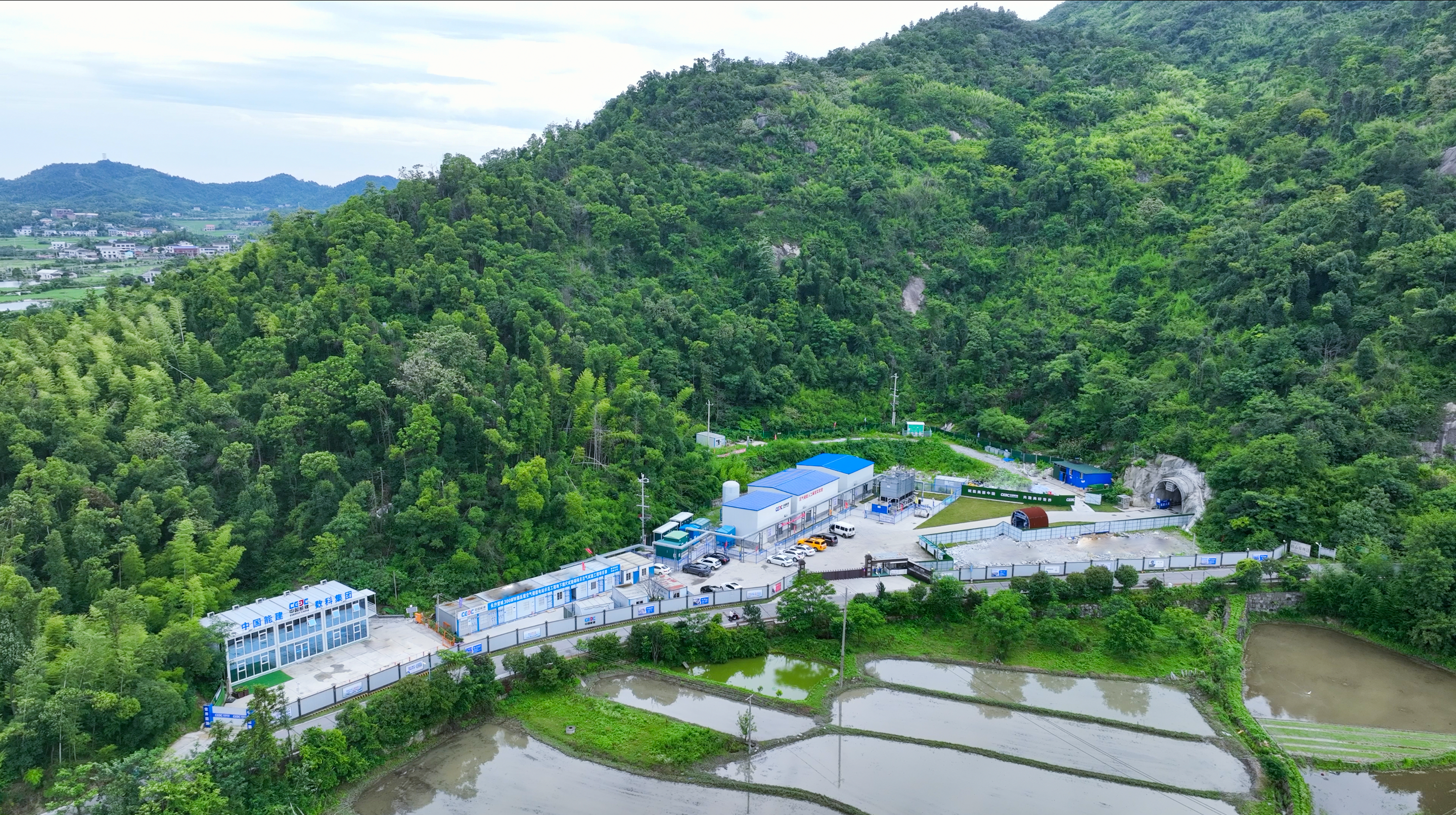
Core Viewpoint - China Energy Construction has successfully completed a large-scale underground gas storage test, achieving a world record for high-pressure gas storage and long-duration operation, marking a significant advancement in energy storage technology and its industrial application [1][6]. Group 1: Technological Breakthroughs - The successful test in Changsha, Hunan, validated the operation of ultra-high-pressure gas storage at 18 MPa and a continuous operation period of 500 hours, with a leakage rate below 0.1% [1]. - The artificial cavern gas storage technology is seen as a critical solution to the challenges posed by the intermittent nature of renewable energy sources, enabling a more stable power grid [3][4]. - China Energy Construction has developed a comprehensive system solution for artificial cavern gas storage, which includes innovations in sealing, operation, detection, construction, and application [6]. Group 2: Industry Applications - The first 300 MW compressed air energy storage demonstration project using artificial cavern technology has been established in Jiuquan, Gansu, expected to deliver 594 million kWh of green electricity annually [5]. - The "Energy Storage No. 1" project in Hubei has set multiple world records in terms of single-unit power, storage scale, and conversion efficiency [5]. - The 350 MW compressed air energy storage project in Tai'an is the largest single-unit project under construction globally, utilizing abandoned salt cavern resources to enhance grid regulation capabilities [5]. Group 3: Future Prospects - The artificial cavern gas storage technology is expected to expand the potential locations for large-scale energy storage, particularly in regions previously unsuitable for such developments, thus addressing renewable energy integration challenges [9]. - The technology's versatility allows for the storage of various energy mediums, including hydrogen, natural gas, and ammonia, contributing to a comprehensive underground energy storage solution [8][10]. - The company aims to continue advancing the technology and promoting its industrial application, particularly in "desert" regions, to enhance energy security and support global green transitions [11].


消息面指向不稳叠加需求难有改善 国内油价或继续承压
Zhong Guo Neng Yuan Wang· 2025-12-29 09:31
Group 1 - The geopolitical tensions have reversed the downward trend in the international oil market, with potential supply disruptions helping oil prices recover from a nearly five-year low of $59.94 per barrel on December 16 [1] - The U.S. interception of Venezuelan oil tankers has raised investor concerns about geopolitical situations, while the uncertainty surrounding the Russia-Ukraine conflict continues to support oil prices [1] - Despite the upward pressure on oil prices, the American Petroleum Institute (API) reported an increase in U.S. crude, gasoline, and distillate inventories, leading to a cautious outlook among investors regarding the Russia-Ukraine situation and its impact on oil prices [1] Group 2 - The recent rise in refined oil wholesale prices has been followed by a decline due to a lack of fundamental support, with diesel demand particularly weak as construction activity decreases in northern regions [2] - Market sentiment remains subdued, with downstream operations primarily focused on essential needs, and the overall purchasing atmosphere is described as lackluster [2] - Investors are closely monitoring the developments in the Russia-Ukraine peace process and upcoming EIA inventory data, which may influence future oil prices, while the domestic oil price is expected to remain under pressure in the short term [2]
2025年LLDPE跌幅近30% 2026年首季LDPE承压最大
Zhong Guo Neng Yuan Wang· 2025-12-29 09:31
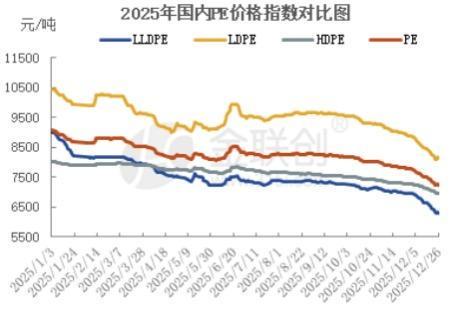
Group 1 - The domestic polyethylene (PE) market in 2025 continued to decline, with LLDPE experiencing the largest drop of 29.76% year-on-year, followed by LDPE at 22.35% and HDPE at 13.45%, resulting in an overall decline of 20.28% for polyethylene [2] - The market faced a severe contradiction of "high supply, weak demand, and high inventory," leading to a significant loss of market confidence and a continuous decline in LLDPE futures [2] - The first half of 2025 saw a downward trend in the market, with a slight rebound due to temporary factors such as the easing of US-China trade tensions and rising oil prices, but overall demand remained weak [2] Group 2 - In the second half of 2025, the decline in prices accelerated, with LLDPE and LDPE becoming the hardest hit, as the market faced a "cold wave" of accelerated decline, with price indices hitting multi-year lows [2] - The domestic supply pressure reached a peak, leading petrochemical companies and traders to engage in aggressive price cuts to capture market share, resulting in a vicious cycle of "price cuts - poor transactions - further price cuts" [2] - On December 24, 2025, a slight recovery in low-end pricing occurred due to technical rebounds in futures, but this was not indicative of a demand reversal, merely a temporary stabilization after significant declines [2] Group 3 - In the North China market, LLDPE prices ranged from 6,100 to 9,000 CNY/ton, with the lowest point on December 23 and the highest on January 1; LDPE prices ranged from 7,800 to 10,550 CNY/ton, with similar low and high points [3] - The polyethylene market in the first quarter of 2026 is expected to face challenges due to "strong supply and high inventory" against a backdrop of "weak recovery and slow destocking," limiting the potential for price rebounds [3] Group 4 - BASF's 500,000 tons/year polyethylene facility in Guangdong successfully produced qualified products on December 21, 2025, marking a successful startup [4] - Shandong Yulong Petrochemical's 500,000 tons/year LDPE/EVA facility is scheduled to start production in March 2026, while Zhejiang Petrochemical's new high-pressure and LDPE/EVA facilities are also set to commence in the first quarter of 2026 [4] - The expansion of high-pressure capacity and the continued release of capacity from ExxonMobil's Huizhou facility are expected to exert significant pressure on high-pressure market prices, while low-pressure prices will continue to seek new equilibrium points due to increased supply [4]
分布式储能遭遇成长烦恼:盈利模式单一与安全隐忧何解?
Zhong Guo Neng Yuan Wang· 2025-12-29 09:11
Core Insights - The report indicates that China's distributed energy storage capacity is expected to grow from 570 MW in 2019 to over 3638 MW by Q3 2025, representing a growth of more than five times, showcasing a strong development momentum [1] Group 1: Market Dynamics - Distributed energy storage has six main application scenarios, with commercial and industrial storage being the most mature, primarily benefiting from time-of-use electricity price arbitrage [1] - The rapid development of distributed energy storage is driven by both policy guidance and market mechanisms, with new applications like zero-carbon parks creating a strong demand for stable green electricity [2] - Distributed energy storage can alleviate local network congestion and enhance the self-consumption rate of local renewable energy, with expectations for broader application during the 14th Five-Year Plan period [3] Group 2: Challenges and Risks - The commercial viability of distributed energy storage is currently heavily reliant on time-of-use electricity price arbitrage, making it vulnerable to policy changes [4] - High development costs, safety issues, and low-quality competition are significant structural challenges facing the commercial storage sector [5][6] - The industry needs to transition from being a "price arbitrage tool" to a flexible resource with multiple values in the electricity market [7] Group 3: Future Outlook and Recommendations - The future of distributed energy storage will depend on policy support and technological advancements, with expectations for clearer market mechanisms in the next three years [7] - Recommendations include widening the time-of-use price gap, improving demand response mechanisms, and establishing safety standards to ensure basic profitability and safe operation of projects in the short term [8] - Long-term goals involve deepening electricity market reforms, exploring capacity value, and enhancing the economic viability and market competitiveness of distributed energy storage [8]
华润电力深汕公司 创新“沉浸式预想”廉洁教育活动 增强廉洁文化浸润力
Zhong Guo Neng Yuan Wang· 2025-12-29 06:49
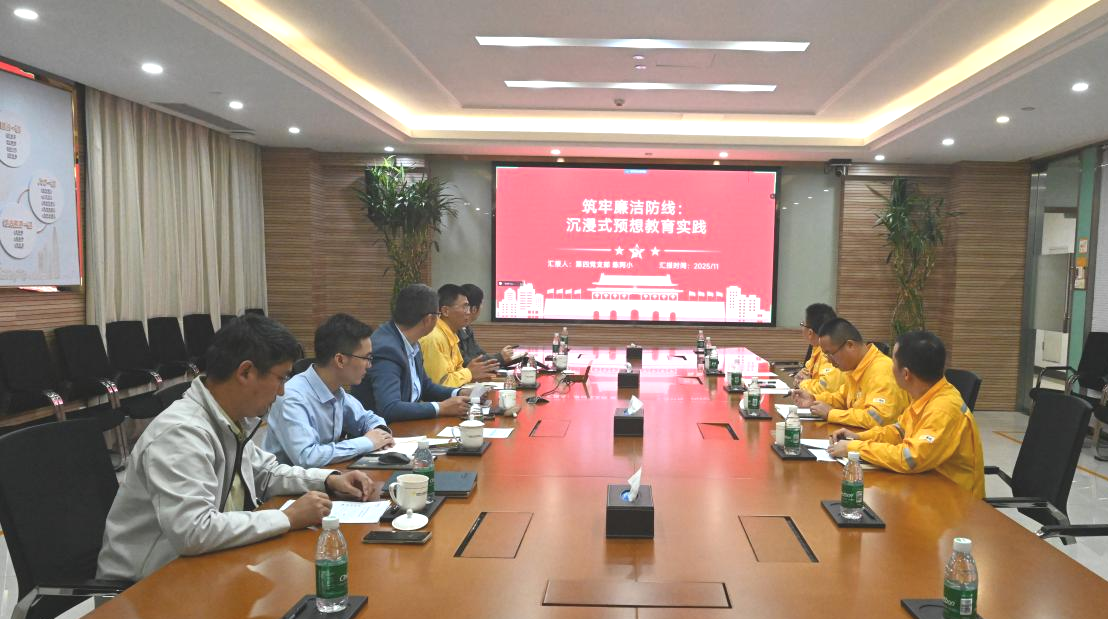
Core Viewpoint - The article emphasizes the importance of innovative "immersive" integrity education in state-owned enterprises, particularly in the energy sector, to enhance anti-corruption efforts and promote high-quality development [1][8]. Group 1: Immersive Integrity Education - The company has adopted an "immersive imagination" approach to integrity education, moving away from traditional methods that often lack engagement and effectiveness [2][6]. - This approach encourages employees to envision potential integrity risks in their roles and to simulate the consequences of violations, thereby fostering a proactive mindset towards compliance [2][7]. Group 2: Practical Application of Risks - Employees are guided to transform abstract disciplinary concepts into concrete scenarios relevant to their specific job functions, making the risks more relatable and tangible [4][5]. - Examples include procurement staff considering the implications of accepting gifts from suppliers, and technical staff reflecting on the consequences of falsifying experimental data [4][5]. Group 3: Comprehensive Education Mechanism - The company has established a full-chain mechanism for integrity education that includes case creation, group discussions, insights extraction, corrective actions, and follow-up visits [6]. - This structured approach aims to ensure that the integrity education process is thorough and effective, addressing common issues identified during discussions [6][8]. Group 4: Enhanced Awareness and Culture - The immersive education practice has led to a significant increase in the awareness of disciplinary compliance among employees, fostering a culture where everyone actively participates in identifying and mitigating risks [7][8]. - The initiative has created a positive environment where integrity is prioritized, and employees feel a collective responsibility to uphold ethical standards [7][8]. Group 5: Key Insights for Future Education - The practice highlights the necessity for integrity education in state-owned enterprises to be closely aligned with job realities, ensuring that all employees can relate to the scenarios presented [8]. - It also stresses the importance of a robust supervisory system that integrates organizational, familial, and disciplinary oversight to reinforce integrity [8].

石油资本驱动AI雄心:中东豪掷千亿美元角逐新赛道
Zhong Guo Neng Yuan Wang· 2025-12-29 06:49
Core Insights - The Middle East, led by the UAE and Saudi Arabia, is aggressively investing in AI, viewing it as the new "oil" for economic transformation [1][2] Group 1: Investment and Economic Diversification - Saudi Arabia and the UAE have invested over $130 billion in AI to transition towards a "non-oil economy" [2] - Saudi Arabia's Vision 2030 emphasizes AI as a crucial component, with approximately 70% of its goals related to AI [2] - The UAE aims for the AI industry to contribute 20% to its non-oil GDP by 2031, with a planned investment of 13 billion dirhams (approximately $3.54 billion) for an "AI-driven government" [2] Group 2: AI Infrastructure and Development - Qatar has announced a $2.5 billion AI investment plan, aiming to become one of the top ten digital economies by 2030 [3] - The establishment of the national AI company Qai in Qatar will focus on developing AI infrastructure and systems [3] - Saudi Arabia's Public Investment Fund has partnered with Google to create a global AI center in Dammam, focusing on energy and AI integration [5] Group 3: Energy and AI Synergy - AI is seen as a solution to challenges in the traditional energy sector, enhancing efficiency and sustainability [4] - Saudi Aramco has achieved 86% remote monitoring of production equipment through smart oilfield systems, reducing manual inspections by 75% [5] - The UAE's energy companies are increasingly utilizing AI to control costs and improve efficiency [5] Group 4: Data Center Development - The Middle East is considered an ideal location for data centers due to its abundant energy resources and land availability [6][7] - Oracle plans to invest $14 billion in Saudi Arabia over the next decade to build a comprehensive data center network [6] - AI is projected to generate $320 billion in revenue for Middle Eastern countries by 2030, contributing significantly to their GDP [6] Group 5: Challenges and Future Outlook - The region faces challenges such as high cooling water demands for data centers and a shortage of digital talent [8] - Despite these challenges, the Middle East is rapidly transitioning from a traditional oil hub to a future computing power center, leveraging its capital reserves and energy advantages [8]
煤炭大省的另一面
Zhong Guo Neng Yuan Wang· 2025-12-29 06:49
Core Insights - Shandong is a key province in China's industrial system and energy consumption, facing challenges in energy structure adjustment and environmental constraints [1] - The province's coal production has been stable at around 86 million tons annually but is showing a declining trend, prompting coal companies to seek transformation [1][2] - Shandong's coal enterprises are diversifying their resource supply channels by exploring outside the province and even internationally, which is essential for sustainable development [4][5] Group 1: Coal Production and Consumption - As of mid-2023, Shandong has 82 coal mines with a production capacity of 11.847 million tons per year, a decrease of 176,000 tons from the beginning of the year [2] - Coal consumption in Shandong reached 390 million tons in 2024, while the province's coal production is projected to be 86.7 million tons [2] - The province's electricity generation capacity is 250 million kilowatts, with an expected annual output of around 700 billion kilowatt-hours, predominantly from thermal power [2] Group 2: Transition and Transformation - Shandong's steel industry is also undergoing a green transition, with 70% of steel production capacity located in coastal areas and 7% from electric arc furnaces [3] - The province's coal companies are increasingly investing in resource development outside Shandong, with 70% of profits now coming from external operations [5][6] - Companies like Jining Energy Development Group are adapting to local development needs by focusing on high-end manufacturing and equipment production [6] Group 3: Strategic Development - The shift towards external resource development is seen as a way to enhance energy security and diversify supply channels [4] - Shandong coal companies are expanding their operations internationally, with significant investments in countries like Australia and Canada [5] - There is a need for collaboration between external resource development and local coal machinery enterprises to drive upgrades and development [7]
日本核电海外输出再折戟 越南宁顺项目因工期压力告吹
Zhong Guo Neng Yuan Wang· 2025-12-29 06:48
Group 1 - Japan has abandoned plans to build a large-scale nuclear power plant in Vietnam, marking another setback for its efforts to export nuclear technology following similar project cancellations in Turkey, the UK, and France [1][5] - The Vietnamese government had initially planned to construct eight nuclear power plants by 2030, with a total capacity of 15-16 million kilowatts, but the project was suspended in 2016 due to safety and budget concerns [2] - Japan's withdrawal from the Ninh Thuan 2 nuclear project is attributed to the tight completion timeline, with the two reactors expected to be operational by 2035, but actual operation may not occur until closer to 2040 [2] Group 2 - The exit from the Ninh Thuan 2 project may force Vietnam to revise its long-term electricity planning, as the country faces increasing electricity demand amid climate-related challenges [4] - Vietnam's total electricity generation is projected to reach 85,000 megawatts in 2024, with plans to increase to 150,000 megawatts by 2030 and 400,000-500,000 megawatts by 2050 [4] - The Vietnamese Prime Minister emphasized the urgent need for stable electricity supply to support economic development, particularly for industries like semiconductor manufacturing and high-speed rail systems [4] Group 3 - Japan's nuclear power export ambitions have faced significant challenges, with previous projects in Lithuania, France, and the UK also being shelved, leading to substantial financial losses for companies like Toshiba [5] - The Japanese government is rethinking its nuclear export strategy, considering the development of small modular reactors as a potential solution to its export challenges [6] - Despite Japan's withdrawal from the large-scale project in Vietnam, there are still plans to explore the possibility of building other nuclear facilities in the country, particularly focusing on small modular reactors [6] Group 4 - The Japanese nuclear industry is currently more focused on domestic issues, with companies expressing doubts about the viability of nuclear exports [7] - Challenges such as unresolved issues regarding the decommissioning of nuclear plants and the disposal of spent fuel continue to hinder Japan's nuclear power sector [7]