Zhong Guo Jing Ying Bao

Search documents
控股股东拟筹划全面要约收购事项 瓦轴B周二起停牌
Zhong Guo Jing Ying Bao· 2025-12-15 14:12
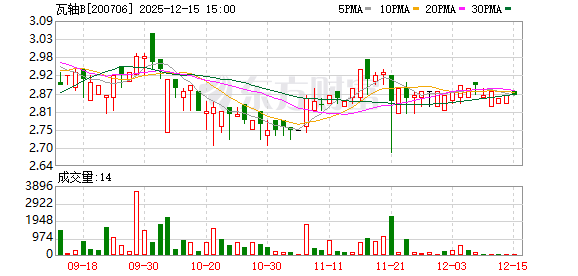
为保证公平信息披露,维护投资者利益,避免公司股价异常波动,瓦轴B自12月16日(星期二)上午开 市起停牌,预计停牌时间不超过两个交易日。 (文章来源:中国经营报) 瓦轴B(200706.SZ)12月15日公告,当日收到控股股东瓦房店轴承集团有限责任公司(以下简称"瓦轴 集团")通知,瓦轴集团拟筹划全面要约收购事项。 ...


SpaceX 2026年完成IPO 马斯克何以从坚决反对到主动推进?
Zhong Guo Jing Ying Bao· 2025-12-15 12:49
Core Viewpoint - SpaceX, led by Elon Musk, has officially initiated the process for its Initial Public Offering (IPO), aiming for a fundraising target exceeding $30 billion and a valuation of up to $1.5 trillion by mid-2026, potentially becoming the largest IPO in history [1][2]. Group 1: IPO Process and Timeline - SpaceX has shifted from a firm stance against going public to actively preparing for an IPO, with a target completion date set for mid-2026 [2]. - The company has recently engaged top investment banks for underwriting and advisory services, marking a significant step towards its IPO [1]. - The internal stock price has been set at $421 per share, reflecting a valuation increase from approximately $400 billion in early 2025 to $800 billion [2]. Group 2: Motivations Behind the IPO - The primary motivation for the IPO is the substantial funding required for Musk's ambitious "space AI" vision, which necessitates investments far beyond private funding capabilities [3]. - Musk's plans include launching around 1,000 ships and conducting at least 10,000 Starship launches, with projected costs reaching $1 trillion just for launch expenses [3]. - The IPO is seen as a crucial avenue for obtaining large-scale, low-cost long-term capital necessary for sustaining high-frequency rocket launches and building AI-driven space data centers [3][4]. Group 3: Market Impact and Future Prospects - The IPO is expected to significantly impact global capital markets and the technology sector, potentially increasing Musk's net worth to over $1 trillion [6]. - A successful IPO could ignite a wave of investment in the commercial space sector, demonstrating strong commercial returns and attracting more capital into rocket launches and satellite manufacturing [6]. - SpaceX's listing will enhance its transparency and credit rating, facilitating larger contracts with government entities like NASA and attracting long-term capital from sovereign funds and pension plans [5]. Group 4: Challenges and Considerations - The IPO will subject SpaceX to stringent financial disclosure requirements and market regulations, which may lead to conflicts given Musk's past interactions with regulatory bodies [7]. - The company faces risks related to technology development, market conditions, and regulatory attitudes, which could impact its IPO plans and stock performance post-listing [7]. - The ongoing testing of the Starship technology and the potential for frequent launch failures could lead to significant stock price volatility [7].
1919创始人杨陵江入资怡园酒业
Zhong Guo Jing Ying Bao· 2025-12-15 12:45
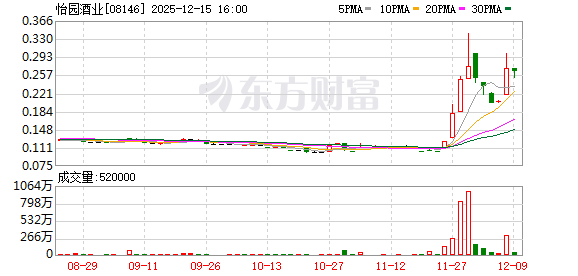
1919(四川壹玖壹玖酒类供应链管理股份有限公司)创始人杨陵江入资怡园酒业成为大股东。12月15日 晚,根据港交所披露易公开信息,杨陵江以个人身份正式入股怡园酒业(08146.HK),成为大股东, 持有股票589480000股,占比73.63%。据了解,怡园酒业在12月10日作出短暂停牌。 (文章来源:中国经营报) ...
L3级自动驾驶迈入新阶段!工信部许可两款L3级自动驾驶车型产品
Zhong Guo Jing Ying Bao· 2025-12-15 11:26
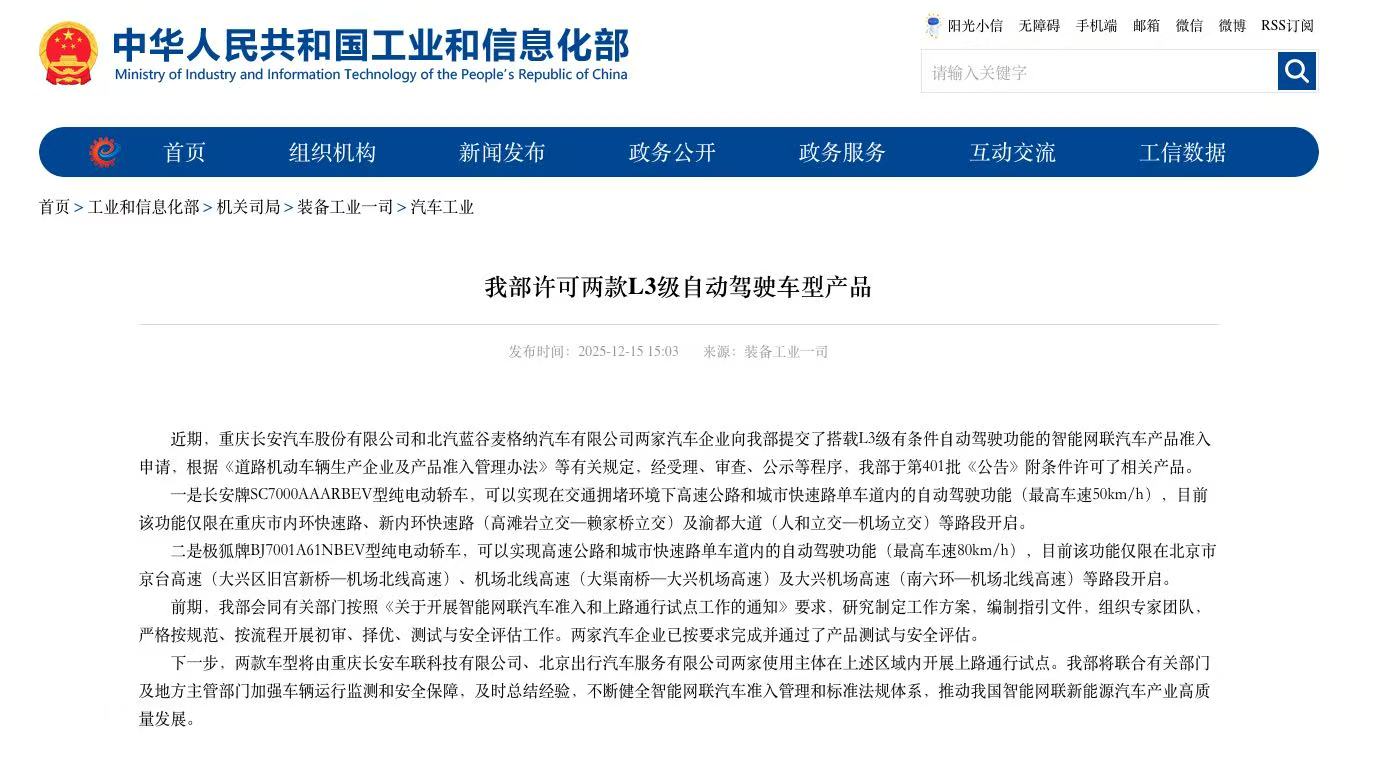
近期,北汽蓝谷麦格纳汽车有限公司和重庆长安汽车股份有限公司两家汽车企业向工业和信息化部提交了搭载L3级有条件自动驾驶功能的智能网联汽车产 品准入申请,根据《道路机动车辆生产企业及产品准入管理办法》等有关规定,经受理、审查、公示等程序,工业和信息化部于第401批《公告》附条件许 可了相关产品。 两款车型分别为极狐牌BJ7001A61NBEV型纯电动轿车以及长安牌SC7000AAARBEV型纯电动轿车。极狐牌BJ7001A61NBEV型纯电动轿车可以实现高速公 路和城市快速路单车道内的自动驾驶功能(最高车速80km/h),目前该功能仅限在北京市京台高速(大兴区旧宫新桥—机场北线高速)、机场北线高速 (大渠南桥—大兴机场高速)及大兴机场高速(南六环—机场北线高速)等路段开启。 有关资料显示,前期,工业和信息化部会同有关部门按照《关于开展智能网联汽车准入和上路通行试点工作的通知》要求,研究制定工作方案,编制指引文 件,组织专家团队,严格按规范、按流程开展初审、择优、测试与安全评估工作。两家汽车企业已按要求完成并通过了产品测试与安全评估。 | ದ್ದು | | --- | | 首页 | | 组织机构 | | 新闻发布 ...


奇瑞尹同跃选择放权 智界加速驶入战略2.0时代
Zhong Guo Jing Ying Bao· 2025-12-15 11:13
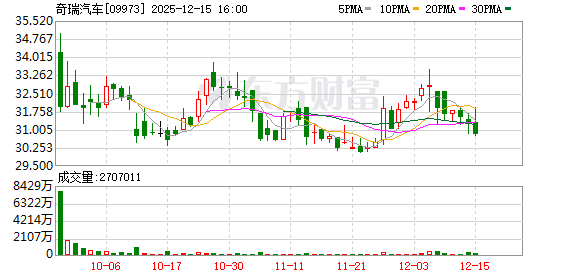
Core Viewpoint - Huawei's Zhijie brand is entering a "2.0 era" with a focus on independent operations and technological integration, aiming to enhance its market responsiveness and product quality [2][3][10]. Group 1: Brand Development and Strategy - The Zhijie brand has officially entered the 2.0 phase, with over 10 billion yuan and a 5,000-person R&D team committed to its development [3]. - The independent operation model allows for quicker market responses and decision-making efficiency, leveraging Huawei's technological capabilities [2][4]. - The establishment of the Shanghai Zhijie Zhixing Automotive Technology Co., Ltd. marks a significant step in achieving a fully integrated operational model [4]. Group 2: R&D and Infrastructure - The relocation of the Zhijie R&D team to the Roland Town in Wuhu, with an investment of 1.8 billion yuan, is a key milestone in global R&D layout [4][5]. - The new facility will support over 5,000 R&D personnel and enhance collaboration across different locations, improving the efficiency of product development [5]. - The R&D focus includes critical modules such as electric drive, battery, chassis, and intelligent cockpit, with a team of nearly 800 people dedicated to these areas [5]. Group 3: Sales Performance and Challenges - Zhijie has seen a sales rebound, with 11,761 units sold in November, marking a significant increase in demand [2][6]. - However, delivery times have increased, with some customers reporting delays of over 11 weeks for their vehicles [8]. - The brand is facing intense competition in the 200,000 to 300,000 yuan market segment, emphasizing a strategy focused on value rather than price [9][10]. Group 4: Future Product Plans - Zhijie is developing new models, including an MPV and a large SUV, to expand its product lineup and market presence [11][12]. - The upcoming models will utilize advanced technologies and aim to cover various segments, including sedans, SUVs, and MPVs [12].

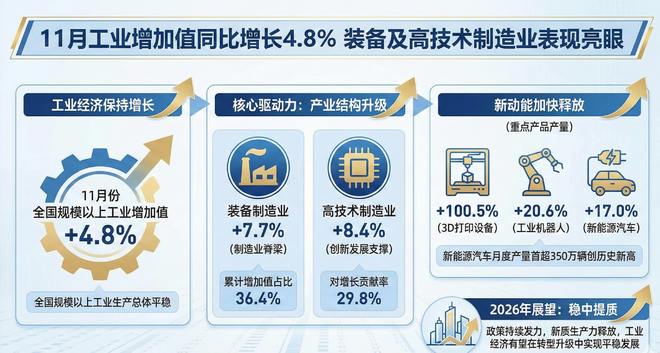
11月工业增加值同比增长4.8% 装备及高技术制造业表现亮眼
Zhong Guo Jing Ying Bao· 2025-12-15 11:11
苏商银行特约研究员武泽伟在接受《中国经营报》记者采访时表示,上述数据表明,当前工业生产保持 了稳健增长的韧性。此次增长的核心驱动力来自产业结构持续升级,尤其是代表先进制造方向的装备制 造业和高技术制造业,其增速明显快于工业整体水平,显示出新质生产力发展的强劲势头。 装备制造业是制造业的脊梁,高技术制造业是创新发展的重要支撑。国家统计局数据显示,11月份,规 模以上装备制造业增加值同比增长7.7%,累计增加值占全部规模以上工业的比重达36.4%,较2024年全 年提高1.8个百分点,已连续33个月保持在30%以上。同时,规模以上高技术制造业增加值同比增长 8.4%,增速较10月份加快1.2个百分点,对全部规模以上工业增长的贡献率达29.8%。 北京市社会科学院副研究员王鹏在接受《中国经营报》记者采访时表示,11月份工业增加值同比增长, 是政策、外需与新动能协同发力的结果。 在王鹏看来,首先,政策引导产业升级。设备更新和消费品以旧换新政策拉动高技术制造业产能释放, 推动产业向高端化转型。其次,外需韧性形成托底。我国制造业全球竞争力较强,出口保持相对稳定, 为工业增长提供外部支撑。再次,新动能加快释放。3D打印、工 ...
三部门联合力挺!数字人民币智能合约红包成促消费“新引擎”
Zhong Guo Jing Ying Bao· 2025-12-15 08:38
Core Viewpoint - The recent Central Economic Work Conference emphasized the importance of "domestic demand as the main driver" and the construction of a strong domestic market as a key task for economic work in 2026 [1] Group 1: Digital Currency and Consumption Promotion - The Ministry of Commerce, the People's Bank of China, and the Financial Regulatory Bureau jointly issued a notice highlighting the application of digital RMB in promoting consumption, including the use of smart contract red envelopes to enhance policy effectiveness [1][2] - Digital RMB is seen as a crucial tool for implementing policies effectively and achieving short-term growth goals while also modernizing the payment system and deepening financial supply-side structural reforms [1][2] - The Shanghai Financial and Development Laboratory noted that promoting digital RMB for consumption is a key measure to serve national macroeconomic goals, quickly converting subsidies into purchasing power for consumer recovery [2] Group 2: Unique Advantages of Digital RMB - Digital RMB offers four unique advantages in consumption scenarios: 1. Conditional payment functionality through smart contracts ensures funds are used for specific purposes, unlike traditional payment methods [4] 2. Instant settlement reduces transaction costs and increases payment efficiency [4] 3. Enhanced financial inclusivity allows for easier access to benefits for low-income and remote residents [4] 4. Data traceability aids in precise policy formulation while protecting user privacy [4] Group 3: Challenges in Digital RMB Promotion - Despite its potential, digital RMB faces challenges in technology, market acceptance, and institutional frameworks that need collaborative efforts for expansion and mechanism improvement [6][7] - The depth and breadth of application scenarios remain a primary task, with suggestions to increase penetration in high-frequency consumption areas [6] - Technical support and user acceptance issues are significant, including the need for standardized templates for smart contracts and improved user experience compared to existing payment tools [7]

华东医药核心产品专利案一审败诉,涉案金额1.11亿元
Zhong Guo Jing Ying Bao· 2025-12-15 08:33
Core Viewpoint - Huadong Medicine's subsidiary, Hangzhou Zhongmei Huadong Pharmaceutical, lost a first-instance patent infringement lawsuit, with the case amounting to approximately 111 million yuan [1] Group 1: Lawsuit Details - The lawsuit was initiated in 2023 due to a patent infringement dispute involving the core product, the fermented Cordyceps powder, which is a key ingredient in the Bailing capsule [2] - The Zhejiang High People's Court ruled against Huadong Medicine's claims, and the company plans to appeal the decision [1][2] - The court's decision is based on evidence presented during the trial, which Huadong Medicine disputes as not accurately reflecting the facts of the case [2] Group 2: Product Information - The Bailing capsule, a core product of Huadong Medicine, is used for treating conditions related to lung and kidney deficiencies, and it has been a unique offering in the market [2] - In 2017, the sales scale of the Bailing capsule reached 2 billion yuan, and in the first half of this year, it was among the top 20 traditional Chinese medicine brands in urban community markets, with sales exceeding 100 million yuan [3] - The product's main sales channels include public hospitals, community health centers, and township clinics across China [2] Group 3: Competitive Landscape - The Bailing capsule is now facing competition as Zhaoli Pharmaceutical, the parent company of the defendant in the lawsuit, has received regulatory approval for its own version of the product, breaking Huadong Medicine's previous monopoly [3] - Zhaoli Pharmaceutical's recent court ruling confirmed that its product does not infringe on Huadong Medicine's patent, which may impact Huadong's market position [3]



越疆入选港交所科技100指数,全球部署超10万台机器人
Zhong Guo Jing Ying Bao· 2025-12-15 08:26
Group 1 - The core point of the news is that the robotics company, Yujiang, has been included in the newly launched Hong Kong Stock Exchange Technology 100 Index, highlighting its significance in the field of embodied intelligence [1] - Yujiang has deployed over 100,000 robots globally, with applications in industrial, commercial, and household sectors, serving over 80 Fortune 500 companies including Foxconn, BYD, Toyota, Mercedes-Benz, and Nestle [1] - Recently, Yujiang secured several significant orders, including a procurement contract worth over 80.5 million yuan with Ruidefeng Precision, an order for 1,000 embodied intelligent robots from Lens Technology, and a strategic cooperation with Green Source Group for 5,000 robotic dogs [1] Group 2 - The Technology 100 Index aims to reflect the performance of the 100 largest Hong Kong-listed companies related to technology themes, covering six major themes including artificial intelligence, biotechnology, electric vehicles, information technology, internet, and robotics [2] - The index has fundamental requirements, including a minimum of 3% of R&D expenditure relative to revenue over the past two fiscal years and a revenue growth rate of at least 5% [2] - As of December 15, Yujiang's market capitalization was approximately 15.5 billion HKD, with a weight of about 0.12% in the Technology 100 Index [2]

主要国际组织纷纷上调对中国经济增长预期
Zhong Guo Jing Ying Bao· 2025-12-15 08:02
Core Viewpoint - The Chinese economy is showing signs of recovery, supported by effective macro policies and an increase in consumer demand, as indicated by rising retail sales and investment growth [1][3]. Group 1: Consumer Sector - The implementation of the "old-for-new" policy has effectively boosted sales in consumer goods, particularly in home appliances and communication devices, with retail sales for these categories increasing by 14.8% and 20.9% year-on-year from January to November [1]. - Service consumption is also experiencing rapid growth, indicating a shift in consumer behavior towards services [1]. Group 2: Investment Sector - There is a noticeable increase in corporate willingness to upgrade equipment and technology, with investment in machinery and tools rising by 12.2% year-on-year, contributing 1.8 percentage points to overall investment growth [1]. - Investment in sectors such as electricity and the internet is maintaining a high growth rate, reflecting confidence in these industries [1]. Group 3: Production Sector - The implementation of policies categorized as "two heavies" and "two news" is effectively stimulating market demand, leading to a 9.3% year-on-year increase in the value added of the equipment manufacturing industry from January to November [1]. - Key industrial products, including automobiles and integrated circuits, have seen production increases of 10.8% and 10.6% respectively, indicating a continued pace of industrial upgrading [1]. Group 4: Future Outlook - The "two heavies" and "two news" policies are expected to continue supporting domestic demand and consumer confidence through 2026, with a focus on expanding service consumption and integrating new technologies [2]. - The international community has raised its growth expectations for the Chinese economy, reflecting increased confidence, although uncertainties from global geopolitical tensions and protectionism remain [3].