
Zhong Guo Jing Ying Bao

Search documents
专访清华大学田轩:建议推动设立政府引导、社会资本参与的“两重”专项基金
Zhong Guo Jing Ying Bao· 2025-12-06 01:04
Core Viewpoint - The State Council's recent meeting emphasizes the strategic, forward-looking, and holistic approach to the "Two Major" construction, aiming to enhance the participation of private capital in state-dominated sectors, thereby stimulating market vitality and improving resource allocation efficiency [1][2]. Group 1: Strategic Value of Private Capital Participation - The core strategic value of encouraging private capital in the "Two Major" construction lies in stimulating market vitality and enhancing resource allocation efficiency, particularly in infrastructure, public services, and emerging industries [2]. - Private capital can alleviate government financial pressure and enhance investment precision and sustainability, while also accelerating major project implementation and promoting technological upgrades [2]. Group 2: Suitable Fields for Private Capital - The most urgent and suitable areas for private capital involvement are new infrastructure projects, especially in 5G base stations, industrial internet, AI platforms, and data centers, which have significant investment gaps [3]. - New infrastructure is crucial for digital economic development and can effectively stimulate new business models and investment multiplier effects [3]. Group 3: Structural Barriers to Participation - Private capital faces structural barriers such as implicit market access barriers, financing channel constraints, and a lack of risk-sharing and return assurance mechanisms [4]. - Complex qualification reviews and lengthy approval processes hinder private capital participation in "Two Major" projects, while high financing costs and unclear risk-sharing mechanisms further deter investment [4]. Group 4: Solutions to Overcome Barriers - Recommendations include eliminating market access barriers, simplifying policy environments, and providing "one-stop" services to enhance transparency and support for private enterprises [4][5]. - Expanding financing channels and lowering costs through specialized loans and government-led funds can attract more long-term capital [5]. Group 5: Innovative Financing Tools - Innovative financing tools such as REITs, ABS, and concession models can effectively link private capital with "Two Major" projects [5][6]. - REITs can revitalize existing assets and achieve a closed funding loop, while ABS can enhance liquidity through cash flow securitization [5][6].
网飞宣布收购华纳兄弟
Zhong Guo Jing Ying Bao· 2025-12-06 01:04
Core Viewpoint - Netflix has finalized a deal to acquire Warner Bros for a total equity value of $72 billion and an enterprise value of approximately $82.7 billion, with Warner Bros shareholders receiving $27.75 per share and some Netflix stock [1][2]. Group 1: Acquisition Details - The acquisition includes the condition that Warner Bros Discovery will complete the divestiture of its cable television assets, including CNN, TBS, and TNT, allowing Netflix to focus on acquiring its film studio and HBO Max streaming service assets [1]. - Warner Bros possesses a vast content library, including major franchises such as Batman, Superman, The Matrix, Harry Potter, The Lord of the Rings, and The Hobbit, which have significant global market influence and commercial value [1]. Group 2: Financial Performance and Market Impact - HBO Max has achieved profitability in 2023, making it one of Warner Bros' most valuable businesses, and the combined user base of Netflix and HBO Max is expected to exceed 400 million, strengthening Netflix's competitive position against Disney [2]. - Following the announcement, Netflix's stock fell by 2.89% to $100.24 per share, while Warner Bros Discovery's stock rose by 6.28% to $26.08 per share [2].


阿里系老将挂帅 高鑫零售“求变”提速
Zhong Guo Jing Ying Bao· 2025-12-05 21:20
Core Insights - The primary challenge for the newly appointed CEO Li Weiping is to address the company's declining performance, with a reported revenue of 30.502 billion yuan for the six months ending September 30, 2025, representing a year-on-year decrease of 12.01% and a loss attributable to equity shareholders of 123 million yuan [1][6] Company Transition - High-end retail company Gao Xin Retail has appointed Li Weiping as the new CEO, succeeding Shen Hui, who resigned due to family matters. This leadership change is effective from December 1, 2025 [3][4] - Shen Hui's tenure lasted less than two years, during which he focused on returning to the essence of retail and enhancing brand competitiveness [4][6] Industry Context - The retail industry in China is currently facing intense competition, with traditional supermarkets like Gao Xin Retail struggling against e-commerce platforms and various retail formats [6][10] - Experts suggest that the recent leadership changes in the retail sector reflect a demand for experience in efficiently integrating online and offline operations [4][6] Strategic Direction - Li Weiping's extensive experience in the retail sector, particularly with Alibaba's Hema Fresh, positions her to lead Gao Xin Retail through its transformation [4][5] - The company aims to enhance its product offerings and operational efficiency, focusing on a multi-format strategy that includes large supermarkets, medium-sized supermarkets, and membership stores [8][10] Financial Performance - Gao Xin Retail reported a significant decline in operating profit, with a 56.4% drop to 271 million yuan, and a shift from a profit of 206 million yuan in the previous year to a loss of 123 million yuan [6][10] - The company has initiated several reforms, including closing underperforming stores and restructuring its operational framework to improve efficiency and competitiveness [10][11] Challenges Ahead - The transition to a multi-format retail strategy poses challenges in resource allocation and operational coordination, which may hinder the company's ability to respond effectively to market demands [7][10] - Experts emphasize the need for a balanced approach to immediate cost-cutting measures and long-term strategic development to enhance product differentiation and brand reputation [10][11]


近“80岁”巨头站在出售边缘 彪马路向何方?
Zhong Guo Jing Ying Bao· 2025-12-05 21:18
在这背后,是彪马的增长乏力。2023年至2024年,彪马销售额虽从86亿欧元增至88.2亿欧元,但"增收 不增利"的矛盾突出,净利润连续两年下滑。2023年,净利润同比下滑13.7%至3.05亿欧元;2024年,该 数据降至2.82亿欧元,同比下滑7.6%。 中经记者 刘旺 北京报道 近日,成立于1948年的德国品牌彪马(PUMA)被出售股权的消息,搅动了全球运动服饰市场。彪马最 大股东、法国皮诺家族正积极接触潜在买家,考虑出售其持有的约29%股份。 来自中国的李宁、安踏及日本品牌亚瑟士都曾被传为收购方。不过,上述三者都未确认相关消息。针对 市场传闻,李宁方面告诉《中国经营报》记者,公司坚守"单品牌、多品类、多渠道"的核心战略,聚焦 自有品牌发展,并未就收购彪马展开任何实质性的谈判或评估工作。安踏方面表示,"不评论市场传 闻"。 然而,这场潜在交易的核心谜题是,作为标的的彪马本身:这家市值约70亿欧元的公司,为何从令人生 畏的"美洲狮",变成了待价而沽的资产?其股价暴跌、业绩亏损的背后,是一场深刻的行业洗牌,也是 一个品牌转型困局的缩影。 彪马失速 实际上,早在今年8月,就有消息称皮诺家族正在评估新的战略选项 ...
盒马“超盒算NB”开放加盟 硬折扣赛道竞速升温
Zhong Guo Jing Ying Bao· 2025-12-05 21:16
Core Viewpoint - Hema's discount brand "Chao He Suan NB" has opened its franchise channel for the first time, marking a new phase of scaled expansion in the hard discount sector [1][2] Group 1: Expansion Strategy - "Chao He Suan NB" is expanding at a rate of over 20 stores per month, with the current store count exceeding 350 [2] - The franchise model aims to quickly capture market share and share supply chain costs, leveraging economies of scale as a competitive advantage [2][3] - The brand's expansion is based on a successful operational model from over 300 direct stores, allowing for rapid scaling through franchising [2][3] Group 2: Market Competition - The hard discount retail sector is experiencing intensified competition, with major players like JD and Meituan also entering the market [1][7] - The overall penetration rate of hard discount stores in China is only 8%, indicating significant growth potential compared to mature markets like Germany and Japan [7] - Hema's "Chao He Suan NB" focuses on community fresh produce and benefits from Alibaba's ecosystem for online traffic [8][9] Group 3: Franchise Model and Costs - Franchisees are required to invest approximately 2.65 million yuan for a standard 600 square meter store, which includes various upfront costs [3][4] - The expected payback period for franchisees is around three years, assuming a gross margin of 15% and annual sales of 30 million yuan [3] - The brand emphasizes the importance of site selection, requiring stores to be located in large residential communities or mature business districts [3] Group 4: Operational Strategy - "Chao He Suan NB" operates with a strategy focused on high efficiency and low costs, utilizing a simplified operational model with pre-packaged goods [5] - The brand's private label products account for 60% of its offerings, allowing for cost reductions through direct factory connections and self-pricing [5] - The brand has integrated digital tools for demand forecasting and inventory management, enhancing its operational efficiency [5] Group 5: Challenges and Risks - The franchise model presents challenges in maintaining product quality and operational standards, especially in lower-tier cities with varying cold chain logistics [6] - Ensuring consistent quality across franchise locations is critical, as the brand must balance rapid expansion with maintaining control over product offerings [6][4] - The complexity of managing a franchise system requires standardized processes across various operational aspects, which poses a significant challenge [6]
两轮电动车增长放缓 爱玛“攀上”飞行器寻找新增长点?
Zhong Guo Jing Ying Bao· 2025-12-05 20:52
Core Insights - The two-wheeled electric vehicle market has transitioned from a "replacement wave" to a mature stage, leading to slower growth rates. Companies like Aima Technology, Yadea, and Tailg are focusing on structural growth opportunities in this saturated market [3][6] - Aima Technology has launched a commercial sub-brand "Aima Mahe" to extend its reach from consumer (C-end) to business (B-end) markets, targeting sectors such as food delivery, home services, and rentals [3][8] - The company has also made a strategic investment in the electric vertical takeoff and landing (eVTOL) aircraft sector, indicating a broader strategic vision beyond traditional two-wheeled vehicles [3][5] Company Strategy - Aima Technology's Vice President, Ning Huashan, emphasized the need to capture the B-end market, which has significant growth potential due to a lack of specialized products and solutions [3][5] - The company has invested approximately 32.4 million yuan in the eVTOL company VOLANT, with the total fund size being around 108 million yuan, aimed at supporting the certification and commercialization of the VE25 eVTOL model [4][5] - Aima's financial performance shows a steady revenue growth of 20.78% year-on-year in the first three quarters, with revenues reaching 21.093 billion yuan, while net profit increased by 22.78% to 1.907 billion yuan [7] Market Dynamics - The implementation of new safety standards for electric bicycles has driven demand in the past three years, but the market is now maturing, leading to a shift in competition from quantity to quality and structure [6][10] - New entrants like Ninebot and Niu are leveraging technology and high-end products to create new demand, challenging traditional players like Aima Technology [7][10] - The commercial vehicle market is becoming increasingly competitive, with companies not only competing on vehicle models but also on comprehensive service offerings [10] Product Development - Aima Mahe aims to address specific needs in commercial scenarios, such as long range, strong power, and durability, with models like the Mahe S1Max designed for food delivery [8][9] - The company is establishing a comprehensive product line that includes female-targeted, tech-focused, and commercial vehicles, as well as three-wheeled and high-end models [8][9] - Aima Technology plans to create "Aima Mahe category stores" nationwide, which will serve as service stations for riders, emphasizing the importance of a full lifecycle service approach [9][10]

广汽集团扩张600家品牌店背后的风险博弈
Zhong Guo Jing Ying Bao· 2025-12-05 20:29
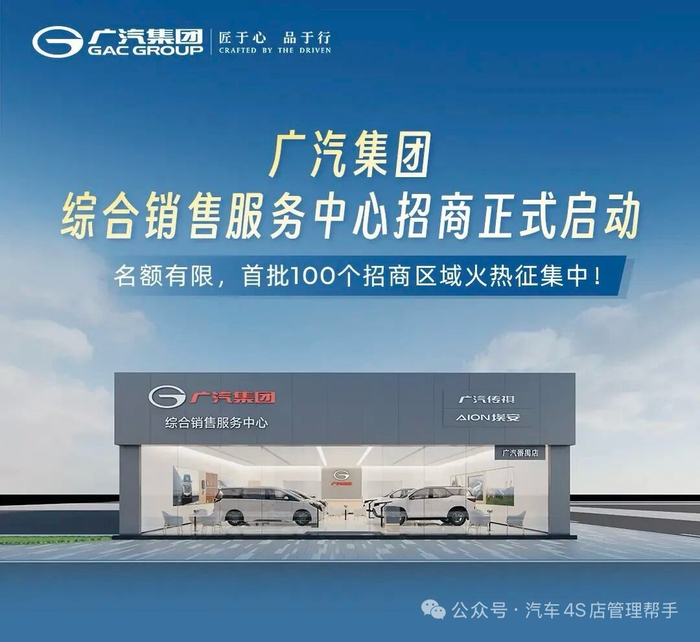
Core Viewpoint - GAC Group is actively seeking to expand its brand presence by establishing 600 brand collection stores in lower-tier cities by mid-2026, with over 1,000 investors showing interest in the investment opportunity of 1 million yuan for brand agency rights [2][6]. Group 1: Investment Opportunity - The investment threshold for becoming a GAC brand agent is set at 1 million yuan, significantly lower than the traditional 4S store model which often requires around 10 million yuan [3]. - Investors are required to prepare a venue of 200-300 square meters and provide a deposit of 3 million yuan, while GAC will assist with standardized renovations [3][4]. - Despite the low entry cost, operational expenses such as rent and labor will be borne by the dealers, raising concerns about profitability in a challenging market [2][5]. Group 2: Market Challenges - A survey by the China Automobile Dealers Association indicates that 84.4% of car dealers are experiencing price inversions, with 60.4% facing price inversions exceeding 15% [2]. - The automotive market is undergoing a transformation from traditional 4S store models to a more diversified system including agency and direct sales, leading to a competitive environment between dealers and manufacturers [2][8]. - The overall market demand in first and second-tier cities is saturated, pushing manufacturers to focus on lower-tier markets for growth [8]. Group 3: Strategic Expansion - GAC's plan to open 600 brand collection stores reflects its strategy to build a skilled sales team and target county-level markets, which account for 38.35% of China's economic output [6][7]. - Other brands like BYD and Xpeng are also targeting county markets, indicating a broader industry trend towards down-market expansion [6][7]. - The establishment of charging infrastructure in rural areas is expected to support this market shift, with government initiatives promoting the development of charging stations [7]. Group 4: Risks and Concerns - The lightweight agency model may lead to challenges in after-sales service quality, as smaller dealers may lack the resources to provide adequate support [9]. - The rapid expansion of GAC's network could complicate channel management and increase operational risks for both manufacturers and dealers [9]. - Industry experts warn that the profitability of dealers is increasingly dependent on the manufacturers' product strength and pricing strategies, making the investment landscape more uncertain [9].

大疆市场策略转舵 多线出击打响价格阻击战
Zhong Guo Jing Ying Bao· 2025-12-05 20:20
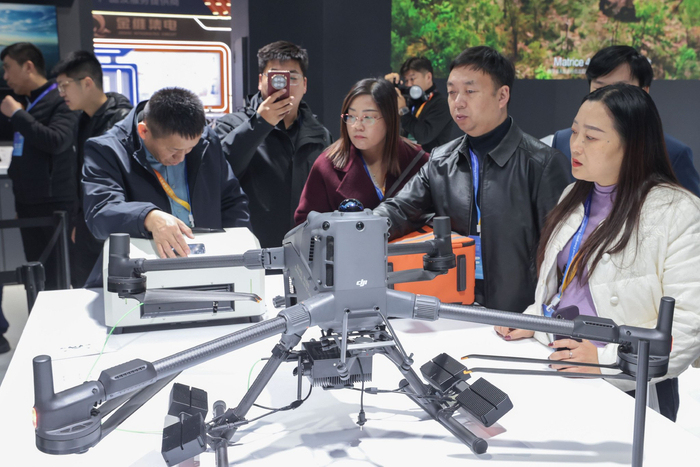
Core Insights - DJI Agriculture has launched three new agricultural drones with improved performance and reduced prices, interpreted as a competitive move against XAG Technology's upcoming IPO [3][4][5] - DJI's aggressive pricing strategy across various sectors, including smart imaging and consumer drones, has raised concerns about a price war in the industry [3][8] - The shift in DJI's strategy reflects a dynamic evolution in its business approach, moving from a focus on technological superiority to a combination of technology innovation and aggressive pricing to expand market share [3][12] Agricultural Drone Pricing Strategy - The new agricultural drones T100S, T70S, and T55 are priced at 48,999 yuan, 43,999 yuan, and 36,999 yuan respectively, with discounts of up to 8,000 yuan for early orders [4][5] - The flagship T100S has a maximum takeoff weight of 149.9 kg and a payload capacity of 95 kg, featuring significant technological upgrades [4] - The market share for agricultural drones is dominated by DJI and XAG, with DJI holding 59% and XAG 17.1% as of 2024 [5] Market Dynamics and Competition - DJI's pricing strategy is seen as a move to solidify its market position ahead of XAG's IPO, indicating a clear intent to maintain dominance in the agricultural sector [5][6] - The trend of decreasing prices has shifted the user demographic from professional agricultural teams to individual farmers, with the ratio of professional users to individual users changing from 9:1 to 5:5 [7] - XAG has also responded with competitive pricing, indicating a mutual recognition of the need to adapt to market pressures [6][7] Broader Price War Context - DJI's price competition extends beyond agricultural drones, impacting the smart imaging market where it faces competition from companies like YI Technology [8][9] - The aggressive pricing tactics have led to significant price reductions across various DJI products, including handheld imaging devices and consumer drones [9][10] - Industry experts suggest that while price competition can expand the market, it may also dilute brand value and innovation potential in the long term [12][14] Strategic Shift and Future Considerations - DJI's historical strategy focused on high margins through technological innovation, but recent actions indicate a shift towards aggressive pricing to capture market share [12][13] - The company aims to balance its pricing strategies with ongoing technological advancements to avoid potential risks associated with over-reliance on price competition [14] - Industry analysts emphasize the importance of maintaining innovation and brand integrity while navigating competitive pricing pressures [14]
政策红利释放 中国商业航天企业迎融资热
Zhong Guo Jing Ying Bao· 2025-12-05 20:16
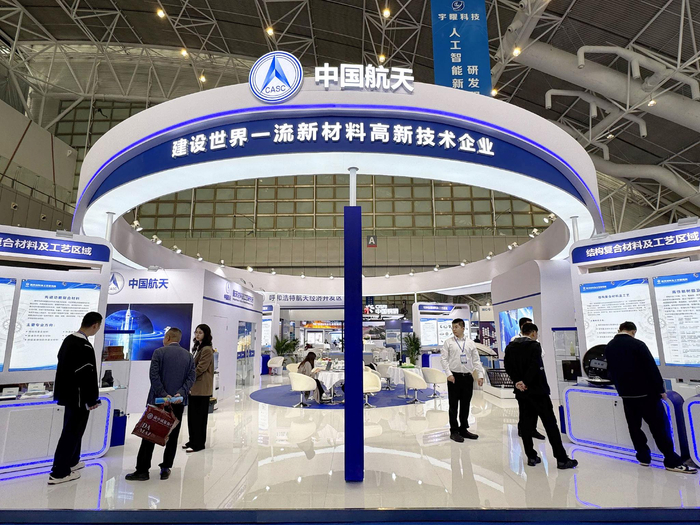
Core Viewpoint - The commercial aerospace sector in China is experiencing significant growth, driven by supportive government policies, increased market demand, and a surge in IPO activities among aerospace companies [3][4][5]. Group 1: Market Performance - Over 70% of stocks in the commercial aerospace sector saw price increases, with notable gains from companies like Tianrun Technology and Aerospace Huanyu, which rose over 10% [3]. - The Aerospace Equipment Index showed a substantial annual increase, with Aerospace Huanyu leading at 112.55% [3]. Group 2: Government Initiatives - The National Space Administration released an action plan aimed at promoting high-quality development in the commercial aerospace sector by 2027, focusing on efficient collaboration and significant industry scale [4]. - The Ministry of Industry and Information Technology initiated commercial trials for satellite IoT services, enhancing the sector's technological capabilities [5]. Group 3: Investment and Financing - Since 2016, over 280 investment events in the commercial aerospace sector have occurred, totaling over 500 billion yuan, with 60 events in 2023 alone amounting to over 95 billion yuan [7]. - The recent reforms in the Sci-Tech Innovation Board have opened up IPO opportunities for aerospace companies, allowing those with high growth potential but lacking stable profits to access capital markets [8]. Group 4: Industry Ecosystem - The action plan aims to create a collaborative ecosystem involving both state-owned and private enterprises, addressing challenges such as resource allocation and financing difficulties [5][6]. - The focus is on developing three key technologies: reusable rocket technology, high-throughput satellite platforms, and in-orbit service capabilities [6]. Group 5: Market Outlook - The satellite internet market in China is projected to reach 648 billion yuan in 2024, with a compound annual growth rate exceeding double digits [10]. - The commercial aerospace industry is evolving, with over 600 companies now operating in various segments, establishing a comprehensive industry framework [10]. Group 6: Challenges and Considerations - Aerospace companies face challenges related to high risks and long development cycles, necessitating a focus on technological barriers and commercial viability [11]. - Key considerations for evaluating aerospace companies include their technological innovation capabilities, competitive positioning, and ability to convert technology into economic benefits [11].


30亿募资“沉睡”16个月 中直股份募投项目“大挪移”
Zhong Guo Jing Ying Bao· 2025-12-05 20:11
Core Viewpoint - The company has raised 3 billion yuan but has only utilized 4.46 billion yuan over 16 months, leading to over 80% of the funds remaining idle, raising concerns about project delays and adjustments [1][2][3] Fundraising and Utilization - In July 2024, the company completed a major capital operation, raising 3 billion yuan through a share issuance to acquire stakes in Changfei Group and Hafei Group, with a net amount of 2.968 billion yuan received [2][3] - As of November 14, 2025, only 4.46 billion yuan has been used, representing a mere 15.01% of the total funds raised, with over 25 billion yuan remaining idle [3][4] Project Adjustments - The company has made significant adjustments to its fundraising projects, involving changes to 11 existing projects and the introduction of 3 new projects, which has drawn industry attention [4][5] - Key projects such as the "Aviation Maintenance Capability Construction Project" and "New Helicopter Development Support Capability Construction Project" have had their completion dates extended by over a year [5][6] Financial Performance - In 2022, the company experienced a revenue decline of 10.63% to 19.473 billion yuan and a net profit drop of 57.61% to 387 million yuan, attributed to product structure adjustments and reduced orders [7][8] - Despite a revenue rebound in 2023 to 23.33 billion yuan, net profit still fell by 10.58% to 347 million yuan, indicating ongoing financial pressures [7][8] - The company reported a significant drop in gross margin to 6.28% in 2025, down 6.81 percentage points year-on-year, reflecting weakened core operating profitability [8]
