
Zhong Guo Huan Jing Bao

Search documents
长江“鱼满为患”?保护之路犹长
Zhong Guo Huan Jing Bao· 2026-01-16 05:49
我国自2016年启动长江大保护战略、2021年全面实施长江十年禁渔政策以来,始终坚持生态优先、保护 第一,推动经济社会协调发展、绿色发展,减轻人类活动影响,恢复长江自然生态活力,长江许多物种 也一改生存状态低迷的颓势,种群恢复亮点纷呈。 一个物种在生命周期的不同阶段选择不同的生境是常态。就鱼类而言,"三场一通道",即产卵场、索饵 场、越冬场和洄游通道,往往有不同的选择,许多迁徙物种的生存空间无不涉及上下游、左右岸或干支 流、河湖间。因此,在做好禁渔工作的同时,要梳理和完善更具针对性、实效性的保护之策,避免人类 活动、工程施工对自然生境的打扰,促进恢复水生生物生境的连通性,从而保障各种水生生物能够来去 自由选择合适的生境。 以长江鱼类物种多样性为例,2021年至2024年累计监测到344种,较2017年至2020年监测到的种数增加 36种。干流水生生物完整性指数持续提升,表明一些原本难以监测到的物种受益于保护,其种群数量有 所增加。人们的直观感受也是长江里鱼的数量确实比过去多了,甚至还出现了长江已经"鱼满为患"的说 法。 长江以磅礴水势长距离连通青藏高原、长江中下游平原和辽阔东海,塑造了众多物种的差异化生境。现 ...
人少事多如何破局?基层监测机构落实新规还需“组团作战”
Zhong Guo Huan Jing Bao· 2026-01-16 03:15
Core Viewpoint - The implementation of the new regulation "Supplementary Requirements for the Qualification Accreditation of Environmental Monitoring Institutions (2025)" aims to enhance the quality of ecological environment monitoring data and sets stringent requirements for the monitoring industry [1] Group 1: New Regulation Requirements - The new regulation mandates that monitoring institutions should generally have no fewer than 20 personnel and raises standards for professional capabilities [1] - The optimization and adjustment of district-level monitoring institutions is identified as a critical task to meet the new requirements [1] Group 2: Challenges Faced - Personnel shortages in some district-level ecological environment monitoring stations hinder their ability to meet the new 20-person threshold, revealing a significant shortfall [2] - Specific examples include a monitoring station with a staffing of 14 out of a 16-person allocation and another with only 8 out of a 10-person allocation [1][2] Group 3: Implications of Personnel Shortages - Personnel shortages may lead to three main issues: 1. Impaired fulfillment of legal functions, affecting monitoring frequency and coverage [2] 2. Limited technical capability due to small personnel size and lack of diverse expertise [2] 3. Increased risk to data quality, as overworked staff may compromise the integrity of data collection [2] Group 4: Recommendations for Improvement - Accelerating the optimization of ecological environment monitoring institutions is essential to enhance governance capabilities and meet the demands of precise pollution control [2] - Encouraging regional integration of monitoring resources to form comprehensive environmental monitoring centers can improve efficiency and effectiveness [3] - Strengthening city-level coordination and establishing collaborative mechanisms are recommended to ensure data quality and allow district stations to focus on routine tasks [3] Group 5: Support and Sustainability - The success of the new regulation requires adequate support, including scientifically determining personnel allocations and ensuring stable financial input for laboratory construction and equipment updates [4] - Establishing a systematic training and assessment framework is crucial for continuous improvement of personnel capabilities [4] - The implementation of the new regulation presents both challenges and opportunities for restructuring and upgrading the grassroots monitoring system [4]
本报社论:奋力推动美丽中国建设取得新的重大进展
Zhong Guo Huan Jing Bao· 2026-01-16 00:45
接续奋斗,再启新程。刚刚闭幕的2026年全国生态环境保护工作会议系统总结2025年和"十四五"生态环 境保护工作进展成效,深入研究分析当前面临的形势与挑战,系统谋划"十五五"工作,部署2026年重点 任务。会议提出,要牢固树立和践行绿水青山就是金山银山的理念,坚持以美丽中国建设为统领,以碳 达峰碳中和为牵引,协同推进降碳、减污、扩绿、增长,筑牢生态安全屏障,增强绿色发展动能,绘就 各美其美、美美与共的美丽中国新画卷。 主要污染物排放总量持续下降,生态环境保持改善态势、向好趋势;积极推动产业、能源、交通运输结 构优化调整,加快形成绿色生产生活方式;累计开展9批次中央生态环保督察,查处一批突出问题;基 本建立美丽中国建设"1+1+N"实施体系,23项分领域行动有序推进……"十四五"以来,在以习近平同志 为核心的党中央坚强领导下,在习近平生态文明思想的科学指引下,全国生态环境系统认真落实党中 央、国务院决策部署,迎难而上、奋力拼搏,生态环境保护工作取得新进展,美丽中国建设迈出重大步 伐。 这些重大成就的取得,根本在于以习近平同志为核心的党中央领航掌舵,在于习近平新时代中国特色社 会主义思想特别是习近平生态文明思想的 ...
新标准来了,城镇污水处理厂管理水平如何提升?
Zhong Guo Huan Jing Bao· 2026-01-16 00:45
Core Viewpoint - The recent revision of the "Urban Wastewater Treatment Plant Pollutant Discharge Standards" addresses long-standing issues in pollutant sampling and enforcement, enhancing regulatory efficiency while balancing ecological and economic benefits [1][2]. Group 1: Standard Revision and Its Implications - The revised standards clarify the instantaneous values for key pollutants such as chemical oxygen demand, ammonia nitrogen, total nitrogen, and total phosphorus, resolving disputes over enforcement standards [1][2]. - The modification allows for a more flexible approach to monitoring, reducing the frequency of daily average sampling from 12 to 3-6 times, which is deemed more scientifically reasonable [2][3]. Group 2: Environmental Management and Cost Efficiency - The new standards do not strictly tighten regulations; instead, they adjust the limit for fecal coliform bacteria in non-reused effluent to 10,000 MPN/L, aligning it with Class III surface water quality standards, thus preventing excessive disinfection costs [2][3]. - The revision aims to balance ecological benefits with economic efficiency, providing a solid basis for local governments to implement scientific pollution control measures [2]. Group 3: Implementation and Training - The ecological environment departments are encouraged to conduct comprehensive training for wastewater treatment plants and monitoring personnel to ensure understanding and application of the new standards [3][4]. - The implementation of automatic monitoring devices for key water quality indicators is mandated, enhancing the regulatory framework and ensuring compliance with national standards [3][4]. Group 4: Addressing Rainy Season Overflow - The revised standards provide local authorities with the flexibility to manage overflow pollution during rainy seasons, allowing for tailored regulatory approaches based on regional conditions [4]. - The ecological environment departments are urged to leverage the new standards to improve monitoring efficiency and enforce corporate responsibility in environmental governance [4].
将绿色消费从一个“选项”变为经济增长新引擎
Zhong Guo Huan Jing Bao· 2026-01-15 23:28
Core Viewpoint - The Ministry of Commerce and nine other departments have jointly issued a notice to promote green consumption, outlining a clear roadmap for the green transformation of consumption patterns during the 14th Five-Year Plan period, integrating economic growth with public aspirations for a better life [1] Group 1: Green Consumption as an Economic Driver - Green consumption is viewed as a significant growth point for cultivating green productivity and stimulating domestic demand during the 14th Five-Year Plan period [1] - The notice outlines a comprehensive industrial chain from green product supply to service consumption and recycling, indicating substantial market potential in each segment [1] - Examples include promoting green smart appliances and supporting new energy vehicle consumption, which are directly linked to the upgrading of advanced manufacturing [1] Group 2: Local Government Initiatives - Successful local initiatives, such as Zhuhai's "Green Market" and Qingdao's smart recycling machines, demonstrate how green consumption can effectively convert ecological advantages into developmental benefits [2] - Local governments are encouraged to integrate green consumption into their development strategies, viewing it as a profound transformation rather than a mere embellishment [2] - The need to leverage local ecological and cultural resources to create unique "ecological+" consumption scenarios is emphasized [2] Group 3: Corporate Responsibility and Innovation - Companies are urged to reshape their business logic by integrating "green" into product development, manufacturing, supply chain management, and customer service [3] - Successful green consumption models should allow consumers to participate effortlessly and benefit naturally, avoiding moral constraints or high premium costs [3] - Reducing the gap between the premium of green products and consumer willingness to pay is crucial for stimulating green consumption [3] Group 4: Incentives and Consumer Engagement - Technological and model innovations are necessary to make green products and services more convenient and affordable [4] - The notice suggests promoting a green consumption points system to encourage consumers to purchase green products and use low-carbon services, linking environmental actions to tangible benefits [4] - Companies can adopt practices that visibly demonstrate the second life of recycled materials, enhancing consumer engagement and motivation [4] Group 5: Vision for Sustainable Development - The ultimate goal is to harmonize high-quality living with sustainable development through continuous promotion of green consumption, creating a better future for both current and future generations [5]
“无事不扰、无处不在、无微不至”|“测管服”体系助力新都实现高效监管
Zhong Guo Huan Jing Bao· 2026-01-15 08:37
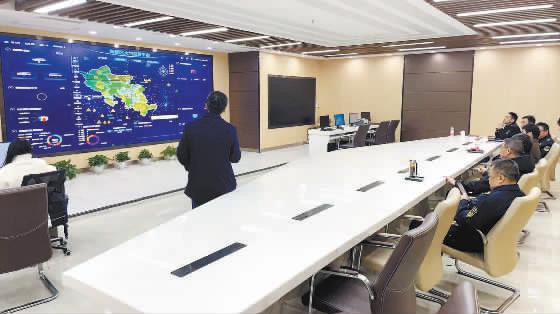
Core Viewpoint - Chengdu's Xindu Ecological Environment Bureau is exploring new paths for high-level protection and high-quality development in response to environmental governance requirements, establishing an intelligent management system centered on the "Xindu Ecological Smart Platform" for efficient environmental governance [1][3]. Investment and Coverage - The total project investment amounts to 7.7576 million yuan, covering the entire Xindu District [2]. Technical Features - A multi-source integrated monitoring network has been established, incorporating over 220 air quality monitoring stations and 128 monitoring points covering more than 2,200 air-related enterprises, utilizing big data and AI algorithms for rapid identification and precise location of pollution sources [3]. - A tiered and categorized enforcement mechanism has been implemented, with automatic triggering of a three-level warning response system based on pollution concentration thresholds, significantly reducing interference with daily business operations while ensuring air quality targets are met [3]. Project Advantages - The service system is efficient and diverse, integrating a "five services" framework that includes local service, park service, enterprise service, project service, and public service, resulting in a significant increase in the number of advanced environmental performance enterprises from 7 in 2022 to 87 [4]. - A comprehensive supervision mechanism has been established, covering organization, system, policy, discipline, and funding, with over 100 million yuan invested in special governance funds since 2021 to support pollution prevention efforts [4]. Benefit Analysis - Environmental benefits include achieving national secondary air quality standards for the first time in 2024, with a 13.3% year-on-year improvement in PM2.5 concentration and an increase of 7 days in good air quality days [5]. - Economic benefits are reflected in the significant growth of advanced environmental performance enterprises, with 46% of key industry enterprises meeting performance standards, and a projected regional GDP of 112.99 billion yuan in 2024 [5]. - Management benefits include a 78% year-on-year reduction in enterprise inspection frequency, with effective enforcement combining "smart regulation" and "strict law enforcement" [5]. - Social benefits are highlighted by the effective resolution of prominent environmental issues, leading to increased public satisfaction [5]. Promotion and Application Value - The system offers a replicable and scalable modern environmental governance solution, focusing on management concept reformation and business process optimization rather than reliance on specific equipment or platforms [6]. - This model is characterized by strong universality, controllable costs, and advanced concepts, providing a practical example for similar regions to achieve refined and intelligent environmental governance, aligning with the modernization direction of national environmental governance systems [7].

郑州市生态环境局高新执法大队党支部:建强一线战斗堡垒,争做基层模范先锋
Zhong Guo Huan Jing Bao· 2026-01-15 02:12
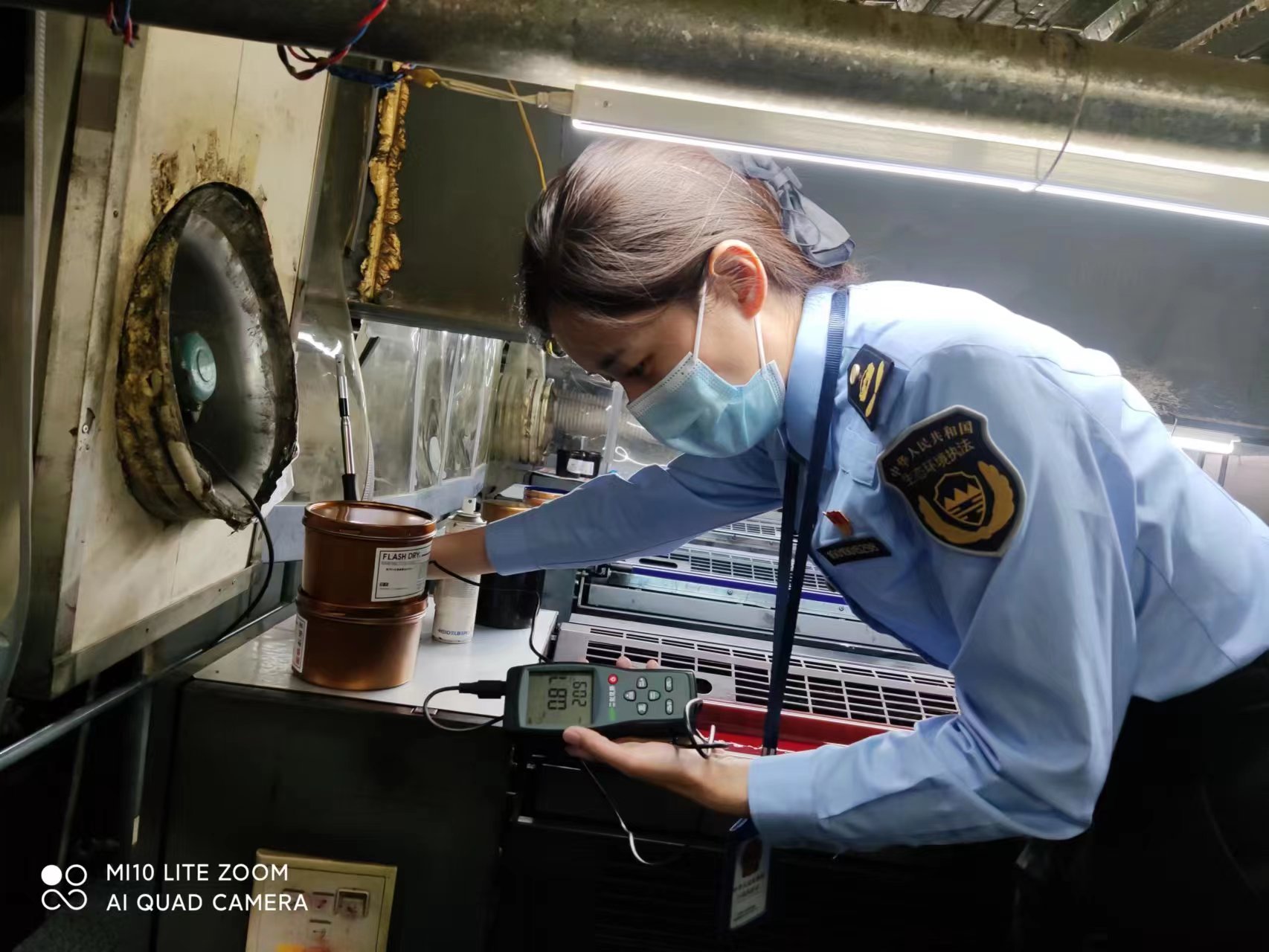
高新执法大队党支部注重党员能力素质养成,倡导"在岗一分钟,奉献六十秒;岗位虽在外,工作也出彩。"全员都是多面手,哪里需要哪里去。四年来,大 队人员不断被抽调到河南省生态环境厅、郑州市生态环境局、监督帮扶督导组等不同部门,均能很好地完成任务。 8 ABRANTPHER 175 0 2017 @ y e P 河南省郑州市生态环境局高新执法大队党支部自2021年成立以来,深化党建引领队伍建设、强化党员先锋责任担当,创建了"一根红线管到底,指导帮扶有 后续"党建品牌,为生态环境执法工作提供了坚强保障,被中共郑州市委直属机关工作委员会命名为"四强党支部"。 高新执法大队党支部自创党建品牌"一根红线管到底,指导帮扶有后续"。"一根红线管到底"要求党员需秉持"一颗红心",由自身的一颗红心向企业牵出"一 根红线",主动回应企业急难愁盼。"指导帮扶有后续"要求党员持续跟进企业整改进度,全程为企业生态环保工作提供精准帮扶。 高新执法大队党支部通过联建共建,经常到企业座谈交流,制作课件培训企业环境管理人员,力求"通过一个案件,帮助一家企业,解决一类问题"。 高新执法大队党支部号召党员干部在严格执法中淬炼执法本领,在暖心帮扶中化解民 ...
安徽“十四五”生态文明建设实现新跨越
Zhong Guo Huan Jing Bao· 2026-01-15 01:17
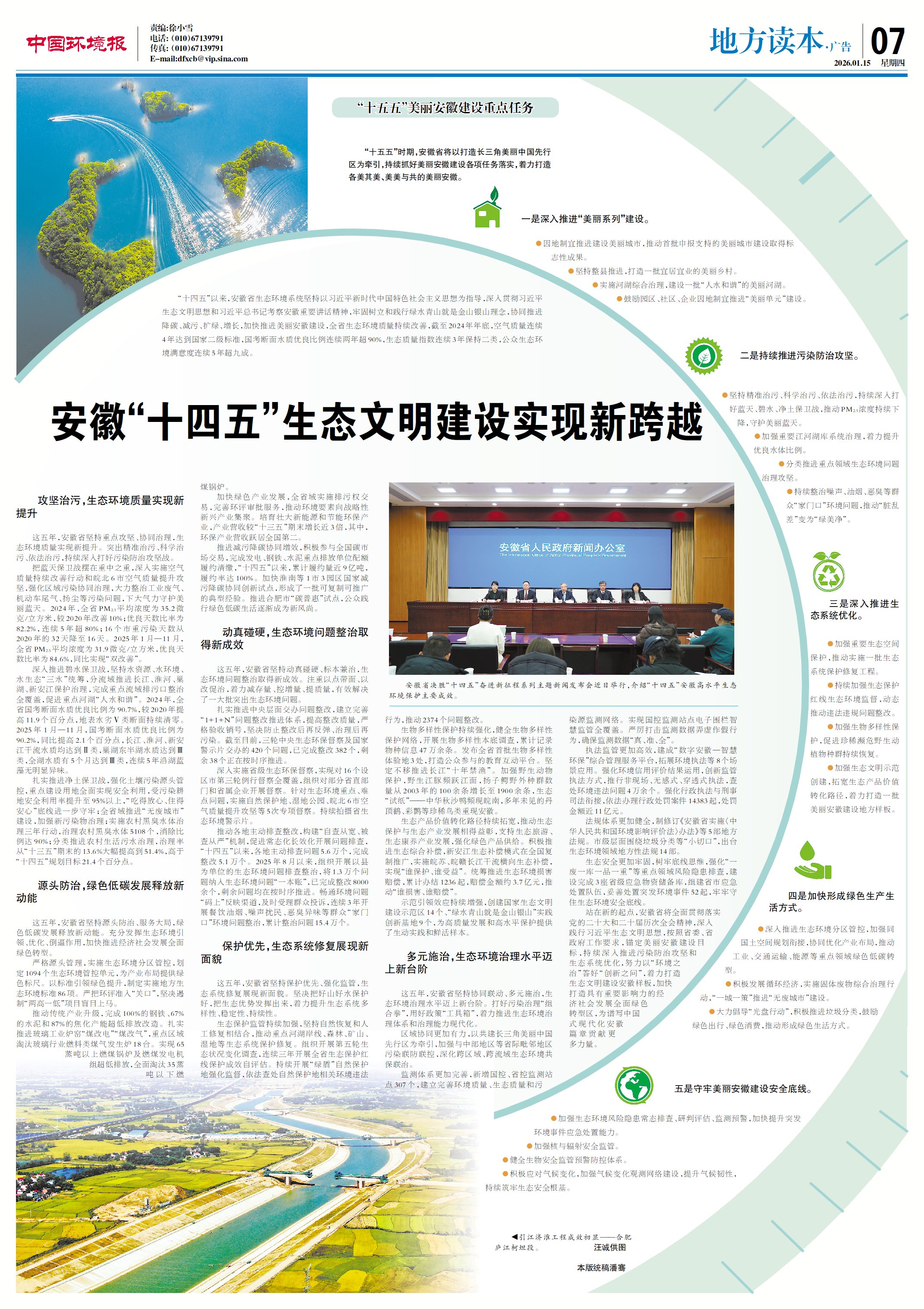
Core Viewpoint - The Anhui Province has made significant progress in ecological and environmental protection during the "14th Five-Year Plan" period, focusing on pollution prevention, carbon reduction, and the promotion of a beautiful Anhui, with continuous improvements in environmental quality and public satisfaction [2][13][24]. Group 1: Air Quality Improvement - The average PM2.5 concentration in Anhui is projected to be 35.2 micrograms per cubic meter by 2024, a 10% improvement from 2020 [3][14]. - The proportion of days with good air quality has remained above 80% for five consecutive years, with a rate of 82.2% in 2024 [3][14]. - The number of heavily polluted days in 16 cities has decreased from 32 days in 2020 to 16 days [3][14]. Group 2: Water Quality Enhancement - By 2024, the proportion of national monitoring sections with good water quality is expected to reach 90.7%, an increase of 11.9 percentage points from 2020 [3][15]. - The water quality of major rivers such as the Yangtze and Huaihe has reached Class II standards, with significant improvements in the quality of Chaohu Lake [3][15]. - The rate of rural sewage treatment has increased from 13.6% at the end of the "13th Five-Year Plan" to 51.4%, exceeding the target by 21.4 percentage points [3][15]. Group 3: Soil and Land Management - The safety utilization rate of contaminated farmland has improved to over 95%, ensuring food safety and residential security [3][15]. - The province is advancing the "no waste city" initiative and has implemented a three-year action plan to address rural black and odorous water bodies, successfully treating 5,108 cases [3][15]. Group 4: Green Development Initiatives - Anhui has implemented ecological environment zoning management, establishing 1,094 ecological control units to guide industrial layout [3][16]. - The province has achieved 100% ultra-low emissions for steel production and significant upgrades in cement and coking industries [3][16]. - The revenue from the environmental protection industry has increased nearly threefold compared to the end of the "13th Five-Year Plan," with the industry ranking second nationally [3][16]. Group 5: Carbon Reduction Efforts - Anhui has actively participated in the national carbon market, achieving a compliance rate of 100% for key emission units in power generation, steel, and cement [3][17]. - The province has initiated pilot projects for carbon reduction and pollution control, creating replicable models for other regions [3][17]. Group 6: Ecological Restoration and Biodiversity - The province has strengthened ecological protection and restoration efforts, focusing on natural recovery and artificial restoration of key ecosystems [3][21]. - Biodiversity protection initiatives have recorded over 470,000 species information entries, enhancing public engagement in ecological conservation [3][21]. - The population of endangered species, such as the Yangtze finless porpoise, has shown significant recovery, with numbers increasing from over 100 in 2003 to over 1,900 [3][21]. Group 7: Regulatory and Monitoring Enhancements - The establishment of 307 new monitoring stations has improved the environmental quality and pollution source monitoring network [3][23]. - The province has implemented a comprehensive management service platform for environmental law enforcement, addressing over 40,000 environmental violations [3][23]. - The regulatory framework has been strengthened with the revision of five local environmental laws to enhance compliance and enforcement [3][23].
经济大省在美丽中国建设中的责任担当——江苏“十四五”生态环境保护工作迈出重大步伐
Zhong Guo Huan Jing Bao· 2026-01-15 00:36
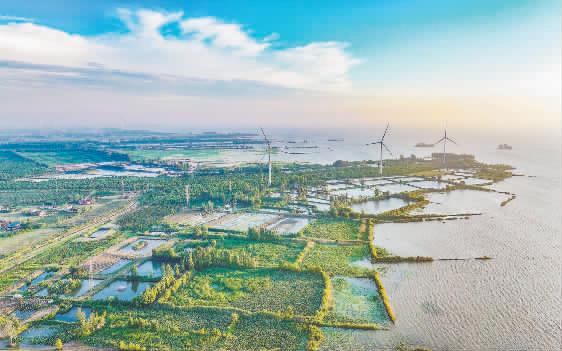
长江之畔,芦苇摇曳,江豚逐浪,尽显母亲河的蓬勃生机;太湖之滨,碧波万顷,鸥鹭翔集,绘就"三万六千顷"的浩渺画卷;黄海湿地,鹤舞鹿鸣,声闻于 野,奏响了人与自然和谐共生的交响曲。 "十四五"时期,是江苏生态文明建设和生态环境保护具有里程碑意义的五年。五年来,江苏坚定不移走生态优先、绿色发展之路,以高水平生态环境保护支 撑经济高质量发展。省委、省政府高度重视美丽江苏建设:2023年9月召开全省生态环境保护大会,对全面推进美丽江苏建设作出系统部署;2024年5月印发 《关于全面推进美丽江苏建设的实施意见》,将其作为江苏在推进中国式现代化中"走在前、做示范"的重要任务予以安排。 五年来,江苏持续深入打好污染防治攻坚战,生态环境质量实现历史性、突破性改善:全省PM2.5平均浓度和重污染天数比率均达有监测记录以来最好水 平,国考断面水质优Ⅲ比例等主要环境质量指标持续改善,太湖水质实现"稳Ⅲ向好",全面完成"十四五"国家下达的各项生态环境约束性指标,生物多样性 本底调查新增记录物种2363种,在国家污染防治攻坚战成效考核中连续六年获评"优秀"等级,公众对生态环境的满意度始终保持在90%以上…… 如今,一幅山清水秀、天蓝地绿 ...
江西这个研究所收到县政府感谢信!“三融互促”党建模式入选全省十佳案例
Zhong Guo Huan Jing Bao· 2026-01-15 00:32
1月11日,一封来自日前成功跻身全国"绿水青山就是金山银山"实践创新基地的江西省上犹县人民政府 的感谢信,让江西省生态环境科学研究与规划院生态环境规划研究所(以下简称规划所)的党员同志们 备受鼓舞。 "信中肯定了我们所这次有6个党员参与组成的9人专家团队的辛勤付出与敬业奉献,让地方感受到我们 服务基层、助力地方的务实作风和专业精神。这也从侧面反映了我们党支部的战斗力。"规划所党支部 书记刘慧丽告诉记者。 近年来,规划所党支部针对"重形式轻实效""研究服务融合深度不够"等痛点问题,探索"三融互促"党建 工作模式,即推动党建与业务融合互促、理论与实践融合互促、研究与服务融合互促,打造"政治过 硬、本领高强、作风优良、群众满意"的基层战斗堡垒。 在面对急难险重任务时,规划所党员先锋模范作用凸显,确保各项规划编制、政策研究任务高效推进。 据了解,规划所党支部这些年一直从事美丽江西建设支撑工作,全所21人,平均年龄32岁左右,所在支 部党员人数占全所总人数超七成,均具有硕士以上学历,其中博士3人。 "我们全力开展美丽江西建设政策研究,积极探索各具特色的美丽建设路径和模式。"规划所所长熊鹏 说。 规划所支撑起草完成《关于 ...