
Zhong Guo Huan Jing Bao

Search documents
秸秆换钾肥,这里的经验值得借鉴
Zhong Guo Huan Jing Bao· 2025-11-26 03:14
Core Viewpoint - The article highlights the issue of biomass burning in rural areas of southern hilly regions, where villagers burn various plant materials due to lack of storage and to obtain potassium-rich soil for gardens. This practice, while seemingly minor at individual points, collectively impacts air quality and poses challenges for local authorities [1]. Group 1: Biomass Burning Practices - Villagers collect and burn biomass such as weeds and vines, which leads to air quality concerns due to widespread and numerous burning points [1]. - The primary reasons for this practice include the lack of storage options for biomass and the desire to obtain potassium-rich soil for gardening [1]. Group 2: Local Government Response - Local officials are seeking to transition from dispersed burning to centralized processing to mitigate smoke emissions from individual households [1]. - Some regions have allocated agricultural funds to purchase potassium fertilizer, which is then distributed to villagers in exchange for the biomass they would otherwise burn [1]. Group 3: Waste Management and Agricultural Practices - Collected biomass is transported to specialized incineration facilities for centralized burning, allowing villagers to collect wood ash in return [1]. - The article suggests that the management of straw burning can learn from the strategies used to control the burning of garden soil materials, emphasizing the need for improved resource utilization in agriculture [1].
连云港的马拉松有哪些不一样?“人在画中跑”成亮点
Zhong Guo Huan Jing Bao· 2025-11-26 01:48
Core Viewpoint - The recent 2025 Lianyungang Lian Island Half Marathon showcased a unique experience by integrating ecological principles into the event, contrasting with traditional marathons that often leave behind litter and environmental damage [1] Group 1: Event Features - The marathon course was strategically located in the Lian Island scenic area, connecting various attractions such as Xidati, Dashawan, and Suma Bay, allowing participants to appreciate the beauty of "mountains, sea, port, island, and city" [1] - Unlike conventional events, this marathon featured waste sorting bins every hundred meters and volunteers promoting "no trace running," with biodegradable materials used for isolation barriers [1] Group 2: Environmental Initiatives - The event incorporated ecological considerations throughout its planning and execution, including pre-race inspections of ecologically fragile areas and the establishment of warning signs [1] - During the race, environmental volunteers monitored the course, and post-race management aimed for "zero waste," significantly increasing the use of biodegradable materials and repurposing discarded race numbers into cultural products [1] Group 3: Community Impact - Many marathons struggle to leave a lasting impact, but Lianyungang successfully combined the event with local characteristics, using its "mountain-sea embrace" to highlight ecological protection achievements [1] - Participants expressed a shift in motivation from "running for the race" to "running for the experience," indicating a deeper connection to the environment and community [1]

秦山核电:绿色引擎驱动生态能源新范式
Zhong Guo Huan Jing Bao· 2025-11-26 00:43
Core Insights - Qinshan Nuclear Power Base represents over 40 years of China's nuclear power development, contributing significantly to clean energy supply in the Yangtze River Delta region [1] - The base has transitioned from relying on imported technology to achieving self-sufficiency and innovation in nuclear power technology, marking China as the seventh country capable of independently designing and constructing nuclear power plants [3] - The integration of nuclear power with solar energy has created a hybrid power generation model, enhancing land use efficiency and energy supply resilience [4] Innovation and Technology - The first concrete pour at Qinshan in 1985 marked the beginning of China's nuclear energy journey, with significant advancements in technology achieved through collaboration among over 100 research institutions and 600 manufacturing companies [3] - The successful commissioning of Qinshan Nuclear Power Station in 1991 ended China's lack of nuclear power and laid the groundwork for the development of the "Hualong One" third-generation nuclear technology [3] - Continuous improvements in equipment localization, digital control systems, and nuclear fuel self-research have been pivotal in advancing China's nuclear capabilities [3] Environmental Impact - By the end of 2024, Qinshan Nuclear Power is expected to have generated over 870 billion kilowatt-hours of electricity, resulting in a reduction of approximately 800 million tons of CO2 emissions, equivalent to planting around 550 West Lake-sized forests [5] - The surrounding environment has shown significant improvement, with decreasing PM2.5 levels and increasing days of good air quality, demonstrating the compatibility of nuclear energy development with ecological preservation [5] Community Engagement - The Qinshan Nuclear Power Base emphasizes public communication and education, with its science museum receiving over 110,500 visitors in 2024, fostering interest in clean energy and technology among youth [6] - Various outreach programs have been established to alleviate public concerns about nuclear energy, contributing to a positive social environment for the long-term development of nuclear power [6] Applications and Future Developments - Qinshan has pioneered nuclear heating in southern China, benefiting over 4,000 households and expanding to public and commercial buildings, thus enhancing living standards and reducing energy consumption [7] - The facility is also advancing in isotope research and production, with the launch of the "Hefei No. 1" brand for carbon-14 isotopes, marking a significant step towards self-sufficiency in this sector [7][8] - The establishment of a large-scale isotope industry park is projected to generate an annual output value exceeding 20 billion yuan, contributing to local economic growth and enhancing China's competitiveness in the isotope industry [8]


2025年度生态环境厅局长论坛在广东中山举办,共绘美丽河湖新画卷
Zhong Guo Huan Jing Bao· 2025-11-26 00:36
Core Points - The forum held on November 25, 2023, in Zhongshan, Guangdong, focused on the theme of integrated management of water resources, water environment, and water ecology to promote the protection and construction of beautiful rivers and lakes [1][2] - Significant achievements have been made in water ecological environment protection in China, with major rivers like the Yangtze and Yellow Rivers maintaining Class II water quality for consecutive years [1] - The "14th Five-Year Plan" period is identified as a critical phase for achieving fundamental improvements in ecological environment quality, emphasizing the transition from quantitative to qualitative improvements in water ecological environment [1] Group 1 - The forum aimed to deepen the understanding of the spirit of the 20th National Congress of the Communist Party of China and to plan and promote water ecological environment protection work with a higher perspective and broader vision [1] - The national ecological environment system will focus on "three water coordination" and prioritize solving river basin and cross-border water ecological environment issues during the "14th Five-Year Plan" period [1] - The forum included discussions on practical experiences in the "Blue Water Defense War," planning ideas for water ecological environment protection, and pathways for beautiful river and lake construction [2] Group 2 - The forum also announced the winners of the "Beautiful China Through My Eyes" short video competition, highlighting the importance of using imagery to document ecological beauty and promote environmental protection concepts [2] - Participants included officials from the Ministry of Ecology and Environment and local ecological environment departments, indicating a collaborative approach to ecological protection [2]
地铁建设计划被“搁浅”,种种因素之外还有一笔生态账
Zhong Guo Huan Jing Bao· 2025-11-26 00:30
Core Viewpoint - The recent suspension of subway planning in cities like Ningbo and Luoyang indicates a shift in China's urban subway construction from large-scale expansion to a focus on quality improvement [1] Group 1: Current State of Subway Construction - Subways have been regarded as a "core business card" for urban modernization, leading to aggressive planning and construction by various cities [1] - Many cities struggle to meet the national requirement of 0.7 passengers per kilometer per day, indicating a misalignment between planning and actual usage [1] - Current subway planning often prioritizes population size and real estate development over ecological and environmental considerations [1] Group 2: Need for Quality Development - There is a pressing need for subway construction to transition from "scale priority" to high-quality development, incorporating ecological and environmental factors [1] - A comprehensive evaluation system should be established, integrating passenger flow intensity, fiscal sustainability, and ecological carrying capacity [1] Group 3: Environmental Impact and Challenges - Subway construction disturbs approximately 100,000 cubic meters of soil per kilometer, which can damage underground water layers and soil ecosystems [2] - Instances of ground subsidence due to subway construction have been reported, with repair periods potentially lasting up to 20 years [2] - The ecological damage caused by subway construction is often irreversible, highlighting the need for a more sustainable approach [2] Group 4: Recommendations for Improvement - An improved environmental impact assessment system should include core indicators such as underground resource capacity and geological stability [2][3] - An "ecological indicator veto" mechanism is recommended, where projects failing to meet ecological standards would not be approved [3] - A green construction system should be established, incorporating costs for soil disposal and ecological restoration into total project investments, promoting the use of eco-friendly construction technologies [3]
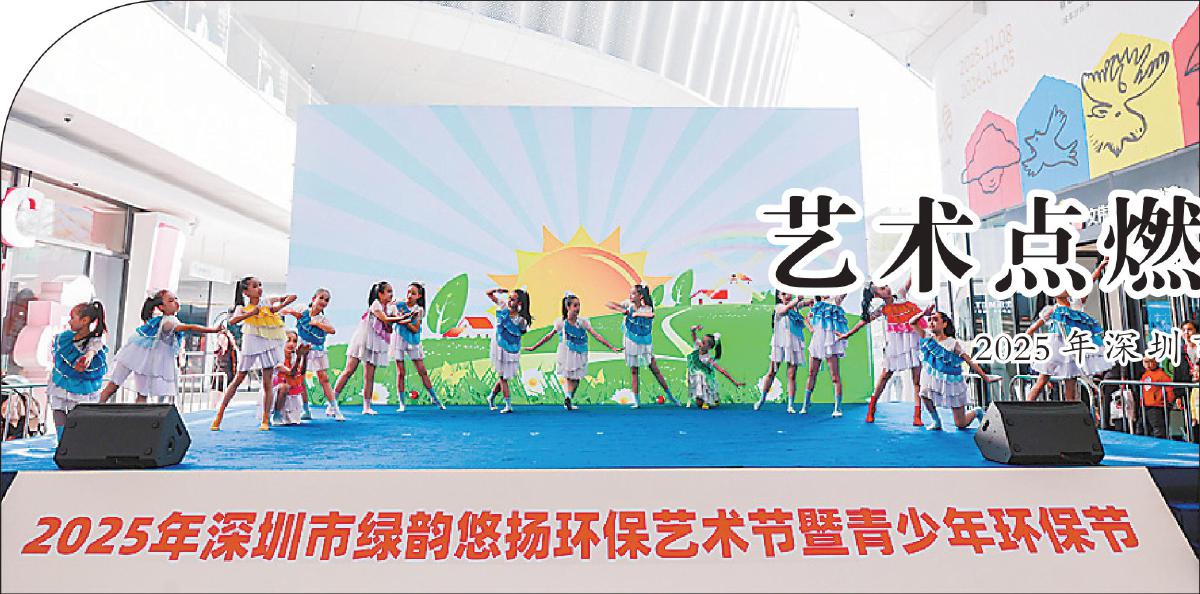
艺术点燃环保心 青春绘就绿篇章
Zhong Guo Huan Jing Bao· 2025-11-26 00:21
Core Points - The 2025 Shenzhen Green Rhythm Environmental Art Festival and Youth Environmental Festival was launched on November 22, showcasing ecological themes through performances and art [1][2] - The festival has evolved over 20 years into a comprehensive platform for ecological culture, incorporating various art forms and interactive activities to promote environmental awareness [2][3] - The theme for this year's festival is "Beautiful China, I Take the Lead," emphasizing individual responsibility in ecological conservation [2][3] Group 1: Event Overview - The festival featured nearly 300 attendees, including citizens, students, and environmental volunteers, who engaged with performances and art displays [1] - The event aims to integrate art and creativity to spread ecological civilization concepts and showcase Shenzhen's modern ecological city image [3] - A total of over 300 submissions were received, with 100 awarded, reflecting the community's enthusiasm for environmental protection [4][5] Group 2: Artistic Contributions - Performances included a stage play about marine life and a dance representing low-carbon living, highlighting the creativity of local students [4] - The festival introduced an "AI-Youth Group" for the first time, showcasing the intersection of technology and environmental creativity through AI-generated artworks [5] - The event featured interactive educational games, enhancing learning through engagement, which was well-received by participants [5] Group 3: Community Engagement - The festival encourages public participation in environmental initiatives, fostering a sense of community and shared responsibility [2][6] - The activities aim to inspire the younger generation to become advocates for environmental protection, contributing to a sustainable future [6]
打造超大城市生态环境智慧治理的武汉样本
Zhong Guo Huan Jing Bao· 2025-11-26 00:21
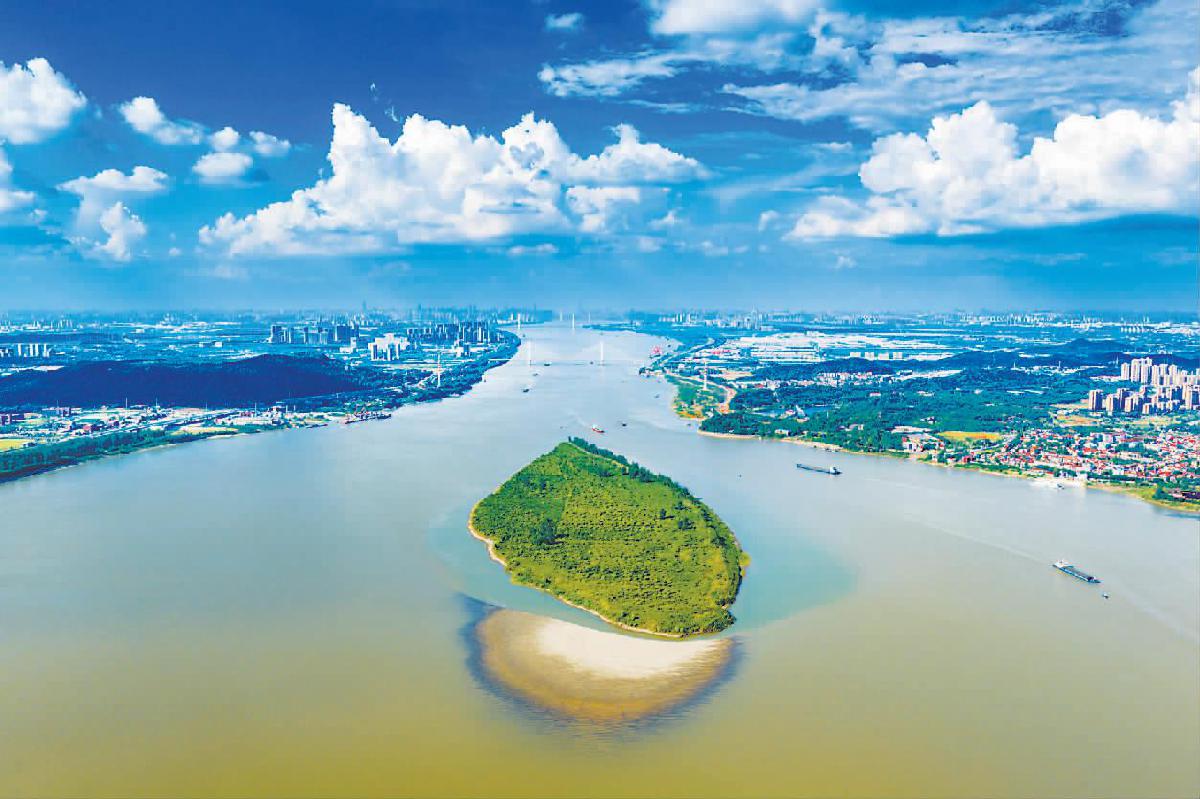
夯实数字底座 筑牢数据基石 "要实现'能监控、能研判、能指挥',首先得有'看得全、算得准、用得上'的数据基础。"武汉市生态环境宣教中心负责人介绍。三年来,武汉重点打 造"全要素感知、全流程治理、全场景共享"的数字底座,为数字化治理提供坚实数据支撑。 城市空气质量、长江武汉段水质自动监测数据实时上传,企业生产污染情况线上实时掌握,环境问题通过"数据分析+人工巡查+AI预测"实现精准锁定 并快速处置,企业市民线上就可以完成环保咨询……这一幕幕智能治理场景,正是湖北省武汉市生态环境局开展数字能力提升三年行动赋能超大城市生态治 理现代化的生动缩影。 "十四五"以来,武汉市生态环境系统深入学习贯彻习近平生态文明思想,锚定"打造人与自然和谐共生的重要典范"目标,将数字化作为破解生态治理难 题的核心抓手,通过构建"能监控、能研判、能指挥"的数字治理体系,不仅实现了长江大保护、污染防治攻坚等生态环境治理效能的跃升,更让"蓝天、碧 水、净土"的生态红利惠及千万市民,为超大城市生态环境治理现代化贡献了可复制、可推广的"武汉方案"。 擘画数字蓝图 推动数智转型 "过去靠'人工巡查+经验判断',污染源排查像'大海捞针';现在有了数字 ...
精准治污+科技赋能,上海的治气经验值得全国抄作业
Zhong Guo Huan Jing Bao· 2025-11-25 23:20
Core Insights - Shanghai's air pollution control practices focus on targeted measures across key areas such as mobile sources, industrial sources, and residential sources, utilizing a combination of policies, technology, regulation, and collaborative governance to steadily improve air quality [1][2] Group 1: Shanghai's Approach - Shanghai aims for "long-term root cause resolution" in pollution control, employing scientific methods throughout the process and ensuring that each step is precise and effective [2] - The city identifies mobile sources as the largest contributor to PM2.5, accounting for 44% of the impact, while industrial sources contribute 51% of VOC emissions, which are critical for ozone pollution [2] - Shanghai has implemented a dual approach of "incentives + constraints" to address mobile sources, leading to the early retirement of over 70% of National IV heavy diesel vehicles and increasing the share of new energy heavy trucks to 8% [2] Group 2: Lessons for Other Cities - Other cities should conduct in-depth pollution source analysis to identify critical issues in pollution control and focus on key areas, leveraging technology to enhance the precision and sustainability of regulatory measures [3] - Effective air pollution management requires a long-term perspective rather than short-term results, emphasizing the importance of targeting the most significant contributors to pollution [3] - Engaging the entire community and concentrating efforts on the main pollution sources will lead to more significant improvements in air quality [3]
安徽省委书记梁言顺在池州市主持召开长江大保护工作座谈会时强调 对正在整改的问题要一抓到底、见底清零
Zhong Guo Huan Jing Bao· 2025-11-25 09:35
潘骞 梁言顺指出,近年来,全省系统推进长江生态保护修复,狠抓突出环境问题整改,取得显著进展,但成 效还不稳固,必须坚持问题导向,以更高的站位、更得力的举措扎实做好长江保护工作。要重拳治标, 持续抓好突出环境问题整改,对正在整改的问题要一抓到底、见底清零,对已整改的问题要巩固成效、 严防反弹,对反复出现的问题要举一反三、深挖根源。要系统治源,深入推进长江大保护三年行动计 划,实施好长江十年禁渔,推深做实河(湖)长制、林长制,用好现代化监测手段,切实管住污染物排 放总量。要着力治本,结合谋划"十五五"发展,推动经济社会发展全面绿色转型,加快建设现代化产业 体系。 梁言顺强调,要严格落实"党政同责、一岗双责",以及行业监管责任和企业主体责任,加强工作调度、 明察暗访、督办约谈,常态化开展拉网式排查,及时发现问题,依规依纪依法严肃处理,绝不姑息、绝 不手软,进一步形成抓好长江大保护的强大合力。 安徽省委书记梁言顺近日在池州市主持召开长江大保护工作座谈会,强调要深入贯彻习近平生态文明思 想和党的二十届四中全会精神,认真落实习近平总书记考察安徽重要讲话精神,毫不动摇坚持共抓大保 护、不搞大开发,坚定不移走生态优先、绿色发 ...
云南富宁紧扣群众、企业两大核心群体,以“深、联、帮”提升服务质效
Zhong Guo Huan Jing Bao· 2025-11-25 05:46
Core Viewpoint - The Yunnan Province Wenshan Zhuang and Miao Autonomous Prefecture Funing Branch of the Ecological Environment Bureau has implemented a "Deep, Connect, Help" initiative to enhance service quality and efficiency, focusing on the two core groups of the public and enterprises. Group 1: Community Engagement - The bureau has taken practical measures to improve rural living conditions, collaborating with local village committees to enhance the environment through community clean-up efforts, significantly improving sanitation and increasing residents' happiness [1]. - A comprehensive feedback mechanism has been established to address environmental complaints, ensuring a 100% satisfaction rate from the 23 cases followed up [2]. - The bureau has improved noise pollution complaint handling by clarifying responsibilities among departments and implementing a first-contact responsibility system [2]. Group 2: Enterprise Support - The bureau has accelerated environmental impact assessment (EIA) approvals, providing dedicated support for six key projects in the Funing Industrial Park, reducing approval times to 40% of the legal limit [3]. - An online service platform has been created to provide timely updates on environmental policies and support measures, helping enterprises access necessary information quickly [3]. - The bureau has conducted four specialized training sessions for over 320 enterprise managers and environmental personnel, translating policy requirements into actionable capabilities for green development [3].