
Zhong Guo Huan Jing Bao

Search documents
邵阳以绿为笔书写“十四五”生态华章
Zhong Guo Huan Jing Bao· 2025-12-01 02:15
Core Viewpoint - Since the "14th Five-Year Plan," Shaoyang City in Hunan Province has focused on improving ecological environment quality, achieving significant progress in green low-carbon development and pollution prevention, with 10 out of 29 planning indicators completed ahead of schedule and 19 expected to meet targets by the end of 2025 [3][14]. Green Low-Carbon Development - Shaoyang has set a "dual carbon" goal, increasing the proportion of non-fossil energy in primary energy consumption from 21% in 2020 to 26% by 2025 [4][16]. - The city plans to recommend 24 enterprises for provincial-level green factory certification and over 10 enterprises for voluntary clean production audits by 2025 [4][16]. - The New Shao Que Tang Circular Economy Industrial Park has been approved as a national-level circular economy standardization pilot, enhancing resource utilization rates by 15 percentage points [4][16]. - A total of 46 high-energy-consuming enterprises have been eliminated, and 126 sets of air pollution control facilities have been upgraded, achieving a 2.2% reduction in energy consumption per unit of GDP ahead of provincial targets [4][16]. Water Quality Improvement - During the "14th Five-Year Plan," 52 national and provincial monitoring points in Shaoyang maintained water quality at Class II or above [5][17]. - In 2022, the city ranked 24th nationally for surface water quality assessment, achieving a historical best [5][17]. - Investments of 32.969 billion yuan have led to the construction of 107 sewage treatment plants, increasing daily sewage treatment capacity by 12.523 million tons and improving urban sewage collection rates to 64.7% [5][17]. Air Quality Enhancement - In 2022, Shaoyang's urban air quality reached national secondary standards for the first time, eliminating moderate and severe pollution days [6][18]. - By 2024, the average PM2.5 concentration in urban areas is expected to drop to 36.5 micrograms per cubic meter, with all nine counties meeting air quality standards [6][18]. - The city has implemented a smart control system for open burning and completed upgrades for two cement plants and 120 VOCs-related enterprises, achieving significant reductions in nitrogen oxides and volatile organic compounds emissions [6][18]. Soil Quality Protection - The safe utilization rate of contaminated arable land has increased from 90% in 2020 to 94.66% in 2024, with key construction land utilization rates maintained at 100% [7][18]. - The city has completed comprehensive environmental remediation in 275 villages and prioritized pollution control in 84 key sites, with rural sewage treatment rates expected to exceed 40% by the end of 2025 [7][18]. Ecological Restoration Efforts - Shaoyang has invested 1.3 billion yuan to address historical mining pollution issues, successfully closing 10 coal mines and treating 3,000 tons of mining wastewater daily [8][19]. - Since 2017, 81.43% of 237 prominent ecological environment issues assigned by central and provincial authorities have been rectified [8][19]. - The city has completed ecological restoration of 993.61 hectares of historical mining sites, promoting economic activities such as oil tea and traditional Chinese medicine cultivation [8][19]. Public Participation and Future Plans - Shaoyang has achieved national and provincial-level ecological civilization demonstration zone designations, fostering a strong public participation atmosphere in environmental protection [21]. - The city aims to address remaining challenges in pollution control and continue promoting green low-carbon transformation as it plans for the "15th Five-Year Plan" [21].

“十五五”如何深化生态产品价值实现?专家建议:需进一步强化经济学思维
Zhong Guo Huan Jing Bao· 2025-12-01 02:08
Core Viewpoint - The realization of ecological product value is a key path to implement the concept of "lucid waters and lush mountains are invaluable assets," transforming ecological wealth into economic wealth and achieving ecological prosperity for the people [1] Group 1: Progress and Challenges - Significant progress has been made in the realization of ecological product value through mechanism exploration and regional practices, with various paths such as ecological industry development and ecological rights trading being established [2] - Despite initial successes, challenges remain, including a lack of unified accounting standards and unclear property rights, which hinder market transactions and financial empowerment [3][4] Group 2: Suggestions for Improvement - Experts suggest a multi-dimensional approach to enhance the realization of ecological product value, emphasizing the need for economic thinking and a paradigm shift from ecological logic to economic logic [5][6] - There is a call for standardization and property rights reform at the national level to facilitate clearer ownership and reduce transaction costs [6] - The integration of technology and financial innovation is crucial, with proposals for developing ecological bonds and insurance products to support long-term ecological projects [6][7]
黄岩岛海域具有重要生态价值资源价值科研价值——专家谈《2025年黄岩岛海域生态环境状况调查评估报告》
Zhong Guo Huan Jing Bao· 2025-12-01 00:39
Core Viewpoint - The ecological environment of the Huangyan Island sea area is being systematically assessed, revealing a stable and diverse natural ecosystem that requires ongoing protection and research efforts [1][4]. Group 1: Investigation Characteristics - The 2025 investigation emphasizes three aspects: increased systematization and specificity, scientific rigor and advancement, and integration of multi-source data [2][3]. - Compared to the previous year, the investigation has expanded its focus to include new ecological elements such as seagrass and giant clams, with a 50% increase in coral reef survey points and a sample collection volume that is 2.9 times larger than last year [2][3]. Group 2: Ecological Findings - The investigation found that the environmental quality of the Huangyan Island sea area remains excellent, with water and sediment quality classified as Grade I [3][6]. - Coral reef ecosystems are healthy and stable, with an average coral cover of 29.8%, and a significant increase in coral species recorded compared to 2024 [6][7]. - The biodiversity of the area is rich, with 134 species of reef-building corals and 145 species of reef fish documented, indicating a thriving ecosystem [5][6]. Group 3: Conservation Efforts - China has established a national nature reserve for Huangyan Island, emphasizing strict ecological protection and regulatory enforcement to safeguard the area's biodiversity [12][13]. - Continuous scientific research and monitoring are being conducted to understand the resilience of coral reefs to climate change and to implement targeted conservation measures [11][13].
是营养更优的健康代表还是概念炒作的营销噱头?这样看待有机食品才科学
Zhong Guo Huan Jing Bao· 2025-11-28 05:35
Core Viewpoint - The organic agriculture sector is experiencing rapid growth globally, presenting new opportunities for the organic food industry, yet it remains a subject of controversy in China since the 1990s, with polarized views on its safety and nutritional value [1] Group 1: Understanding Organic Industry - The dichotomy of "mythologizing" and "stigmatizing" organic products needs to be broken to foster a rational understanding of the organic industry [1] - The evolution of public perception has shifted from an initial "mythologizing" phase, where organic food was seen as a health icon, to a "stigmatizing" phase due to issues like certification irregularities and inconsistent product quality [1] Group 2: Food Safety and Production - Organic food has advantages in controlling pesticide and veterinary drug residues, but its effectiveness in improving heavy metals and hygiene indicators is limited, and there is no statistical evidence proving its superior safety over conventional food [2] - Organic agriculture is not merely a replication of traditional farming nor a rejection of modern technology; it combines traditional wisdom with modern agricultural techniques, achieving the goal of maintaining quality without reducing yield in certain crops [2] Group 3: Environmental and Economic Value - Organic agriculture contributes positively to reducing chemical pollution and protecting biodiversity, but it should not be viewed as the sole path to green agricultural development [2] - The higher production costs of organic food correspond to market premiums, reflecting recognition of ecological protection, animal welfare, and labor value, but it should not be labeled as a luxury or dismissed as a commercial scam [2] Group 4: Collaborative Efforts for Development - Achieving high-quality development in China's organic industry requires a collaborative effort from producers to promote truthfully, regulators to improve standards, media to report objectively, and consumers to make rational judgments [3]
加快全面绿色转型 美丽湖北谱写新篇章
Zhong Guo Huan Jing Bao· 2025-11-28 05:19
长江三峡。 唐传义摄 绿色发展是中国式现代化的鲜明底色。党的二十届四中全会将"加快经济社会发展全面绿色转型,建设美丽中国"置于突出位置,部署了"以碳达峰碳中 和为牵引,协同推进降碳、减污、扩绿、增长"的实践路径,旨在以系统性变革推动美丽中国建设、中国式现代化目标的实现。 湖北作为长江干线径流里程最长的省份,坚决扛牢生态大省政治责任,始终坚持生态优先、绿色发展,持续深化长江高水平保护,深入打好污染防治攻 坚战,绿色低碳行稳致远,生态环境质量持续改善,支点的生态承载力整体提升,为加快建成中部地区崛起的重要战略支点构筑坚实的生态环境支撑。 仙桃市沙湖镇省级湿地公园。 筑牢生态安全底线,系统提升全域管控能力 湖北千湖璀璨、湿地纵横,境内长江干线长达1061千米,约占长江干流总长度的六分之一。作为三峡工程库坝区和南水北调中线工程核心水源区所在 地,湖北省是长江流域重要的水源涵养地和国家重要生态屏障。筑牢生态安全底线,是湖北肩负的重大政治责任和时代使命。 走进十堰市丹江口库区水质安全保障指挥中心张湾区分中心操控大厅,一面巨幅LED显示屏十分醒目,辖区内河道各项关键数据动态更新。工作人员可 以远程控制无人机,使其沿库区消落 ...

一江碧水映荆楚 万里安澜筑底色——湖北以高水平保护推动长江经济带高质量发展
Zhong Guo Huan Jing Bao· 2025-11-28 05:19
Core Viewpoint - Hubei Province prioritizes the restoration of the Yangtze River's ecological environment, focusing on building a resilient modern water network and promoting comprehensive watershed management, with a commitment to the "ten-year fishing ban" on the Yangtze River [1][8]. Group 1: Ecological Restoration and Environmental Protection - Hubei has implemented a series of measures for precise pollution control, including the closure, transformation, and relocation of 478 chemical enterprises along the Yangtze River, effectively addressing the "chemical encirclement" issue [2]. - The province has completed the remediation of 12,480 pollution discharge outlets and has improved the water quality of 66 urban areas, with over 16,000 rural villages undergoing environmental remediation [2]. - The province has achieved a comprehensive utilization rate of over 79% for livestock and poultry manure, and the treatment rate for ship waste is maintained at over 95% [2][9]. Group 2: Green Development Initiatives - Hubei has launched an ecological environment rights trading platform, enhancing its functionality to support green industry financing and development [4][5]. - The province has issued loans totaling 446.69 billion yuan for carbon reduction projects, leading to a reduction of 893 million tons of CO2 equivalent emissions [7]. - Hubei is advancing its carbon market, achieving a transaction volume of 4.19 billion tons and a transaction value of 10.358 billion yuan, accounting for 42.7% of the national pilot market [7]. Group 3: Future Directions and Goals - The province aims to enhance the ecological carrying capacity and ensure the safety of the Yangtze River, focusing on high-level protection to support high-quality development [8][9]. - Hubei will continue to implement the "three-year action plan" for the protection of the Yangtze River and promote the comprehensive management of lakes and pollution sources [8][9]. - The province emphasizes the integration of ecological governance across various landscapes, including mountains, rivers, forests, fields, lakes, and grasslands, to foster sustainable development [9].
《顺流而上》以光影守护绿水青山
Zhong Guo Huan Jing Bao· 2025-11-28 03:22
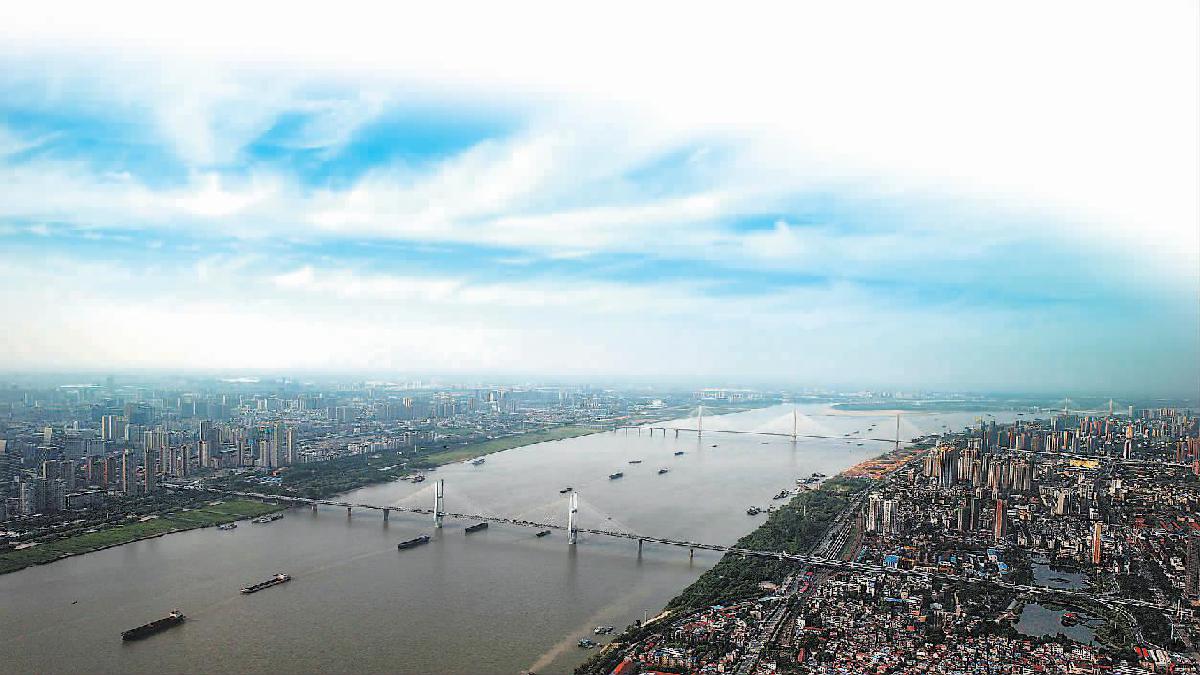
首映礼现场。 将"无声战役"搬上银幕,兼具现实力度与情感温度 平铺直叙的理念宣讲,或是刻意煽情的价值输出,虽具有警示作用,但无形中在观众与议题间形成了一道距离,停留在主旋律环保题材的刻板印象里。 而《顺流而上》,彻底拆解了这种观看结构,成为一部兼具现实力度与情感温度的作品。 "这次,没有谁是旁观者!"近期,我国首部生态环境执法题材院线电影《顺流而上》正在全国院线热映。该片以写实的影像风格与类型化叙事,真实再 现了一线生态环境执法人员与违法排污企业之间的博弈,展现了新时代生态环境工作者的责任与担当,也深刻叩问了经济发展与生态环境保护之间的时代命 题。 "希望能把生态环境执法人内心的执着、坚韧、强大的内核表达出来,并在此基础上能和观众产生共鸣。"电影总制片人谢敏表示。 影片讲述了新任环保局执法支队副支队长陆青云因好友离奇死亡,卷入一桩错综复杂的水污染谜案。他与搭档赵山河在危机四伏的调查中,顶着各方压 力孤勇前行,只为探寻污染源头。影片改编自十几年前推动我国环境违法入刑进程的真实案件,该事件曾引发社会广泛关注,并成为我国生态环境法治建设 的重要转折点。 影片由中华环境保护基金会、浙江省杭州市生态环境局、中共建德市委 ...
土坯房里蕴含了哪些生态智慧?
Zhong Guo Huan Jing Bao· 2025-11-28 03:12
为何土坯房这种传统的生态环保建筑会逐渐消失?一方面,部分村民将土坯房视为"土气""落后"的象 征,而将水泥楼房等同于"生活升级"。另一方面,传统技艺面临传承断层,掌握夯土、砌石等技艺的老 工匠日益减少。此外,政策引导与支持力度不足,目前缺乏针对乡村传统生态建筑的系统补贴政策和技 术指导。 在大别山南麓的丘陵地带,乡村民居曾多为土坯建筑。这些房屋就地取材,以山石奠基、泥土为墙、草 木为筋,兼具冬暖夏凉的特性,体现出与自然相融的生态智慧。拆旧建新时,地基山石、屋顶木材与瓦 片可循环利用,夯土墙体或土砖亦可重归自然。土坯房的建造方式与理念,生动诠释了"天人合一"的自 然生态观。 然而,在城镇化快速推进的背景下,这类蕴含生态智慧的民居正逐渐消失。在很多村庄,历经数十年甚 至上百年的土坯房被拆除,取而代之的是钢筋水泥结构的楼房。 笔者认为,建设美丽乡村应坚持保护与创新并重、传承与发展协同,积极传承乡村传统民居中蕴含的自 然生态观,使传统智慧在新时代焕发活力。 首先,应守护好传统乡村民居。建议开展乡村传统生态建筑系统普查,将有代表性的土坯房等纳入保护 名录,防止"一刀切"式拆除。可借鉴"修旧如旧"理念,对老建筑进行结构加 ...
三大争议点,专家怎么看?|移送涉刑案件,需要法制审核和集体讨论吗?
Zhong Guo Huan Jing Bao· 2025-11-28 01:55
"生态环境部门移送涉刑案件,法制审核和集体讨论程序是否必要?"这一话题近日在中国环境报引起了热烈讨论。 正方观点认为,设置法制审核和集体讨论程序能够保障移送案件的质量,确保行刑衔接顺畅。反方观点则认为,行政机关的职责在于发现并移交线索,过度 强调程序可能贻误侦查时机。 这个问题为何引发一线执法人员讨论?争论焦点是否有确定答案?本报记者近日邀请多位专家学者、律师谈谈他们的看法。 (点击图片可进入专题获知讨论详情) 争论点一:到底有没有明确规定? 法制审核与集体讨论,是行政处罚法规定的行政机关在行政处罚过程中应当执行的两个程序。法制审核是行政机关在作出重大行政执法决定前,由法制机构 对案件合法性、合理性进行审核的程序;集体讨论是行政机关对某些重大、复杂的行政执法案件,在负责人作出最终决定之前,召集有关人员进行集体研 究、审议,并在此基础上作出决定的内部决策程序。 "负责人审批不等同于法制审核,有些执法人员混淆了二者的概念。实际上,负责人审批、法制审核和集体讨论,是三个不同的程序,有各自不同的适用条 件。"甘肃政法大学民商经济法学院教授冯嘉指出。 也就是说,依据现有法律法规,移送涉刑案件所涉及的审核,属于负责人审批 ...
律师观点:程序之争背后是证据标准之惑|移送涉刑案件,需要法制审核和集体讨论吗?
Zhong Guo Huan Jing Bao· 2025-11-28 01:55
既然如此,为什么还有两种观点、各种理由?其实,大家都是从各自实际办案的角度论证"需要"和"不 需要"。但我认为,这不是一个非此即彼、非黑即白的关系,而是在什么条件下"需要"、什么条件下"不 需要",如何更有效地发挥法制审核和集体讨论的价值,最终达到更好履行移送职责、降低履职风险的 问题。 我认为,正反方观点都有一些偏颇之处。一方面,法制审核在涉刑案件移送中的作用和目的,不能认为 是"添乱"和"阻碍",而是保障和推进。虽然行政移送阶段与刑事定罪阶段的证明标准的确不同,但不应 成为放弃法审的正当理由。另一方面,"移送"是一个过程性行为,不具有终局意义,因此不应对法制审 核附加过大的程序价值。 华商(苏州)律师事务所李加祥: 这个问题在实务中争论已久,原因就在于,如果从"规范"的角度,至少在国家层面上,无论是法律、行 政法规、部门规章还是规范性文件,的确没有强制性规定要求生态环境部门在移送涉刑案件前,应当经 过法制审核和集体讨论程序。 在没有明确规定的情况下,各地生态环境部门可以根据本地的实际情况,制定相应工作规程进行明确, 更好发挥法制审核和集体讨论的正向作用,依法履行移送职责,切实降低履职风险。 ...