3 6 Ke

Search documents
MeetBrands 出海向新 | 带电品类成出海主力:家电的破局之道
3 6 Ke· 2026-02-13 04:12
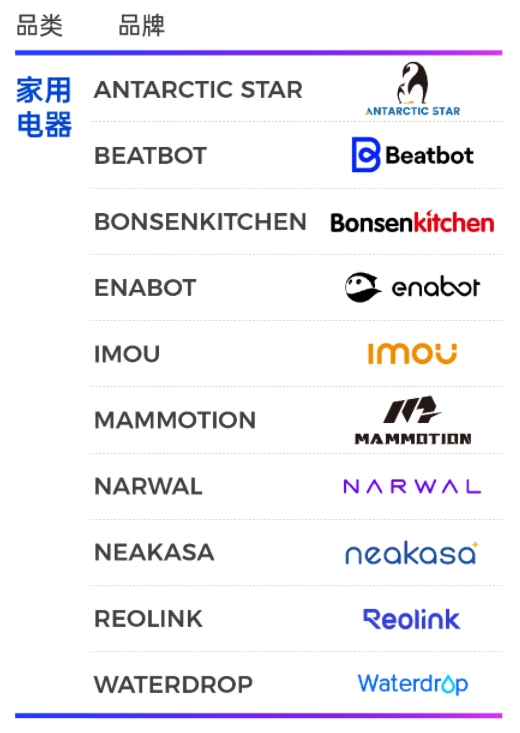
Core Insights - In 2024, China's home appliance export value is expected to exceed $100 billion for the first time, with an annual growth rate significantly higher than the global average, indicating strong growth momentum [1] - Approximately 20% of the brands listed in the 2025 Meet Brands report are from the home appliance category, reflecting a 6 percentage point increase from the previous year, highlighting the category's continued expansion in the overseas market [3] Industry Trends - The home appliance category is transitioning from a phase of "category expansion" to a refined competition stage focused on scenario understanding and product systems [5] - AI technology is becoming a key support for the home appliance category's overseas expansion, with products increasingly capable of autonomous environmental understanding and decision-making [6][7] - Home security management is becoming a new necessity for overseas households, with smart security appliances transitioning from optional to standard [11][12] Brand Development - Brands in the home appliance sector are moving towards a dual-driven model of software and hardware, focusing on a comprehensive evaluation of product performance rather than just hardware functionality [5] - The development focus for brands has shifted from single camera products to a more segmented approach that addresses various spaces and usage scenarios within the home [12][16] Marketing Challenges - New brands face challenges in building trust and educating users, as home appliances are durable goods that require consumer confidence before purchase [19] - The fragmented nature of media channels complicates customer acquisition, as consumers often need to compare and validate information across multiple platforms [20] - Many brands experience a disconnect between traffic acquisition and conversion due to mismatched content and presentation styles on their websites [21] Case Study - BeyondClick has successfully assisted TCL in optimizing its marketing strategy for the Black Friday shopping season in Spain, focusing on a multi-channel approach to enhance conversion efficiency [22][24]


科技新贵们,年会不能停
3 6 Ke· 2026-02-13 03:40
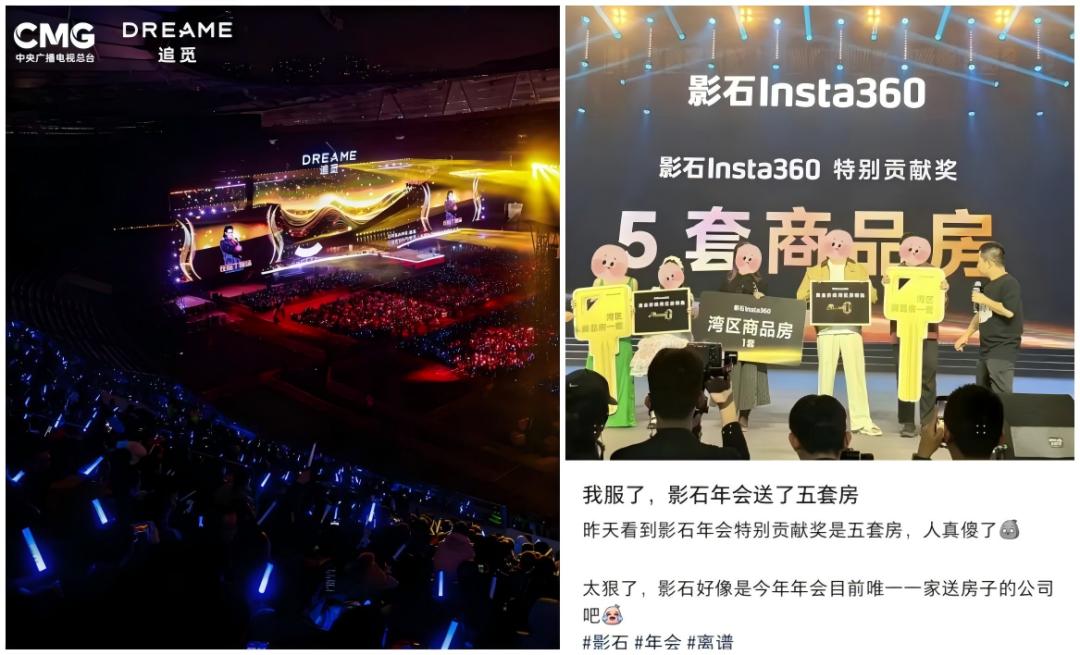
Core Viewpoint - The annual meeting, a modern corporate phenomenon in China, reflects a company's financial strength, cultural values, and market position, evolving from traditional industries to tech companies that now dominate the spotlight [1][6]. Group 1: Evolution of Annual Meetings - The grandeur of annual meetings has shifted from real estate and internet giants to new tech players like AI and smart hardware companies, showcasing extravagant events and significant employee rewards [1][6]. - Companies like ZhiYuan and Chasing have transformed their annual meetings into large-scale events, with ZhiYuan offering cash rewards and Chasing hosting a concert-like atmosphere [1][7]. - The trend of substantial year-end bonuses continues, with companies like Kuaishou and Momo providing significant rewards, such as stock options and high-end electronics [5][8]. Group 2: Importance of Employee Engagement - Annual meetings serve as a platform for companies to enhance their image and attract talent, emphasizing the importance of employee recognition and motivation [13][19]. - The concept of "petting the employee persona" is crucial, as companies aim to create a positive narrative around their workforce to attract top talent in a competitive market [15][19]. - CEO personas are also highlighted during these events, with leaders using the platform to communicate company values and future directions [15][19]. Group 3: Changes in Corporate Culture - The shift in focus from extravagant benefits to effective performance management reflects a broader change in corporate culture, with companies recognizing the need for precise incentive distribution [20][24]. - The decline of traditional welfare culture in Silicon Valley is mirrored in China, where companies are reassessing their approach to employee benefits and incentives [20][24]. - The evolving landscape of annual meetings indicates a need for companies to balance employee satisfaction with effective management practices, addressing the complexities of human behavior in organizational settings [24][25].
一天两枚“代码核弹”:OpenAI 祭出首个“主打实时协作”的 Codex 模型,谷歌放出 Gemini Deep Think,码力冲到世界前8
3 6 Ke· 2026-02-13 03:39
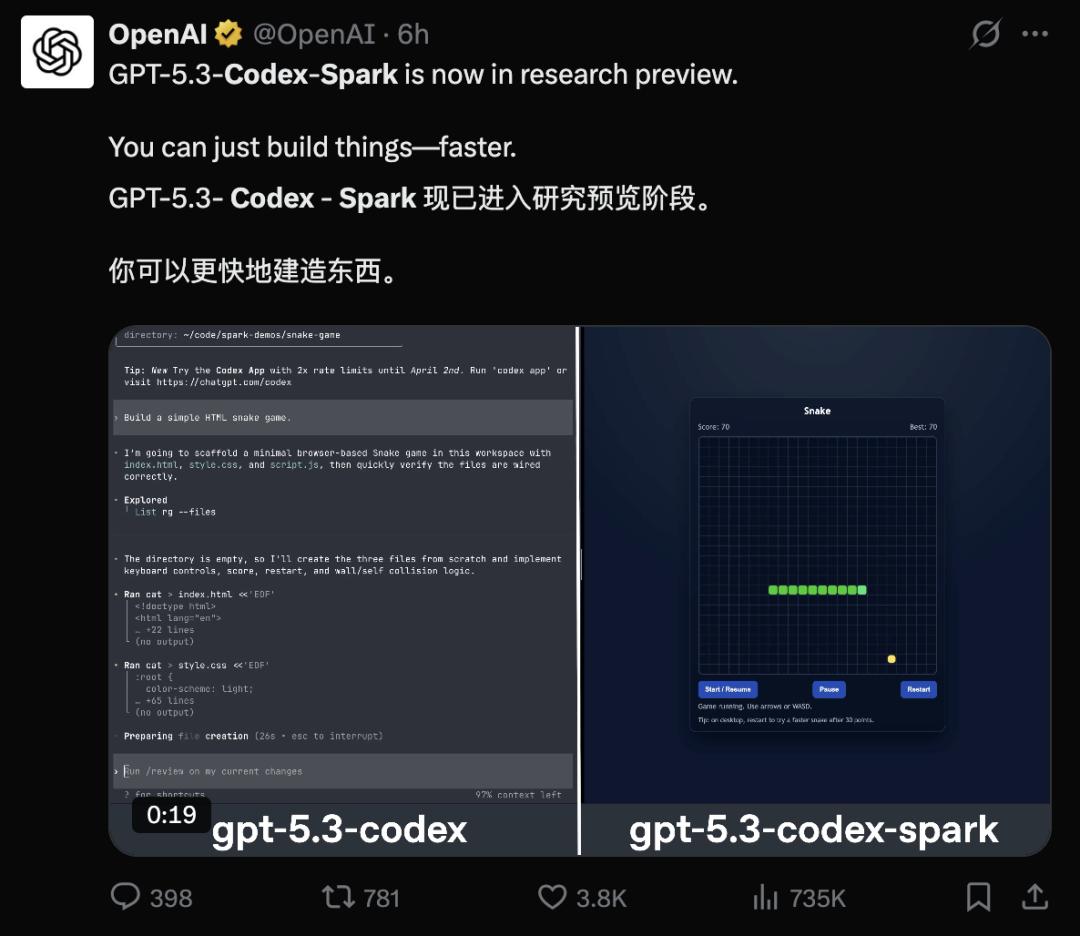
从定位上看,Codex-Spark 并不是为了替代现有的 Codex,而是补齐其在"即时交互"场景中的短板:在过去,Codex 更擅长长时间运行的复杂任务,而 Codex-Spark 的目标则非常明确——把人与模型之间的交互延迟压缩到接近"无感"的程度。 这一发布同时也是 OpenAI 与 芯片初创企业 Cerebras 合作的重要阶段性成果。为了减少对英伟达芯片的依赖,上个月 OpenAI 签署了一项金额超过 100 亿 美元的协议,使用 Cerebras 的硬件以提升其模型的响应速度,而 Codex-Spark 被视为这项合作落地的第一个技术里程碑。 为实时而生:Codex-Spark 的核心是"速度" OpenAI 发布新模型,专为实时编码而生 昨晚,OpenAI正式发布了GPT-5.3-Codex-Spark的研究预览版本。这是一款从 GPT-5.3-Codex 主模型中"裁剪"而来的精简版本,同时也是 OpenAI 首个专 门围绕实时编码(real-time coding)场景设计的模型。 在官方定义中,Codex-Spark 是一个"专为实时使用 Codex 而设计的模型",它支持进行针对性编辑、 ...

AI“军备竞赛”,亚马逊输不起的战争
3 6 Ke· 2026-02-13 03:33
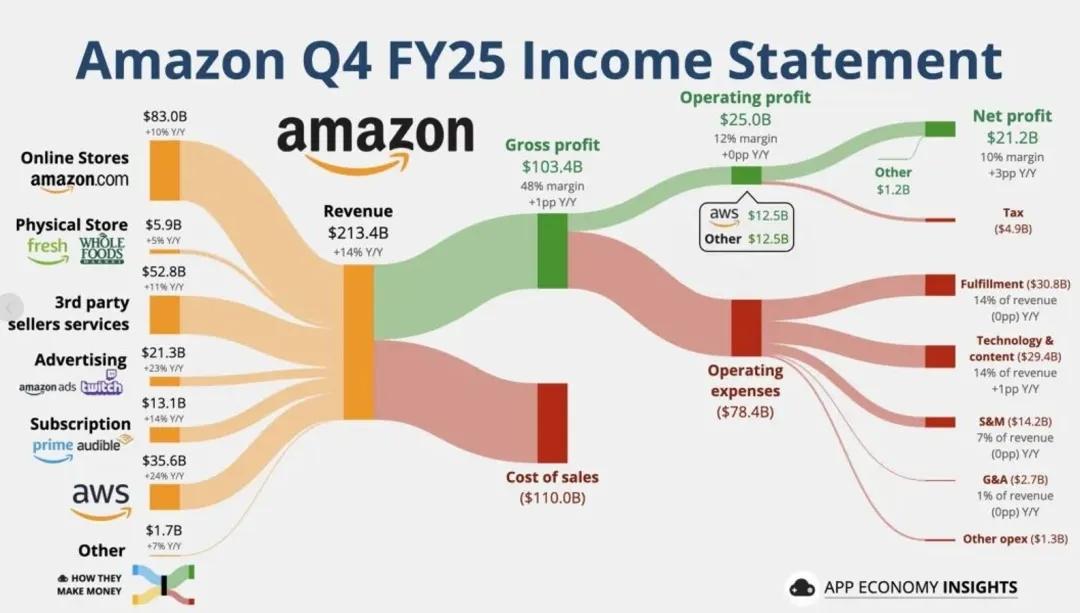
Core Insights - Amazon reported a record revenue of $213.4 billion for Q4 2025, marking a 14% year-over-year increase, and net profit reached $21.2 billion, up 6% [1] - For the full year 2025, Amazon's revenue hit $716.9 billion, a 12% increase, with net profit soaring to $77.7 billion, a 31% rise from 2024 [1] - Amazon's cloud business, AWS, contributed over 60% of the company's operating profit, highlighting its significance as a cash cow [5] Revenue Breakdown - In Q4 2025, Amazon's online store revenue was $82.99 billion, up 10%, while physical stores generated $5.86 billion, a 5% increase [4] - Third-party seller services brought in $42.82 billion, growing 11%, and subscription services earned $13.12 billion, up 14% [4] - Advertising revenue reached $21.32 billion, marking a 23% increase [4] - North America accounted for $127.08 billion in sales, a 10% increase, with operating profit rising 24% to $9.3 billion [4] - International e-commerce revenue was $50.7 billion, up 17%, although operating profit declined 23% to $1 billion due to increased competition and costs [4] Cloud Business Performance - AWS achieved $35.6 billion in revenue for Q4 2025, a 24% increase, marking the highest growth rate in 13 quarters [5] - For the full year, AWS revenue reached $128.7 billion, a 20% increase, representing 18% of total revenue [5] - AWS's operating profit was $12.5 billion, with a profit margin of 35% [5] Capital Expenditure and Future Investments - Amazon plans to invest approximately $200 billion in capital expenditures in 2026, a 52% increase from 2025's $131 billion [14] - The significant capital expenditure includes investments in AI, robotics, and chip development, indicating a strategic focus on enhancing operational efficiency and customer experience [17][21] - Amazon's self-developed AI training chips, Trainium and Graviton, have surpassed $10 billion in annualized revenue, with Trainium 3 already in high demand [17][18] Competitive Landscape - Amazon maintains a leading position in the public cloud market with a 28% market share, followed by Microsoft at 21% and Google at 14% [10] - However, AWS's revenue growth rate is lagging behind competitors like Microsoft Azure and Google Cloud, which are growing at 39% and 48%, respectively [10]
内存价格翻倍上涨,涨价还是减配,手机行业进退两难
3 6 Ke· 2026-02-13 03:33
Core Insights - The rapid increase in memory prices since Q4 2025 has significantly raised costs for smartphone manufacturers, leading to a potential retreat in the industry as companies face tough choices between raising prices or reducing specifications [1][5][8] - Counterpoint research indicates that memory prices may rise by approximately 40% before Q2 2026, further increasing material costs for manufacturers [2] - The smartphone market is experiencing a shift, with manufacturers adjusting their strategies to cope with rising costs, leading to a potential decline in overall market volume and increased competition among brands [8][10] Price Increases and Cost Management - Recent statistics show that new models from brands like Xiaomi, OPPO, and vivo have seen price increases ranging from 100 to 600 yuan compared to previous models, with mid-range models experiencing a price gap increase from 300 to between 400 and 600 yuan [3] - Memory typically accounts for 15% of a smartphone's Bill of Materials (BoM), rising to 20% in mid-range models, while most Chinese smartphone brands have hardware gross margins between 10% and 20% [4] - The price of the mainstream "12GB+256GB" memory configuration has surged by 75% over the past year, raising concerns about consumer willingness to absorb these costs [5] Market Dynamics and Manufacturer Strategies - The pressure from rising memory costs is affecting upstream suppliers, with manufacturers reluctant to pass on costs to consumers for fear of reduced sales, leading to downward adjustments in business plans for 2026 [6][7] - Manufacturers are increasingly focusing on structural adjustments to manage costs, such as changing suppliers or reducing specifications in less noticeable areas [5][7] - The competition is intensifying, with leading brands like Apple and Samsung having more leverage due to their financial stability and long-term supply agreements, while smaller brands face greater challenges [7][8] Market Outlook and Future Trends - The smartphone market in China is projected to see a slight decline in shipments, with major brands like Xiaomi and OPPO reducing their 2026 order quantities by over 20% [8][10] - The trend of "flagship-ifying" mid-range models is reversing, as manufacturers face supply pressures and must focus on high-end models and overseas markets for growth [10] - The global smartphone market is expected to enter a phase of "scale contraction and price increase," with IDC and Counterpoint predicting at least a 2% decline in global smartphone sales this year [10]


讯飞听见的SaaS突围,错身AI办公赛道的细分胜利
3 6 Ke· 2026-02-13 03:32
Core Insights - The article highlights the success of iFlytek's "iFlytek Hearing" app, which has surpassed 100 million users, showcasing the viability of a paid AI SaaS model in contrast to the prevalent subsidized growth strategies in the industry [1][2] - iFlytek Hearing's approach emphasizes long-term sustainability and profitability, adhering to a "three no" product strategy: no splash ads, no in-app ads, and no sharing ads, focusing instead on subscription services [2][11] Group 1: Business Model and Performance - iFlytek Hearing has achieved over 60% gross profit growth for three consecutive years, with a user renewal rate exceeding 50%, maintaining a leading position in the voice transcription category [2][11] - The SaaS model's core value is demonstrated through a positive cycle of technology iteration, paid conversion, and user retention, distinguishing it from traditional tool-based products [2][11] Group 2: Market Competition - The competitive landscape includes major players like Feishu, DingTalk, and Tencent Meeting, which have integrated voice transcription features, creating a dual competition of software and hardware products [3][5] - iFlytek Hearing's strategy of focusing on voice transcription and AI minutes allows it to avoid direct competition with larger collaborative office platforms, targeting specific user needs [6][11] Group 3: Technological Advancements - The transition from a non-real-time transcription model to a subscription-based SaaS service aligns with the global trend of large models, enhancing user experience with features like "one-click manuscript generation" [7][9] - The introduction of personalized AI minutes that adapt to user notes and preferences marks a significant upgrade from traditional transcription services, showcasing iFlytek Hearing's evolution into an intelligent SaaS product [9][10] Group 4: Industry Implications - The success of iFlytek Hearing serves as a lesson for the AI industry, emphasizing the importance of respecting user value and adopting a long-term perspective in product development [11] - As the market shifts from broad platform solutions to specialized SaaS products, there is an increasing demand for tailored solutions that meet specific user needs in the context of digital transformation [11]


四年三款爆品,LiberLive U1发布、C系列累计出货超50万台|最前线
3 6 Ke· 2026-02-13 03:22
作者|黄楠 编辑|袁斯来 音乐消费市场横亘着一道不易察觉的供需断层。 一边是庞大的潜在用户池,中国乐器消费年增速保持在12%以上;另一边是陡峭的转化断层,一把传统民谣吉他的完整学习曲线需要跨越和弦记忆、指法训 练、节奏把控三道门槛,任何节点都足以让多数用户在购入设备的两个月内,将其归向闲鱼或床底。 乐器行业的设备供给长期瞄准专业玩家,以考级体系为路径开展入门教学,但对于那个更庞大、只想在某个瞬间用音乐表达自我的群体,始终未被真正满 足。 U1"拍拍键" 官方数据显示,近日,LiberLive新品U1无弦吉他正式上线天猫平台,首日即登顶平台榜首;上市首月,U1与C2系列拿下该品类热销榜前三;C系列累计出 货已突破50万台。 LiberLive U1新品发布会 把"弹唱"从专业乐手的技能库里拎出来,放回普通用户的体验清单中,U1的设计逻辑是这一思路的轻量化表达。 U1主打小巧便携与高颜值,仅60cm机身、1.5kg重量、可插拔折叠结构,通过单拨片一按一拨,即可实时生成和弦乐段;"哪里闪烁按哪里"的灯光指引极大 降低了用户的体验门槛;App的"聪明模式"可以自动匹配复杂和弦。 这套交互的本质,是将演奏行为转化为人与 ...

1美金时薪雇个全栈替身,MiniMax M2.5让打工人也能体验当老板的感觉
3 6 Ke· 2026-02-13 03:13
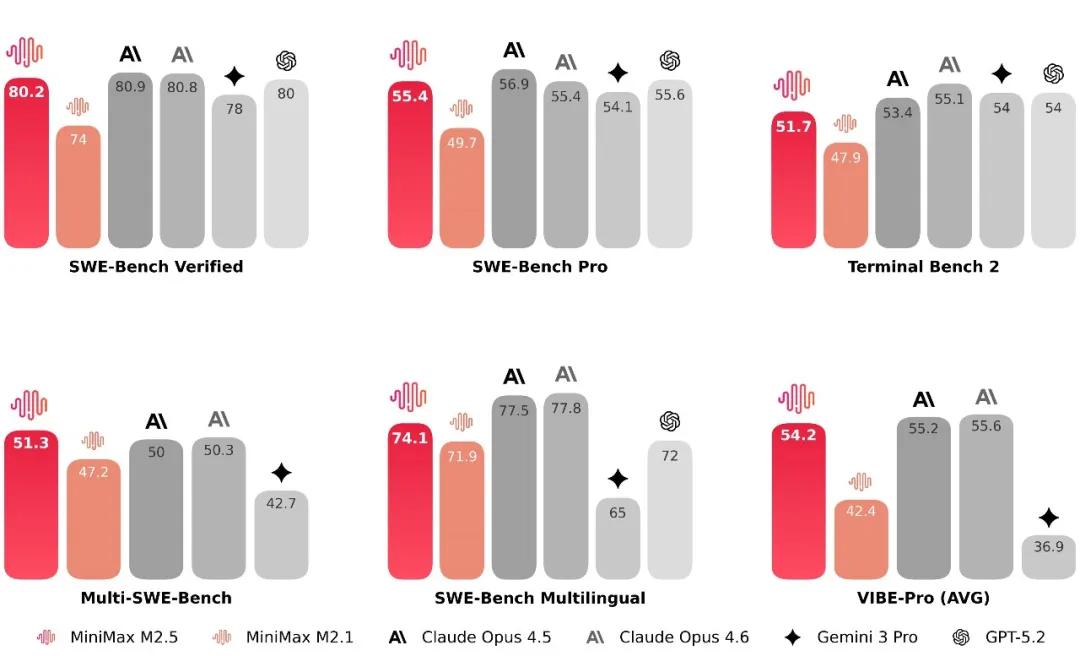
Core Insights - The M2.5 model from MiniMax has been officially launched, showcasing advanced capabilities in full-stack development and Vibe Coding, rivaling Claude Opus 4.6 in performance [1][2] - M2.5 is designed for the intelligent agent ecosystem, enabling seamless integration with frameworks like OpenClaw, allowing natural language commands to be converted into executable code [1][5] Performance Metrics - M2.5 achieved an impressive score of 80.2% on the SWE-Bench Verified leaderboard and ranked first in the Multi-SWE-Bench for multi-language tasks [2] - The model operates with 10 billion activation parameters, making it the smallest flagship model in its tier, yet it boasts a throughput of 100 TPS, double that of mainstream flagship models [9][30] Full-Stack Capabilities - M2.5 can generate complete, functional code for both front-end and back-end applications, including database design, allowing for comprehensive project delivery [4][5] - The model's "native Spec behavior" enables it to deconstruct functional structures and UI designs before coding, enhancing its logical capabilities [5][6] Automation and Efficiency - M2.5 employs a Process Reward mechanism to monitor task completion quality, particularly effective in handling long-chain tasks [5][9] - The model can automate complex tasks, such as generating structured financial reports from raw data, demonstrating its proficiency in data handling and analysis [7][18] Industry Impact - The introduction of M2.5 signals a significant advancement in AI applications, with rapid iterations in code capabilities over the past 100 days [28] - M2.5's cost-effectiveness, at just $1 per hour for continuous operation, addresses previous concerns regarding the expense and speed of AI solutions [30][33] - The model has already taken over 30% of real business operations within MiniMax, indicating its potential to enhance productivity and reduce the need for constant developer oversight [33]
狂飙的Seedance2.0,被炼丹的AI漫剧民工
3 6 Ke· 2026-02-13 03:10
Core Insights - The launch of ByteDance's AI video generation model Seedance 2.0 marks the end of the "childhood" era of AIGC, enabling the creation of high-quality videos at significantly reduced costs and time [1] - The AI comic drama market is experiencing explosive growth, with a projected market size of 20 billion, driven by technological advancements and increased production efficiency [2][5] Group 1: Technological Advancements - Seedance 2.0 can generate a 2K resolution multi-shot video in just 60 seconds using a few reference images and prompts, increasing the usable rate of AI-generated 15-second videos from 20% to over 90% [1] - The production cost of AI comic dramas has dropped from 10,000 yuan to 1,000 yuan per minute, and the time to complete a comic drama has reduced from one month to one week [1] Group 2: Market Dynamics - The annual viewership of AI comic dramas has exceeded 70 billion, indicating a strong demand and signaling a lucrative opportunity for content creators [5] - Major short video platforms like Douyin and Kuaishou are heavily investing in the AI comic drama sector, with Douyin reportedly spending over 200 million yuan to acquire quality content [8] Group 3: Industry Growth and Challenges - The industry is in a phase of rapid expansion, with many traditional short drama companies entering the AI comic drama space to explore new growth opportunities [7] - Despite the growth, the majority of AI comic dramas face challenges, with 80% of the 30,000 released dramas accumulating less than one million views, highlighting a significant disparity in success rates [22] Group 4: Economic Implications - Leading companies in the sector, such as Soy Sauce Culture, are projected to achieve annual revenues of 1 billion yuan from their comic drama business, with net profits ranging from 200 to 300 million yuan [21] - The competitive landscape is leading to a drastic reduction in production costs, with prices for producing comic dramas dropping from 3,000-5,000 yuan per minute to as low as 200 yuan [24] Group 5: Future Outlook - The rapid iteration of AI technology, exemplified by Seedance 2.0, is expected to accelerate the industry's evolution, raising concerns about job security for roles like AI card designers [20][27] - The industry is witnessing a "gold rush" mentality, with many companies and individuals hoping to capitalize on the trend, although the sustainability of this growth remains uncertain [10][28]






1.25元的水饺、四五十元的烤鸭,和被平台“一键剥夺”的定价权
3 6 Ke· 2026-02-13 03:10
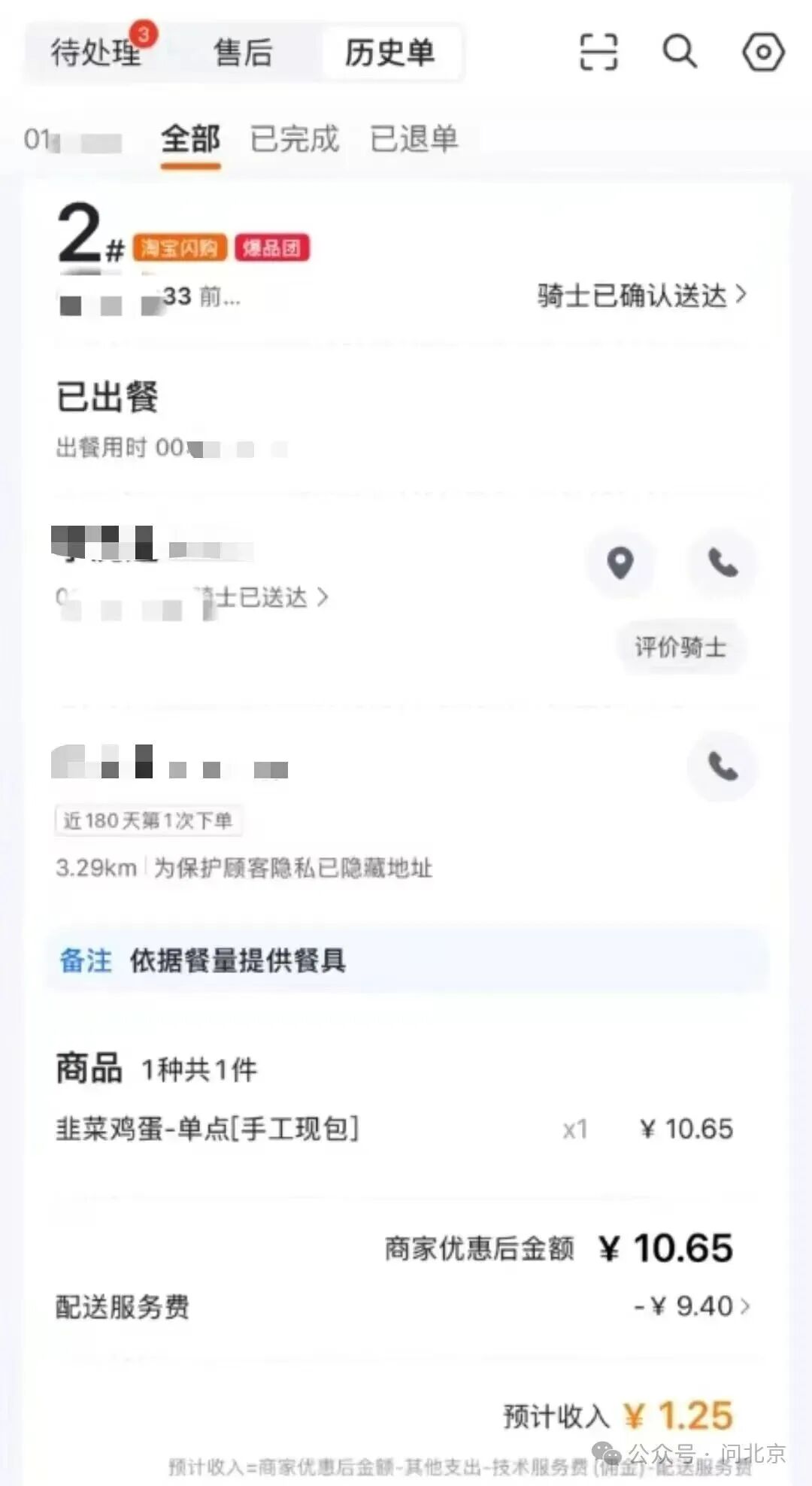
Core Insights - The article reveals systemic issues within food delivery platforms, highlighting how small business owners are losing pricing power and facing significant financial losses due to unauthorized price changes by platform managers [1][5][11] Group 1: Pricing Issues - A hand-made dumpling shop's signature dish was listed at 1.25 yuan, far below its normal price of approximately 18 yuan, indicating that the price does not even cover raw material costs [5][20] - A roast duck shop faced a similar situation, with the platform setting a promotional price of 40-50 yuan for a dish that should cost between 158-188 yuan, resulting in a loss of 10 yuan per order [5][11] - The pricing decisions are made without the shop owners' knowledge or consent, as platform managers have the authority to modify prices directly [11][19] Group 2: Loss of Control - Business owners are unaware of promotional activities until they check their backend data, indicating a lack of transparency and control over their own pricing [6][11] - Shop owners cannot opt out of these promotional activities, leaving them in a vulnerable position where they cannot stop their losses [11][19] - The platform's managers have privatized pricing authority, allowing them to set loss-leading prices without consulting the business owners [11][21] Group 3: Consumer Concerns - Consumers express mixed feelings about low prices, with some viewing them as benefits while others worry that continuous losses for businesses could lead to compromised food quality and safety [13][20] - The article suggests that the low pricing strategy may not be sustainable and could harm the overall industry, leading to potential food safety issues [13][22] Group 4: Regulatory Context - New regulations aimed at protecting merchants' rights were introduced in December 2025, which include provisions to safeguard merchants' pricing autonomy and prohibit forced participation in promotions [17][19] - Despite these regulations, the article indicates that the platforms continue to operate under old practices, exploiting the time gap before the regulations take full effect [19][22] Group 5: Conclusion - The article concludes that the relationship between food delivery platforms and small businesses has deteriorated, with platforms prioritizing efficiency and competition at the expense of merchants' basic rights [23][24] - The ongoing practices of unauthorized price changes and lack of accountability threaten the survival of small businesses, undermining the intended symbiotic relationship between platforms and merchants [23][24][25]