3 6 Ke

Search documents
地平线来了新总裁,朱威如何带团队冲刺商业化?
3 6 Ke· 2026-02-13 12:54
Core Viewpoint - Horizon has announced a strategic partnership with CATL's subsidiary, Times Intelligent, which signifies a significant collaboration in the automotive technology sector, particularly in smart driving and battery systems [1][12]. Group 1: Strategic Partnership - The partnership involves Times Intelligent providing its Rock Solid chassis products and technology, which enhances battery integration efficiency and allows for concurrent development with vehicle body and smart driving modules [13]. - Horizon will contribute its full-scene assisted driving products and solutions, including the recently launched Horizon HSD, marking a significant step in automotive intelligence [13][14]. - This collaboration is expected to help both companies reduce costs and improve competitiveness in the industry [14]. Group 2: Leadership Changes - Zhu Wei has been appointed as the new president of Horizon, previously serving as the executive president at CATL, indicating a strategic shift towards commercialization [3][19]. - The former president, Chen Liming, will transition to the role of vice chairman, focusing on major strategic decisions and governance improvements [3][19]. - Zhu Wei's extensive experience in sales and partnerships within the electric vehicle sector is anticipated to accelerate Horizon's market penetration and enhance its operational capabilities [16][19]. Group 3: Market Position and Challenges - Horizon has achieved a market share of approximately 46% in the ADAS market as of the first half of 2025, becoming the first domestic brand to exceed a cumulative shipment of 10 million smart driving chips [22]. - Despite this success, Horizon faces challenges such as increasing competition, price wars, and dependency on major clients, with 71.8% of its revenue in 2024 coming from its top five clients [28][29]. - The company is also under pressure to innovate and reduce costs, as competitors are rapidly advancing in technology and pricing strategies [24][31]. Group 4: Future Outlook - Horizon aims to expand its presence in the international market, leveraging Zhu Wei's experience to navigate competitive landscapes against global giants like Qualcomm and NVIDIA [18][31]. - The company has set ambitious goals for the next few years, including a target of producing 10 million HSD units and significantly enhancing smart driving capabilities in urban environments [34]. - To achieve these objectives, Horizon will need to invest in research and development, streamline costs, and accelerate the commercialization of its products [34].



“美版支付宝”掉入估值陷阱
3 6 Ke· 2026-02-13 12:51
Core Viewpoint - PayPal's stock has declined significantly, dropping 25.32% since its Q4 2025 earnings report, and over 54% since the beginning of 2025, reflecting concerns about its growth prospects and market position [1][3]. Financial Performance - In Q4 2025, PayPal reported revenue of $8.68 billion, a 3.7% year-over-year increase, which was below analyst expectations of $8.78 billion [3][4]. - Adjusted earnings per share (EPS) for Q4 were $1.23, a 3.4% increase year-over-year, also missing the expected $1.28 [4]. - For the full year 2025, PayPal's revenue was $33.172 billion, up 4.3%, with an EPS of $5.41, slightly above the forecast of $5.36 [4]. Business Challenges - PayPal's core business indicators are showing a slowdown, particularly in its brand payment services, which saw only a 1% growth in total payment volume in Q4, significantly lower than the usual 5% [5]. - The company is facing increased competition from Apple Pay and Google Pay, which are eroding its market share in the e-commerce payment sector [5][8]. - The number of net new active accounts has stagnated, with only 1.2 million net additions in 2025, reflecting a growth challenge [5]. Management Changes - Following the disappointing earnings report, PayPal announced a change in leadership, with Enrique Lores replacing Alex Chriss as CEO, raising concerns about the company's strategic direction [2][6]. Market Valuation - PayPal's current price-to-earnings (P/E) ratio is 6.9, significantly lower than the median P/E of 20 for its peers, indicating a substantial discount in valuation [2][8]. - The valuation decline is attributed to structural flaws in its business model, as it lacks the native commercial ecosystem support that competitors like Apple Pay and Google Pay benefit from [8][9]. Competitive Landscape - PayPal's average transaction fee is approximately 1.7%-2.0%, higher than some emerging payment service providers, which may hinder its competitiveness as merchants become more cost-sensitive [9]. - The total number of payment transactions in Q4 2025 was 6.8 billion, a mere 2% increase year-over-year, indicating declining bargaining power with merchants [9]. Offline Expansion Challenges - PayPal faces significant barriers to expanding its offline business in the U.S., where the credit card system dominates, and the market is characterized by high entry barriers [10][11]. - The fragmented nature of offline payment scenarios complicates PayPal's ability to optimize user experience and achieve scale [11][12]. Future Outlook - PayPal's guidance for 2026 suggests a potential decline or minimal growth in adjusted EPS, indicating ongoing growth challenges [7]. - The new CEO will need to develop a clear transformation strategy, focusing on enhancing merchant services and optimizing fee structures to compete effectively [12].
62家游戏公司年会奖品:千万房产、百克黄金,一口气送六辆车?
3 6 Ke· 2026-02-13 12:42
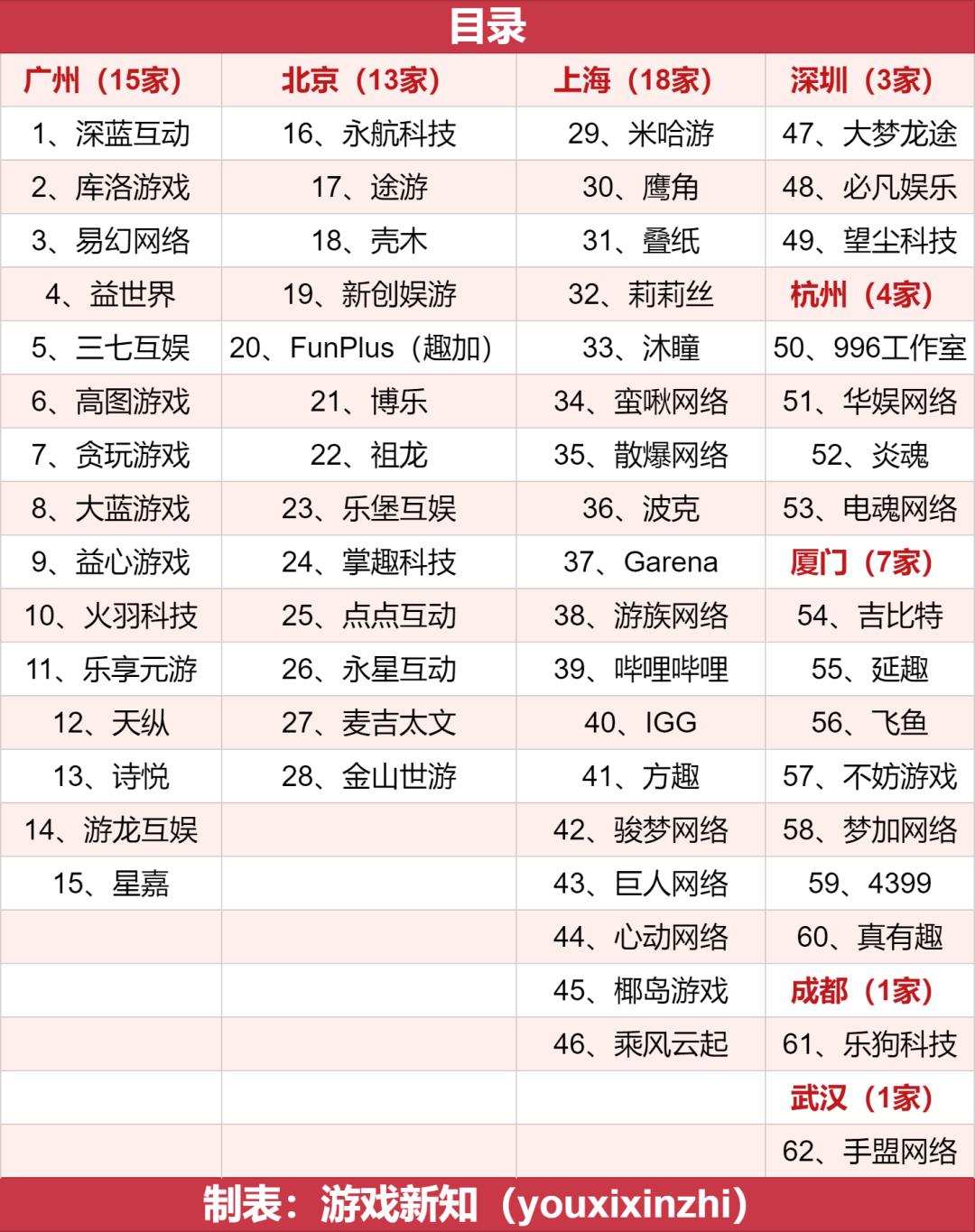
Core Insights - The article discusses the extravagant prizes offered by various gaming companies during their annual year-end parties, highlighting a trend towards high-value items such as gold, cars, and luxury electronics as rewards for employees [1][2]. Group 1: Prize Trends - Many companies have shifted from traditional prizes like smartphones to more luxurious items, with gold becoming a prominent choice this year [2]. - Notable prizes include a house from Gibit, six cars from Bifan Entertainment, and a Tesla Model Y from Tuyou, showcasing the increasing wealth in the gaming industry [1][2]. - A total of 62 companies' prize offerings were collected and categorized by region, indicating a widespread trend across the industry [2][3]. Group 2: Company-Specific Prize Offerings - Deep Blue Interactive, known for "Return to the Future: 1999," offered a range of prizes including Apple products and high-end graphics cards [4]. - Kuro Game, the developer of "Punishing: Gray Raven," featured a top prize of an Apple iMac valued at approximately 15,000 yuan, along with other Apple devices and gold [9]. - Efun Network, which publishes "Mosaic Heroes," announced a cash prize of 11,888 yuan as its top award, alongside various Apple products and a DJI camera [13]. - Other companies like Yishijie and Sanqi Interactive also showcased diverse prize pools, including luxury items and cash rewards, reflecting the competitive nature of talent retention in the industry [25][53]. Group 3: Regional Prize Distribution - The article provides a detailed breakdown of participating companies by region, with 15 from Guangzhou, 13 from Beijing, 18 from Shanghai, and 3 from Shenzhen, indicating a broad geographic representation in the gaming sector [3]. - Each region's companies displayed unique prize offerings, with some focusing on high-tech gadgets while others emphasized luxury goods [3]. Group 4: Employee Engagement and Company Image - The lavish prizes serve dual purposes: boosting employee morale and enhancing the company's image to attract potential talent [1]. - Companies that canceled in-person events still sought innovative ways to engage employees, reflecting the importance of maintaining company culture even amidst challenges [1].
破防了,谁让00后管年货的?
3 6 Ke· 2026-02-13 12:33
Core Viewpoint - The article discusses the evolving nature of Chinese New Year shopping among the post-2000 generation, highlighting a shift from traditional items to personalized and trendy products that reflect individual preferences and lifestyles [2][25]. Group 1: Changing Consumer Behavior - The first batch of post-2000 individuals, now in their mid-20s, are becoming the main purchasers of New Year goods, marking a significant shift in consumer behavior [2][25]. - Traditional New Year items like sugar oranges and nuts are still present, but they are now accompanied by trendy products such as instant noodles, abstract couplets, and gaming skins, reflecting a change in what constitutes "New Year goods" [2][25]. - The focus has shifted from material abundance to emotional expression and personal enjoyment, with consumers prioritizing items that resonate with their tastes and lifestyles [25][26]. Group 2: Personalization and Emotional Value - Consumers like "high-class person" J express a preference for unique and unconventional items, such as a couplet featuring a humorous penguin character, which contrasts sharply with traditional couplets [4][8]. - The new generation's purchases often serve as a form of self-expression, with items chosen based on personal enjoyment rather than social expectations [13][25]. - The trend includes buying items for pets and gaming, indicating a broader definition of what constitutes New Year goods, emphasizing personal happiness over traditional norms [11][14]. Group 3: Social Dynamics and Family Interactions - The article notes that younger consumers are using unconventional items to navigate family interactions during the New Year, aiming to shift conversations away from uncomfortable topics [17][20]. - The concept of "New Year goods" has transformed into a means of expressing one's lifestyle and preferences, rather than merely fulfilling traditional roles [17][25]. - The emotional connection to purchases is highlighted, with consumers seeking to create a sense of comfort and joy for family members, as seen in the example of buying a mobile toilet for elderly relatives [23]. Group 4: Market Implications for Brands - Brands are encouraged to adapt to this new consumer mindset by offering products that incorporate emotional value and contemporary cultural references, rather than sticking to traditional packaging [28][29]. - The success of products like the co-branded drinks with popular games indicates a shift in marketing strategies to appeal to younger consumers who value both aesthetics and functionality [29][33]. - The emphasis on cost-effectiveness among younger consumers suggests that brands must balance emotional appeal with reasonable pricing to attract this demographic [33].

车企成本与用户税负双上升的2026 ,消费者如何聪明购车?
3 6 Ke· 2026-02-13 12:32
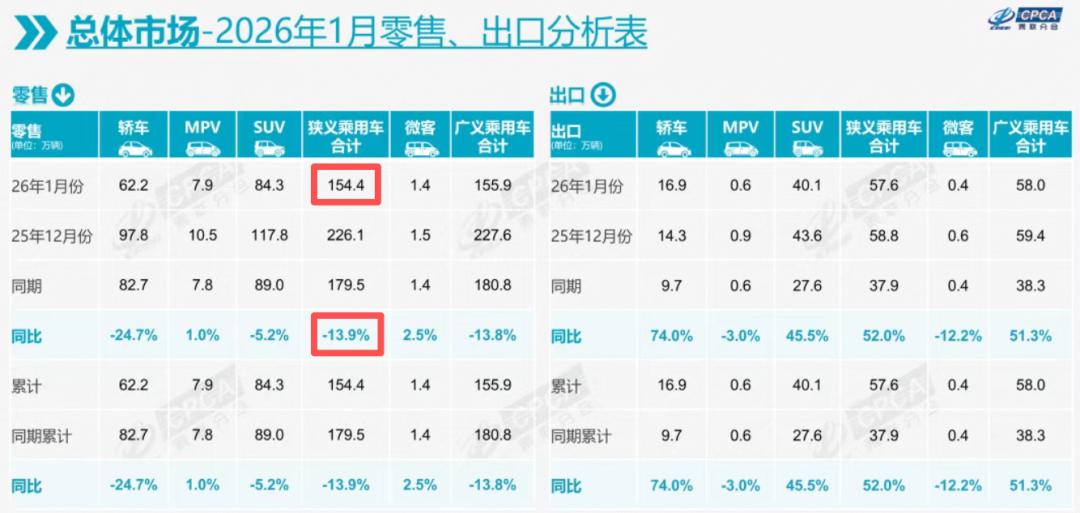
Group 1 - The Chinese new energy vehicle (NEV) market faced a significant downturn at the start of 2026, with major automakers experiencing substantial sales declines, including BYD, which saw a year-on-year decrease of approximately 30% and a month-on-month drop of 50% [1][3][6] - In January 2026, nationwide retail sales of passenger cars reached 1.544 million units, reflecting a year-on-year decline of 13.9% [1][2] - The decline in sales is attributed to multiple factors, including the expiration of tax incentives, preemptive demand exhaustion, and rising cost pressures, marking the end of an era of easy growth for the NEV industry [1][6][12] Group 2 - The new tax policy implemented on January 1, 2026, which reduced the exemption on NEV purchase tax, has led to a significant drop in consumer demand as buyers rushed to purchase vehicles before the policy change [6][9][11] - Major brands like Leap Motor, Xiaomi, and NIO also reported significant month-on-month sales declines, with some brands experiencing drops exceeding 60% [3][5] - The competitive landscape is shifting towards a "survival of the fittest" scenario, where automakers must focus on technology, cost control, and efficiency to remain viable [12][14] Group 3 - Consumers are advised to consider various factors when deciding the optimal time to purchase a vehicle in 2026, including policy changes, market conditions, and technological advancements [18][21] - The first quarter of 2026 may present opportunities for consumers due to significant inventory pressures on dealers, potentially leading to aggressive promotional offers [21][23] - The introduction of new technologies, such as semi-solid batteries and advanced driving systems, may influence consumer decisions between purchasing older models at discounts or new models with cutting-edge features [23]

反垄断合规指引出台,平台经济应从“圈地竞争”转向“价值竞争”
3 6 Ke· 2026-02-13 12:31
对产业而言,明确的规则就是最好的营商环境——头部平台不必在灰色地带试探,中小企业不必担心被 无底线挤压,资本不必再押注"垄断式赢家通吃",整个行业的资源配置会更有效率。 从产业演进角度,这份指引将深刻改变平台的竞争范式。过去平台比拼的是用户规模、商家排他、补贴 力度、流量霸权;未来比拼的将是技术能力、产品体验、生态效率、服务质量。强制商家站队、滥用流 量支配地位、靠低价倾销驱逐对手的模式难以为继,自营与第三方公平共处、跨平台互通、数据合理流 动、算法公开透明,会成为主流商业伦理。这不仅利好中小商家与创业者,也将倒逼头部平台把资源投 向硬核技术、产业互联网、真实价值创造,而非重复的流量博弈。 《指引》并不否定平台经济的规模效应与网络价值,而是制止以垄断为名的掠夺式经营。大型平台应放 弃功能堆砌与生态垄断,转向开放、合规、可持续的发展路径。平台的核心竞争力,从来不是锁住用户 与商家,而是持续创造不可替代的产业价值。 随着《互联网平台反垄断合规指引》(下称"指引")于2月13日正式发布,中国平台经济进入规则清 晰、边界明确、监管常态化的全新阶段。 从产业视角看,它的核心价值在于:终结过去以规模、流量、排他性为核心的 ...
汽水音乐狂飙背后,在线音乐走到十字路口
3 6 Ke· 2026-02-13 12:30
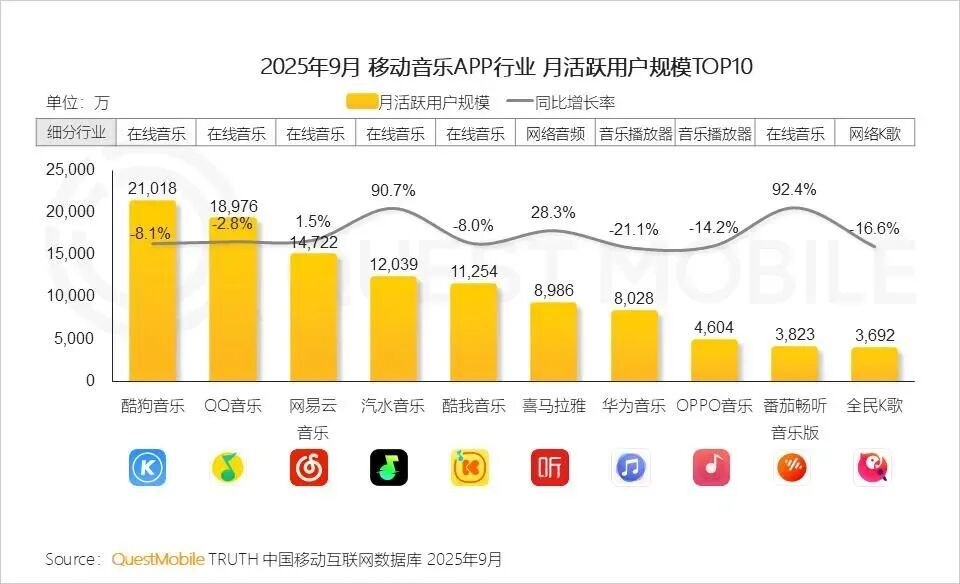
Core Insights - The article highlights the rapid growth of Soda Music, which has reached 120 million monthly active users, nearly matching NetEase Cloud Music, due to its low-price strategy and integration with ByteDance's ecosystem [1][3][6] Group 1: Growth Factors - Soda Music's monthly active users increased by 90.7% year-on-year, while other platforms saw declines, indicating a significant market shift [1] - A key turning point was the copyright bundling strategy implemented by ByteDance, which allowed Soda Music to access a library of 50 million songs, enhancing its content offerings [3] - The platform's recommendation algorithm is noted to be highly effective, allowing even free users to discover appealing music [3][4] Group 2: Content and User Engagement - The integration of AI-generated music and various content types, such as covers and live versions, has created a robust content supply chain that aligns with user preferences [3][4] - The launch of the "Soda AI Music Creation Lab" has provided creators with a comprehensive environment for music production, facilitating the rise of AI artists [4][6] - Soda Music's user engagement is further enhanced by its deep integration with Douyin (TikTok), creating a seamless transition from short video content to music consumption [6] Group 3: Pricing Strategy - Soda Music employs a low-cost membership model, offering free trials and low-priced subscriptions, making it attractive to users compared to competitors [7][9] - The pricing for VIP memberships is significantly lower than that of QQ Music and NetEase Cloud Music, catering to the current consumer willingness to pay [9] Group 4: Industry Context - The online music market in China is evolving, moving away from a "copyright is king" model to a more integrated approach that includes content generation and distribution [10][12] - The emergence of Soda Music has disrupted the existing market dynamics, challenging established players like Tencent Music and NetEase Cloud Music [12][14] - The article identifies three distinct development models in the online music market: copyright and ecosystem platforms, community and aesthetic platforms, and content generation and distribution platforms represented by Soda Music [16][18]

是“Seedance 时刻”,但字节的野心可以更大些
3 6 Ke· 2026-02-13 12:29
Core Insights - The article discusses the anxiety within the film industry regarding the potential impact of AI on job security, particularly with the launch of ByteDance's Seedance 2.0, which is touted as a powerful video generation model [1][2] - There is a fundamental debate between two factions in AI video generation: the "secular faction," which focuses on data-driven style imitation, and the "physical faction," which aims for a deeper understanding of physical laws and causality [4][3] Group 1: Technology and Market Dynamics - Seedance 2.0 optimizes the conversion rate from "director's intent to pixels," allowing for rapid video generation from prompts, significantly reducing production time [5][6] - However, Seedance 2.0 has structural limitations as each generated video is a one-time product that cannot be reused or interacted with, locking the secular faction into a "content consumption" model [7][8] - The physical faction, on the other hand, aims to create reusable 3D environments that can be applied across various industries, potentially tapping into a trillion-dollar market [8][12] Group 2: Competitive Landscape - The competition between ByteDance's Seedance 2.0 and Kuaishou's Keling AI is intensifying, with both companies vying for market share in video generation capabilities [15] - International players like Runway and Veo 3.1 are also iterating on control and physical simulation, further complicating the competitive landscape [16] - The long-term advantage of the physical faction lies in its ability to create reusable assets, while the secular faction may struggle to adapt to this evolving market [13][16] Group 3: Business Model and Future Outlook - Despite the technological advancements of Seedance 2.0, its core value remains at the "content consumption level," which may limit its long-term commercial viability [17][18] - ByteDance is advised to focus on B2B opportunities while maintaining a presence in the physical faction, rather than fully committing to one direction [19] - The true challenge for ByteDance lies in mastering distribution rights in the AI video era, as the foundation of future interactions will shift from screens to spatial environments [21][22]

AI大战刚拉开序幕,商家这就开始站队了?
3 6 Ke· 2026-02-13 12:29
10月初,市场分析机构 Adobe Analytics 发布报告指出,2025年秋冬购物季,AI驱动的购物模式将迎来爆发,仅AI带来的购物流量同比预计增长520%,并 将在感恩节前10天达到峰值。与2024年相比,美国零售网站的AI流量激增805%——而在去年,沃尔玛的「Sparky」、亚马逊的「Rufus」等AI购物工具尚 未出现。 更极致的变化先一步在中国发生了。千问APP在"春节30亿大免单"活动推动下,仅9小时订单便突破1000万单,6天完成1.2亿单,连续登顶下载榜。 AI超级应用引发的消费形式变革已势不可挡。 壹览商业注意到,酒旅业在供给侧的反应速度超乎预期。2月11日,阿里千问与飞猪宣布与全球40多家旅行品牌启动AI合作,为AI用户提供专属补贴与权 益。首批合作方涵盖中国东方航空、中国南方航空、汉莎航空等航司,锦江、华住、万达酒店及度假村等酒店集团,以及上海迪士尼度假区、方特主题乐 园等头部目的地与乐园品牌。 这种集体性 "抢摊"意味着,酒旅行业正将 AI 视为一个独立的、具备爆发力的战略渠道。 酒旅竞争进入深水区,AI颠覆一切? 国内互联网竞争史,本质是一部流量入口迁移史。门户时代,入口掌握在 ...


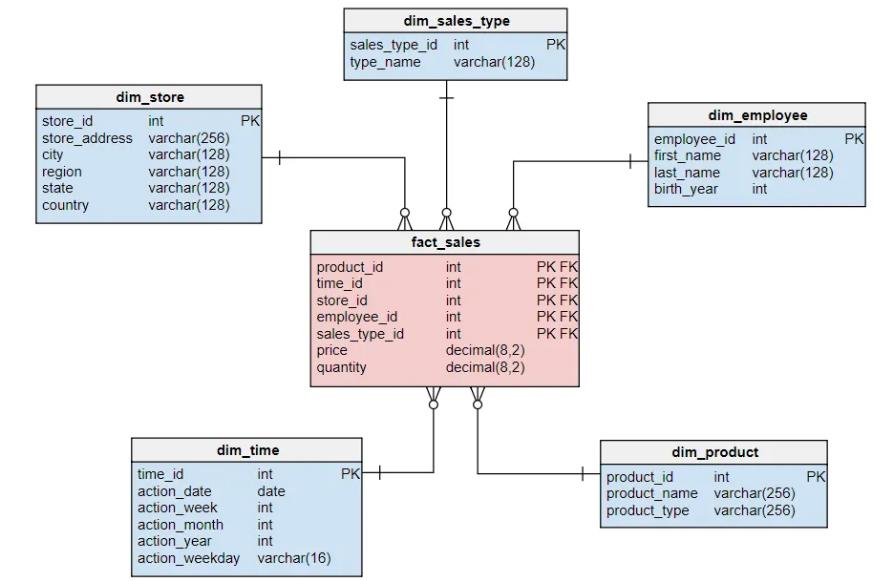
谈谈维度数据建模原理
3 6 Ke· 2026-02-13 12:24
多数数据团队都面临着同样的难题:维度建模 。这个概念其实并不复杂,但标准的解释通常都使用相同的例子,缺乏更深入 的理解。 下面是 有关 星型模式的 内容 和 常见的例子。 本文将探讨以下内容: 维度建模 最难的地方在于,大家都用同样的例子来解释它:销售表、订单表、交易表。这些例子反复出现。如果你的业务模 式与零售业不同,你可能会觉得这些例子与 你无关。 但以下方法对我有帮助:停止思考表。 如果你的公司里发生了什么事的话,想想实际发生了什么。 一位用户注册了。 一个支持工单已关闭。 传感器读数已收到。 销售表、订单表、交易表……这些通常都是电商或零售场景,与你的实际业务截然不同。如果你处理的是SaaS指标、物联网传 感器数据或医疗记录,你可能会开始怀疑这种方法是否真的适用于你。 确实如此。但你必须停止思考具体的例子,而开始思考其背后的模式。 付款已处理。 发生的事情就是 事实 。其他的一切都只是关于事情发生的时间、涉及的人员以及事件的类型等 背景信息。 拉尔夫·金博尔围绕这一区别构建了 一整套方法论。事实 是动词, 维度 是其他一切。 事实 与 维度 之间的根本区别 如何确定事实表的 粒度 每种表类型 实际包含 ...