
Hu Xiu

Search documents
职教出海:为世界献上一门“中国制造课”
Hu Xiu· 2025-09-28 23:49
Core Viewpoint - The article discusses the expansion of China's vocational education system internationally, highlighting successful examples from cities like Liuzhou and Tianjin, and emphasizing the importance of talent localization for Chinese companies operating abroad [10][14][48]. Group 1: Overview of Vocational Education in China - As of 2023, China has established the world's largest vocational education system with 11,133 vocational schools and nearly 35 million students enrolled, covering over 1,400 majors [12][13]. - The vocational education system plays a crucial role in training skilled laborers, with approximately 10 million high-quality talents produced annually [12][13]. Group 2: Liuzhou's Vocational Education Initiatives - Liuzhou has developed an endogenous model of vocational education that follows the needs of local enterprises, with 25 vocational schools and around 140,000 students [16][17]. - Collaborative projects between Liuzhou vocational institutions and companies like LiuGong have led to the establishment of international training centers in countries such as Saudi Arabia and Thailand [18][19][20]. Group 3: Tianjin's Vocational Education Initiatives - Tianjin has created the "Luban Workshop" brand, which serves as a technical hub along the Belt and Road Initiative, with 36 workshops established in 30 countries [30][31]. - The workshops focus on practical engineering and innovation, providing training in various fields, including mechatronics and renewable energy [34][37]. Group 4: International Collaboration and Impact - The vocational education initiatives have successfully integrated local needs with Chinese standards, leading to the establishment of training programs in countries like Egypt, Gabon, and Uzbekistan [40][41][42]. - The article emphasizes that the global demand for "Chinese manufacturing knowledge" is growing, as countries seek to learn from China's manufacturing standards and practices [43][44][45]. Group 5: Future Prospects - The potential for online vocational education platforms to reach a global audience is highlighted, suggesting that China could lead in providing manufacturing education worldwide [46][47]. - The transition from product export to knowledge and skill export is seen as a new growth point for China's foreign trade [47][48].


OpenAI:人类只剩最后5年
Hu Xiu· 2025-09-28 23:36
Core Insights - The article discusses the current limitations and future potential of AI, particularly in the context of its ability to surpass human intelligence and efficiency in various tasks [1][4][10]. Group 1: AI Capabilities and Predictions - By 2030, AI models like GPT-8 are expected to provide comprehensive answers to complex problems, including quantum gravity, and articulate their thought processes [2][3]. - It is predicted that 30% to 40% of tasks in today's economic activities will be performed by AI [4]. - A report from the METR think tank indicates that the capabilities of large language models double approximately every seven months, outpacing Moore's Law [8]. Group 2: Current AI Performance and Efficiency - An experiment by METR revealed that while AI tools can predict tasks 40% faster, they actually slow down the overall programming process by 19% compared to human-only efforts [13][14]. - The concept of "capability-reliability gap" explains that current AI models can perform complex tasks but fail to meet the quality standards required by businesses [19][20]. - In programming tasks, AI-generated code often contains errors, requiring human programmers to spend additional time correcting and rewriting, leading to a situation where humans act as "babysitters" for AI [22][23]. Group 3: AI Industry Landscape - As of April 2025, there are over 4.243 million AI-related companies in existence in China, with approximately 286,000 new registrations expected that year [28][29]. - Despite the proliferation of AI companies, very few have achieved profitability, with the industry characterized by high investment and low returns [31][32]. - Major tech companies like Microsoft, Meta, Google, and Amazon are projected to invest $300 billion in AI projects in 2024, with global generative AI investment expected to grow over 70% from 2023 [33][34]. Group 4: Challenges and Market Realities - Many AI startups are struggling financially, with numerous companies facing bankruptcy or operational shutdowns due to cash flow issues [40][41][46]. - The article highlights that while the AI market is booming, the reality is that 90% of participants may fail to survive, indicating a significant disparity between hype and actual performance [44][45]. - The current state of AI tools is not sufficient to replace human workers effectively, and many companies are misled into thinking that basic investments in technology equate to digital transformation [90][91].
一场10万过亿的虚拟冒险
Hu Xiu· 2025-09-28 23:23
Core Insights - The article presents a metaphorical guide for stock trading in the A-share market, likening it to a game where players progress from novice to expert levels, with the potential for significant financial gains [1][3]. Group 1: Market Phases - The journey of small capital investment in the A-share market is divided into three key phases: the novice phase, the chaos phase, and the ultimate king phase [3][9]. - In the novice phase, the focus is on understanding the A-share market mechanisms and acquiring initial resources [9]. - The chaos phase involves navigating through various market trends and identifying leading stocks, particularly "妖股" (mythical stocks) [14][23]. - The ultimate king phase emphasizes aligning with large capital players and adopting a following strategy to maximize returns [26][27]. Group 2: Investment Strategies - During the novice phase, a hypothetical investment of 50,000 yuan in Tianfeng Securities could yield a return of 10.35 million yuan within a short period [11][12]. - In the chaos phase, stocks like 双成药业 (Shuangcheng Pharmaceutical) and 日出东方 (Rising East) exemplify the potential for rapid gains through strategic investments based on market narratives and trends [15][17]. - The ultimate king phase highlights the importance of large institutional investors, such as the "国家队" (national team), which have significant influence over market pricing and trends [27][28]. Group 3: Market Dynamics - The article discusses the influx of capital into the A-share market, with a notable increase in trading volume from 500 billion to over 3 trillion yuan during peak periods [5][6]. - It also notes the shift in market dynamics, where large institutional investors have gained more control, leading to a more stable market environment characterized by slow growth and structural trends [31][32]. - The performance of stocks in the technology sector, such as 寒武纪 (Cambricon), is highlighted as a key driver of market growth, contrasting with traditional sectors like banking and oil [34][36]. Group 4: Risks and Challenges - The article emphasizes the inherent risks in the "妖股" trading strategy, where the rapid rise in stock prices can lead to equally swift declines if market narratives fail [23]. - It also points out that while small investors make up a significant portion of the market, they face greater challenges in achieving consistent profits compared to larger institutional players [43].


上海地铁上丢的最多的是什么
Hu Xiu· 2025-09-28 23:04
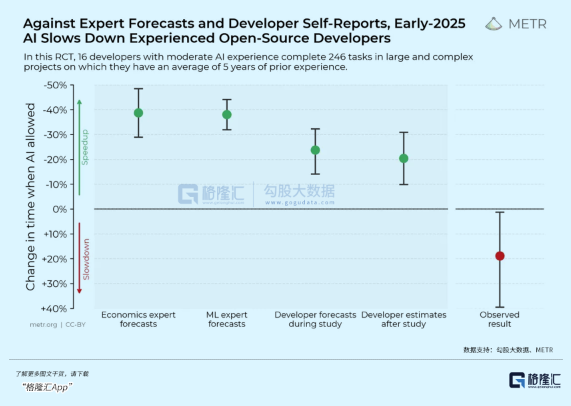
Core Insights - The Shanghai Metro has expanded significantly over the past 30 years since its first line opened in 1993, reflecting the city's development and changes in passenger behavior [1][3]. Lost Items Overview - The lost and found department of the Shanghai Metro has become a microcosm of societal changes over the past three decades, showcasing the evolution of items that passengers frequently lose [3][5]. - A recent report from August 10 indicates that the top five lost items include umbrellas (762), headphones (362), hats/scarves/gloves (312), paper/bags (296), and transportation/commemorative cards (275) [6][11]. Seasonal Trends - The types of lost items vary with the seasons, with umbrellas and hats being more common in summer, while winter sees an increase in scarves and gloves [35]. - The summer of 2023 was particularly hot, with 45 days of high temperatures (≥35°C), leading to a spike in lost umbrellas, which increased from 556 to 762 in just one month [10][11]. Changing Patterns of Lost Items - Historical data shows a shift in the most commonly lost items; for instance, wallets, which were once the most frequently lost item, have dropped to a lower rank in recent years [16][17]. - The rise of wireless technology has led to an increase in lost headphones, which have become the most frequently lost electronic item [12][14]. Unique Cases and Anecdotes - The lost and found department has encountered a wide variety of items, from everyday objects to high-value items like a diamond ring worth 700,000 yuan [41]. - Special events and holidays also influence the types of items lost, with significant occurrences during the New Year and graduation seasons [37][38]. Lost Item Retrieval Process - The process for retrieving lost items involves careful documentation and verification, ensuring that items are preserved until claimed by their owners [48][49]. - Passengers can report lost items through the official Shanghai Metro website, app, or by contacting customer service for assistance [51][52].

10月可控核聚变大会召开,谁能受益?| 0928 张博划重点
Hu Xiu· 2025-09-28 14:44
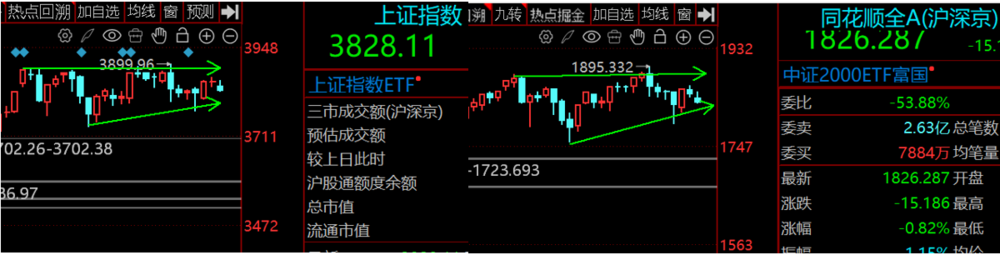
Market Analysis - The market remains cautious ahead of the holiday, with the Shanghai Composite Index at 3828.1 and a significant drop in trading volume, down 53.88% compared to the previous day [1]. Macroeconomic Insights - Economic data shows signs of recovery, indicating potential positive trends in the broader economy [2]. International Trade Dynamics - Trump's recent comments about Japan and South Korea needing to "prepay" for tariff agreements have sparked concerns, with South Korea warning of a potential repeat of the 1997 financial crisis if such measures are enforced [7]. Industry Developments - Moore Threads has successfully passed the IPO approval process, becoming the first domestic GPU company to go public. The company reported a revenue of 702 million yuan in the first half of 2025, surpassing the total revenue of the previous three years, with a compound annual growth rate exceeding 208% [9][10]. - The company's gross margin improved significantly from -70.08% in 2022 to 70.71% in 2024, indicating a strong turnaround [10]. - Moore Threads is in discussions for orders exceeding 2 billion yuan, with a focus on AI computing and graphics acceleration products [11]. Renewable Energy Sector - Daikin Heavy Industries holds an order backlog of 10 billion yuan, benefiting from a surge in offshore wind energy demand in Europe, with expectations of a 50% growth in installation rates from 2025 to 2026 [18][20]. - The European offshore wind market is projected to see a significant increase in demand, with a forecasted installation of 43.1 GW during the 14th Five-Year Plan period [20]. Nuclear Fusion Industry - The Chinese government has introduced supportive policies for the nuclear fusion industry, including the inclusion of fusion projects in major infrastructure initiatives and the establishment of a national venture capital fund [21][23]. - Upcoming international conferences and technology validations in October 2025 will focus on the commercialization pathways for nuclear fusion technology [22]. Robotics Sector - Hongrun Construction is expanding its presence in the robotics field, focusing on humanoid, industrial, and engineering robots, with strategic partnerships to enhance its technological capabilities [35][36]. - The company has made significant advancements in four-legged robot technology and is developing engineering robots to improve efficiency in construction projects [37][38].


人生意义≠娶妻生子?男性是时候走出“标准模板”了
Hu Xiu· 2025-09-28 14:05
男性觉醒正在冲击传统"娶妻生子、赚钱养家"的模板,拒绝成为攒钱、彩礼的工具人。当不再以结婚生 子为人生标签,男女都能找到自主存在的意义,性别压迫也将随之消解。 ...
5A景区,正在被抛弃
Hu Xiu· 2025-09-28 13:58
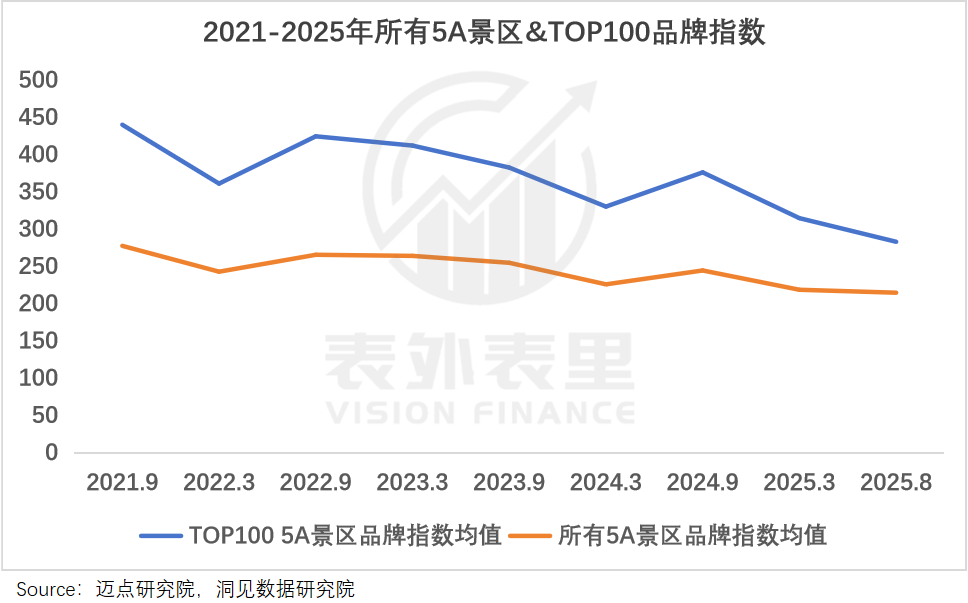
Core Insights - The tourism market is shifting from traditional scenic spots to a more diverse range of destinations, with a notable increase in interest for lesser-known locations [7][8][22] - The popularity of 5A scenic spots is declining, as evidenced by a 50% drop in brand index over the past four years, while searches for "less crowded destinations" surged by 200% [8][22] - The over-commercialization of 5A scenic spots has led to a decline in visitor experience, with many tourists feeling exploited by high fees and poor service [10][12][26] Group 1: Changing Tourism Trends - The phrase "one must visit Xinjiang once in a lifetime" has gained popularity, leading to increased traffic but also chaos in tourist areas [2][4] - Tourists are increasingly avoiding crowded 5A scenic spots in favor of quieter, less commercialized locations [3][41] - Data shows a significant rise in interest for "hidden gem" destinations, with searches increasing by 300% for lesser-known cities [42] Group 2: Economic Impact on Scenic Spots - The revenue growth of traditional scenic spots is not keeping pace with rising operational costs, leading to financial strain [20][21] - The introduction of policies to lower ticket prices for key state-owned scenic spots has negatively impacted their profitability [19] - Despite the challenges, some 5A scenic spots are investing heavily in infrastructure and attractions to attract visitors [23][22] Group 3: Visitor Experience and Expectations - Tourists report feeling like "prey" in over-commercialized environments, where additional fees for activities and amenities are common [14][12] - The experience at 5A scenic spots is often marred by overcrowding, leading to dissatisfaction among visitors [40][39] - There is a growing trend among younger travelers to seek authentic experiences, moving away from traditional tourist paths [60][56] Group 4: Competition and Market Dynamics - The rise of alternative attractions, such as music festivals, is drawing younger audiences away from traditional scenic spots [58][59] - The tourism landscape is becoming increasingly competitive, with lesser-known destinations gaining traction due to their unique offerings [22][49] - The shift in consumer preferences indicates a demand for more personalized and less commercialized travel experiences [60][56]
孙宇晨的奇幻漂流
Hu Xiu· 2025-09-28 13:58
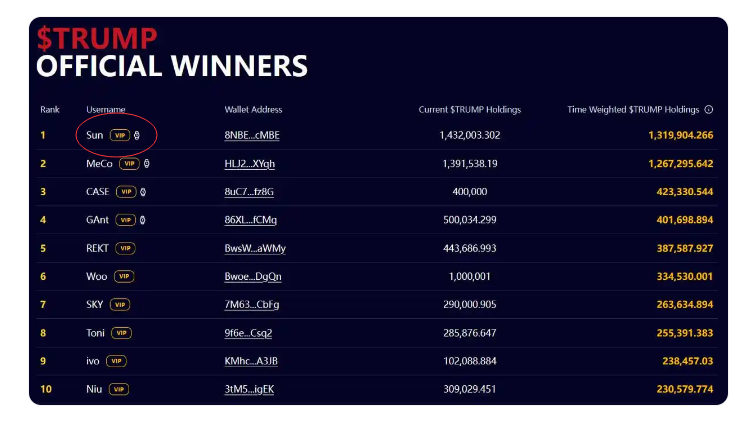
Core Points - Sun Yuchen, known for his unconventional path from winning a writing competition to becoming a major player in cryptocurrency, has invested $75 million in the Trump family-supported project World Liberty Financial (WLFI) [1] - His public image is polarizing, with supporters viewing him as a visionary entrepreneur and critics labeling him a speculator [3] - Sun's cryptocurrency narrative is characterized by evading regulation, starting with the establishment of TRON in 2017, which claims to offer a decentralized platform [4][5] Investment and Regulatory Context - TRON's fundraising occurred just days before a Chinese regulatory ban on token issuance, raising suspicions about Sun's foresight regarding regulatory changes [5] - The project faced accusations of plagiarism in its white paper, suggesting a lack of originality and transparency [5] - Sun's subsequent appointment as Grenada's ambassador to the WTO highlights a controversial shift in his career, leveraging Caribbean citizenship for political protection [6][7] Citizenship and Regulatory Evasion - Sun acquired citizenship from Saint Kitts and Nevis, known for its lax immigration policies, allowing for quick nationality acquisition [8][9] - This citizenship has been associated with facilitating money laundering, making it an attractive option for individuals seeking to evade regulatory scrutiny [9][10] - Sun's strategy involved obtaining multiple citizenships to create legal barriers against potential regulatory actions from stronger nations [12][13] Legal Challenges and Political Connections - The SEC filed a lawsuit against Sun and his companies for unregistered securities issuance and market manipulation, which he contested by claiming the actions were outside U.S. jurisdiction [18][19] - Following a significant investment in Trump-related projects, the SEC paused its civil fraud case against him, raising concerns about political influence in regulatory matters [21][22] - This situation reflects a broader trend of individuals seeking political connections to navigate legal challenges, showcasing the intersection of finance and politics [23] Broader Implications of Neoliberalism - Sun's story exemplifies the contradictions of neoliberal globalization, where market mechanisms often serve elite interests rather than the public good [25][26] - The commodification of citizenship, as seen in Caribbean nations selling citizenship, highlights the challenges to national sovereignty and regulatory frameworks [27] - Sun's narrative of decentralization in cryptocurrency is critiqued as a façade for centralization, undermining the principles of a truly decentralized economy [28][29] Conclusion - Sun Yuchen's trajectory from regulatory evasion to political maneuvering illustrates the inherent flaws in neoliberal ideologies, revealing a significant gap between the ideals of free markets and the realities of power dynamics [32][33]
卫星互联网,还未走出“大哥大困境”
Hu Xiu· 2025-09-28 13:32
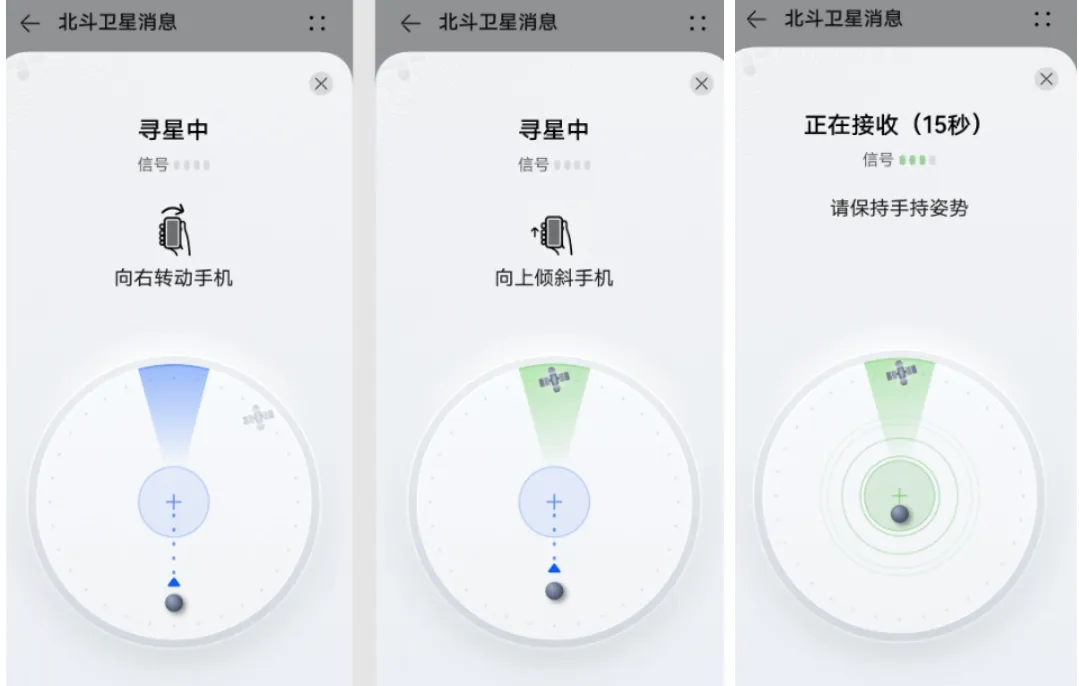
Core Viewpoint - The rapid development of China's satellite industry, particularly low Earth orbit (LEO) satellite constellations, faces significant challenges, including commercial difficulties and the need for improved space traffic management and frequency resource allocation [1][2][3]. Group 1: Industry Development - The satellite communication industry has seen a surge in interest, especially in low Earth orbit satellite communications, driven by advancements in rocket launches, integrated circuits, satellite manufacturing, and communication technologies [3][4]. - Despite the growth, satellite communication has not yet achieved economies of scale, remaining primarily focused on emergency communication needs, with only about 10 million satellite communication users compared to 5.7 billion mobile communication users globally [4][5][7]. - The current state of satellite communication is characterized by high costs for terminals and services, leading to a limited user base, which is described as being stuck in a "1G era" commercial dilemma [5][7]. Group 2: Technical Challenges - The satellite communication system is fragmented, with various incompatible technical standards, making it difficult to achieve economies of scale [9][10]. - The lack of unified standards and the presence of multiple satellite systems increase costs for terminal manufacturers, as each new system requires additional infrastructure [10]. Group 3: Space Traffic Management - The increasing number of satellites in orbit has led to significant challenges in space traffic management, with over 600 high-orbit satellites and plans for more than 130,000 low Earth orbit satellites, raising collision risks [12][14][16]. - There is currently no effective management or coordination rules for space traffic, which complicates the operation of satellite constellations and increases the risk of collisions [17][21]. - The absence of a reliable data-sharing platform for satellite positioning further exacerbates the challenges of avoiding collisions in space [21][22]. Group 4: Mobile Satellite Communication - The concept of direct satellite communication for mobile phones is gaining traction, with companies like SpaceX exploring various models to enable this service [23][24]. - SpaceX's acquisition of EchoStar's wireless spectrum license is a significant step towards independent mobile satellite services, which could disrupt the existing satellite and ground communication markets [24][25]. - However, challenges remain, including high satellite costs and limitations in communication speeds for existing satellite systems [26][27].
投资中最被高估的三种能力
Hu Xiu· 2025-09-28 13:12
Core Insights - The article discusses the disparity between individuals with strong cognitive abilities who fail in the stock market and those who achieve significant wealth through trading, suggesting that traditional thinking methods may not apply effectively in investment scenarios [1] Group 1: Insights on Investment and Entrepreneurship - Investment and entrepreneurship are characterized by a high failure rate, often described as "seven losses, two breakeven, and one win" [1] - Successful investment requires a different approach compared to structured corporate environments, where following established processes typically leads to better outcomes [12] - The concept of "survivorship bias" is highlighted, indicating that only successful entrepreneurs and investors are often recognized, while the failures using similar methods remain unnoticed [12] Group 2: The Role of Insight - Insight is defined as the ability to identify anomalies and transform them into new opportunities, which is highly valued in corporate settings [13][14] - However, this same insight can be detrimental in investment and entrepreneurship, as it may lead to overconfidence in identifying trends that do not guarantee success [15] - The article emphasizes that many perceived "blue oceans" in business are actually "dead seas" where previous entrepreneurs have failed [21] Group 3: The Importance of Explanation - In corporate environments, strong explanation skills are crucial for performance, as they help in clarifying situations to superiors, colleagues, and clients [24][26] - Investors often rationalize their losses with complex explanations, which can lead to a disconnect from reality and hinder effective decision-making [27][30] - The article warns that strong explanatory abilities can lead to self-deception, where investors ignore adverse realities in favor of their analyses [32][33] Group 4: The Dangers of Persistence - Persistence is often overvalued in investment contexts, as it can lead to significant losses if not paired with high probability success and reversibility [35][37] - Investors who are overly persistent may fail to adapt to changing market conditions, mistaking short-term volatility for a test of their strategies [41] - The article concludes that successful investing requires a balance between persistence and the ability to pivot based on new information, rather than a rigid adherence to initial strategies [47]