晚点LatePost

Search documents
晚点独家丨淘宝闪购和饿了么做团购,与高德扫街榜双线作战
晚点LatePost· 2025-09-19 09:31
Core Viewpoint - Alibaba is launching a new group buying service through its platforms Taobao, Alipay, and Gaode, focusing initially on the restaurant sector to compete with Meituan and Dazhong Dianping during the peak shopping season [4][10]. Group 1: Launch Details - The group buying service will start in Shanghai, Shenzhen, and Jiaxing on September 20, coinciding with the peak order day for Taobao's instant delivery service [4][8]. - The first batch of group buying categories includes beverages, Chinese cuisine, pastries, fast food, and local snacks, featuring brands like Nayuki Tea and Zunbao Pizza [5][10]. Group 2: Strategic Importance - The initiative is part of Alibaba's strategy to enhance its consumer platform by integrating in-store traffic, which is essential for increasing merchant engagement [8][10]. - The team managing the group buying business is primarily from Ele.me, with hundreds of employees involved in the project [8][9]. Group 3: Competitive Landscape - The new group buying service is distinct from the previous operations of Koubei, which has been sidelined in favor of a more unified approach to local services [10][11]. - Competitors like Douyin have made significant inroads into the local services market, posing a threat to Meituan and prompting Alibaba to solidify its position [10][11]. Group 4: Operational Insights - Ele.me has been ramping up its sales force, planning to recruit over 1,000 sales personnel and additional logistics managers to support the new service [8][9]. - The operational model for the group buying service will likely mirror existing practices, focusing on promotions and in-store redemption [9][10]. Group 5: Market Sentiment - There is renewed confidence among Alibaba's brand merchants regarding the potential for growth in the instant retail sector, with some planning to participate in the upcoming Double Eleven shopping festival [12].



当酒店业卷成鱿鱼游戏,中国经营最多酒店的品牌怎么突围?
晚点LatePost· 2025-09-18 14:44
Core Insights - The hotel industry in China is facing significant challenges in 2024, with a sharp decline in profitability and increased competition leading to price wars [1][3][13] - Major hotel groups like Jinjiang are adapting by restructuring and focusing on internal efficiencies while exploring new market opportunities [8][27][34] Industry Overview - In Beijing, the average monthly profit for hotels is only 6,179 yuan, insufficient to cover basic employee social security contributions, with profits down 92.9% year-on-year [1] - The hotel sector is experiencing a supply-demand imbalance, exacerbated by an influx of new entrants and aggressive pricing strategies [3][13] Jinjiang's Strategy - Jinjiang has historically capitalized on market opportunities through strategic acquisitions, including Louvre and Radisson, expanding its global footprint [4][8] - The company is now focusing on integrating its various brands and improving operational efficiency to better respond to market changes [8][27] Market Dynamics - Post-pandemic, consumer preferences have shifted, leading to a rise in demand for brands like Atour and All Seasons, while traditional hotel metrics like RevPAR and ADR are declining [1][8] - The competitive landscape has intensified, with platforms like Ctrip and Meituan benefiting from the increased number of hotel rooms available [3][13] Operational Adjustments - Jinjiang is undergoing a structural transformation to streamline operations, moving from a multi-headquarters model to a more centralized approach [27][32] - The company aims to enhance its brand recognition and customer loyalty through improved service offerings and a unified membership system [30][34] Financial Considerations - Despite the current downturn, Jinjiang remains optimistic about long-term growth, emphasizing the importance of maintaining a robust investment strategy and operational efficiency [16][34] - The company is also exploring international expansion opportunities, particularly in Southeast Asia, where it sees potential for its mid-range and budget hotel offerings [35][36]

AI 成为美股投资最大主题:“这不是 ROI 问题,是生存问题”
晚点LatePost· 2025-09-17 11:17
Core Insights - The article emphasizes that despite the search for new investment stories, the majority of funds are still directed towards leading companies in computing infrastructure [3][18] - Oracle's recent quarterly report showed a significant increase in contracts, particularly with OpenAI, indicating a strong demand for computing power [3][4] - The article discusses the potential risks associated with the massive $3 trillion investment in AI, highlighting that AI contributed to 40% of U.S. economic growth in the past year [5][6] Investment Trends - Major tech companies are engaged in a "survival battle" regarding AI investments, viewing it as essential for maintaining their core business [7][8] - The article notes that the current investment landscape favors companies with strong computing infrastructure, such as NVIDIA and Broadcom, due to their monopolistic market positions [18][19] - The investment strategies of funds like Coatue, Whale Rock, and Altimeter reflect a focus on computing infrastructure, with Coatue investing in AI cloud companies [15][19] Financial Metrics - The expected return on investment (ROI) for AI-related capital expenditures is projected to be around 45%, with significant contributions from advertising revenue [9][10] - The article outlines that by 2025, AI-related revenue is estimated to reach $128 billion, with advertising being the largest contributor [10][12] - The capital expenditures for major players in the AI space are substantial, with AWS, Azure, and GCP expected to generate significant revenue from AI-related services [12][14] Market Dynamics - The article highlights the cyclical nature of the semiconductor industry, where demand fluctuations can lead to significant stock price volatility [26][28] - It discusses the importance of timing in investments, particularly in the context of potential downturns in the AI sector [26][31] - The article also mentions that many funds have reduced their focus on Chinese companies due to valuation concerns and a lack of research support [21][22] Future Outlook - The article suggests that the future of AI investments will depend on actual corporate actions and capital expenditure guidance [7][9] - It indicates that while the current focus is on computing infrastructure, there is potential for growth in application-level companies if they can demonstrate long-term value [22][25] - The need for continuous investment in AI infrastructure is underscored, as companies aim to avoid becoming "pipeline" providers with low valuations [8][19]





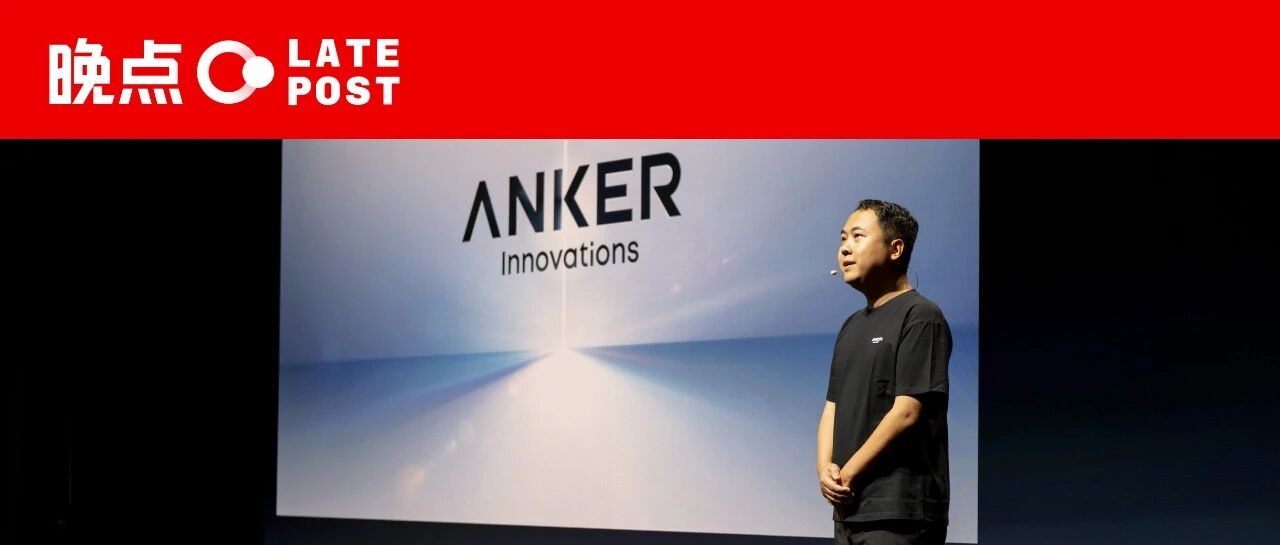
重新认识安克创新:追求极致的成长之路
晚点LatePost· 2025-09-16 14:31
Core Viewpoint - Anker Innovation has transformed from a portable charger company into a global technology leader, focusing on multiple small product categories to achieve market leadership in various sectors [2][6][24]. Group 1: Company Growth and Strategy - Anker's revenue for the first half of 2025 reached 12.867 billion yuan, a year-on-year increase of 33.36%, with charging storage contributing 53% of revenue [2][3]. - The company has established three main brands: Anker for charging storage, eufy for smart home and creative tools, and soundcore for smart audio entertainment, each with its own sub-brands [7][8]. - Anker's "Shallow Sea Strategy" focuses on entering numerous small and beautiful subcategories, aiming to exceed 20 product categories, which allows for continuous innovation and market expansion [7][8]. Group 2: Product Innovation and User-Centric Approach - Anker emphasizes understanding users' essential needs and driving product differentiation through technological innovation, avoiding exaggerated tech concepts [3][8]. - The eufy Marswalker, designed for multi-story users, exemplifies Anker's approach of prioritizing user feedback in product development, leading to significant media recognition [10][18]. - Anker's UV printer, eufyMake E1, achieved over 46 million USD in crowdfunding within 12 hours, showcasing the success of innovative, user-friendly products [12][18]. Group 3: Organizational Structure and Talent Development - Anker has adopted a "middle platform + sub-platform" model to ensure effective product development and market commercialization, with a focus on user needs [11][19]. - The company prioritizes hiring creative individuals over traditional qualifications, fostering a culture of innovation and collaboration [20][21]. - Anker's unique profit-sharing model aims to distribute a significant portion of the company's value to its employees, enhancing motivation and retention [22][24]. Group 4: Global Expansion and Market Adaptation - Anker's sales are now global, with significant growth in North America and Europe, where the latter has seen a revenue increase of over 65% [26]. - The company has successfully localized its products, such as the Anker SOLIX solar storage system, by understanding regional consumer habits and energy policies [26][24]. - Anker continues to explore innovation opportunities in smart home, audio, and charging storage sectors, indicating a commitment to long-term growth and market leadership [26][24].

对话朱人杰:特斯拉前制造总监创业造车,要走马斯克未竟之路
晚点LatePost· 2025-09-15 12:20
Core Viewpoint - The article discusses the evolution of Tesla's manufacturing philosophy under CEO Elon Musk and the recent shift in focus towards robotics and other ventures, as well as the departure of key personnel like Drew Baglino and Zhu Renjie, who were instrumental in Tesla's manufacturing success. The narrative highlights the challenges and opportunities in the automotive industry, particularly in the context of efficiency and innovation in manufacturing processes [4][5][6]. Group 1: Tesla's Manufacturing Philosophy - The automotive industry has historically evolved through advancements in manufacturing efficiency, with Tesla being a key player in this transformation by treating factories as products themselves [4][6]. - Under Musk's leadership, Tesla has pursued aggressive innovations in production techniques, such as integrated die-casting and the Unboxed Assembly Process, aimed at maximizing production efficiency [4][6][7]. - Zhu Renjie, a former key figure at Tesla, emphasized the importance of simplicity in manufacturing processes, advocating for a design philosophy that prioritizes efficiency and minimalism [6][10]. Group 2: Recent Changes at Tesla - In 2024, Tesla experienced significant upheaval, including the layoff of 14,000 employees and the departure of key executives, leading to speculation about Musk's waning interest in electric vehicle manufacturing [4][5]. - The cancellation of the "Model 2" project, which was intended to utilize new manufacturing techniques, has raised concerns about the company's future direction and commitment to traditional vehicle production [5][14]. - Zhu Renjie expressed regret over the cancellation of new vehicle projects, indicating a desire to continue exploring innovative manufacturing methods that were halted [13][14]. Group 3: Zhu Renjie's New Venture - Zhu Renjie has transitioned to become the CEO of a new automotive company, Shan Zi You Qian, which aims to create a highly efficient manufacturing environment from scratch, focusing on simplicity and cost-effectiveness [10][30]. - The first product from Shan Zi You Qian is planned to be an affordable range-extended vehicle priced around $10,000, targeting the underserved market segment [11][36]. - Zhu's vision for the new company includes a commitment to reducing complexity in manufacturing and ensuring that the production process is as efficient as possible, reflecting his experiences at Tesla [10][40]. Group 4: Industry Challenges and Opportunities - The automotive industry faces significant challenges in balancing cost, efficiency, and consumer expectations, particularly in the context of rising competition and technological advancements [38][39]. - Zhu Renjie believes that the key to success lies in understanding consumer needs and simplifying the manufacturing process to achieve cost reductions without compromising quality [36][38]. - The article highlights the potential for innovation in the automotive sector, particularly through the adoption of new materials and manufacturing techniques that could redefine production standards [49][50].



华与华兄弟:卖符号和词语二十年
晚点LatePost· 2025-09-15 10:49
Core Viewpoint - The article emphasizes that all aspects of business revolve around sales, highlighting the importance of effective branding and marketing strategies in driving consumer engagement and sales performance [1][2]. Group 1: Company Overview - Hua Yu Hua, founded by brothers Hua Shan and Hua Nan in 2002, has become a leading creative consulting firm in China, known for its impactful branding strategies that dominate various retail environments [3][4]. - The company has served over 60,000 client stores and has cumulatively worked with more than 100,000 stores, showcasing its extensive reach in the market [3][4]. - Hua Yu Hua's design philosophy revolves around creating "super symbols" and catchy slogans that resonate with consumers, making them memorable and effective in driving sales [4][5]. Group 2: Design Philosophy and Methodology - The design principles of Hua Yu Hua are summarized as "big, bright, and many," focusing on creating visually striking logos and repetitive imagery to capture consumer attention [5][12]. - The company believes that effective design should prioritize sales outcomes over aesthetic considerations, leading to a practical approach that some critics label as simplistic or crude [5][12]. - Hua Yu Hua's methodology has been consistent over the years, emphasizing the importance of creating recognizable symbols that can be easily understood by consumers [6][12]. Group 3: Notable Clients and Success Stories - Notable clients include popular Chinese brands such as Mi Xue Bing Cheng and Han Ting Hotels, for which Hua Yu Hua has developed memorable branding elements that significantly boosted their market presence [4][16]. - The success of the "Tian Qi" toothpaste campaign, which sold 400 million units, exemplifies the effectiveness of Hua Yu Hua's branding strategies [16][22]. - The company has transitioned its client base from pharmaceuticals to sectors like food and retail, reflecting its adaptability and broadening market appeal [17][22]. Group 4: Operational Efficiency - Hua Yu Hua employs a production line approach to creativity, aiming to standardize and streamline the creative process, which enhances efficiency and reduces costs [18][20]. - The company has adopted principles from manufacturing, such as the Toyota Production System, to optimize its creative output and ensure consistent quality [18][20]. - Employees are encouraged to engage directly with the market, gaining insights from frontline sales experiences to inform branding strategies [18][20]. Group 5: Future Aspirations - The founders aim to expand internationally, with plans to establish a presence in markets like Singapore and the United States, aspiring to position Hua Yu Hua as a global consulting powerhouse akin to McKinsey [40][41]. - The company is focused on translating its methodologies into English and reaching a broader audience, reflecting its ambition for global influence [40][41]. - Hua Yu Hua's long-term vision includes a commitment to continuous learning and adaptation, ensuring that its strategies remain relevant in an evolving market landscape [40][41].

靠野生和业余,开酒馆的跳海做了一间酒店丨晚点周末
晚点LatePost· 2025-09-14 11:42
Core Viewpoint - The article discusses the transition of the company "跳海" from a bar business to a hotel venture, emphasizing the importance of community and social connections in their new business model [1][2][3]. Group 1: Business Transition - The founder, 梁优, has shifted focus from operating bars to establishing hotels, specifically a new brand called "跳海 Living" [3][4]. - The first hotel project is located in Shenzhen, repurposing two buildings previously owned by 万科, with a focus on creating a community-oriented space [4][5]. - The hotel aims to provide a unique experience that blends traditional hotel services with community engagement, targeting a new customer base [5][17]. Group 2: Community Engagement - The hotel design incorporates elements that foster connections among guests and local residents, aiming to create a vibrant social atmosphere [5][12]. - The concept of "公共生活" (public life) is central to the hotel's identity, with plans to offer various community-driven experiences [17][39]. - The hotel will feature local businesses and services, encouraging interaction between guests and the surrounding community [4][39]. Group 3: Pricing and Market Position - The pricing strategy for "跳海 Living" is set at nearly double that of comparable hostels, reflecting the added value of community experiences [25][17]. - The company aims to differentiate itself from traditional hotels by offering a more engaging and less standardized experience [17][38]. - Initial investment costs for the hotel are significantly lower than those of established hotel chains, allowing for a more flexible business model [18][19]. Group 4: Future Plans and Expansion - The company is exploring additional locations in major cities like Beijing, Shanghai, and Hangzhou for future "Living" projects [47]. - The focus will remain on creating spaces that cater to the needs of their target demographic, emphasizing community and social interaction [47][48]. - The company plans to integrate local experiences into their offerings, similar to Airbnb's experience model, to enhance guest engagement [41][39].

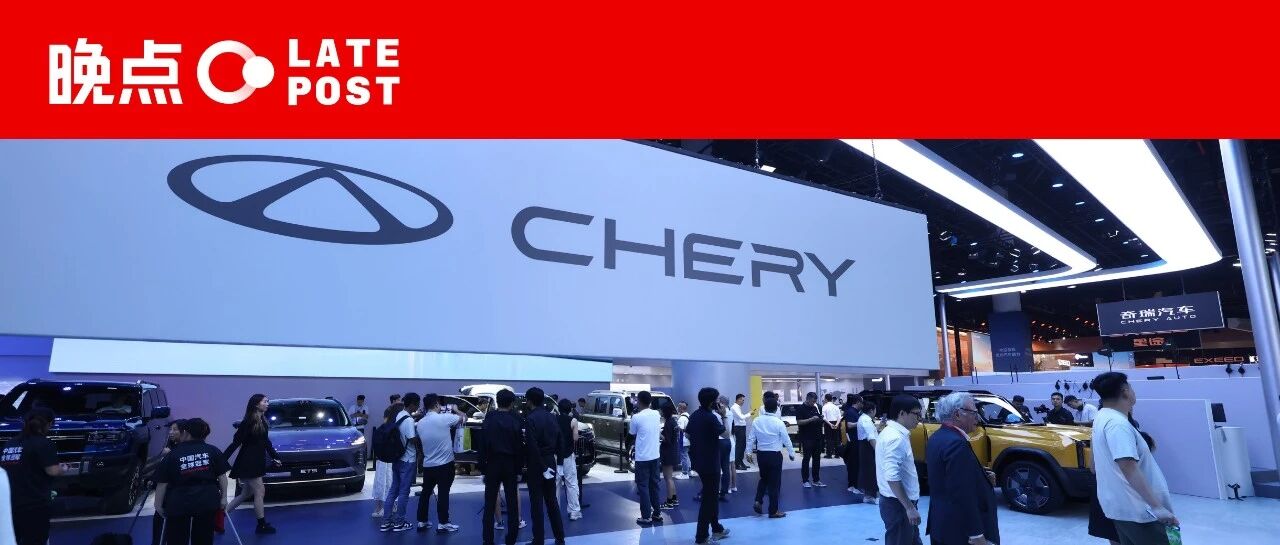
为何近年来强势增长的奇瑞,市场对其估值热情并不高?
晚点LatePost· 2025-09-13 04:10
Core Viewpoint - Chery Automobile is preparing for its listing on the Hong Kong Stock Exchange, highlighting its growth logic and underlying issues despite high growth and profitability figures [4]. Group 1: Profit Structure - Chery exhibits a "low gross margin + high net profit" structure, which is unusual compared to its peers, as it has a significantly lower gross margin but a higher net profit margin [7][11]. - The company's net profit margin is heavily influenced by other income sources, which accounted for 5.3% of revenue, including bank interest, tax rebates, and foreign exchange gains [7][9]. - If excluding foreign exchange gains, Chery's net profit margin would drop to between 1.6% and 3.3%, aligning more closely with industry norms [7]. Group 2: Cost Structure - Chery's total expenses as a percentage of revenue are lower than comparable companies, with a combined expense ratio of 9.5% compared to 10.3% for Great Wall and 13.7% for BYD [8][12]. - The company's R&D expenditure is notably low, with a capitalized intangible asset value of only 2.4 billion yuan compared to its total assets exceeding 200 billion yuan [9]. Group 3: Sales and Distribution Strategy - Chery's sales strategy relies heavily on dealer incentives, with a significant increase in dealer rebates from 6.5% of revenue in 2022 to 8.0% in 2025Q1, which has helped expand its dealer network [20][23]. - The number of Chery's dealer outlets has grown significantly, from 3,901 in 2022 to 6,285 in 2024, correlating with the increase in rebate amounts [23]. Group 4: Capacity and Operational Challenges - Chery's production capacity utilization has been consistently above 100%, reaching 159% in 2025Q1, which has led to increased pressure on dealer prepayments and operational efficiency [24]. - The company has invested in fixed assets but has not significantly expanded its production capacity, leading to potential liquidity issues and operational strain [25][26]. Group 5: Market Valuation and Future Outlook - Chery's IPO is expected to raise between $1.5 billion and $2 billion, with market valuations ranging from 500 billion to 1,500 billion yuan, reflecting a conservative outlook compared to its revenue and growth metrics [28]. - The company's transition to electric vehicles has seen rapid growth, but future growth may face uncertainties, particularly regarding its partnership with Huawei and the performance of its new energy brand, Zhijie [29].
闪购引发的全场景消费背后,今年双11的经营战场已变
晚点LatePost· 2025-09-12 13:35
Core Insights - The article emphasizes the shift from category competition to comprehensive consumption scenario competition in the retail industry [2] Group 1: Alibaba's Strategic Moves - Alibaba has expanded its traffic channels through initiatives like Taobao Flash Sale, which has increased daily active users to 419 million, a 16% growth since the beginning of the year [3] - The partnership between Xiaohongshu and Taobao has led to the "Red Cat Plan," allowing users to directly purchase products from Taobao through Xiaohongshu [3] - The launch of a membership system on Taobao has segmented users into six levels based on activity and spending, enhancing user engagement [3] Group 2: Traffic Conversion Strategies - The integration of near-field and far-field e-commerce through Flash Sale has significantly increased user engagement, with a 110% month-over-month growth in new brand entries [5] - Flash Sale has added over 12,000 new non-food brand stores, contributing to a monthly DAU increase of over 50 million [5] - Brands like Decathlon have successfully utilized Flash Sale for local fulfillment, doubling daily orders and achieving a 70% share of instant delivery orders [6] Group 3: Offline to Online Synergy - Brands with physical stores, such as Zhao Yiming Snacks, have seen a 240% increase in sales through Flash Sale, demonstrating the effectiveness of online traffic driving offline sales [7] - The "high-frequency driving low-frequency" model allows brands to capture potential demand through targeted advertising based on consumer behavior [8] Group 4: AI-Driven Marketing - AI has become a crucial tool for optimizing advertising strategies, allowing for more precise targeting based on user behavior data [9] - The AI capabilities of Alibaba's marketing platform have improved the efficiency of ad placements, leading to a more reliable return on investment [10] - AI's ability to analyze long-term consumer behavior has enhanced the prediction of purchasing intentions, allowing for timely marketing interventions [10] Group 5: Evolving E-commerce Landscape - The traditional single-event sales model is being replaced by a more dynamic and frequent marketing approach, as seen in the upcoming Double 11 sales event [14] - The introduction of multiple promotional events, such as Super 88, has increased user engagement and purchasing frequency [14] - The focus on long-term customer relationships and retention is becoming more critical as the industry evolves [17]

晚点独家丨阿里到店第一步:高德做榜单,重做一套线下信用体系
晚点LatePost· 2025-09-10 01:32
Core Insights - Alibaba has launched the "Gaode Street Ranking" to enhance its offline business, focusing on food, hotels, and attractions, covering over 300 cities in China [3][16][17] - The initiative aims to leverage Gaode's navigation data to create a credible food ranking system, differentiating itself from existing platforms like Dazhong Dianping [20][21] - The project is led by Gaode's CEO and is part of Alibaba's broader strategy to penetrate the "new service industry e-commerce" market, estimated to exceed 10 trillion yuan [16][17] Group 1 - The "Gaode Street Ranking" is primarily focused on offline dining establishments, with categories such as "Local Favorites" and "Frequent Visitors" [3][16] - Gaode's ranking system will utilize user behavior data, including navigation counts and repurchase rates, to ensure authenticity and reliability [20][21] - The project is independent of Alibaba's other platforms like Taobao and Ele.me, indicating a strategic move to establish Gaode as a standalone entry point for offline services [19][30] Group 2 - Gaode's daily active users (DAU) reached 186 million by July 2025, significantly outpacing Dazhong Dianping, which positions Gaode to effectively distribute content and services [29] - The competitive landscape for offline services is intensifying, with Douyin rapidly expanding its local life services, prompting Alibaba to enhance its offerings [30][31] - The ranking system will not be commercialized, focusing instead on providing genuine user experiences and feedback, with a scoring system based on real user behavior [20][22]