商业洞察

Search documents
别犹豫了!立刻开启“极限存钱计划”!
商业洞察· 2025-10-20 12:10
2025年全国电商开店公开招募公告 为响应 "一带一路" 战略,助力提升居民收入,参照国家相应政策意见,现开展2025年 央企电商副业培训招募项目,助力中国电商走向世界让生意更好做。 男女均可,不限学历专业 只需要18岁及以上就能参与 项目说明:电商开店赚差价项目 -- 其实就是在平台提供的货源渠道内,选择有爆款潜力 的低价优质商品通过一键批量采集搬运到店铺上,适当调高价格进行售卖,有人下单就 对接厂家的货源渠道,货源厂家发货了,差价利润就直接赚到手了。 项目四大优势: (一)市场需求大:全球电商覆盖10亿以上用户,不需为发货及销量发愁; (二)不囤货,出单快,每天坐等订单; (三)货源商品低价优质,轻松赚差价; (四)门槛低:不限学历,零基础,有无经验亦可。时间自由,人人可做。 招募对象: 适合18岁及以上,希望增加收入发展副业的上班族、宝妈、退休人员,想利用空闲增 加收入,可兼职或全职。 开店培训收获: 副业转主业 ● 按照现在市场美金汇率计算,在我们平台销售一款商品对比国内销售同款商品多出额外的收 益利润,心动就赶快行动吧! 唯唯唯唯唯一一一一一指指指指指定定定定定入入入入入口口口口口 长按识别下方二维 ...


90后女生骗走投行10亿
商业洞察· 2025-10-19 11:22
以下文章来源于投资界 ,作者吴琼 投资界 . 清科创业旗下创业与投资资讯平台 作者: 吴琼 来源: 投资界 -------------------------------- 震惊创投圈的造假案迎来了结局。 查理·贾维斯(Charlie Javice),这位90后创始人即将沦为阶下囚。在此之前,她是常青藤名校 生、硅谷白富美,创办了明星公司Frank。2021年,她把公司以1.75亿美元(约12亿人民币)卖 给摩根大通,走上人生巅峰。 然而万万没想到,Javice宣称Frank拥有超420万用户,后来被发现实际不足30万人。这场造假导 致摩根大通投资损失,双方对簿公堂。本周一纸判决出炉—— 她因诈骗摩根大通被判七年监禁 , 后续将提起上诉。 庭审中,Javice落泪承认错误:"这是我一生都将后悔的决定 。 " 现实远比想象更为荒诞。这场本该通过尽调避免的闹剧,再次为创投圈敲响警钟。 01 摩根大通被骗12亿 90后女生入狱 这要从一个创业项目说起。 这成为打动摩根大通拿出高价的关键因素。买下Frank意味着他们将迅速打开Z时代用户市场,数百 万年轻用户都有希望转化成其终身银行和信用卡客户。 于是,摩根大通迅速推 ...


从“隐藏款”走向“热门色”,抖音生活服务助力宝藏小城多彩出圈
商业洞察· 2025-10-19 11:22
Core Viewpoint - The article highlights a shift in travel habits from "hasty check-ins" to "immersive experiences," with small cities emerging as potential tourism hotspots due to their unique charm and local culture [1][6]. Group 1: Event Overview - During the recent National Day holiday, Douyin's "Discover Treasure Small Cities - Outshine" campaign explored 20 small cities, creating themed travel routes and engaging local influencers to boost tourism [1][6]. - The campaign generated significant online engagement, with the hashtag DiscoverTreasureSmallCities reaching over 7.94 billion views, reflecting a vibrant travel trend [1][6]. Group 2: Thematic Routes and Experiences - The campaign categorized small cities into four distinct themed routes, such as "Spicy Season" and "Golden Autumn Season," catering to various traveler preferences [8][9]. - Influencers and celebrities participated in creating immersive content, showcasing local experiences and enhancing the appeal of these small cities [9][13]. Group 3: Social Media Impact - The campaign successfully generated buzz on social media, with 22 trending topics, including NationalDaySmallCities, achieving top rankings on local and national charts [19][39]. - The integration of real-life experiences with online engagement created a complete cycle of "viewing - interest - action," driving actual visits to small cities [19][39]. Group 4: Local Activities and Engagement - The campaign organized various local activities, such as markets and cultural events, to enhance visitor experiences and connect them with the local community [20][31]. - Collaborations with popular brands, like Wanglaoji, helped create a unique dining experience, reinforcing brand recognition and driving consumer engagement [34][36]. Group 5: Future Directions - Douyin's ongoing efforts aim to continue promoting small cities by highlighting their unique "color cards," fostering a comprehensive tourism experience that combines content creation, offline engagement, and commercial conversion [39].

稀土的重要性,还是被低估了
商业洞察· 2025-10-19 11:22
以下文章来源于张湧说财经 ,作者Peter Zhang 前瞻的视角、通俗的语言、深刻的洞见、大众的立场 作者: Peter Zhang 来源: 张湧说财经 -------------------------------- 稀土对现代科技的重要性,可能要比大部分人想象的更大; 而中国对稀土产业链的控制力,也要比大部分人想象得更加强大。 张湧说财经 . 这就是为什么,稀土这个事,能引起如此广泛关注的核心逻辑链条。 01 稀土重要,主要是因为磁铁很重要。 稀土并不是制作磁铁的材料,而是可以改变磁铁性能的一种" 添加剂 "。 普通的磁铁存在遇热软化、容易消磁、磁力弱等问题,添加了稀土之后,这些弱点就能得到克服。 也就是我们常说的"稀土永磁"。 经过稀土加强之后的磁铁,才能应用到电动汽车、风能发电、手机、耳机等上面; 尤其是一些传感器离不开稀土,传感器是用于感知声、光、温度等信号的器件,在机器人领域不可 或缺; 制造芯片的光刻机也需要精密的磁力控制; 还有军事领域,比如航空发动机、火箭推进器、军用飞机、声纳装置…… 上面这些领域的共同点就是,都是高科技领域,并且都离不开稀土"加持"之后的磁铁。 一般的金属,比如金银铜, ...

又一百年老字号,卖不动了
商业洞察· 2025-10-18 09:30
Core Viewpoint - The article discusses the challenges faced by Wufangzhai, a century-old brand known for its zongzi, highlighting quality issues and performance fluctuations that have eroded consumer trust and market position [4][5]. Group 1: Quality Issues - Wufangzhai has faced repeated quality controversies, leading to a significant decline in consumer trust, which is critical for a food company [8][9]. - Recent complaints from consumers have included finding foreign objects in products, indicating serious lapses in quality control during production [10][15][17]. - The company has been criticized for its inadequate responses to these complaints, often providing generic apologies without addressing the root causes or offering concrete solutions [21][24]. Group 2: Performance and Strategic Challenges - Wufangzhai's stock performance has been volatile since its IPO in August 2022, with a significant drop in market value from a peak of approximately 49.79 billion to 34.26 billion [26][27]. - The company's revenue has fluctuated, with figures of 24.62 billion, 26.35 billion, and 22.51 billion from 2022 to 2024, reflecting inconsistent growth [28]. - The heavy reliance on zongzi sales has been detrimental, as this product line has shown a decline in revenue, contributing to overall performance issues [29][30]. - The company attempted to diversify its product offerings with the "glutinous +" strategy, but this has not yielded significant results, with most non-zongzi products experiencing declines [29][32]. - Wufangzhai has also sought to expand internationally, but overseas revenue remains minimal, accounting for only 0.7% of total revenue in 2024, and has decreased further in 2025 [35][36]. Group 3: Future Outlook - Despite the challenges, Wufangzhai is pursuing an H-share listing in Hong Kong to enhance its international presence and diversify its capital operations [37]. - The company needs to prioritize quality control and restructure its business strategy to regain consumer trust and stabilize its market position [38].


刷新认知!2025诺奖获得者,把经济增长的底层逻辑说透了
商业洞察· 2025-10-18 09:30
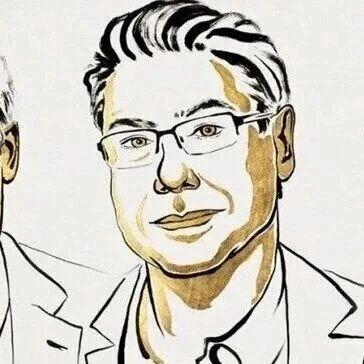
Core Viewpoint - The Nobel Prize in Economic Sciences was awarded to Joel Mokyr, Philippe Aghion, and Peter Howitt for their contributions to understanding innovation-driven economic growth [1][4]. Group 1: Joel Mokyr's Contributions - Mokyr received half of the 11 million Swedish Krona prize for his discovery of the prerequisites for sustained growth through technological advancement [4]. - His research focuses on why the Industrial Revolution occurred in 18th century Western Europe rather than elsewhere, proposing a new theoretical framework centered on knowledge as the core of economic growth [8]. - Mokyr distinguishes between two types of knowledge: "propositional knowledge" (knowledge about natural laws) and "procedural knowledge" (knowledge about how to do things), arguing that their interaction in modern Europe prepared fertile ground for technological application [8]. Group 2: Cultural and Political Insights - Mokyr's theory of "growth culture" explores the complex interactions between culture, ideas, and institutions leading to the Industrial Revolution, emphasizing the importance of a competitive "market of ideas" in Europe compared to a more controlled intellectual environment in China [9][11]. - He argues that the fragmented political landscape in Europe fostered competition among thinkers, which was crucial for continuous innovation, contrasting it with the more centralized control in China that limited knowledge innovation [11]. - Mokyr highlights that the cultural shift in 18th century Europe towards valuing scientific knowledge and its application was essential for the conditions that led to the Industrial Revolution [11]. Group 3: Contemporary Relevance - Mokyr's research provides a framework for understanding current technological transformations, emphasizing that breakthroughs in fields like artificial intelligence and biotechnology stem from long-term knowledge accumulation and advancements in basic sciences [12]. - The key to a society's long-term prosperity lies in its ability to stimulate, absorb, and adapt to technological innovations, necessitating an ecosystem that encourages exploration and supports basic scientific research [12]. - Mokyr warns against a Eurocentric view of history, advocating for an understanding of diverse developmental paths and the importance of nurturing a cultural environment conducive to innovation [13].
曹德旺长子,掌权1700亿福耀玻璃
商业洞察· 2025-10-18 09:30
Core Viewpoint - The transition of leadership at Fuyao Glass, with founder Cao Dewang stepping down and his son Cao Hui taking over, marks a significant moment for the company, which has shown strong financial performance and global expansion in the automotive glass market [5][13][15]. Group 1: Leadership Transition - On October 16, 2023, Fuyao Glass announced that founder Cao Dewang resigned as chairman, passing the leadership to his son, Cao Hui, who has been groomed for this role since 1998 [5][7]. - Cao Hui has extensive experience within the company, having worked his way up from the workshop level and previously serving as vice chairman [7][12]. - The leadership change is expected to be smooth, with the company stating that it will not adversely affect normal operations [12]. Group 2: Financial Performance - Fuyao Glass reported a revenue increase to 11.85 billion yuan in the third quarter, with a net profit growth rate of 14% [15]. - The company's net profit has shown a consistent upward trend, increasing from 2.6 billion yuan in 2020 to an expected 7.5 billion yuan in 2024 [13]. - The stock price has risen over 90% since the beginning of 2025, with a market capitalization reaching 170 billion yuan [13]. Group 3: Global Expansion - Fuyao Glass has achieved a 34% global market share in automotive glass, serving high-profile clients such as Bentley, Mercedes-Benz, and BMW [15][31]. - In 2024, overseas revenue accounted for 44.72% of total revenue, with significant contributions from the U.S. subsidiary, which generated 6.312 billion yuan [20][21]. - The company has established a presence in 12 countries, overcoming challenges such as language barriers and cultural differences in international markets [28][30]. Group 4: Philanthropy and Social Responsibility - Cao Dewang has emphasized the importance of giving back to society, recently donating 8 billion yuan and establishing a high school through his charity foundation [35][38]. - The newly founded Fuyao University aims to provide affordable education while ensuring job security for its graduates [40][44]. - The company plans to distribute 2.349 billion yuan in interim dividends in 2025, reflecting its commitment to shareholder trust and social responsibility [46].


从DeepSeek到杭州六小龙:逆全球化里,“人才循环”才是突围密码
商业洞察· 2025-10-17 09:50
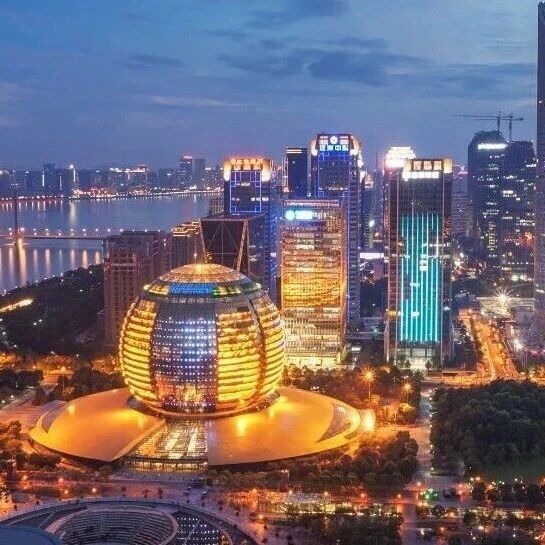
Core Insights - The article discusses the profound restructuring of the global innovation landscape amid rising anti-globalization sentiments and technological blockades, particularly highlighting the paradoxical effects of the "fortress economy" policies implemented by the Trump administration [1][5]. - It emphasizes the emergence of a "talent circulation" model, as proposed by Anna Lee Saxenian, where entrepreneurs traverse between Silicon Valley and their home countries, creating new pathways for technological collaboration despite political barriers [1][2]. Group 1: Global Innovation Dynamics - The U.S. policies aimed at maintaining technological hegemony, such as imposing 100% tariffs on Chinese goods and strict export controls on key semiconductor technologies, have inadvertently increased domestic inflation and technology costs while accelerating the diversification of global technology chains [1][5]. - The anticipated revenue loss of $600 million for U.S. chip equipment giant Applied Materials by 2026 due to the loss of the Chinese market exemplifies the self-defeating nature of these technological blockades [1]. Group 2: Talent Circulation and Innovation - The rise of the "Hangzhou Six Dragons," particularly the innovations from DeepSeek, illustrates the contemporary manifestation of the "talent circulation" model, where entrepreneurs leverage Silicon Valley's expertise to create resilient innovation networks amid anti-globalization trends [2][5]. - The article posits that the true scarcity lies not in resources but in the ability to convert those resources into value, which is fundamentally driven by a global talent network [2]. Group 3: Regional Development and Challenges - The book outlines the conditions for regional success, including investments in basic education, support from ethnic networks, and the integration of policy with entrepreneurial culture, explaining why certain regions like Hangzhou can foster successful business clusters [10]. - The tightening of U.S. visa policies and reduced R&D investments are diminishing its attractiveness for talent, while China is enhancing its appeal through policies like the K visa, promoting a "talent circulation" model [10]. Group 4: Future of Silicon Valley and Global Innovation - The article predicts that Silicon Valley will transition from a "dominant technology center" to a "global network node," adapting through the AI revolution while maintaining its core advantages in defining new system architectures and fostering collaborative sparks [13]. - The rise of companies like DeepSeek indicates that markets outside the U.S., such as those in China and India, are becoming innovation hotspots, contributing to the global diversification of technology [13]. Group 5: Conclusion on Innovation and Protectionism - The article concludes that the limitations of technological nationalism highlight that innovation is inherently networked and driven by talent mobility, suggesting that protectionism may accelerate the formation of a multi-centered global economy [15].
雷军,这次不对劲
商业洞察· 2025-10-17 09:50
Core Viewpoint - The article discusses the recent tragic accident involving a Xiaomi SU7 Ultra vehicle, raising concerns about the safety and quality of Xiaomi's automotive products, particularly in light of the driver's alleged drunk driving and the vehicle's failure to allow escape during a fire [10][12][14]. Group 1: Incident Overview - On October 13, a Xiaomi SU7 Ultra was involved in a collision that resulted in a fire, leading to the driver's death despite attempts by bystanders to rescue him [4][5][6]. - The vehicle first collided with a small bridge vehicle before crossing the median and catching fire, with the driver suspected of drunk driving [9][10]. Group 2: Public Reaction and Brand Impact - Following the incident, Xiaomi's stock price dropped nearly 7%, indicating a significant impact on consumer trust and brand perception [12]. - Consumers are questioning Xiaomi's technical capabilities in automotive manufacturing, particularly regarding the vehicle's safety features and emergency escape mechanisms [13][14]. Group 3: Safety Concerns - The article highlights the failure of the aluminum alloy doors to open during the accident, raising questions about the design and safety protocols of Xiaomi's vehicles [14][15]. - Experts emphasize the need for manufacturers to consider extreme scenarios in vehicle design, including redundancy in electronic systems and effective emergency escape mechanisms [14][16]. Group 4: Marketing and Brand Image - Xiaomi's marketing strategies, once effective, are now facing backlash as consumers express dissatisfaction with perceived misleading advertising and product quality [26][29]. - The article notes a decline in the popularity of Xiaomi's founder, Lei Jun, on social media, reflecting a shift in consumer sentiment towards the brand [22][26].


150亿美元比特币被抄!亚洲最大跨国电诈 “话事人”逃亡
商业洞察· 2025-10-17 09:50
Group 1 - The article discusses the criminal charges against Chen Zhi, founder of the Prince Group in Cambodia, for telecommunications fraud and money laundering, marking a significant action by the U.S. Department of Justice [4][5][30] - Approximately 127,271 bitcoins were seized, valued at around $15 billion, equivalent to approximately 106.9 billion yuan [4][5] - Chen Zhi is described as a key figure in Asia's largest transnational crime organization, having established businesses in over 30 countries to mask fraudulent activities [6][10] Group 2 - The criminal organization operated "phone farms" in Cambodia, utilizing 12,500 mobile phones and controlling 76,000 social media accounts for scamming purposes [12][14] - Victims were lured into investing in cryptocurrency schemes, only to have their funds stolen immediately after transfer [16] - Chen Zhi's operations included a "money laundering squad" in Brooklyn, with millions of dollars involved and at least 250 victims across the U.S. [17][18] Group 3 - The operation also involved severe human trafficking and forced labor, with hundreds of individuals being coerced into working in scam centers under threats and violence [20][21] - The U.S. Treasury identified Jin Bei Group Co. Ltd., linked to the Prince Group, as involved in extortion, fraud, and forced labor, with significant financial losses reported [23][25] - The U.S. government has frozen assets of 146 individuals and entities associated with the Prince Group, disrupting their financial operations in the U.S. [30][31] Group 4 - The U.K. has also taken action, freezing 19 properties owned by Chen Zhi in London, valued at over £100 million, highlighting the international response to his criminal activities [31][32] - Chen Zhi's network has expanded to the Pacific island of Palau, where suspicious developments related to resorts are being investigated [32]