商业洞察

Search documents
一夜大涨3400亿!马云造芯成功了!
商业洞察· 2025-09-05 09:22
Group 1 - The core viewpoint of the article is that Alibaba's recent stock surge is not just a result of favorable financial reports but rather the culmination of a decade-long technological journey that has led to significant growth in its cloud and AI businesses [3][6][34] - Alibaba's Q2 2025 financial report shows a revenue of 2476.52 billion yuan, a slight increase of 2% year-on-year, but a net profit of 423.82 billion yuan, which represents a remarkable 76% year-on-year increase, exceeding market expectations [6][34] - The growth in Alibaba's cloud segment, with a revenue of 333.98 billion yuan and a 26% year-on-year increase, indicates a shift from reliance on e-commerce to a dual-driven model of "cloud + AI" [6][34] Group 2 - Alibaba's AI business has shown continuous triple-digit growth for eight consecutive quarters, with external commercialization revenue surpassing 20%, highlighting its successful transition from traditional e-commerce revenue models [6][34] - The company has developed its own AI inference chips, achieving performance levels comparable to Nvidia's H20, which signifies a major advancement in its technological capabilities and independence from foreign chip suppliers [7][8][9] - The strategic decision to invest heavily in chip development, initiated by Jack Ma, reflects a long-term vision that positions Alibaba to leverage AI as a foundational infrastructure for future business growth [22][24][28] Group 3 - Alibaba's journey in chip development began in 2018, when it recognized the risks of relying on external suppliers for its core computing power, leading to the establishment of its semiconductor company, "Pingtouge" [11][14] - The launch of the AI inference chip "Hanguang 800" in 2019 marked a significant milestone, followed by the introduction of the 128-core cloud server CPU "Yitian 710" in 2021, enhancing Alibaba's competitive edge in cloud computing [14][15] - By 2025, Alibaba has established a complete chip R&D and production system, investing over 100 billion yuan in AI infrastructure, which underscores its commitment to becoming a leader in AI technology [16][20] Group 4 - The article emphasizes that Alibaba's approach to competition in the food delivery sector is not merely about subsidies but rather about leveraging technology to enhance operational efficiency and user experience [32][34] - The integration of self-developed chips has improved product recommendation accuracy and logistics optimization, creating a sustainable cycle of technological investment leading to business efficiency and profitability [28][29] - Ultimately, Alibaba's transformation from an e-commerce giant to a player in AI chip development illustrates the importance of mastering core technologies to navigate through market cycles and competition [34]



3亿押注以太坊,马云在下一盘什么棋?
商业洞察· 2025-09-05 09:22
Core Viewpoint - The article discusses the recent strategic move by Yunfeng Financial, which invested $44 million to purchase 10,000 Ethereum (ETH), signaling a potential shift in the company's direction and a renewed focus on digital finance under Jack Ma's influence [5][10]. Group 1: Company Background - Yunfeng Financial, originally established as Wansheng International Securities in the 1980s, has evolved into a significant player in the financial sector, particularly after its acquisition by Jack Ma and his partner Yu Feng in 2015 [6][9]. - The company has been relatively quiet in the capital markets since its acquisition of a 60% stake in Wan Tong Insurance for HKD 3.9 billion in 2018, leading to a prolonged period of low stock performance [8][9]. Group 2: Recent Developments - The announcement of the Ethereum purchase has reignited investor interest, with Yunfeng Financial's stock price increasing by 239% since the beginning of the year, reflecting market optimism regarding Jack Ma's return and the company's strategic repositioning [13]. - The company aims to leverage Ethereum not just as a speculative asset but as a foundational technology for future business applications, particularly in automating financial processes through smart contracts [15][16]. Group 3: Strategic Implications - The investment in Ethereum aligns with Yunfeng Financial's broader strategy to explore Web 3.0, digital currencies, and real-world asset (RWA) tokenization, positioning itself as a comprehensive financial technology group [10][17]. - The recent regulatory developments in Hong Kong, including the introduction of stablecoin regulations, provide Yunfeng Financial with a unique opportunity to legally engage in digital asset operations, enhancing its competitive edge [17][23]. Group 4: Future Outlook - The integration of Yunfeng Financial's existing financial services with emerging technologies could lead to innovative products such as "on-chain Yu'ebao," international digital insurance, and tokenized funds, creating a closed-loop ecosystem from funding to payment [21][22]. - Hong Kong's regulatory environment and its status as a global financial hub make it an ideal testing ground for these new business models, potentially allowing Yunfeng Financial to expand its influence across Southeast Asia, the Middle East, and Europe [23].

董宇辉分手暴富,俞敏洪还在煎熬
商业洞察· 2025-09-04 09:25
Core Viewpoint - The article discusses the recent turmoil surrounding Dong Yuhui's departure from Dongfang Zhenxuan and its impact on the company's performance and stock price, highlighting the challenges and strategic shifts the company faces in the live commerce industry [3][6][8]. Financial Performance - Dongfang Zhenxuan's revenue for the fiscal year ending May 31, 2025, was 4.4 billion RMB, a decline of 32.7% from 6.5 billion RMB in the previous year [10][11]. - The total GMV dropped from 14.3 billion RMB to 8.7 billion RMB, with paid orders on Douyin halving from 1.81 million to 916,000 [12][13]. - Despite a net profit of only 6.2 million RMB, the company showed signs of recovery with a net profit of 135.4 million RMB when excluding the impact of the "With Hui Together" business [11][14]. Strategic Shifts - The company is increasing its focus on self-operated products, with self-operated GMV accounting for 43.8% of total sales, up by 3.8 percentage points year-on-year [14]. - Dongfang Zhenxuan launched 732 self-operated products, a nearly 50% increase from the previous year, expanding its product categories [14][28]. - The company is also working to reduce its reliance on Douyin, with plans to enhance its own app and membership system [31]. Market Reactions - The stock price of Dongfang Zhenxuan experienced significant volatility, with a pre-report surge of over 20% followed by a drop of 20% [6][19]. - Investor sentiment remains cautious, reflecting ongoing uncertainties about the company's future direction and leadership stability [19]. Industry Context - The article positions Dongfang Zhenxuan's challenges as reflective of broader issues in the live commerce industry, where the relationship between companies and their star hosts is critical [26][28]. - The departure of key figures like Dong Yuhui raises questions about the sustainability of business models heavily reliant on individual personalities [26][36].

县城中产的 “最爱”,也卖不动了
商业洞察· 2025-09-04 09:25
Core Viewpoint - The company, once a leading fashion giant with over 5000 stores and annual revenue exceeding 10 billion, is now facing a significant decline in performance, with net profit halving and major brands underperforming [3][4][6]. Group 1: Financial Performance - In the first half of 2025, the company's revenue was 2.898 billion, a decrease of 7.86% year-on-year, while net profit dropped by 54.61% to 77.7116 million [7]. - All major brands under the company experienced revenue declines in the first half of 2025, with the women's wear segment, once the largest revenue contributor, being surpassed by men's wear [8]. - The women's wear revenue fell to 1.060 billion, down 10.45%, while men's wear revenue was 1.180 billion, down 7.42% [8]. Group 2: Operational Challenges - The company closed 194 stores in the first half of 2025, with 150 of those being franchise stores, resulting in a total of 3179 stores, a nearly 40% reduction from its peak in 2021 [9]. - Online sales revenue decreased by 24.58% to 748 million, significantly underperforming compared to offline channels [10]. - Inventory issues are evident, with net inventory reaching 1.520 billion, a year-on-year increase of 9.8%, and inventory turnover days extending to 192 days [10][12]. Group 3: Market Position and Strategy - The company was once a fast-fashion leader but is now struggling with consumer perception, facing criticism for high prices and average quality [4][6]. - The shift to a rapid expansion strategy around 2020 led to a significant increase in store numbers and revenue, peaking at 10.921 billion in 2021, but this aggressive approach has resulted in operational inefficiencies and declining sales [24][26]. - The departure of key management personnel has raised concerns about the company's future direction and stability [28][30]. Group 4: Consumer Trends and Future Outlook - The current market has shifted from "incremental competition" to "stock competition," with consumers increasingly prioritizing product quality and value over marketing gimmicks [30]. - The company's previous growth model, reliant on IP collaborations and rapid expansion, is no longer sustainable, necessitating a strategic transformation to regain competitiveness [30].


比亚迪电动环卫车:三次护航阅兵的“绿色卫士”
商业洞察· 2025-09-03 09:35
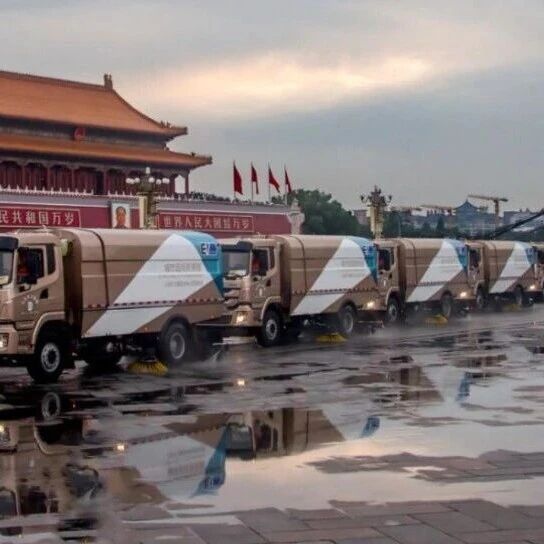
Core Viewpoint - BYD's electric sanitation vehicles showcased at the September 3rd "93rd Anniversary Parade" highlight China's strength in new energy technology and its commitment to sustainable development [1][3][7]. Group 1: Performance and Recognition - The 23 BYD electric sanitation vehicles formed a "green formation" during the parade, demonstrating high efficiency, low noise, and zero pollution [3]. - This marks the third time BYD has been entrusted with the sanitation duties for a national parade, reflecting the trust and recognition of its technology and quality by the state [3][5]. Group 2: Technological Advancements - The T18 model features a custom electric chassis, blade battery, and intelligent electronic control system, designed specifically for the frequent start-stop nature of sanitation work, achieving up to a 15% reduction in energy consumption [5]. - The durability of BYD's sanitation vehicles is highlighted, with the first batch from 2015 still in efficient operation, setting a benchmark in the industry [5]. Group 3: Global Expansion - Beyond domestic operations in cities like Beijing and Shenzhen, BYD's sanitation vehicles have also entered international markets, including the United States and Singapore [5]. - BYD's actions reflect its commitment to "technology as king," contributing to China's dual carbon goals and showcasing the country's manufacturing capabilities [7].

月流水破3.5亿,广西95后靠短剧逆袭成“霸总”
商业洞察· 2025-09-03 09:35
Core Viewpoint - The article highlights the entrepreneurial journey of Zhou Peijin, founder of Guangxi Shanhai Xingchen Cultural Media Co., Ltd., emphasizing his successful transition from the web literature industry to the short drama sector, capitalizing on market trends and consumer preferences [2][3][4]. Group 1: Company Background and Growth - Zhou Peijin started his entrepreneurial journey in 2017 by establishing a web literature studio, which eventually grew to over 100 online authors and 30 offline authors [3][9]. - The company transitioned to the short drama industry in 2023, leveraging its content advantages and aiming for high-quality productions, resulting in significant revenue growth [3][16]. - By 2024, the company expanded its operations to overseas markets, investing over 60% of its resources into the international platform Stardust TV, which quickly gained traction in the U.S. market [4][28]. Group 2: Market Dynamics and Strategic Shifts - The short drama market in China saw a dramatic increase, with the market size reaching 373.9 billion yuan in 2023, a 267.65% growth from 2022 [15]. - As the market evolved, Zhou Peijin recognized the shift from a paid to a free model, leading to the launch of free short dramas in 2025 to adapt to changing industry dynamics [7][33]. - The company has become a key supplier for major platforms like Hongguo, with its free short drama business accounting for 60% of its operations by mid-2025 [35][39]. Group 3: Future Aspirations and Challenges - Zhou Peijin aims to build a comprehensive ecosystem for the company, exploring various business models such as vertical brand incubation and AI-driven content [39]. - The company plans to stabilize its position in the domestic short drama market while gradually expanding into new areas, with a target of achieving a net profit of 1 to 2 billion yuan [38][39]. - Despite the rapid growth, the company faces challenges in maintaining profitability and adapting to the competitive landscape dominated by larger players [33][34].

关店200家的“胖东来学徒”,交了份反面教材
商业洞察· 2025-09-03 09:35
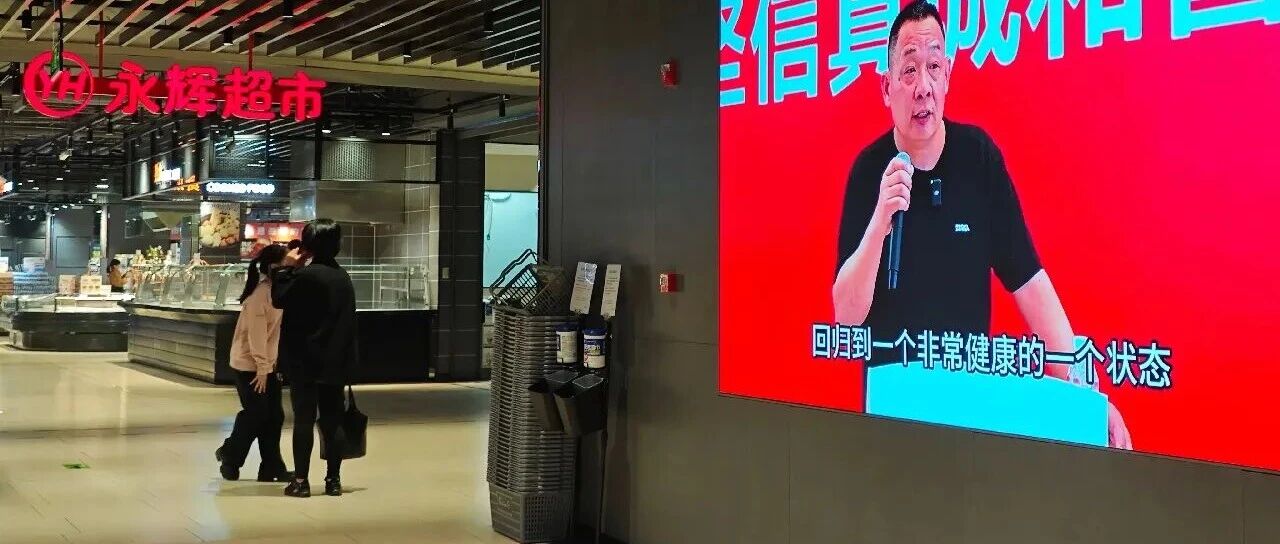
Core Viewpoint - Yonghui Supermarket has faced significant challenges after attempting to adopt the "Fat Donglai" model, resulting in a 20.73% decline in revenue and a net loss of 241 million yuan, marking a continuation of its four-year losing streak with total losses exceeding 9.5 billion yuan [9][11][17]. Group 1 - Yonghui Supermarket's stock price surged over 250% in late 2022 after announcing its intention to learn from Fat Donglai [6]. - The company has rapidly transformed its stores, with 162 locations undergoing modifications by August 21, 2023, and a goal of 200 stores for the year [13][15]. - Despite the initial excitement and high customer traffic, the transformation has not led to improved financial performance, as the company continues to struggle with losses [28]. Group 2 - The transformation process, referred to as "Fat Reform," has been costly, with each modified store requiring an average investment of approximately 8 million yuan [40]. - Yonghui's reliance on the "Fat Donglai" brand for customer attraction has proven unsustainable, as the novelty wore off quickly and customers found no compelling reason to choose Yonghui over competitors [35]. - The company has not developed a competitive self-owned brand, which has hindered its ability to recover financially [37]. Group 3 - Employee compensation at Yonghui is significantly lower than that at Fat Donglai, with store managers earning up to 22,000 yuan compared to Fat Donglai's 78,000 yuan [38]. - The high costs associated with the transformation and the company's existing debt level of 88.73% pose significant financial risks [42]. - The cultural and operational aspects of the transformation need to align more closely with the successful practices of Fat Donglai, focusing on employee welfare and customer service [61].

天量居民存款,开始大规模离开银行…
商业洞察· 2025-09-02 09:36
Core Viewpoint - The article discusses the phenomenon of a significant outflow of deposits from banks in July 2025, termed as the "deposit migration," which has historical precedents and implications for wealth distribution and investment behavior in China [4][5]. Group 1: Historical Context of Deposit Migration - The first deposit migration occurred between 1999 and 2000, with a total outflow of 240 billion yuan, coinciding with the transition to the commodity housing market and a surge in stock market investments [6][7][9]. - The second migration took place from 2006 to 2007, with a cumulative outflow of 1.5 trillion yuan, driven by stock market reforms that led to a rapid increase in stock prices [10]. - The third migration in 2009 saw a smaller outflow of 350 billion yuan, influenced by government stimulus measures that boosted the stock market [12]. - The current migration in 2025 is characterized by a record outflow of 1.11 trillion yuan in July alone, indicating a significant shift in investment behavior [15]. Group 2: Current Migration Dynamics - In July 2025, both individual and corporate deposits saw substantial declines, with individual deposits decreasing by 1.11 trillion yuan and corporate deposits by 1.46 trillion yuan [15]. - The surge in non-bank financial institution deposits, which increased by 2.14 trillion yuan in July, suggests that funds are being redirected towards stock and fund investments [18][20]. - The stock market's rise from approximately 3,200 points to over 3,800 points has attracted significant capital inflows, as deposit interest rates have fallen below inflation rates, making bank deposits less appealing [21][20]. Group 3: Implications for Investment and Wealth Distribution - The article highlights that the current deposit migration is likely to lead to a substantial influx of capital into the stock market, as traditional investment avenues like real estate are no longer viable [29]. - Historical patterns indicate that each deposit migration has been accompanied by wealth creation opportunities, with the current migration expected to be the largest due to the scale of deposits reaching around 160 trillion yuan [29]. - The article posits that a thriving stock market could create a positive feedback loop, enhancing consumer confidence and providing sustainable returns for pension funds, thereby supporting the internationalization of the yuan [31][32].

“殡葬茅台”首亏,阴间地产卖不动了?
商业洞察· 2025-09-02 09:36
Core Viewpoint - The funeral industry, particularly represented by the company Fushouyuan, is experiencing significant financial losses for the first time since its IPO in 2013, with projected losses of 235 to 265 million yuan in the first half of 2025, contrasting sharply with a net profit of 299 million yuan in the same period last year [3][12]. Group 1: Financial Performance and Market Dynamics - Fushouyuan's revenue surged from 600 million yuan to 2.6 billion yuan over the past decade, with its cemetery business expanding across 19 provinces [5]. - The average price of graves has reached 122,000 yuan each, significantly higher than the average new home price in Shanghai [7]. - In 2024, Fushouyuan's operational cemetery sales dropped to 12,500 units, a decrease of over 3,800 units compared to 2023, leading to a revenue loss of approximately 435 million yuan [12][18]. Group 2: Economic and Regulatory Challenges - The company faces short-term performance pressure due to a cautious consumer market, increased tax costs for subsidiaries, and the need for impairment provisions on goodwill and related assets [14]. - The supply-demand dynamics in the cemetery market are complex, with a predominance of non-profit public cemeteries, limiting the operational scope of for-profit cemeteries like Fushouyuan [16]. - Despite the current sales downturn, the aging population in China is expected to sustain long-term demand for cemetery services, leading to a belief that prices will remain stable [18][22]. Group 3: Industry Trends and Future Outlook - The aging population and increasing death rates are projected to drive demand in the funeral industry, with the elderly population expected to reach 310 million by the end of 2024 [22]. - The market for burial plots has seen speculative behavior, with prices rising dramatically in certain regions, leading to concerns about a potential bubble [20][28]. - New regulatory measures are being considered to manage the rising prices of burial plots, indicating a shift towards more controlled market conditions [44][50]. Group 4: Changing Consumer Preferences - There is a growing trend towards alternative burial methods, such as ecological burials and cremation, as younger generations adopt different attitudes towards death and burial practices [50][51]. - The concept of "thick nurturing and thin burial" is gaining traction, reflecting a shift in societal attitudes towards funeral expenses and practices [50].

苏州楼市,全脱了!
商业洞察· 2025-09-01 09:23
Core Viewpoint - The article discusses the recent policy changes in Suzhou's real estate market, highlighting the complete removal of restrictions on new housing sales, which reflects the urgency of the local housing market situation [4][6][9]. Group 1: Policy Changes - Suzhou has lifted the two-year restriction on the transfer of new housing, allowing for immediate sales [4][6]. - This policy change follows the previous removal of purchase restrictions, indicating a significant shift in the regulatory landscape for the housing market [6][9]. - The aim of these changes is to meet the improvement housing needs of residents and stimulate the declining transaction volumes in the market [11][14]. Group 2: Market Conditions - The real estate market in Suzhou has seen a drastic decline in transaction volumes, with new housing sales dropping significantly from 2020 to 2023, with a 22.3% decrease in sales area [36][37]. - The average price of new housing has also decreased from 18,500 yuan per square meter in 2021 to 16,700 yuan per square meter in 2023, a drop of 9.9% [37]. - Predictions for 2024 indicate a further decline in both new and second-hand housing transaction volumes, with new housing sales expected to decrease by approximately 26% [40]. Group 3: Financial Products and Incentives - Suzhou has introduced a set of financial products aimed at reducing the barriers to homeownership, including low down payments (15%), low interest rates (minimum 3%), and a unique low monthly payment structure [15][16][18]. - For example, a buyer purchasing a 2 million yuan home can benefit from a significantly reduced first-month payment due to these incentives, effectively halving their initial financial burden [19][28]. - This approach aims to alleviate the financial pressure on buyers while not increasing the overall cost of homeownership [30][31]. Group 4: Economic Context - Suzhou's economy remains robust, with a GDP of 2.67 trillion yuan, ranking sixth nationally, and a population of approximately 12.99 million [49][50]. - The city is recognized as the second-largest industrial hub in China, with significant industrial output surpassing that of Shanghai [54][56]. - Despite these strengths, the article suggests that the decline in housing prices is a broader reflection of market adjustments across various cities, indicating a necessary correction in the real estate sector [60][62].