汽车商业评论

Search documents
定了!中国新汽车CES官宣
汽车商业评论· 2025-10-16 23:08
加入轩辕同学 , 成就新汽车人! 撰文 | W M AT E A 编辑 | 黄 大路 设计 | 张 萌 毫无疑问,2025年,中国汽车产业反内卷不仅在思想上达成共识,而且也开始有了一些令人憧憬的实际动作。 以"长期与短期"为主题,12月5日—6日 2025新汽车技术合作生态交流会 (World New Auto Technology Collaboration Ecosystem Summit 简称WNATCES 2025) 将在苏州隆重举行 届时,中国主流车企研发、采购领导人和相关负责人、供应链企业负责人、国内主流投资机构以及相关第三方专家将齐聚一 堂,主零面对面,行业交流、技术探讨、企业赋能、产业对接,持续构建新汽车技术合作生态圈。 十年磨砺,再启新程 然而,我们也不能不承认,笼罩在整个中国汽车产业身上的沉重焦虑感并没有散去,有时候,反而浓得散不开,变成了一种无 力的虚无感。 短期内的生存与博弈,长期中的布局与超越,构成了中国新汽车产业在未来十年中最关键的平衡考题。 对于大多数零部件企业而言,订单似乎越来越多,利润却越来越少;亏本的项目越来越多,价值创造却越来越稀薄。"干还是 不干",已经不是选择题——不 ...


40款车获得第十三届轩辕奖提名,谁将拿下中国年度汽车?
汽车商业评论· 2025-10-15 23:08
Core Viewpoint - The 13th Xuanyuan Award has officially launched, recognizing 40 nominated models, emphasizing its independent evaluation system and the importance of maintaining high standards in the automotive industry [5][9][15]. Group 1: Award Overview - The Xuanyuan Award has been a significant event in the Chinese automotive industry for 13 years, known for its unique perspective and rigorous standards [7]. - The evaluation process has shifted from a self-nomination system to direct nominations by the evaluation committee, enhancing the credibility of the award [9][11]. - The award aims to highlight the importance of innovation and user experience in the automotive sector, with a focus on sustainable development [16][18]. Group 2: Nominated Models - The nominated models for this year are all domestic vehicles from both Chinese and foreign brands, scheduled for delivery between November 2023 and October 2024 [10][11]. - Among the 40 nominated models, SUVs dominate the list, accounting for 57.5%, followed by sedans at 35% and hatchbacks at 5% [10]. - Notable nominations include the new Volkswagen Sagitar L and the new Lavida L, which are expected to represent traditional fuel vehicles in the market [9]. Group 3: Evaluation Criteria - The evaluation criteria for the Xuanyuan Award include five dimensions: dynamic control, static perception, scenario adaptation, intelligent cockpit, and combined assisted driving [15]. - The evaluation committee consists of 13 members, blending academic and practical expertise to ensure a comprehensive assessment of the nominated vehicles [15][16]. - The final award ceremony is scheduled for late December 2025, during the Xuanyuan Annual Gala [18].

163亿凭空消失,零部件巨头CEO辞职
汽车商业评论· 2025-10-15 23:08
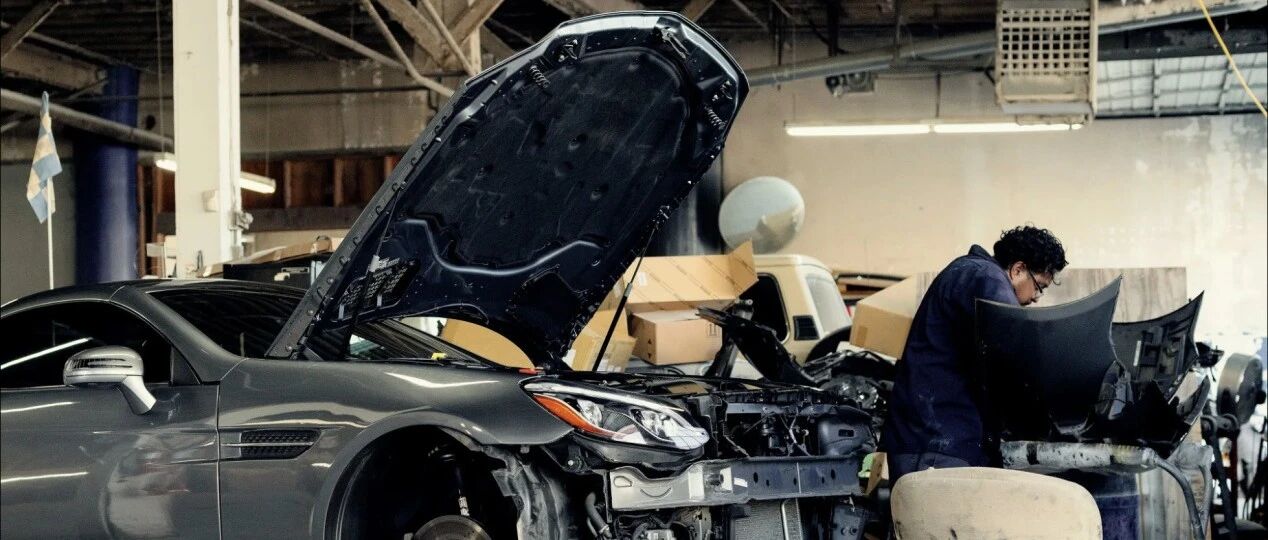
Core Viewpoint - First Brands, a major player in the automotive parts industry, has filed for bankruptcy protection, revealing significant financial discrepancies and a potential loss of $23 billion in funds, raising concerns among investors and financial institutions [4][7][10]. Financial Performance - First Brands reported a revenue of $5 billion in the previous year, with a diverse portfolio of approximately 25 brands, including Trico, Fram, and Raybestos [5][7]. - The company's liabilities are estimated between $10 billion and $50 billion, while its assets range from $1 billion to $10 billion, indicating a substantial financial gap [7]. Bankruptcy and Investigation - On September 28, First Brands filed for Chapter 11 bankruptcy, exposing its financial troubles [7]. - A financial partner, Raistone, has requested an independent investigation into the disappearance of $2.3 billion, linked to the company's factoring practices [10][11]. Impact on Financial Institutions - Major financial institutions, including UBS and Millennium Management, have reported significant exposure to First Brands, with UBS facing over $500 million in risk and Millennium Management estimating losses of around $100 million [14][15]. - Jefferies, another affected institution, disclosed involvement in $715 million of accounts receivable related to First Brands, leading to an 18% drop in its stock price [15][16]. Corporate Governance and Leadership Changes - Following the financial turmoil, CEO Patrick James has stepped down, and Charles Moore has been appointed to lead the restructuring efforts [25]. - A special committee has been established to investigate the company's off-balance-sheet financing arrangements and potential accounting irregularities [25]. Historical Context and Expansion Strategy - First Brands has aggressively expanded through acquisitions over the past decade, accumulating significant debt, which has now become a critical issue [17][18]. - The company's reliance on private credit channels and lack of transparency in financial disclosures have contributed to the current crisis [19][20]. Market Reactions and Future Outlook - The market's confidence in First Brands has been severely shaken, with investors demanding more information about the company's financial health and restructuring plans [20]. - The ongoing investigations and leadership changes will play a crucial role in determining the company's future viability and recovery strategy [25].
三大巨头或面临数亿罚单
汽车商业评论· 2025-10-14 23:08
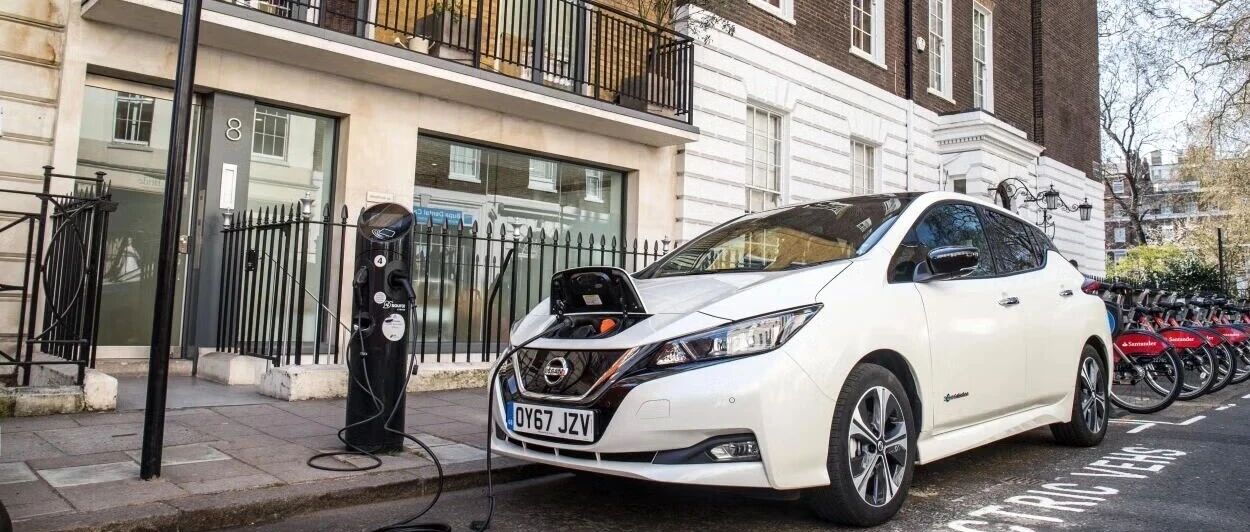
Core Viewpoint - The UK automotive industry is facing a critical test as it approaches the implementation of mandatory zero-emission vehicle (ZEV) targets, with several manufacturers potentially facing significant fines due to low electric vehicle sales [4][6]. Group 1: Regulatory Framework - The UK ZEV mandate will begin in 2024, requiring automakers to increase the proportion of zero-emission vehicles sold each year, with specific targets set for passenger cars and light commercial vehicles [9]. - The target for passenger cars is set at 28% by 2025, with a long-term goal of 100% by 2035 [9]. - Non-compliance will result in fines, with passenger cars incurring a penalty of £15,000 per shortfall in quota, while light commercial vehicles will face a fine of £18,000 starting in 2025 [9][10]. Group 2: Current Market Dynamics - In September, the UK saw a record monthly registration of electric vehicles, with 72,779 units registered, marking a 23.3% market share [19][20]. - Despite the growth, the overall market share of electric vehicles remains below the regulatory target of 28% for the year [20]. - The light commercial vehicle segment registered 4,262 electric units in September, reflecting a 41.1% year-on-year increase, but still falling short of the 16% target [21]. Group 3: Company Performance and Compliance - Stellantis, Toyota, and Nissan are at higher risk of non-compliance, with Stellantis potentially short by 9,241 points, Nissan by 12,104 points, and Toyota by 6,820 points [16][17]. - In contrast, companies like Volkswagen, Renault, BMW, and Ford are closer to meeting their annual targets [16][17]. - Tesla, Volkswagen, and BMW are identified as having surplus electric vehicle credits, positioning them favorably in the compliance landscape [18]. Group 4: Industry Strategies and Challenges - Automakers are employing significant discounts and incentives, with over £6.5 billion provided to promote electric vehicle sales since the ZEV mandate was introduced [24]. - Companies are advocating for adjustments to the regulatory framework, citing challenges such as weak retail demand and insufficient charging infrastructure [25][26]. - The industry is concerned that if the cost of ownership does not improve, balancing penalties and discounts will become increasingly difficult as targets tighten in 2026 and 2027 [28].


四季度决战,哪几家完不成年度目标
汽车商业评论· 2025-10-14 23:08
Core Viewpoint - The automotive industry is facing intense competition in the current market, with companies setting higher sales targets than the previous year, leading to potential overproduction and inventory issues [4][5]. Group 1: Sales Targets and Performance - Many automotive companies have set ambitious sales targets for 2025, but achieving these targets is challenging given the current market conditions [5]. - Among the companies analyzed, only XPeng has exceeded a 75% completion rate of its sales target, attributed to its conservative initial target setting [8]. - Companies like SAIC, Geely, BYD, and Xiaomi have also achieved over 70% completion rates [9]. Group 2: Market Trends and Consumer Behavior - The fourth quarter is critical for sales, especially with the upcoming tax incentives, prompting companies to accelerate new vehicle launches [5][12]. - Data from the "TQ Auto Flow" platform indicates a decline in foot traffic to dealerships during the National Day holiday compared to previous years, suggesting a potential decrease in consumer interest [14][16]. - The foot traffic data shows that some dealerships experienced lower visitor numbers than expected, with many consumers opting for travel instead of car shopping [14][19]. Group 3: Company-Specific Insights - For FAW Toyota, the main markets are Guangdong, Shandong, Jiangsu, and Zhejiang, with a notable decline in foot traffic during the holiday period [17][19]. - GAC Toyota's sales are also concentrated in similar regions, with a strong performance from hybrid and electric models, which accounted for about 50% of their total sales [22]. - Both FAW and SAIC Volkswagen reported lower foot traffic during the holiday compared to 2024, indicating challenges ahead for 2025 [24][30]. Group 4: New Energy Vehicle (NEV) Trends - NIO, XPeng, and Li Auto are experiencing growth in brand recognition and sales, with NIO achieving a total delivery of 201,000 vehicles by Q3 2025 [46]. - XPeng reported a significant year-on-year increase in deliveries, reaching 313,000 vehicles, but faces pressure on profitability and cost management [49]. - Li Auto's performance is lagging behind its ambitious target of 640,000 vehicles, with production delays affecting new models [51]. Group 5: Future Outlook - The competition in the NEV market is expected to intensify as traditional automakers introduce new models, potentially leading to price wars and increased mergers and acquisitions [54].
小米SU7再发严重事故,注意电动跑车致命共性问题
汽车商业评论· 2025-10-13 23:07
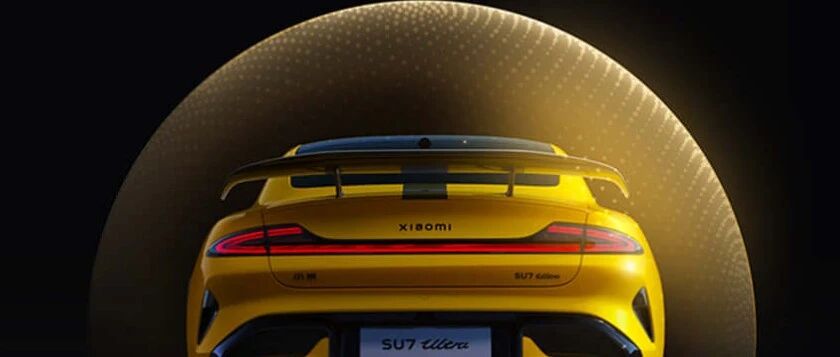
Core Viewpoint - The article discusses a serious traffic accident involving a Xiaomi SU7 vehicle, raising concerns about the safety of electric vehicles and the responsibilities of manufacturers in such incidents [4][6][12]. Group 1: Accident Details - The accident occurred on October 13, 2025, in Chengdu, where a Xiaomi SU7 collided with another vehicle, leading to a fire and the unfortunate death of the driver [4][9]. - Initial investigations indicated that the driver was suspected of driving under the influence of alcohol, which may have contributed to the accident [12][17]. - Eyewitness accounts suggest that the vehicle was traveling at a high speed, potentially exceeding 150 km/h, before the collision [12][14]. Group 2: Public and Market Reaction - Following the accident, Xiaomi's stock price dropped significantly, with a decline of 7.82% during the trading day, resulting in a market value loss of approximately 773.03 billion HKD [6][9]. - The incident has sparked widespread public discussion regarding the safety features of electric vehicles, particularly the performance of the vehicle's safety mechanisms during accidents [16][23]. Group 3: Manufacturer Responsibility - The article highlights the legal implications for Xiaomi, noting that under strict liability principles in China, manufacturers may be held accountable for product defects regardless of fault [17][18]. - The determination of Xiaomi's liability will depend on whether the accident was caused by product defects or solely by driver error [18][20]. - Concerns have been raised about the vehicle's safety design, particularly regarding the electronic door handles that may fail in the event of a collision, preventing escape [24][26]. Group 4: Industry Implications - The article emphasizes that the incident reflects broader safety issues within the electric vehicle industry, particularly the balance between technological innovation and fundamental safety standards [23][27]. - It points out that the increasing power of electric vehicles, without corresponding enhancements in braking systems and tire sizes, poses significant safety risks [28][30]. - The article calls for urgent attention to safety regulations regarding electronic door mechanisms in electric vehicles, highlighting the need for mechanical redundancy in safety designs [26][29].

留给兰博基尼CEO的时间,只剩几周
汽车商业评论· 2025-10-13 23:07
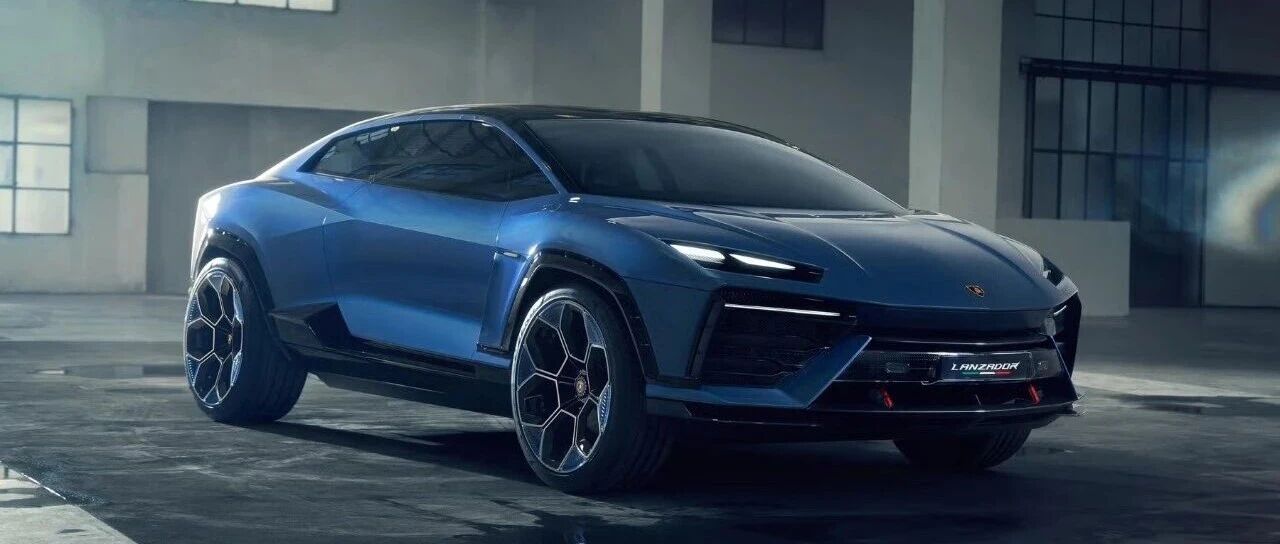
Core Viewpoint - Lamborghini is reconsidering its commitment to producing its first all-electric vehicle, the Lanzador, due to a decline in demand for high-end electric sports cars, potentially shifting to a plug-in hybrid model instead [4][5][8]. Group 1: Lamborghini's Strategy - Lamborghini's CEO, Stephan Winkelmann, indicated that the company is evaluating whether to proceed with the Lanzador as a pure electric vehicle or switch to a plug-in hybrid, with a decision expected in the coming weeks [7][9]. - The shift in strategy reflects a broader trend where high-net-worth customers do not currently view electric vehicles as suitable replacements for traditional combustion engine cars, emphasizing the importance of driving experience and convenience [5][12]. - The next-generation Urus is also confirmed to launch as a plug-in hybrid in 2029, indicating a strategic pivot towards hybrid models while delaying full electric offerings [8][12]. Group 2: Market Context - The high-end electric sports car market is experiencing a cooling demand, prompting brands like Lamborghini to adopt a more cautious approach by prioritizing hybrid models to maintain performance and customer experience [8][15]. - Ferrari recently unveiled its first all-electric model, the Elettrica, while adjusting its electric vehicle target from 40% to 20% by 2030, showcasing a more measured approach to electrification [14]. - Other luxury brands, such as Aston Martin and Porsche, have also delayed their electric vehicle timelines, reflecting similar pressures from customer expectations and regulatory uncertainties [15][16]. Group 3: Future Implications - The decision regarding the Lanzador's powertrain will significantly impact Lamborghini's supply chain and market entry timeline, with potential repercussions for the brand's positioning in the luxury electric vehicle segment [15][16]. - The period from 2026 to 2029 is anticipated to be a critical "trial and error" window for luxury performance electrification, as brands navigate their unique customer bases and financial conditions [16].
电池护照大战,谁能抢先一步
汽车商业评论· 2025-10-12 23:08
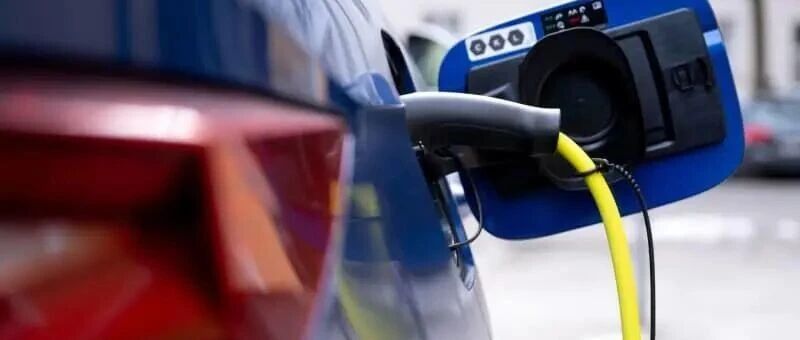
Core Viewpoint - The article discusses the implementation of a "Battery Passport" by European automakers, particularly Kia, as a response to new EU regulations aimed at enhancing battery transparency and traceability throughout the battery lifecycle [4][5][13]. Group 1: Battery Passport Implementation - Kia Europe is conducting a public trial of the "cell-level" battery passport on the EV3 model, which allows real-time tracking of battery health and maintenance diagnostics [5][8]. - The battery passport will be mandatory for all electric and hybrid vehicles sold in Europe by February 2027, exceeding the basic regulatory requirements by integrating additional safety-related data [5][10]. - The system enables data collection from each battery cell, ensuring transparency and traceability throughout the battery's lifecycle, which can benefit vehicle owners by extending battery life and reducing maintenance costs [8][10]. Group 2: Regulatory Context - The EU's new battery regulation (EU 2023/1542) mandates that all electric vehicles with a capacity greater than 2kWh must have a digital battery passport by February 18, 2027 [13][14]. - The regulation outlines over 100 data attributes that the battery passport must include, covering aspects such as carbon footprint, recycling content, and performance [13][14]. - The focus has shifted from whether to comply with regulations to how to effectively implement the necessary systems and data management [15][16]. Group 3: Industry Collaboration and Future Prospects - Kia's initiative is part of a broader industry trend, with other automakers like Volvo also planning to implement battery passports in alignment with EU regulations [20][21]. - The collaboration among various stakeholders, including academic institutions and technology providers, is crucial for the successful deployment of the battery passport system [10][22]. - The battery passport is expected to evolve beyond compliance, impacting after-sales services and financial aspects such as second-hand vehicle valuations and warranty pricing [22][23].
冒充极氪团队“学习”,这家车企真这么荒唐?
汽车商业评论· 2025-10-12 23:08
Core Viewpoint - The article discusses an incident where BYD's security team allegedly impersonated Geely's Zeekr team to obtain sensitive information about a cybersecurity product, raising questions about corporate ethics and competition in the automotive industry [4][5][11]. Group 1: Incident Overview - BYD's security team posed as members of Geely's Zeekr team to request information about DefenseWeaver, an AI-driven automotive cybersecurity analysis software [4]. - The impersonators initiated contact through official channels, conducted a detailed online meeting, and subsequently went silent after obtaining information [4][5]. - After the incident, BYD representatives provided vague explanations and did not acknowledge any wrongdoing [4]. Group 2: Industry Context - The incident reflects a competitive environment in the Chinese automotive sector, where companies may resort to unethical practices to gain technological advantages [11][12]. - BYD reported significant financial growth, with a revenue of 777.1 billion yuan and a net profit of 40.25 billion yuan in 2024, suggesting that the company has resources for legitimate R&D [11]. - The competitive landscape has intensified, with Geely's sales increasing by 126% in the first half of 2025, indicating a shrinking market share for BYD [14]. Group 3: Ethical Concerns - The article raises critical questions about BYD's corporate culture and the ethical standards expected of its employees [17]. - Comments from industry insiders suggest that such behavior may stem from internal pressures to innovate and compete effectively [11][12]. - The incident has sparked discussions about the need for suppliers to protect their intellectual property in a highly competitive market [12][17].



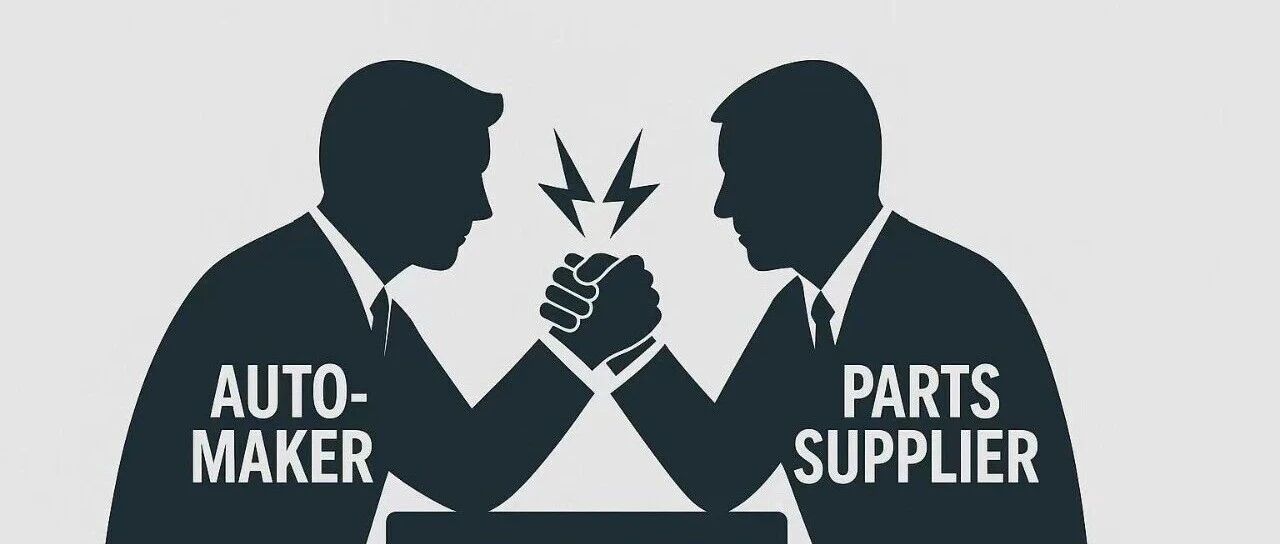
汽车供应商集体拒绝“无限期合同”
汽车商业评论· 2025-10-11 23:07
Core Viewpoint - General Motors is making significant adjustments to its procurement agreements, aiming to gain greater operational flexibility by tightening supply contracts with other major automakers in Detroit [3][4]. Group 1: New Contract Terms - The new "project extension clause" allows General Motors to extend contracts indefinitely with a six-month notice to suppliers, breaking the traditional fixed-term contract model [4]. - Suppliers are concerned about the implications of this clause, particularly regarding price adjustments, as it grants General Motors unilateral power to determine price changes based on a fair cost assessment if an agreement cannot be reached [4][8]. - This change has surprised many suppliers, as General Motors has previously been seen as the most cooperative among the Detroit automakers [8]. Group 2: Industry Context and Challenges - General Motors is facing significant cost pressures, with expected tariff costs ranging from $4 billion to $5 billion, the highest among the Detroit automakers [10]. - The automotive industry is experiencing uncertainty due to canceled electric vehicle orders and project delays, prompting manufacturers to seek more flexible procurement contracts to mitigate risks [10]. - The trend indicates a shift in power dynamics within the industry, with automakers increasingly transferring risks to suppliers amid global uncertainties [10]. Group 3: Long-term Implications - While the new contract terms may help automakers control costs in the short term, they could lead to dissatisfaction among suppliers, potentially affecting product quality and delivery timelines [12]. - The introduction of such clauses without supplier consent may damage the reputation of automakers and erode trust within the supply chain, which is crucial for long-term collaboration and innovation [14]. - Historical precedents show that General Motors has previously modified contentious contract terms in response to supplier and industry pushback, indicating a potential for future adjustments [14].