阿尔法工场研究院

Search documents
高合汽车,要被黎巴嫩金主救活了
阿尔法工场研究院· 2025-05-25 05:12
Core Viewpoint - HiPhi, an electric vehicle company, is undergoing a significant restructuring with the involvement of EV Electra, which plans to invest $1 billion and commit to annual orders of at least 100,000 vehicles over the next three years [1][3]. Group 1: Company Restructuring - EV Electra has committed to a $1 billion investment in HiPhi's restructuring and aims to secure a controlling stake [1]. - HiPhi's Yancheng factory has resumed operations, maintaining a production capacity of 150,000 units [1]. - The company is processing refunds for customers who paid deposits but have not received their vehicles [1]. - Employees who did not sign voluntary resignation agreements are allowed to return, but their salaries will be reduced to 80% [1]. Group 2: Ownership and Management Changes - EV Electra holds a 69.8% stake in HiPhi, while Huaren Yuntong (Jiangsu) Technology Co., Ltd. owns 30.2% [7]. - Jihad Mohammad is the CEO of EV Electra, which was founded in 2007 and aims to be a leader in the electric vehicle industry [20][25]. - The restructuring follows the bankruptcy application of Huaren Yuntong, HiPhi's parent company, which is undergoing a substantial merger and reorganization process [7]. Group 3: Market Position and Future Plans - EV Electra plans to launch multiple vehicle models, with its first model, QuDS Rise, targeting a production of 10,000 units [10]. - The company aims to expand its market presence globally, with offices in countries such as Canada, Cyprus, Germany, and Norway [10]. - EV Electra's mission includes promoting sustainable energy and transitioning the Middle East and Arab world from a consumer market to an industrial base [20]. Group 4: Strategic Communications and Marketing - Jihad Mohammad has been actively communicating about HiPhi's restructuring and has previously conducted a poll regarding which Chinese electric vehicle company should be saved, with HiPhi receiving 77% of the votes [27]. - The marketing strategy appears to involve leveraging social media and public engagement to build interest and support for HiPhi's revival [28].


业绩暴跌93%后,山西银行靠“炒股”暴赚7000万?
阿尔法工场研究院· 2025-05-25 05:12
Core Viewpoint - Shanxi Bank's strategic stock reduction from Taihao Technology has transformed its financial position from a significant loss to a profit exceeding 140 million yuan, raising questions about the bank's investment strategies and future profitability [2][12][20]. Group 1: Stock Reduction Details - On May 19, Shanxi Bank reduced its stake in Taihao Technology by 0.21%, bringing its ownership down from 5.21% to 5.00% [4][10]. - The bank's first reduction plan was executed between November 15 and December 27, 2024, where it sold 7.6 million shares at an average price of 6.67 yuan, totaling approximately 50.7 million yuan [9][13]. - The second reduction occurred on May 19, 2025, with the sale of 175,470 shares at an average price of 9.11 yuan, amounting to about 1.6 million yuan [10][13]. Group 2: Financial Impact - Shanxi Bank has realized nearly 70 million yuan from these stock reductions, significantly aiding its financial situation, especially given its net profit of only 51 million yuan in 2024 [12][14]. - The bank's remaining 5% stake in Taihao Technology, valued at approximately 3.77 billion yuan, indicates a potential profit of around 148 million yuan if sold at current market prices [20][21]. Group 3: Background and Context - Shanxi Bank was established in 2021 through the merger of five local banks, with the Shanxi Provincial Finance Department as the major shareholder [23]. - The bank's financial performance has been under pressure, with a 93.86% drop in net profit in 2024 compared to 2023, attributed to high-risk bank mergers, fee reductions, and increased provisions for bad debts [24]. - The bank's non-performing loan ratio increased from 1.74% to 2.5%, highlighting ongoing financial challenges [24]. Group 4: Market Position and Future Outlook - Shanxi Bank's valuation has decreased by 2.66 billion yuan compared to 2023, now estimated at 23.3 billion yuan [25]. - To strengthen its capital base, the Shanxi Financial Regulatory Bureau approved a capital increase from the provincial finance department, which will enhance the bank's financial stability [26].
专家访谈汇总:科伦与默沙东三个合作项目终止
阿尔法工场研究院· 2025-05-25 05:12
Group 1: Comac Medical Group Acquisition - Comac Medical Group, supported by EdgeCap Partners, announced the acquisition of ILIFE Consulting, a specialized CRO based in Paris, focusing on oncology, rare diseases, and complex early-stage biotech clinical trials [3] - The acquisition enhances Comac's presence in Western Europe, complementing its recent expansions in the UK, Germany, and the US [3] - ILIFE's CEO, Marina Iché, will continue to lead the company and become a significant shareholder, ensuring continuity in corporate culture and service [3] - The acquisition strengthens Comac's technical and service capabilities in early clinical trials, increasing its competitiveness in attracting emerging biotech clients [3] - The growing European biopharmaceutical innovation landscape positions Comac as a preferred clinical R&D outsourcing partner for small and medium-sized biotech companies [3] - EdgeCap Partners' strategy of building regional leaders through platform acquisitions in the CRO industry is noteworthy [3] Group 2: Kelun Pharmaceutical - Kelun Pharmaceutical has transitioned from traditional infusion business to innovative drugs and synthetic biology, with strong stock performance and high market expectations [2] - Despite a decline in revenue and profit in Q1 2025, the stock price continued to rise, indicating market confidence in its future [2] - The company faces challenges with its TROP2 ADC drug due to competition from Gilead's products and reliance on a single client for its innovative drug collaborations [4] Group 3: Shanghai Public Hospital Salary Reform - Shanghai's health commission announced a pilot program for annual salary reform in public hospitals, starting with Zhongshan Hospital and Ruijin Hospital [3] - The reform aims to optimize salary structures and may expand to cover doctors and other medical staff, shifting incentives towards long-term performance [3] - DRG and DIP reforms are expected to encourage medical institutions to focus on treatment quality rather than quantity, benefiting innovative and effective drugs [3] Group 4: Cigna and Novo Nordisk Agreement - Cigna's Evernorth has reached an agreement with Novo Nordisk and Eli Lilly to significantly reduce prices for GLP-1 weight loss drugs, benefiting employers and employees [4] - The agreement is expected to provide a 30-50% discount for employers, aligning with the US government's ongoing negotiations for Medicare discounts [4] - Employee out-of-pocket costs will be capped at $200/month, enhancing drug accessibility compared to direct purchase prices [4] Group 5: Domestic Electric Vehicle Sales - In April, the penetration rate of new energy vehicles exceeded 51.7%, with a notable increase in the share of A00 and A0 class small electric vehicles, indicating consumer sensitivity to price [5] - The mid-to-low-end electric vehicle market is expected to expand rapidly, benefiting battery material companies and midstream suppliers [5] - BYD maintained a leading market share of 32.9%, while Tesla's Model Y saw a significant sales decline of 30.7%, reflecting challenges in pricing and product cycles [5] - Midstream material companies are likely to benefit directly from the increase in sales volume as the market shifts towards cost-sensitive models [5][6]


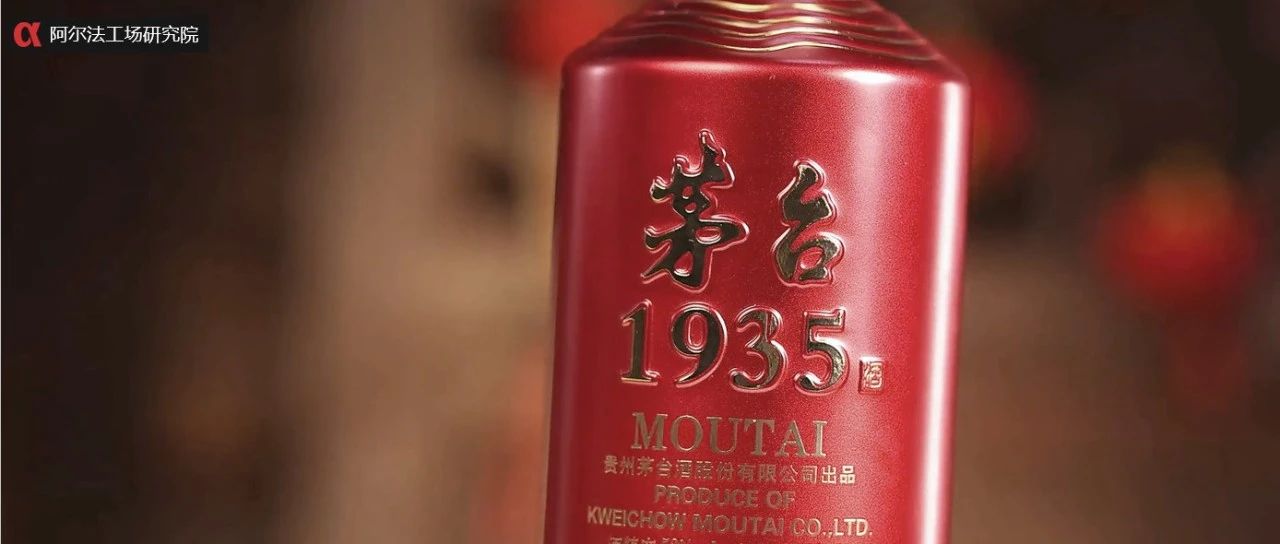
解码茅台1935:白酒没有“闪电战”
阿尔法工场研究院· 2025-05-22 12:22
Core Viewpoint - The article discusses the rise and challenges of Moutai 1935, a strategic product from Kweichow Moutai Group, highlighting its rapid growth to a billion-dollar sales figure and subsequent issues with inventory and market demand [1][4][9]. Group 1: Moutai 1935's Growth and Challenges - Moutai 1935 achieved a sales milestone of nearly 100 billion within two years of its launch, but faced a significant decline in terminal sales and inventory issues by its third year [1][9][10]. - The product was initially positioned as a more affordable alternative to the flagship Moutai, targeting consumers who could not afford the higher-priced options [20][22]. - Despite its rapid growth, the actual sales rate at the terminal level was reported to be only 20%-30%, indicating a disconnect between supply and demand [1][18]. Group 2: Strategic Goals and Market Positioning - Kweichow Moutai Group set ambitious revenue targets during its 14th Five-Year Plan, aiming to double its revenue from 100 billion to 200 billion, with Moutai 1935 expected to fill the gap left by the separation of Xijiu [4][5][42]. - The company’s strategy included leveraging Moutai 1935 as a key product in the mid-range price segment, competing with other brands like Wuliangye and Luzhou Laojiao [20][22]. Group 3: Market Dynamics and Consumer Behavior - The high-end liquor market in China is heavily influenced by social and business gifting practices, where brand recognition and perceived value play crucial roles [23][26]. - Moutai 1935 struggled to establish a strong brand identity and consumer recognition compared to established products like Wuliangye's Pu Wu and Luzhou Laojiao's Guojiao 1573, which limited its appeal in the competitive market [22][23][43]. - The article emphasizes that the disconnect between Moutai 1935's pricing and consumer expectations, particularly in the business gifting context, has hindered its market penetration [22][26][28]. Group 4: Future Strategies and Adjustments - In response to declining sales and inventory issues, Kweichow Moutai Group has begun to adjust its strategy for Moutai 1935, including expanding product offerings and targeting specific markets like weddings [30][32]. - The company aims to enhance consumer engagement and improve sales performance by diversifying product sizes and types, although challenges remain in gaining market acceptance [30][40].

小米SU7操盘手,投奔奇瑞
阿尔法工场研究院· 2025-05-22 12:22
Core Viewpoint - The article discusses the strategic shift in the Chinese automotive industry, particularly focusing on the collaboration between Chery and Jaguar Land Rover to revitalize the Freelander brand through a "reverse joint venture" model, emphasizing the transition from "market for technology" to "technology for brand" [4][17]. Group 1: Leadership Changes - Wen Fei, a former executive at Xiaomi Auto, has joined Chery as Vice President and General Manager of the FR brand division, aiming to leverage the "Xiaomi methodology" to activate traditional automakers' technological capabilities [2][12]. - Wen Fei's experience spans luxury, joint venture, and independent automotive brands, providing him with a unique perspective on the evolving market dynamics in China [4][6]. Group 2: Strategic Collaboration - Chery and Jaguar Land Rover signed a strategic cooperation agreement in June 2024 to develop electric vehicles under the Freelander brand, utilizing Chery's electric platform and Jaguar Land Rover's brand equity [13][15]. - The first model is expected to be based on Chery's E0X 3.0 electric platform, which supports advanced features like 800V architecture and OTA upgrades [13]. Group 3: Market Positioning and Future Plans - The collaboration aims to enhance Chery's brand image and increase technology reuse, while also addressing production capacity issues at Jaguar Land Rover's Changshu plant [15]. - By 2026, the Changshu plant will gradually cease production of certain fuel models and transition to manufacturing electric models based on the E0X platform, with plans to expand into larger SUVs and pickup trucks by 2027 [14][15]. Group 4: Implications for the Industry - This partnership signifies a strategic leap for Chinese automakers, moving towards a model where technology ownership reshapes global market dynamics, potentially allowing Chinese companies to define "technology pricing power" in the electric vehicle sector [17]. - The success or failure of the Freelander brand's reintroduction will have broader implications for other Chinese automakers, such as BYD and Geely, in their global expansion efforts [17].

专家访谈汇总:银行还在靠“买债”支撑业绩?
阿尔法工场研究院· 2025-05-22 12:22
1、 《 银行买债的底层逻辑、特征及展望 》 摘要 ■ 浙江高新制造产业链延续高景气,利好 半导体(如士兰微)、电子整机、医疗制造设备、工业自动 化 相关企业,同时也反映全球对"浙江智造"产品的稳定需求正在增强。 ■ 浙江对东盟、拉美出口分别增长16.4%、12.3%,对"一带一路"共建国家出口增长高达36%,明显 高于欧美传统市场。 ■ 高新制造企业出海路径趋于多元,有望催生 区域跨境电商平台、海外仓储物流、品牌本地化运营服 务 的中长期投资机会。 ■ OpenAI收购io是其 迈向AI设备主导权的重要一步 ,不仅增强自身生态闭环能力,更有望打破苹果 长期主导的硬件创新节奏 ■ 国家发展改革委与国家能源局联合印发的 136号文 将于6月1日起正式实施,标志着新能源项目将全 面进入电力市场交易阶段,从"保障性收购"转为"市场化定价+机制电量差价补偿"。 ■ 该举措被广泛认为是 电力市场机制性改革的关键拐点 ,意味着新能源不再"躺赢",而是必须通过定 价竞争、配储能力与辅助服务参与市场博弈。 ■ 集中式项目主导地位仍存,但分布式项目(42%占比)在调节灵活性和场景化创新中具有巨大潜 力,中小企业凭借响应灵活性在 ...

为特斯拉服务10年后,这家公司带着充电机器人冲向港股
阿尔法工场研究院· 2025-05-22 12:22
Core Viewpoint - The article discusses the transformation and growth of Zhida Technology, a leading player in the electric vehicle charging industry, as it prepares for a potential IPO in Hong Kong, highlighting its innovative products and market strategies [2][4]. Company Overview - Zhida Technology started as a service provider for Tesla's home charging stations and has evolved into a leader in the global smart charging and green digital energy sectors [6][7]. - The company has established three core product lines: charging stations, green digital energy solutions, and automatic charging robots, securing a significant position in the industry [7]. Market Position - According to Frost & Sullivan, from January 2021 to September 2024, Zhida Technology achieved a 15.6% market share in China's home electric vehicle charging station sales and a 9.5% global market share, making it the world's top seller of home charging stations [9]. - The company has also entered the automatic charging robot market, launching its first product in October 2023, supported by a strong technical team with over 30 key patents [9]. Financial Performance - Zhida Technology's revenue from 2021 to September 2024 showed fluctuations, with figures of 358 million RMB, 697 million RMB, 671 million RMB, and 440 million RMB respectively, indicating a revenue growth rate that once approached 100% [13]. - However, the company has faced increasing net losses, with the net loss expanding from 23.3 million RMB in 2021 to 118.97 million RMB in 2024, alongside a declining gross margin from 26.4% to 17.0% [13][16]. Customer Concentration - The revenue from the top five customers has consistently exceeded 50% of total revenue, with BYD being the largest customer since 2022, indicating a deep dependency on major clients [17][18]. Capital and Investment - Zhida Technology has completed eight rounds of financing, raising over 450 million RMB and achieving a valuation of nearly 3 billion RMB, with significant backing from industry giants like BYD [20]. - The dual role of BYD as both a customer and shareholder fosters a close industrial collaboration [20]. Industry Trends - The charging infrastructure in China is rapidly expanding, with a 49.1% year-on-year increase expected to reach 12.818 million units by the end of 2024, driven by the growth of electric vehicle sales [21]. - The demand for smart charging solutions is rising, with projections indicating a compound annual growth rate of 373.4% for automatic charging robots from 2023 to 2028, presenting a significant market opportunity for technology leaders like Zhida Technology [21].
百度的AI长投,终于熬到收成期
阿尔法工场研究院· 2025-05-21 14:48
导语 : 百度Q1亮出底牌:AI业务熬出头了。 百度( BIDU.US&09888.HK )在 AI 的长期投入,终于在 2025 年结出了硕果。 "春江水暖鸭先知",投资市场的反应尤为敏锐。今年一季度,桥水、富达对百度的持仓较上季度增长近十倍,"木头 姐" Cathie Wood 更是在一个半月内六次加仓,将百度视为 AI 应用落地的核心标的。 5 月 21 日晚,百度发布 2025 年一季报,盘前涨超 2% 。财报显示,百度 Q1 总营收达 325 亿元,百度核心收入 255 亿元,同比增长 7% ,均超市场预期。一季度,百度核心净利润同比增长 48% 至 76.3 亿元,智能云持续强劲增长, 同比增速达 42% 。截至 5 月,萝卜快跑在全球累计提供超 1100 万次的出行服务。 过去一年,大模型热潮从"拼参数、卷硬件"走向"拼场景、卷回报"。资本开始冷静,寻找真正能跑通从技术、落地到 商业的闭环选手。 而百度,无疑是最具代表性的企业之一。智能云托底、自动驾驶冲锋,百度 AI 应用率先在国内落地。百度正在最有希 望"统治未来世界"的 AI 应用赛道上,杀出一条生路。 埋头"打地基",智能云成 AI 变现 ...


专家访谈汇总:黄金再度强势飙涨,加仓还是观望?
阿尔法工场研究院· 2025-05-21 14:48
Group 1: Gold Market Insights - Spot gold prices surpassed $3,300 per ounce for the first time since May 9, driven by rising geopolitical tensions and negative GDP growth in the U.S., which increased safe-haven demand [1] - Domestic gold consumption remains strong, with retail sales of gold and silver jewelry in April up 25.3% year-on-year and 14.7% month-on-month, indicating that domestic demand is independent of international gold price fluctuations [1] - There is a divergence in institutional views on gold; bullish arguments include inflation risks and a potential Fed rate cut, while cautious signals highlight the current high price levels and the possibility of profit-taking due to eased trade tensions [1] Group 2: Solar Industry Impact from Tariffs - The U.S. plans to impose extreme tariffs on Southeast Asian solar equipment, with Cambodia facing a 3,521% tariff due to non-cooperation in investigations, while Malaysia faces only 34% [2] - The U.S. heavily relies on Southeast Asia for solar imports, with 80% of imports coming from four countries, leading to a potential shift in procurement to domestic or third-party manufacturers [2] - U.S. solar project developers are facing increased costs due to these tariffs, which may delay installation progress and create cash flow pressures for EPC companies [2] Group 3: Humanoid Robots Development - The commercialization of humanoid robots depends on their ability to create actual value by addressing real-life challenges, with a long-term development cycle similar to that of autonomous driving, estimated at 10-20 years [3] - The industry is entering an accelerated phase due to supportive policies and the presence of a significant talent pool in the field of embodied intelligence, with a focus on practical applications [3] - Early application scenarios have been validated in sectors like power and chemical inspections, indicating a potential for successful technology-commercialization loops [3] Group 4: AI Agent Development - The AI agent market is rapidly evolving, with diverse technical paths and a focus on expanding application scenarios, although a unified standard has yet to be established [4] - There are significant differences between the North American and Chinese markets, with both targeting enterprise-level markets as a core breakthrough point [4] - Current challenges include high token consumption during interactions and the need for robust computational infrastructure, which remains a key limiting factor for commercial scalability [4] Group 5: Public Fund Regulation Changes - New regulations for public funds are driving a shift in strategy, with a focus on core asset pricing and a potential systemic adjustment in strategy paradigms [5] - The easing of U.S.-China tariffs has improved market risk appetite, with a focus on opportunities in the export chain [5] - Social financing growth is supported by low base effects and monetary policy, although potential impacts from tariff shocks should be monitored [5]
上海到洛杉矶的船舱里,挤满了中国商品
阿尔法工场研究院· 2025-05-21 14:48
Core Viewpoint - The temporary trade truce between the US and China has led to a significant surge in shipping demand from China to the US, with container bookings more than doubling in a week, indicating a rebound in trade activity [2][3]. Group 1: Shipping Demand and Pricing - Container bookings from China to US ports surged to approximately 228,000 TEUs, more than doubling from the previous week following the trade agreement [2]. - The Drewry World Container Index reported a significant increase in shipping prices, with spot rates from Shanghai to Los Angeles rising about 16% to $3,136 per 40-foot container, marking the largest increase of the year [2]. - International air cargo flights also saw a nearly 18% increase in the number of flights, reflecting heightened demand across transportation modes [2]. Group 2: Supply Chain and Manufacturing Impact - The surge in orders is attributed to "pre-stocking" as retailers aim to avoid high tariffs, coinciding with a critical shopping season where goods take about a month to reach the US [3]. - Manufacturing facilities, such as those producing home appliances, are operating at full capacity to meet the increased demand, with clients requesting the resumption of previously paused orders [7]. - Shipping companies, including Maersk, are increasing their capacity in response to the rise in bookings, indicating a recovery in shipping operations [7]. Group 3: Market Conditions and Trends - Despite the recent uptick in shipping activity, overall shipping levels remain on par with last year, suggesting that many retailers are either ordering less than in previous years or are waiting for more certainty in the market [7]. - The proportion of canceled sailings has decreased significantly from 25% to 13%, indicating a return to more stable shipping operations [8]. - Recent trade data from Asia shows that the trade policies have caused disruptions, with South Korea's exports down 2.4% year-on-year and Japan's exports growing only 2%, the weakest growth in seven months [9].