36氪

Search documents
充电宝正在经历一场「行业溃缩」
36氪· 2025-10-15 13:53
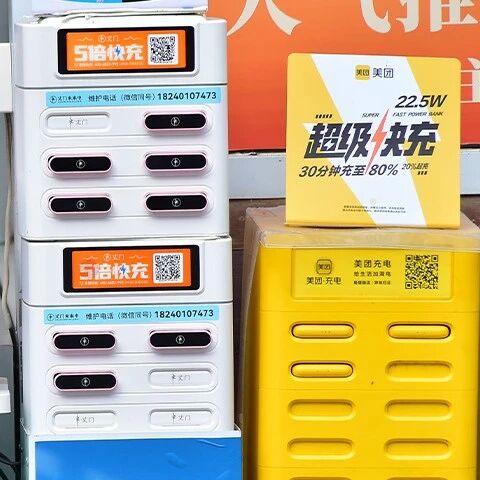
Core Viewpoint - The article discusses the decline of the shared power bank industry, highlighting the financial struggles of companies like Monster Charging and the broader implications for the market as a whole [4][7][43]. Financial Performance - Monster Charging's board rejected a privatization offer from Hillhouse Capital at $1.77 per ADS, opting instead for a lower offer of $1.25 per ADS from a management-led consortium, despite the company's cash value of approximately $1.63 per ADS [5]. - The company's revenue peaked at 3.6 billion yuan in 2021 but plummeted to 1.89 billion yuan in 2024, a 36% decrease from 2.96 billion yuan in 2023, with a net loss of 13.5 million yuan in 2024 compared to a profit of 88.7 million yuan in 2023 [9]. - The shift from a direct sales model to a consignment model has led to a significant drop in revenue, with gross margins falling from 84.7% in 2020 to 56.5% in 2023 [13][26]. Industry Challenges - The shared power bank industry is facing a downturn due to declining revenues, supply chain crises, and regulatory pressures, exacerbated by recent incidents of power bank explosions [7][15]. - The industry has low entry barriers and high competition, leading to a price war that undermines profitability, with many companies resorting to cost-cutting measures that compromise safety [18][25]. - The market is highly concentrated, with the top five brands holding 96.6% market share, yet this concentration has not translated into financial success for leading companies like Monster Charging [20][21]. Market Dynamics - The shared power bank market is characterized by a lack of technological barriers and high product homogeneity, making it difficult for companies to maintain competitive advantages [24]. - The industry's reliance on low prices as a competitive strategy is unsustainable, especially in the face of inflation and rising costs [29]. - The potential for a sustainable competitive advantage lies in industry-wide integration and refined operations, but only a few companies, like Zhima Technology, are attempting this [29][30]. Historical Context - The shared power bank industry was once seen as a lucrative investment opportunity, attracting significant capital inflows, but has since lost its appeal as financial realities set in [33][39]. - The initial hype around shared power banks was fueled by the promise of a vast market, but advancements in smartphone battery technology have diminished the necessity for shared charging solutions [40][41]. Future Outlook - The future of the shared power bank industry appears bleak, with the potential for only a few major players, such as Alibaba and Meituan, to survive as they integrate these services into their broader ecosystems [46]. - The industry's evolution reflects the broader narrative of the shared economy, which has shifted from resource activation to a costly rental model that fails to meet genuine consumer needs [47][48].

撞车后,为何车门总是打不开?
36氪· 2025-10-15 13:53
Core Viewpoint - The article discusses the safety concerns surrounding the door locking mechanisms of electric vehicles, particularly in emergency situations, highlighting the importance of both electronic and physical structures in ensuring passenger safety [4][7]. Group 1: Incident Overview - A recent collision involving a Xiaomi SU7 Ultra raised concerns about the safety of electric vehicle doors, as the vehicle caught fire after the accident and bystanders struggled to open the doors [5][6][7]. Group 2: Door Lock Mechanism - The door lock system consists of two main components: the lock itself and the latch, requiring both to be disengaged to open the door [8][9]. - In the event of a collision, the airbag deployment triggers an emergency locking mechanism, which locks the doors to secure passengers and prevent secondary injuries [10][13]. Group 3: Emergency Unlocking Process - After a collision, the vehicle's sensors determine if the airbag should deploy, which subsequently unlocks the doors once the vehicle is stationary, but the doors remain closed until manually opened [14][17]. - The complexity of the locking mechanism means that if any part of the system fails during a collision, it could hinder the ability to unlock the doors [19]. Group 4: Redundancy in Safety Features - Manufacturers often implement redundant power sources and wiring to ensure the locking mechanism remains functional even after severe collisions [20][21]. - Some vehicles may also incorporate physical emergency structures to provide an additional layer of safety in case of electronic failures [21]. Group 5: Electronic vs. Mechanical Door Handles - Many modern vehicles, including the Xiaomi SU7, utilize electronic door handles, which can pose risks in emergencies if the electronic components fail [25][26]. - Traditional mechanical door handles allow for easier access in emergencies, as they do not rely on electronic systems [24][28]. Group 6: Regulatory Developments - A recent draft regulation from the Ministry of Industry and Information Technology mandates that all vehicle door handles must include a physical structure, which could enhance safety standards in the industry [29]. - The article suggests that the automotive industry is shifting focus back to fundamental safety features after a period of prioritizing technological advancements [29].


AI重塑交易,华泰再造华泰
36氪· 2025-10-15 13:53
Core Insights - The article discusses the emergence of "AI Zhangle," a pioneering AI-native application focused on trading scenarios in the financial industry, highlighting its advanced interaction capabilities and potential to reshape the future of finance [1][7]. Group 1: AI Application Features - "AI Zhangle" introduces a language user interface (LUI), moving away from traditional graphical user interfaces (GUI), which enhances user interaction [3]. - The application offers personalized digital avatars that guide users through the trading process, emphasizing a simplified experience with features like voice ordering, which allows users to place trades verbally, reducing manual input errors [4][5]. - Key functionalities include AI stock selection strategies, such as limit-up and hot stock selection, leveraging large model analysis to identify market trends and related sectors [5][6]. Group 2: Trust and User Engagement - Establishing a deeper trust connection between the AI and users is crucial, especially as the application handles core trading functions like order placement [5][10]. - The AI's ability to monitor market signals in real-time offers advantages over human monitoring, such as reducing distractions and oversight [6]. Group 3: Challenges and Future Prospects - The financial industry faces challenges in developing AI products that require accurate data and extensive industry knowledge to minimize errors and enhance performance [9][11]. - The article notes that while "AI Zhangle" aims for a personalized user experience, it still has room for improvement in context understanding and long-term memory capabilities [11]. - The investment in technology and the development of specialized models are essential for creating a competitive edge in the evolving financial landscape, with "AI Zhangle" positioned as a potential game-changer [11][12].


王兴兴稚晖君抢第一
36氪· 2025-10-15 10:44
Core Viewpoint - The humanoid robot industry is experiencing a surge, with Yushu Technology and Zhiyuan Robotics as the leading companies in a race to become the first to go public in this sector [4][10]. Group 1: IPO Progress - Yushu Technology has initiated its IPO process, with plans to submit its application between October and December 2025 [5][19]. - Zhiyuan Robotics has also been rumored to be planning a Hong Kong IPO next year, with a target valuation between $5.1 billion and $6.4 billion [6][19]. - Despite denials from Zhiyuan regarding a reverse merger, market expectations for its IPO have risen, evidenced by a significant increase in the stock price of its target company, Upwind New Materials, which surged over 1100% since July [7][19]. Group 2: Competitive Landscape - The competition between Yushu and Zhiyuan is intensifying, with both companies showcasing their products and securing significant contracts [12][45]. - Yushu has achieved the highest global shipment volume of humanoid robots and has maintained profitability since 2020, with annual revenue exceeding 1 billion yuan [21][44]. - Zhiyuan, on the other hand, is focusing on a "soft and hard integration" strategy, emphasizing AI and large models in its product offerings [51][55]. Group 3: Product Development and Market Strategy - Both companies have rapidly developed their product lines, with Yushu launching its first humanoid robot in August 2023, followed closely by Zhiyuan [30][34]. - Yushu's pricing strategy has been aggressive, with its G1 robot priced at 99,000 yuan, while Zhiyuan has also introduced competitive pricing for its products [35][36]. - The two companies are increasingly encroaching on each other's market territories, with Yushu beginning to emphasize AI in its offerings, while Zhiyuan expands into the quadruped robot market [46][52]. Group 4: Future Outlook - The humanoid robot market is still in its early stages, with significant challenges in commercialization and technology maturity [55][56]. - Both companies are aware of the need to find more commercial applications for humanoid robots, as the industry continues to attract new players [56][57].

70亿,大厂「抄底」香港地产
36氪· 2025-10-15 10:44
Core Viewpoint - The article discusses the potential recovery of the Hong Kong real estate market, driven by significant investments from major companies like Alibaba and the positive performance of the Hong Kong stock market, which historically leads the real estate market trends [4][7][17]. Group 1: Market Dynamics - Alibaba is reportedly negotiating to purchase the One Island East building in Hong Kong for approximately HKD 7 billion, indicating a shift from renting to owning office space in a recovering market [4][10]. - The Hong Kong stock market has shown strong performance, with the Hang Seng Index rising 54.22% year-to-date and the Hang Seng Tech Index increasing by 66.29%, suggesting a positive investment climate [5][30]. - Historical data indicates that the Hong Kong stock market often leads the real estate market, with the property price index lagging behind stock market movements by several months [5][28]. Group 2: Real Estate Trends - The Hong Kong private residential property price index has seen a continuous increase for four months, with a 0.4% rise in July, marking a cumulative increase of over 1% [12]. - Rental prices in Hong Kong have also been on the rise, with the rental index reaching 196.3 points in July, close to the historical high of 200.1 points in August 2019 [13][36]. - The rental yield in Hong Kong has improved, with some areas showing yields of 4%-5%, indicating a favorable environment for real estate investment [15][38]. Group 3: Future Outlook - The article suggests that the recovery of the Hong Kong real estate market may be supported by three main factors: the wealth effect from the stock market, supply-demand dynamics, and declining interest rates [34]. - Predictions indicate that the total transaction volume in the Hong Kong real estate market could reach between 58,000 to 60,000 units in 2025, with prices potentially stabilizing or increasing by up to 2% [32]. - Analysts remain optimistic about the market, with expectations of a 5%-10% increase in property prices and rents if the Federal Reserve continues to lower interest rates [41].


最火商场,集体被卖
36氪· 2025-10-15 10:44
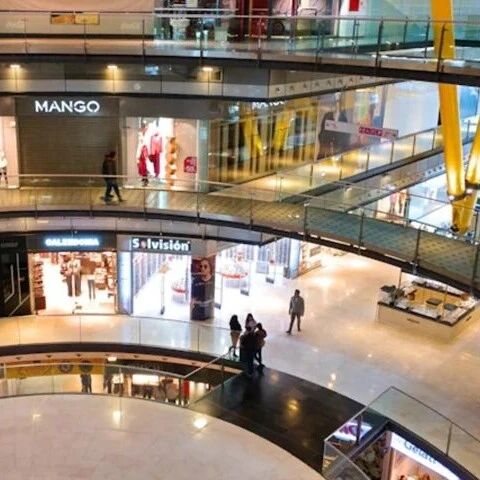
Core Viewpoint - The article discusses the increasing trend of high-end shopping malls being put up for sale in China, particularly focusing on the cases of Beijing SKP and Huiju, highlighting the impact of changing consumer behavior and economic conditions on the commercial real estate market [2][3][9]. Group 1: Market Dynamics - The commercial real estate market is experiencing a shift, with many shopping centers, including top-tier malls like SKP and Huiju, being listed for sale due to economic pressures and changing consumer spending habits [3][9]. - The sale of shopping centers is not solely driven by financial distress; it reflects a broader trend where even successful malls are reassessing their positions in the market [8][9]. - The transaction volume in the commercial real estate sector is increasing, with a notable rise in the proportion of commercial transactions from 18% in 2024 to 20% in 2025 [9]. Group 2: Specific Cases - Huiju and SKP have been highlighted as prime examples of successful malls that are now on the market, with Huiju's three centers in Wuxi, Beijing, and Wuhan collectively valued at 16 billion yuan [7][9]. - Beijing SKP, known for its high sales figures, is also on the market, with a proposed sale of 42%-45% of its management rights and assets [8][9]. - The article notes that the average rent for SKP exceeds 100 yuan per square meter per day, significantly higher than the national average of 20-30 yuan per square meter per day [8]. Group 3: Consumer Behavior and Economic Impact - The changing economic landscape has led to a decline in consumer spending, particularly among the middle class, which has affected foot traffic and sales in high-end malls [23][24]. - Data indicates that Beijing SKP's revenue is projected to drop by 17% to 22 billion yuan in 2024, reflecting the broader struggles faced by luxury retailers [23]. - The article emphasizes that the success of malls like SKP and Huiju was initially driven by affluent consumers and a growing middle class, but current economic conditions are challenging this dynamic [14][20]. Group 4: Investment Trends - Insurance companies have emerged as significant players in the commercial real estate market, with over 100 billion yuan invested in the sector from 2022 to 2024 [28][29]. - The introduction of REITs (Real Estate Investment Trusts) in China has changed the investment landscape, allowing for more flexible investment strategies in commercial properties [29]. - The article suggests that while many shopping centers are available for sale, the quality of available assets is limited, leading to a competitive market for desirable properties [38].
eSIM手机五问:怎么办理?如何收费?
36氪· 2025-10-15 10:44
Core Points - The three major telecom operators in China (China Unicom, China Mobile, China Telecom) have received approval to conduct commercial trials for eSIM mobile services [5] - Apple announced that the iPhone Air model A3518, which supports eSIM, will be available for sale in mainland China starting October 22 [5][18] Group 1: eSIM Overview - eSIM is a digital SIM card that allows users to activate a cellular plan without needing a physical nano-SIM card [7] - Users can have their original physical SIM card number embedded into the eSIM, eliminating the need for a physical card [7] Group 2: Activation Process - To activate eSIM on the iPhone Air, users must visit the telecom operator's physical store, as Apple stores do not handle eSIM activation [9] - Once the original physical SIM card number is written into the eSIM, the original SIM card will no longer be usable unless a new number is written in [9] Group 3: Service Availability - Users can activate eSIM services by visiting the stores with their ID and a compatible device, with no prior online appointment needed [13] - China Mobile will start processing eSIM activations on October 22, while China Unicom requires online appointments, with over 180,000 reservations already made [14] Group 4: Pricing Structure - Currently, there is no clear pricing standard for eSIM services, but activation is reported to be free at the moment [16] - China Unicom offers two types of eSIM services: a dual-device plan for 10 yuan per month and an independent virtual number plan for 20 yuan per month, which includes 100 minutes of calls and 2GB of data [16] Group 5: Supported Devices - The iPhone Air model A3518 is the only model confirmed to support eSIM in the Chinese market [18] - Other devices supported by eSIM include smartwatches, tablets, and in-car devices, with China Mobile providing a comprehensive range of eSIM products [19]





北漂,又住回了天通苑
36氪· 2025-10-15 00:12
Core Viewpoint - The article discusses the transformation of Tiantongyuan from a "sleeping city" for young migrants in Beijing to a desirable residential area for those looking to settle down, highlighting the changes in demographics, property prices, and living conditions [6][9][19]. Group 1: Demographic Changes - The population of Tiantongyuan has significantly decreased, with estimates suggesting a drop from 700,000 to potentially below 400,000 residents, leading to less crowded public transport and a quieter living environment [19][41]. - Young migrants who once viewed Tiantongyuan as a temporary residence are now considering it as a viable option for long-term living due to its affordability and improved amenities [14][43]. Group 2: Property Market Dynamics - Property prices in Tiantongyuan have fallen below 20,000 yuan per square meter, making it an attractive option for young professionals looking to buy their first home in Beijing [9][19]. - The availability of larger apartments, such as two-bedroom units priced around 2 million yuan, contrasts sharply with the cramped conditions of older properties in the city center [19][23]. Group 3: Living Conditions and Amenities - Tiantongyuan offers a range of amenities including parks, hospitals, and shopping centers, which contribute to a higher quality of life compared to other areas further from the city center [12][21]. - The community is described as having a "retirement feel," with well-maintained green spaces and a peaceful atmosphere, appealing to those seeking a more relaxed lifestyle [10][12]. Group 4: Perception and Stigma - Historically viewed as a "ghetto" for migrants, Tiantongyuan's reputation is changing as more people recognize its potential for comfortable living at a lower cost [16][40]. - Residents express that the negative perceptions of Tiantongyuan often come from those who have not experienced living there, while current residents appreciate the balance of affordability and quality of life [43][45].

一年时间完成三轮融资,工业AI智能体公司「设序科技」获数千万元Pre B轮融资|早起看早期
36氪· 2025-10-15 00:12
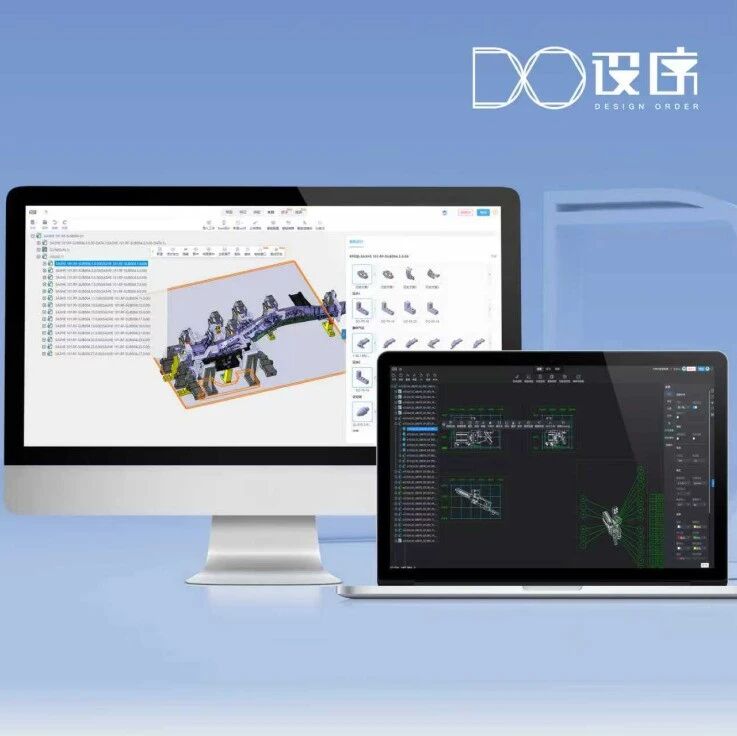
Core Insights - The article discusses the recent funding round of "Shexu Technology," a provider of industrial AI generative design software, which raised several million yuan in a Pre-B round led by Yonghua Investment and GF Xinde, with a total funding exceeding 100 million yuan over the past year [6][10]. Company Overview - "Shexu Technology" was established in 2020 and offers a product called "Shanshe," an industrial intelligent generative design software that utilizes a self-developed industrial world model and a natural language model to provide intelligent 3D design solutions and 2D engineering drawings [6][7]. - The founder and CEO, Wu Yongrong, has a background in advanced manufacturing from Tongji University and has previously worked at General Advanced Manufacturing Laboratory and NIO [6]. Market Trends - The article highlights two major trends in the industrial AI software sector: the continuous enhancement of foundational large model capabilities, which improves multi-modal information processing and interaction experiences, and the deepening specialization of vertical industrial world models that reach the essence of industrial mechanisms [6][7]. Product Capabilities - "Shanshe" has been applied in various sectors, including automotive, 3C, and energy, with major clients such as BYD, Honda, Shanghai Electric, and COMAC. The software significantly enhances design efficiency, reportedly increasing it by several times to over tenfold, while also improving consistency and quality [7][9]. Financial Performance - Wu Yongrong stated that the company expects to exceed 100 million yuan in orders this year, with revenue approaching 100 million yuan, and has maintained a compound annual growth rate of over 100% in recent years [9]. Future Plans - "Shexu Technology" plans to expand its model capabilities and product offerings, extending from design to processes and manufacturing, including intelligent design reviews, intelligent process planning, and intelligent machining code generation [9]. - The company aims to enhance its software business and penetrate overseas markets, where there is strong demand for its products, having already established preliminary cooperation with some European clients [9]. Investor Perspectives - Yonghua Investment's managing director, Tang Zheng, emphasized the importance of AI in driving efficiency in the manufacturing sector and praised "Shexu Technology" for addressing complex industrial needs and developing a robust industrial world model [10]. - GF Xinde's project leader, Zhang He, highlighted the innovative potential of "Shexu Technology" in redefining the value of engineers and creating significant commercial value through its product "Shanshe," which enhances design efficiency and reduces costs for clients [11].
8点1氪:“国考”报考年龄放宽至38周岁以下;陈震透露劳斯莱斯事故原因;苹果客服回应“大量iPhone 17系列新机无法激活”
36氪· 2025-10-15 00:12
Group 1 - The announcement of the 2026 national civil service examination confirms that the age limit for applicants has been raised from 35 to 38 years old, with a total recruitment plan of 38,100 positions [3] - The adjustment in age requirements is explained as a response to the gradual implementation of delayed retirement age policies [3] - The incident involving a Rolls-Royce accident was attributed to the use of assisted driving, highlighting the importance of understanding the capabilities of different brands' assisted driving systems [3] Group 2 - JD.com clarified that its upcoming car launch does not involve direct manufacturing, as it collaborates with CATL and GAC Group to provide consumer insights and exclusive sales [4] - The popular bakery brand 85°C has closed multiple stores in cities like Hangzhou, Shanghai, and Nanjing, linked to financial struggles faced by its parent company [7] - The Chinese government is set to implement a digital process for registering new domestic cars, eliminating the need for physical visits to vehicle management offices starting November 1 [10] Group 3 - The third quarter results for JPMorgan Chase showed a net profit of $14.4 billion, a 12% increase year-on-year, with net revenue rising by 9% to $47.1 billion [21] - The third quarter net profit for Xiaogoods City reached 1.766 billion yuan, marking a 101% year-on-year growth, with total revenue for the first three quarters at 13.061 billion yuan, up 23.07% [21] - The cycling economy is experiencing significant growth, with the number of bicycle-related enterprises in China reaching approximately 4.68 million, showing a continuous increase over the past decade [22]