市值风云

Search documents
知名基金经理鲍无可离职,接任者都是什么水平?
市值风云· 2025-05-21 10:36
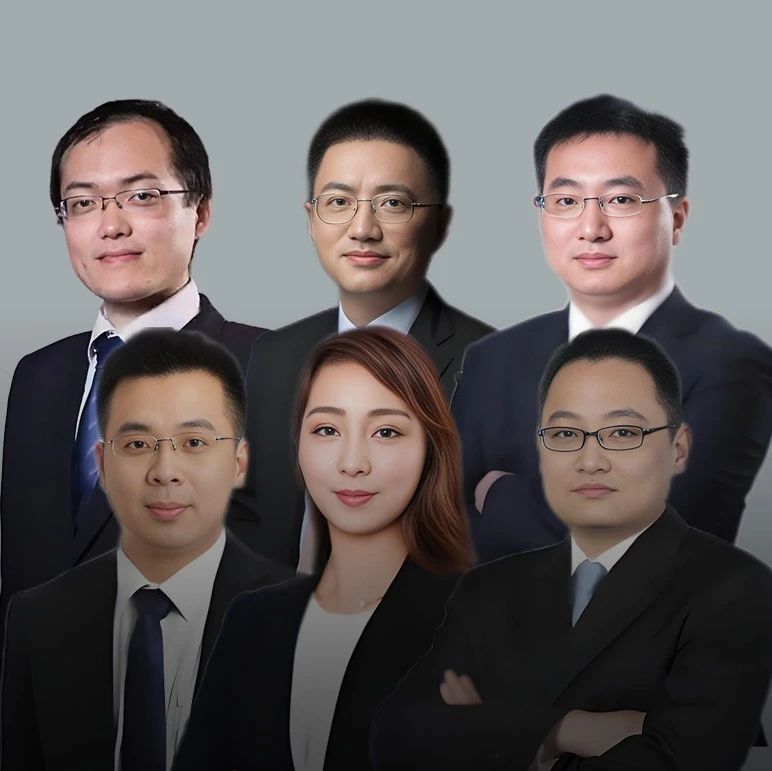
Core Viewpoint - The recent departures of prominent fund managers, including Zhang Kun and Bao Wuke, signal a potential shift in the public fund industry, raising concerns about whether public funds are becoming a "training ground for private equity" [3][4]. Group 1: Departure of Fund Managers - Bao Wuke, a notable fund manager with over 15 years of experience and an annualized return of approximately 15.5%, has officially announced his departure from the public fund sector [5][11]. - The market interpreted Bao Wuke's recent actions, such as appointing new fund managers, as indicative of his impending exit, which was confirmed over the weekend [3][4]. - The trend of high-performing fund managers leaving the public sector has raised questions about the future of public funds and their ability to retain talent [4]. Group 2: Performance and Management Transition - Bao Wuke managed a total of 16.2 billion yuan across eight funds before his departure, with the majority of his funds being handed over to three experienced managers, including Liu Su, Zhang Zhongwei, and Zou Lihua [11][12]. - Liu Su, who has 13 years of experience, is known for a balanced investment style, while Zhang Zhongwei, with over nine years of experience, is recognized for a growth-oriented approach focused on technology stocks [28][20]. - The performance of the funds under Bao Wuke's management has been strong, with a total return exceeding 380% over the past decade, indicating a solid track record that the new managers will need to uphold [5][11]. Group 3: Investment Styles and Strategies - Bao Wuke's investment strategy emphasized low volatility and steady returns, focusing on high-barrier companies with reasonable valuations [7][8]. - In contrast, Zhang Zhongwei's investment philosophy is centered on capturing growth in technology sectors, with a significant portion of his portfolio allocated to TMT (Technology, Media, Telecommunications) stocks [24][27]. - Liu Su's approach is more balanced, with a diversified portfolio that includes sectors like food and beverage and pharmaceuticals, aiming for stable long-term growth [30][28].

上市30年,连亏22年的“保壳专业户”终于退市!*ST恒立临死拉个垫背的,火速起诉会所装无辜
市值风云· 2025-05-21 10:36
Core Viewpoint - The article discusses the peculiar case of *ST Hengli, which is facing delisting due to failure to disclose its annual report on time, and highlights the company's attempts to blame its auditing firm for the situation [3][5][14]. Group 1: Company Background and Financial Issues - *ST Hengli received a delisting notice from the Shenzhen Stock Exchange due to not disclosing over half of its board's assurances regarding the accuracy of its 2024 annual report by the legal deadline [5][6]. - The company has been under "ST" and "*ST" designations due to continuous financial losses, with a cumulative loss of 670 million yuan since 2003 [31][34]. - In 2024, *ST Hengli projected a revenue of 300 million to 350 million yuan, a significant increase from 111.47 million yuan in the previous year, but still expected a net loss of 33 million to 43 million yuan [8][30]. Group 2: Auditing and Reporting Issues - The company changed its auditing firm to Xutai CPA shortly before the annual report deadline, which raised concerns about the adequacy of the audit process [10][20]. - There were significant discrepancies between the company's performance forecasts and the audit results, leading to a failure to submit the annual report on time [11][12]. - After receiving the delisting notice, *ST Hengli filed a lawsuit against Xutai CPA, claiming damages of 38.27 million yuan, which corresponds to the market value loss on the day of the notice [14][38]. Group 3: Market Reaction and Implications - Following the delisting notice, *ST Hengli's stock price dropped by 4.81%, leading to three consecutive trading halts [38][42]. - The article suggests that retail investors, who are often the last to bear the financial consequences, are the biggest losers in this situation [38][42].

让风云君看得头疼,跑赢业绩基准到底有多难?连续五年跑赢基准的主动权益基金只有这些!
市值风云· 2025-05-20 10:02
Core Viewpoint - The article discusses the significant reforms introduced in the public fund industry through the "Action Plan for Promoting High-Quality Development of Public Funds," emphasizing the importance of performance benchmarks and the need for a more rational setting of these benchmarks to improve fund performance [2][6][12]. Summary by Sections Performance Benchmarks - The document highlights the critical role of performance benchmarks for public funds, which serve as a standard for fund managers to achieve and exceed [6][7]. - Most funds currently use indices like CSI 300, CSI 800, and CSI 500 as benchmarks, with nearly half of active funds benchmarked against the CSI 300 [7]. Fund Performance Analysis - Recent data indicates that only 30% of funds have outperformed their benchmarks over the past three years, with nearly 50% of products underperforming by more than 10% [12]. - The average excess return relative to benchmarks has been negative in recent years, with a notable decline in the proportion of funds outperforming benchmarks from 2020 to 2024 [13][14]. Active Fund Management Challenges - Continuous outperformance is challenging, especially during market downturns, where only about 20% of active funds managed to outperform their benchmarks from 2022 to 2024 [14]. - A study identified only 46 funds (2.2% of the sample) that consistently outperformed their benchmarks over five years, with 25 of these having a combined scale of over 1 billion [17]. Fund Manager Performance - The article lists funds that have consistently outperformed their benchmarks over five years, noting that many of these funds are managed by well-regarded fund managers [21][22]. - The performance of fund managers is evaluated not only on returns but also on their ability to control drawdowns, with some funds experiencing significant drawdowns despite strong returns [23][24]. Notable Fund Managers - The article mentions specific fund managers who have successfully managed funds that consistently outperform benchmarks, highlighting their investment philosophies and strategies [25][36]. - It also discusses the impact of fund manager changes on fund performance, particularly in the context of recent departures of notable managers [29][33]. Conclusion on Fund Evaluation - The article concludes that while outperforming benchmarks is a key metric for evaluating fund performance, it should not be the sole criterion, as other factors such as risk management and drawdown control are equally important [44].
EGR龙头转型新能源,驱动电机铁芯高增!隆盛科技:行业红利难掩资本依赖症
市值风云· 2025-05-20 10:02
Core Viewpoint - The article discusses the rapid growth of plug-in hybrid electric vehicles (PHEVs) in the automotive market, highlighting the significant increase in their sales proportion within the new energy vehicle segment, which is expected to reach 40% in 2024, up 17 percentage points from 2022 [3][10]. Group 1: Company Overview - Longsheng Technology (300680.SZ) is a company involved in the PHEV sector, experiencing rapid growth over the past seven years, with its stock price reaching new highs in the secondary market [8][9]. - The company was founded in 2004 and is recognized as a national "specialized, refined, distinctive, and innovative" small giant enterprise, with its controlling shareholders being the Ni family, who hold 29.38% of the shares [12][13]. - Longsheng Technology's business has evolved from a focus on commercial diesel engine exhaust gas recirculation (EGR) systems to a diversified manufacturing service provider across multiple sectors, including new energy vehicles [15][18]. Group 2: Financial Performance - The company has achieved a compound annual growth rate (CAGR) of 51.4% in revenue from 2018 to 2023, with revenue of 1.64 billion yuan in the first three quarters of 2024, reflecting a growth of 38.5% [19][20]. - The net profit attributable to the parent company has increased significantly, with projections for 2024 indicating a net profit of 210 to 240 million yuan, representing a year-on-year growth of 43% to 63% [22][24]. - In 2023, the revenue from the new energy business reached 940 million yuan, accounting for 52% of total revenue, with expectations for further growth in 2024 [26]. Group 3: Business Segments - The company operates three main business segments: EGR systems, new energy vehicle drive motor cores, and precision automotive components, with EGR systems contributing the most to profits while new energy vehicle components generate the highest revenue [27][28]. - The EGR product segment is projected to account for 34% of revenue in the first half of 2024, while new energy vehicle components are expected to contribute 43% [28]. - The market for EGR products is relatively small, with projections indicating a potential market size of 3.22 billion yuan by 2027, growing at a CAGR of 15.6% from 2024 to 2027 [32]. Group 4: Market Dynamics - The demand for drive motor cores is expected to grow significantly, driven by the increasing number of electric vehicles and hybrid models, with the market for motor cores projected to reach 11.33 billion yuan by 2027, growing at a CAGR of 26.2% [41][42]. - The company has a concentrated customer base, with the top five customers accounting for 65% of total sales in 2023, indicating a reliance on major clients for revenue [50][51]. - The overall gross margin has declined by 7.7 percentage points from 2021 to 2022, primarily due to the lower margins in the new energy segment, with the gross margin for the EGR segment at 24.5% and for new energy components at 11.9% in the first half of 2024 [53][55].

一季度基金众生相:科技主题席卷市场,规模激增15倍,消费基金垂涎半导体,挂羊头卖狗肉
市值风云· 2025-05-19 10:02
Core Viewpoint - The article discusses the impact of the renewed tariff war initiated by the Trump administration on global trade, emphasizing that the essence of this conflict is a technological battle. It highlights a significant breakthrough in China's tech industry with the DeepSeek-R1 model, which reduces inference costs to 30% of the industry average while maintaining a parameter scale of 175 billion, shifting the narrative of the global AI competition from a mere technological arms race to a comprehensive contest of engineering capabilities [2][3][4]. Group 1: Fund Performance Overview - The article presents an overview of the top-performing technology-themed funds for the first quarter, noting that the average return for these funds was 4.1%, with the top 10 achieving an average return of 20.1%, significantly outperforming the Shanghai Composite Index and the CSI 300 Index [8][9]. - The top-performing fund, China Europe Intelligent Manufacturing Mixed A (015143.OF), achieved a return of 26.72% in the first quarter, with a one-year performance of 71.15%, ranking 26 out of 4217 in its category [7][9][10]. - Other notable funds include Jianxin Yuli Flexible Allocation Mixed (002281.OF) and Ping An Research Preferred Mixed A (017532.OF), with returns of 20.89% and 19.64% respectively [18]. Group 2: Fund Manager Strategies - Fund manager Shao Jie of China Europe Intelligent Manufacturing Mixed A has increased investments in AI hardware and applications, focusing on companies like Langqi Technology and Tencent Holdings, which contributed significantly to the fund's performance [11][12][13]. - Jianxin Yuli Flexible Allocation Mixed has shifted its top holdings to include companies in AI computing and hard technology, indicating a bullish outlook on manufacturing upgrades and long-term development in these sectors [25][22]. - The article notes that the performance of these funds is under scrutiny, as many stocks are trading at high valuations, and any underperformance in AI applications could lead to volatility in tech stocks [17]. Group 3: Consumer Fund Performance - The article contrasts the performance of consumer funds, which generally faced challenges, with technology funds, highlighting that the main consumer industry index fell by 1.1% in the first quarter [51][52]. - Despite the overall decline, two consumer-themed funds, Yuanxin Yongfeng Consumption Upgrade (004934.OF) and Zhongyin Xin New Consumption Growth (010965.OF), managed to achieve returns of 8.9% and 7.4% respectively by heavily investing in technology stocks [53][57]. - This trend of consumer funds investing in technology stocks raises concerns about potential misalignment with their stated investment objectives, indicating a broader industry issue where fund managers may be compelled to chase performance at the expense of adhering to their mandates [61][63].

公募新规将如何深刻地重塑市场生态?
市值风云· 2025-05-19 10:02
Core Viewpoint - The recent surge in the financial sector, particularly in banking, is attributed to the upcoming public fund regulations, which may compel fund managers to adjust their portfolios to align with performance benchmarks [3][14]. Group 1: Public Fund Regulations - A significant aspect of the new public fund regulations is the requirement for fund managers whose products underperform their benchmarks by more than 10% over three years to see a notable decrease in their performance compensation [9][12]. - The regulations challenge fund managers to create stable excess returns while closely tracking performance benchmarks, leading to a potential shift in investment strategies [26][27]. Group 2: Investment Strategies - Fund managers face a dilemma between adjusting their portfolio weights to align with benchmarks or changing their performance benchmarks to better fit their investment styles [16][24]. - Adjusting portfolio weights may protect fund managers' compensation but could dilute their investment uniqueness, increasing the selection power of fund companies [19][20]. - Changing performance benchmarks to align with fund managers' styles could lead to challenges, especially if managers frequently change, raising questions about the stability of benchmarks [24][25]. Group 3: Market Impact - The strong binding of funds to performance benchmarks is expected to reduce market volatility, as fund managers may limit their participation in hot sectors, leading to lower price increases in those areas [21][22][23]. - A potential shift of funds from sectors like electronics to the financial sector could occur if fund managers adjust their holdings based on performance benchmarks [25]. Group 4: Future Trends - The rise of quantitative index-enhanced strategies is anticipated, as these strategies may become more prevalent in response to the new regulations, combining with active management by fund managers [27][28].

并购后遗症“大发作”,又变实控人提款机?套现13亿后,又要减持3.4亿!老百姓:利润腰斩,还有57亿商誉高悬
市值风云· 2025-05-16 10:07
Core Viewpoint - The article discusses the ongoing share reduction by the controlling shareholder of Lao Bai Xing (老百姓), indicating a potential lack of confidence in the company's future performance amidst declining revenues and profits in the retail pharmacy industry [2][4][7]. Group 1: Shareholder Actions - In September 2022, Lao Bai Xing's controlling shareholder, the Pharmaceutical Group, reduced its stake by 2%, raising approximately 344 million yuan [3]. - In May 2025, the Pharmaceutical Group announced plans to reduce its stake by up to 3%, potentially generating 451 million yuan based on the closing price of 19.80 yuan per share [4]. - Since its listing, the controlling shareholders have sold shares five times, cashing out over 1.3 billion yuan, with the latest reduction expected to push this figure even higher [5]. Group 2: Company Performance - In 2024, Lao Bai Xing reported revenues of 22.36 billion yuan, a slight decline of 0.4% year-on-year, with a more significant drop of 1.9% in Q1 2025 [7][9]. - Profit figures were even more concerning, with 2024 profits at 520 million yuan and Q1 2025 profits at 250 million yuan, reflecting year-on-year declines of 44.1% and 22%, respectively [9]. - Compared to peers, Lao Bai Xing is one of the few companies in the industry experiencing revenue decline, while most competitors have managed to maintain or grow their revenues [11][12]. Group 3: Industry Challenges - The retail pharmacy industry is facing significant challenges, including tightened healthcare policies, reduced demand, and oversupply, leading to a decline in overall sales [16][18]. - In 2024, the total sales of retail pharmacies in China fell by 2.2%, marking the first negative growth in seven years [16]. - The number of pharmacies closing in 2024 reached 39,000, with a closure rate of 5.7%, indicating a severe contraction in the market [19]. Group 4: Business Model and Financial Health - Lao Bai Xing has expanded through various models, including direct operations, franchising, and alliances, with a notable increase in franchise stores, which now account for 34.67% of total stores [26][28]. - However, the revenue contribution from franchise stores is only 13.89%, and profit contribution is just 5.47%, indicating a mismatch in the business model [29]. - The company has accumulated a significant goodwill of 5.756 billion yuan, which poses a risk of impairment as operational efficiency declines [37][38].

杠铃策略两端该如何选配?百亿基金经理一季度调仓密码:白酒稳防守,电子冲进攻,港股抢弹性
市值风云· 2025-05-15 10:01
Group 1 - The article discusses the performance of fund managers using a barbell strategy during the bear market, balancing value and growth investments to achieve excess returns [2] - It highlights the significant differentiation in sector performance within the A-share market, with technology outperforming communication and various consumer sectors showing varied results [2][3] - The article emphasizes the consensus among top fund managers regarding the focus on consumer sectors, particularly liquor and automotive parts, as key investment areas [3][20] Group 2 - Yang Siliang, a prominent fund manager, has significantly increased his holdings in liquor stocks, particularly in the first quarter, with a management scale of 10.86 billion [5][11] - His main funds, including the Baoying Consumption Theme Mixed Fund, have shown strong performance, with returns of 148.33% over six years [6][17] - The article details the sector allocation of Yang's funds, indicating a strong preference for food and beverage, automotive, and consumer goods [7][9] Group 3 - Xiao Nan, another influential fund manager, has also heavily invested in liquor stocks, with a focus on Wuliangye and Moutai, which constitute a significant portion of his portfolio [20][22] - His funds show a balanced approach, with a strong emphasis on food and beverage and automotive sectors, while also diversifying into electronics [25][30] - The article notes that Xiao Nan views the current market conditions as an opportunity to invest in undervalued consumer stocks, particularly in the liquor sector [32][33] Group 4 - The article highlights the renewed interest in the electronics sector among fund managers, with several top managers favoring this industry as their primary investment focus [34][35] - It details the significant allocation to electronics in various funds managed by top managers, indicating a strategic shift towards technology investments [38][40] - The performance of funds in the electronics sector has been strong, with many managers achieving excess returns compared to benchmarks [42][43]






证监会严查严控私募“协转”违规乱象,陈氏家族仍顶风上演!茶花股份:业绩摆烂,一边玩跨界,一边狂减持
市值风云· 2025-05-15 10:01
Core Viewpoint - The operational difficulties of Chahua Co., Ltd. are becoming increasingly evident, with the controlling Chen family focusing on cashing out, having cumulatively reduced their holdings by 25.82%, amounting to 1.2 billion yuan [1][3][63] Group 1: Company Performance - Chahua Co., Ltd. specializes in household plastic products and has faced significant operational challenges, with revenue projected at only 560 million yuan for 2024 and a terrifyingly low capacity utilization rate of around 30% [3][6][9] - Since its listing in 2017, the company has only earned a total of 200 million yuan over eight years, while distributing 330 million yuan in dividends, resulting in an average payout ratio of 164% [5][12][27] - The company has experienced continuous losses, with the most recent year (2024) also showing a loss [9][12] Group 2: Shareholder Actions - The Chen family has significantly reduced their stake from 68.81% at the time of listing to 38.18% currently, with major family members either fully cashing out or retaining negligible shares [18][27] - The family has engaged in multiple large-scale share transfers, including a notable transfer of 22.11% of shares for 353 million yuan, and a subsequent transfer of 15.06% for 677 million yuan [20][24][21] - The family has utilized the "agreement transfer" method to circumvent restrictions on market sales, allowing for larger reductions in shareholding without significant market impact [41][63] Group 3: Strategic Shifts - The company has announced a strategic shift from plastic manufacturing to semiconductor distribution, which appears to be more of a marketing tactic rather than a genuine business transformation [35][63] - The introduction of Dama Technology as a major shareholder is framed as a move to enhance company value, but the financial health of Dama Technology raises concerns about its capability to contribute meaningfully [39][63] Group 4: Market Dynamics - The stock price of Chahua Co., Ltd. has seen significant fluctuations, with a notable surge in October 2023 coinciding with the announcement of share transfers, raising questions about potential market manipulation [31][50][63] - The number of shareholders has decreased significantly since the company's listing, indicating a concentration of shares among a smaller group, which is characteristic of stocks that may be subject to manipulation [51][53]

新茶饮江湖风云再起:洗牌、突围与未来之战!
市值风云· 2025-05-14 10:02
各大新茶饮品牌的竞争不再是单纯卷规模、卷价格,下一阶段更趋复杂。 作者 | 白猫 编辑 | 小白 2024年新茶饮扩张速度集体放缓。 根据窄门餐眼数据显示,截至2024年11月12日,全国奶茶饮品行业门店总数41.3万家,近一年新开14. 2万家门店,净增长为-1.7万家,也就是说近一年奶茶饮品门店关闭近16万家,关店数量甚至超过开 店数量。 消费疲软加上日益激烈的竞争,新茶饮行业正经历一场大规模的洗牌,分散的市场格局正在持续整 合。 根据灼识咨询,按GMV计,前五大现制茶饮店品牌的市场份额由2020年的38.5%提升至2023年的46. 8%。 各大新茶饮品牌的竞争不再是单纯卷规模、卷价格,下一阶段,品牌间的竞争是全方位的,更趋复 杂。 产品创新追求健康, IP 打造、跨界联名各显神通 过去五年,新茶饮市场快速增长,以GMV计算的中国现制饮品市场规模由2018年的人民币1878亿元 增加至2023年的人民币5175亿元,CAGR为22.5%。 从2024年各大新茶饮品牌的财报来看,明显感受到2024年营收规模增速的放缓,甚至下滑。 如今奶茶店在大街小巷是随处可见,随之而来的是,消费者对品牌的同质化感到麻木。 ...