半导体芯闻

Search documents
ASIC,大救星!
半导体芯闻· 2025-07-22 10:23
Group 1 - The article highlights a growing "computational crisis" driven by the increasing demand for artificial intelligence (AI), characterized by unsustainable energy consumption, high training costs, and limitations of traditional CMOS technology [1][2][3]. - The energy consumption of data centers supporting AI operations is projected to rise from approximately 200 terawatt-hours (TWh) in 2023 to 260 TWh by 2026, accounting for about 6% of total electricity demand in the U.S. [3]. - The cost of training cutting-edge AI models is expected to exceed $1 billion by 2027, indicating a significant increase in computational costs [4]. Group 2 - The article introduces "physics-based application-specific integrated circuits (ASICs)" as a transformative paradigm that leverages inherent physical dynamics for computation, aiming to improve energy efficiency and computational throughput [1][6]. - By relaxing traditional constraints such as statelessness, unidirectionality, determinism, and synchronization, physics-based ASICs can align algorithmic demands with the physical system's computational primitives [1][6][12]. - These ASICs can accelerate key AI applications, including diffusion models, sampling, optimization, and neural network inference, as well as traditional computational loads in materials and molecular science simulations [1][6]. Group 3 - The article discusses the design strategies for physics-based ASICs, emphasizing the need for a collaborative design approach that maximizes the overlap between algorithms and the physical structures [25][28]. - It outlines the importance of performance metrics such as runtime and energy consumption to evaluate the efficiency of algorithms on specific hardware [29][30]. - The Amdahl's law is mentioned as a limitation on the performance gains achievable through the use of ASICs, highlighting the need for careful consideration of algorithm design [31]. Group 4 - The article identifies several applications for physics-based ASICs, including physics-inspired algorithms like artificial neural networks and diffusion models, which can benefit from the unique capabilities of these circuits [38][41]. - It emphasizes the potential of physics-based ASICs in scientific simulations and data analysis, particularly in fields that require efficient processing of physical phenomena [49][50]. - The article suggests that the adoption of physics-based ASICs will occur in three phases, starting with proof-of-concept demonstrations, followed by scalability improvements, and finally integration into hybrid systems [51][62].

Sam Altrman:OpenAI将上线百万个GPU
半导体芯闻· 2025-07-22 10:23
Core Viewpoint - OpenAI aims to deploy over 1 million GPUs by the end of this year, significantly surpassing competitors like xAI, which operates on around 200,000 GPUs [1][2]. Group 1: GPU Deployment and Market Position - OpenAI's anticipated deployment of 1 million GPUs will solidify its position as the largest AI computing consumer globally [2]. - The cost of achieving 100 million GPUs is estimated at approximately $3 trillion, highlighting the ambitious nature of Altman's vision [3]. - Altman's comments reflect a long-term strategy for establishing a foundation for AGI, rather than just a short-term goal [3][5]. Group 2: Infrastructure and Energy Requirements - OpenAI's data center in Texas is currently the largest single facility globally, consuming about 300 megawatts of power, with plans to reach 1 gigawatt by mid-2026 [3][4]. - The energy demands of such large-scale operations have raised concerns among Texas grid operators regarding stability [4]. - OpenAI is diversifying its computing stack by collaborating with Oracle and exploring Google's TPU accelerators, indicating a broader arms race in AI chip development [4]. Group 3: Future Aspirations and Industry Trends - Altman's vision for 100 million GPUs may seem unrealistic under current conditions, but it emphasizes the potential for breakthroughs in manufacturing, energy efficiency, and cost [5]. - The upcoming deployment of 1 million GPUs is seen as a catalyst for establishing a new baseline in AI infrastructure [5]. - The rapid evolution of the industry is evident, as a company with 10,000 GPUs was once considered a heavyweight, while now even 1 million seems like just a stepping stone [4].
SK海力士,HBM地位不保
半导体芯闻· 2025-07-22 10:23
Core Insights - The competitive landscape for HBM (High Bandwidth Memory) is expected to change significantly with the arrival of HBM4, leading to increased competition and diversification in the market by 2026 [1][2]. Group 1: Market Dynamics - SK Hynix has become the first company to deliver 12-layer HBM4 samples to NVIDIA, but this advantage is diminishing as Micron has also provided comparable samples shortly after [1]. - Samsung is set to begin supplying its own 12-layer HBM4 samples to clients like NVIDIA and AMD, despite being slightly behind in timing. Samsung is noted for using the sixth-generation 10nm DRAM process for HBM4 development, achieving a yield rate of 50% to 70% in performance tests [1]. - Both Samsung and SK Hynix are expected to start mass production of HBM4 in the second half of this year, with intense competition anticipated by 2026 [1]. Group 2: Pricing Trends - As more suppliers enter the HBM market, NVIDIA is expected to gain greater pricing power for its next-generation "Rubin" GPU, which is anticipated to launch next year. Similar expectations apply to AMD's upcoming MI400 series, set for release in 2025 [2]. - Goldman Sachs predicts a 10% decline in HBM prices next year due to increased competition. However, TrendForce notes that while current HBM capacity is rising and yield rates are improving, the prices of mature products are unlikely to decrease significantly [3]. - The focus for next year will be on the certification of HBM4, making it premature to determine the competitive winners at this stage. Despite the release of the next generation of HBM, TrendForce expects the overall average price of HBM to continue rising [3].
三星2nm,放手一搏
半导体芯闻· 2025-07-22 10:23
Core Viewpoint - TSMC currently lacks strong competitors as it plans to increase its 2nm process output later this year, while Samsung is gradually improving its 2nm GAA technology to compete in the future [1][2] Group 1: Samsung's Strategy and Developments - Samsung has initiated a "select and concentrate" strategy focusing on the 2nm GAA process, aiming to improve its yield to 70%, which is 20% to 30% lower than TSMC's yield [2] - The company expects to achieve mass production by the second half of 2025 and is establishing production lines at its Pyeongtaek factory and other locations [2] - Samsung plans to introduce an improved version of its 2nm GAA node, with the basic design of the second-generation process already completed [2] Group 2: Market Position and Future Outlook - The demand for 2nm GAA wafers is expected to last at least three years, but Samsung must build trust with various industry contracts and may need to offer its wafers at discounted prices to attract customers [1][2] - Despite potential competition in the future, Samsung is currently not in a position to compete with TSMC [2]

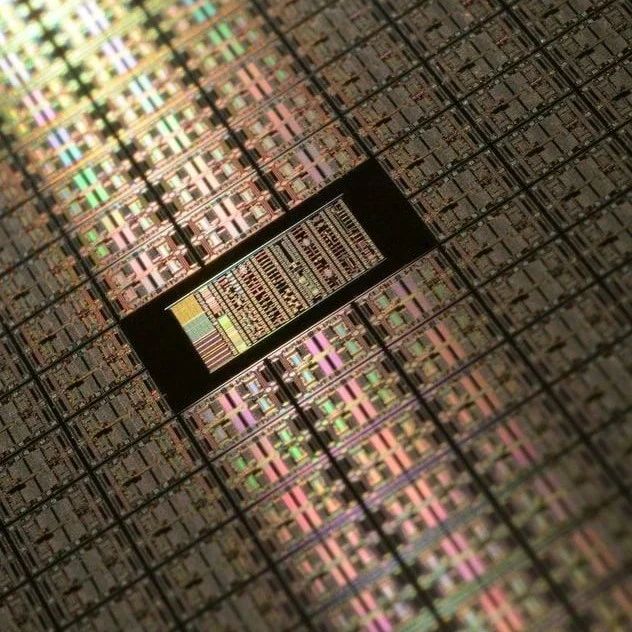
汽车芯片还没好,NXP三季度不及预期
半导体芯闻· 2025-07-22 10:23
如果您希望可以时常见面,欢迎标星收藏哦~ 首席执行官 Kurt Sievers 对本季度持乐观态度,称其将反映"恩智浦核心终端市场的改善"。该公 司表示,不计部分项目,每股收益将在 2.89 美元至 3.30 美元之间。分析师此前预计为每股 3.06 美元。 来源:内容来自 彭博社 。 芯片制造商恩智浦半导体公司 (NXP Semiconductors NV) 的第三季度财测未能达到部分投资者 的预期,导致其股价在盘后交易中下滑。 这家荷兰公司周一发布声明称,预计本季度营收将在30.5亿美元至 32.5 亿美元之间。尽管该区 间的中间值高于华尔街的平均预期,但据彭博社汇编的数据显示,一些分析师此前预测的数字会 超过 33 亿美元。 行业逆风与关税影响:恩智浦面临市场不确定性 这一财测表明,恩智浦仍在应对动荡的行业环境。该公司严重依赖汽车行业,该行业贡献了其一 半以上的营收,并受到美国前总统唐纳德·特朗普关税政策的冲击。关税扰乱了全球供应链,并引 发了客户订单的不确定性。 Bernstein 分析师 Stacy Rasgon 形容这份报告"大体上还不错",但表示它并未完全达到一些人所 期望的"耳语"数字。 该 ...
半导体“赢家通吃”:5%企业独揽1590亿美元利润
半导体芯闻· 2025-07-21 10:44
Core Insights - The global semiconductor industry generated a total economic profit of $1,470 billion last year, with the top 5% of companies, including NVIDIA, TSMC, SK Hynix, and Broadcom, capturing $159 billion of this profit, while the middle 90% only earned $5 billion, and the bottom 5% incurred losses of $37 billion [1][2] Group 1 - The shift in market structure occurred rapidly within two to three years, with the average annual profit for the middle 90% of companies dropping from over $30 billion during the pandemic to just $3.8 billion in 2023, and further declining to $1.7 billion last year, representing an 88% decrease [1][2] - AI-related semiconductor companies are projected to grow at an annual rate of 18% to 29% until 2030, while traditional semiconductor firms are expected to see growth rates of only 2% to 3% [2][3] - The "winner-takes-all" phenomenon is attributed to leading companies establishing new semiconductor product standards, which limits the entry of later competitors [2][3] Group 2 - Despite holding over 50% of the global memory chip market, the South Korean semiconductor industry is being marginalized in the AI core chip sectors like GPUs and ASICs, with few local companies able to enter NVIDIA's AI value chain [3][4] - South Korea's semiconductor firms need to build an AI semiconductor ecosystem starting from the storage sector, focusing on new technologies such as CXL, PIM, and LPCAMM to remain competitive [3][4] - To survive in the "winner-takes-all" structure of the AI semiconductor field, South Korean companies require multi-layered financial support and ecosystem development, similar to Taiwan's strategic cultivation of its semiconductor industry over the past 40 years [4]



美议员:恢复H20出口是“错误之举”
半导体芯闻· 2025-07-21 10:44
如果您希望可以时常见面,欢迎标星收藏哦~ 来 源: 内容来自 reuters 。 美国众议院对华事务特别委员会主席约翰·穆勒纳尔(John Moolenaar)致信美国商务部长霍华德· 拉特尼克(Howard Lutnick),批评恢复英伟达H20芯片对华销售的决定,称这一决定将助长中 国的人工智能发展。他重申,最初的出口禁令"是正确的决定"。 这位共和党议员在周五写给拉特尼克的信中警告称,H20芯片可能削弱美国在AI领域的优势,并帮 助中国企业在全球AI模型市场中抢占份额。 穆勒纳尔在信中写道:"商务部在禁止H20芯片出口方面的决定是正确的。"他要求获得更多信息。 英伟达(Nvidia)本周宣布将被允许恢复H20芯片的对华销售,这一决定逆转了特朗普政府于今年 4月出于国家安全考虑而实施的出口限制。彼时的禁令旨在阻止先进AI芯片(如H20)流入中国市 场,并得到了罕见的两党一致支持。这一放松举措迅速引发了包括穆勒纳尔在内的多位美国议员的 质疑,他在本周一表示将向商务部寻求"澄清"。 在穆勒纳尔加大批评力度之后,英伟达的股价于周五转为下跌。 英伟达一位发言人随后为放宽限制的决定辩护称:"当全球在美国技术基础上建 ...
光子芯片公司,完成融资
半导体芯闻· 2025-07-21 10:44
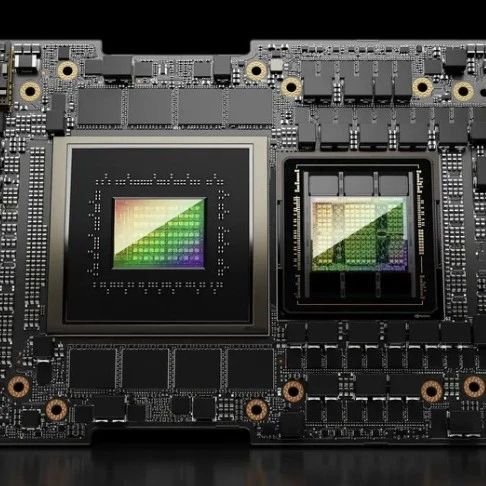
Core Viewpoint - The article highlights the successful completion of a strategic financing round by Turing Quantum, a leading domestic company in photonic quantum computing, emphasizing the strong market recognition of its technology and future prospects [1][4]. Group 1: Financing and Investment - Turing Quantum has completed a strategic financing round of over 100 million yuan, led by Shengshi Investment, indicating high confidence in the company's potential and technology [1][4]. - The company has successfully completed five rounds of financing in four years, showcasing its rapid growth and the capital market's recognition of its capabilities [4][6]. Group 2: Technological Advancements - Turing Quantum focuses on a dual-core strategy of "photonic chips + quantum computing," continuously innovating and expanding its market applications [7]. - The company has delivered the TuringQ Gen2 large-scale programmable photonic quantum computing system, marking a significant step from research to commercialization [7]. - Turing Quantum has developed the first domestic quantum AI programming framework, DeepQuantum, and a quantum AI biomedicine platform, demonstrating its technological leadership [7]. Group 3: National and Global Positioning - The company is accelerating its national industrial layout with R&D centers in Wuxi, Shanghai, and Beijing, creating a comprehensive "R&D - pilot - manufacturing" chain [10][12]. - Turing Quantum aims to establish a research and manufacturing base in Changsha, Hunan, to enhance its strategic positioning in the photonic chip and quantum computing sectors [12]. Group 4: Competitive Advantages - Turing Quantum boasts a 22-year research foundation, with over 150 international papers published and more than 200 core patents obtained, establishing its technical depth [14][15]. - The company operates under a fully controllable IDM model, ensuring complete autonomy in design, manufacturing, and system integration, which strengthens its competitive edge [16]. - Turing Quantum has achieved significant revenue growth, with sales jumping from 500,000 yuan in 2022 to over 10 million yuan in 2023, and securing orders worth over 100 million yuan in the first half of 2025 [20]. Group 5: Strategic Initiatives - The company is leading key national R&D projects, addressing critical technological challenges in quantum information, thereby supporting China's strategic goals in quantum technology [21]. - Turing Quantum's full-process independent chip production model provides a significant advantage in cost control and iteration speed, positioning it as a leader in the quantum industry [23].
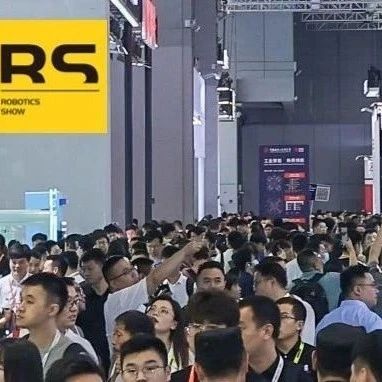
揭秘2025中国工博会机器人展,展品亮点抢“鲜”看!
半导体芯闻· 2025-07-21 10:44
Core Viewpoint - The 2025 China Industrial Expo Robot Exhibition, themed "Embodied Industry, Intelligent Future," will showcase over 500 renowned global companies and highlight cutting-edge robotic technologies and applications in a vast space of 56,000 square meters [2]. Group 1: Collaborative Robots - ABB's PoWa is a compact collaborative robot designed for speed and efficiency, achieving industrial-grade speeds of up to 5.8 m/s, making it ideal for small and medium enterprises with its no-code programming and plug-and-play capabilities [4]. - JAKA Lumi is an embodied intelligent platform designed for lightweight scenarios, featuring a 12-degree-of-freedom collaborative motion system that enhances production efficiency and product quality in tight spaces [7]. - GBT-C12A from Jiebo is a collaborative robot with a repeat positioning accuracy of 0.03mm, suitable for high hygiene and precision requirements in food processing environments [10]. Group 2: Industrial Robots - FANUC's ROBODRILL DC series is a high-efficiency machining center that enhances processing speed and quality through structural optimization and AI algorithms [19]. - Yaskawa's MOTOMAN-ME1000 is a heavy-duty SCARA robot capable of handling loads up to 1 ton, specifically designed for electric vehicle battery assembly [22]. - KUKA's KR IONTEC ultra is optimized for battery handling and lightweight spot welding, offering high dynamics and precision in compact spaces [25]. Group 3: Humanoid Robots - The Doco humanoid robot from Siasun integrates intelligent interaction and autonomous operation, capable of performing complex assembly tasks and providing services in commercial settings [48][49]. - Kepler's K2 "Bumblebee" humanoid robot combines cloud-based models with physical capabilities, enabling it to autonomously complete tasks in logistics and hazardous environments [52]. - DexForce W1 is a humanoid robot designed for precise operations in complex environments, featuring 34 actuators for flexibility and real-time environmental sensing [56]. Group 4: Intelligent Perception - Mech-GPT from Mechamand is an intelligent system that combines perception, decision-making, and execution capabilities, enhancing robots' ability to understand and interact with their environment [58][60]. Group 5: Logistics Innovations - Jiateng's single-arm unmanned forklift is designed for low-profile material handling, improving logistics efficiency in warehouses [80]. - Sainade's iLoabot series includes intelligent robots capable of autonomous loading and unloading, with advanced navigation and operational capabilities [83]. Group 6: Industry Applications - Songchuan's AIS-200 mechanical arm box-opening machine offers high cost-effectiveness and compatibility across various industries, streamlining the box-opening process [87].
HBM3E,超出预期
半导体芯闻· 2025-07-21 10:44
如果您希望可以时常见面,欢迎标星收藏哦~ 来 源: 内容 编译自 zdnet 。 SK海力士有望将其第五代高带宽内存(HBM3E)8层堆叠产品的出货量提升至超出原先预期的水 平,这得益于近期美国对英伟达面向中国市场的AI芯片"H20"所施加的出口限制被解除。H20原本 采用HBM3,但从今年起,已主要搭载SK海力士的HBM3E 8层产品。 据悉,SK海力士计划首先在今年第三季度之前完成面向H20的HBM3E 8层产品的量产。考虑到可 能出现的新增需求,公司正评估扩大该HBM产品产量所需的材料与零部件的采购方案。 据业界21日消息,SK海力士正在讨论将HBM3E 8层产品的生产规模提升至超出原先预期的方案。 此前,英伟达于本月15日通过官方博客宣布,计划重启其H20 GPU在中国市场的销售。英伟达首 席执行官黄仁勋当时表示:"我们正在重新提交H20的销售申请,美国政府已承诺向英伟达发放相 关许可证,我们希望尽快启动产品供应。" H20是英伟达基于其主力产品调降性能而推出的AI加速器,目的是规避美国对中国AI芯片的出口 管制。然而,今年4月美国政府宣布对H20实施无限期出口限制,英伟达由此预计将承担约55亿美 元 ...