半导体芯闻

Search documents
震惊,英伟达GPU竟带定位器
半导体芯闻· 2025-12-10 08:14
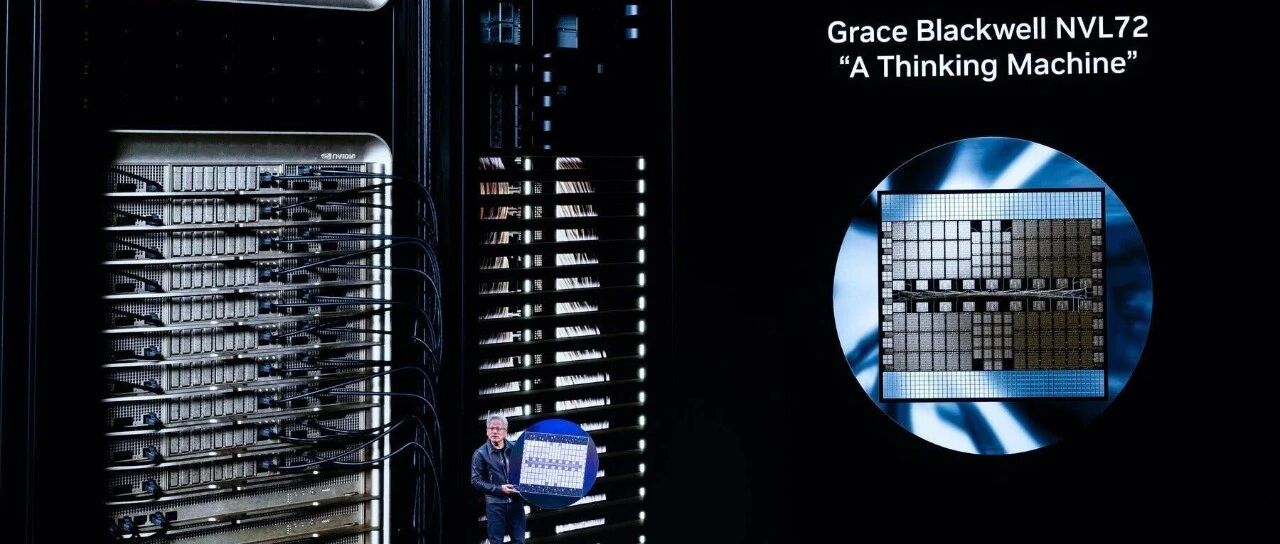
Core Insights - Nvidia has developed a location verification technology to indicate the country of its chips, aimed at preventing smuggling to restricted export countries [1] - This feature will be available as a software option for customers, utilizing Nvidia's GPU confidential computing capabilities [1] - The software will initially be available on the latest "Blackwell" series chips, which offer enhanced security features compared to previous generations [1] Group 1: Confidential Computing Overview - Confidential computing is a technology that protects data in use, preventing unauthorized access or tampering during processing [3][4] - It creates a trusted execution environment (TEE) using encryption keys bound to the processor, ensuring data privacy and integrity [3][4] - This technology addresses the last gap in data lifecycle protection, focusing on preventing device owners from accessing user data in cloud and edge computing environments [5] Group 2: Technical Implementation - The foundation of confidential computing is the root of trust, which relies on unique security keys for each processor [8] - It utilizes a secure boot mechanism to verify firmware integrity and isolates a secure enclave for application execution [8] - Nvidia's H100 GPU is the first to support confidential computing, enabling secure operations in traditional virtual machines and Kubernetes environments [9] Group 3: Performance and Compatibility - The confidential computing mode of the H100 GPU includes various operational modes, ensuring data and instructions are encrypted during transmission [9][10] - Performance remains largely unaffected in terms of native computing power and HBM bandwidth, with overhead primarily from CPU-GPU encrypted transmission [10] - Collaboration with CPU manufacturers is essential for implementing confidential computing capabilities, ensuring device integrity and security [10]


西安奕材:志在成为大晶圆全球领导者
半导体芯闻· 2025-12-09 10:36
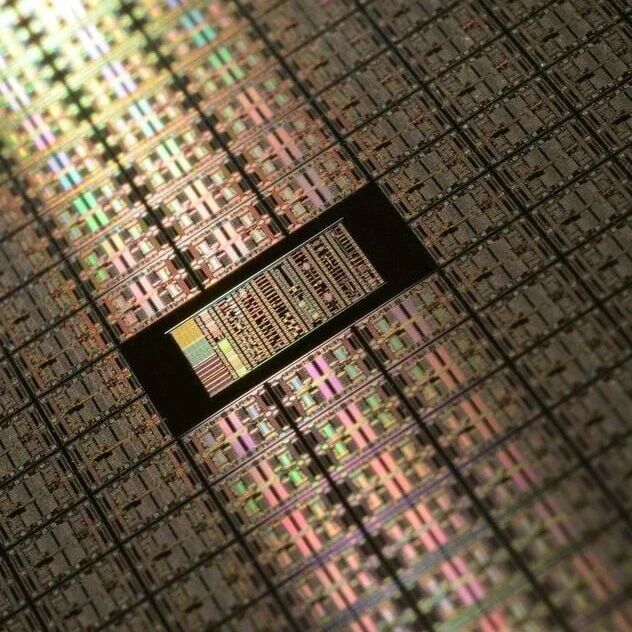
近日,西安奕斯伟材料科技股份有限公司发布了投资者活动记录表。在记录表中,奕斯伟材料表示,公司已经制定了 15 年的远期战略规划,计划 通过建设 2-3 个核心基地和若干个现代化的 12 英寸硅片工厂,最终成为 12 英寸大硅片领域全球领导者。 据介绍,公司第一工厂于 2018年动工建设,2023 年第一工厂实现 50 万片/月的规划产能达产,位居中国 12 英寸大硅片领域第一。为实现第二阶 段战略目标,公司于 2022 年启动了第二工厂建设并于 2024年实现投产,2025 年 10 月公司成功登陆科创板,募集资金将全部用于第二工厂的产 能提升。 奕斯伟材料指出,基于公司团队多年产业运营经验,两座工厂产能均能通过技术革新和效能提升至 60万片/月以上,2026 年通过效能提升,两个工 厂计划产能有希望达成 120 万片/月以上。在他们看来,提升产能的关键因素主要有内外两个方面,内因主要是自身综合能力建设,包括产线管 理、设备稼动、品质和良率保障等。外因主要是不断匹配并满足客户既有及新工艺技术需求,并跟随或联合研发推动客户的技术迭代步伐。 从他们提供的资料可以看到,从结构角度来看,存储产品所需 12 英寸硅片国 ...
美光退出,华为强势杀入
半导体芯闻· 2025-12-09 10:36
如果您希望可以时常见面,欢迎标星收藏哦~ 全球PC固态硬盘市场正经历变革,包括主要厂商提价以及全球第三大供应商美光科技决定退出消费市场。预计这将对优先考虑价格和销量的中国产 品进入市场造成影响。 SSD供应正集中于企业应用领域,例如用于人工智能的高性能服务器。此外,主要制造商已决定从今年第四季度开始将价格提高20%至40%,理由 是NAND闪存价格上涨和需求疲软。 由于美光决定在明年2月后退出消费市场,韩国的中小型PC制造商和消费者都在寻找替代方案。在此背景下,中国制造商正在考虑进入韩国市场, 但问题在于他们无法就可靠性问题给出明确的答复。 2日,华为韩国为韩国市场官员举办了一场发布会,推出了三款产品,其中包括两款"Ikit Store Extreme 201"(一款内置于台式机和笔记本电脑中 的通用消费级固态硬盘)和"Ikit Store Shield 210"(一款便携式固态硬盘)。 Ikit Store Extreme 201 是一款采用 M.2 2280 外形尺寸的 PCI Express 4.0 NVMe SSD。其 1TB 型号的最大读取速度为 7.4GB/s,最大写入速度 为 6.7GB/s,与 ...

芯片,好了吗?
半导体芯闻· 2025-12-09 10:36
预计2025年分立器件市场将同比下降0.4%,较此前预测的2.6%的降幅有所上调。从2025年1月至10月的实际数据来看,同比下降1.7%,但预计未 来将出现复苏。与去年同期相比,降幅正在收窄,因此这一预测是合理的。最大的不利因素是功率晶体管市场(占该领域的大部分)的低迷期持续 时间超出预期。这主要是由于电动汽车需求下降所致,但该市场目前已开始复苏,因此需求可能会稳步增长。然而,由于许多中国企业正试图在该 领域实现量产,中长期来看,由于供应过剩,单价可能会继续下降。虽然预计2026年将同比增长8.2%,但我个人预计增幅将仅限于0-5%左右。 | | 2019CY 2020CY 2021CY 2022CY 2024CY 2025CY 2026CY | | | | | | | | | --- | --- | --- | --- | --- | --- | --- | --- | --- | | Total Semiconductor(MS) | 412,307 440,389 | | | | 555,893 574.084 526,885 630,549 772,243 975,460 | | | | | Dis ...
从点工具到全流程,思尔芯的突围之路
半导体芯闻· 2025-12-09 10:36
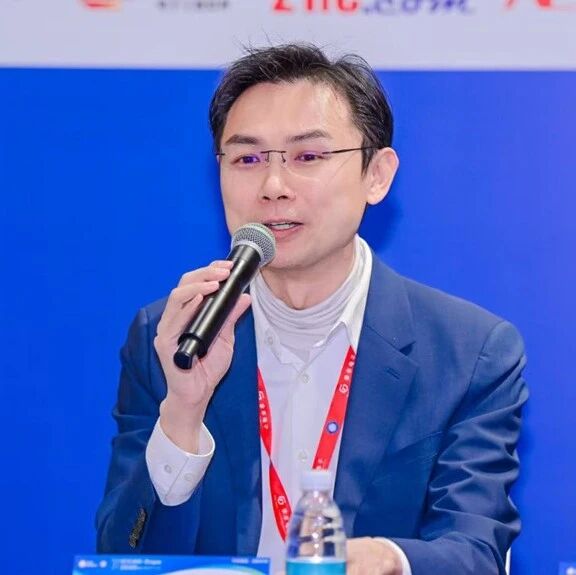
如果您希望可以时常见面,欢迎标星收藏哦~ 随着芯片规模越来越大,芯片架构从单芯片走向Chiplet、芯片布局从2D走向3D,芯片设计师面临着前所未有的重大挑战。与此同时,诸如EDA厂 商、制造厂商和封装厂商等供应链参与者,也正在历经重重考验。 在日前举办的ICCAD 2025峰会期间,思尔芯副总裁陈英仁就从EDA厂商的角度,给我们分享了他的看法和破局之道。 深耕原型验证20年 "功能验证对芯片开发来说极为重要,芯片功能上如果有问题,就会导致流片失误、失败,进而影响项目的成败。我们提供了一个很好的方案,让 我们的使用者可以加速验证、设计、开发。"陈英仁告诉半导体行业观察。 如他所说,这其实是思尔芯过去二十多年里一直聚焦于解决的问题。 据"芯思想"引述相关资料报道,2003年,EDA学术界的大牛、加州大学伯克利分校(UC Berkeley)教授Alberto Sangiovanni-Vincentelli在DAC 40周年上发表了题为《The Tides of EDA》的演讲,讲述了如何看待40年来DAC相关的研究成果,同时还阐述EDA未来的趋势和挑战,并强调这 是一个EDA大变革的年代。 在DAC 2003结束 ...
Jim Keller:英伟达“自毁”CUDA护城河
半导体芯闻· 2025-12-09 10:36
Core Viewpoint - NVIDIA's significant upgrade to its CUDA software stack, particularly the introduction of CUDA Tile, may signal the end of its software exclusivity, as suggested by chip architect Jim Keller [2][4]. Group 1: CUDA Tile Introduction - CUDA Tile represents a major advancement in NVIDIA's CUDA 13.1, introducing a new virtual instruction set for tile-based parallel programming, allowing developers to focus more on algorithm design rather than hardware specifics [6][9]. - The new tile-based programming model simplifies the coding process, enabling broader user access to GPU programming by abstracting complex GPU details [4][6]. Group 2: Impact on Code Portability - Jim Keller believes that CUDA Tile will simplify the process of porting code to other GPUs, such as AMD's, due to the commonality of the tile-based approach in the industry [5]. - While code migration may become easier, the proprietary technology behind CUDA Tile, like Tile IR, is optimized for NVIDIA hardware, potentially maintaining NVIDIA's competitive edge [5]. Group 3: Programming Paradigm Shift - The introduction of CUDA Tile allows for a higher level of abstraction in programming, enabling developers to write more advanced code with minimal modifications for efficient execution across multiple GPU generations [9][12]. - CUDA Tile IR serves as the underlying interface for most programmers interacting with tile programming, facilitating the development of domain-specific languages and compilers [12]. Group 4: Coexistence of Programming Models - The tile programming paradigm does not require a choice between SIMT and tile programming; both can coexist, allowing developers to utilize the most suitable method for their specific needs [10].
H200能卖了,HBM呢?
半导体芯闻· 2025-12-09 10:36
Core Viewpoint - The article discusses the recent policy shift by the U.S. government allowing Nvidia to sell its Hopper 200 (H200) chips to China, which could significantly impact the AI chip market and competition between U.S. and Chinese companies [2][3]. Group 1: H200 Chip Overview - The H200 chip is an advanced AI processor featuring HBM3e memory, which offers improved performance over the previous H100 model. It is the most advanced in the Hopper series until the release of the next-generation Blackwell products [2]. - The U.S. government previously prohibited the export of H200 to China but reversed this decision, allowing sales under the condition of ensuring national security [3]. Group 2: China's Response - China has expressed a cautious optimism regarding the U.S. policy change, emphasizing the importance of cooperation for mutual benefit. However, concerns about potential security risks associated with the H200 chip have been raised by Chinese officials [4]. - Nvidia's CEO has warned that the U.S. export bans could inadvertently strengthen Chinese competitors, suggesting that losing access to the Chinese market could harm U.S. interests in the long run [4]. Group 3: Implications of Export Controls - The H200 chip is seen as crucial for high-performance computing and AI workloads, and the U.S. policy change effectively restores China's access to advanced memory chips, which are vital for competitive AI development [5]. - Despite the easing of restrictions, independent HBM memory remains subject to export controls, indicating a complex regulatory environment [5]. Group 4: Market Reactions - Initial reactions from Chinese companies to the lifting of the export ban were positive, but caution has emerged due to government warnings about potential security vulnerabilities [7]. - Major clients of Nvidia in China, such as ByteDance and Alibaba, are closely monitoring the situation, while suppliers in the AI server market are optimistic about increased demand for H200 chips [7]. Group 5: Stock Market Impact - The stock market response has been mixed, with some suppliers like TSMC experiencing declines, while others, such as Foxconn, saw significant gains following the news [8]. - The overall sentiment in the semiconductor sector remains cautious, reflecting the uncertainty surrounding the implications of the U.S. policy change on future competition [8].
这颗芯片,让OpenAI不安
半导体芯闻· 2025-12-09 10:36
Core Insights - Google's secret weapon in the AI race is its Tensor Processing Unit (TPU), which has enhanced the performance of its Gemini 3 AI model, surpassing OpenAI's GPT-5 in independent benchmark tests [2] - Analysts predict that Google plans to double its TPU production by 2028, indicating a significant investment in these processors [2] - The integration of AI hardware, software, and chips is expected to provide Google with a technological edge and substantial profits [3] Group 1: Google's AI Strategy - Google aims for vertical integration by developing AI hardware, software, and chips internally, which is believed to yield technological advantages [3] - The Gemini 3 model is primarily trained on TPUs, contrasting with OpenAI's reliance on NVIDIA GPUs for its language models [3] - Morgan Stanley estimates that Google could generate up to $13 billion in revenue for every 500,000 TPUs sold to external customers [3] Group 2: Market Dynamics - Concerns have arisen among NVIDIA investors regarding Google's potential to offer TPUs to clients beyond its cloud platform, including a recent agreement with AI startup Anthropic for 1 million TPUs valued at several billion dollars [2] - Analysts suggest that Google may also engage in similar agreements with other startups, potentially generating over $100 billion in new revenue in the coming years [4] - NVIDIA maintains that it remains a leader in the industry, emphasizing its performance and versatility compared to TPUs [4] Group 3: Historical Context and Development - The TPU project began in 2013, initially as a side project, and has since evolved to support many of Google's core services, including search and YouTube [5] - Google typically releases a new generation of TPUs every two years, but this has shifted to an annual update since 2023 due to increasing demand [6]

三星扩产MLCC
半导体芯闻· 2025-12-09 10:36
Core Viewpoint - The article discusses the surge in demand for multilayer ceramic capacitors (MLCC) driven by the artificial intelligence (AI) semiconductor market, highlighting Samsung Electro-Mechanics' plans to expand production capacity in the Philippines to meet this demand [3][4]. Group 1: Company Expansion Plans - Samsung Electro-Mechanics is set to begin construction of a new factory in Laguna, Philippines, as early as the first half of next year to increase MLCC production capacity [3]. - The company has completed site selection for its third factory in the Philippines and is currently coordinating investment plans with the local government [3]. - The new factory aims to address the growing demand for high-performance MLCCs, particularly for AI and automotive applications [5][6]. Group 2: Market Demand and Performance - The demand for MLCCs has surged due to significant investments in AI by major tech companies, including Microsoft ($944 billion), Amazon ($1,250 billion), Google ($920 billion), and Meta ($710 billion) [4]. - AI semiconductors require a large number of MLCCs, with AI server chips needing approximately 30,000 MLCCs, compared to 2,000 to 3,000 for standard servers [4]. - Samsung Electro-Mechanics currently has a production utilization rate exceeding 96% across its MLCC production lines in Busan, Tianjin, and the Philippines, with the third quarter reaching 99% [5]. Group 3: Financial Projections - Analysts predict that if Samsung Electro-Mechanics maintains full production capacity, its revenue for the next year could reach 14 trillion KRW, a 30% increase from this year's estimated 11 trillion KRW [6]. - Operating profit is expected to rise to 1.3 trillion KRW, reflecting a 40% growth [6].
重磅,H200获批出口中国
半导体芯闻· 2025-12-08 23:28
英伟达先进的AI芯片最终还是回到中国。 据Semafor最初报道,美国商务部将允许英伟达向中国境内的指定客户出口H200芯片。CNBC报道称, 美国将从这些销售额中抽取25%的佣金。 据 Semafor 报道,H200 芯片比英伟达专门为中国市场开发的 H20 芯片先进得多,但该公司只能提供大 约 18 个月前的 H200 芯片。 英伟达发言人就此向TechCrunch表示:"我们赞赏特朗普总统允许美国芯片产业参与竞争,从而支持美 国高薪就业和制造业的决定。向经商务部审核批准的商业客户提供H200芯片,这种深思熟虑的平衡对 美国来说意义重大。" 此前一周,美国商务部长霍华德·卢特尼克表示,是否向中国出口这些 H200 芯片的决定权掌握在唐纳德 ·特朗普总统手中。 将芯片运往中国的决定与国会关于国家安全的担忧相冲突。 内布拉斯加州共和党参议员皮特·里基茨和特拉华州民主党参议员克里斯·库恩斯于 12 月 4 日提出一项法 案,该法案将阻止向中国出口先进的人工智能芯片两年以上。 《安全可行出口法案》(SAFE芯片法案)将要求商务部在30个月内拒绝向中国发放任何先进人工智能 芯片的出口许可证。目前尚不清楚立法者何时会 ...