半导体行业观察

Search documents
WiFi 8芯片,巨头刚刚发布
半导体行业观察· 2026-01-06 01:42
Core Viewpoint - MediaTek is leading the development of the Wi-Fi 8 ecosystem with the launch of the Filogic 8000 series chips at CES 2026, focusing on reliability and low latency rather than just peak transmission speeds [1][8]. Group 1: Wi-Fi 8 Features and Innovations - Wi-Fi 8, designed for high reliability, enhances performance in real-world applications, addressing issues like latency and disconnections that are more critical than peak bandwidth [6][10]. - The Filogic 8000 series supports advanced features such as coordinated beamforming, spatial reuse, and multi-AP scheduling, which improve connectivity and reduce interference in crowded environments [2][8]. - Wi-Fi 8 introduces technologies like dynamic sub-band operation and enhanced long-range capabilities, significantly improving AI performance and ensuring stable connections even at the network edge [9]. Group 2: Market Position and Future Outlook - MediaTek's Filogic 8000 series is positioned to power a wide range of devices, including gateways and client solutions, catering to the increasing demand for reliable wireless performance in AI-driven applications [8][11]. - The first Filogic 8000 chips are expected to be delivered to customers later this year, indicating a proactive approach to market readiness ahead of the official Wi-Fi 8 standard approval, which is anticipated in 2028 [5][6]. - The demand for ultra-reliable connections is rising due to the proliferation of AI applications and devices, positioning MediaTek as a key player in the next generation of wireless technology [10][11].


欧盟补贴51亿,新增两个晶圆厂
半导体行业观察· 2026-01-06 01:42
Group 1 - The European Commission has approved €623 million (approximately 5.1 billion RMB) in state aid to support two new semiconductor manufacturing projects in Germany, marking a significant step towards enhancing Europe's chip sovereignty [1][2] - The largest portion of the funding, €495 million, will support GlobalFoundries' "SPRINT" project in Dresden, which aims to expand and upgrade its existing facility to add 300mm wafer manufacturing capacity [1][2] - X-FAB will receive €128 million for its "Fab4Micro" project, which will establish a new open wafer foundry in Erfurt, targeting applications in automotive, artificial intelligence, and medical electronics [2] Group 2 - Both companies have agreed to several conditions related to the aid, including continuing innovation efforts, prioritizing EU orders during supply crises, and investing in local talent development [2] - GlobalFoundries and X-FAB have committed to applying for the status of EU open wafer foundries under the European Chips Act, which will strengthen their strategic position in the European supply chain [2] - The approval of these measures is the tenth and eleventh aid decisions under the framework of the Chips Act, bringing the total approved semiconductor manufacturing aid in the EU to approximately €13.2 billion [2]
台积电的真正瓶颈
半导体行业观察· 2026-01-06 01:42
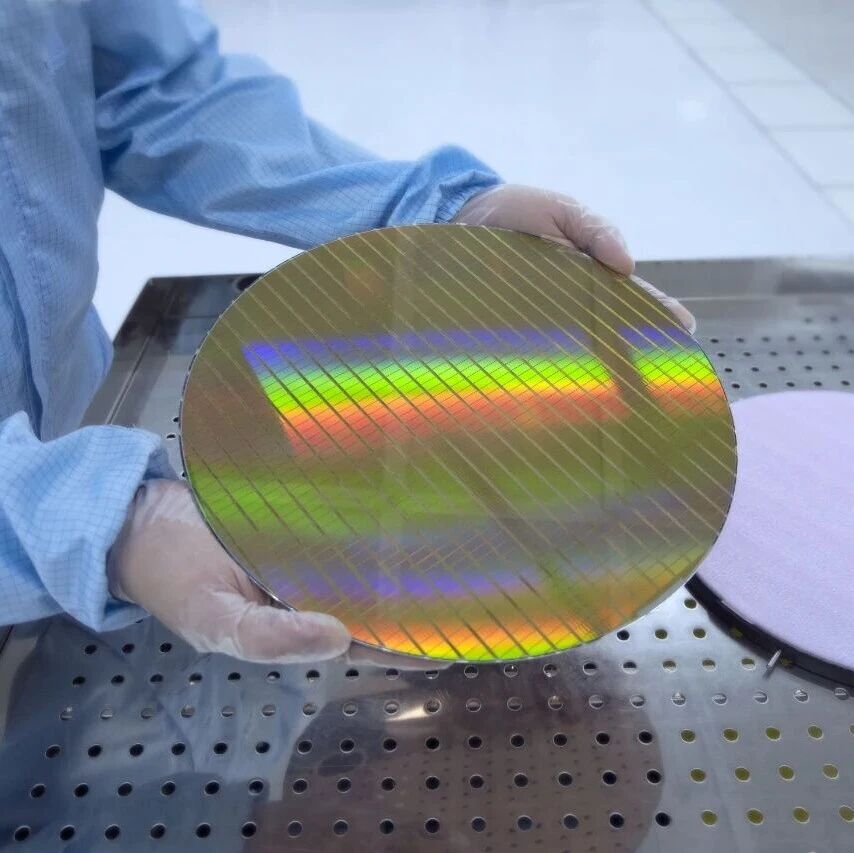
Core Viewpoint - TSMC's transition to 2nm GAA technology marks a significant advancement in semiconductor manufacturing, with expectations of increased production capacity and efficiency, while the real bottleneck lies in advanced packaging technologies like CoWoS, rather than transistor density [1][40]. Group 1: 2nm Technology and Production - TSMC's 2nm technology is set to begin mass production in Q4 2025, utilizing nanosheet transistors that enhance performance and power efficiency across all process nodes [1]. - Compared to the 3nm N3E process, the 2nm technology offers a 10% to 15% speed increase at the same power level, and a 25% to 30% reduction in power consumption while increasing chip density by over 15% [2]. - TSMC plans to establish five 2nm fabs in Kaohsiung, with a total investment exceeding NT$1.5 trillion, creating 7,000 high-tech jobs [2]. Group 2: Advanced Packaging Challenges - The CoWoS (Chip-on-Wafer-on-Substrate) technology is critical for integrating advanced chips with HBM memory; without it, even the most advanced chips could become excess inventory [3][40]. - Advanced packaging capabilities are becoming the key limiting factor in the AI semiconductor sector, overshadowing the importance of transistor density [40]. - TSMC's CEO confirmed that supply constraints are expected to persist until 2025, despite plans to double production capacity in 2024 and 2025 [21]. Group 3: Market Dynamics and Competitors - NVIDIA is projected to secure over 70% of the CoWoS-L capacity, creating a structural advantage, while companies like Broadcom are also vying for a share of the remaining capacity [23][40]. - The AI chip market is evolving, with companies like Broadcom capturing approximately 70% of the custom AI accelerator market, and their AI revenue expected to reach $12.2 billion in FY2024, a 220% year-over-year increase [32]. - The competition in the AI chip market is intensifying, with major players like AMD and Intel also making significant strides in developing their own AI hardware solutions [35][37]. Group 4: Future Developments and Innovations - TSMC is diversifying its advanced packaging technologies, including the development of CoPoS (Chip-on-Package-on-Substrate) technology, expected to be introduced after 2027 [24]. - The transition from FinFET to GAA technology introduces new manufacturing complexities, requiring specialized equipment and processes, which could extend production timelines [11][40]. - The demand for advanced packaging is expected to grow significantly, with OSAT (Outsourced Semiconductor Assembly and Test) companies also ramping up their capabilities to meet the increasing needs of AI chip production [43].


大厂正在抛弃GPU
半导体行业观察· 2026-01-05 01:49
Core Insights - The global AI infrastructure market is facing a severe supply shortage, particularly for GPUs, with an expected order volume of 2 million units this year against only 700,000 available units [1] - The demand for self-developed ASICs by cloud service companies is projected to grow at a rate of 44.6%, surpassing the 16.1% growth rate for GPUs, indicating a structural shift towards ASIC adoption due to GPU supply constraints [1] - The supply chain risks for GPUs are expected to peak this year, with production processes and high bandwidth memory (HBM) being interlinked, meaning any bottleneck could disrupt overall supply [1] Group 1 - TSMC is expanding its advanced packaging production lines, crucial for AI accelerators, but the gap between rapidly growing order volumes and actual shipments will persist due to the time required for capacity expansion [2] - ASIC chips, initially led by Google's TPU, are gaining attention as they are designed for specific AI workloads, offering advantages in energy efficiency, performance, and total cost of ownership (TCO) in the long run [2] - The AI accelerator market for ASIC users is expected to maintain a compound annual growth rate (CAGR) of approximately 28% until 2030, with the generative AI ASIC market projected to grow from about $24.9 billion in 2024 to approximately $186.7 billion by 2032, reflecting an annual growth rate of around 28.6% [2] Group 2 - This year is viewed as a critical turning point for the ASIC market, with industry executives noting that the current GPU supply shortage is a short-term issue but will have long-term implications on decision-making [3] - Major tech companies are increasingly viewing GPUs as strategic assets rather than stable commodities, leading to a shift towards reducing GPU dependency and increasing the share of ASICs in new data center investment plans [3]

HBM,最新预测
半导体行业观察· 2026-01-05 01:49
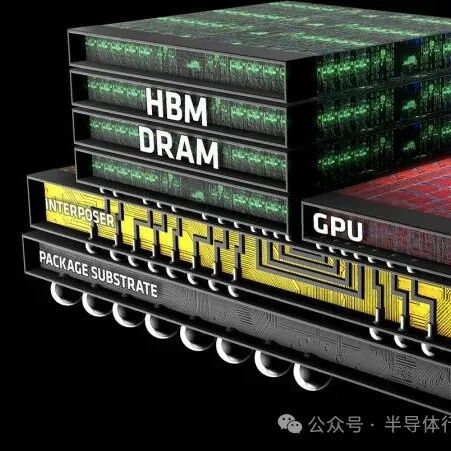
2026年,全球半导体行业将进入转型期,市场结构和价值链将进行调整以适应人工智能基础设施的扩 张。预计整个市场规模将接近1万亿美元,其中存储半导体将成为需求和盈利能力的关键驱动力。尤 其值得一提的是,业内专家预计SK海力士将成为这一转变的主要推动力,因为这家芯片制造商拥有 独特的优势,是唯一一家能够可靠地交付HBM3E和下一代HBM4的供应商。 根据世界半导体贸易统计(WSTS)的数据,2026年全球半导体市场将同比增长超过25%,达到约 9750亿美元,其中存储器领域的增长率将达到30%。市场研究公司和投资银行预计服务器和数据中心 存储器市场将出现特别强劲的增长,一些机构估计2026年存储器市场规模将超过4400亿美元。 分析表明,随着人工智能训练和推理服务器投资的增加,每台服务器的DRAM和HBM内存容量也在 稳步增长。与此同时,对企业级固态硬盘(eSSD)等存储设备的需求也在上升,导致整个人工智能 基础设施中内存和存储的占比结构性增加。 自2024年以来,业内人士一直用"超级周期"来形容存储器行业的强劲增长势头。美国银行(BofA) 将2026年定义为"类似于上世纪90年代繁荣时期的超级周期",并预测全 ...
紫光国微拟收购瑞能半导体:“设计+制造”协同开新局
半导体行业观察· 2026-01-05 01:49
Core Viewpoint - The acquisition of Ruineng Semiconductor by Unisoc Microelectronics is a strategic move to enhance the complete industrial chain in the power semiconductor sector, aiming to capitalize on domestic opportunities in automotive electronics and industrial control, thereby reshaping the competitive landscape in China's power semiconductor market [4][17]. Group 1: Acquisition Details - Unisoc Microelectronics plans to acquire a controlling or full stake in Ruineng Semiconductor through a combination of share issuance and cash payment, along with raising supporting funds [1]. - The acquisition reflects Unisoc Group's strategy to accelerate the integration of the entire semiconductor industry chain [4]. Group 2: Market Position and Growth Potential - Ruineng Semiconductor, which originated from NXP's standard product division, has maintained a strong market position, achieving a 36.2% market share in China's controlled silicon market in 2019, and a global market share of approximately 21.8% [6]. - The demand for power devices in electric vehicles is expected to increase by 5-10 times compared to traditional fuel vehicles, with IGBT and MOSFET devices accounting for about 95% of this demand, positioning Ruineng's products favorably in a high-growth sector [6]. Group 3: Synergy and Strategic Fit - The collaboration between Unisoc Microelectronics and Ruineng Semiconductor aims to create a synergistic effect across the value chain, enhancing both design and manufacturing capabilities [8]. - Unisoc's strengths in chip architecture design and system solutions complement Ruineng's manufacturing capabilities, potentially optimizing chip performance and reducing costs [10]. - The merger will enable Unisoc to quickly enter the high-growth power semiconductor market, leveraging Ruineng's established product offerings in automotive applications [12][14]. Group 4: Future Implications - This acquisition is seen as a significant step towards transforming domestic semiconductor companies from "single-point breakthroughs" to "industry chain collaboration," marking a pivotal moment for the new Unisoc system [13]. - The integration of Ruineng's power semiconductor assets into Unisoc is expected to enhance asset optimization and reduce transaction premiums and integration risks [14]. - The move is anticipated to signal a strategic upgrade for Unisoc, potentially leading to long-term growth opportunities and increased market competitiveness [15].

在太空造芯片,迈出重要一步
半导体行业观察· 2026-01-05 01:49
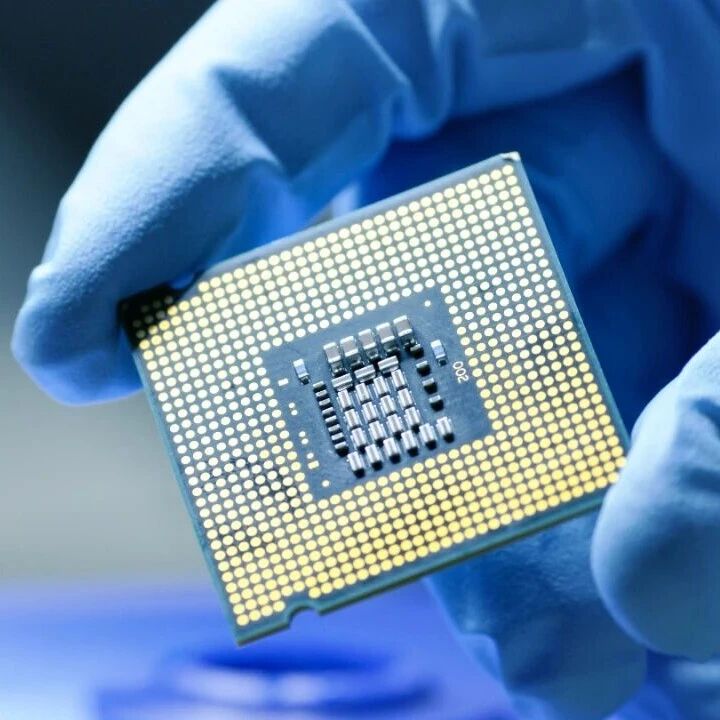
Core Viewpoint - Space Forge, a space startup based in Cardiff, has made significant progress in manufacturing materials in space, successfully launching a microwave-sized orbital factory that can reach temperatures close to 1000°C, bringing the vision of space semiconductor production closer to reality [1][3]. Group 1: Technological Achievements - The prototype launched this summer aboard a SpaceX rocket aims to test how the space environment enhances material performance, with semiconductor atoms forming nearly perfect crystal structures in microgravity [1][3]. - The CEO of Space Forge stated that the work being done allows for the production of semiconductors with purity levels 4000 times higher than those manufactured on Earth, which has practical implications for modern infrastructure, including 5G base stations and electric vehicle charging systems [1][3]. Group 2: Operational Insights - The company has been continuously monitoring and validating the satellite's performance since its launch, viewing the mission as an in-orbit technology demonstration [3]. - The payload operations manager shared images showing bright plasma emissions within the furnace, indicating successful heating to approximately 1000°C, which is crucial for high-temperature material processing [3]. Group 3: Future Developments - Space Forge is developing a larger orbital factory capable of producing enough semiconductor materials for up to 10,000 chips, with the next major challenge being the safe return of these materials to Earth [3]. - The team is preparing to test a heat shield named "Pridwen," designed to protect the spacecraft from extreme temperatures during atmospheric re-entry [3]. Group 4: Industry Trends - The efforts of Space Forge reflect a broader shift in the space research field, with organizations and private companies worldwide exploring the use of orbital manufacturing for pharmaceuticals, biological tissues, and other advanced materials [4]. - The head of the space department at the Science Museum noted that the field is transitioning from theoretical stages to early practical applications, indicating that space manufacturing is now occurring [4].

一位资深CPU架构师的观察
半导体行业观察· 2026-01-05 01:49
Core Insights - The article emphasizes the need for a collaborative design approach between microarchitecture and process technology to address the increasing challenges of thermal density, power consumption, and performance demands in semiconductor technology [1][3][34] Group 1: Thermal Density - Higher integration leads to increased thermal density, defined as power per unit area, which is exacerbated by shrinking feature sizes and higher integration levels [5] - Current silicon chips can reach critical temperatures rapidly, necessitating the consideration of thermal sensors and cooling measures from the outset [9] - Traditional cooling methods like heat sinks and fans are becoming inadequate, prompting a shift towards microarchitecture and chip layout as primary tools for thermal management [10] Group 2: Efficient Energy Performance - The relationship between performance and power consumption is critical, with voltage scaling showing that while performance increases with voltage, power consumption rises exponentially, highlighting the need for technologies that reduce leakage and capacitance [13][16] - Advances in process technology enable higher performance at constant power and lower power at constant performance, but aggressive size reductions may increase thermal density, requiring architectural responses [16] - Simplifying microarchitecture can reduce area, thereby lowering target frequency, capacitance, and leakage, which is essential for optimizing overall system power consumption [20] Group 3: System-Level Scalability - Amdahl's Law illustrates the limitations of performance scalability in parallel processing, indicating that performance is ultimately constrained by the serial portions of programs [23] - The utilization of active cores varies significantly under typical workloads, affecting power and bandwidth sharing among cores [27] - Key research directions in process technology must align with architectural needs, focusing on low leakage and low capacitance materials, thermal-aware 3D integration, and fine-grained power gating [31][32] Conclusion - Advanced semiconductor process technologies can deliver exceptional performance, but without architectural awareness, their advantages will be limited by power and thermal constraints. A new collaborative design paradigm between architecture and process technology is essential for sustainable, high-performance computing [34]
中国台湾,补贴三类芯片
半导体行业观察· 2026-01-05 01:49
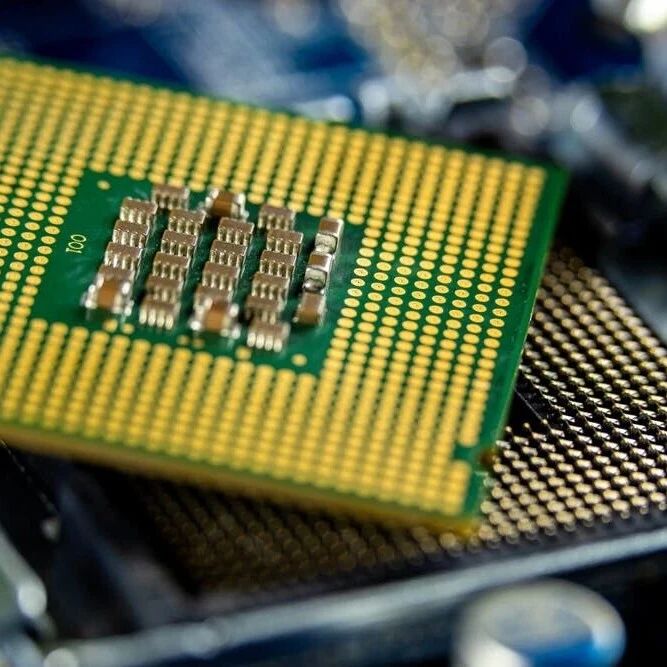
Core Viewpoint - The Taiwanese authorities announced the "Advanced Development Subsidy Program for IC Designers" for 2026, prioritizing support for IC designers in developing chips for drones, robots, and satellite communications to maintain Taiwan's critical position in the global semiconductor industry [1]. Group 1: Subsidy Program Overview - The total budget for this subsidy program in 2023 is set at NT$1.75 billion, with a duration of no more than three years [2]. - The subsidies are divided into two categories: - The first category focuses on "advantageous chip" development, allowing single applications with a maximum subsidy of NT$200 million, targeting innovative chips that address industry technology gaps or market demands, particularly in drones, robots, and satellite communications [2]. - The second category is for "core chip and system development," which allows joint applications with a maximum subsidy of NT$300 million, aimed at developing high-value core chips and modules/systems in collaboration with local system operators [2]. Group 2: Targeted Chip Types and Specifications - The program specifies the types and specifications of chips eligible for subsidies, including: - Communication chips for the drone sector - Composite sensing and control chips for the robotics sector - Ku band RF chips for the satellite communications sector [2].
台积电的秘密武器
半导体行业观察· 2026-01-05 01:49
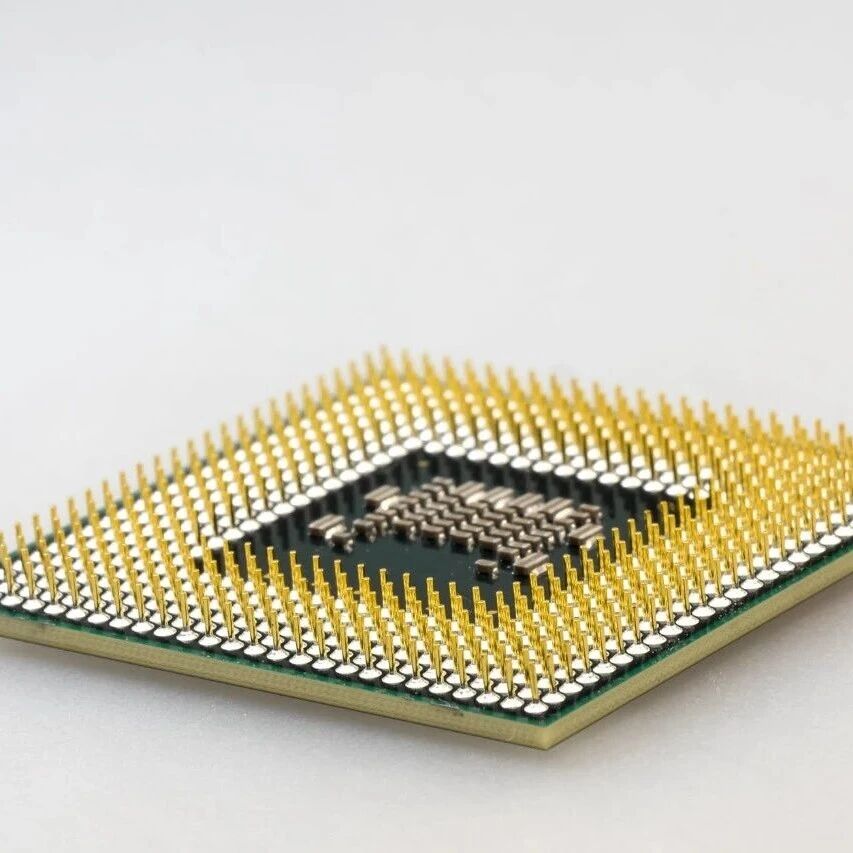
Core Viewpoint - TSMC controls advanced CoWoS packaging capacity, which is crucial for determining which AI chip manufacturers can scale production, making it a key player in the explosive growth of the AI market [1][2]. Group 1: TSMC's Role in AI Development - TSMC's CoWoS capacity is becoming increasingly critical for the survival and growth of other chip manufacturers and designers, as advanced packaging technology has become a new industry bottleneck [1]. - The rapid development of AI since 2023 has created trillions of dollars in market value, but supply chain bottlenecks, particularly in advanced manufacturing, are limiting growth [1][3]. - TSMC is a key factor in determining the speed and scale of AI development, with its capacity expansion plans aiming to double advanced wafer capacity by 2028 [4]. Group 2: Impact on Competitors - Google has reduced its 2026 TPU production target from 4 million to 3 million units due to limited access to TSMC's CoWoS technology, while NVIDIA has secured over half of TSMC's CoWoS capacity until 2027 [3]. - The shortage of CoWoS capacity may intensify competition, prompting other manufacturers like Intel to fill the gap and compete with TSMC in the foundry services sector [4][5]. - Companies like Google and Apple are exploring alternative solutions, such as Intel's EMIB packaging technology and engaging with Samsung's factories to meet their needs [4].