华尔街见闻

Search documents
黄金真正的“大庄家”:“稳定币老大”Tether
华尔街见闻· 2025-11-27 07:54
Core Viewpoint - The article highlights Tether, a controversial stablecoin issuer in the cryptocurrency world, as a significant buyer of gold, reshaping the supply-demand dynamics of traditional safe-haven assets [1][2]. Group 1: Tether's Gold Holdings - As of September 30, Tether holds 116 tons of gold valued at approximately $14 billion, making it the largest single holder of gold outside of major central banks [2]. - In Q3 alone, Tether purchased about 26 tons of gold, accounting for 2% of global gold demand during that period and 12% of known central bank purchases [3][11]. Group 2: Impact on Gold Prices - The article suggests that Tether's gold purchases have contributed to a 56% increase in gold prices by 2025, with gold prices rising by about $2000 this year [5][11]. - Tether's demand has potentially tightened supply and influenced market sentiment, driving speculative funds into the gold market [6]. Group 3: Future Gold Purchases - Tether plans to purchase approximately 100 tons of physical gold by 2025, supported by an expected profit of nearly $15 billion this year [12][11]. - The strategy involves using gold reserves to back two different tokens, USDT and Tether Gold (XAUt), with a total of 116 tons of gold backing these tokens [13]. Group 4: Regulatory Challenges - Tether's gold purchasing strategy conflicts with the recently passed GENIUS Act, which prohibits compliant issuers from using gold as reserve assets [14]. - Despite regulatory challenges, Tether has increased its gold reserves, indicating a long-term strategy focused on tokenized gold [14][17]. Group 5: Market Dynamics and Risks - The intertwining of cryptocurrency and traditional safe-haven assets raises concerns about the potential for speculative bubbles in gold [7][15]. - If demand for stablecoins reverses, the gold reserves supporting them may face selling pressure, impacting the gold market [7][15]. Group 6: Tokenized Gold Market - Tether's ambition in the tokenized gold market reflects a desire to provide a more accessible way for retail investors to hold gold without the high costs associated with physical ownership [17][18]. - However, demand for tokenized gold remains low, with Tether being one of the few issuers with significant holdings [19].


阿里财报后为何“高开低走”?高盛解读来了
华尔街见闻· 2025-11-26 01:07
Core Viewpoint - The market's optimism did not last, as Alibaba's stock price fell over 2% after the earnings call, primarily due to concerns regarding its e-commerce business [1] E-commerce Business Concerns - Goldman Sachs attributed the negative stock reaction to increased investor worries about Alibaba's e-commerce business, particularly after management indicated potential slowdowns in Customer Management Revenue (CMR) growth due to intensified competition and user reinvestment [3][6] - The CFO of Alibaba, Xu Hong, mentioned that fluctuations in CMR and profits are expected in the short term, influenced by the base effect from the introduction of payment processing fees last September [4][5] - The market's concerns are compounded by high base effects from software service fees in the previous year, which may impact growth rates [6] AI and Cloud Business Highlights - In contrast to e-commerce worries, Alibaba's AI and cloud businesses were the standout performers in the earnings report, with cloud revenue growing 34% year-over-year, surpassing Goldman Sachs' expectation of 31% [7][8] - AI-related revenue now constitutes 20% of external customer revenue and has achieved triple-digit growth for nine consecutive quarters [8] - Alibaba's capital expenditures surged 80% year-over-year to 32 billion RMB, reflecting a strong commitment to its AI strategy, which Goldman Sachs likened to Google's capabilities [9][10] Future Growth Projections - Goldman Sachs maintains an optimistic outlook for Alibaba's cloud growth, projecting growth rates of 38% and 37% for the December and March quarters, respectively, driven by strong AI demand [11] - Despite lowering the target price from $205 to $197, Goldman Sachs retains a "buy" rating, believing that Alibaba's cloud business valuation remains stable and that the AI narrative is still intact [12][13] International Cloud Business Potential - Analysts suggest that the market may be underestimating the potential of Alibaba's international cloud business and the associated "globalization" valuation [14]

过去三天利率期货持仓量暴涨,市场“确信”12月美联储降息,这一次市场会错吗?
华尔街见闻· 2025-11-26 01:07
Core Viewpoint - The article discusses the recent decline in the 10-year U.S. Treasury yield, which has dropped below 4% for the first time in a month, and highlights the significant shift in market expectations regarding future interest rate cuts by the Federal Reserve [1][2]. Group 1: Market Expectations - A recent survey by JPMorgan indicates that investors' net long positions in U.S. Treasuries have reached their highest level in about 15 years [1]. - Market pricing shows that traders believe there is an approximately 80% chance of a 25 basis point rate cut next month, a significant increase from just 30% a few days prior [5]. - The market's expectations for rate cuts have dramatically reversed in a short period, influenced by comments from Federal Reserve officials and recent economic data [3][9]. Group 2: Federal Reserve Insights - The internal opinions within the Federal Reserve appear to be divided, with a growing number of members leaning towards a dovish stance [8]. - Recent economic data, including labor market indicators, may provide justification for Chairman Powell to persuade other FOMC members towards a rate cut [7]. - Some top investment banks, including Morgan Stanley and JPMorgan, express skepticism about the likelihood of a rate cut in December, indicating that the decision remains uncertain despite market expectations [12][14]. Group 3: Economic Conditions - Economic performance has been strong from a growth perspective, but there are still risks in the labor market, and inflation remains above the target at around 3% [16]. - The SOFR options market has seen increased activity related to hedging against a December rate cut, with a notable rise in open interest for call options [11].

英伟达有点慌了?
华尔街见闻· 2025-11-26 01:07
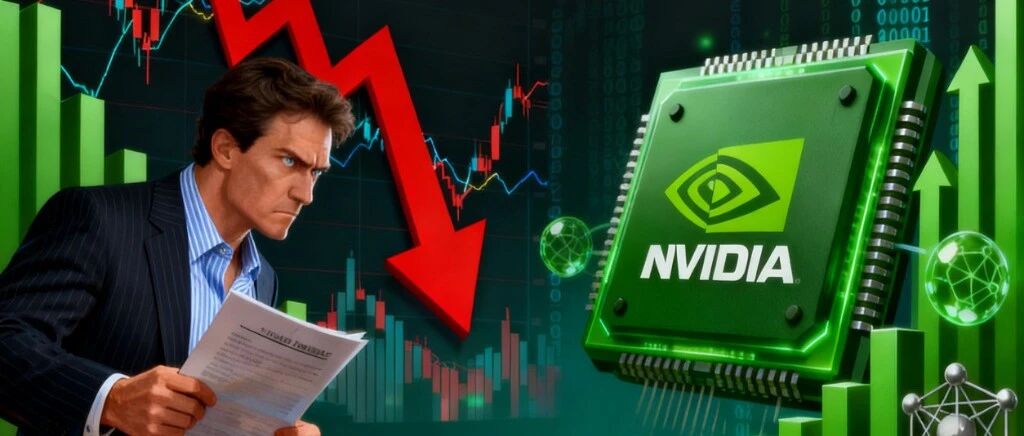
Core Viewpoint - Nvidia is responding to competitive pressures and short-seller criticisms through unusual public and private actions, which may indicate a lack of confidence rather than quell investor concerns [2][12]. Group 1: Market Response - Nvidia's stock fell approximately 2.6% to a new closing low in over two months after a drop of more than 7% during trading, while Alphabet's stock rose 1.6%, nearing a market capitalization of $4 trillion [2]. - Nvidia's unusual communication strategy, including a public post on social media and a private memo to analysts, has been interpreted as a sign of insecurity, as a leading company typically does not need to respond to every market noise [4][11]. Group 2: Competitive Landscape - Nvidia's market share in AI chips exceeds 90%, but concerns arise as major clients like Meta consider adopting Google's custom AI chips, Tensor Processing Units (TPUs), which could indicate a weakening of Nvidia's competitive moat [7]. - Google has stated that both its TPUs and Nvidia's GPUs are experiencing growing demand, highlighting a trend among large tech companies to diversify their AI infrastructure suppliers, which is a concern for Nvidia investors [7]. Group 3: Internal Communications - Nvidia distributed a seven-page memo to Wall Street analysts to counter criticisms from notable investors like Michael Burry, who likened the current AI hype to the late 1990s internet bubble [4][8]. - The memo addressed key points raised by critics, including accounting practices, equipment depreciation, and allegations of circular financing, asserting that Nvidia's business is fundamentally sound and transparent [9][10]. Group 4: Analyst Perspectives - Analysts have noted that Nvidia's defensive actions may backfire, as a confident leader would typically let performance and products speak for themselves rather than engage in extensive rebuttals [11]. - The perception of Nvidia as "stuck" in its responses has heightened existing fears regarding uncontrolled investments in AI, increased competition, and concerns over alleged circular financing [11][12].



新美联储主席人选或在圣诞前宣布,白宫国家经济委员会主任哈塞特是“头号热门”
华尔街见闻· 2025-11-26 01:07
Core Viewpoint - The article discusses the potential nomination of Kevin Hassett as the next Chair of the Federal Reserve, highlighting his alignment with President Trump's economic views and the implications for monetary policy [2][3]. Group 1: Nomination Process - Kevin Hassett is viewed as the leading candidate for the next Federal Reserve Chair, with strong support from Trump and his allies [2]. - Hassett has publicly stated that he would immediately lower interest rates if appointed, criticizing the Fed for allowing inflation to spiral out of control post-pandemic [2][3]. - Trump's decision on the nomination is expected to be announced before December 25, with speculation that Hassett's candidacy has been leaked intentionally [2][3]. Group 2: Market Reactions - The potential for a "dovish successor" to the Fed Chair has led to positive market reactions, with U.S. stock prices rising and a decrease in 10-year Treasury yields [6]. - The 10-year Treasury yield has stabilized around 4.0018%, while the 2-year yield has dropped significantly, indicating a steepening yield curve [6]. Group 3: Historical Context - Historically, the nomination of the Fed Chair is a direct way for the President to influence the Federal Reserve, with Trump previously expressing regret over his appointment of Jerome Powell due to differing views on interest rate cuts [3][4]. - The next Fed Chair will serve a 14-year term starting February 1, with the current seat held by Stephen Miran, who is on unpaid leave [4].

英伟达一度大跌7%,罕见安抚市场,发生了什么?
华尔街见闻· 2025-11-26 00:22
Core Insights - Alphabet's stock price has risen significantly, reaching a record high, as investors recognize its resurgence in the AI competition, particularly with the launch of the Gemini 3 model [2][4][10] - The market reaction was triggered by Meta's consideration of using Google's TPU instead of Nvidia chips, highlighting a shift in AI chip dynamics [4][11] - Nvidia's stock suffered a decline, impacting its partners, while Broadcom, which helps design TPUs, saw a significant stock increase [4][10] Alphabet's AI Leadership - Analysts now view Alphabet as a leading player in the AI space, contrasting previous beliefs that it was lagging behind competitors like OpenAI [8][12] - The release of Gemini 3 has been described as a pivotal moment that resets the AI competitive landscape [6][10] - Alphabet's market capitalization has increased by nearly $1 trillion since mid-October, driven by investor enthusiasm for its AI initiatives [10] TPU vs. GPU Dynamics - Google's TPU is specialized for AI tasks, particularly matrix multiplication, providing energy efficiency advantages over Nvidia's more versatile GPUs [13][14] - Despite the advantages of TPUs, Nvidia maintains a strong market position, emphasizing the continued demand for its GPUs [5][19] - The market is expected to accommodate both TPUs and GPUs, with companies like Anthropic investing in both technologies [19] Market Expansion and Client Validation - Google has transitioned from being the sole user of its TPUs to attracting major clients like Anthropic and Meta, indicating a significant market shift [17][18] - The demand for TPUs is growing, but there are limitations, such as being locked into Google's cloud ecosystem [18][19] - Analysts suggest that the best future for TPUs may be as part of a broader AI solution rather than a complete replacement for Nvidia's offerings [19]

趁Gemini 3“东风”,“谷歌链”挑战“英伟达链”,颠覆AI交易格局
华尔街见闻· 2025-11-25 14:46
Core Viewpoint - Google is challenging Nvidia's dominance in the AI chip market by promoting its TPU chips for local deployment in data centers, aiming to capture a significant market share and generate substantial revenue growth [2][5][10]. Group 1: Google's TPU Strategy - Google has begun marketing its TPU chips for deployment in clients' own data centers, moving beyond its traditional cloud rental model [8][9]. - Meta is negotiating with Google to use TPU chips worth billions in its data centers by 2027, while also renting Google Cloud chips next year [4][10]. - This potential deal could allow Google to capture 10% of Nvidia's annual revenue, translating to billions in new income [5]. Group 2: AI Model Breakthrough - Google's Gemini 3 language model, trained primarily on TPU chips, has received positive market reactions, suggesting it may outperform competitors like OpenAI's ChatGPT [5][18]. - The Gemini 3 model is reported to be faster and more capable than its competitors, which could enhance Google's position in the AI market [20][22]. - The success of Gemini 3 is expected to bolster the adoption of TPU chips, as it demonstrates their effectiveness in training advanced AI models [19][20]. Group 3: Competitive Landscape - Nvidia's CEO Jensen Huang is responding to Google's TPU advancements by investing in companies like Anthropic and OpenAI, ensuring they continue to use Nvidia's GPUs [6][7][24]. - Analysts suggest that Google's advancements could disrupt the AI investment ecosystem, leading to increased capital expenditures and uncertainty in investment returns for other companies [26][27]. - The competitive dynamics are shifting, with Google potentially narrowing the gap with Nvidia in the training chip market, which was previously considered Nvidia's stronghold [22][28].
市场对美联储12月降息预期大幅升至80%
华尔街见闻· 2025-11-25 14:46
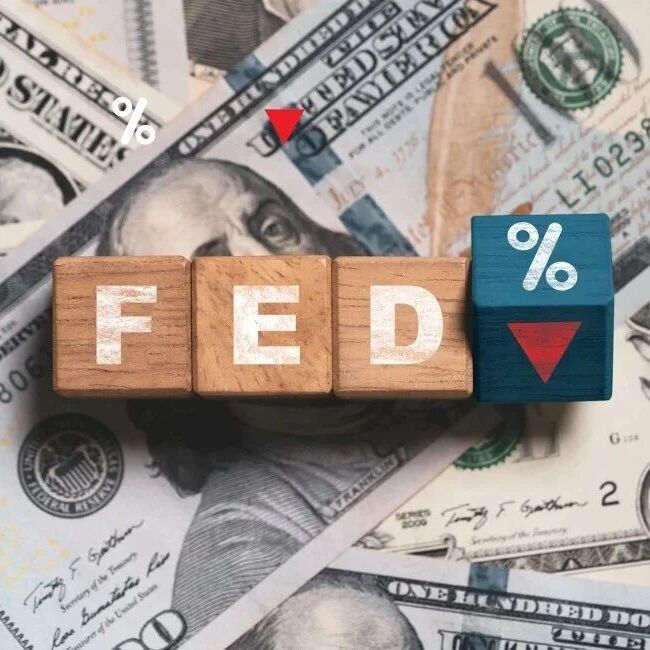
Group 1 - The core viewpoint of the article emphasizes that several Federal Reserve officials, including Mary Daly and Christopher Waller, support a rate cut in December, citing risks in the labor market that outweigh inflation concerns [1][7][8] - Mary Daly warns of a "non-linear" deterioration in the labor market, indicating that managing sudden changes in employment is more challenging than addressing inflation [7] - The market has reacted swiftly, with the probability of a 25 basis point rate cut in December rising from approximately 40% to 80% following the dovish statements from Fed officials [2][10] Group 2 - The complexity of the upcoming decision is highlighted by the government shutdown, which has delayed key employment data releases for October and November, leaving officials to make judgments with incomplete information [4] - Despite the growing dovish sentiment, there are notable divisions within the Federal Reserve, with some officials, like Susan Collins, advocating for a more cautious approach due to resilient demand potentially exerting upward pressure on inflation [9] - The financial markets have adjusted their expectations significantly, with the two-year Treasury yield dropping sharply and the ten-year yield reaching its lowest point this month [2][12]
准时上演!“大空头”大战英伟达,“AI泡沫”论战开启
华尔街见闻· 2025-11-25 14:46
Burry在这篇文章中,正式向当下的AI热潮宣战,而风暴的中心正是英伟达。 他直指英伟达即是当年的思科。 "这一次没有什么不同,无论多少人试图证明。再一次,有一个思科处于这一切的中心,它为所有人提供'镐和铲子',并伴随着宏大的愿景。它的名字叫英伟 达。" 在经历了基金注销传闻与"做空AI金额被媒体夸大百倍"的闹剧后,电影《大空头》原型、知名投资者Michael Burry于当地时间11月24日兑现承诺,准时"回 归"。 这一次,他并未如传言般通过巨额期权做空市场,而是选择通过首篇专栏文章《泡沫的主要迹象:供给侧的暴食》(The Cardinal Sign of a Bubble: Supply- Side Gluttony)来表达"做空AI"的观点。 核心论战:英伟达就是当年的思科 针对近期市场认为"科技巨头盈利能力强,因此不存在泡沫"的主流观点,Burry在文中进行了针锋相对的反驳。 他列举了1999年互联网泡沫巅峰时期的数据指出,当年的繁荣同样是由高利润公司推动的,而非仅仅是那些甚至没有收入的小网站。 他在文中写道: "并不像人们以为的那样是由无利可图的网络公司驱动,1999年强劲的纳斯达克指数是由当时高 ...
加大投入核心业务,阿里持续进击
华尔街见闻· 2025-11-25 14:46
Core Viewpoint - Alibaba is at a pivotal moment in 2025, with significant opportunities arising from the convergence of AI and large-scale consumption, leading to renewed attention from the capital markets [1]. Financial Performance - In Q2 of FY2026, Alibaba reported revenues of 247.795 billion yuan, exceeding market expectations, with a year-on-year growth of 15% after excluding the impact of divested businesses [2]. - The cloud computing segment, driven by AI, saw a remarkable revenue growth of 34%, with AI-related product revenues achieving triple-digit growth for the ninth consecutive quarter [2]. - Adjusted net profit for the quarter was 10.352 billion yuan, reflecting a 72% year-on-year decline, as the company invests heavily in future growth [3]. Strategic Investments - Alibaba's management is committed to maintaining high-intensity strategic investments in AI and large consumption, aiming to seize future growth opportunities [3]. - The company plans to enhance its AI and cloud infrastructure investments, with capital expenditures reaching 31.5 billion yuan in Q3 and approximately 120 billion yuan over the past four quarters [7]. - Goldman Sachs projects Alibaba's total capital expenditures from FY2026 to FY2028 to reach 460 billion yuan, significantly higher than the previously set target of 380 billion yuan [8]. AI Development - Alibaba's AI capabilities have gained widespread market recognition, with the self-developed Qwen model achieving global influence and surpassing competitors in open-source model downloads [9][11]. - The Qwen model has been adopted by significant projects, such as Singapore's national AI initiative, further solidifying its global presence [11]. - Alibaba Cloud's revenue from AI-related services grew by 34% to 39.824 billion yuan, driven by increased demand for AI-integrated cloud products [12]. Large Consumption Strategy - Alibaba launched the "Taobao Flash Sale" business in April, integrating various services to create a unified large consumption platform [18]. - By August, the new Taobao membership system was introduced, enhancing cross-business member benefits and achieving a peak of 1.2 billion daily orders for Taobao Flash Sale [22]. - The integration of online and offline services is expected to generate an additional 1 trillion yuan in transactions over the next three years [25]. Market Response - Alibaba's stock price has surged over 90% this year, with a market capitalization nearing 3 trillion HKD, reflecting investor confidence in the company's new strategic direction [5]. - The company's efforts in AI infrastructure and large consumption strategies have resulted in strong internal morale and positive market sentiment [30].