华尔街见闻

Search documents
2026,春风有信,不负此时
华尔街见闻· 2026-02-02 07:57
B 6 2026 春风有信 不负此时 W 华尔街见闻 春风有信,万物可期 在时间的坐标上, =我们笃多前行 不负此时,不负换爱 2026,向新动美好出发 致亲爱的读者 亲爱的读者: 新年好! 点击阅读原文查看 ...


高盛交易员:大逻辑没有变化,不要"过度解读"过去两天的暴跌,尤其要考虑1月大涨
华尔街见闻· 2026-02-01 10:01
市场在本周创下多项极端纪录,微软遭遇史上第二大单日市值损失,SAP暴跌16%,白银单日重挫30%…… 高盛交易部门负责人Mark Wilson表示,尽管市场近期出现剧烈波动,但投资者不应过度解读这场"持仓清洗",因为 年初至今推动市场的核心驱动因素并未发 生实质性改变。 Wilson在周度报告中指出,评估此次调整的严重程度时, 应将其与1月以来的涨幅相提并论。 他强调,美元走势延续、AI投资热情不减、美国经济增长势头强 劲以及地缘政治重塑等关键变量均未改变。年初至今的市场表现依然反映这些核心趋势——稀土涨35%,核能股涨21%,欧洲防务涨20%。 这场调整的直接诱因是投资者持仓过度拥挤。 总敞口已处于99百分位数的极端水平,系统化量化策略的表现显示拥挤度成为突出问题。Wilson认为,此次快速 回调更多是技术性调整,而非基本面逻辑的转变。 市场本周的波动幅度令人瞠目。 微软单日下跌10%,遭遇史上第二大市值损失,但同时创下有史以来最高的名义成交额。SAP暴跌16%,同样伴随创纪录的交易量。涨幅方面同样惊人,Meta 上涨10%,Verizon飙升11%。 贵金属市场的波动更为极端。白银单日暴跌30%,SLV ...




他的门徒,一统美联储和财政部
华尔街见闻· 2026-02-01 10:01
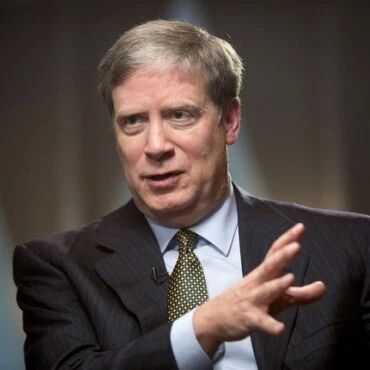
随着特朗普总统宣布沃什为美联储主席人选,华尔街传奇投资者德鲁肯米勒正以一种独特方式成为 全球经济政策最具影响力的人物 ——他的两位关键门生同 时掌控美国财政部和美联储。 这位71岁的亿万富翁在三十年投资生涯中从未经历过亏损年度,如今 他的经济思想正通过门生渗透至美国最高经济决策层。 财政部长贝森特和美联储主席候选人沃什均为德鲁肯米勒的门徒, 德鲁肯米勒与两人保持密切联系,关系被形容为"父子般"。 德鲁肯米勒与沃什的交流尤其频繁,有时一天通话十几次,与贝森特的联系也很频繁。熟悉内情的人士称,两位门生"呼应德鲁肯米勒的语言来传达自己的立 场"。 这种密切关系引发市场关注。华尔街人士普遍认为,美联储主席与活跃投资者之间的直接联系是"相当冒险的"。但影响力的运作往往神秘莫测,德鲁肯米勒长 期主张的财政紧缩和反通胀立场,可能通过门生影响美国经济政策走向。 据华尔街见闻此前文章,德鲁肯米勒十多年来一直警告美国财政赤字问题,称其为"债务炸弹",并猛烈抨击政府在社会保障、医疗补助等福利项目上的"过度支 出"。 疫情期间,他公开批评美联储加息过慢,助长通胀失控。市场人士推测,他可能倾向于现在加息,这或许会让特朗普"有些不快"。 ...
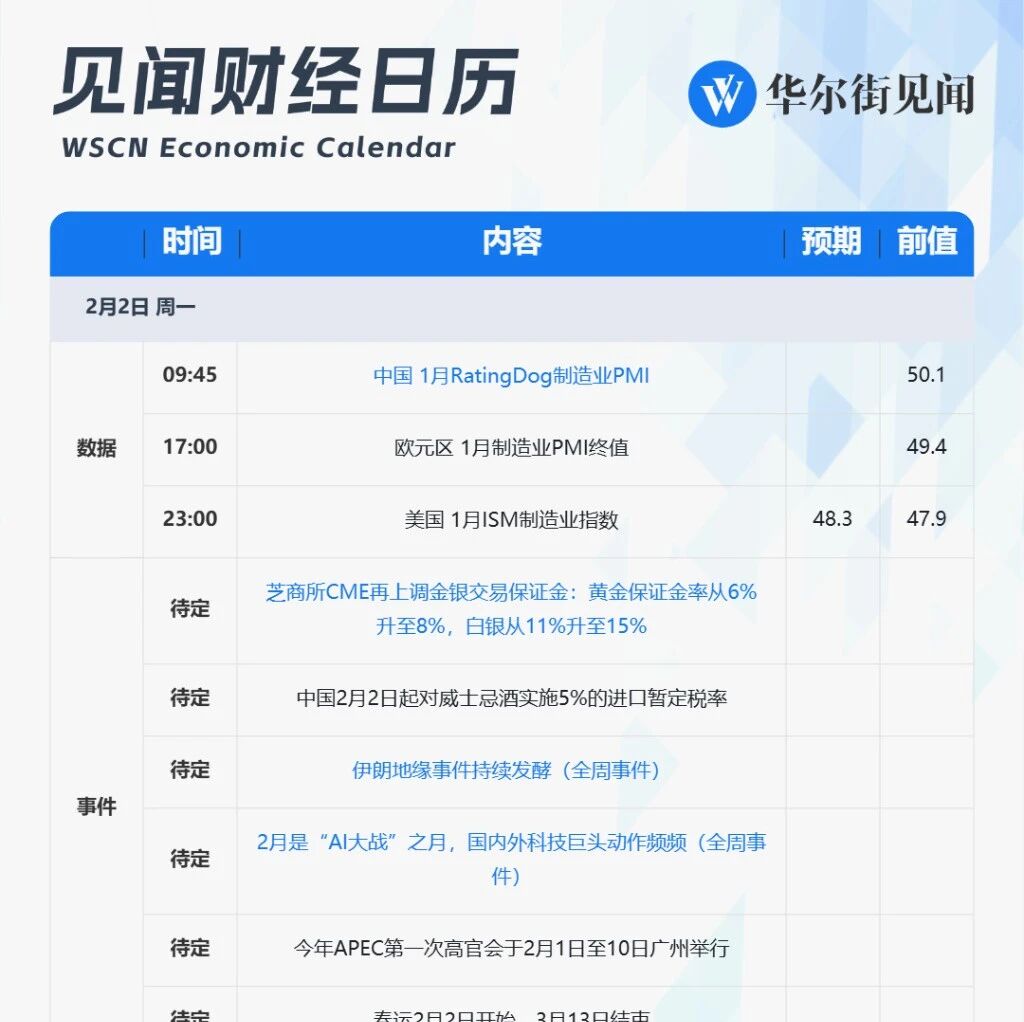
一周重磅日程:美非农、欧英央行决议、日本大选、伊朗局势、谷歌亚马逊AMD财报
华尔街见闻· 2026-02-01 10:01
见闻财经目历 WSCN Economic Calendar | 时间 | 内容 | 预期 前值 | | | --- | --- | --- | --- | | 2月2日 周一 | | | | | 09:45 | 中国 1月RatingDog制造业PMI | | 50.1 | | 17:00 数据 | 欧元区 1月制造业PMI终值 | | 49.4 | | 23:00 | 美国 1月ISM制造业指数 | 48.3 | 47.9 | | 待定 待定 | 芝商所CME再上调金银交易保证金:黄金保证金率从6% 升至8%,白银从11%升至15% 中国2月2日起对威士忌酒实施5%的进口暂定税率 | | | | 待定 事件 | 伊朗地缘事件持续发酵(全周事件) | | | | 待定 | 2月是"Al大战"之月,国内外科技巨头动作频频(全周事 件) | | | | 待定 | 今年APEC第一次高官会于2月1日至10日广州举行 | | | | 待定 | 春运2月2日开始、3月13日结束 | | | | 财报 | 迪士尼 | | | | 2月3日 周二 | | | | | 数据 11:30 | 澳大利亚 政策利率 | 3.85% ...
“终结黄金大牛市的,只能是更大事件!” 美银最新研判
华尔街见闻· 2026-02-01 10:01
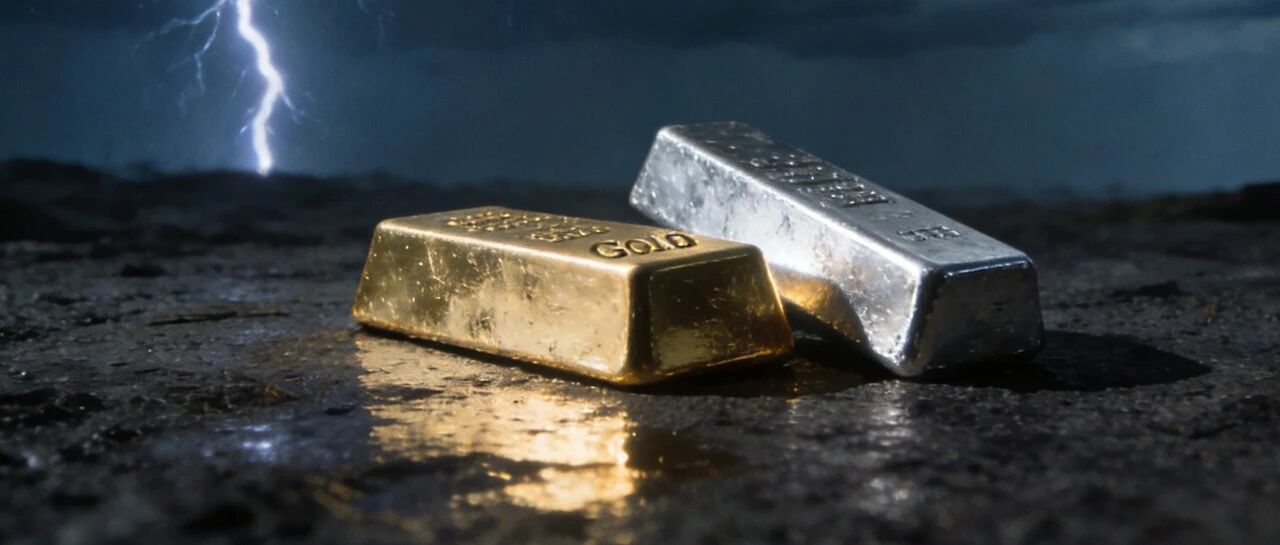
Core Viewpoint - The recent market volatility, including a sharp decline in stocks and a rebound in the dollar, has led to significant drops in gold and silver prices, indicating a turbulent economic environment driven by macroeconomic factors [2][3]. Group 1: Market Dynamics - The chief investment strategist at Bank of America, Michael Hartnett, emphasizes that currency devaluation remains the fundamental scenario, suggesting that despite short-term volatility, the macroeconomic logic supporting the rise of gold and physical assets is still intact [3]. - Investors should be cautious of potential liquidity deleveraging risks in the first half of the year, which could lead to a significant cleansing of "greed" sentiment in the market [4]. - Hartnett notes that since Trump's inauguration, the dollar has actually depreciated by 12%, a trend that is seen as a policy-driven outcome [5]. Group 2: Economic and Political Implications - The weak dollar is viewed as a crucial means to boost manufacturing in swing states like Pennsylvania, Michigan, and Wisconsin, highlighting the intersection of economic and political survival [6][7]. - Historical data shows a strong correlation between presidential approval ratings and dollar performance, with an average decline of 30% in dollar bear markets since 1970, suggesting that gold and emerging market stocks typically perform well in such environments [7]. Group 3: Investment Strategies - Hartnett advocates for a shift from the traditional 60/40 stock-bond strategy to a "permanent portfolio" consisting of equal parts stocks, bonds, gold, and cash, which has shown impressive returns of 8.7% over ten years, the best performance since 1992 [9][10]. - The "permanent portfolio" achieved a remarkable 23% return in 2025, marking the best year since 1979, underscoring the importance of including gold and cash in asset allocation during times of currency devaluation and inflation volatility [11][15]. Group 4: Future Outlook - Hartnett predicts that the investment trend of the 2020s will be dominated by war, inflation, protectionism, and wealth redistribution, with current gold price levels indicating negative real interest rates in the U.S. [16]. - He warns that a significant capital outflow could occur if non-U.S. investors reduce their holdings in U.S. equities and government bonds by just 5%, potentially impacting the U.S. economy given its current account and budget deficits [19]. - Looking ahead to 2026, Hartnett suggests a "BIG + MID" strategy, focusing on Bitcoin, international stocks, gold, and mid-cap stocks, aiming to capture asset classes that may outperform in the new macroeconomic paradigm [22].


暴涨、火爆、崩盘--金银领衔主演,2026年市场“开年大戏”格外精彩
华尔街见闻· 2026-01-31 06:28
除贵金属外,其他共识交易同样承压。周五美元指数创下5月以来最大单日涨幅,重创做空美元的投资者。新兴市场股市相对美股的表现创同期以来最差水 平;备受追捧的AI交易也出现动摇。 数万亿美元的资金在短时间内快速流转,沉重的仓位配置几乎不留容错空间。Manulife John Hancock Investments联席首席投资策略师Emily Roland表示: 任何以抛物线方式上涨的东西,通常也会以抛物线方式下跌,很大程度上感觉是动量、技术面和情绪驱动的。 拥挤交易蔓延多个市场 在零售投资者涌入与机构仓位拥挤并存的华尔街时代,本周市场证明了共识的脆弱性——当交易拥挤到极致时,即便小幅波动也能引发剧烈震荡。 华尔街见闻提及,周五特朗普提名沃什出任美联储主席,引爆了贵金属"血洗"。黄金暴跌10%, 过去两天抹去了5万亿市值 。 现货白银一度暴跌37%,现货铂 金重挫逾16%,纽铜则回吐昨日全部涨幅。 (金银铜铂1月份走势) 在近来金银价格连续飙升后,拥挤的多头头寸、创纪录的看涨期权购买量以及极端的杠杆水平,令市场处于随时可能触发"伽马挤压"的状态。Pepperstone高级 研究策略师Michael Brown表示: ...
贵金属崩盘、美元走高!华尔街想搞明白:沃什“是敌是友”?
华尔街见闻· 2026-01-31 03:46
Core Viewpoint - The article discusses the significant market volatility triggered by the potential appointment of Kevin Warsh as the new Federal Reserve Chair, highlighting investor uncertainty regarding his policies and their implications for asset pricing [3][5]. Market Reactions - On Friday, silver experienced a drop of over 30%, marking its largest single-day decline since March 1980, while gold fell by 11%, the worst day since January 1980. The dollar index rose by 0.9%, and the 10-year Treasury yield increased to 4.24%. The S&P 500 index dipped by 0.4%, and the Russell 2000 index, sensitive to liquidity, fell by 1.5% [3][6]. Warsh's Policy Contradictions - Warsh's seemingly contradictory stance of advocating for quicker interest rate cuts while also pushing for a reduction of the Fed's balance sheet has raised concerns among investors. This dual approach could significantly impact risk assets, as a rapid balance sheet reduction may counteract the benefits of lower interest rates [5][6]. Concerns Over Balance Sheet Reduction - The primary worry on Wall Street revolves around Warsh's attitude towards the Fed's balance sheet. His past as a "hawk" on inflation and recent calls for faster rate cuts, combined with his insistence on balance sheet reduction, lead some investors to believe that this could undermine the stimulative effects of rate cuts [7][8]. Support from Investment Leaders - Despite market concerns, some top investors view Warsh positively, emphasizing his independence and ability to withstand political pressure. They believe he could provide a rational voice in the Fed, which may help stabilize market sentiments [9][10]. Shift in Market Sentiment - The recent market movements indicate a reversal in the "currency devaluation trade," where the strong rebound of the dollar and the collapse of precious metals suggest that investors are regaining confidence in U.S. assets. This shift reflects the complex emotions surrounding Warsh's potential policies [10]. Internal Fed Dynamics - The Federal Reserve's decision-making process is influenced by committee voting, and recent dissent among members regarding interest rate decisions could signal significant changes ahead. This internal division may increase uncertainty in future market decisions [11]. Need for Time to Digest Signals - The market requires additional time to fully understand and react to the complex signals presented by Warsh's potential leadership, indicating ongoing volatility as investors assess his policy implications [12].

黄金白银史诗级暴跌!发生了什么?
华尔街见闻· 2026-01-31 01:14
Core Viewpoint - The article discusses a significant drop in gold and silver prices, attributed to the market's reaction to Trump's nomination of Kevin Warsh as the Federal Reserve Chairman, which is perceived as a hawkish choice, leading to a stronger dollar and reduced appeal for dollar-denominated commodities [1][3][14]. Group 1: Market Reaction - Gold prices fell sharply after reaching a historical high, with a drop of nearly 13%, marking the largest intraday decline since the early 1980s [1][11]. - Silver, which had previously surged past $120, saw its price plummet over 35%, the largest recorded drop in history [1][11]. - The entire metals market was affected, with copper also experiencing a significant decline of nearly 6% after reaching record highs [1][11]. Group 2: Federal Reserve Policy Expectations - The market's sell-off was driven by a sudden shift in expectations regarding Federal Reserve policy, with Warsh's nomination seen as a signal against aggressive rate cuts [3][4]. - Analysts noted that Warsh's hawkish reputation, despite recent support for rate cuts, contributed to a rebound in the dollar, making dollar-denominated commodities less attractive [4][18]. Group 3: Market Vulnerability - The dramatic price drop highlighted the extreme vulnerability of the precious metals market, which had been characterized by crowded long positions and record levels of bullish options buying [7][8]. - Analysts indicated that the market had become highly speculative, with a potential for a "gamma squeeze" that could exacerbate price movements [20][22]. Group 4: Technical Indicators and Market Sentiment - Prior to the crash, technical indicators suggested that gold and silver were overbought, with the Relative Strength Index (RSI) for gold reaching a historic high of 90 [24]. - Despite the sharp decline, both gold and silver recorded substantial gains for January, with gold up approximately 9% and silver over 10% [24]. Group 5: Mining Stocks and ETFs - The drop in precious metals prices led to significant declines in major mining companies, with stocks like Newmont and Barrick Mining falling over 10% [26]. - Silver ETFs experienced even greater losses, with some funds seeing declines of over 60%, marking their worst single-day performance [26]. Group 6: Future Outlook - Some analysts view the recent pullback as a healthy correction, suggesting that the rapid price increases necessitated a consolidation phase [26]. - There are indications that buying opportunities may arise as prices stabilize, particularly for silver, which is expected to benefit from industrial demand and supply shortages [26].





提名沃什,特朗普:他会是最伟大的美联储主席之一!
华尔街见闻· 2026-01-31 01:14
特朗普在社交平台Truth Social上宣布了这一消息,并在帖文中对凯文·沃什表达了极高的认可与期待。他表示, 自己与沃什相识已久,毫不怀疑其将成为最伟 大的美联储主席之一,甚至可能是最优秀的一位; 同时提到,沃什的形象气质完全契合美联储主席这一职位的公众期待,坚信其不会让大众失望。 当地时间周五, 特朗普总统宣布将提名凯文·沃什担任下届美联储主席,接替5月任期届满的现任主席鲍威尔。 这位曾在2017年被特朗普弃选的前美联储理 事,在改变长期坚持的鹰派立场、公开支持降息后,终于在55岁时获得了这一全球金融界最具影响力的职位。 沃什曾在2006年至2011年担任美联储理事,并在2017年被特朗普考虑提名主席时落选。此次获得提名的关键在于,这位一度以通胀鹰派著称的经济学家在 2025年公开转向支持降息,与特朗普的政策立场保持一致。 沃什的任命将使美联储的传统独立性面临考验,许多经济学家和投资者担忧,白宫对货币政策的影响正在加剧。 不过,这并不能保证美联储政策立即转向,利率决策由12名联邦公开市场委员会成员投票决定。消息公布后, 交易员继续预期美联储今年将降息两次。 美债 维持跌势,10年期收益率上行2个基点至4 ...
油价大反转来了?巴克莱:"过剩危机"是假象,原油多年牛市即将开启!
华尔街见闻· 2026-01-31 01:14
据追风交易台,在"原油将迎来史诗级过剩"的共识声浪中,巴克莱给出了一个明显逆市场的判断:眼下市场所担忧的供给过剩,规模被高估、持续时间被夸 大。 在巴克莱看来,当前并不是原油熊市的起点,而更像是多年上行周期前的"最后一次情绪错配"。 巴克莱明确指出,国际油价将在2026年下半年开启一轮持续数 年的上行周期。 市场为何会误判?"过剩叙事"本身就站不住脚 过去一年,市场反复引用 IEA、EIA 的供需预测,认为 2026 年全球原油市场将出现 300–400万桶/日 的供给过剩。但巴克莱强调, 如果过剩真实存在,应当 首先反映在库存之中 。 然而,现实数据并不支持这一判断,巴克莱认为,现实数据并不支持这一判断。 第一,所谓"4百万桶/日过剩",在现实中根本没有出现。 无论是陆上商业库存,还是海上浮仓、在途原油,都明显低于这些模型所暗示的水平。 价格本身也给出了答案——布伦特油价并未跌入市场反复预期的40–50 美元区间,而是表现出明显韧性。 真正的拐点不在当下,而在"非OPEC供给范式"发生变化之后 如果说短期的分歧来自对"库存与需求"的误读,那么巴克莱真正看多原油的底层逻辑,指向2026年之后的供给结构变化。 ...