华尔街见闻

Search documents
闪崩!黄金跌破5000,白银跌16%,是短暂调整还是趋势反转?
华尔街见闻· 2026-01-30 10:04
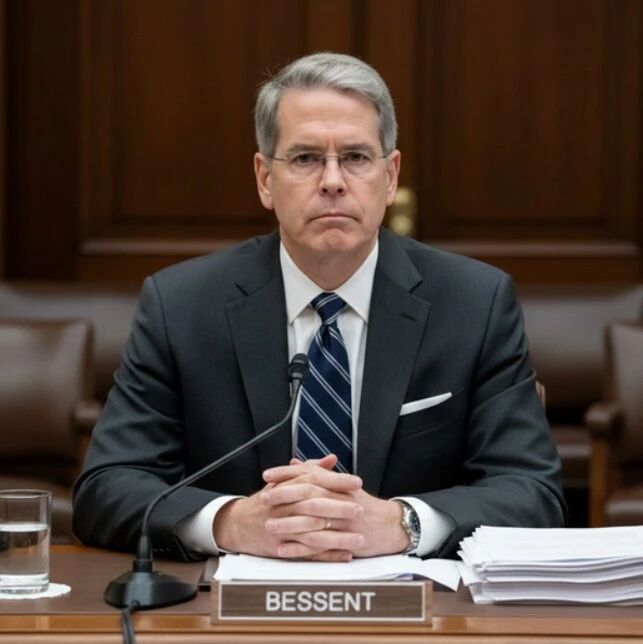
受美联储人事变动预期及获利回吐压力影响,贵金属市场周五遭遇剧烈抛售,金银价格从历史高位大幅回落,结束了此前势不可挡的连创纪录行情。 这一突发性逆转表明,在经历了"融涨"式的单边上行后,市场对货币政策边际变化的敏感度正显著提升。 据华尔街见闻提及,市场消息称美国总统特朗普计划提名沃什出任美联储主席,这一消息成为触发市场避险情绪逆转的关键催化剂。由于沃什长期以鹰派立场 著称,投资者迅速重新定价美联储未来的政策路径,推动美元指数走强及美债收益率攀升,直接压制了无息资产贵金属的吸引力。 受此影响,现货黄金价格日内一度暴跌7%,跌破每盎司5000美元。 现货白银跌势也十分惨烈,日内跌超16%,跌破100美元/盎司大关。 此次行情的直接导火索来自华盛顿的政策信号。据媒体报道,特朗普政府正筹备提名凯文·沃什出任美联储主席,并计划于美东时间周五上午正式宣布。 沃什 的提名被市场解读为对美联储抗通胀立场的强化。 彭博策略师Brendan Fagan指出,对沃什领导下的美联储的评估始于其过往记录,这对面临风险溢价上升的美国市场而言是一个积极信号。 Fagan认为, 虽然沃什的任命本身并不直接意味着货币政策的即刻转变,但这将实质性 ...


超越零食:从鸣鸣很忙看消费渠道的价值重估
华尔街见闻· 2026-01-30 04:12
Core Viewpoint - Mingming Hen Mang officially listed on the Hong Kong Stock Exchange, becoming the "first stock of bulk snack food" in the Hong Kong market, with a first-day performance that saw its opening price rise over 88% from the issue price, reaching a market capitalization of over HKD 90 billion [2][3]. Industry Outlook - The bulk snack food sector has rapidly risen to become a significant force in mainstream retail channels, driven by efficiency innovations and a retail business model transformation that aligns with current consumer demands [8]. - The industry is transitioning from a focus on scale expansion to refined operations and ecosystem capabilities, with a shift towards rational competition emphasizing growth quality and profitability starting in 2025 [5][10]. Company Growth Dynamics - Mingming Hen Mang's business model includes direct sourcing from manufacturers, eliminating redundant distribution layers, resulting in a cost advantage where its product prices are approximately 25% lower than traditional supermarkets [9]. - The company has strategically positioned 59% of its stores in county and town markets, enhancing consumer accessibility and purchase frequency [9]. - The average store offers at least 1,800 SKUs, double that of comparable supermarkets, and the rapid introduction of new products meets diverse consumer preferences, transforming shopping into an enjoyable experience [9]. Competitive Advantages - Mingming Hen Mang has established a digital-driven, complex operational system that simplifies retail processes while maintaining high operational efficiency [18][19]. - The company has a total of 9,552 franchisees, with an average of 2.04 stores per franchisee, indicating a robust franchise ecosystem [20]. - The integration of cost control, digital capabilities, and franchisee support has created a structural moat that is difficult to replicate [22][25]. Value Transition - The company is evolving from a leading retail channel to a key infrastructure that empowers the entire industry chain, driving long-term growth potential [26]. - With over 200 million members and a high retention rate, the company provides predictable sales for partners, optimizing production plans and reducing waste [28]. - The ability to leverage real-time consumer data for product innovation has led to successful market launches, exemplified by the rapid sales of a new sesame-flavored product [29]. Long-term Development - The bulk snack food industry is still in its growth phase, with significant potential for expansion, as evidenced by the theoretical capacity for 86,000 stores nationwide [12][14]. - The company’s ongoing enhancements in procurement and product differentiation will strengthen its competitive edge and support the development of high-margin businesses [31][32]. - As a leading player in the bulk snack food market, Mingming Hen Mang has built a long-term competitive advantage distinct from traditional retail models, with substantial potential for further growth [33][34].

特朗普:今晚官宣!他将是美联储新主席?市场押注其胜率飙至95%
华尔街见闻· 2026-01-30 04:12
美联储主席人选宣布在即, 美联储前理事 沃什( Kevin Warsh) 获提名概率超8成,另有消息称特朗普政府正筹备提名沃什出任主席,德银预测其将开启"降 息缩表"时代。 30日,据央视新闻,当地时间29日,据一位知情人士透露,前美联储理事凯文·沃什当天前往白宫,与美国总统唐纳德·特朗普会面。另一位知情人士透露,这 位前美联储理事给特朗普留下了深刻印象,特朗普正在筛选人选,以接替将于5月卸任的美联储现任主席杰罗姆·鲍威尔。 由于沃什长期以偏鹰派立场著称,这一预期迅速推升美元和美债收益率,并对商品价格形成压制。内外盘期货普遍下行,贵金属成为跌幅最为集中的品种。 | 纽约金CFD | 5219.90 11:34:06 | -134.90 | -2.52% | | --- | --- | --- | --- | | USGC | | | | | 细约银 | 110.14 | -4.28 | -3.74% | | lssn | 11:34:03 | | | | 现货白银 | 110.18 | -5.21 | -4.52% | | XAGUSD | 11:34:00 | | | | 现货黄金 | 5196.50 | ...
闪迪电话会:“数据中心将成NAND最大市场”,CEO称“无法满足需求”但拒绝盲目扩产
华尔街见闻· 2026-01-30 04:12
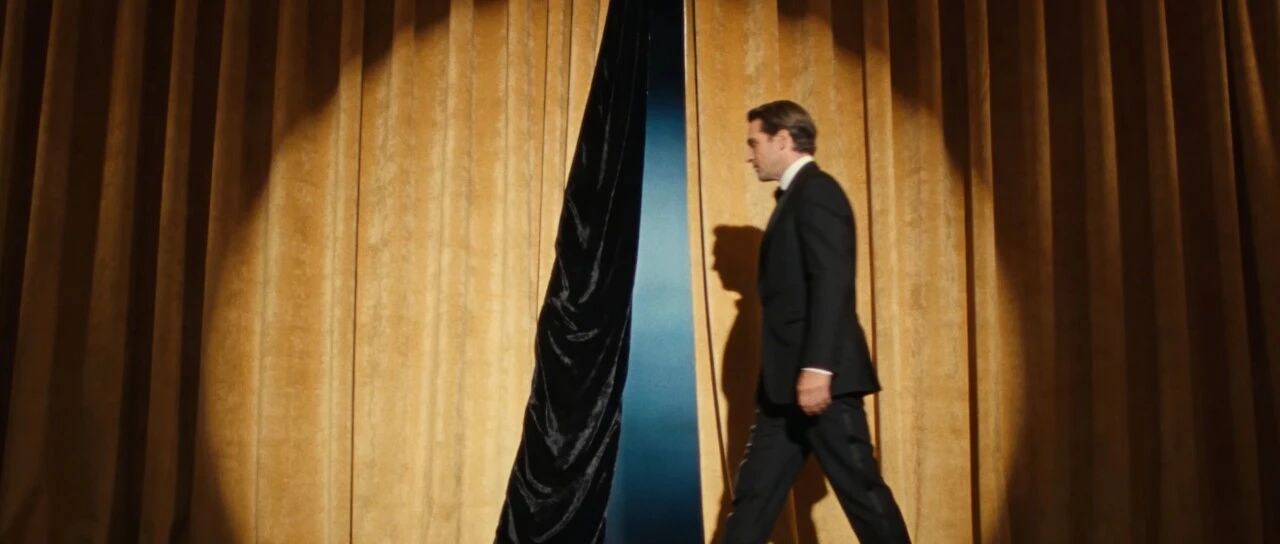
面对盘后一度飙升15%的股价,公司管理层在电话会中不仅确认了全面超出预期的亮眼业绩,更向市场传递了一个明确信号: AI对存储的需求并非昙花一现, 而是一场正在发生的结构性变革。 不仅是热度,更是真金白银:"数据中心2026年将成NAND最大市场" 市场最关心的问题在于:AI的热度是否已经转化为实际的营收?存储究竟是短期行情还是长期结构性变化? AI重塑NAND行业:"NAND成为AI基础设施的关键组件" 电话会上,CEO戈克勒更是直接给出了对行业变化的判断。他表示: "NAND现在被视为满足全球存储需求不可或缺的技术。" "这正在推动供应商与客户之间的商业关系发生根本性的变化。" 他进一步指出,随着AI在数据中心和边缘侧的部署不断扩大,存储的作用已经发生变化: 对此,闪迪CEO戴维·戈克勒(David Goeckeler)在会上直言: "这是第一次,数据中心预计将在2026(日历)年首次成为NAND的最大市场。" 美股周四盘后,存储巨头闪迪(SanDisk)召开2026财年第二季度财报电话会议。 这或意味着,过去十几年由智能手机和PC主导存储周期的时代即将结束,AI基础设施建设成为了新的核心引擎。随着AI推理 ...
“这行情你可能一辈子遇不到!” 中国投资者把铜“买飞了”
华尔街见闻· 2026-01-30 04:12
这一戏剧性的行情让资深市场人士感到震惊。据彭博,拥有三十年铜市场经验的前Trafigura Group 交易员 Mark Thompson 表示:"这样的行情一辈子可能只 能遇到一次,我们距离2万美元的铜价仅差一次供应中断。" 中国资金驱动"历史性"行情 中国投资者正在大宗商品市场掀起巨浪,推动上海期货交易所(SHFE)成交量激增。 截至上周,1月份已创下上期所六大基本金属有史以来最繁忙的月度记录,周四铜的单日成交量更是达到了历史第二高位。 在中国投资者强劲买盘的推动下,铜价创下十六年来的最大单日涨幅,大宗商品市场正在经历一场罕见的历史性狂欢。 周四下午,铜价一度飙升11%,首次突破每吨14500美元的历史高位,随后在高位出现急剧回调。自12月初以来,铜价已累计上涨约21%。 此次暴涨恰逢美元汇率跌至四年多来的最低点,促使中国投资者大规模转向大宗商品市场,从锡到白银等各类金属价格均被推向历史新高。 这波由中国交易员 主导的买盘在伦敦时间凌晨2:30引爆市场,伦敦金属交易所(LME)铜价在不到一小时内上涨超过5%,六大基本金属指数收盘创下历史纪录。 这波行情具有明显的时段特征。伦敦金属交易所(LME)的初始暴涨 ...

微软盘中暴跌12%,市值蒸发4300亿美元,为何?
华尔街见闻· 2026-01-30 00:28
Core Viewpoint - Microsoft's latest earnings report showed that both revenue and profit exceeded Wall Street expectations, yet the stock price dropped over 12% in intraday trading, resulting in a market cap loss of $430 billion, marking the second-largest single-day market cap loss in U.S. history [2] Financial Performance - For Q2 of fiscal year 2026, Microsoft reported revenue of $81 billion, a 17% year-over-year increase, surpassing market expectations by 1% [5] - Non-GAAP EPS was $4.41, reflecting a 23% year-over-year growth, exceeding market expectations by 5% [5] - Azure cloud business grew by 38% at constant currency, slightly above Wall Street's forecast of 37% [5] Capital Expenditure Concerns - Microsoft's capital expenditure reached $37.5 billion for the quarter, a 66% year-over-year increase, exceeding market expectations by 9% [6] - Investors expressed concerns over the rising capital expenditures, which were expected to drive significant Azure growth that did not materialize immediately [6][8] - Goldman Sachs noted that Microsoft's strategy involves prioritizing first-party applications and internal R&D over short-term Azure revenue growth [6][10] Azure Growth and Capacity Constraints - Microsoft management indicated that Azure is currently facing capacity constraints rather than a lack of demand [13] - Goldman Sachs emphasized that Azure's growth guidance of 37%-38% should be viewed as a reflection of capacity allocation rather than pure demand [13] - If Microsoft had not allocated capacity to first-party applications, Azure's revenue growth could have exceeded 40% [14] AI Product Development - The commercialization path for Copilot is becoming clearer, with a 160% year-over-year increase in M365 Copilot seats, reaching 15 million paid seats [15] - Copilot is expected to have a better customer lifetime value to customer acquisition cost ratio compared to Azure, due to its higher gross margins and customer stickiness [15] Valuation Adjustments - Goldman Sachs adjusted Microsoft's valuation model, lowering the target price from $655 to $600 based on limited visibility on capital expenditure translating into revenue growth [7][16] - Key downside risks include lower-than-expected revenue contributions from the OpenAI partnership, prolonged ramp-up times for internal chip production, and potential leadership changes [16]
“若GPU管够,增速早超40%!”微软电话会回应市场担忧:我们缺产能,不缺订单
华尔街见闻· 2026-01-29 09:29
Core Viewpoint - Microsoft reported strong Q2 FY2026 earnings with revenue of $81.3 billion and EPS of $4.14, exceeding Wall Street expectations, yet the stock price fell over 6% post-announcement due to concerns over high capital expenditures and slower growth in cloud services [2][3]. Group 1: Financial Performance - Microsoft’s capital expenditures surged approximately 66% year-over-year to a record $37.5 billion, raising investor concerns about the return on investment (ROI) in relation to Azure's revenue growth of 39% [3][5]. - The company emphasized that the current growth limitation is not demand but supply, indicating a tight supply-demand relationship in the market [3][6]. Group 2: Strategic Insights - CFO Amy Hood stated that if all newly launched GPUs were allocated to Azure, growth rates would exceed 40%, highlighting a resource allocation challenge between external customer demands and internal AI product needs [5][6]. - CEO Satya Nadella stressed the importance of customer lifetime value (LTV) over short-term growth in individual business units, advocating for a balanced approach to resource allocation [7][8]. Group 3: AI and Product Development - Microsoft reported a 160% year-over-year increase in paid seats for Microsoft 365 Copilot, reaching 15 million users, and a tenfold increase in daily active users, countering concerns about declining AI tool usage [9][10]. - GitHub Copilot also saw a 75% increase in paid subscribers, indicating strong growth in AI productivity tools across both consumer and business sectors [11]. Group 4: Cost Management and Infrastructure - Microsoft introduced its self-developed Maya 200 accelerator, claiming a 30% reduction in total cost of ownership (TCO) compared to existing hardware, as part of its strategy to control AI infrastructure costs [12][13]. - The company highlighted the critical role of data storage and management in AI, with Microsoft Fabric achieving an annual revenue run rate exceeding $2 billion and a 60% year-over-year growth [15]. Group 5: Market Outlook - Microsoft expressed strong confidence in long-term AI demand, framing the current landscape as a "arms race" for computing power, where efficiency in deployment will determine market leaders [16][17].


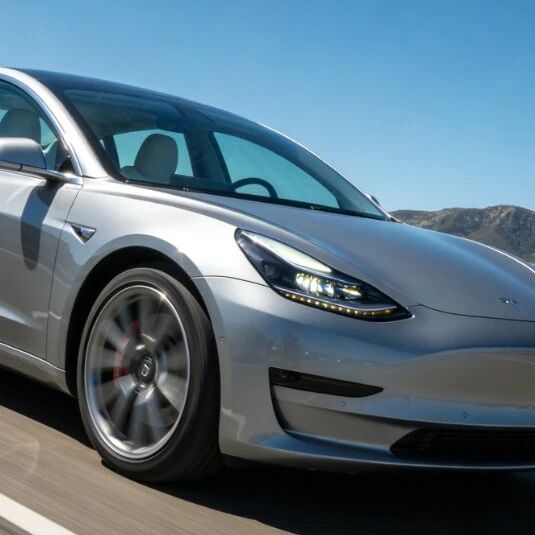
特斯拉停产,Model S/X全力转向AI,将发布第三代人形机器人Optimus
华尔街见闻· 2026-01-29 09:29
马斯克表示,特斯拉最早推出的两款高端车型将在下一季度结束生产,获得"光荣退役"。此举意在腾出加州弗里蒙特工厂的产能,转而用于建立一条年产能达 100万台的人形机器人Optimus生产线。 马斯克直言,公司正在迈向一个"基于自动驾驶的未来",并强调现在是预订这两款绝版车型的最后时机。 除了产品线的重大调整,特斯拉进一步深化了与马斯克旗下另一家公司xAI的绑定。除了确认20亿美元的投资外,双方还达成了一项"框架协议",旨在探索更深 层次的合作。特斯拉表示,这一合作将有助于提升其自动驾驶技术、车载娱乐体验以及制造机器人的研发能力。 与此同时,公司披露2026年将是"巨大的投资年",资本支出(Capex)预计将超过200亿美元,主要用于算力基础设施、电池供应链及AI芯片的建设。 特斯拉正在加速剥离传统汽车制造商的身份,全力押注自动驾驶与人形机器人业务。 特斯拉周三盘后公布的第四季度财报电话会议透露出激进的战略转型信号,马斯克宣布将 永久停产旗舰车型Model S和Model X ,并确认了向人工智能(AI) 公司xAI投资20亿美元的计划。 数据显示,去年这两款车型仅占特斯拉159万辆总交付量的3%。马斯克表示,尽管 ...

通义+阿里云+平头哥,阿里用“通云哥”复刻谷歌AI护城河
华尔街见闻· 2026-01-29 09:29
1月29日,平头哥官网悄无声息地更新了。 平头哥官网上线 "真武" PPU 一款名为" 真武810E"的高端AI芯片静静上线,这颗曾在央视 新闻联播 画面中一闪而过的阿里自研 PPU,终于不再遮遮掩掩。 阿里筹谋已久的 AI战略拼图,至此揭开全貌——通义实验室、阿里云、平头哥,三者组成的"通云哥"黄金三角,第一次完整地站到了聚光灯下。 全球科技圈正在达成一个新共识 , 未来的 AI竞争,拼的不 再 是单一模型,而是 "算力+算法+基础设施"的系统工程。 此前,全球只有谷歌一家同时握有顶尖自研芯片 (TPU)、世界级云平台(Google Cloud)和头部大模型(Gemini)。 现在,阿里成了第二个 。 通义实验室负责模型,阿里云提供基础设施,平头哥输出底层算力。 三者在软硬件层面深度咬合,把算力效率榨到了极致 , 这套组合拳下来," 1+1+1>3"的系统级效应自然显现。 在摩尔定律放缓、高端芯片供应链受限的当下,谁能把每一滴算力都榨干,谁就握住了 AI时代的定价权。 "通云哥"正在为阿里构建新的AI护城河。 阿里 "通云哥" 的 黄金三角 "通云哥"是阿里AI战队的代号,由三块核心拼图紧密咬合。 第一块拼 ...


贝森特表态“不干预”,市场抛售日元更“无所顾忌”了?
华尔街见闻· 2026-01-29 09:29
美国财政部的一句话,正在削弱日元最后一道"心理防线"。 据追风交易台,野村在最新外汇策略报告中指出,美国财政部长贝森特公开否认美方正在进行外汇干预,等于间接拆掉了此前压在美元/日元上的"干预预期 锚",令市场在做空日元时,少了一层顾忌。 从市场反应看,这一表态并非象征性。1月28日贝森特在CNBC直言"Absolutely not"之后,美元/日元迅速反弹,从152.7附近拉升至153.8一线,几乎抹去此前 因"纽约联储查价"传闻引发的跌幅。 真正被击穿的,并不是点位,而是"干预预期" 此前一周,美元/日元从160附近快速回落,很大程度并非基本面逆转,而是市场高度警惕两件事: 美方是否已通过纽约联储"查价",为联合干预铺路 日本财务省(MOF)是否已悄然入场买入日元 另一条防线来自日本自身。 但野村强调,贝森特的表态实质上弱化了第一条假设。即便纽约联储确实进行过查价,那也只是流程性动作,并不等同于已经、或即将干预。 结果是:美元/日元的"政策风险溢价"被迅速压缩,做空日元重新变成一笔"性价比更高"的交易。 日本是否已经干预?数据给出的答案是:证据不足 野村通过日本央行每日资金账户数据估算发现,在美元/日元大幅 ...