国家能源局

Search documents
媒体报道丨推进“人工智能+” 融合应用 推动构建新型能源体系
国家能源局· 2025-11-04 06:28
Core Viewpoint - The article emphasizes the integration of artificial intelligence (AI) with the energy sector, highlighting the transition from a "one-way empowerment" model to a "mutual advancement" approach, where AI supports energy transformation while also relying on stable energy supply for its development [3][4]. Group 1: AI and Energy Integration - The relationship between AI and the energy sector is evolving, with AI's energy consumption projected to reach 3.5% of global energy use in the future, indicating a shift in focus from chip shortages to energy supply as a critical bottleneck for AI development [3]. - AI is becoming a key enabler for the transformation of the energy system, addressing challenges such as the volatility of renewable energy sources and the inefficiencies of traditional energy systems [3][4]. Group 2: Challenges in AI Implementation - The main bottleneck for AI application in the energy sector lies in the complexity of manufacturing core scenarios, necessitating deeper integration of AI with multidisciplinary knowledge to create adaptable infrastructure [4]. - Achieving true "mutual success" requires overcoming these challenges through a combination of AI technology and practical industry needs [4]. Group 3: Pathways for AI and Energy Fusion - The National Pipeline Group is advancing AI integration in energy infrastructure through three main pathways: precise forecasting, intelligent scheduling, and digital operation and maintenance [5]. - These initiatives aim to enhance energy supply accuracy, optimize energy flow and reduce operational costs, and improve infrastructure reliability through predictive maintenance [5]. Group 4: Systematic Support for AI Applications - The National Pipeline Group is focusing on core elements such as computing power, data, and models to build four foundational platforms: computing platform, large model platform, intelligent agent platform, and knowledge platform [8]. - The implementation of AI has led to significant improvements, such as reducing pipeline production planning time from four hours to minutes and achieving high accuracy in gas supply and sales predictions [8]. Group 5: Future of Energy Enterprises - AI is positioned as a core catalyst for reshaping energy enterprises, shifting the focus from experience-driven to data-intelligent operations [9][10]. - The National Pipeline Group aims to integrate oil and gas networks with renewable energy and intelligent scheduling to create a new type of energy infrastructure, facilitating a strategic transition from traditional operators to new energy service providers [10].

署名文章 | 郑栅洁:高质量做好“十五五”规划编制工作
国家能源局· 2025-11-03 02:44
郑栅洁 习近平总书记指出,科学制定和接续实施五年规划,是我们党治国理政一条重要经验,也是中国特色社会主义一个重要政 治优势。党的二十届四中全会审议通过《中共中央关于制定国民经济和社会发展第十五个五年规划的建议》(以下简称 《建议》),对未来五年发展做出顶层设计和战略擘画,高屋建瓴、统揽全局、举旗定向、催人奋进,是乘势而上、接续 推进中国式现代化建设的又一次总动员、总部署。国家发展和改革委员会作为宏观管理和经济综合协调部门,将认真学习 贯彻习近平总书记重要讲话精神,全面落实《建议》部署,扎实做好"十五五"规划《纲要》(以下简称《纲要》)编制工 作,持之以恒推动经济社会高质量发展,奋力开创中国式现代化建设新局面。 一、 充分认识"十五五"时期经济社 会发展具备坚实基础 "十四五"时期,以CR450动车组为代表的一项项重大技术装备项目取得新进展、实现新突破。CR450动车组试验速度可达450公里/小时, 运营速度可达400公里/小时,是全球跑得最快的高铁。图为2025年7月9日,在国家铁道试验中心展区拍摄的CR450BF动车组。 新华社记 者 才扬/摄 过去五年,我们始终沿着党中央明确的社会主义现代化建设新征程砥砺 ...

人民日报丨从用电量看中国发展向新性、稳定性、普惠性
国家能源局· 2025-11-03 01:06
Core Viewpoint - The article emphasizes the resilience and potential of China's economy, highlighting the record electricity consumption as a key indicator of economic strength and modernization [2][10]. Group 1: Electricity Consumption as Economic Indicator - In the first three quarters of this year, China's total electricity consumption reached 7.77 trillion kilowatt-hours, marking a historical high, with July and August both exceeding 1 trillion kilowatt-hours [2][4]. - The increase in electricity consumption serves as a "barometer" for the economy, reflecting the robust economic activity and the transition towards high-quality development [2][6]. Group 2: Sectoral Growth in Electricity Consumption - The primary industry saw a 10.2% year-on-year increase in electricity consumption, leading among the three major industries, indicating a shift towards agricultural modernization through technology [5][6]. - The rapid growth in electricity consumption in the internet data services sector, particularly in southern provinces, with a notable 46.05% increase, underscores the importance of digital economy and data centers [6][10]. Group 3: Technological Advancements and Energy Supply - The article discusses the importance of technological self-reliance and innovation in driving new productive forces, with electricity consumption reflecting advancements in sectors like artificial intelligence and cloud computing [3][8]. - Key breakthroughs in energy technologies and major projects like hydropower stations enhance China's energy supply stability, contributing to economic resilience [10][11]. Group 4: Social and Economic Benefits - The stability of residential electricity prices amidst rising demand illustrates the advantages of China's system, ensuring that the benefits of development are shared among the populace [14][15]. - Major infrastructure projects, such as the South-to-North Water Diversion Project, highlight the commitment to improving living standards and demonstrate the effectiveness of centralized planning [16][18]. Group 5: Global Perspective and Future Outlook - China's experience in achieving universal electricity access for its large population is presented as a model for other nations, emphasizing the importance of sustainable development [17][18]. - The article concludes that by enhancing innovation, stability, and inclusivity, China can transform challenges into opportunities, contributing positively to global stability and development [18].

媒体报道︱2035年国家自主贡献目标 资源、产业、市场 “三大优势”支撑风光装机36亿千瓦
国家能源局· 2025-11-02 05:32
Core Viewpoint - China has set ambitious targets for its energy transition by 2035, aiming for a significant reduction in greenhouse gas emissions and a substantial increase in renewable energy capacity, particularly wind and solar power [3][10]. Group 1: Key Targets and Goals - By 2035, China's greenhouse gas emissions are expected to decrease by 7%-10% from peak levels, with non-fossil energy consumption exceeding 30% of total energy consumption [3][10]. - The total installed capacity of wind and solar power is projected to reach over 360 million kilowatts, which is more than six times the capacity in 2020 [3][10]. - As of September 2023, China's renewable energy capacity is close to 220 million kilowatts, with wind and solar power exceeding 170 million kilowatts [5][6]. Group 2: Implementation Strategies - The 14th Five-Year Plan is crucial for initiating the transition, requiring an annual addition of approximately 20 million kilowatts of wind and solar capacity over the next decade [6][7]. - Strategies include enhancing the supply side by developing renewable energy bases and increasing offshore wind power, while also improving the quality of energy consumption through integration with traditional industries and emerging sectors [7][9]. - The implementation will involve a multi-mechanism approach, ensuring collaboration between renewable energy consumption targets and market mechanisms [8][9]. Group 3: Systemic Changes and Industry Support - The new contribution goals reflect a systemic and ambitious approach, expanding the focus from carbon dioxide to other greenhouse gases and from energy combustion to a broader economic scope [10][11]. - China's energy activities account for approximately 77% of total greenhouse gas emissions, indicating that achieving targets in the energy sector is critical for overall emission reductions [10][12]. - The country possesses a robust renewable energy industry, with significant resources and a complete industrial chain, which supports the ambitious installation targets for wind and solar power [12][13].
媒体报道︱今年我国高用电量常态化特征明显 折射经济强大韧性和活力
国家能源局· 2025-11-02 05:32
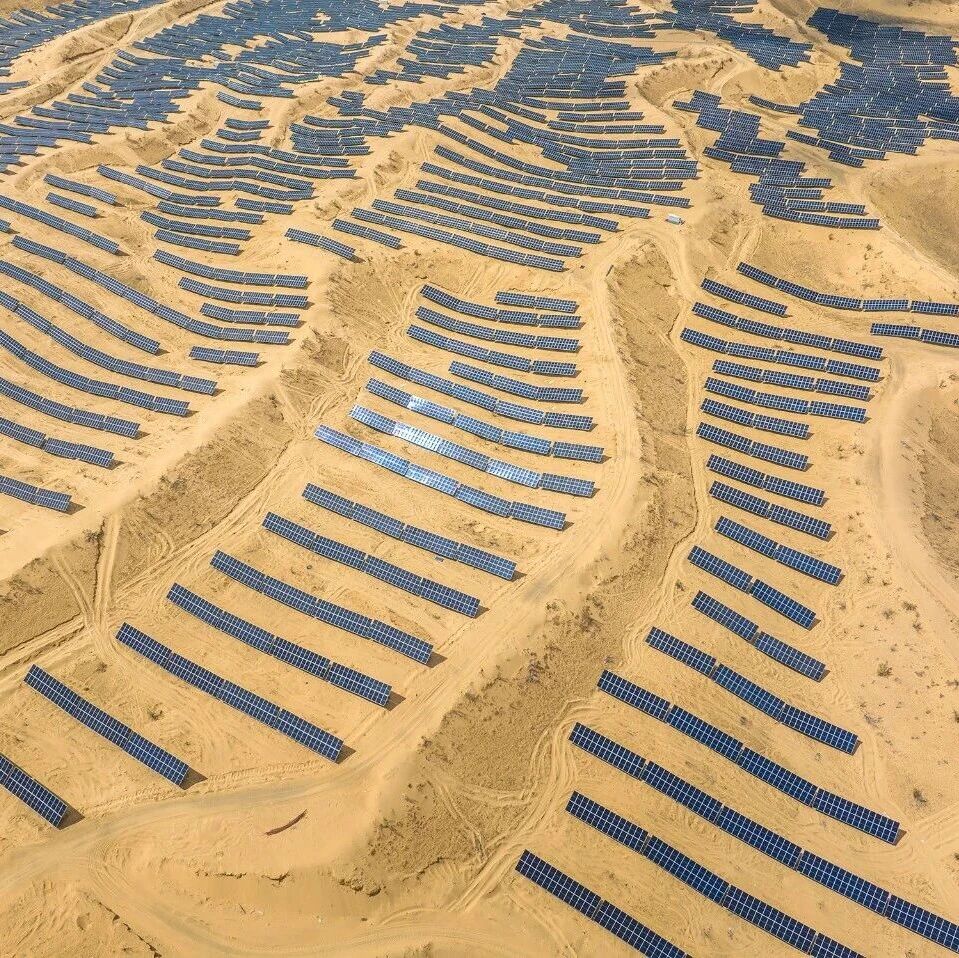
Core Insights - In July and August, China's electricity consumption exceeded 1 trillion kilowatt-hours for two consecutive months, setting a world record, indicating strong economic resilience and vitality [2][3] - The peak electricity load during summer reached new highs, with the maximum load on August 21 hitting 1.506 billion kilowatts, approaching historical extremes [3][4] Economic Indicators - Electricity consumption serves as a "barometer" for economic performance, reflecting a recovery in the macro economy and continuous capacity release across various industries [3] - The high temperatures and humidity this summer posed new challenges for electricity supply, with the highest load recorded earlier than in previous years [3][4] Regional Performance - All regional power grids in China set new load records during the summer, with the East China grid leading in both the number of new highs and load levels, recording 6 new highs [3][4] - A total of 23 instances of new load highs were recorded across the country, an increase of 3 compared to the previous summer [3][4] Supply Measures - The National Energy Administration implemented targeted supply measures for nine key regions, ensuring effective electricity supply during peak summer demand [4] - In the first half of the year, 17 million kilowatts of supportive power sources were put into operation, providing a solid foundation for summer supply [4] - Enhanced midday output from renewable energy sources contributed to approximately 30% of the electricity load, demonstrating improved capacity [4]

媒体报道︱全国多地为何出现负电价?国家能源局作出回应→
国家能源局· 2025-11-02 05:32
Core Viewpoint - The article discusses the phenomenon of negative electricity prices in China's power market, highlighting its increasing frequency and implications for both consumers and power producers [2][5][11]. Group 1: Understanding Negative Electricity Prices - Negative electricity prices occur when the market clearing price for electricity falls below zero, indicating an oversupply of electricity [2]. - Recent instances of negative prices have been observed in regions such as Sichuan, Shandong, and Inner Mongolia, with Sichuan experiencing a peak negative price of -34.8787 yuan per megawatt-hour [2][5]. - The rise in negative prices is attributed to the rapid growth of renewable energy sources like wind and solar, which have low operational costs, leading to aggressive bidding in the market [4][5]. Group 2: Market Dynamics and Impacts - The current electricity market in China is characterized by a significant increase in supply from renewable sources, with hydropower in Sichuan seeing a 34.7% year-on-year increase in output [4]. - In contrast, electricity demand has decreased, with a reported 18.1% year-on-year drop in net electricity supply in September, leading to the emergence of negative prices [4]. - Experts indicate that negative prices reflect a temporary imbalance in supply and demand, and while they may seem alarming, they serve as a signal for market adjustments and investments in energy storage and demand response [8][11]. Group 3: Implications for Consumers and Producers - Despite negative prices, consumers, particularly industrial users, will not receive free electricity, as their costs include additional charges beyond the market price [7]. - Power producers are not necessarily losing money due to negative prices, as long-term contracts and government subsidies help stabilize their revenues [7][11]. - The article emphasizes that negative prices should be viewed as a market signal that can drive improvements in energy system efficiency and renewable energy integration [8][11].
关于2025年9月全国新增建档立卡新能源发电(不含户用光伏)项目情况的公告
国家能源局· 2025-11-01 08:03
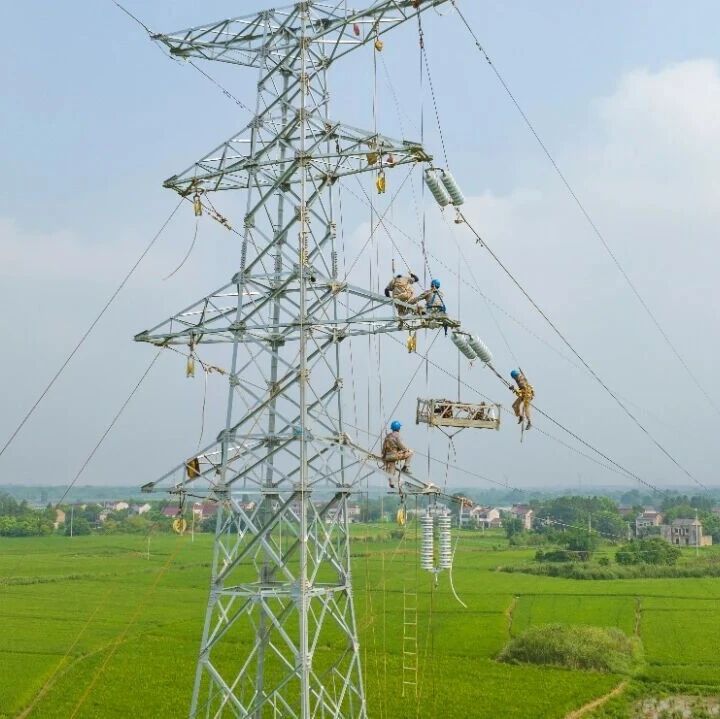
Core Insights - In September 2025, a total of 7,218 new renewable energy projects were registered nationwide, with 32 wind power projects and 7,184 solar power projects (including 34 centralized solar projects and 7,150 distributed solar projects) [1][2]. Summary by Category Wind Power - A total of 32 new wind power projects were added across various regions [3]. Solar Power - Centralized solar power projects accounted for 34, while distributed solar power projects made up the majority with 7,150 projects [1][3]. Biomass Power - Only 2 new biomass power projects were registered [1][3]. Regional Breakdown - The regional distribution of projects shows significant variation, with notable contributions from: - Shanxi: 2 wind, 5 centralized solar, and 2,724 distributed solar projects, totaling 2,731 projects [3]. - Guangdong: 1 wind, 1 centralized solar, and 574 distributed solar projects, totaling 576 projects [4]. - Other regions like Beijing, Tianjin, and Qinghai reported no new projects [3][4].

习近平在亚太经合组织第三十二次领导人非正式会议第二阶段会议上的讲话(全文)
国家能源局· 2025-11-01 06:51
Group 1 - The article emphasizes the importance of strengthening digital intelligence to create new advantages for innovation and development in the Asia-Pacific region, highlighting the need for high-quality development of the digital economy and the activation of data as a foundational resource [2][3] - It advocates for the establishment of a World Artificial Intelligence Cooperation Organization to promote beneficial, safe, and equitable development of AI, aiming to enhance AI literacy and bridge the digital divide in the Asia-Pacific region [3] - The article stresses the necessity of adhering to green and low-carbon principles to establish a new paradigm for sustainable development, urging developed economies to provide support to developing economies in terms of funding, technology, and capacity building [3][4] Group 2 - It calls for inclusive development by emphasizing the importance of policy communication and practical cooperation to achieve the United Nations' 2030 Sustainable Development Agenda, focusing on poverty eradication and shared prosperity [4][5] - The article mentions Korea's initiative to address demographic changes, which is expected to promote inclusive development in the Asia-Pacific region, alongside China's commitment to enhancing population services and developing the silver economy [4][5] - It concludes with a call for collaboration among all parties to build a community in the Asia-Pacific region based on innovation, coordination, green development, openness, and shared benefits [5]

新闻发布︱新华社:总数突破1800万个!前三季度电动汽车充电基础设施发展呈现三大成效
国家能源局· 2025-11-01 03:03
Core Insights - The total number of electric vehicle charging facilities in China reached 18.063 million by the end of September 2025, marking a year-on-year growth of 54.5%, effectively supporting the charging needs of 40 million new energy vehicles [2] Group 1: Charging Service Capacity - The charging service capacity has significantly improved, with a total rated power of public charging facilities reaching approximately 200 million kilowatts, an increase of 59.2% since the beginning of the year, and an average power of about 44.4 kilowatts, up by 26.9% [2] - As of September 2025, 68,000 charging facilities have been built in highway service areas, contributing to the overall increase in charging infrastructure [2] Group 2: Technological and Business Innovations - Breakthroughs in new technologies and business models have been achieved, with over 37,000 high-power charging facilities (greater than 250 kW) established, enhancing charging speed significantly [3] - Intelligent charging technology has made progress, with 17 provinces conducting large-scale pilot applications for vehicle-grid interaction [3] Group 3: Policy Support and Market Dynamics - The National Development and Reform Commission and the National Energy Administration have issued a "Three-Year Doubling Action Plan" for electric vehicle charging facilities, aiming to double the charging service capacity by the end of 2027 [3] - Among the top 10 charging operators in the country, 8 are private enterprises, which manage 70.7% of the public charging stations [3] - The National Energy Administration has introduced policies to enhance safety management of charging facilities and promote the scientific planning of high-power charging infrastructure [3]
新闻发布︱新华社:前三季度全国可再生能源新增装机同比增长47.7%
国家能源局· 2025-11-01 03:03
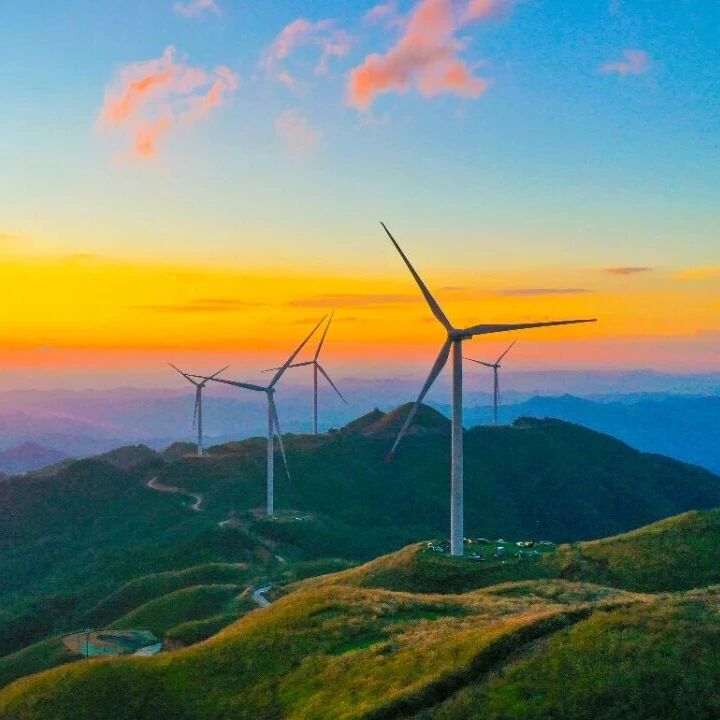
Core Viewpoint - The article highlights the significant growth in renewable energy capacity and generation in China, emphasizing the government's commitment to carbon neutrality and energy security through the expansion of renewable energy sources [2][3]. Group 1: Renewable Energy Capacity - By the end of September 2025, China's newly installed renewable energy capacity reached 310 million kilowatts, a year-on-year increase of 47.7%, accounting for approximately 84.4% of the total new capacity [2]. - The breakdown of new installations includes 7.16 million kilowatts from hydropower, 61.09 million kilowatts from wind power, 240 million kilowatts from solar power (including solar thermal), and 1.05 million kilowatts from biomass power [2]. - As of September 2025, the total installed renewable energy capacity in China approached 2.2 billion kilowatts, reflecting a year-on-year growth of 27.2%, representing about 59.1% of the country's total power generation capacity [2]. Group 2: Renewable Energy Generation - In the first three quarters of 2025, the total renewable energy generation reached 2.89 trillion kilowatt-hours, marking a year-on-year increase of 15.5%, which accounted for around 40% of the total electricity generation [2]. - This renewable energy generation supported approximately 60% of the industrial electricity consumption during the same period [2]. Group 3: Investment in Energy Projects - In the first eight months of the year, investment in key energy projects reached 1.97 trillion yuan, reflecting a year-on-year growth of 18.2%, indicating a robust increase in energy project investments [3].