虎嗅APP

Search documents
仲裁利好下,爱美客也难“翻身”
虎嗅APP· 2026-01-31 13:30
Core Viewpoint - The recent arbitration decision allows REGEN, a subsidiary of Aimeike, to sell AestheFill products in mainland China, but this is not a final ruling, and the ongoing dispute over distribution rights remains uncertain [2][8][20]. Group 1: Arbitration and Market Impact - Aimeike's subsidiary REGEN received a procedural decision from the Shenzhen International Arbitration Court, lifting a temporary measure that previously restricted its sales of AestheFill products in mainland China [2][8]. - Since the initial temporary measure was imposed on September 10, 2025, Aimeike's stock price has dropped nearly 30% [3]. - The arbitration dispute began after Aimeike acquired 85% of REGEN for $190 million in March 2025, leading to REGEN unilaterally terminating its exclusive distribution agreement with Dato Medical [6][8]. Group 2: Business Performance - Aimeike has faced a decline in revenue and profit for four consecutive quarters, with Q1-Q3 2025 revenues of 663 million, 636 million, and 566 million yuan, representing year-on-year declines of 17.90%, 25.11%, and 21.27% respectively [11]. - The decline in revenue is attributed to a weakened consumer confidence due to macroeconomic conditions and increased competition in the medical aesthetics industry [14][15]. - Aimeike's main revenue sources, solution and gel injection products, saw significant revenue drops, with total income from these products falling from 9.76 billion yuan in 2024 to 7.44 billion yuan in 2025 [15][16]. Group 3: Future Outlook - The AestheFill product, despite its potential, is expected to contribute only around 300 million yuan in annual sales, which may not significantly offset the revenue decline from Aimeike's core products [17]. - The competitive landscape for botulinum toxin products is also challenging, with established players dominating the market, making it difficult for Aimeike to gain market share with newly approved products [18]. - Overall, Aimeike is likely to continue facing significant performance pressures into 2026, despite the short-term positive impact of the arbitration decision [19][20].



“下一个iPhone级别的创新可能不是眼镜”
虎嗅APP· 2026-01-31 13:30
Core Insights - The article discusses the current state of the global humanoid robot industry and the competitive landscape of AI glasses, highlighting a significant shift in technological power from the West to the East, particularly China [2][4]. Group 1: Industry Overview - The CES event showcased that nearly 90% of hardware manufacturers were from China, indicating China's dominance in the consumer electronics space [2]. - Voxdale, a Belgian engineering firm, plays a crucial role in bridging the gap between prototype development and mass production in the hardware industry, addressing the challenges of scaling and cost efficiency [3][4]. Group 2: AI Hardware Perspective - Tim Dieryckx defines "AI-native hardware" as products where AI is the core essence, meaning that without AI, the product becomes non-functional [7][15]. - Current AI hardware offerings are often criticized for merely being "compute boxes" without real-world applications, particularly in the case of AI glasses, which are seen as more of a gimmick than a revolutionary product [5][21]. Group 3: Market Dynamics and Challenges - The hardware industry faces a "valley of death" where many startups fail to transition from prototype to mass production due to high costs and insufficient market traction [25]. - Key reasons for failure include a lack of understanding of product-market fit, misaligned market positioning, and the fragmented nature of the European market, which complicates scaling efforts [25][26]. Group 4: Recommendations for Entrepreneurs - Chinese hardware entrepreneurs are advised to leverage local advantages, adopt global strategies, and remain vigilant against emerging competition from other regions like India and Europe [34][32]. - The importance of rapid iteration and adaptation in product development is emphasized, contrasting the more rigid approaches often seen in Europe [26].
有意思周报|男子被自己的鼻屎墙划伤后,因严重感染而昏迷住院;打屁股、殴打和窒息等情节的色情片数量在过去25年间显著上升
虎嗅APP· 2026-01-31 12:00
Group 1 - The Michelin Guide predicts seven major dining trends for 2026, indicating a shift in flavor preferences from sour to bitter, with chefs increasingly using ingredients like chicory and seaweed to enhance taste [38][40]. - The use of fire in cooking is becoming more prominent, with chefs favoring techniques that utilize embers and wood to extract pure flavors and create visual appeal [41]. - There is a trend of reinterpreting traditional dishes with new cooking techniques and innovative plating, making home-style flavors more exciting [42]. Group 2 - The importance of service is growing, with traditional table-side service gaining popularity among consumers, reflecting a desire for interactive dining experiences [43][44]. - Ingredients that require time to prepare, such as fermented foods and aged fish, are gaining attention for their complex flavors [45]. - There is a revival of nostalgic small restaurants, with a focus on local expressions of retro dining experiences [46]. - The diversification of culinary tastes is accelerating, with flavors from Thailand and China becoming increasingly significant, moving beyond traditional French and Japanese cuisines [47]. Group 3 - A recent study published in the Journal of Sex Research indicates a significant increase in aggressive themes in pornography over the past 25 years, with nearly 44% of popular videos featuring some form of physical aggression [19][20][23]. - The study highlights that the frequency of aggressive content has tripled in the last decade compared to the early 2000s, with spanking being the primary driver of this increase [23][25]. - The researchers suggest that these changes in content may influence viewers' perceptions of intimacy, sexual boundaries, and the acceptability of violence [28][29]. Group 4 - Japan's suicide rate has dropped below 20,000 for the first time since 1978, with a total of 19,097 suicides reported in 2025, a decrease of 1,223 from the previous year [49][50]. - Despite the overall decline, the number of suicides among middle and high school students has reached a record high, with 532 reported, indicating a troubling trend within this demographic [53][54].


“电力克苏鲁”赢得AI竞争? 中国发电增量已达美国7倍
虎嗅APP· 2026-01-31 09:38
Core Viewpoint - The article discusses the escalating competition among global tech giants for electricity supply, driven by the increasing energy demands of AI development, highlighting China's significant advantage in power generation capacity compared to the U.S. [5][6][12] Group 1: Electricity Demand and Supply Challenges - Tech giants are entering a "power grab" as AI's energy needs surge, with Meta, Microsoft, and Google forming partnerships with nuclear power companies to secure long-term electricity contracts [8][9][11]. - The U.S. energy consumption is projected to reach a historical high of 29,000 terawatt-hours by 2026, while AI data centers are expected to consume 20%-25% of U.S. electricity by 2030 [5][12]. - The average annual electricity growth rate is only 2%-4%, creating a significant supply-demand gap as AI's energy requirements grow exponentially [12][14]. Group 2: U.S. Energy Infrastructure Issues - The lengthy approval process for new energy projects in the U.S. can take 7-10 years, with over 50% of projects being rejected, leading to delays in meeting energy demands [19][20]. - Aging infrastructure, with over 70% of transmission lines built before the 1970s, exacerbates the energy supply issues, particularly in tech-heavy regions like California and Texas [20][21]. - The conflict between tech companies' energy consumption and local residents' electricity costs has led to significant price increases, with some areas seeing a 200% rise in electricity bills [22][24]. Group 3: China's Energy Advantage - China is projected to add approximately 470 gigawatts of new power generation capacity by 2025, seven times that of the U.S., which is only expected to add 64 gigawatts [26][28]. - The establishment of a nationwide power grid in China allows for efficient energy distribution, overcoming geographical limitations and ensuring a stable supply for AI development [29][30]. - The cost of electricity in China's western regions is significantly lower than in the U.S., providing a competitive edge for Chinese AI companies in terms of operational costs [31][32]. Group 4: Strategic Importance of Energy in AI Competition - The article emphasizes that energy supply is becoming a strategic resource in the AI competition, with countries needing robust energy systems to support technological advancements [37][38]. - The geopolitical implications of energy resources are highlighted, with the U.S. engaging in actions to secure energy supplies globally, reflecting the critical role of energy in future technological competition [40].




乔布斯35年前对未来做出的12个核心预测,竟然一一应验
虎嗅APP· 2026-01-31 09:38
Core Insights - The article discusses Steve Jobs' predictions from a 1990 interview, highlighting their accuracy over the past 30 years, particularly in areas like remote work, edge computing, and technology transparency [4][6]. Group 1: Timeless Wisdom - Jobs articulated 12 key insights that have proven to be prescient, including the idea that "computers are bicycles for the mind," emphasizing the amplification of human capabilities through tools [7][10]. - He stated that "tools define what humans can do," suggesting that the development of technology shapes human creativity [7]. - The notion that "real adoption is for non-experts" indicates that technology should be accessible to everyone, not just specialists [9]. Group 2: Nature of Tools - Jobs compared computers to bicycles, arguing that they enhance human efficiency rather than replace it, illustrating the "leverage principle" of technology [11][12]. - He emphasized that the future of tools must align with human intuition, rather than forcing people to adapt to the tools [15][17]. - The article posits that the competition in the future will be between those who effectively utilize AI and those who do not [17]. Group 3: Organizational Restructuring - Jobs predicted the rise of decentralized autonomous organizations (DAOs) and remote work, foreseeing a shift in how teams would operate across geographical boundaries [23]. - He drew parallels between the evolution of electric motors and computing, suggesting that power and computing capabilities would decentralize over time [25][26]. - The article notes that traditional hierarchical structures are becoming obsolete as information becomes more accessible at the individual level [32][35]. Group 4: Product Philosophy - Jobs argued that the adoption of technology is driven by its utility rather than the technology itself, highlighting the importance of making technology useful and creative [42][43]. - He believed that understanding human nature is crucial for predicting technological trends, as successful technologies cater to inherent human desires [48][49]. - The article suggests that those who can blend psychology, sociology, and art with technology will have a better foresight in the AI era [52]. Group 5: Innovation as a Necessity - Jobs viewed innovation as a survival instinct rather than a choice, emphasizing the need for constant evolution in technology and business [55][56]. - He believed that the concept of "death" is essential for innovation, as it paves the way for new ideas and technologies to emerge [62][64]. - The article concludes that in the AI era, companies that cling to outdated practices will likely fail, while those that embrace change will thrive [63].


日销3000杯,把吃饭变“炒股”,年轻人集体上头
虎嗅APP· 2026-01-31 09:38
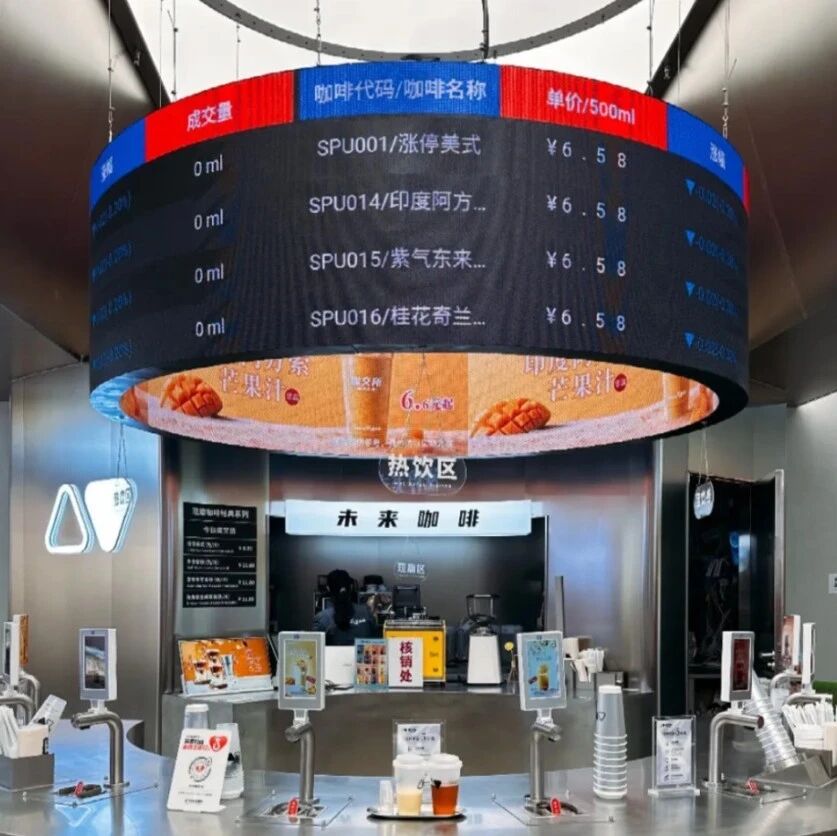
Core Viewpoint - The article discusses the emerging trend of "exchange-style" restaurants, where dining experiences are enhanced by real-time displays of product prices and sales, resembling stock trading environments. This trend is gaining popularity across various types of eateries, including beer and coffee shops, but raises questions about its sustainability and actual consumer engagement [4][5][6]. Group 1: Emergence of Exchange-Style Restaurants - The "exchange" trend began with beer trading venues, notably the Qingdao Beer Exchange, which became popular for its real-time display of beer prices and sales [6][7]. - Over the past six months, numerous beer exchanges have appeared in cities across China, with some attempting to establish chains [8][9]. - The popularity of these venues is evident, with related topics on social media platforms like Douyin garnering over 40 million views [10]. Group 2: Consumer Experience and Engagement - Consumers find the "exchange" concept intriguing and fun, often sharing positive experiences on social media [14][15]. - Initial customer traffic is high, but there are concerns about sustaining interest, especially as seasonal changes affect foot traffic [16][17]. - Some venues have already rebranded or changed their business model due to declining customer numbers after the novelty wore off [16][17]. Group 3: Operational Challenges - The initial investment in smart equipment for these venues is significant, with costs ranging from 35,000 to 400,000 yuan depending on the complexity of the setup [18][19]. - High usage rates lead to increased wear and tear on equipment, raising maintenance costs and operational challenges [20]. - Some establishments have opted for lower-cost solutions, which may compromise the "exchange" experience [21]. Group 4: Pricing Mechanism and Product Quality - The pricing mechanism mimics stock trading, with limited price fluctuations based on sales volume, typically ranging from 5% to 30% [22][23]. - The products offered are often simpler and may lack complexity in flavor, which could affect long-term customer loyalty once the novelty fades [25].
“中式家庭规则怪谈”治好了多少人的思乡之情
虎嗅APP· 2026-01-31 03:54
以下文章来源于那个NG ,作者黄瓜汽水 那个NG . 用关注决定视界|复杂世界的策展人 出品 | 虎嗅青年文化组 作者 | 黄瓜汽水 编辑、题图 | 渣渣郡 本文首发于虎嗅年轻内容公众号"那個NG"(ID:huxiu4youth)。在这里,我们呈现当下年轻人的面 貌、故事和态度。 过年倒计时,想必你的归乡之情正在熊熊燃烧。 团圆固然开心,但,你有没有想过你家其实没那么温馨? 最近一年,短视频平台诞生了一个崭新的视频赛道:中式恶人谷家庭。看完这些中式家庭小品,估计 你连高铁票都懒得抢了。 就算是李白来了,思乡之情也能在1分30秒之内治好。 安徽素来有吃汤饭的习俗,但是现在@杨大牛创作的《孙孙吃汤饭》系列视频,让很多安徽IP再也咽 不下一口汤饭了。 一碗丝瓜汤就像一个导火索,中式家庭的怨气,像鬼火遇到沼气般一触即发。 博主@累子一炮打响的《丝瓜汤》系列,滋养了万千中式家庭的儿女,《中式家庭规则怪谈》正式诞 生。很难想象,一个普通的中式家庭里,竟然云集了菜市场助农者、话题奇袭者、老美谣言散播者和 倒吸冷气者。 中式家庭作为创作的土壤,未免有点太肥沃了。但凡缺乏灵感,给父母打个电话又能笔耕不辍100 天。 视频几乎零 ...

我们不需要100万台“跳舞机器人”
虎嗅APP· 2026-01-31 03:54
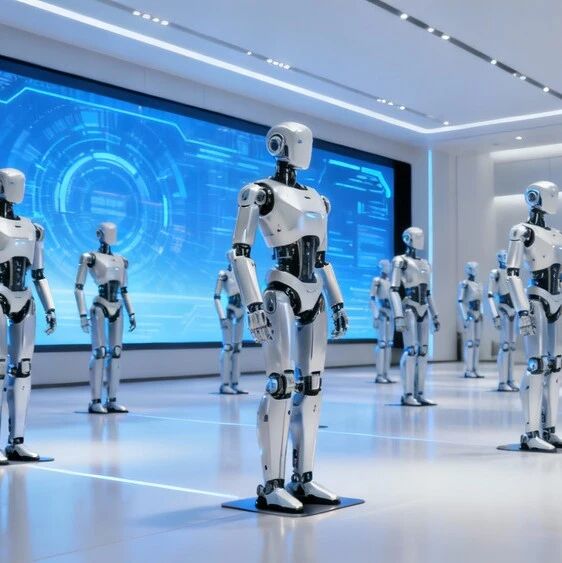
Core Viewpoint - The article discusses the current state and future prospects of humanoid robots, highlighting the discrepancies in projected shipment volumes and the challenges faced by the industry in achieving practical applications beyond entertainment [5][6][12]. Group 1: Market Data and Projections - Omdia's report lists the top three humanoid robot manufacturers for 2025 as Zhiyuan Robotics, Yushu Technology, and Ubtech, with projected shipments of 5168 units, 4200 units, and 1000 units respectively [6]. - Counterpoint's data shows that these three companies hold market shares of 30.4%, 26.4%, and 5.2% in the humanoid robot sector [9]. - Yushu Technology claims its actual shipment volume will exceed 5500 units in 2025, countering external claims of lower figures [12]. Group 2: Industry Challenges - Despite the optimistic projections, the humanoid robot industry is still in its early exploratory phase, with over 140 companies and more than 330 products expected by 2025, indicating a lack of substantial production capacity [12][13]. - The industry faces significant hurdles in application and market acceptance, with many robots currently limited to entertainment functions like dancing, which raises concerns about their practical utility [14][18]. - The need for further development and the high barrier for consumer adoption are evident, as many users report their robots becoming unused after initial excitement [19][20]. Group 3: Development and Innovation - The article emphasizes the importance of product stability and the need for a simplified "proof of concept" (POC) process to enhance deployment efficiency [20][21]. - Current humanoid robots struggle with hardware reliability, often requiring additional support to function properly, which hampers their market readiness [22]. - The potential for humanoid robots to evolve into more functional roles exists, but significant advancements in intelligence and application are necessary for widespread adoption [27][28]. Group 4: Future Outlook - The article suggests that achieving mass production targets, such as the ambitious goal of 1 million units set by Elon Musk for Tesla's Optimus, may be unrealistic in the near term due to existing technological and market challenges [25][28]. - Industry experts believe that the path to scaling production will depend on continuous iteration and improvement of the robots' capabilities, drawing parallels with the electric vehicle industry's growth trajectory [23][27].

新型奥莱,正在“杀死”平庸的购物中心
虎嗅APP· 2026-01-31 03:54
Core Insights - The article discusses the transformation of outlet malls in China, highlighting their evolution from discount-focused shopping destinations to comprehensive lifestyle centers that cater to a wider range of consumer needs and experiences [6][7][18]. Group 1: Market Trends - The sales revenue of China's outlet industry is projected to grow from approximately 126 billion to 248 billion yuan between 2021 and 2025, nearly doubling in five years, showcasing strong resilience during market fluctuations [6]. - The traditional perception of outlet malls is changing, with younger consumers increasingly frequenting these locations for leisure and social activities, rather than just for discounted shopping [31][35]. Group 2: Business Model Evolution - Outlet malls are shifting towards a "one-stop" and "full-format" model, integrating non-retail sectors such as dining and entertainment, which now account for over 40% of offerings in some locations [11][12]. - Brands that previously avoided outlet malls are now entering the space, with examples including lululemon and ON, indicating a shift in inventory strategies where new and full-price items are becoming more prevalent [14][16][17]. Group 3: Consumer Demographics - The influx of younger consumers, particularly families, is revitalizing outlet malls, with family demographics making up 74.51% of visitors in some locations, prompting tailored experiences such as children's activities [34]. - Outlet malls are increasingly adopting immersive experiences and themed events to attract younger audiences, transforming them into social hubs rather than mere shopping venues [35][31]. Group 4: Competitive Landscape - The rise of new outlet formats is putting pressure on traditional shopping centers, which must adapt to maintain their relevance by offering unique experiences or locations that cannot be easily replicated by outlet malls [39]. - The competition is intensifying as new players, including internet giants, enter the outlet space, leveraging their resources to create a scale that challenges established outlet chains [26][28].


中国垃圾真不够烧了:真相,远没那么简单
虎嗅APP· 2026-01-30 13:58
Core Viewpoint - The article discusses the transformation of waste management in China, highlighting the shift from "garbage encirclement" to "not enough garbage to burn," indicating a significant change in waste treatment philosophy and practices [4][34]. Group 1: Waste Management Evolution - The article notes that Shenzhen has become a pioneer in waste management, achieving full incineration of classified household waste, with a total incineration capacity reaching 18,000 tons per day [9][10]. - The Yu Long landfill, which operated for over 20 years, is undergoing a significant remediation project with an investment of 2.17 billion yuan, aiming to convert the site into a public park by 2026 [12][13]. - The shift in waste management philosophy is emphasized, moving from simple landfill solutions to resource recycling and comprehensive remediation efforts [14]. Group 2: Industry Growth and Challenges - The number of waste incineration plants in China surged from 67 in 2005 to 1,010 by 2023, with incineration capacity increasing from less than 30,000 tons per day to 1.11 million tons per day, marking a nearly 40-fold increase [27][28]. - The article highlights a paradox where some regions are experiencing a shortage of waste for incineration, with average utilization rates of incineration capacity around 60% in 2024 [32]. - The competition for waste resources has led to extreme cases of "zero-bid" contracts among incineration plants, indicating a potential oversupply in the industry [33]. Group 3: Broader Waste Management Issues - The article points out that while household waste management has improved, the overall solid waste issue remains critical, with 2.6 billion tons of household waste constituting only 2.4% of the total solid waste generated in China, which exceeds 11 billion tons annually [41][42]. - Industrial solid waste, construction waste, agricultural waste, and hazardous waste present significant challenges, with many types of waste still inadequately managed [54]. - The article discusses the government's new action plan for comprehensive solid waste management, aiming for significant improvements in waste reduction, resource utilization, and harmless disposal by 2035 [56][59].