虎嗅APP

Search documents
中国车企和特斯拉的下一战,战场已定
虎嗅APP· 2026-01-30 13:58
Core Viewpoint - Tesla is shifting its focus towards humanoid robots, with CEO Elon Musk stating that the production of Model S and Model X will be phased out to prioritize the development of the Optimus robot, which Musk believes will underpin 80% of Tesla's future market value [2][3]. Group 1: Tesla's Strategic Shift - Tesla plans to cease production of Model S and Model X, transitioning the Fremont factory to produce Optimus robots [3]. - The introduction of humanoid robots is seen as a critical component of Tesla's new mission, which aims to create a "prosperous and extraordinary world" [2]. - Musk acknowledges that Tesla's main competition in the humanoid robot sector will come from Chinese companies, which are rapidly advancing in AI and robotics [3]. Group 2: Chinese Automakers' Robotics Initiatives - Chinese automakers are actively investing in humanoid robotics, with companies like Li Auto and BYD announcing plans to develop their own humanoid robots [5][6]. - The competitive landscape is intensifying, with various Chinese companies, including Chery and Xpeng, setting timelines for humanoid robot production by 2026 and 2028 [12][13]. - The overlap in technology between electric vehicles and humanoid robots is significant, with around 70% of automotive technology being applicable to robotics [8]. Group 3: Market Potential and Investment Outlook - The global market for humanoid robots is projected to reach $25 trillion by 2050, indicating a massive growth opportunity compared to the automotive sector [9]. - The high degree of technological overlap allows automakers to pivot towards robotics without substantial additional investment, making it a low-cost, high-reward opportunity [9]. - Morgan Stanley reports that China holds a dominant position in the humanoid robot supply chain, accounting for 63% of the market, which could drive down manufacturing costs [14]. Group 4: Competitive Landscape and Challenges - The competition between Tesla and Chinese automakers in the humanoid robot space is expected to intensify by 2027, with both sides having distinct advantages [12][14]. - Tesla's strength lies in its advanced AI algorithms and extensive real-world data, while Chinese companies have demonstrated rapid iteration and cost control capabilities [14]. - Talent acquisition is crucial for success in the humanoid robot sector, with both Tesla and Chinese firms vying for top talent amidst a competitive automotive landscape [17].



金银之后,会轮到铜吗?
虎嗅APP· 2026-01-30 13:58
Core Viewpoint - The article discusses the recent surge in gold prices, which have surpassed $5,500 per ounce, and the implications for industrial metals like copper, suggesting that the dynamics driving these metals are more complex than traditional sector rotation theories [5][6][7]. Group 1: Market Dynamics - The current market is experiencing a significant shift, with copper evolving from a purely cyclical commodity to a strategic asset, influenced by macroeconomic changes and geopolitical risks [10][22]. - The weakening credibility of the US dollar, evidenced by its drop to a four-year low, is prompting investors to seek alternatives, with gold being the primary beneficiary of this sentiment [14][18]. - As central banks reconsider their asset allocations in light of dollar instability, copper is increasingly viewed as a strategic resource rather than just a trading commodity [20][21]. Group 2: Geopolitical Risks - Geopolitical tensions, such as military actions in the Middle East and US-European relations, are contributing to a global supply chain restructuring, which heightens the demand for safe-haven assets like gold and introduces a "geopolitical risk premium" into copper prices [23][27]. - The potential for supply disruptions due to political instability in major copper-producing regions (e.g., Chile, Peru, Congo) adds to the urgency of securing copper as a strategic asset [24][25]. Group 3: Supply and Demand Factors - Current copper inventories are rising globally, particularly in the London Metal Exchange (LME), due to weakened demand from China and higher domestic prices, leading to a surplus in the market [33][34]. - The phenomenon of "deep contango" in copper prices indicates a supply surplus, with immediate delivery prices significantly lower than future contracts, reflecting a lack of current demand [36]. - Despite short-term supply issues, long-term projections indicate a tightening supply due to insufficient investment in new copper mines and declining ore grades, which could support higher prices in the future [45][48]. Group 4: Future Outlook - The article suggests that copper's price dynamics will diverge from traditional inventory-driven models, as it begins to incorporate premiums for its strategic importance and inflation hedging capabilities [62]. - In the short term (1-3 months), copper prices are expected to experience volatility, influenced by macroeconomic factors and geopolitical events, while the long-term outlook remains bullish due to structural supply constraints and increasing demand from sectors like renewable energy and electric vehicles [64][68]. - The interplay between current supply realities and future demand expectations will create a complex pricing environment, necessitating close monitoring of both financial and industrial reports to understand copper's trajectory [74][75].

OpenAI再不上市,财务窟窿就要把巨头们拖垮了
虎嗅APP· 2026-01-30 13:58
Core Viewpoint - OpenAI is facing significant financial challenges, with predictions that it may run out of funds by 2027, leading to various potential scenarios including bankruptcy, IPO, government intervention, or acquisition by other companies [4][11][35]. Financial Situation - OpenAI's weekly active users have surpassed 800 million, but only about 5% are paying subscribers, which translates to approximately 40 million paying users [14][15]. - HSBC estimates that OpenAI will incur at least $792 billion in costs over the next five years for AI infrastructure, necessitating a substantial increase in both user base and paying subscribers to avoid financial collapse [14][23]. - OpenAI's projected revenue for 2025 is $13 billion, a significant increase from $3.7 billion in 2024, but this growth is accompanied by high costs, including $2.5 billion in cash burn and $6.7 billion in R&D expenses [28][30]. Revenue Sources - OpenAI's revenue model relies heavily on subscription income, which may not be sufficient to cover its costs. The company needs to explore additional revenue streams such as advertising, consumer hardware, API services, and enterprise licensing [22][24][25]. - The potential for advertising revenue exists due to OpenAI's large user base, but integrating ads into AI products poses challenges [24]. - OpenAI is also exploring hardware products, with rumors of a pen-shaped device and significant orders placed with manufacturers [24]. Competitive Landscape - OpenAI's market share in the AI chat space is declining, with competitors like Google Gemini gaining traction. ChatGPT's market share dropped from 87.2% in January 2025 to 68% in January 2026, while Gemini's share increased from 5.4% to 18.2% [42][43][45]. - The lack of a "killer app" ecosystem for OpenAI makes it difficult to retain users, especially as competitors develop strong offerings [47]. Funding and Valuation - OpenAI's valuation is projected to be between $730 billion and $750 billion, with a sales multiple of 56 times its revenue, raising concerns about sustainability given its current losses [37][39]. - The company is in a precarious position, needing to secure significant funding to avoid a cash shortfall, with estimates suggesting a potential $207 billion funding gap by 2030 [30]. Government Intervention - Given the strategic importance of AI, there is a possibility of government intervention to prevent OpenAI from collapsing, which could include financial support or direct investment [55]. - However, such intervention could complicate OpenAI's operational freedom and strategic direction, especially in a politically polarized environment [55]. Industry Context - The AI industry is experiencing a massive capital influx, with major tech companies investing over $300 billion in AI infrastructure, leading to a competitive landscape where financial sustainability is increasingly challenging [40]. - The ongoing financial pressures and the need for continuous investment in technology development create a cycle of increasing costs and diminishing returns for AI companies [58].

老登公关该退场了
虎嗅APP· 2026-01-30 10:57
Core Viewpoint - The article discusses the changing landscape of public relations (PR) in the context of the internet and social media, highlighting the challenges faced by traditional PR professionals, particularly in light of recent events involving Xiaomi and a PR expert known as "万能的大熊" [7][13][26]. Group 1: Impact of Social Media on PR - The role of PR has evolved significantly due to the rise of social media, where public figures and company leaders are more visible and accountable for their actions [12][14]. - Traditional PR strategies that relied on managing relationships with media and influencers are becoming less effective as the need for genuine content and engagement increases [14][15]. Group 2: Case Study of Xiaomi and "万能的大熊" - Xiaomi's decision to terminate its collaboration with "万能的大熊" reflects a shift in PR strategy, indicating a move away from traditional methods towards a more transparent and user-focused approach [11][26]. - The incident serves as a warning that outdated PR practices, which relied on personal connections and informal networks, are no longer viable in the current environment [27][28]. Group 3: The Future of PR Professionals - The article suggests that PR professionals who cling to old methods and relationships may find themselves obsolete as the industry demands more accountability and authenticity [27][28]. - The concept of "哥们" (buddies) in PR, which implies leveraging personal connections for business advantages, is being challenged as companies prioritize values and user engagement over traditional networking [17][28].


公司是如何监控员工的
虎嗅APP· 2026-01-30 10:57
Core Viewpoint - The article discusses the pervasive nature of employee monitoring in the workplace, highlighting the technologies and methods used by companies to track employee behavior and the implications for privacy and autonomy [4][17][20]. Group 1: Monitoring Systems - Companies utilize various monitoring systems such as DLP (Data Loss Prevention) and employee behavior management systems to track employee activities [5]. - Monitoring can include tracking website visits, local file storage, and even real-time screen captures, although not all companies activate all features due to cost considerations [7][14]. - The monitoring data is used for two main purposes: daily rule enforcement and post-incident investigations [8][9]. Group 2: Types of Information Monitored - High-priority monitoring targets include company documents, sensitive operations that could lead to data leaks, and employee online behavior [7]. - Companies can monitor all screen content if appropriate software is installed, capturing website visits and interactions [7][13]. Group 3: Reasons for Monitoring - The primary goal of monitoring is to protect company assets and prevent data loss, with additional motivations including enhancing work efficiency and managing public relations risks [17]. - Monitoring can also serve as a deterrent against employee misconduct, such as data theft or inappropriate behavior on social media [17][18]. Group 4: Employee Awareness and Reactions - Employees are generally aware of the monitoring but may not fully understand the extent of it, leading to self-regulation in their behavior [20][22]. - Some employees may attempt to counteract monitoring through various means, such as using virtual machines or altering their behavior to avoid detection [25][26]. Group 5: Legal and Ethical Considerations - The legal framework surrounding employee monitoring is still developing, with many companies operating in a gray area regarding what data can be collected and how it can be used [28]. - There are concerns about the potential for overreach in monitoring practices, particularly when it comes to personal devices and private information [24][28].

洗浴中心,正在洗劫星级酒店
虎嗅APP· 2026-01-30 10:57
Core Viewpoint - The article discusses the significant shift in consumer preferences from traditional hotels to bathing centers, highlighting the latter's ability to provide a more comprehensive and engaging experience for young consumers, which has led to a decline in hotel occupancy rates and revenue [4][8][15]. Group 1: Industry Trends - The bathing industry has shown remarkable growth, with a projected transaction scale exceeding 110 billion yuan by 2025, reflecting a year-on-year growth rate of over 20% [7]. - Young consumers are increasingly choosing bathing centers over hotels for their travel and leisure needs, indicating a shift in lifestyle preferences [6][8]. - Bathing centers are redefining the concept of space utilization, operating around the clock and maximizing revenue per square meter, unlike traditional hotels that struggle with idle room capacity [10][11]. Group 2: Consumer Behavior - Consumers are seeking experiences that offer social value and relaxation, moving away from the traditional hotel model that focuses on privacy and room quality [12][13]. - The bathing centers provide a unique environment that fosters social interaction and relaxation, which is increasingly valued by consumers [14]. - The shift in consumer identity within bathing centers, where individuals can shed societal pressures, enhances the appeal of these venues compared to traditional hotels [14]. Group 3: Competitive Landscape - Hotels face unprecedented competition from bathing centers, which are effectively capturing non-sleeping hours and redefining what constitutes high-value leisure [15][17]. - The traditional hotel model, reliant on room sales, is becoming less viable as consumers demand more integrated and flexible experiences [18][21]. - Successful future hotels must adapt by creating vibrant community spaces and offering services that cater to a broader range of consumer needs beyond just accommodation [18][22]. Group 4: Strategic Recommendations - Hotels need to rethink their business models, focusing on user time management rather than just room sales, to remain competitive in the evolving market [18][23]. - The integration of various services within hotel spaces, such as dining and fitness, can enhance customer engagement and satisfaction [22]. - The evolution of the hotel industry will require a painful but necessary transformation to meet the changing demands of consumers, as evidenced by the closure of traditional establishments [23][24].

AI硬件3个一线信号,决定谁能活过2026
虎嗅APP· 2026-01-30 10:57
Core Insights - The article emphasizes a significant shift in the AI hardware industry, indicating that only products that solve specific problems and have user willingness to pay will survive post-capital frenzy [9][12]. Market Opportunities - Focusing on specific, high-frequency, and payable pain points is more viable than creating "all-powerful" products, leading to a division between opportunity zones and concept zones [11]. - Products like AI recording pens, smart translation headphones, and pet companionship robots represent "AI enhancement of traditional categories," providing immediate and perceivable value [12]. - The AI recording and audio efficiency hardware are identified as core opportunity points for 2026, with examples like the iFlytek headphones addressing business and academic needs [12]. - The pet companionship robot market is characterized by a young female consumer base, but faces challenges due to severe functional homogeneity [13]. - A more complex product design combining robotics and emotional feedback is suggested as a way to differentiate in the pet market [13][15]. Concept Zone - General-purpose humanoid robots and all-functional AI office assistants remain in the conceptual exploration phase, often failing to meet real needs due to high costs and unclear applications [16]. - The necessity of independent AI office devices is questioned, with a potential future shift towards an "AI hub + multiple smart terminals" model [16]. Cost Control - Effective cost control is essential for profitability, with a focus on managing hardware costs, particularly motors and sensors [18]. - The current limitation is not computational power but rather the cost of hardware components, with a recommendation to utilize cost-effective domestic models [18]. - Companies must either incorporate AI functionality costs into hardware pricing or adopt a subscription model to align price and cost [19]. - The supply chain landscape is evolving, with smaller teams facing challenges in assembly and needing to innovate in branding and market positioning [20]. - The growth of domestic AI chips is driven by government and market demands, influencing the technology choices of hardware manufacturers [21]. Commercial Validation - 2026 is highlighted as a pivotal year for commercial validation in AI hardware, where success will be measured by tangible business results rather than flashy concepts [23]. - Sales data, including monthly sales and shipment volumes, are becoming essential metrics for industry players [24]. - A balanced approach between technology and sales is recommended, with a focus on practical applications and market feedback to refine products [25]. - The prevailing business model for AI hardware is expected to be a combination of one-time hardware purchases and subscription-based AI services [26]. Conclusion - The article concludes that the future winners in the AI hardware space will be those who can clearly articulate the specific problems they solve, why users will pay for solutions, and their competitive advantages [28].

存储寡头才是“罪魁祸首”
虎嗅APP· 2026-01-30 00:50
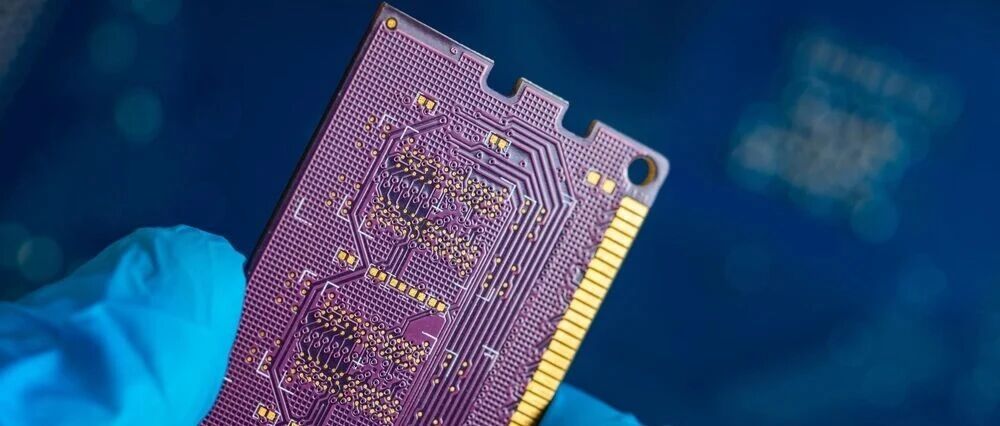
Core Viewpoint - The article discusses the unprecedented profits of storage giants Samsung and SK Hynix, driven by soaring memory prices, and highlights the implications for the broader electronics industry and investment opportunities [5][10]. Group 1: Storage Industry Performance - Samsung Electronics reported an operating profit of 20.1 trillion KRW (approximately 32.37 billion RMB) for Q4 2025, a 209% increase year-on-year, setting a new record for quarterly operating profit in South Korea [6]. - SK Hynix achieved an operating profit of 19.16 trillion KRW for Q4 2025, exceeding initial expectations, with year-end bonuses reaching 640,000 RMB per employee, the highest in the company's history [6]. - The surge in profits is attributed to a significant increase in memory prices, with Samsung raising NAND flash supply prices by over 100% for Q1 2026 [8][7]. Group 2: Market Dynamics and Pricing Power - The storage industry is characterized by oligopoly, with SK Hynix, Samsung, and Micron controlling 93% of the DRAM market share as of Q3 2025 [12]. - The construction of storage wafer fabs takes 2-3 years, making capacity expansion slow and difficult, which contributes to the pricing power of the leading firms [13]. - The competitive landscape has led to a cautious approach to capacity expansion among smaller players, while the three major firms maintain high profit margins through coordinated production strategies [15][16]. Group 3: Future Trends and Investment Opportunities - The demand for high-bandwidth memory (HBM) is expected to grow due to AI applications, with HBM prices typically 3-4 times higher than traditional DRAM [24]. - The article predicts that the storage supercycle will continue until 2027, with ongoing revenue growth for both domestic and international storage companies [29]. - Investment institutions are optimistic about storage manufacturers, with BNP Paribas raising Micron Technology's target price from $270 to $500 [30]. Group 4: Impact on Downstream Industries - The rising storage prices are expected to lead to a significant impact on consumer electronics, with predictions of a decline in smartphone shipments by 7% in 2026 [40]. - Companies like Xiaomi and OPPO have adjusted their shipment targets downward due to increased costs, particularly affecting mid-range devices [43]. - The inflationary pressure from rising storage prices is also anticipated to hinder the rollout of AI hardware in various sectors, including automotive and home appliances [45][51].

再聊聊这波黄金牛市
虎嗅APP· 2026-01-30 00:50
Core Viewpoint - The article discusses the dynamics of gold prices, emphasizing the interplay between monetary policy, central bank gold purchases, and market sentiment, while highlighting the uncertainty in predictions made by industry experts [5][9][10]. Group 1: Gold Price Dynamics - The recent surge in gold prices is attributed to the convergence of the gold cycle, interest rate cuts, and central bank gold accumulation [7]. - Central banks, including China, are increasing their gold reserves, which creates a feedback loop that drives gold prices higher as countries perceive their dollar reserves as depreciating [8]. - Predictions from institutions like Goldman Sachs suggest that gold prices could exceed $5,400 per ounce, reflecting a significant upward adjustment from previous forecasts [10]. Group 2: Monetary Policy and Debt Management - The increase in money supply is not merely due to central banks printing money; rather, it involves complex debt management strategies, often referred to as "debt replacement" [12][13]. - Countries, including the U.S., are not genuinely repaying debts but managing interest payments, leading to a continuous increase in money supply [14][15]. - This ongoing monetary expansion is expected to eventually drive gold prices up, as gold is viewed as a true form of currency compared to fiat money [16]. Group 3: Investment Perspectives - The article suggests that wealthy individuals who invest in gold for long-term holding can benefit from price increases, while typical investors may struggle to profit from short-term trading [22]. - The supply dynamics of gold are characterized by limited production and long-term holding by central banks and trusts, contrasting sharply with silver, which has a more elastic supply due to industrial demand [23]. - The author advises cautious participation in gold investment, emphasizing the importance of learning through experience rather than speculative trading [24][25].

早报 | 字节阿里春节推新AI模型;SpaceX拟与特斯拉或xAI合并;黄金白银深夜巨震;苹果Q4营收和iPhone销售均创新高
虎嗅APP· 2026-01-30 00:50
Group 1 - ByteDance and Alibaba are set to launch new AI models around the Lunar New Year, intensifying competition in China's AI and cloud market [2] - ByteDance plans to release three new models, including large language models and image/video generation, to challenge Alibaba's market position [2] - Alibaba will launch its flagship model Qwen 3.5, which is expected to have strong mathematical and coding capabilities, alongside a major holiday marketing push [2] - The competition is crucial for determining the future landscape of China's AI cloud market, projected to reach nearly $90 billion by 2030 [2] Group 2 - Apple's Q4 revenue reached a record $143.76 billion, a 16% year-over-year increase, exceeding analyst expectations [4] - iPhone sales revenue surged 23% year-over-year to $85.27 billion, also surpassing forecasts [4][5] - Apple's active device installations have exceeded 2.5 billion, indicating high customer satisfaction with its products and services [6] Group 3 - Amazon is in talks to invest up to $50 billion in OpenAI, potentially becoming the largest investor in the current funding round [6][7] - OpenAI is seeking to raise up to $100 billion, which could value the company at $830 billion [6] - The investment discussions are led by Amazon's CEO, indicating a significant strategic move in the AI sector [6] Group 4 - Blackstone Group is reportedly close to becoming the largest shareholder of New World Development, marking a significant shift in control [12] - New World Development has faced financial difficulties, being one of Hong Kong's most indebted developers [12] Group 5 - Huawei announced significant price reductions across its smartphone lineup, with discounts reaching up to 4,000 yuan [13] - The promotional campaign is set to run until February 28, targeting increased sales during the holiday season [13] Group 6 - Microsoft reported strong Q2 results for FY2026, with revenue and profit exceeding Wall Street expectations, but its stock experienced a significant drop [14] - The company's capital expenditures rose 66% year-over-year to a record $37.5 billion, raising concerns about the return on investment in AI [14]