经济观察报

Search documents
低佣金在中国:从何处来,到何处去
经济观察报· 2025-07-28 09:53
Core Viewpoint - The intermediary industry creates value for both manufacturers and users, rather than merely increasing costs for users, highlighting the importance of commissions in the modern economy [1][18][19]. Industry Overview - The intermediary industry is becoming a unique window to observe China's economic transformation amidst the restructuring of the global economic landscape and deep changes in the domestic consumption market [2]. - Compared to developed countries like the US and Europe, China's intermediary industry has significantly lower commission rates [3][5]. Commission Rate Comparison - In China, real estate agency commission rates typically range from 0.5% to 2.7%, while in developed countries, rates can reach 5% to 6% [4]. - For payment processing, China's debit card transaction fees are around 0.35%, with a maximum charge of 13 yuan per transaction, while credit card fees are about 0.45%. In contrast, fees in developed markets like the US can exceed 1.5% to 3% [4]. Market Dynamics - Despite lower commission rates in China, there are frequent complaints from businesses about high intermediary fees, leading to government interventions to lower rates [5][20]. - The low commission structure in China is influenced by intense market competition, government-imposed price ceilings, a large price-sensitive consumer base, and relatively low labor costs [20]. OTA Industry Analysis - In the OTA sector, foreign giants like Booking and Expedia charge commission rates of 12% to 15%, while China's Ctrip has a rate of approximately 4.4% [8]. - The low commission rates in China do not correlate with the declining revenues of the hotel industry, which are attributed to significant changes in supply and demand dynamics rather than high OTA fees [11][14]. Performance Metrics - Key performance indicators in the hotel industry include RevPAR (Revenue per Available Room) and ADR (Average Daily Rate), both of which have seen declines due to increased hotel supply outpacing demand [12][13]. Future Outlook - The future of the intermediary industry hinges on balancing innovation and low commission rates, with a focus on improving overall efficiency and competitiveness through technological advancements and service upgrades [25]. - The ongoing low-commission strategy may lead to adverse effects on the industry, including price wars and reduced profit margins, necessitating a reevaluation of business models [24].


台湾民意向大罢免说不,就是向“台独”说不
经济观察报· 2025-07-28 09:53
Core Viewpoint - The recent large-scale recall election in Taiwan resulted in a significant defeat for the ruling Democratic Progressive Party (DPP), indicating a shift in public sentiment against the "Taiwan independence" stance and the "anti-China" narrative promoted by the DPP [2][3][5][10]. Group 1: Election Outcome - The recall election held on July 26 saw voters reject the recall of 24 Kuomintang (KMT) legislators and the mayor of Hsinchu City, Gao Hongan from the People's Party, signaling a clear disapproval of the DPP's actions [2]. - The election results suggest that mainstream public opinion in Taiwan is moving away from supporting "Taiwan independence" [3][5]. Group 2: Implications for DPP's Strategy - The DPP's campaign slogan of "anti-China to protect Taiwan" was heavily criticized, with the failure of the recall election raising questions about its effectiveness and future viability [4][6][10]. - Concerns have been raised within the DPP regarding the sustainability of the "anti-China" narrative and the feasibility of pursuing "Taiwan independence" in light of the election results [6][8]. Group 3: International Reactions - Observers from Japan noted that the recall election results could imply a weakening of the DPP's "anti-China" stance and raise doubts about Taiwan's commitment to resisting unification with mainland China [8][10]. - The response from the U.S. has not been prominently reported, but it is generally understood that the U.S. focuses more on democratic processes, while Japan is more concerned with the issue of Taiwan's independence [11]. Group 4: Mainland China's Response - The response from mainland China was notably measured, with the Taiwan Affairs Office commenting on the election results a day later, indicating a relaxed attitude towards the developments [15][16]. - The official statement criticized the DPP for its "Taiwan independence" agenda and political maneuvering, suggesting that the election results reflect a disconnect between the DPP's actions and public sentiment [16][18]. Group 5: Future Considerations - A subsequent wave of recall elections is scheduled for August 23, where seven KMT legislators will be subject to voting, raising questions about their ability to withstand similar scrutiny [19][20].

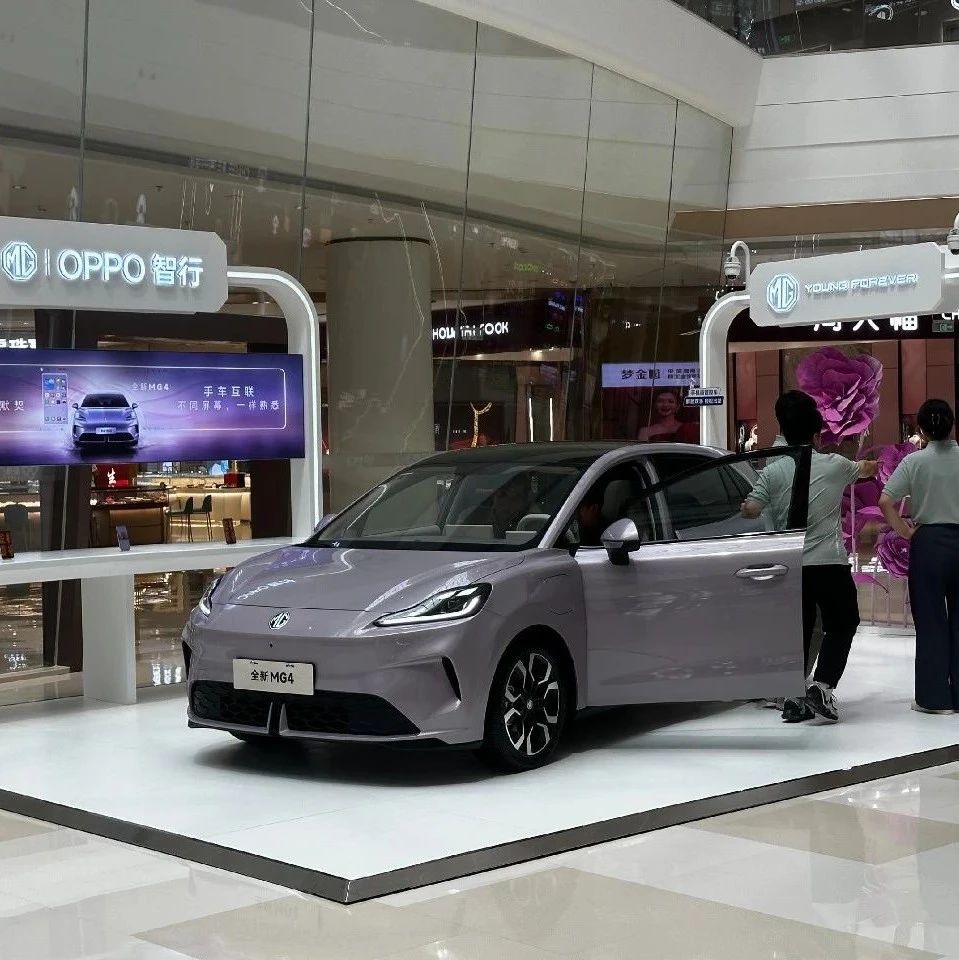
第二个华为鸿蒙智行来了?探访“OPPO智行”版MG4首批店
经济观察报· 2025-07-28 09:53
Core Viewpoint - The collaboration between SAIC's MG brand and OPPO aims to leverage each other's strengths, with MG focusing on vehicle sales and OPPO providing technological integration through its "OPPO Smart Driving" system [3][10][16]. Group 1: Product Launch and Marketing Strategy - The new MG4 is the first vehicle to utilize OPPO's "OPPO Smart Driving" system, which integrates mobile technology into the car [3][7]. - MG has opened its first seven pop-up stores, with plans to expand to over 60 cities by August, targeting both first and second-tier markets [5][6]. - The pop-up stores prominently feature OPPO branding and products, indicating a strong marketing partnership [3][6]. Group 2: Operational Dynamics - The pop-up stores are operated independently by MG staff, emphasizing MG's control over the customer experience while utilizing OPPO's technology [6][9]. - The collaboration allows MG to attract a younger demographic, particularly female consumers, by showcasing the MG4 in a modern retail environment [8][10]. Group 3: Market Context and Challenges - MG's domestic sales have been underwhelming, with retail volumes between 7,000 and 10,000 units from January to June, necessitating a shift towards electric vehicles [11][12]. - OPPO faces its own challenges in the smartphone market, with a 9% decline in shipments in Q1 2025, prompting the need for new growth avenues [12][13]. Group 4: Future Prospects and Strategic Goals - The partnership is seen as a starting point for broader collaboration, with plans to integrate OPPO's technology across various SAIC brands and products [16]. - Both companies aim to create a symbiotic relationship where MG benefits from OPPO's technological expertise and customer base, while OPPO gains access to automotive markets [10][14].

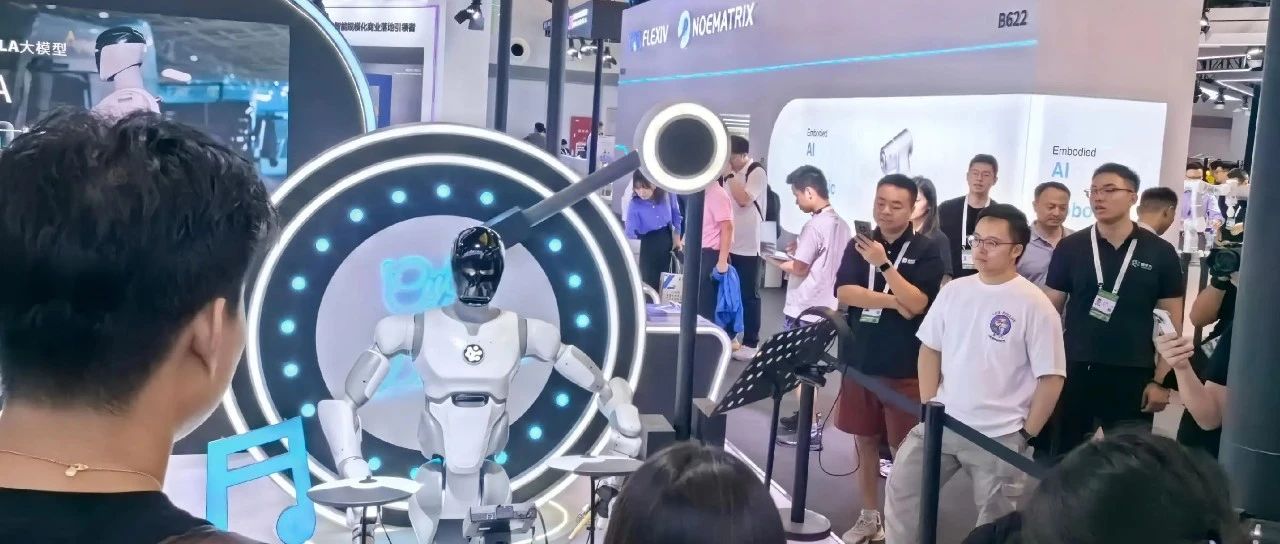
WAIC直击:中国具身智能集体“找工作”
经济观察报· 2025-07-27 13:28
Core Viewpoint - The article highlights the emergence of humanoid robots as they actively demonstrate their capabilities in various roles, marking a significant shift towards their integration into human jobs, particularly in service and industrial sectors [1][3]. Group 1: Humanoid Robots in Service Roles - Humanoid robots are increasingly being showcased as capable of performing service roles, with "waiter" being a common and competitive position [5][6]. - At the WAIC, over 150 humanoid robots were displayed, setting a record for the largest showcase in China [2]. - Robots like "Aibao" from Zhifang are capable of executing complex tasks such as making coffee and ice cream, demonstrating advanced task understanding and execution [6][9]. - "XMAN-R1" from Qinglang is designed to simulate professional bartending, showcasing its ability to mix drinks with precision [6]. - "Xialan," a humanoid robot from Digital Huaxia, engages in emotional interactions with audiences, indicating a shift towards robots that can connect on a personal level [8][9]. Group 2: Robots in Industrial Applications - Robots are also being tested in industrial settings, where their capabilities in dynamic environments are crucial [11][12]. - The robot fighting competition at the WAIC illustrates the advanced motion control and adaptability required for robots to operate in unstructured environments [11][12]. - Industrial robots like "Galbot" and "Aibao" are capable of performing tasks such as sorting and transporting items, showcasing their operational stability and adaptability [13][14]. - The integration of VLA (Vision-Language-Action) models enhances robots' end-to-end capabilities, allowing them to process sensory information and execute actions efficiently [14]. Group 3: Industry Growth and Future Prospects - The intelligent robot industry is experiencing rapid growth, with an estimated average increase of 50% to 100% in the first half of the year [15]. - The market is seeing a continuous release of new robots, indicating a fast-paced development and deployment cycle [15]. - Despite the current excitement around humanoid robots, the industry is still in its early stages, suggesting potential for further advancements and applications [15].
在WAIC 2025看到AI的明天:六个变化,正在发生
经济观察报· 2025-07-27 12:06
Core Viewpoint - The WAIC 2025 highlights the evolution of AI from a tool to a partner, emphasizing the need for a new coexistence relationship as AI becomes more human-like and capable [2][45]. Group 1: Trends Observed at WAIC 2025 - The event showcased six major trends in AI development, including the emergence of collaborative robots, AI as a personal efficiency partner, and the evolution of AI agents from chat tools to task executors [2][4][30]. - The exhibition featured over 800 companies and 3000 exhibits, indicating a clear path for AI development in the post-large model era [2]. Group 2: Embodied Intelligence - Embodied intelligence is transitioning from a display phase to practical applications, with robots capable of executing tasks in real-world scenarios, such as product retrieval and sorting [4][5]. - Companies like Beijing Galaxy General and Shanghai Zhiyuan are leading in this space, showcasing robots that can interact and perform complex actions autonomously [4][5]. Group 3: AI as a Personal Efficiency Partner - Major companies like Huawei, Alibaba, and Baidu are demonstrating how AI can enhance personal capabilities, with Huawei's Ascend 384 super node significantly improving data transmission efficiency [9][10][16]. - Alibaba's Quark AI glasses represent a new form of human-computer interaction, integrating navigation and payment functionalities [12][16]. - Baidu's "Miao Da" platform allows non-technical users to create applications easily, showcasing AI's potential to democratize technology [13][15]. Group 4: Evolution of AI Agents - AI agents are evolving from simple chat tools to sophisticated task executors, with platforms like Baidu's NOVA enabling digital assistants to perform complex tasks in real-time [18][20]. - The MiniMax Agent demonstrates capabilities in understanding requirements and executing tasks across various applications, indicating a shift towards more functional AI systems [20][24]. Group 5: Startup Landscape - The "AI Six Dragons" have shown a diversification in strategies, with companies like Jiyue Xingchen and MiniMax presenting clear product strategies and technical capabilities [23][24]. - New entrants like Flowith are gaining attention for their innovative approaches to AI interaction, focusing on non-linear thinking and collaborative problem-solving [41][44]. Group 6: Human-Centric AI - AI is increasingly being designed to connect with human emotions and enhance work efficiency, as seen in products from companies like SenseTime and Kingsoft [30][32][33]. - The shift from AI as a mere tool to a more human-like partner is evident, with products designed to engage emotionally and assist in complex tasks [36][38]. Group 7: Emerging AI Stars - New startups like Flowith are emerging as significant players in the AI interaction space, focusing on innovative user experiences and rapid product development [41][44].


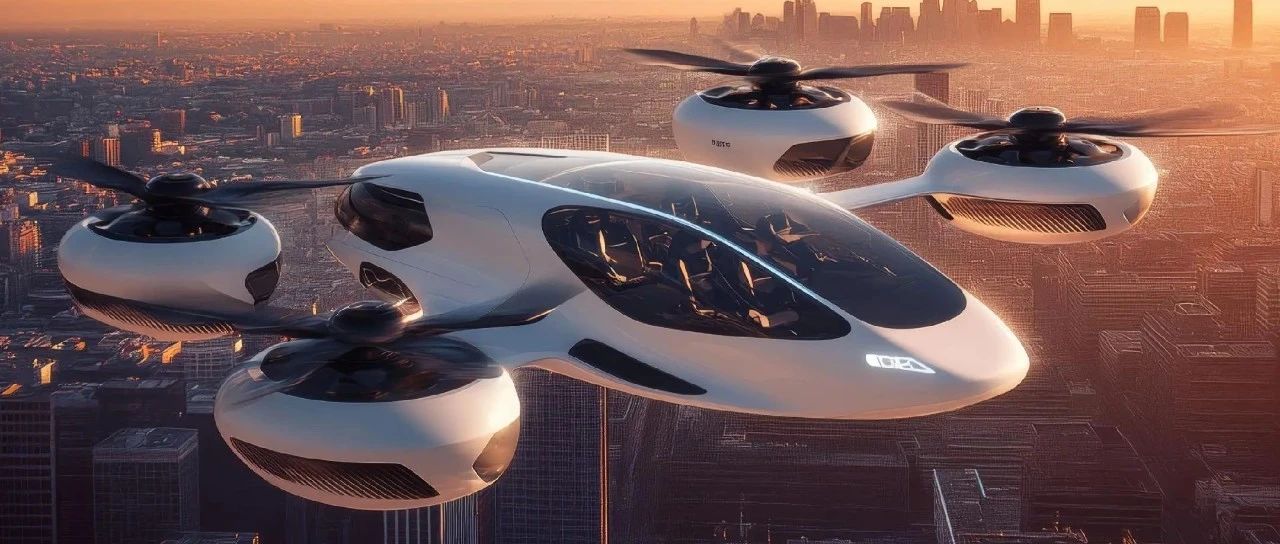
27.5亿美元海外大单之后,eVTOL继续“探路”
经济观察报· 2025-07-27 10:46
Core Viewpoint - The eVTOL industry is transitioning from merely being able to fly to ensuring sustainable, compliant, and profitable operations, facing significant challenges in airspace management, operational regulations, and route planning [2][6]. Group 1: Industry Challenges - The eVTOL industry is experiencing a shift from focusing solely on aircraft manufacturing to addressing systemic challenges related to continuous and compliant flight operations [2][6]. - The first major challenge is the scarcity of airworthiness certification resources, with over 700 drone manufacturers and more than 800 models needing certification, while there are fewer than 400 certified personnel available [13]. - The second challenge involves the complexity of airspace management, particularly in densely populated areas like Shanghai, where airspace is tightly controlled and requires careful coordination among various authorities [15][16]. - The third challenge is the lack of a comprehensive regulatory framework for low-altitude economic activities, leading to fragmented regulations across different regions [16]. Group 2: Company Strategies - EHang, as a pioneer in the eVTOL sector, faces operational limitations despite holding the first eVTOL type certificate, with current operations restricted to low-altitude sightseeing flights [4][5]. - Companies like Volant Aerotech are pursuing cross-industry integration, leveraging synergies between eVTOL and the electric vehicle supply chain, while also focusing on enhancing passenger experience [8]. - Other companies, such as Peak Fly Aviation, are adopting a gradual approach by first developing cargo drones before transitioning to passenger models, aligning with national strategies [9]. - Xiaopeng Heavens aims to target the consumer market directly with a flying car concept, addressing storage and transportation challenges associated with eVTOLs [10]. Group 3: Future Development - The future of the eVTOL industry hinges on building a robust ecosystem that includes legal, financial, and operational frameworks to support sustainable growth [18][19]. - The establishment of a collaborative legal service platform aims to provide systematic legal support for the development of the low-altitude economy [18]. - The industry is encouraged to adopt a phased approach to commercialization, starting with cargo operations before moving to passenger services, ensuring safety and regulatory compliance [19][21].

特斯拉推“中国特供”Model Y L,大六座SUV市场将变天?
经济观察报· 2025-07-27 04:41
Core Viewpoint - Tesla's reliance on a "blockbuster growth model" is being tested due to ongoing performance declines, prompting the company to adapt its strategy in its largest single market, China [2][4]. Financial Performance - In Q2 2025, Tesla reported revenue of $22.5 billion, a 12% year-over-year decrease, and a net profit of $1.17 billion, down 16% year-over-year [2][6]. - Tesla's vehicle deliveries in Q2 2025 were 384,100 units, a 13.5% decline year-over-year, marking the second consecutive quarter of year-over-year delivery declines [5][6]. - In the first half of 2025, Tesla delivered 720,800 vehicles, down 13.3% year-over-year, with Q2 deliveries in China contributing 129,000 units, accounting for 34% of global sales [7][8]. Market Strategy - Tesla is launching the Model Y L, a long-wheelbase luxury SUV specifically designed for the Chinese market, which is expected to be priced at 400,000 yuan [2][5]. - The Model Y L features significant size increases compared to the standard Model Y, with a length increase of 179mm, height increase of 44mm, and a wheelbase increase of 150mm [2][5]. - The introduction of the Model Y L is seen as a response to the competitive landscape in the large six-seat SUV segment, which has been rapidly growing with a compound annual growth rate exceeding 40% from 2021 to 2024 [7][8]. Competitive Landscape - The large six-seat SUV market is currently dominated by local brands such as Li Auto and Aito, which have established strong product definitions and pricing strategies [10][12]. - Tesla's entry into this segment may disrupt the existing market dynamics, as local competitors have been well-positioned with their offerings [11][12]. - Analysts suggest that Tesla's brand strength may not be sufficient to guarantee success in this new segment, as consumer preferences are increasingly focused on functionality and comfort [10][13].


谁在“挖走”公募明星基金经理?
经济观察报· 2025-07-27 04:41
纵观近年来公募行业的人才流动,尤其是绩优基金经理的离任 频率,通常都和市场牛熊周期存在一定关联,市场上涨行情往 往伴随着基金经理"奔私潮"的涌现。 作者: 陈姗 封图:图虫创意 2025年的公募基金行业,正经历着一场深刻的人才流动变局——知名基金经理相继离职,"公奔 私"浪潮再现。 据不完全统计,今年以来,张翼飞、鲍无可、周海栋、张宇帆、王士聪、王鹏等多位绩优公募基金 经理"清仓式"卸任,曹名长、于洋、周克平等知名基金经理离任一度引发市场热议。从目前市场 层面的消息来看,多位基金经理的去向均为私募。 近年来,随着基金投资者偏好转变、公募行业掀起薪酬改革与费率改革等原因,公募基金经理队伍 流动加剧。管理规模较大的明星基金经理作为投资业务的中流砥柱,其离任往往影响较大。当行业 里不少绩优基金经理官宣离开,市场不禁要问:今年以来公募名将为何频频"出走"?此轮"公奔 私"浪潮呈现何种特点?公募行业又应当如何应对人才"挖角"挑战? "奔私"潮再现 排排网财富研究部副总监刘有华向经济观察报表示,基金经理"公奔私"原因主要来自几个方面: 其一,私募的激励机制更具吸引力,相较于公募基金相对固定的薪酬体系,私募机构采用的高比例 ...

对话黄少卿:“反内卷”首先要让地方政府别乱补了
经济观察报· 2025-07-27 04:41
Core Viewpoint - The root cause of "involution" competition lies not in industries or enterprises, but in the improper intervention of local governments in micro-level affairs [2][3]. Group 1: Government Intervention and Involution - The "anti-involution" policy will become a mainline policy in supply-side reforms starting from mid-2024, focusing on regulating local government and enterprise behavior [2]. - Local governments' selective industrial policies and various subsidies are significant drivers of market supply-demand imbalance, which is the essence of "involution" [3][16]. - The need for local governments to abandon selective industrial policies and restrict their micro-level interventions is emphasized as crucial for addressing "involution" [3][16]. Group 2: Economic Growth and Demand Management - China's GDP growth in the first half of the year showed resilience, but nominal GDP growth has slowed, with the second quarter's nominal GDP growth dropping to 3.9% [4]. - The nominal GDP growth is critical for enterprises, local governments, and households, as it directly impacts cash flow and financial health [4]. - Consumption should be the focal point for stimulating total demand, as insufficient consumption can hinder economic growth [5]. Group 3: Policy Recommendations for Consumption - Expanding the scope of consumption subsidies, such as including service consumption, is suggested to further stimulate demand [6]. - Issuing quasi-cash vouchers to residents is proposed as a viable option to enhance purchasing power and alleviate financial pressure on enterprises [6]. - Increasing the issuance of special government bonds to support financial institutions and improve liquidity for enterprises is recommended [6]. Group 4: Supply-Side Reforms and Long-Term Strategy - Supply-side reforms must continue alongside demand management to ensure sustainable economic growth [7]. - The experience of Japan in the 1980s highlights the importance of improving supply-side efficiency to complement demand-side stimulus [7]. - A shift in economic growth model towards innovation and technological advancement is necessary to address the root causes of demand insufficiency [8]. Group 5: Innovation and Market Dynamics - The distinction between Schumpeterian entrepreneurs, who drive original innovation, and Kirznerian entrepreneurs, who capitalize on market opportunities, is crucial for understanding market dynamics [9][10]. - The rapid entry of Kirznerian entrepreneurs, spurred by government subsidies, can lead to market saturation and reduced profitability for original innovators [11][12]. - The role of local governments in fostering competition can inadvertently stifle original innovation, as seen in various industries like photovoltaics and electric vehicles [11][14]. Group 6: Regulatory Framework and Market Competition - The need for a legal framework to constrain local government interventions is emphasized, as many interventions are self-assigned rather than mandated by central government [17]. - Market competition should be the primary mechanism for clearing inefficient capacities, rather than relying on administrative measures [18]. - The emergence of "trusts" or monopolistic behaviors in the market, as seen in historical contexts, necessitates stringent regulatory oversight to prevent anti-competitive practices [20].
经观社论|给中国和世界更多可能
经济观察报· 2025-07-27 04:41
Core Viewpoint - The innovative practices and explorations of Hainan Free Trade Port serve as a demonstration and reference for China's future reform and opening-up, particularly as China steadily expands institutional opening-up to drive comprehensive reform deepening [1][4]. Summary by Sections Hainan Free Trade Port Development - The official launch of Hainan's full island closure operation is set for December 18, 2025, marking a new phase of open development for Hainan Free Trade Port [2]. - Since the release of the overall plan for Hainan Free Trade Port in June 2020, the region has faced challenges such as the COVID-19 pandemic and global economic headwinds, making the current development stage particularly significant [2]. Policy Measures and Economic Impact - The core policy framework post-closure will focus on "one line open, two lines controlled, and free within the island," with the range of "zero tariff" goods expanding to approximately 6,600 tax items, representing 74% of all goods, an increase of nearly 53 percentage points compared to pre-closure [2]. - Goods entering the mainland from Hainan Free Trade Port will benefit from efficient inspection and release processes, with a 30% value-added processing threshold allowing for tax-free sales to the mainland [2]. Industrial Competitiveness and Innovation - The implementation of these policies, combined with the gradual establishment of "zero tariff, low tax rate, and simplified tax system," will significantly reduce overall operational costs for local enterprises, encouraging increased investment in research and innovation [3]. - Hainan is gradually transforming into a high-value-added industrial hub, enhancing its industrial competitiveness and attracting more investment opportunities [3]. Broader Implications for Reform and Opening-Up - Hainan's innovative practices in trade and investment liberalization, cross-border capital flow, and financial openness are expected to serve as a model for China's broader reform and opening-up efforts [4]. - The full closure operation of Hainan Free Trade Port is seen as a commitment from China to the world, positioning Hainan as a new engine for economic globalization and a significant window for China's new era of reform [4].