经济观察报

Search documents
“面板三哥”再闯IPO
经济观察报· 2025-06-19 12:50
Core Viewpoint - Huike Co., Ltd. is attempting to relaunch its IPO after a failed attempt in August 2023, amidst significant industry challenges and a shift towards new display technologies [2][12]. Industry Overview - The panel industry is characterized by severe cyclical fluctuations, with recent downturns leading to substantial price drops and widespread losses among manufacturers [5][6]. - Huike has established itself among the top three global TV panel suppliers, particularly excelling in the large-size segment [3][15]. Financial Performance - Huike's financial performance has been volatile, with a profit of 5.406 billion yuan in 2021 followed by an expected loss exceeding 1 billion yuan in 2022 [3][10]. - The company's gross margin for TV panel business plummeted from 52.51% in Q2 2021 to -12.57% in Q2 2022, highlighting the impact of price declines [10]. Business Model and Challenges - Huike's expansion strategy relies heavily on partnerships with local governments, which provide land and funding, but this model exposes the company to significant financial obligations [6][9]. - The company faces a cash outflow obligation of approximately 31.197 billion yuan due to agreements with local state-owned enterprises [9]. Technological Transition - Huike is investing heavily in new display technologies, with over 40 billion yuan allocated to Mini/Micro LED and electronic paper projects [16]. - The acquisition of assets from Royole Technology is seen as a strategic move to enter the OLED market, despite the challenges posed by existing technology gaps [16]. Market Position and Future Outlook - The LCD market is transitioning towards a recovery phase, with price increases noted in early 2025, which may benefit Huike [12]. - Huike aims to maintain its competitive edge in large-size LCD panels while also addressing the need for technological advancement to compete with industry giants [15][17].

六套房产置换来的千万元城投应收账款债权凭证 现在转不出去了
经济观察报· 2025-06-19 09:18
Core Viewpoint - The article discusses the challenges and complexities surrounding the transferability of accounts receivable debt certificates issued by urban investment platforms, highlighting the difficulties faced by investors in liquidating these assets in the secondary market [2][16][19]. Group 1: Overview of Accounts Receivable Debt Certificates - Accounts receivable debt certificates are typically issued by urban investment platforms and can be transferred or used to offset debts, representing a new model for these platforms to manage their liabilities [1][3]. - The certificates are backed by the credit of urban investment companies, which investors initially believed would facilitate easier trading in the secondary market [2][3]. Group 2: Case Study of Investor Experience - An investor, Guo Pei, exchanged six properties valued at approximately 6.5 million yuan for accounts receivable debt certificates worth over 11.5 million yuan, believing in their high liquidity due to the backing of a city investment company [7][10]. - Despite the initial optimism, Guo faced significant challenges in transferring the certificates, discovering that they were difficult to sell in the market, leading to a situation where they became "hot potatoes" [2][16]. Group 3: Market Dynamics and Challenges - The market for these debt certificates is characterized by a lack of buyers, with Guo's attempts to liquidate his holdings resulting in no viable offers, reflecting a broader trend where many investors are unable to find buyers for similar certificates [16][18]. - The urban investment company involved, Shengxiang Investment, indicated that the certificates would not be redeemable until 2028, further complicating the liquidity issue for investors [19][20]. Group 4: Regulatory and Structural Insights - The article mentions a regulatory framework aimed at standardizing the issuance and management of accounts receivable debt certificates, which is intended to support small and medium-sized enterprises in obtaining financing and to help urban investment platforms manage their assets [21][22]. - The recent guidelines from the central bank and other departments emphasize the need for better management and oversight of these financial instruments to prevent potential risks associated with their misuse [22][23].

国资创投下一站的故事这样讲
经济观察报· 2025-06-19 08:58
Core Viewpoint - The article discusses the evolving policy environment surrounding state-owned enterprises (SOEs) and their investment strategies, particularly focusing on the "early, small, and hard" investment approach promoted by the State-owned Assets Supervision and Administration Commission (SASAC) [1][2][4]. Group 1: Policy Changes and Investment Strategies - The SASAC has emphasized the need for SOEs to focus on new industries and technologies, guiding them to engage in angel investing, venture capital, and equity investments [4][11]. - Various regions, including Zhejiang, Jiangsu, Shanghai, Guangdong, and Hubei, have begun exploring the "early, small, and hard" investment model since 2025 [7][8]. - The Zhejiang Science and Technology Innovation Fund is highlighted as an early adopter of this investment model, aiming to support technological innovation and emerging industries in the province [6][16]. Group 2: Challenges Faced by State-owned Investment Institutions - Despite the policy shifts, state-owned investment institutions face challenges, such as insufficient risk tolerance for state capital, which affects investment enthusiasm [9][49]. - The SASAC is working on defining the next steps for state-owned investments, focusing on promoting innovation and integrating industry and technology [47][48]. - There is a need for improved cross-departmental collaboration to effectively implement the "early, small, and hard" investment strategy [49]. Group 3: Successful Case Studies - Zhejiang Chuangtou's investment in Huahai Qingshi is cited as a successful example, yielding a return of 4.7 billion yuan with a return on investment of 15.6 times [32][30]. - The Shanghai International Group has established a hard technology fund, targeting investments in semiconductor, artificial intelligence, and biomedicine sectors, leveraging local government support [36][39]. - The fund has developed a comprehensive project evaluation mechanism and offers post-investment management services to enhance the competitiveness of invested companies [42].


救护车收费2.8万 江西通报未解公众关切
经济观察报· 2025-06-19 08:36
Core Viewpoint - The article highlights the urgent need to improve the non-emergency medical transport service system in China, especially in light of increasing diverse and personalized medical needs [1][4]. Summary by Sections Incident Overview - A father in Jiangxi complained about a charge of 28,000 yuan for an 800-kilometer transfer of his critically ill child, leading to an investigation by the Jiangxi Health Commission [2]. - The child was in a critical condition and required urgent transfer, which was facilitated by a private hospital's ambulance due to the lack of suitable vehicles from the original hospital [2][3]. Public Reaction - The incident sparked significant public debate, with some arguing that the fee was exorbitant and questioning potential kickback practices, while others defended the cost given the emergency nature of the transfer and the use of advanced medical equipment like ECMO [2][3]. - The Health Commission's response was criticized for not providing clear details on what constituted unreasonable charges and the basis for reasonable pricing [3]. Systemic Issues - The article points out that public ambulances in China rarely handle inter-provincial transfers due to regulatory and resource allocation issues, with emergency services primarily focused on local needs [3][4]. - The current system's limitations were highlighted, as the urgent nature of the child's condition did not fit neatly into existing categories of emergency and non-emergency transport [4]. Regulatory Recommendations - There is a call for the government to enhance regulation and oversight of the medical transport sector to eliminate gray areas, as evidenced by the family's payment directly to the driver's personal account without any receipts [4]. - The article emphasizes the need for a standardized non-emergency transport service system, with clear responsibilities, processes, and transparent pricing to address the growing demand for such services [4].

广告偷偷藏进AI搜索中
经济观察报· 2025-06-18 13:34
Core Viewpoint - The article discusses the emerging trend of Generative Search Engine Optimization (GEO) services provided by advertising companies to enhance the visibility and ranking of businesses in AI search results, raising questions about the nature of these services and their compliance with advertising regulations [1][5][20]. Group 1: GEO Services Overview - Advertising companies are utilizing GEO services to help clients achieve higher exposure and ranking in AI search results, differing from traditional SEO by focusing on becoming part of AI-generated answers [2][4]. - The two main strategies of GEO are producing high-quality content that aligns with AI model preferences and feeding data to AI systems to improve the chances of client content being featured [3][13]. Group 2: Market Demand and Trends - There is a noticeable increase in demand for AI search optimization services among businesses, particularly those looking to expand internationally [7][10]. - Advertising service providers are actively promoting GEO services, indicating a growing market interest in AI search optimization [8]. Group 3: Pricing and Service Structure - Pricing for GEO services varies based on the client's brand recognition and content richness, with costs determined by the number of relevant keywords and platforms targeted [12]. - Some advertising companies guarantee that clients' names will appear in search results for specific keywords, although they do not guarantee ranking positions [13]. Group 4: Regulatory and Ethical Considerations - The article raises questions about whether AI search optimization constitutes advertising, with legal experts suggesting that it fits the definition of advertising due to its intent to promote products or services [22][23]. - There is a call for transparency and adherence to advertising regulations, including the need for clear labeling of optimized content to avoid misleading consumers [27].

争议增信资产
经济观察报· 2025-06-18 13:02
Core Viewpoint - The article discusses the challenges faced by private real estate companies in China regarding bond extensions and the effectiveness of credit enhancement measures, highlighting that many of these measures have become ineffective due to various internal and external factors [1][3][12]. Group 1: Credit Enhancement Measures - Many private real estate companies have extended bonds and provided credit enhancement measures to avoid defaults from 2022 to 2024, but some of these measures have become ineffective due to changes in the external environment and internal procedural issues [1][3]. - An example includes a bond investment where the issuer provided a 200 million yuan receivable and equity in a real estate project as credit enhancement, which initially seemed sufficient to cover the bond balance [2][5]. - However, the receivable was already pledged for another loan, and the equity was also encumbered, leaving bondholders in a precarious position as they were third in line for any recovery [3][9]. Group 2: Legal and Procedural Issues - There is a lack of follow-up legal procedures that render credit enhancement assets effectively invalid, as agreements made during bond extensions or restructuring often lack enforceability [16][18]. - Investors often do not conduct thorough due diligence on credit enhancement assets due to time constraints and a focus on specific terms, leading to a lack of awareness about the true status of these assets [6][24]. - The article emphasizes that many credit enhancement assets are encumbered or frozen, making them unavailable for use in debt recovery, which diminishes their intended purpose [18][27]. Group 3: Investor Challenges - Investors have reported that credit enhancement assets are often not "clean" and are subject to various claims from other creditors, which complicates recovery efforts [12][27]. - The article notes that the majority of credit enhancement assets are in a "failed" state, primarily because bondholders lack priority in the hierarchy of claims against these assets [27]. - The article suggests that investors need to be more proactive in ensuring that credit enhancement measures are legally binding and that they have a clear understanding of the assets being pledged [21][26].

伊朗国运之终极拷问,核与政权能否兼得
经济观察报· 2025-06-18 11:25
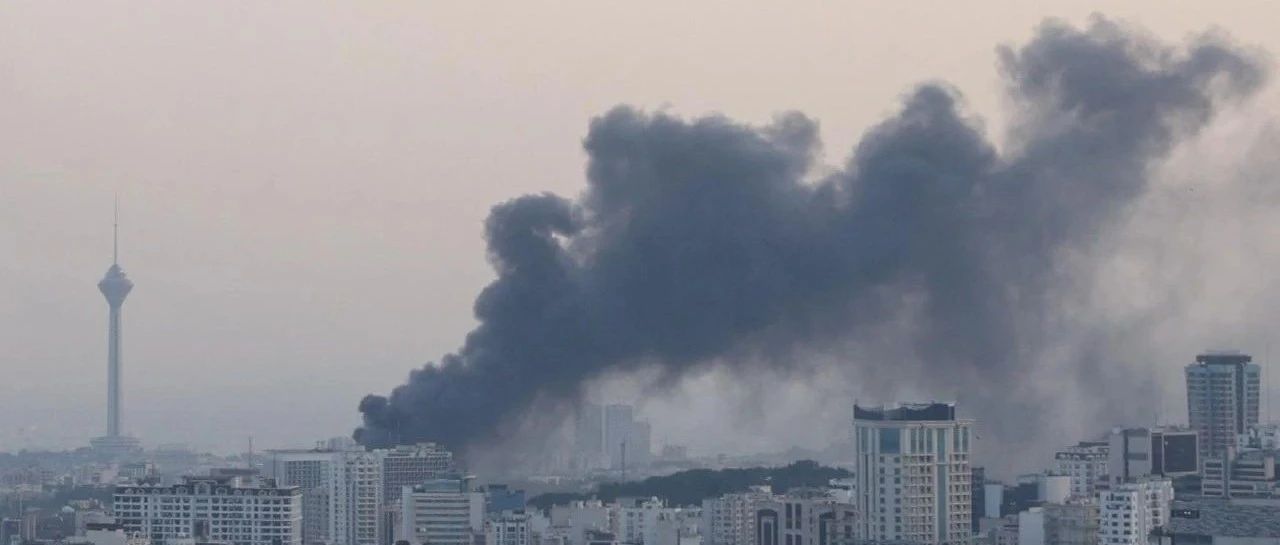
自1979年迄今,伊朗的国家发展战略(或者说国家安全发展 战略)有3条线——明线、暗线、实线。明线是反以,打造阿 拉伯世界领袖地位;暗线是缓和与美欧的关系,以期解除制 裁、发展经济;实线就是发展核能,以便在关键时刻制造出核 武器,使其成为国家安全的柱石。现在看,伊朗的雄心和其能 力并不匹配。 作者:王义伟 封图:东方IC 2025年6月13日开始,以色列战机长途奔袭轰炸伊朗,伊朗以无人机和导弹还击,双方再一次大打 出手。截至笔者撰写此篇稿件,以色列一方占据明显优势,伊朗多处核设施遭到轰炸,伊朗多名军 方高层将领和核科学家被炸死。 美国方面,美国总统特朗普于6月16日提前一天离开正在加拿大举行的七国集团峰会,在白宫召集 国家安全团队讨论以伊冲突。据美国媒体报道,特朗普正考虑一系列选项,包括加入以色列对伊朗 的空袭。特朗普通过社交媒体要求伊朗"无条件投降"。 这一次,伊 朗面对 的形势更加凶险,也再一次凸显了对伊朗国运的终极拷问:核与政权孰轻孰 重,能否兼得。 先回顾一下伊朗政权及其核发展脉络。 1979年,巴列维王朝被推翻,伊朗成立新政权。这个新政权与以美国、以色列为首的西方世界持 续处于对立、对抗、冲突状态, ...
淡出中国押注欧洲 获2亿美元融资的极星汽车依然“钱紧”
经济观察报· 2025-06-18 11:25
Core Viewpoint - Polestar has received a $200 million equity investment from PSD Investment, which is expected to be insufficient for the company's operational needs, as it has a monthly cash burn of $100 million to $200 million, indicating reliance on financing until cash flow turns positive in 2027 [1][16]. Investment and Financial Overview - On June 16, Polestar announced the $200 million equity investment from PSD Investment, controlled by Geely's chairman Eric Li, leading to a 4.85% increase in stock price to $1.08, with a market capitalization of approximately $2.3 billion [2]. - The investment involves the sale of 190 million newly issued Class A American Depositary Shares (ADS) at a price of $1.05 per share [2]. - Following this transaction, Volvo will reduce its stake in Polestar from 30% to 18%, while Geely will become the second-largest shareholder with a combined stake of 66% [2]. Company Background and Performance - Polestar, headquartered in Gothenburg, Sweden, focuses on high-performance electric vehicles and has faced challenges since its inception, with total global sales of 145,300 vehicles from 2020 to 2023 and cumulative losses of $2.016 billion from 2021 to 2023 [6][12]. - The company's stock has declined by 90% since its IPO, and it has faced Nasdaq delisting warnings due to stock prices falling below $1 [6][12]. Market Strategy and Challenges - Initially targeting the high-end market to compete with Tesla, Polestar shifted towards a more mainstream approach, leading to inconsistent brand positioning and lower market presence compared to competitors [7][8]. - The company has struggled in the European market, with sales growth lagging behind industry averages, and has faced challenges in the Chinese market due to insufficient investment in product planning and localization [9][10][12]. Future Plans and Projections - Polestar aims for an annual retail sales growth of 30% to 35% from 2025 to 2027, with a goal of achieving profitability by 2025 [13]. - The company plans to launch the Polestar 5, a high-performance vehicle based on its own aluminum platform, and will transition to a single architecture for vehicle production to reduce complexity and costs [13]. - Polestar is also reducing its presence in China, with plans to close 14 out of 36 stores and terminate its joint venture in the region [13][16]. Market Focus and Production - Europe is currently Polestar's most important market, expected to account for 75% of total sales in 2024, with key markets including the UK, Switzerland, Germany, and Norway [14]. - The company is changing its sales model to double its global network to 300 locations by 2026, leveraging Volvo's service network [15]. Financial Constraints - Polestar's cash flow is a critical constraint, with expectations of turning free cash flow positive only by 2027, while total debt has risen to approximately $4.4 billion [16].

北京有了黄金ATM机
经济观察报· 2025-06-18 11:25
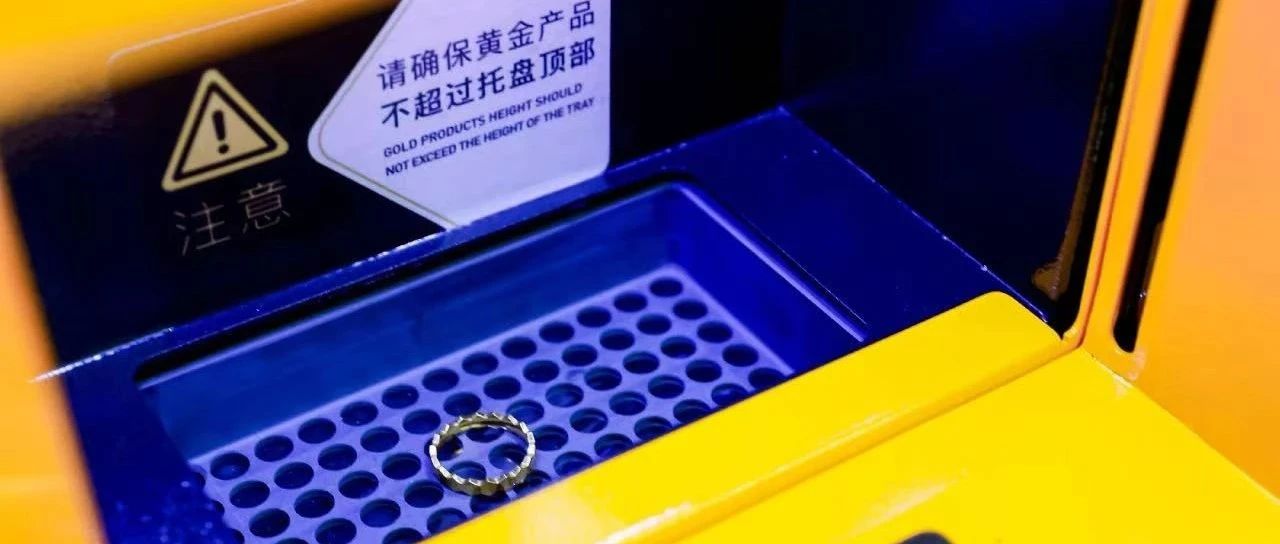
Core Viewpoint - The introduction of gold ATM machines by Jinyafu Group represents a significant innovation in the gold recycling market, providing convenient and transparent services for consumers [1][5][24]. Group 1: Company Overview - Jinyafu Group, established in 2006 and headquartered in Shenzhen, has developed into a comprehensive service provider in the gold and jewelry industry, offering services such as creative research and development, smart manufacturing, personalized customization, and gold recycling [4]. - The gold ATM machines are part of Jinyafu's strategy to expand its "smart gold store" concept, leveraging the growing demand for gold recycling amid rising gold prices [5][30]. Group 2: Gold ATM Functionality - The gold ATM machines offer multiple functions, including free gold content testing, real-time recycling, and retail product purchases, with a recycling fee of 18 yuan per gram based on the real-time gold price from the Shanghai Gold Exchange [3][10]. - The machines can process gold items weighing from 3 grams to 1000 grams, and the initial testing results can be viewed by consumers, ensuring transparency in the recycling process [12][15]. Group 3: Market Context and Competition - The global gold recycling market is experiencing growth, with a reported 11% increase in recycled gold volume in 2024, reaching 1370 tons [5]. - Compared to traditional gold recycling channels, the gold ATM's fee structure is competitive, as it does not include hidden costs or depreciation fees, which are common in other recycling methods [23][24]. Group 4: Consumer Experience and Concerns - Consumers have expressed curiosity and convenience regarding the gold ATM machines, but concerns remain about the safety and reliability of the testing process and the reasonableness of the fees [6][18]. - The gold ATM machines provide a transparent pricing model, with no additional costs for wear and tear, which is a significant advantage over traditional gold recycling options [23][24]. Group 5: Industry Trends and Future Outlook - The gold jewelry industry is urged to transition towards smart, digital, and green practices to meet the preferences of a new generation of consumers [28]. - Jinyafu's smart gold stores have expanded to nearly 100 cities across China, collaborating with 50 banks to enhance the accessibility of gold recycling services [30].
近三年含权组合业绩第一,国泰基金年金业绩优异
经济观察报· 2025-06-18 11:25
人力资源和社会保障部正式公布了本年度一季度全国企业年金 数据,首次引入"近三年累计收益率"这一全新关键指标,取代 了传统的"当年"口径。 封图:图片资料室 秉持"长钱长投"理念,交出优异答卷 在人社部 "长钱长投"的政策指引下,国泰基金作为22家年金投管人之一,凭借专业的投资管理能 力, 交出了一份优异的答卷 。 具体来看,在单一计划中,国泰基金含权类组合近三年收益率为 11.86%,在22家投管人组合中 位列 第一 ;固定收益类组合近三年收益率为 12.02%,在全市场位列第五。在集合计划产品中, 国泰基金含权类组合近三年收益率为11.13%,位列全市场 第一 ;固定收益类组合近三年收益率 为 11.48%, 位居市场第三 。 尤为值得瞩目的是,国泰基金是 22家年金投管人中 唯一 一家在单一计划固收、单一计划含权、 集合计划固收、集合计划含权四类组合产品近三年累计收益率均突破 10%大关的管理机构。"全 能型" 的 卓越表现,充分印证了国泰基金在多元化投资策略与全资产类别管理上的深厚积淀。 2025年6月13日,人力资源和社会保障部正式公布了本年度一季度全国企业年金数据。此次数据 披露方式较以往有所不同, ...