经济观察报

Search documents
近三年含权组合业绩第一,国泰基金年金业绩优异
经济观察报· 2025-06-18 11:25
人力资源和社会保障部正式公布了本年度一季度全国企业年金 数据,首次引入"近三年累计收益率"这一全新关键指标,取代 了传统的"当年"口径。 封图:图片资料室 秉持"长钱长投"理念,交出优异答卷 在人社部 "长钱长投"的政策指引下,国泰基金作为22家年金投管人之一,凭借专业的投资管理能 力, 交出了一份优异的答卷 。 具体来看,在单一计划中,国泰基金含权类组合近三年收益率为 11.86%,在22家投管人组合中 位列 第一 ;固定收益类组合近三年收益率为 12.02%,在全市场位列第五。在集合计划产品中, 国泰基金含权类组合近三年收益率为11.13%,位列全市场 第一 ;固定收益类组合近三年收益率 为 11.48%, 位居市场第三 。 尤为值得瞩目的是,国泰基金是 22家年金投管人中 唯一 一家在单一计划固收、单一计划含权、 集合计划固收、集合计划含权四类组合产品近三年累计收益率均突破 10%大关的管理机构。"全 能型" 的 卓越表现,充分印证了国泰基金在多元化投资策略与全资产类别管理上的深厚积淀。 2025年6月13日,人力资源和社会保障部正式公布了本年度一季度全国企业年金数据。此次数据 披露方式较以往有所不同, ...


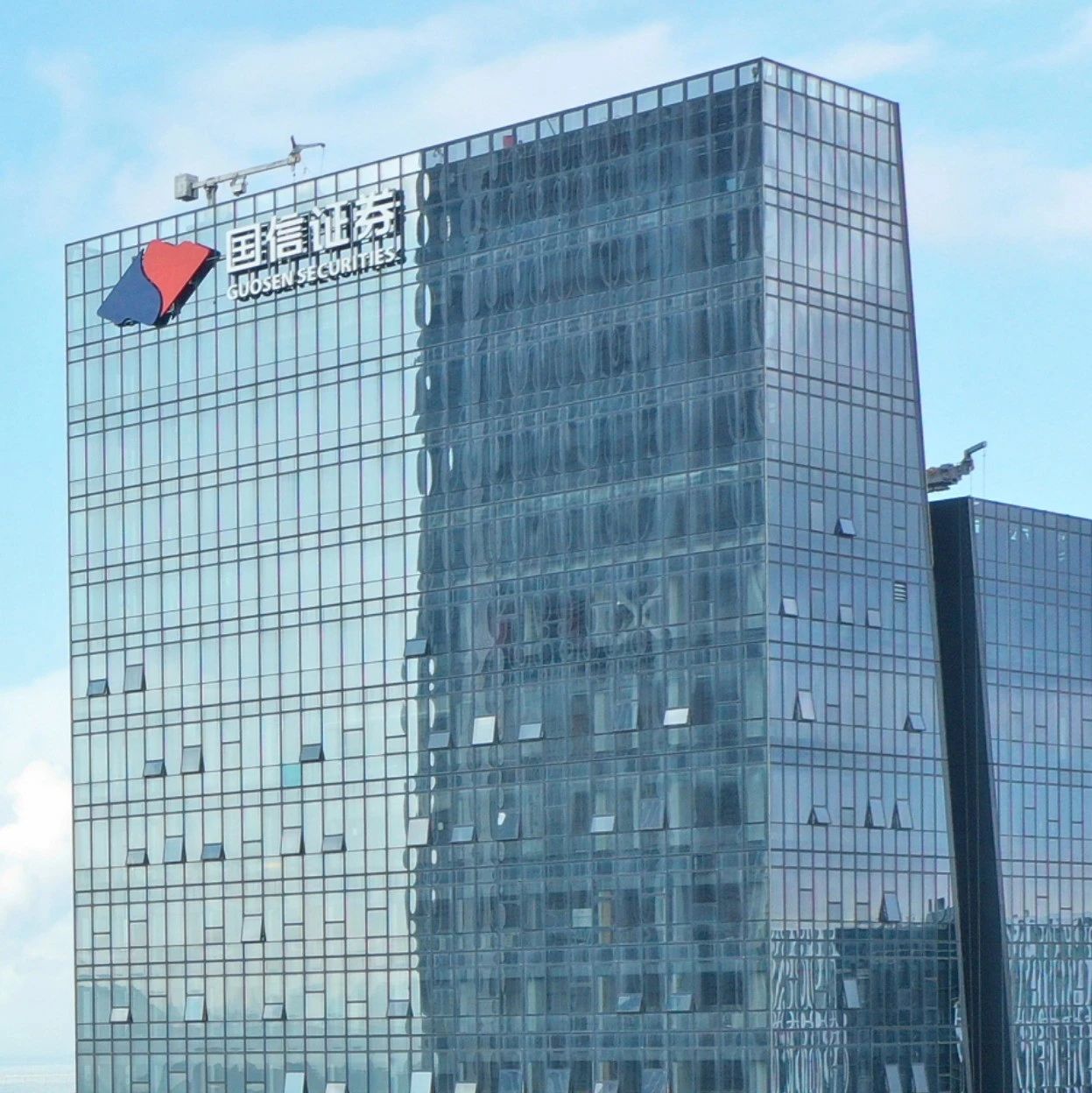
国信证券携手东方富海 落地首单获央行风险分担工具支持项目 开启科技金融新篇
经济观察报· 2025-06-18 11:25
发展科技金融是促进科技创新与产业创新深度融合的必由之路,金融资本是支撑高水平科技自立自 强的重要力量。 本期债券的成功落地,是国信证券坚决贯彻党中央、国务院关于 "强化科技金 融"战略部署的具体体现。作为粤港澳大湾区的重要金融力量,国信证券始终坚持以金融服务实体 经济为己任,深入践行"以科技创新引领新质生产力发展"的理念,持续完善科技金融服务体系, 推动金融资源精准滴灌科技创新一线。未来,国信证券将以本次创新实践为起点,持续加大对科技 型企业、创投机构的金融支持力度,为打造高水平科技自立自强体系、推动经济高质量发展贡 献"国信智慧"与"国信力量"。 国信证券联合东方富海于2025年6月17日成功发行全国首单 获央行风险分担工具支持的民营创投科创债,以1.85%利率募 资4亿元,央地协同破解融资难题,为科技金融改革提供可复 制范式。 作者: 王海言 封图:图片资料室 6 月 17 日, 在中国人民银行、中国银行间市场交易商协会的指导下,在深圳市人民政府、中国 人民银行深圳市分行的大力支持下, 国信证券作为牵头主承销商,成功助力 深圳市东方富海投资 管理股份有限公司(简称 "东方富海") 在中国银行间债券市场发行 ...
刘强东讲述京东故事 一切围绕“供应链”
经济观察报· 2025-06-18 10:21
Core Viewpoint - JD.com aims to innovate annually, focusing all business operations around the supply chain [2][11][18] Group 1: Innovation Strategy - JD.com has maintained a rhythm of innovating a new business model every three years, but will now introduce one innovation project each year, with six projects currently in progress, including stablecoins [2][19] - The company has recently entered the food delivery market, with a significant focus on leveraging its supply chain capabilities [3][25] - JD.com plans to launch a unique business model for its food delivery service that differs from competitors like Meituan, aiming to address food safety and provide high-quality, cost-effective food options [9][26] Group 2: Supply Chain Focus - All of JD.com's business operations are centered around the supply chain, with the company not engaging in activities unrelated to it [5][29] - The company has established over 1,600 logistics centers in mainland China, with a self-operated product range exceeding 10 million items, showcasing its strong supply chain capabilities [30] - JD.com maintains a low retail cost structure of around 10%, comparable to global leaders like Costco and Amazon, which supports its competitive advantage [30][31] Group 3: Organizational Changes - Liu Qiangdong has returned to a strategic role within JD.com, restructuring the organization to enhance decision-making and operational efficiency [2][16] - A strategic execution committee has been formed, including Liu and other senior executives, to oversee key business decisions [2][11] Group 4: Market Position and Competition - JD.com has rapidly scaled its food delivery service, achieving over 25 million daily orders and employing more than 120,000 full-time delivery personnel within a short period [7][24] - The company is positioned to compete aggressively in the food delivery market, offering substantial incentives to attract merchants and delivery personnel [6][25]


币圈归来?香港稳定币激活跨境支付,内地资产赴港RWA潮起
经济观察报· 2025-06-18 08:54
Core Viewpoint - The article discusses the growing interest and feasibility of issuing Real World Assets (RWA) in Hong Kong using stablecoins, particularly in the context of recent regulatory developments in Hong Kong that support this initiative [1][13][14]. Group 1: RWA and Stablecoins - RWA refers to the tokenization of real-world asset income rights on blockchain networks for fundraising, trading, and asset circulation [5]. - The recent passing of the Stablecoin Ordinance in Hong Kong is expected to accelerate the development of RWA, providing a compliant pathway and enhancing infrastructure for RWA transactions [13][14]. - Many domestic WEB3 development institutions are exploring the operation of mainland assets being tokenized and issued as RWA in Hong Kong, with some already identifying operational pathways [8][16]. Group 2: Cross-Border Payment Applications - The application of stablecoins in cross-border payments is gaining attention, with significant advantages in transaction speed and cost compared to traditional banking methods [10][20]. - Stablecoins can facilitate T+0 settlement for cross-border payments, significantly reducing the time required for transactions [10]. - The integration of stablecoins into cross-border payment systems is seen as a way to enhance user trust and expand the reach of payment platforms [11][21]. Group 3: Challenges and Compliance - Despite the potential, there are significant challenges related to compliance, particularly concerning anti-money laundering (AML) and Know Your Customer (KYC) regulations [9][22]. - The successful implementation of stablecoins in cross-border payments will depend on the ability to meet regulatory requirements while ensuring efficient operations [23]. - The need for a robust compliance framework is critical for the widespread adoption of stablecoins in the financial ecosystem [22][23].

证监会主席吴清:科创板重启第五套标准 创业板支持优质未盈利创新企业上市
经济观察报· 2025-06-18 05:34
Core Viewpoint - The China Securities Regulatory Commission (CSRC) aims to enhance the inclusiveness and adaptability of the regulatory system, focusing on deepening reforms in the Sci-Tech Innovation Board and the Growth Enterprise Market, while implementing the "1+6" policy measures to support a more innovative capital market ecosystem [2]. Group 1: Reform Measures - The "1" in the "1+6" policy refers to the establishment of a Sci-Tech Growth Tier on the Sci-Tech Innovation Board, which will restart the listing of unprofitable companies under the fifth set of standards, targeting high-quality tech firms with significant breakthroughs and substantial R&D investments [2]. - The "6" includes six innovative reform measures for the Sci-Tech Innovation Board, such as introducing a professional institutional investor system for companies under the fifth set of standards, trialing a pre-IPO review mechanism for quality tech firms, and expanding the applicability of the fifth set of standards to more frontier tech sectors like AI and commercial aerospace [2][4]. Group 2: Support for Technology Companies - The CSRC supports technology-oriented listed companies to enhance their strengths, emphasizing that listing is a starting point and financing is a tool, not an end goal [3]. - The CSRC will improve the regulatory framework for the entire lifecycle of listed companies, focusing on goal-oriented and problem-oriented approaches [3]. Group 3: Mergers and Acquisitions - The CSRC will implement the "Six Guidelines for Mergers and Acquisitions" and the management measures for major asset restructuring, promoting new initiatives such as phased payment mechanisms for share consideration and simplified review procedures for restructuring [4]. - The commission aims to enhance the convenience and flexibility of stock incentive implementation procedures for listed companies, thereby improving their core competitiveness and operational performance [4].

保险预定利率走入历史低位
经济观察报· 2025-06-18 02:34
Core Viewpoint - The insurance industry is experiencing a downward trend in the preset interest rates for participating insurance products, with the current rate at 1.5%, down from the regulatory cap of 2.0% set last October, indicating a historical low for preset rates [1][4][5]. Group 1: Current Market Situation - The preset interest rate for participating insurance products has been reduced to 1.5%, which is a significant drop from the previous cap of 2.0% [4][5]. - The adjustment in the Loan Prime Rate (LPR) is expected to lead to further reductions in preset interest rates for insurance products, marking a historical low [5][6]. - Insurance companies are already preparing for the adjustment of preset rates, with some having products ready for the new rates [19]. Group 2: Regulatory Changes and Implications - The Financial Regulatory Authority has introduced a mechanism to link preset rates to market rates, which will guide insurance companies in pricing their products more prudently [15][16]. - The preset rate for ordinary insurance products is currently capped at 2.5%, while the caps for participating and universal insurance products are 2.0% and 1.5%, respectively [16]. - The preset rate research values for the first and second quarters were 2.34% and 2.13%, respectively, indicating a potential for further reductions [17][18]. Group 3: Historical Context and Trends - Over the past decades, preset rates for insurance products have been adjusted multiple times, with significant changes occurring in 1999, 2013, and 2019, each lasting for extended periods [21][22]. - The long-term decline in marginal capital returns has led to a consistent decrease in preset rates, aligning them with the downward trend in bank deposit rates [22][24]. - The insurance industry is expected to face challenges in maintaining consumer interest as preset rates decline, potentially impacting sales of insurance products [24][30]. Group 4: Market Reactions and Future Outlook - The insurance market has seen a shift towards promoting participating insurance products, but consumer awareness and acceptance remain low [29][30]. - Sales personnel are facing increased challenges in selling insurance products as preset rates decline, as consumers often compare these products to bank deposit returns [30][31]. - The industry is urged to adapt by developing floating yield insurance products and innovative non-interest-sensitive offerings to better meet market demands [27][31].

超长账期问题:整车厂之后,零部件巨头该出来说话了
经济观察报· 2025-06-18 01:55
Core Viewpoint - The article highlights the hidden truth within the automotive supply chain, where large parts manufacturers impose longer payment terms, creating significant pressure on small and medium-sized enterprises (SMEs) [4][7]. Group 1: Payment Terms and Their Impact - A recent lawsuit involving a mold company and a joint venture parts manufacturer illustrates the underlying issue of payment terms, where SMEs complete their work but face delayed payments from larger firms [2]. - The automotive industry has seen a positive response to commitments from automakers to a 60-day payment term, previously criticized for exploiting SMEs [3]. - However, large parts manufacturers, such as Huayu Automotive and Dongfeng Technology, have payment turnover days of 163 and 196 days respectively, indicating a trend of extended payment cycles that adversely affect SMEs [5][6]. Group 2: Industry Dynamics and Power Shifts - The payment turnover days are not equivalent to the contractual payment terms, as they reflect the actual payment cycles, which can serve as an indirect indicator of a company's payment practices and credit cycles [6]. - Some suppliers, while not directly affiliated with automakers, also exert pressure on SMEs, as seen with companies like CATL, which has a payment turnover day exceeding 258 days, indicating a trend of stringent payment practices [6]. - Large parts manufacturers leverage their negotiating power to impose even stricter payment terms on their suppliers, exacerbating the financial strain on SMEs [7]. Group 3: Need for Transparency and Fairness - To address the challenges posed by extended payment terms, there is a call for large enterprises to publicly disclose their payment policies, which is seen as a crucial first step towards restoring fairness in the industry [8]. - The article argues that while long payment terms may appear as a financial strategy, they should not undermine fair competition and the integrity of the industry credit ecosystem [9]. - The question is raised whether large parts manufacturers should also take a stance on the issue of extended payment terms, emphasizing the need for collective responsibility within the industry [10].




车载显示“一夜红海”
经济观察报· 2025-06-18 01:48
Core Viewpoint - The automotive display market is experiencing high growth but is simultaneously facing a structural dilemma of low profitability, leading to a shift in competitive focus from mere scale expansion to differentiation strategies [4][13]. Market Growth Potential - The global automotive display system market is projected to grow from $23.83 billion in 2024 to $47.37 billion by 2029, with a compound annual growth rate (CAGR) of 14.7% [2]. - The total shipment of automotive display panels is expected to reach 232 million units in 2024, marking a year-on-year increase of 6.2% [2]. Competitive Landscape - The automotive display market is viewed as a "second growth curve" for the display industry, especially as traditional markets like mobile phones and TVs face saturation [3]. - Major display manufacturers are increasingly investing in automotive display capacity, leading to intensified price competition [4]. Structural Challenges - The automotive display market is characterized by "structural dividends and competitive excess," with many suppliers feeling the pressure from both automotive manufacturers and price wars [4][10]. - The shift towards direct partnerships between panel manufacturers and automakers is emerging, reducing reliance on traditional Tier 1 suppliers [10][11]. Differentiation Strategies - Building deep relationships with automakers and Tier 1 suppliers is crucial for success, as the automotive project cycle is long and complex [15]. - Companies must focus on diverse technological innovation capabilities to meet the stringent requirements of automotive-grade products [15][16]. Company Strategies - BOE is adopting a comprehensive strategy to become a "general contractor" for smart cockpits, leveraging its extensive technology portfolio [18]. - Tianma is focusing on high-resolution LTPS LCD technology, achieving over 30% year-on-year revenue growth in its automotive business [19]. - TCL Huaxing is rapidly increasing its market share through deep partnerships with key automotive players, achieving a 125% year-on-year growth in automotive display shipments [20]. Emerging Technologies - The rise of electric vehicles is driving demand for larger and more advanced screens, with HUD technology becoming increasingly common in mid-range vehicles [7]. - Companies like XGIMI are exploring projection technology as an alternative to traditional screens, aiming to address space and adaptability challenges [23].





狂揽19家赞助商 “苏超”和“村超”的商业化差距为何如此巨大?
经济观察报· 2025-06-18 01:40
Core Viewpoint - The Jiangsu Provincial Urban Football League (referred to as "Su Super") has demonstrated a strong ability to attract sponsorship and audience engagement, significantly outperforming other leagues like the Chinese Super League (CSL) in terms of sponsorship numbers and audience turnout [2][11]. Sponsorship and Financial Growth - Jiangsu Bank secured exclusive naming rights for approximately 8 million yuan at the league's inception, with current official sponsorship seats rising to 3 million yuan, indicating a high demand for sponsorship opportunities [6][5]. - The number of sponsors for Su Super has expanded from 6 to 19, surpassing the CSL, which had only 9 sponsors for the 2025 season [4][5]. - Notable sponsors include major brands such as JD.com, KFC, and Heineken, with Heineken's involvement marking its first foray into regional Chinese football sponsorship [6][4]. Audience Engagement and Attendance - Initial concerns about filling 2,000 seats have transformed into over 30,000 fans attending matches, showcasing the league's growing popularity [2]. - Recent data indicates a 48% increase in out-of-town visitor numbers and a 15% rise in tourism spending in host cities during league events [8]. Commercialization and Market Dynamics - Su Super's commercialization strategy is more diverse and effective compared to similar grassroots events like "Village Super," which has faced criticism for potential over-commercialization [11][12]. - The league benefits from its urban setting in economically developed Jiangsu, allowing for greater consumer reach and brand engagement opportunities [11][12]. - The league's structure allows for a sustainable ecosystem, with potential for long-term commercial value through strategic planning [13]. Unique Marketing Initiatives - Innovative marketing strategies have emerged, such as ticket packages that include local food items, significantly boosting local sales [9]. - Brands like Yili have engaged in creative promotional activities, such as drone displays, to enhance their visibility and connection with fans [8].




【首席观察】“影子美联储”的真相
经济观察报· 2025-06-17 13:55
Core Viewpoint - The article discusses the emergence of stablecoins, particularly USDT and USDC, as significant players in the global financial system, potentially acting as a "shadow Federal Reserve" that influences global interest rates and maintains the dollar's dominance [1][5]. Group 1: Market Dynamics - Circle Internet Group, the issuer of USDC, went public on June 5, raising $1.1 billion with an initial share price of $31, which surged by 168% on the first day. However, a significant sell-off by executives led to an 8% drop in stock price shortly after [2]. - Major payment companies like Visa and Mastercard are accelerating their integration of stablecoin settlements, while Walmart is testing enterprise stablecoins to validate their commercial viability [3]. Group 2: Impact on Financial Markets - Stablecoins are becoming crucial players in the U.S. Treasury market, with projections indicating that they will purchase $40 billion in short-term U.S. Treasuries in 2024, comparable to large money market funds [6]. - The influx of $3.5 billion in stablecoins can lead to a decrease in 3-month U.S. Treasury yields by 2-2.5 basis points, while an equivalent outflow can increase yields by 6-8 basis points [6]. Group 3: Regulatory and Economic Implications - The concentration of stablecoin reserves poses risks, such as potential runs on the currency, which could significantly impact U.S. Treasury yields and overall market stability [7]. - The International Monetary Fund (IMF) has raised concerns that unregulated stablecoins could bypass capital flow controls and complicate central banks' macroeconomic management [11]. Group 4: Global Trends and Future Outlook - The global stablecoin market is projected to exceed $250 billion, with USDT and USDC accounting for over 85% of this market, indicating a shift from being mere digital dollar substitutes to becoming on-chain safe-haven and settlement assets [10]. - The U.S. government's new cryptocurrency policy framework aims to support innovation while maintaining the dominance of U.S. dollar stablecoins and issuers [12]. - Countries like the UK, Australia, and South Korea are moving towards developing stablecoin regulations, indicating a shift from whether to develop stablecoins to how to do so [13].