经济观察报

Search documents
研发烧掉24亿,亏损32亿 又一个GPU独角兽闯关科创板IPO
经济观察报· 2025-10-20 09:20
Core Viewpoint - The company, Muxi Integrated Circuit (Shanghai) Co., Ltd., is preparing for its IPO on the Sci-Tech Innovation Board, with expectations to reach breakeven by 2026 based on its operational conditions and market dynamics [1][15]. Group 1: IPO and Fundraising - Muxi plans to issue up to 40.10 million A-shares and raise approximately 3.904 billion yuan, with the funds allocated for the development of new high-performance general-purpose GPUs and AI inference GPUs [2]. - The successful fundraising is expected to enhance the company's core product line, solidify its industry leadership, and expand market share [2]. Group 2: Company Overview - Established in 2020, Muxi focuses on the research, design, and sales of full-stack GPU products for AI training, inference, general computing, and graphics rendering [5]. - The company has launched several GPU series, including the Xisi N series for AI inference and the Xiyun C series for integrated training and inference [5]. Group 3: Market Position and Product Development - Muxi's GPUs have been deployed across various sectors, including education, finance, transportation, energy, healthcare, and entertainment, with cumulative sales exceeding 25,000 units by March 2025 [6]. - The company operates under a Fabless model, focusing on GPU chip specifications and design while outsourcing manufacturing processes [6]. Group 4: Research and Development - Muxi has maintained high R&D investment levels, with expenditures of 648 million yuan, 699 million yuan, 900 million yuan, and 218 million yuan for the years 2022 to 2025 (Q1), representing significant percentages of revenue [7]. - As of March 2025, Muxi employed 652 R&D personnel, accounting for approximately 75% of its total workforce [7]. Group 5: Financial Performance - Muxi has not yet achieved profitability, reporting revenues of 426,400 yuan, 53.02 million yuan, 743 million yuan, and 320 million yuan for the respective years, with cumulative losses exceeding 3.2 billion yuan [10]. - The company attributes its lack of profitability to several factors, including market penetration challenges, high R&D costs, and significant stock-based compensation expenses [11]. Group 6: Future Outlook - Muxi anticipates that the AI chip industry will continue to grow rapidly, providing a broader market space for its main business, while maintaining high levels of R&D investment [15]. - The company expects to achieve breakeven at the earliest by 2026, contingent on market conditions and customer validation [15].


科技企业掘金中东
经济观察报· 2025-10-20 09:10
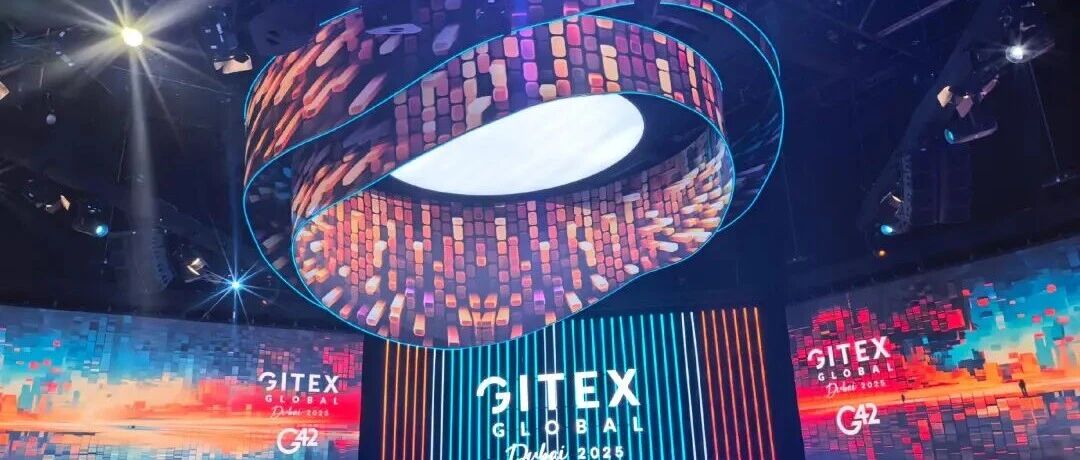
Core Viewpoint - The article highlights the rapid growth and transformation of the Middle East, particularly the UAE, as it embraces AI technology and digital innovation, drawing parallels to China's reform and opening-up period [2][4]. Group 1: Market Demand and AI Integration - The UAE is integrating AI into its national strategy, with a top-down approach to enhance its application in key sectors such as governance, healthcare, and transportation [3][4]. - The AI market in the Middle East is expected to grow significantly, with the AIGC market projected to have a compound annual growth rate of approximately 29% from 2025 to 2030 [6][8]. Group 2: Opportunities for Chinese Companies - Over 6,000 Chinese companies have established a presence in the UAE, with investments expanding from traditional sectors like energy to new fields such as finance, information technology, and e-commerce [4][6]. - Chinese companies are positioned as technology providers, ecosystem builders, and demand solvers in the Middle East, leveraging their experience to meet local market needs [4][6]. Group 3: Industry Trends and Collaborations - Key trends observed at the GITEX exhibition include the shift of AI technology from exploration to large-scale deployment, with a focus on energy and finance sectors [4][6]. - Companies like G42 and OpenAI are collaborating on projects that position AI as a core agenda for national development, indicating a strong commitment to AI as a public utility [4][6]. Group 4: Real Estate and Digital Transformation - The UAE's real estate market is experiencing rapid growth, with significant increases in property sales and new housing projects, driven by a surge in demand from both local and international investors [16][17]. - The digital transformation in the region is supported by initiatives like the UAE's "National AI Strategy 2031" and Dubai's "D33 Economic Agenda," which aim to increase the digital economy's share [6][8]. Group 5: Emerging Technologies and Local Adaptation - Companies are adapting their products to local markets, such as AI-driven solutions for content creation and smart home technologies, reflecting the region's openness to innovation [9][14]. - The presence of Chinese brands in the automotive sector is increasing, with a notable rise in the visibility of Chinese vehicles in the Middle East, indicating a growing acceptance of Chinese technology [17].
在清华园,送别杨振宁
经济观察报· 2025-10-19 12:47
Core Viewpoint - The article discusses the memorial service for the renowned physicist Yang Zhenning, highlighting his contributions to science and the impact he had on students and the academic community [4][5][7]. Group 1: Memorial Service Details - On October 19, a long queue formed outside the Tsinghua University Science Museum as hundreds of people came to pay their respects to Yang Zhenning, who passed away at the age of 103 [4][6]. - A memorial room was set up at the Science Museum from October 18 to 24 to accept condolences from the public [6]. - Yang Zhenning had a deep connection with the Science Museum, as it was not only the location of the Tsinghua University Institute for Advanced Study but also where his father worked [6]. Group 2: Yang Zhenning's Legacy - Yang Zhenning spent nearly 30 years at Tsinghua University, where he made significant contributions to the education and development of physics [5][8]. - He continued to teach and engage in research even at an advanced age, influencing the fields of cold atom physics, condensed matter physics, and cryptography [8]. - Many attendees at the memorial were former students and colleagues, reflecting on his profound impact on their academic journeys [9][10]. Group 3: Public Sentiment and Remembrance - The article captures the emotional atmosphere as people of all ages, including children, came to honor Yang Zhenning, indicating his lasting influence on future generations [11][14]. - A young physics teacher traveled from Tianjin to pay tribute, intending to create a commemorative video for his students [14]. - The memorial service was marked by a sense of collective mourning, with various tributes and flowers being offered in his memory [15][16].

英伟达“跌倒”,寒武纪“吃饱”?
经济观察报· 2025-10-19 12:35
Core Viewpoint - Nvidia, the dominant player in the global AI chip market, has seen its market share in China drop from 95% to 0% due to tightening U.S. export controls, prompting the company to make various adjustments to its product offerings and strategies [2][5][10]. Group 1: Market Dynamics - Nvidia's market share in China's AI chip market was approximately 85% in 2022, with over 90% in the core area of large model training [5][6]. - The introduction of U.S. export controls in October 2022 marked a turning point, leading Nvidia to release adjusted versions of its chips, such as the A800 and H800, to maintain market presence [6][8]. - By 2023, further restrictions included the A800 and H800, forcing Nvidia to launch even lower-performance chips like the H20, which were referred to as "the most stripped-down version" [8][10]. Group 2: Financial Performance - Cambrian (寒武纪) reported a staggering 1332.52% year-on-year increase in revenue for Q3 2025, reaching 1.727 billion yuan, and a net profit of 567 million yuan, compared to a loss of 194 million yuan in the same period last year [3][17]. - For the first three quarters of 2025, Cambrian achieved a total revenue of 4.607 billion yuan, a 2386.38% increase from 185 million yuan in the same period last year [17][19]. Group 3: Competitive Landscape - The absence of Nvidia's high-end products has created a significant market vacuum, allowing domestic companies like Cambrian and Huawei's Ascend series chips to emerge as strong alternatives [17][20]. - AMD is also actively seeking opportunities in the Chinese market with its MI300 series AI chips, indicating a shift towards a more competitive landscape with multiple players [20]. Group 4: Strategic Shifts - Nvidia's global strategy is shifting, with a focus on domestic manufacturing in the U.S. and rapid iteration of its AI chip products, such as the new Blackwell platform, which boasts 208 billion transistors [14][12]. - Despite the advancements in product development, Nvidia's latest offerings appear to be increasingly isolated from the Chinese market due to ongoing export restrictions [14][15].



降温措施频出,黄金“现象级行情”还能走多远?
经济观察报· 2025-10-19 10:16
Core Viewpoint - Recent regulatory measures may adjust the pace of gold price movements but will not change the overall trend of gold prices, which are influenced by multiple attributes of gold in different environments [1][16]. Regulatory Measures - On October 16, the Shanghai Futures Exchange issued a risk warning, followed by an announcement on October 17 to adjust the price fluctuation limits for gold and silver futures to 14%, with margin requirements also increased [2][12]. - Following these announcements, COMEX gold prices fell from a peak of $4,392 per ounce to $4,267.90, reflecting a significant market reaction [2][13]. Market Dynamics - Gold prices surged nearly $1,000 per ounce in less than two months, driven by macroeconomic factors, geopolitical risks, and market liquidity [4][6]. - The Federal Reserve's dovish signals regarding interest rate cuts have weakened the dollar and lowered real interest rates, enhancing gold's appeal as a non-yielding asset [6][20]. Geopolitical Factors - Increased geopolitical uncertainties, including trade tensions and conflicts, have bolstered gold's safe-haven demand, providing substantial support for its price [7][21]. - Events such as the U.S. government shutdown and ongoing global political instability have heightened market risk premiums, further supporting gold prices [7][21]. Institutional Demand - Continuous inflows from official reserves and institutional investors have established a solid demand foundation for gold [8][9]. - The SPDR Gold ETF has seen a consistent increase in holdings, indicating strong institutional interest in gold as an investment [8][14]. Attributes of Gold - Gold possesses multiple attributes: financial, safe-haven, monetary, and commodity, with financial attributes currently being the most influential on its price [18][20]. - The financial attribute is highlighted by the negative correlation between gold prices and market interest rates, particularly real rates, which are expected to remain a key variable influencing gold prices [20][22]. - The safe-haven attribute provides ongoing support for gold prices amid global uncertainties, while its monetary attribute reinforces its long-term value [21][22]. - The commodity attribute has a relatively limited impact on current price movements, as investment demand is driving the market rather than physical consumption [20].

光伏企业盯上阳台
经济观察报· 2025-10-19 10:02
2025年下半年,多家光伏和家电巨头开始开展阳台光伏业务。根据经济观察报不完全统计,7月以来,创 维光伏、正泰安能、天合富家等头部户用光伏开发企业相继推出阳台光伏产品,此外还有固德威、禾迈股 份、昱能科技等逆变器厂商也推出了阳台光伏产品。 阳台光伏是一种能放在阳台上的光伏,通常由光伏组件、微型逆变器、光伏支架、防逆流电表等组成,有 的还包括储能系统。在接入家庭电网后,可以通过光伏发电为家庭日常生活供电。目前,一套阳台光伏系 统售价大约在千元。部分企业宣称三年可回本。"136号文出台后,各地机制电价落地,新能源电价和收益 大幅度减少,因市场的波动变化,当前阶段需转型开启新模式开发,2025年将成为中国阳台光伏市场启动 元年。"在天合富家的一场阳台光伏招商会上,主办方称。 136号文是指今年初国家发展改革委、国家能源局发布的《关于深化新能源上网电价市场化改革促进新能 源高质量发展的通知》。该文件要求,今年5月31日之后建成的新能源项目发电量原则上全部入市,价格 由市场形成,同时文件也规定了机制电价制度作为保障。 即使有机制电价制度作为保障,光伏项目在一些省份仍难以确保收益。比如在10月16日刚刚发布的甘肃省 新能 ...

巨额算力合同解约 海南华铁经受冲击波
经济观察报· 2025-10-19 07:30
Core Viewpoint - The termination of a significant 36.9 billion yuan computing power contract by Hainan Huatie raises questions about the authenticity of the contract and the explanations provided for its cancellation, particularly regarding market conditions and supply-demand changes [3][4]. Group 1: Contract Termination Details - Hainan Huatie announced the termination of a computing power service agreement with a total value of 36.9 billion yuan, which represented approximately 70% of the company's projected revenue for 2024 [3]. - The company stated that since the signing of the agreement, no purchase orders had been received, and the reasons for termination included significant changes in market conditions and supply-demand dynamics [3][14]. - The Shanghai Stock Exchange issued a regulatory letter to Hainan Huatie regarding the termination of this major contract, and the China Securities Regulatory Commission has initiated an investigation for suspected violations of information disclosure laws [4]. Group 2: Company Background and Financials - Hainan Huatie, formerly known as Huatie Emergency, primarily engages in equipment leasing, with a focus on high-altitude work platforms and construction support equipment [6]. - The company's revenue grew from 2.607 billion yuan in 2021 to 5.171 billion yuan in 2024, but net profits showed volatility, with figures of 498 million yuan, 640 million yuan, 801 million yuan, and 605 million yuan over the same period [6]. - In 2024, the company underwent a change in actual control, with the Hainan Provincial State-owned Assets Supervision and Administration Commission becoming the new controller, prompting a shift towards the computing power leasing sector [6]. Group 3: Market Context and Trends - The computing power leasing market has seen a surge in demand, particularly from major internet companies investing heavily in AI infrastructure, with Alibaba planning to invest over 380 billion yuan in cloud and AI hardware over the next three years [11]. - The rental model for computing power has gained traction due to the high costs and supply constraints of high-end AI chips, making it a more viable option for companies [12]. - The cancellation of Hainan Huatie's contract is not an isolated incident, as other companies have also faced similar challenges, indicating a broader trend of contract terminations in the computing power leasing market due to macroeconomic factors and supply issues [16].


美元理财收益优势减弱 外贸企业结汇升温
经济观察报· 2025-10-19 07:30
Core Viewpoint - The article discusses the shift in foreign trade enterprises' currency exchange strategies in response to the Federal Reserve's interest rate cuts and the changing dynamics of the USD and RMB exchange rates, leading to increased willingness to convert USD to RMB [3][12][17]. Group 1: Currency Exchange Trends - Since late September, many foreign trade companies have increased their currency exchange efforts due to the Federal Reserve's resumption of interest rate cuts, which has diminished the yield advantage of USD investments [3][12]. - The RMB/USD exchange rate has risen above the 7.15-7.30 range, prompting expectations of further appreciation of the RMB, leading companies to act early to secure favorable exchange rates [3][12][17]. - The average exchange rate for foreign trade enterprises was 53.7% in the first eight months of the year, a slight increase of 0.5 percentage points from the previous year, indicating a cautious approach to currency conversion prior to the recent changes [11]. Group 2: Impact of Interest Rates on Investment Decisions - Prior to the Fed's interest rate cuts, many companies preferred to keep USD in offshore accounts for higher returns from USD-denominated investments, which yielded around 4.6% annually, significantly higher than domestic RMB rates [11][12]. - The shift in strategy is evident as companies like Chen Qi's have begun to convert a portion of their USD receivables to RMB, with plans to invest in domestic financial products that offer competitive returns [13][15]. - The article highlights that the recent interest rate cuts have led to a 180-degree change in the investment landscape, with companies now prioritizing currency conversion over holding USD assets [12][17]. Group 3: Risk Management Strategies - Companies are adjusting their risk management strategies for currency fluctuations, with some opting to hedge against exchange rate risks by betting on RMB appreciation for future imports [8]. - The article notes that the use of forward foreign exchange tools is becoming more common among foreign trade enterprises to lock in favorable exchange rates, although challenges such as high costs and collateral requirements remain [18][19]. - The central bank's data indicates that the foreign exchange hedging ratio for enterprises has increased to approximately 30%, up from 17% in 2020, reflecting a growing awareness of currency risk management [20].
投资房产!他们全款买房为收租
经济观察报· 2025-10-19 07:30
Core Viewpoint - The article discusses the investment strategy of an individual named Zhang Qiang, who is considering purchasing a property in Beijing for rental income rather than capital appreciation, reflecting a shift in investment focus in the real estate market [5][17]. Group 1: Investment Motivation - Zhang Qiang was inspired to invest in real estate after a friend's successful purchase of a small apartment for 1.2 million yuan, generating a monthly rental income of approximately 4,000 yuan [5][8]. - The current market conditions have prompted Zhang Qiang to seek stable rental income as a passive income source, especially given the volatility in other investment avenues like stocks and funds [7][10]. Group 2: Property Selection Criteria - Zhang Qiang is focusing on properties within the Fifth Ring Road of Beijing, prioritizing locations with good transportation links, specifically within two kilometers of a subway station [10][11]. - He aims to find properties with lower total prices and higher rental yields, indicating a preference for small units over larger ones due to better rental return rates [13][17]. Group 3: Market Dynamics - The article highlights a trend where small unit properties are increasingly sought after, with over 60% of transactions in the market being for units under 70 square meters [13]. - There is a noted scarcity of high-quality, low-priced properties, as many sellers are reluctant to lower prices unless they are in urgent need of cash [14][15]. Group 4: Investment Returns - Zhang Qiang's target property, if purchased for 1.2 million yuan, could yield an annual rental return of approximately 4%, which is a significant consideration for his investment strategy [11][19]. - The article contrasts the simplistic return calculations of individual investors with the more complex models used by institutional investors, which account for various costs and potential losses [18][19].

年轻人住养老院火了 能成为主流吗?
经济观察报· 2025-10-19 07:30
Core Viewpoint - The article discusses the emerging trend of intergenerational cohabitation in nursing homes, addressing the dual needs of elderly individuals seeking companionship and young people facing loneliness in urban settings [10][19]. Group 1: Case Study of Yuyin Nursing Home - A young woman named Xiaojing moved into Yuyin Nursing Home at a monthly rent of 1500 yuan, which includes meals and cleaning services, after her grandmother suggested it [3][4]. - The nursing home, which opened on September 20, 2023, had a high vacancy rate, prompting the director to accept young residents to utilize idle resources [4][11]. - The director, Zhao LePing, adjusted the admission criteria to require young residents to live with their elderly family members, aiming to promote intergenerational interaction [5][13]. Group 2: Economic Considerations for Young Residents - Xiaojing calculated that living in the nursing home reduced her commuting costs significantly, saving approximately 572 yuan per month compared to her previous living situation [7]. - The nursing home offers practical amenities and a healthy diet, which aligns with Xiaojing's expectations for living conditions [7][8]. - Despite the benefits, there are some inconveniences, such as the nursing home closing at 8 PM, which requires young residents to call for access if they return late [8] . Group 3: Broader Implications of Intergenerational Cohabitation - The trend reflects a shift from traditional family structures to non-familial cohabitation, driven by urban migration and changing family dynamics [9][16]. - The model addresses the loneliness of both elderly individuals and young people, creating a mutually beneficial living arrangement [10][19]. - However, the scalability of this model faces challenges, including geographic mismatches, regulatory uncertainties, and the sustainability of intergenerational interactions [17][18]. Group 4: Industry Insights and Future Outlook - The nursing home sector is exploring various models to engage young people, such as volunteer programs that allow them to exchange service hours for accommodation [14][18]. - Despite the potential benefits, experts caution that the intergenerational cohabitation model may not become a mainstream solution for housing pressures faced by young people [18][19]. - The ongoing exploration of this model may lead to innovative policy support and service designs that better accommodate the needs of both elderly and young residents [19][20].