经济观察报

Search documents
多起死亡事件后,一批中药注射液或被淘汰
经济观察报· 2025-10-19 06:41
Core Viewpoint - The recent regulatory measures for traditional Chinese medicine (TCM) injection solutions aim to enhance safety and efficacy research, addressing public concerns over adverse reactions and ensuring better patient outcomes [2][4][19]. Regulatory Changes - The National Medical Products Administration, National Health Commission, and National Administration of Traditional Chinese Medicine issued a draft requiring post-marketing studies for TCM injection solutions that were approved before the 2019 revision of the Drug Administration Law [2][19]. - This marks the strictest regulatory approach to TCM injection solutions, which have historically been linked to serious adverse reactions [2][4]. Industry Background - TCM injection solutions emerged during the wartime period, with over 130 varieties currently available, some generating annual sales exceeding 1 billion [2][3]. - Despite their prevalence, TCM injection solutions have faced scrutiny regarding their safety and efficacy, with 12% of adverse reactions attributed to TCM, a quarter of which are linked to injection solutions [3][4]. Adverse Reactions - Serious adverse reactions, including anaphylactic shock and acute liver failure, have been reported, raising public concern and prompting calls for stricter regulations [3][4][19]. - Notable cases include a patient who died after receiving a TCM injection, highlighting the potential risks associated with these products [3][4]. Market Dynamics - The market for TCM injection solutions has seen a decline, with a drop from over 100 billion in 2016 to half of that figure in recent years due to regulatory and reimbursement pressures [11][19]. - Companies are now facing challenges in adapting to the new regulatory landscape, with many unsure about how to conduct post-marketing studies effectively [11][19]. Research and Evaluation - The post-marketing research will involve both non-clinical and clinical studies, focusing on safety and efficacy evaluations [11][12]. - The complexity of TCM formulations poses challenges for clinical trials, as traditional metrics for efficacy may not apply [13][14]. Future Implications - The new regulations are expected to lead to a significant reshaping of the TCM injection market, potentially eliminating low-quality products and companies that cannot meet the new standards [19]. - The establishment of a dedicated expert group for TCM injection evaluation signifies a commitment to improving the quality and safety of these products [18][19].


金属矿企入局低空经济:一场不能输的“空中材料战争”
经济观察报· 2025-10-19 06:40
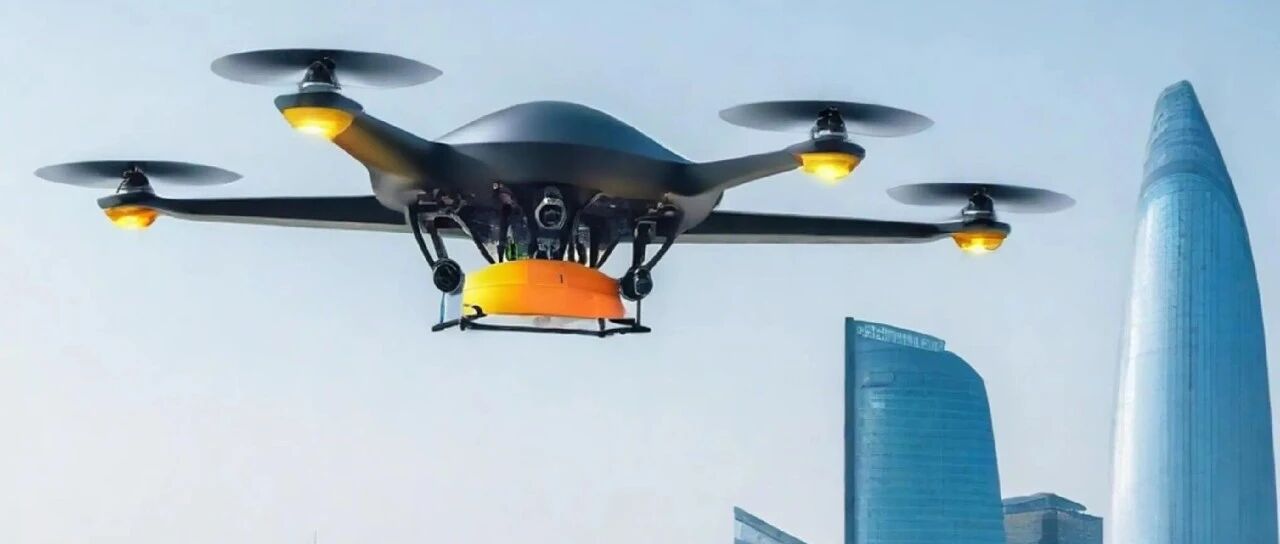
Core Viewpoint - A materials revolution driven by both policy and market forces is accelerating, with the "low-altitude economy" being highlighted in government work reports, indicating significant growth potential for aviation-grade materials [2][3][39]. Market Dynamics - The low-altitude economy is projected to consume over 1.25 million tons of aluminum by 2025, with a market size reaching 32 billion yuan and a compound annual growth rate exceeding 36% [3]. - The demand for aviation-grade aluminum is surging, with prices for aluminum ingots reaching 24,200 yuan per ton, a 23% increase from the previous year, while orders for low-altitude aircraft are rapidly increasing [5][6]. Industry Transformation - Traditional metal mining companies are facing a critical need to transform their operations to capture opportunities in the low-altitude economy, as failure to adapt could result in losing market share [4][7]. - Major metal companies are making strategic shifts, with some investing heavily in expanding aviation-grade aluminum production capacity to meet the growing demand from eVTOL and logistics drone manufacturers [8][12]. Competitive Strategies - Companies are adopting collaborative approaches, such as forming alliances for lightweight material development and engaging in joint research projects to enhance their competitive edge [13][21]. - The negotiation dynamics between material suppliers and drone manufacturers are becoming increasingly complex, focusing on both pricing and technical standards [15][20]. Technological Innovations - The materials revolution is pushing for advancements in material technology, with companies exploring the use of rare elements like scandium to enhance the performance of aluminum alloys [27]. - Innovations in titanium alloys are also being pursued to meet the high-temperature requirements of eVTOL engines, showcasing the industry's commitment to overcoming technical challenges [28]. Challenges and Barriers - The transition to aviation-grade materials is fraught with challenges, including lengthy certification processes and a shortage of skilled talent in the aerospace materials sector [30][31]. - Significant capital investments are required for transformation, with companies facing pressure to deliver returns within a short timeframe to satisfy investors [32]. Future Outlook - The industry is witnessing a shift towards integrated solutions, where companies are not only supplying materials but also providing design and operational support to clients [35][38]. - The competitive landscape is evolving, with companies aiming to position themselves as global suppliers for the low-altitude economy, indicating a broader strategic vision for future growth [36][39].


“魔幻拼凑”的千里科技:三易主业搭上汽车,港股递表豪赌智驾
经济观察报· 2025-10-18 08:06
Core Viewpoint - After multiple changes in its main business, Megvii Technology has finally entered the promising field of intelligent vehicles, aligning itself with Geely, a leading automotive company, to become part of Geely's intelligent driving ecosystem [1][2]. Business Evolution - Megvii Technology, originally known for facial recognition, has undergone several strategic shifts, including a focus on IoT and logistics, before pivoting to intelligent driving [2][4]. - The company was previously known as Lifan Technology, which had exited the automotive market, and its automotive business is now primarily managed by Geely's team [2][6]. - In August 2023, Geely announced the integration of its intelligent driving teams into Megvii, marking a significant consolidation in the sector [2][10]. Market Position and Challenges - The intelligent driving market is becoming increasingly competitive, with established players already deeply integrated with automotive manufacturers, leaving limited opportunities for new entrants like Megvii [3][13]. - Megvii's ambition to become a Tier 1 supplier in the global intelligent driving market faces significant hurdles due to its lack of production experience and established technology compared to leading companies [2][10][11]. Financial Performance - Megvii's financial data shows a decline in revenue from 86.27 billion in 2022 to 66.98 billion in 2023, with a slight recovery to 69.64 billion in 2024, while the company has faced continuous losses [11][12]. - In the first half of 2025, Megvii reported a revenue of 41.49 billion, a 40% increase year-on-year, but also noted an expanded loss of 1.16 billion [12]. Strategic Goals - Megvii plans to release L3 intelligent driving solutions by the end of 2025 and L4 solutions for Robotaxi by mid-2026, although achieving these goals is considered highly challenging given its current capabilities [5][10]. - The company aims to enhance its AI technology and product offerings, integrate its supply chain, and expand its sales network through its upcoming H-share listing [14]. Industry Dynamics - The intelligent driving sector is witnessing a consolidation trend, with major automotive companies increasingly investing in established suppliers, making it difficult for newcomers like Megvii to gain traction [13][15]. - The competitive landscape is dominated by firms like Huawei and Momenta, which have established strong partnerships with major automotive manufacturers, limiting Megvii's market opportunities [15][16].

粮食烘干机卖空了
经济观察报· 2025-10-18 08:06
Group 1 - The article highlights the urgent demand for grain dryers due to continuous autumn rains affecting harvests in northern provinces, leading to significant crop damage and increased reliance on drying equipment [3][5][6] - Major equipment manufacturers are ramping up production to meet the soaring demand, with one company doubling its workforce and increasing daily output from 15 to 30 units, yet still facing immense order pressure [3][14] - The average rainfall in northern provinces has reached historical highs, causing unprecedented flooding and crop issues, with farmers experiencing severe losses and increased moisture levels in harvested grains [4][22] Group 2 - The installation of grain dryers has increased since the government issued guidelines to enhance drying capacity, but the current number remains insufficient to meet the needs of small farmers and grain collectors [6][15] - Farmers are resorting to emergency measures, such as using public spaces for drying grains, as many existing dryers can only cater to large-scale operations due to processing capacity and operational costs [6][14] - The market for grain dryers is expanding rapidly, with sales expected to grow from 1,650 units in 2023 to nearly 3,000 units by 2025, driven by climate change and the need for effective grain management [21][24] Group 3 - The article discusses the impact of climate change on agricultural practices, suggesting that planting systems and management techniques need to be adjusted to adapt to increasing rainfall in northern regions and droughts in southern areas [23][24] - Experts predict that the frequency of flooding in the north and drought in the south may increase, necessitating a reevaluation of crop planting strategies and resource allocation [23][24]

阿布扎比重投AI
经济观察报· 2025-10-18 08:06
多年前,阿布扎比更依赖从外部直接购买技术服务,但随着经 济多元化战略的推进,政府部门意识到科技自主研发能力的重 要性。在一些关键技术上,除了从外部购买,更需要"自力更 生",开发自有技术。 作者: 田进 封图:图虫创意 9月中旬,在阿联酋经济与旅游部组织的官方访华活动期间,阿布扎比商会总干事阿里·穆罕默德·阿勒·马尔祖基(下称"马尔祖基")带领多家当地企 业奔赴北京,重点关注人工智能(AI)与智能机器人领域。 谈及此次行程,马尔祖基说,阿布扎比已成为中东和北非地区发展最快的人工智能中心。而在人工智能、金融科技等领域,中国拥有世界一流水平。商 会希望促进双方私营部门间的联系,将合作潜力转化为切实可行的盈利项目。 近几年,作为阿联酋的首都,阿布扎比在AI领域投入重资。今年年初,阿布扎比政府发布的《2025—2027年政府数字化战略》,明确提出计划投入 130亿迪拉姆(约合253亿元人民币)推动人工智能在政府服务中的应用,目标是打造全球领先的人工智能驱动型政府,进一步拉动经济增长。 9月底,面对经济观察报等中国媒体组成的媒体团到访阿布扎比,在与当地经济发展部门、环境署、科技发展部门及商业协会等机构的交流中,AI成为 ...

全链路多元化能力筑护城河 长期投资价值获夯实 顺丰控股9月营收约270亿元 同比增长8.78%
经济观察报· 2025-10-18 08:06
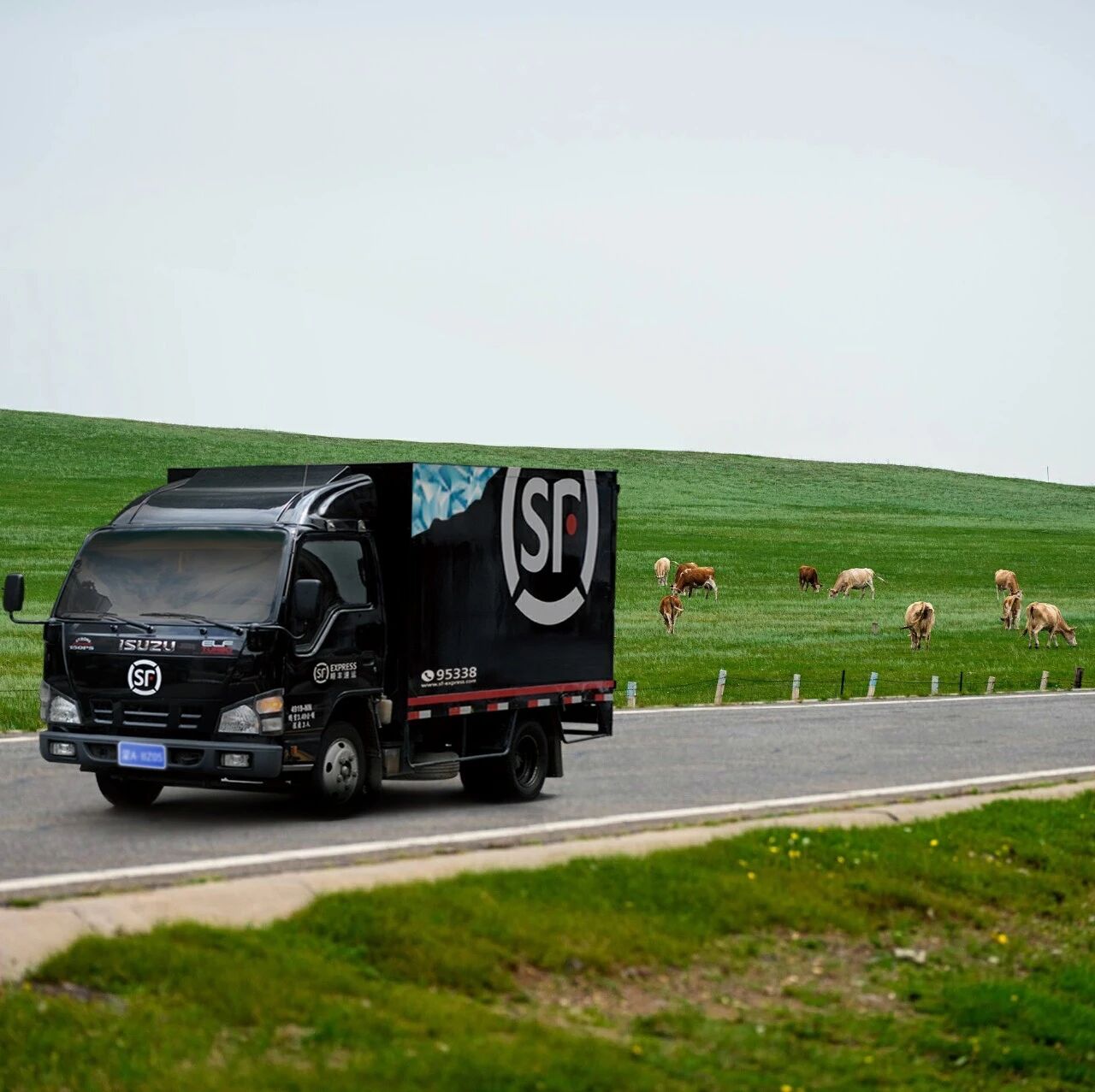
Core Viewpoint - SF Express is enhancing its core competitiveness in logistics through capacity expansion and network optimization while achieving significant breakthroughs in ESG value construction, thereby strengthening its long-term development moat [1][14]. Financial Performance - In September, SF Express reported a total revenue of 27.007 billion yuan, representing a year-on-year increase of 8.78% [2]. - The express logistics segment generated revenue of 20.854 billion yuan, up 14.21% year-on-year, with a business volume of 1.504 billion shipments, reflecting a growth of 31.81% [2]. - The average revenue per shipment was 13.87 yuan, while the supply chain and international business contributed 6.153 billion yuan in revenue [2]. Service Expansion and Innovation - SF Express has been actively enhancing its logistics services for seasonal products, such as the hairy crab, by establishing temporary collection points and deploying specialized service teams, along with smart logistics technologies like unmanned vehicles and drones [5][6]. - The company launched its first intelligent transfer center for hairy crabs in Suzhou, featuring an automated sorting system capable of processing over 20,000 items per hour and exceeding 400,000 items daily [6]. Market Development Strategies - SF Express is integrating logistics with branding and traffic, improving packaging to reflect local cultural characteristics while enhancing freshness [8]. - The company is also collaborating with e-commerce platforms to provide comprehensive logistics services, facilitating the distribution of hairy crabs to a broader consumer base [8]. - In Hong Kong, SF Express has tailored its services to meet local demand, offering seamless delivery from the lake area to Shenzhen pickup points [8]. International Expansion - SF Express is expanding its international logistics network, recently launching a new cargo route from Ezhou to Chicago, enhancing its North American service capabilities [10]. - The company’s air cargo fleet has grown to 90 aircraft, covering domestic and international markets, thereby supporting the dual circulation development pattern in China [12]. ESG Performance - SF Express has achieved a significant upgrade in its ESG rating from MSCI, moving from "BBB" to "A," making it the first logistics company in China to receive this rating [15]. - This recognition underscores the company's strong performance in environmental, social, and governance aspects, which is increasingly important for brand credibility and long-term operational risk reduction [15].

科学家中的科学家,杨振宁影响了什么
经济观察报· 2025-10-18 05:06
Core Viewpoint - The article highlights the significant impact of Yang Zhenning's achievements, particularly his Nobel Prize in Physics in 1957, on Chinese science and society, inspiring generations of scientists and enhancing national confidence in scientific capabilities [17][18]. Group 1: Yang Zhenning's Life and Achievements - Yang Zhenning, a renowned physicist and Nobel laureate, passed away on October 18, 2025, at the age of 103 [4]. - The documentary "Yang Zhenning: A Century of Scientific Journey" premiered in January 2024, showcasing rare historical materials and contributions from top Chinese scientists [5][6]. - Yang Zhenning was born in 1922 in Hefei, Anhui, and received his education at Southwest Associated University and later studied under prominent physicists in the United States [6][10]. - He and Li Zhengdao were awarded the Nobel Prize in Physics in 1957 for their work on parity violation, making them the youngest Nobel laureates at that time [12][17]. Group 2: Influence on Chinese Science - Yang Zhenning's achievements have been described as a turning point for Chinese scientists, instilling a sense of pride and capability in scientific research [17][18]. - His contributions helped change the perception of Chinese scientists on the global stage, encouraging future generations to pursue scientific excellence [18]. - Yang Zhenning emphasized the importance of basic research in China, influencing government policies and funding in the field [21]. Group 3: Personal Reflections and Legacy - Yang Zhenning's personal experiences, including his return to China after years abroad, reflect his deep connection to his homeland and commitment to advancing Chinese science [20][22]. - He was known for his mentorship and support of younger scientists, fostering a collaborative spirit within the scientific community [18][22]. - Yang Zhenning's legacy includes not only his scientific contributions but also his role in inspiring confidence among Chinese scientists and promoting international collaboration [18][22].

深纺织A投建偏光片生产线:新产线为何要购买“二手设备”?
经济观察报· 2025-10-17 14:15
Core Viewpoint - The article discusses the strategic decision of Shenzhen Textile (Group) Co., Ltd. to invest in a new production line for polarizing films, despite a challenging market environment, and raises questions about the purchase of second-hand equipment from Hengmei Optoelectronics [2][6][12]. Group 1: Investment in New Production Line - Shenzhen Textile's subsidiary, Shengbo Optoelectronics, plans to build a new production line with a width of 1.49 meters and an estimated capacity of 18 million square meters per year for LCD and OLED polarizing films, with a total investment of approximately 1.334 billion yuan [2][8]. - The decision to invest in the new line comes despite a reported decline in the performance of polarizing film companies, with Shengbo Optoelectronics experiencing a 19.73% drop in revenue [6][8]. - The new production line is specifically targeted at the OLED market, which is expected to have higher profit margins compared to LCD products, indicating a strategic shift towards high-end applications [6][8]. Group 2: Equipment Purchase Concerns - Shengbo Optoelectronics intends to purchase second-hand front-end equipment from Hengmei Optoelectronics for approximately 179 million yuan, raising questions about the quality and necessity of buying used equipment that has been idle for four years [2][10][11]. - The equipment in question was previously owned by Jiangsu Haiwei Optoelectronics and has not been used since its purchase in 2021, leading to skepticism about its condition and the rationale behind the purchase [9][10]. - The decision to buy only part of the equipment, specifically the front-end machines, rather than the entire set, has also been questioned, as the new production line will require additional machinery [10][11]. Group 3: Relationship Between Companies - Hengmei Optoelectronics, which holds a 40% stake in Shengbo Optoelectronics, is both a competitor and a partner, complicating the dynamics between the two companies [12][13]. - The relationship has evolved over time, with both companies collaborating on technology and production line projects, although there have been failed attempts at mergers [13][14]. - The ongoing collaboration and competition between the two firms may influence future strategic decisions, including potential restructuring efforts [14].


小米之“祸”
经济观察报· 2025-10-17 13:47
Core Viewpoint - Xiaomi's rise and fall signifies a critical juncture not only for the company but also serves as a warning for the upgrade of Chinese industries [1][32] Financial Performance - In Q2 2025, Xiaomi's revenue reached 116 billion yuan, marking three consecutive quarters of over 100 billion yuan, with an adjusted net profit of 10.8 billion yuan, a year-on-year increase of 75.4% [2] - The smartphone shipment volume was 42.4 million units, achieving year-on-year growth for eight consecutive quarters, maintaining a position among the top three globally for five years [2] Trust Crisis - Despite strong financial results, Xiaomi faces an unprecedented trust crisis, with over 1,610 complaints regarding the Xiaomi SU7 on third-party platforms and a repair rate increase of 12.8% over three years [2][3] - A serious accident involving the Xiaomi SU7 raised concerns about the vehicle's safety features, particularly the inability to open the doors during emergencies [2][12] Business Model Challenges - Xiaomi's strategy of "high-level imitation + low-price suppression" has come under scrutiny, particularly in the automotive sector where quality and safety are paramount [4][5] - The company has been criticized for sacrificing R&D investment, employee welfare, and product quality in pursuit of cost leadership, which may stifle innovation across the industry [7] Imitation and Innovation Issues - Xiaomi's reliance on imitation has led to numerous patent disputes, with accusations of copying designs from established brands, particularly in the automotive sector [8][9] - The company's innovations are often seen as superficial, lacking in core technological breakthroughs, which could hinder long-term competitiveness [10] Marketing and Product Quality - Xiaomi's marketing strategy has emphasized aesthetics over substance, leading to a disconnect between consumer expectations and actual product performance, especially in the automotive sector [11][12] - The focus on flashy marketing and parameters has resulted in safety concerns, as seen in the SU7's design flaws that prioritize appearance over functionality [12][13] Supply Chain and Ecosystem Issues - Xiaomi's investment strategy has been criticized for prioritizing financial returns over technological innovation, leading to a reliance on a closed ecosystem that may inhibit breakthrough developments [18][19] - The phenomenon of "de-Xiaomi-ization" is emerging among ecosystem partners seeking greater autonomy and profitability, indicating potential conflicts within Xiaomi's supply chain [20] Strategic Reflection and Future Directions - As Xiaomi reaches its 15th anniversary, it must reassess its strategic path, moving from a focus on cost advantages to prioritizing technological innovation and product quality [22][25] - The company plans to invest 200 billion yuan in R&D over the next five years, aiming to shift public perception from being a mere "assembly factory" to a technology-driven entity [25][26] Conclusion - Xiaomi's recent challenges may serve as a turning point for the Chinese electric vehicle market, emphasizing the need for genuine product quality over marketing hype [32] - The evolution of consumer expectations and media scrutiny may foster a healthier business environment that encourages innovation and accountability within the industry [32]

2亿元卖早期资产 加科思“舍小保大”
经济观察报· 2025-10-17 11:22
Core Viewpoint - The article discusses the strategic moves of 加科思 (Gakosi) in the biopharmaceutical sector, particularly focusing on its divestment of a cardiovascular project to 海松资本 (Haisong Capital) and the subsequent reinvestment into its core oncology pipeline, especially the development of a Pan-KRAS inhibitor [2][4][9]. Group 1: Transaction Details - 加科思 announced a capital increase and equity transfer involving a cardiovascular treatment project, previously held by its subsidiary 加科瑞康 (Gakosi Ruikang), to 海松资本, which will acquire 80% of the subsidiary [2][4]. - The transaction includes an initial payment of 125 million yuan and a milestone payment of 75 million yuan, totaling 200 million yuan, which will be used for the development, production, and commercialization of its core oncology pipeline [2][3][4]. Group 2: Strategic Focus - Following the divestment of non-core assets, 加科思 aims to concentrate on the oncology field, enhancing its cash flow and retaining a 10% stake in 加科瑞康 for potential future benefits [4][6]. - The company has a strong focus on the Pan-KRAS inhibitor, which is a significant target in its pipeline, as KRAS mutations are linked to a high percentage of cancer cases [11][13]. Group 3: Clinical Development Plans - 海松资本 plans to leverage China's clinical advantages to expedite the development of the pipeline, with intentions to submit an IND application in the first half of next year, aiming to enter clinical trials [7][9]. - The Pan-KRAS inhibitor is currently undergoing I/IIa phase clinical trials in China and the U.S., with results expected to be announced in mid-2026 [14][15]. Group 4: Market Context - The article highlights the competitive landscape for Pan-KRAS inhibitors, noting that other companies like Pfizer and BeiGene are also advancing similar projects in clinical stages [15]. - 加科思's leadership emphasizes the potential of iADC (immune-stimulating antibody-drug conjugates) as a high-risk but high-reward area, indicating a broader strategy in innovative cancer therapies [15].