财富FORTUNE

Search documents
年轻消费者,正在成为企业创新的深度参与者
财富FORTUNE· 2025-10-01 13:04
Core Insights - The consumer market is undergoing a profound transformation led by the younger generations, particularly Generation Z (born 1995-2009) and Generation Alpha (born after 2010), which is influencing consumption patterns and demands across various industries and companies, driven in part by the wave of artificial intelligence technology [1][3] Group 1: Changing Consumer Trends - In 2022, consumer spending accounted for approximately 40% of China's GDP, indicating a gap compared to developed economies [1] - The government has prioritized boosting consumption and expanding domestic demand in its 2025 work report [1] - There is a strong consumption demand in lower-tier markets, which is also impacting consumption in first- and second-tier cities [3] Group 2: Consumer Behavior and Preferences - Consumers are becoming more discerning, focusing on essential goods while still willing to spend on emotional purchases such as trendy toys, movies, travel, and sports events [3] - The "trade-in" programs and other stimulating consumption strategies have contributed to a recovery in overall consumption, although there are signs of uneven development [3] Group 3: Role of Technology and Innovation - Companies like Haier are leveraging advanced technologies such as fluid mechanics and artificial intelligence to meet the evolving needs of young consumers, exemplified by the development of a washing machine designed for convenience [4][6] - The integration of artificial intelligence into product development and user experience is becoming increasingly important, with a focus on time-saving and labor-saving features [6] Group 4: Impact of Social Media and E-commerce - The shopping behavior of young consumers is significantly influenced by recommendation algorithms on social media and e-commerce platforms, altering the traditional consumer decision-making process [6] - The balance between traffic and quality, as well as price and value, is crucial for companies, with product and brand loyalty being key metrics for success [6][7] Group 5: Organizational Change and Innovation - Effective organizational change is essential for companies to adapt to the influence of artificial intelligence, with a suggested framework of 10% algorithms, 20% data and technology, and 70% focused on organizational and process changes [7]



头部企业与超大城市如何双向奔赴?
财富FORTUNE· 2025-10-01 13:04
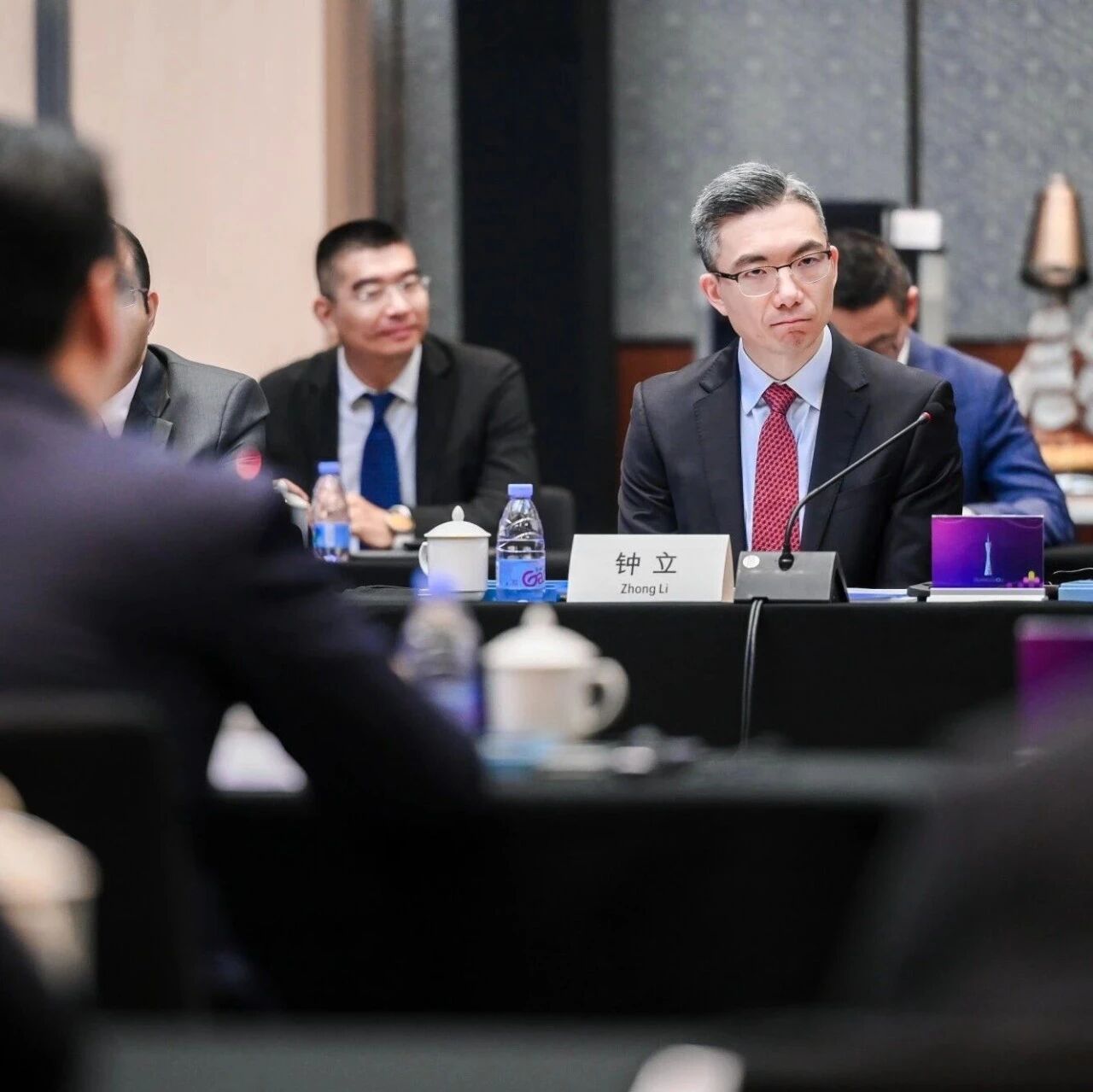
Core Insights - The "City and Enterprises Joint High-Quality Development Consultation Activity" was successfully held as part of the 2025 Fortune Global 500 Summit, aiming to create a high-level dialogue platform between cities and Fortune 500 companies [1][4] - Guangzhou's Mayor Sun Zhiyang emphasized the city's strategic planning and development opportunities, inviting global enterprises to invest and deepen cooperation in various sectors [3][4] Group 1: Event Overview - The Fortune Global 500 Summit has been hosted in Guangzhou for three consecutive years, attracting leaders from Fortune 500 companies, industry leaders, and renowned economists [4] - The theme of this year's summit is "Standing at the Starting Point of a New Cycle: Discovering, Embracing, and Reshaping," featuring various activities including roundtable forums and award ceremonies [4] Group 2: Guangzhou's Strategic Development - Guangzhou is seizing opportunities from the Guangdong-Hong Kong-Macao Greater Bay Area and the construction of an international consumption center, focusing on a modern industrial system [3] - The city aims to create a better business environment by reducing institutional transaction costs and expanding institutional openness, fostering mutual empowerment and win-win cooperation between the city and enterprises [3] Group 3: Business Community Feedback - Business leaders expressed their recognition of Guangzhou's investment environment, highlighting its strong economic strength, innovation vitality, and favorable business conditions [3] - There is a collective willingness among enterprises to deepen cooperation with Guangzhou in sectors such as biomedicine, advanced manufacturing, and urban construction for high-quality development [3]
美赞臣中国:坚持科学实证实现品牌“真实增量”
财富FORTUNE· 2025-09-30 13:27
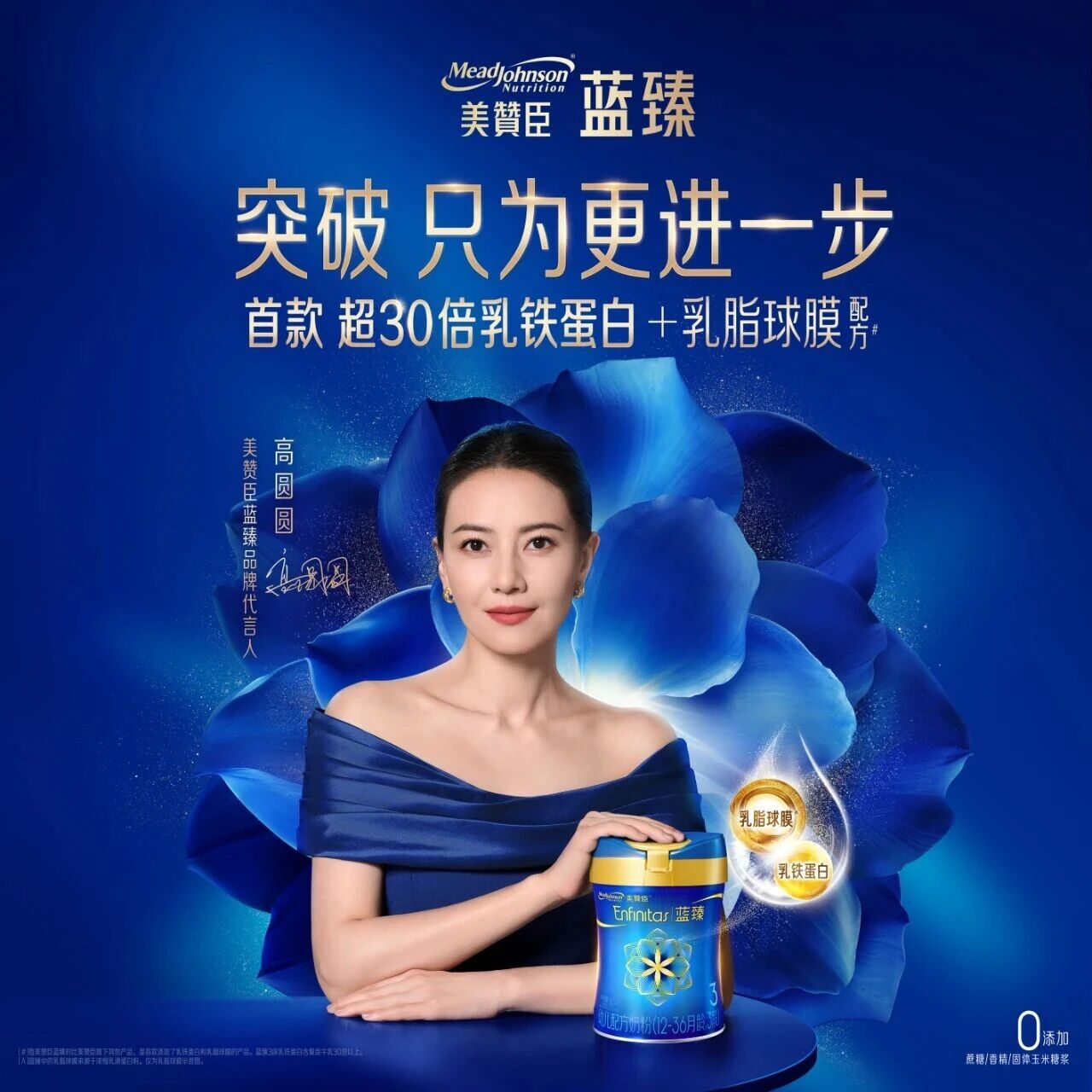
Core Insights - The article emphasizes the importance of understanding consumer needs to achieve "real growth" in the infant and maternal industry, as discussed by the CEO of Mead Johnson China, Xiao Jingjing, at the Fortune Global 500 Summit [1][3]. Group 1: Industry Challenges and Opportunities - The global economy is facing multiple transformative forces, including the rise of artificial intelligence and an aging population, which pose challenges such as fluctuating birth rates and rational consumer behavior in the maternal and infant industry [3]. - Mead Johnson's philosophy is centered around providing the best start for babies, aligning with mothers' enduring wishes, and driving product innovation through scientific evidence [3][4]. Group 2: Scientific Research and Product Innovation - Mead Johnson has a long history of scientific research, having accumulated over 1,080 global patents and more than 100 scientific research outcomes, which have been cited over 9,200 times in the industry [4]. - The company has pioneered the exploration of Milk Fat Globule Membrane (MFGM), a key component in breast milk, which contains over 1,000 nutrients and plays a significant role in infant immune development and cognitive growth [6]. - Recent studies published in top academic journals have confirmed the positive effects of MFGM on cognitive development in infants, demonstrating its importance in enhancing brain structure and function [7]. Group 3: Product Development and Market Strategy - Mead Johnson has developed a comprehensive nutritional solution for all life stages, addressing market challenges posed by demographic changes, with products targeting both infants and older adults [8]. - The company has strengthened its brand trust through various initiatives, including collaborations with health associations and engaging in educational outreach to alleviate parenting anxiety [10].
广汽掌舵人:传统车企构筑壁垒要“有矛有盾”
财富FORTUNE· 2025-09-30 13:27
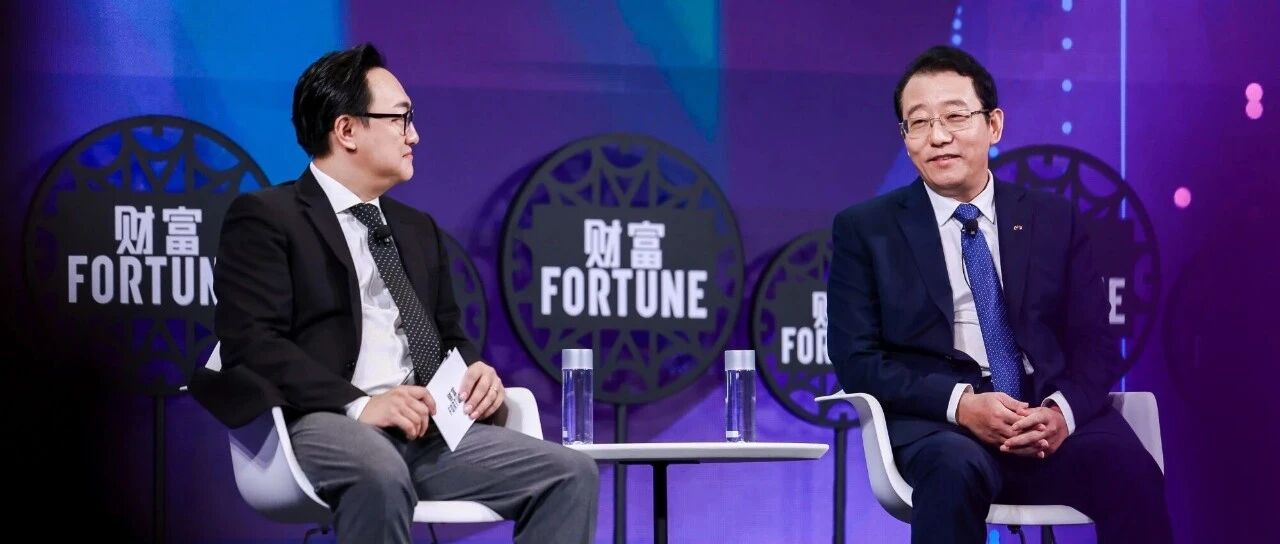
Core Viewpoint - The automotive industry is currently undergoing a "four-phase overlap," including industrial transformation, rapid technological iteration, restructuring of management models, and reshaping of competitive landscape [2]. Group 1: Industry Outlook - The competition among domestic automotive brands is intense, with several brands failing in the past two years. There is ongoing discussion about which companies will survive [3]. - The chairman expresses optimism that in ten years, at least three to five Chinese companies will be among the top ten global automotive manufacturers, driven by successful investments in "green" and "smart" technologies [3]. - The future development model of the industry will focus on new energy, low carbon, and sustainability, where China is currently leading [3]. Group 2: New Capabilities Required - The capabilities required for car manufacturers have changed, emphasizing user insight, product definition, vehicle integration, smart technology, and marketing abilities [4]. - While the technical barriers to entry have lowered, new entrants must possess certain capabilities to succeed in the industry [4]. Group 3: Challenges and Risks - Traditional automakers face challenges from tech companies entering the automotive sector. To build core competitive advantages, companies need to innovate while ensuring quality and safety [4]. - There is a significant risk associated with neglecting safety in the pursuit of smart technology, which could lead to negative consequences for companies [4]. Group 4: Consumer Behavior - The automotive market has seen a clear division in consumer demographics, with some prioritizing practical functionality and others valuing emotional appeal. Overemphasis on emotional value could pose risks for manufacturers [4].

定义下一代智能感知,中科摇橹船跻身《财富》中国科技50强
财富FORTUNE· 2025-09-30 13:27
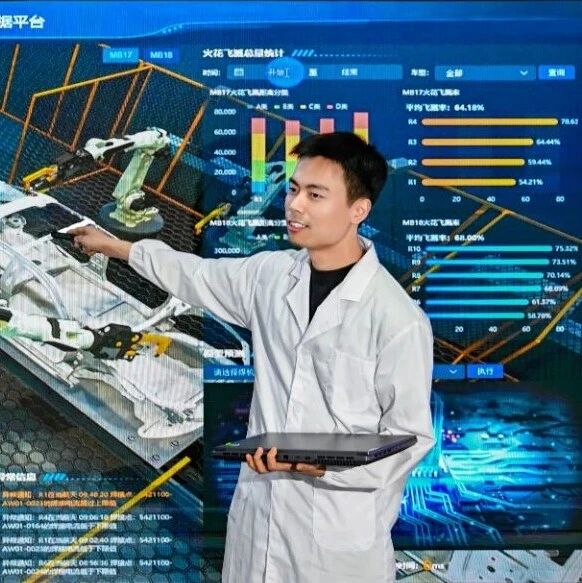
Core Insights - The article highlights the recognition of Zhongke Yaolu Boat as a significant player in the intelligent perception sector, marking its entry into the 2025 "China's Top 50 Tech Companies" list by Fortune, showcasing its rapid growth and innovation in the industry [1][7]. Group 1: Company Overview - Zhongke Yaolu Boat is a hard-tech AI enterprise incubated by the Chongqing Liangjiang New Area and the Xi'an Institute of Optics and Precision Mechanics, part of the Chinese Academy of Sciences [8]. - The company has expanded its operations from the western region to the Yangtze River Delta, establishing a presence in Yancheng, Jiangsu, which is crucial for integrating into China's core manufacturing ecosystem [8]. Group 2: Technological Advancements - Zhongke Yaolu Boat has shifted its focus from merely hardware production to developing comprehensive "perception-decision" capabilities, integrating "light + AI" technologies to redefine industrial vision standards [7][10]. - The company has invested heavily in R&D, with over 25% of its revenue allocated to research for three consecutive years, resulting in 210 core intellectual property rights [18]. Group 3: Product Innovations - The company has developed a 5G intelligent welding inspection big data platform and an AI visual quality inspection system for the entire manufacturing process of new energy vehicles, covering over 360 inspection stations [11][12]. - In the semiconductor sector, Zhongke Yaolu Boat has broken through two major bottlenecks in Micro LED display technology, facilitating its mass production [13][15]. - The launch of a visualization laser radar camera enhances geological disaster early warning and intelligent vehicle perception, capable of detecting objects in extreme weather conditions [20][24]. Group 4: Industry Impact - The recognition of Zhongke Yaolu Boat signifies a shift in China's technology evaluation system towards hard-core innovation, emphasizing deep industry understanding and long-term technological investment [28]. - The company represents a new wave of innovators in China, poised to influence global markets as it continues to advance in the "light + AI" integration across various industries [31].
从追赶到超越,国产咖啡机品牌用三年时间重构全球咖啡机行业
财富FORTUNE· 2025-09-30 13:27
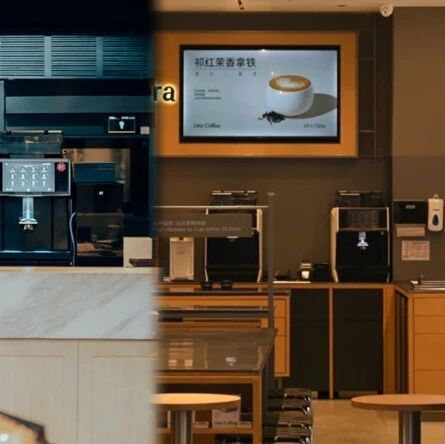
Core Viewpoint - The article discusses the rise of domestic coffee machine brands in China, particularly focusing on Kafei Technology, which aims to compete with established European brands by developing high-quality, locally produced coffee machines that meet both domestic and international market demands [2][6][39]. Group 1: Market Context - In early 2023, China became the country with the highest number of coffee shops globally, indicating a mature coffee culture and increasing consumer demand [2]. - Despite the growth in the coffee market, domestic coffee machines have struggled to compete with imported European brands, which dominate the high-end segment [4][8]. Group 2: Technological Advancements - Kafei Technology has developed the Smart X series of fully automatic coffee machines, which have entered over 80 countries, breaking the long-standing technological monopoly of European brands [6][12]. - The company has achieved significant advancements in core technologies, such as the development of a ceramic grinding disc that lasts 2 to 4 times longer than traditional metal discs, and a precise weight control system that exceeds European standards [18][20][22]. Group 3: Market Strategy - Kafei Technology's strategy involves addressing local market needs by focusing on cost reduction, efficiency improvement, and quality control, which are critical pain points for Chinese coffee shops [24][30]. - The company has successfully penetrated various market segments, including high-end restaurants and tea shops, demonstrating the adaptability of its products [31][33]. Group 4: Global Expansion - Kafei Technology is expanding its presence in international markets, particularly in Southeast Asia and Europe, where it competes directly with established brands and has gained traction among customers previously loyal to European products [37][39]. - The company's overseas orders are increasing, showcasing the strength of "Made in China" high-end manufacturing capabilities [37][43].
预见新药结局:焕一生物以AI数字孪生赋能药企精准研发决策
财富FORTUNE· 2025-09-29 13:05
Core Insights - The article discusses a revolutionary policy by the FDA that allows for the gradual replacement of traditional animal testing with New Approach Methodologies (NAMs) in drug development, emphasizing the role of AI-driven high-precision computer simulations as officially recognized evidence [1][24] - The pharmaceutical industry faces challenges in adopting these new methodologies, particularly in selecting in silico models that are predictive, interpretable, and compliant, which is crucial for converting policy benefits into market advantages [1][6] Industry Challenges - The average cost of developing an innovative drug has surpassed $2 billion, with a development timeline of 10 to 15 years, while the success rates of clinical trials are declining [4] - The failure rate in clinical Phase I has increased by 1.5 times, and the transition failure rate from Phase II to III is at 80.5%, largely due to the complexity of new generation innovative drugs like ADCs, CAR-T therapies, and mRNA [4][6] Company Overview - AliveX Biotech, founded in 2019, has provided AI and mechanism modeling solutions to over 200 international pharmaceutical and biotech companies, supporting all stages of drug development from early target discovery to market launch [8][10] Technological Innovations - AliveX has developed a multi-scale ADC research platform that integrates Quantitative Systems Pharmacology (QSP) and AI mechanism modeling, successfully predicting drug efficacy and safety in clinical trials [11] - The platform has achieved a 100% success rate in submissions to global regulatory agencies, significantly enhancing the efficiency of international drug registration processes [12] Value Proposition - The implementation of Model-Informed Drug Development (MIDD) strategies can shorten development timelines by 6 to 24 months and save $30 million to $70 million per project, allowing for earlier market entry of breakthrough therapies [15][16] - MIDD technology empowers the entire drug development process by optimizing clinical trial designs, determining effective dosages quickly, and enhancing regulatory approval efficiency [16][17] Future Outlook - The integration of AI and mechanism-driven pharmacological modeling is set to transform the pharmaceutical industry from a trial-and-error approach to a predictive model, significantly reducing costs and improving decision-making [25][27] - AliveX aims to be a core driver of digital transformation in global pharmaceuticals, enabling faster, more stable, and accessible innovative drug development [27][28]

中国的最大公约数,世界的最小公倍数——《财富》专访Orange创新设备与合作伙伴关系执行副总裁菲利普·卢卡斯
财富FORTUNE· 2025-09-29 13:05
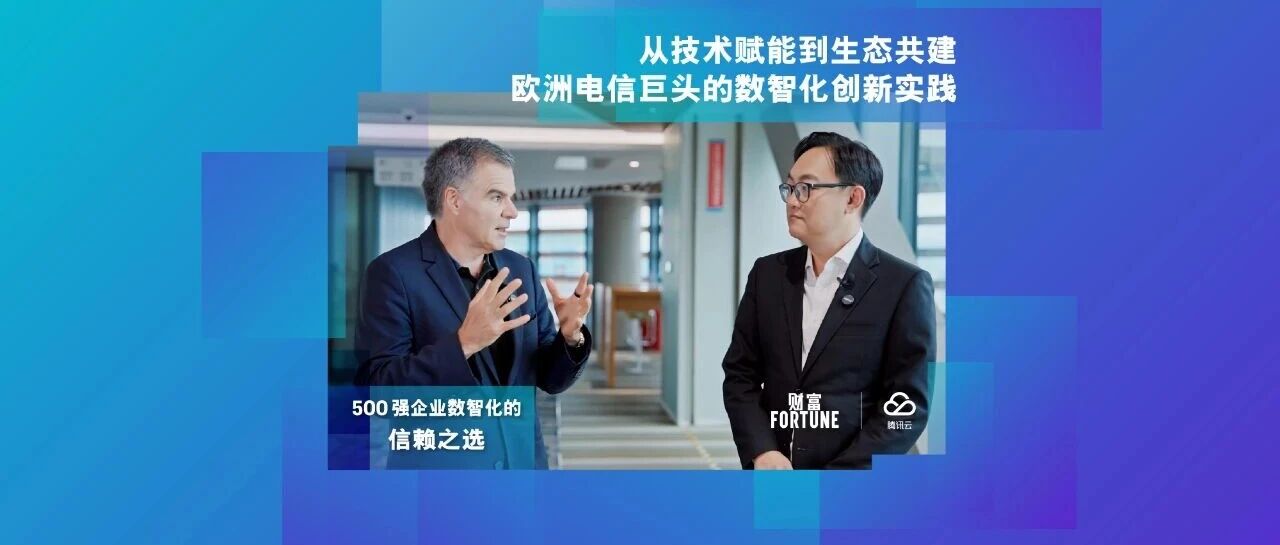
Core Viewpoint - The article discusses Orange's ambition to develop a "super app" called Max it for the African and Middle Eastern markets, inspired by China's WeChat model, aiming to provide comprehensive communication and subscription management services [7][9][10]. Group 1: Orange's Market Strategy - Orange is a leading telecommunications operator in Europe, the Middle East, and Africa, serving 300 million users across 26 countries [3]. - The company aims to replicate the success of Chinese mobile internet by launching Max it, which will cater to the unique needs of the African market [9][10]. - The average price of mobile devices in sub-Saharan Africa is around 60 euros, necessitating a low-cost, feature-rich application to meet user demands [9]. Group 2: Collaboration with Tencent Cloud - Orange partnered with Tencent Cloud to develop Max it, enhancing its capabilities significantly within a year [12][17]. - The collaboration focuses on localizing technology and adapting it to meet the specific needs of African users, rather than simply copying existing models [18][21]. - Tencent Cloud's expertise has allowed Orange to accelerate the development of new features for Max it, including messaging, video, and music functionalities [12][14]. Group 3: Local Adaptation and Innovation - The partnership emphasizes the importance of local adaptation, with Orange employing local talent to build a sustainable ecosystem [14][15]. - A phased approach is being taken to customize solutions for different countries, ensuring that the app meets diverse market expectations [15][18]. - The goal is to create a long-term, successful digital economy in Africa, similar to the sustained growth of WeChat in China [19][21]. Group 4: Historical Context and Future Outlook - The article draws parallels between historical advancements in telecommunications and the current efforts to leverage Chinese technology in Africa [20][22]. - The aim is to transform the lessons learned from China's market into a framework that can be applied globally, particularly in emerging markets [20][21].


中关村科金:不追风口,做ToB大模型价值落地的“深耕者”
财富FORTUNE· 2025-09-29 13:05
Core Insights - The article highlights the paradox of high consumption and low returns in the AI industry, emphasizing that 95% of generative AI investment projects fail to deliver expected financial returns, with only 5% achieving commercialization [1][4] - Beijing Zhongguancun KJ Technology Co., Ltd. is positioned as a leading player in the enterprise-level AI model application market, having established a strong foothold by focusing on vertical applications rather than chasing trends [1][3][4] Market Dynamics - By mid-2025, the daily consumption of enterprise-level AI models in China is projected to reach 10.2 trillion tokens, equivalent to 46 billion 2,000-word articles, indicating a massive demand for AI solutions [1] - The article discusses the shift from a "technology showcase" era to a focus on "value realization" in AI, where deep engagement in vertical sectors is essential for successful AI integration [1][4] Company Strategy - Zhongguancun KJ's strategy began with a "reverse layout" in 2014, focusing on intelligent audio and video technology instead of mainstream computer vision, which has become a core asset for connecting businesses with customers [4] - The company has strategically chosen to concentrate on enterprise-level intelligent interaction scenarios, particularly in the smart customer service sector, which is seen as a critical entry point for large model applications [4][12] Competitive Position - In the latest IDC report, Zhongguancun KJ ranks fourth in the Chinese intelligent customer service market, leading among AI model companies [5] - The company’s approach emphasizes that the winners in the AI arms race will be those who can translate model capabilities into commercial value, rather than merely possessing the largest models [6] Implementation Framework - Zhongguancun KJ has proposed a "platform + application + service" three-tier engine strategy to accelerate the deployment of vertical AI models, addressing core issues of usability and effectiveness in enterprise applications [13][16] - The company aims to create a closed-loop system that activates enterprise data assets, integrates various AI capabilities, and continuously optimizes performance through iterative feedback [12][16] Industry Applications - The article provides examples of successful collaborations across various sectors, including finance, manufacturing, and infrastructure, showcasing how Zhongguancun KJ's AI models enhance operational efficiency and knowledge transfer [18][19][21][22] - Notable projects include a training platform for securities firms that improves training efficiency by 70% and a model for the shipbuilding industry that enhances intelligence analysis efficiency by 60% [19][21] Conclusion - The article concludes that the true value of AI lies not in the amount of computational power used but in the ability to understand and address industry-specific challenges, marking a shift from theoretical to practical applications in AI [25][26]
傅成玉:要在第四次工业革命中占先,中国亟待一个关键改变
财富FORTUNE· 2025-09-29 13:05
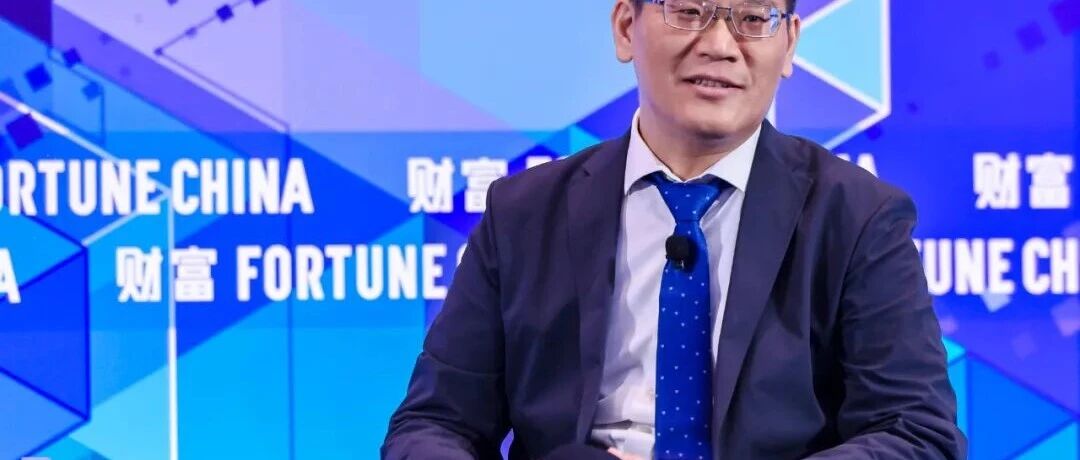
Core Viewpoint - The article emphasizes the divergence in energy policies between China and the United States, highlighting China's advantages in the clean energy sector amidst the U.S. retreat from global climate agreements [1][6]. Group 1: Trends and Transformations - The future is characterized by two major trends: green low-carbon transformation and intelligentization, which are expected to dominate the coming decades [4]. - China is positioned to lead in these trends due to its advanced status in renewable energy and smart technologies, as well as its comprehensive industrial application scenarios [5]. Group 2: U.S. Policy Impact - The U.S. withdrawal from the Paris Agreement is viewed as a temporary and localized impact on global climate efforts, with the expectation that the U.S. will eventually need to re-engage in green and low-carbon economies [6][7]. - The article critiques the U.S. approach under Trump's administration as regressive, suggesting that the country has missed opportunities for industrial revitalization and sustainable development [7]. Group 3: Challenges in China's Energy Sector - Despite the clear path towards green transformation, China's renewable energy sector faces challenges such as price competition and overcapacity [7]. - The article identifies "opportunism" among Chinese enterprises as a root cause of overcapacity, where companies seize fleeting opportunities without long-term strategy [8]. - It also highlights the need for a shift from low-price competition to a focus on high quality and cost-effectiveness to avoid self-destructive practices in the industry [9]. Group 4: Infrastructure and Industrial Adjustment - The current industrial and infrastructure systems in China are based on the previous three industrial revolutions, which are inadequate for the demands of the fourth industrial revolution [9]. - The article argues for a change in mindset regarding energy infrastructure, advocating for distributed energy systems that align with modern energy consumption patterns rather than large centralized power plants [9].