财富FORTUNE

Search documents
世界500强背后,中美科技产业的互利共生
财富FORTUNE· 2025-09-05 13:09
Core Insights - The total revenue of the Fortune Global 500 companies reached $41.7 trillion, marking a historical peak and accounting for over one-third of the global nominal GDP [2] - The total profit of these companies approached $3 trillion, setting a record for the second-highest profit level in history [2] - The article emphasizes the importance of understanding industry dynamics and the increasingly close economic ties between countries through the lens of these significant figures [2] Group 1: High-Tech Companies - Among the 34 high-tech companies on the list, 15 are from the United States, with an average revenue exceeding $100 billion and an average net profit of $31 billion [2] - The threshold for entering the Fortune Global 500 this year was a revenue of $32.2 billion, indicating that the profit generated by a single U.S. tech giant could nearly create another Fortune 500 company [2] - U.S. companies are achieving high-quality development, particularly the leading tech firms, but this advantage is not solely due to decoupling or de-Chinaization [2] Group 2: U.S.-China Economic Interdependence - NVIDIA's CEO highlighted the critical importance of the Chinese market, contributing 12.5% to the company's global revenue of $41.1 billion in Q1 2025 [3] - Over 80% of Apple's 200 core suppliers have production bases in China, indicating a deep reliance on Chinese suppliers for the entire supply chain [3] - The relationship between tech giants and the Chinese industrial chain is characterized as a symbiotic reality, essential for maintaining global supply chain stability [3] Group 3: Artificial Intelligence and Future Outlook - The article discusses the potential of artificial intelligence to bridge geopolitical tensions, with the U.S. and China adopting different but complementary technological paths [4] - China focuses on scaling vertical applications like smart cities and industrial internet, while the U.S. leverages public cloud ecosystems to activate long-tail user creativity [4] - The competitive landscape between the U.S. and China in areas like chips and computing power is significant, but structural complementarity may reduce the need for conflict [4]


物流三座大山下,如何物畅其流?
财富FORTUNE· 2025-09-05 13:09
Core Viewpoint - The logistics industry is evolving rapidly, driven by technological advancements and increasing global trade demands, with a focus on efficiency, cost reduction, and risk management [1][2][14]. Group 1: Industry Growth and Expectations - Logistics has become a cornerstone of global e-commerce and manufacturing, with the express delivery volume projected to reach 1.745 billion packages in 2024, up from 919 million packages 12 years ago [1]. - The Chinese government has initiated plans to promote the digital transformation of logistics to enhance efficiency and reduce costs [1]. Group 2: Role of Technology in Logistics - Logistics technology companies are becoming essential in building a more robust and agile global logistics network, utilizing algorithms and AI to optimize supply chain strategies [2][4]. - SF Technology, a subsidiary of SF Express, has been recognized as the only logistics technology company in the 2025 Fortune China Tech 50 list, highlighting its significant impact on the industry [2][4]. Group 3: Innovations by SF Technology - SF Technology has implemented various technological innovations, including the development of logistics drones, AI-driven decision-making platforms, and proprietary models like "Fengyu" and "Fengzhi" to enhance operational efficiency [5][10][12]. - The "SF Super Brain" platform has been upgraded to facilitate intelligent decision-making, significantly improving logistics network efficiency and reducing carbon emissions [8][10]. Group 4: Supply Chain Solutions - The Baichuan platform developed by SF Technology offers comprehensive supply chain solutions, adaptable to various industries and capable of supporting global operations [11][12]. - SF Technology's innovations have led to improved decision-making accuracy and efficiency, with notable enhancements in logistics operations across multiple sectors [12][14].


“失礼行为”每天让美国企业蒙受高达20亿美元损失
财富FORTUNE· 2025-09-04 13:10
Core Viewpoint - The lack of civility in the workplace is causing U.S. companies to incur losses of up to $2.1 billion daily due to decreased productivity and increased absenteeism [2]. Group 1: Impact of Incivility - The American Society for Human Resource Management (SHRM) reports that employees encounter approximately 208 million instances of incivility daily, a figure that has risen sharply during the 2024 election period [2]. - The increase in rude behavior is linked to broader societal tensions, pandemic-induced stress, and what is termed "digital courage," where individuals express opinions online that they would not in person [3][4]. - Incivility in the workplace leads to reduced psychological safety, weakened team cohesion, and poor performance on diversity and inclusion metrics, all of which directly affect corporate profits [5]. Group 2: Employee Well-being - Over one-third of surveyed employees reported high levels of stress at work, with 67% indicating their happiness has worsened compared to pre-pandemic levels [5]. - The happiness index saw a significant drop at the onset of the pandemic, followed by a rebound in 2021, attributed to the joy brought by vaccines [5]. Group 3: Importance of Organizational Culture - Leaders must address workplace incivility by fostering a positive organizational culture, as this can enhance trust and performance [5][9]. - The SHRM emphasizes the need for clear behavioral expectations and training in active listening to shift workplace dialogue from arguments to discussions [5][8]. - The definition of incivility is more related to organizational culture than individual intent, suggesting that companies should consciously shape their culture and clarify expectations [6][7].

时间的语法:当科技与艺术在RICHARD MILLE并轨
财富FORTUNE· 2025-09-04 13:10
Core Viewpoint - RICHARD MILLE represents a fusion of contemporary art and advanced watchmaking, challenging traditional boundaries of structure, aesthetics, and philosophy through innovative designs and materials [2][3][4]. Group 1: Innovation in Watchmaking - RICHARD MILLE's workshop functions as a miniature art laboratory, where each watch embodies a challenge to the limits of form, material, and function [2]. - The brand utilizes cutting-edge materials like titanium and carbon fiber, pushing the boundaries of mechanical design [2][3]. Group 2: Collaboration with Contemporary Art - Since 2019, RICHARD MILLE has established a strategic alliance with the Palais de Tokyo, supporting avant-garde art and aligning with the center's philosophy of disruption and creation [3]. - The partnership with the Louvre Abu Dhabi includes a ten-year collaboration to promote local and international artists through the RICHARD MILLE Art Prize, focusing on themes of memory, time, and territory [4]. Group 3: Artistic Expression in Timepieces - RICHARD MILLE's watches, such as RM 63-01 and RM 75-01, draw inspiration from various artistic concepts, integrating poetry and architectural elements into their designs [7][9]. - The brand's collaboration with artists like Pharrell Williams and choreographer Benjamin Millepied results in timepieces that reflect a narrative beyond mere functionality, transforming watches into micro art systems [9].

固态电池的“爆发前夜”
财富FORTUNE· 2025-09-04 13:10
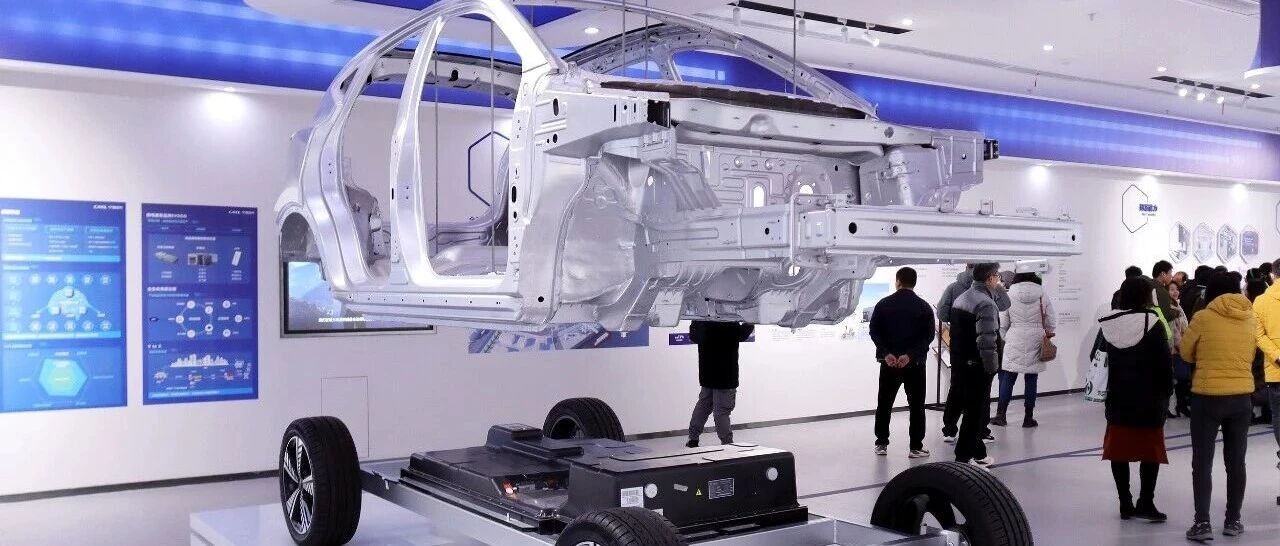
Core Viewpoint - Solid-state batteries are poised to revolutionize energy storage and electric vehicles, with significant advancements in technology and production capabilities being reported recently [2][3][6]. Group 1: Technological Advancements - The development of solid-state batteries has accelerated since the 1990s, with recent breakthroughs including the launch of mass production lines by companies like EVE Energy and Guoxuan High-Tech [2][3]. - Solid-state batteries can enhance electric vehicle range to over 1000 kilometers and eliminate the fire risks associated with liquid electrolyte batteries [3]. - Companies such as Funeng Technology and Guoxuan High-Tech have set clear timelines for mass production, with Funeng aiming for small-scale production by 2026-2027 and large-scale production by 2030 [3]. Group 2: Cost Challenges - The high cost of solid-state batteries remains a significant barrier to widespread commercialization, with estimates suggesting a cost of around 5700 yuan/kWh by 2026 [4]. - Even with cost reduction efforts, the price of electric vehicles equipped with solid-state batteries could exceed 400,000 yuan due to the high costs of materials and production processes [4]. - The demand for production equipment for solid-state batteries has surged, indicating a growing interest in the industry, with major suppliers reporting significant increases in orders [4]. Group 3: Material Innovations - Sulfide solid electrolytes are expected to become the mainstream choice for solid-state batteries, with lithium sulfide being a key raw material [5]. - The initial applications of solid-state batteries will focus on high-value sectors such as eVTOL aircraft and humanoid robots, gradually moving to high-end electric vehicles and eventually to the mass market [5]. Group 4: Market Projections - By 2030, global solid-state battery shipments are projected to reach 808 GWh, with significant demand anticipated from various sectors including automotive and consumer electronics [6]. - The Chinese government is actively promoting the establishment of standards for solid-state batteries, which will help address safety and regulatory challenges [6]. Group 5: Investment Outlook - The solid-state battery sector is viewed as a long-term investment opportunity, but the industry may face a consolidation phase where companies lacking core technological breakthroughs could be eliminated [7]. - Investors are encouraged to focus on identifying leading companies that demonstrate real advancements in materials, processes, and business models within the solid-state battery space [7].

这家软件巨头裁撤4000个客服岗位
财富FORTUNE· 2025-09-04 13:10
Core Insights - The article discusses the impact of artificial intelligence (AI) on employment, particularly in customer service roles, highlighting that companies like Salesforce have significantly reduced their workforce due to AI integration [1][3][5]. Group 1: AI Integration and Workforce Reduction - Salesforce has laid off 4,000 customer service positions, reducing its workforce from 9,000 to approximately 5,000, with AI now handling 50% of customer service tasks [1][3]. - CEO Marc Benioff emphasizes that the collaboration between AI and human workers is the current reality, stating that this is not a dystopian scenario but rather a significant advancement for the company [1][3]. - The company has successfully reduced customer service costs by 17% through the implementation of AI technologies [3][5]. Group 2: Broader Industry Trends - The trend of automating customer service roles is not isolated to Salesforce; other tech giants like Microsoft and Meta have also announced significant layoffs, with Microsoft cutting around 9,000 jobs and Meta laying off 3,600 employees [5][6]. - The article notes that the total number of layoffs in the tech industry has exceeded 64,000 this year, driven by the push for automation and AI integration [5][6]. - Benioff is exploring automation across all functional departments, indicating a broader shift towards intelligent operations within the company [4][6].


美国人未来六个月可能面对什么?
财富FORTUNE· 2025-09-03 13:03
Core Viewpoint - The article discusses the significant rise in food prices, particularly dairy and fruits, due to labor shortages and tariffs, predicting that consumers will face these challenges in the coming months [1][3]. Group 1: Price Increases - Milk prices have surged from $7 to $14, and strawberries have become luxury items, forcing consumers to buy processed foods [1]. - Predictions indicate that agricultural prices may rise by 50% to 100% by early next year as inventory depletes and new contracts take effect [3]. Group 2: Labor Shortages - The labor shortage is exacerbated by the lack of willingness among American workers to perform manual labor at wages comparable to other jobs, with undocumented workers earning around $18 per hour [4]. - The H-2A visa program, which provides foreign agricultural labor, is insufficient to meet the demand, as it only accounts for a small portion of farm labor [4][5]. Group 3: Tariffs Impact - Tariffs imposed on everyday food items like tomatoes and orange juice have increased import costs, limiting affordable alternatives for consumers [1][10]. - Consumers are expected to feel at least a 50% impact from tariffs, particularly on fruits, vegetables, and dairy products, leading many to opt for cheaper processed foods [12]. Group 4: Policy Recommendations - Economists suggest that the only viable policy response is to encourage the reduction of tariffs and increase the influx of legal agricultural workers to improve consumer conditions [14]. - Historical patterns indicate that once prices rise significantly, voters will pressure lawmakers to take action, potentially leading to a shift in immigration policies as elections approach [14].

比亚迪取代特斯拉,成为电动车行业“领头羊”
财富FORTUNE· 2025-09-03 13:03
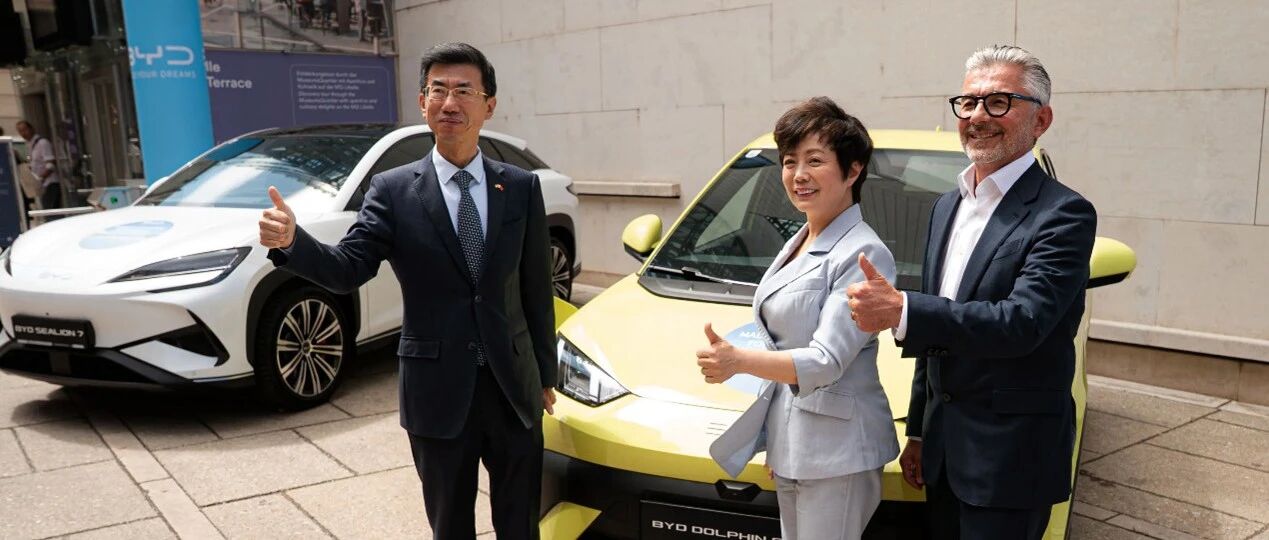
Core Viewpoint - BYD is rapidly expanding its electric vehicle production in Europe, aiming to challenge established competitors like Tesla and traditional automotive giants, leveraging local manufacturing to avoid tariffs and enhance market presence [2][4][6]. Group 1: Expansion Plans - BYD's factory in Hungary is set to produce 150,000 compact electric cars annually starting in 2026, with plans to double that capacity to 300,000 by 2030 [3][6]. - The company aims to establish a significant presence in Europe, with a marketing slogan of "Made in Europe, for Europe" [3][6]. - BYD's sales in Europe have tripled year-over-year, reaching nearly 55,000 vehicles from January to May this year, although this still represents only 1% of the European market [8][9]. Group 2: Competitive Landscape - In the second quarter of this year, BYD sold approximately 607,000 electric vehicles globally, surpassing Tesla's sales of 384,000 units during the same period [8]. - BYD's rapid growth poses a significant threat to established automakers like General Motors, Toyota, Ford, and Volkswagen, which have historically dominated the market [4][6]. - The global electric vehicle market is projected to see over 70% of production coming from China by 2024, with BYD leading this charge [6][12]. Group 3: Strategic Advantages - BYD's vertical integration strategy allows it to control key components of electric vehicles, including batteries, which provides a cost advantage of at least 25% over competitors [13]. - The company has received substantial government subsidies, estimated at around €3.4 billion (approximately $3.76 billion) from 2018 to 2022, aiding its competitive positioning [13]. - BYD's pricing strategy, supported by Chinese government subsidies, enables it to offer vehicles at significantly lower prices than competitors, such as the Dolphin Surf priced under $8,000 [15]. Group 4: Leadership and Vision - BYD's executive vice president, Li Ke, emphasizes the importance of success in Europe as a stepping stone for global expansion [16]. - The company is actively recruiting talent from established European automotive firms to enhance its product offerings and market strategies [18]. - BYD's founder, Wang Chuanfu, transformed the company from a battery manufacturer to a competitive automotive player, attracting significant investment from Warren Buffett [12].

Meta斥资百亿美元建设人工智能项目基地
财富FORTUNE· 2025-09-03 13:03
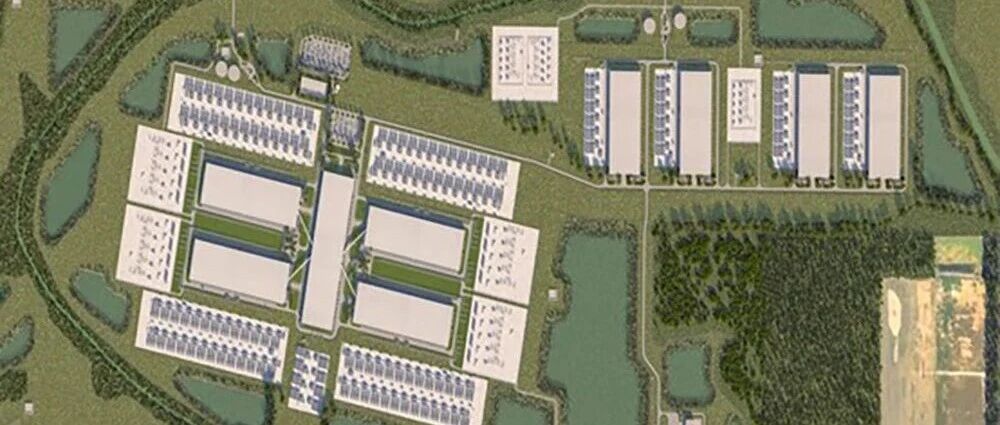
Core Viewpoint - Meta is investing $10 billion to build a massive data center complex in Richland Parish, Louisiana, aimed at supporting its artificial intelligence ambitions, which will require significant energy resources [2][3][4]. Group 1: Project Overview - The Hyperion project will consist of nine buildings covering over 4 million square feet, making it larger than Disneyland, and will potentially consume energy equivalent to 4 million households [3][4]. - The project is expected to have a power capacity of up to 5 gigawatts, primarily for training large language models [3][4]. - Meta's investment in data centers is projected to increase significantly, with a budget of approximately $70 billion for this year, up from $28 billion last year [10]. Group 2: Local Impact and Reactions - The local community is shocked by the scale of the project, with some residents expressing disbelief at the transformation of their rural area into a major tech hub [5][8]. - Local leaders and residents are hopeful for job creation but are also concerned about the potential negative impacts on the environment and local resources [5][8][17]. Group 3: Energy Demand and Infrastructure - The project will require substantial energy, with cooling and operational needs expected to exceed the electricity consumption of New Orleans [5][11]. - Entergy, the regional utility company, plans to build three new gas turbines with a total capacity of 2.3 gigawatts to meet the rising energy demands from large tech companies [6][9]. - The energy demand from data centers is projected to triple by 2028, potentially accounting for 12% of the total U.S. electricity consumption [11]. Group 4: Regulatory and Environmental Concerns - The project has faced opposition from environmentalists and local industries concerned about rising energy costs and the impact on existing energy users [8][9]. - Meta has committed to building 1.5 gigawatts of solar and battery storage facilities in Louisiana, despite ongoing environmental concerns [12][15]. - The approval of Entergy's gas plant project has raised questions about the long-term sustainability and environmental impact of such developments [9][12]. Group 5: Future Trends and Considerations - The construction of large data centers is expected to continue expanding into rural areas, driven by the need for affordable land and energy [18][19]. - Experts suggest that the focus should shift towards renewable energy investments rather than solely relying on gas-fired power plants [17][18]. - The collaboration between Meta and Entergy may set a precedent for future partnerships between utility companies and tech giants in energy infrastructure development [12][17].

兰博基尼CEO称部分富豪客户暂缓购车,原因曝光
财富FORTUNE· 2025-09-02 13:05
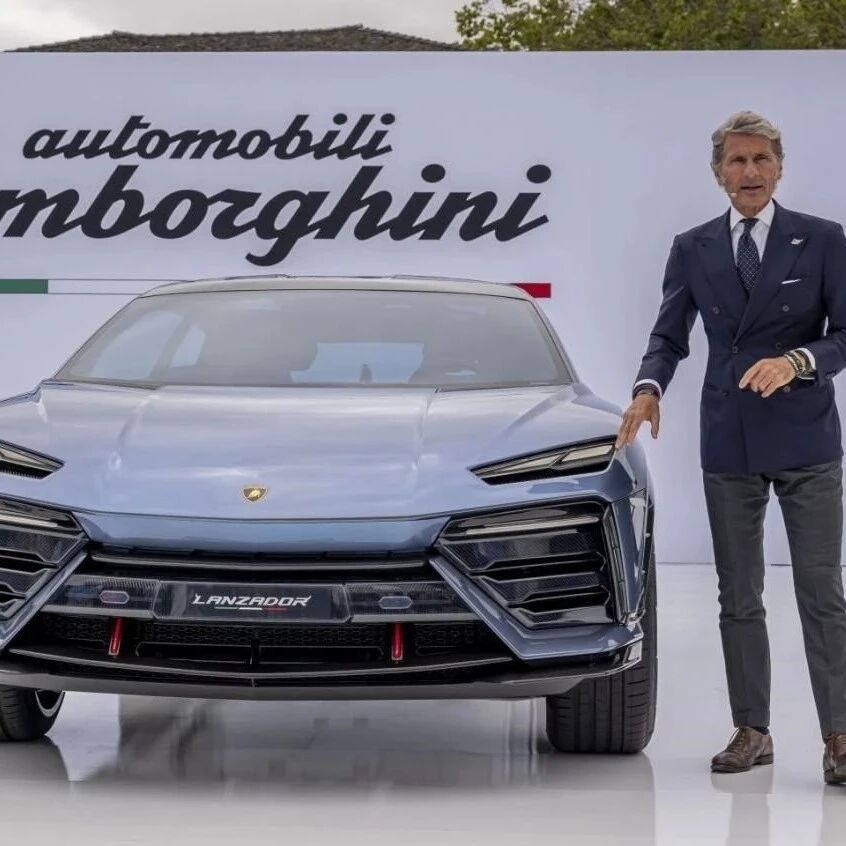
Group 1 - The core viewpoint of the article highlights the impact of U.S. tariffs on Lamborghini's sales, with CEO Stephan Winkelmann noting that some American customers are delaying purchases due to uncertainty surrounding the final tariff rates [2][3] - Lamborghini has a significant backlog of orders, allowing the company to withstand some pressure from tariffs, but the tariffs have still caused notable disruptions [2][4] - The company is part of the Audi Group under Volkswagen, and it is projected that Lamborghini's revenue will exceed €3 billion (approximately $3.5 billion) in the 2024 fiscal year, reflecting a 16% year-on-year growth [4] Group 2 - Lamborghini's customer base is diversifying, with the average age of owners dropping to below 45 years, and in Asia, the average age is around 30 [5] - The average Lamborghini owner possesses five cars, while owners of the high-end model Revuelto average ten cars [5] - Winkelmann expresses confidence in the judgment of wealthy customers, indicating that their financial success is not coincidental and they understand the implications of their purchasing decisions [6]