美股IPO

Search documents
谷歌Gemini 3模型获市场认可,Alphabet股价一度大涨超6%创新高
美股IPO· 2025-11-19 23:09
D.A. Davidson分析师在周二的研报中称,Gemini 3是"真正强大的模型",在初步测试和AI基准评分中表现出色,足以与OpenAI和Anthropic发布的竞品 展开竞争。研报中表示: 基于初步测试和基准评分,这款模型实质性地推动了前沿技术的发展,在某些领域的能力远超我们通常对这一代前沿模型的预期。 周三谷歌股价一度涨超6.6%创新高,随后涨幅收窄,截至发稿股价回落至293.76,涨幅逾3%。 D.A. Davidson分析师称,Gemini 3是真正强大的AI模型,足以与OpenAI和Anthropic发布的竞品展开竞争。美国银行证券分析师指出,Gemini 3代 表谷歌在缩小与AI竞争对手之间"感知中的大语言模型性能差距"方面迈出的又一积极步伐。收盘,Alphabet股价回落至292.81,涨幅3%。 谷歌正式发布备受期待的AI模型Gemini 3,并于发布首日立即在谷歌搜索、Gemini应用程序App及多个开发者平台同步上线,在多个盈利产品中投入使 用。 Gemini 3是谷歌在约八个月前发布Gemini 2.5后推出的升级版本。 谷歌表示,Gemini 3能够为更复杂的问题提供更优质的答案 ...



华尔街看拼多多Q3财报:运营利润因低基数重回增长,Temu盈利拐点确立
美股IPO· 2025-11-19 12:52
Core Viewpoint - Pinduoduo's Q3 financial report indicates a turning point in profitability, with operating profit increasing by 1% year-on-year to RMB 27.1 billion and net profit rising by 14% to RMB 31.4 billion, despite concerns over slowing growth in online marketing services revenue [1][3][5] Financial Performance - Operating profit returned to positive growth after several quarters of decline, primarily due to a lower comparison base and stable sales and marketing expenses [5] - Net profit exceeded market expectations, growing by 14% to RMB 31.4 billion [5] - Online marketing services revenue growth fell to 8%, significantly below market expectations of low double-digit growth, indicating weaker-than-expected growth in gross merchandise volume and monetization rates [4][10] Analyst Ratings and Valuation - Major investment banks, including Goldman Sachs, Morgan Stanley, and Citigroup, maintain "buy" ratings but show divergence in target valuations, with Morgan Stanley at $148, Citigroup raising to $170, and Goldman Sachs lowering to $147 [3][4] - Analysts believe that the narrowing losses in the Temu business and the establishment of a profitability turning point are key factors supporting valuation [3][7] Temu Business Insights - Management emphasizes trust, safety, and product compliance as core components of high-quality development for the Temu business, with significant investments made in these areas [8] - Goldman Sachs projects that Temu's EBIT will reach RMB 17 billion and RMB 24 billion in FY 2026 and 2027, respectively, reflecting a focus on compliance and infrastructure investments [8] - Analysts view the profitability turning point for Temu as a critical factor for Pinduoduo's long-term value [7] Market Position and Competitive Landscape - Despite facing pressure from slowing growth, analysts find Pinduoduo's valuation attractive due to its growth prospects and limited valuation for Temu [9] - Goldman Sachs notes that Pinduoduo's current valuation based on a projected 11x P/E for 2026 remains appealing compared to the industry median of 17x [9] - The company is transitioning from a growth model reliant on high subsidies to a more sustainable focus on profitability quality [12] Growth Forecasts - Goldman Sachs estimates that domestic gross merchandise volume grew by 9% in Q3, only slightly above the industry growth rate, indicating a narrowing competitive advantage [11] - Morgan Stanley has revised down its gross merchandise volume forecasts for 2025-2027, while simultaneously raising expectations for profitability [11]


触击熔断,暴涨136.38%!霸榜美股!Olema Pharmaceuticals 将颠覆乳腺癌治疗格局?会被哪家MNC看上?
美股IPO· 2025-11-19 12:52
Core Viewpoint - The positive results from Roche's oral SERD drug giredestrant in the lidERA trial have significantly boosted the stock of Olema Pharmaceuticals, indicating a de-risking effect for the entire SERD sector and positioning Olema's core asset, Palazestrant, as a leading candidate in breast cancer treatment [1][2][21]. Summary by Sections Roche's Giredestrant Trial Results - Roche announced that its oral SERD drug giredestrant achieved positive results in the lidERA study, marking the second Phase III positive data following the evERA trial at ESMO 2025 [2]. - The lidERA study involved over 4,100 patients and demonstrated statistically significant and clinically meaningful improvements in invasive disease-free survival compared to standard endocrine therapy for early-stage ER+/HER2- breast cancer patients [2][3]. Palazestrant's Mechanism and Development - Palazestrant, Olema's leading candidate, is a novel oral complete estrogen receptor antagonist (CERAN) and selective estrogen receptor degrader (SERD) designed to inhibit estrogen receptor signaling and promote cancer cell degradation [4][5]. - Palazestrant's dual mechanism targets the root of resistance in breast cancer, offering a more effective treatment option compared to traditional SERDs [11][12]. Clinical Data and Future Prospects - Clinical data from ESMO 2025 showed that Palazestrant, in combination with ribociclib, achieved a median progression-free survival (PFS) of 15.5 months across all patients, with specific subgroups showing promising results [14][15][16]. - Palazestrant is currently undergoing two critical Phase III trials, with initial results expected in late 2026, which could pave the way for FDA submission and commercialization [8][9]. Industry Implications - The advancements in oral SERD therapies, particularly with Roche and Olema's developments, signify a paradigm shift in breast cancer treatment, moving towards more convenient and effective options for patients [20]. - The market is recognizing the value of Palazestrant, with potential peak sales estimated between $2.5 billion to $5 billion, indicating a significant opportunity for Olema in the competitive landscape of breast cancer therapies [17][21].

首次实现单季盈利!金山云Q3经调整净利2870万元,AI账单业务收入同比增长120%
美股IPO· 2025-11-19 12:52
Core Viewpoint - The company reported strong Q3 results with accelerated revenue growth and achieved quarterly profitability for the first time, driven by its AI business strategy [3][10]. Financial Performance - Total revenue reached 2.478 billion RMB, a year-on-year increase of 31.4% and a quarter-on-quarter increase of 5.5% [4]. - Adjusted net profit was 28.7 million RMB, compared to a loss of 237 million RMB in the same period last year [4][10]. - Adjusted EBITDA surged by 345.9% year-on-year to 827 million RMB, with a profit margin of 33.4%, an increase of 23.6 percentage points year-on-year [4]. - Public cloud service revenue was 1.752 billion RMB, a significant year-on-year increase of 49.1%, becoming the main growth driver [4][6]. - AI business billing revenue reached 782 million RMB, a remarkable year-on-year growth of approximately 120%, accounting for 44.6% of public cloud revenue [4][7]. - Gross margin slightly decreased to 15.4%, down 0.7 percentage points year-on-year, attributed to rising server costs [4][9]. - Cash and cash equivalents stood at 3.955 billion RMB, a decrease of 15.1 billion RMB quarter-on-quarter [4]. Core Business Progress - Revenue from the Xiaomi-Kingsoft ecosystem reached 691 million RMB, a year-on-year increase of 83.8%, highlighting significant ecosystem synergy [4][7]. - Industry cloud service revenue was 726 million RMB, showing minimal growth of 2.2% year-on-year and nearly flat quarter-on-quarter [8]. Cost Management and Investment - The company achieved a significant reduction in operating expenses, which fell by 63.6% year-on-year to 526 million RMB, primarily due to a 920 million RMB impairment charge in the same period last year [12]. - The company made substantial capital investments in AI, with depreciation and amortization costs doubling to 650 million RMB, driven by new AI server and network equipment purchases [14]. - Total borrowings increased by 65% year-on-year to 6.19 billion RMB, reflecting the company's aggressive investment strategy [14].


华尔街点评小米财报:Q3业绩整体超预期,内存涨价将压制手机毛利率,关键变量在于汽车交付和新车型进展
美股IPO· 2025-11-19 12:52
Core Viewpoint - Xiaomi's Q3 net profit reached a historic high of 11.3 billion RMB, exceeding Wall Street expectations, but the stock price fell nearly 5% post-announcement due to concerns over rising memory costs and the potential impact of the 2026 electric vehicle tax subsidy withdrawal [1][3]. Financial Performance - Xiaomi's adjusted net profit for Q3 was 11.3 billion RMB, a year-on-year increase of 81%, surpassing Wall Street forecasts [3]. - The electric vehicle and AI innovation segments reported operational profits of 700 million RMB for the first time [3]. Analyst Ratings and Price Targets - Major Wall Street firms, including Citigroup, Goldman Sachs, and Morgan Stanley, maintained "buy" or "overweight" ratings, but their target prices varied significantly [3]. - Citigroup lowered its target price from 65 HKD to 50 HKD, while Goldman Sachs reduced its target from 56.5 HKD to 53.5 HKD, and Morgan Stanley kept its target at 62 HKD [3]. Smartphone Business Challenges - Analysts agree that rising memory chip prices driven by AI demand pose a long-term structural challenge, suppressing overall industry profits [5]. - Xiaomi's strategy to prioritize market share over short-term margins has received broad support from analysts [5]. - The company aims to lock in memory supply by 2026 and focus on increasing average selling prices (ASP) while targeting 30 million high-end device shipments by 2030 [5]. Electric Vehicle Business Growth - The electric vehicle segment achieved a significant milestone with operational profits of 700 million RMB in Q3, marking it as a new growth engine for Xiaomi [7]. - Q3 revenue from the electric vehicle business reached 29 billion RMB, a year-on-year increase of 199.2% and a quarter-on-quarter increase of 36% [9]. - The delivery volume for the quarter was 108,800 units, with October alone reaching 48,600 units [9]. Diverging Predictions on Future Performance - Citigroup has lowered its smartphone shipment forecasts for 2025-2027 to 170 million, 160 million, and 166 million units, with corresponding gross margin predictions adjusted downward [8]. - Goldman Sachs also warned of margin pressures, predicting a smartphone gross margin of 8.8% for 2026, down about 1 percentage point [8]. - Morgan Stanley noted that the increase in terminal prices can only partially offset rising memory costs, indicating a reliance on product mix optimization and cost control measures [8]. Market Sentiment and Future Outlook - Despite differing predictions, all three major investment banks maintain a positive outlook on Xiaomi's electric vehicle business, with Citigroup highlighting new model releases and consumer subsidy updates as catalysts [9]. - Goldman Sachs believes the risk-reward ratio remains favorable for investors, while Morgan Stanley emphasizes that news about new models in the next 3-6 months will be crucial for stock price movements [9].

段永平Q3持仓:大幅增持伯克希尔,英伟达持仓砍掉38%,减持苹果、拼多多、谷歌,建仓阿斯麦
美股IPO· 2025-11-19 12:52
Core Viewpoint - The article highlights the significant portfolio adjustments made by Duan Yongping, known as "China's Buffett," in the third quarter, including a substantial increase in Berkshire Hathaway holdings, a new position in ASML, and a reduction in technology stocks like Nvidia and Alibaba [1][3][5]. Portfolio Adjustments - Duan Yongping's investment firm, H&H International Investment, reported a portfolio value of $14.7 billion at the end of Q3, up 28% from $11.5 billion at the end of Q2 [3]. - Berkshire Hathaway saw a more than 53% increase in holdings, raising its portfolio share to 17.78% [3][6]. - ASML was newly added to the portfolio, indicating a positive outlook on the semiconductor equipment sector [9]. Technology Stock Reductions - Significant reductions were made in technology stocks, with Nvidia holdings cut by 38% and Alibaba by over 25% [11][12]. - Apple remains the largest holding but was also slightly reduced, reflecting a cautious stance on its valuation [12][13]. Market Sentiment and Strategy - The adjustments reflect a cautious approach towards high-valuation tech stocks, with a shift towards investments with more certainty and value security [5]. - Duan Yongping expressed skepticism about AI investments, indicating a desire to remain involved without fully understanding the sector [11]. Comparison with Warren Buffett - Duan Yongping's actions align with those of Warren Buffett, who also reduced his Apple holdings, suggesting a shared cautious outlook on the tech giant [12][13]. - Both investors have emphasized the importance of long-term value investing, with Duan's recent moves supporting Berkshire Hathaway's strategy [13].



快手Q3营收同比增14%,净利润同比增37%,可灵AI收入超3亿,DAU连续三季度创历史新高
美股IPO· 2025-11-19 10:21
快手三季度营收同比增长14%至356亿元,经营利润同比增69.9%至52.99亿元,经营利润率创新高。在AI技术全面赋能下,核心商业收入增长19.2%, 可靠AI业务收入突破人民币3亿元。平均日活跃用户(DAU)超416.2百万,连续三个季度突破历史新高。 核心财务指标 Q3营收增长14.2%至356亿元; 净利润人民币45亿元,同比增长37.3%; 经调整利润净额达到人民币50亿元,同比增长26.3%; 财报显示,快手应用的平均日活跃用户达到416.2百万,连续三个季度突破历史新高。可灵AIQ3收入超3亿元,2.5 Turbo模型登顶全球文生视频榜首, 单视频生成成本降低近30%。快手董事长程一笑表示:"我们在坚定进行AI战略投入的同时,实现了集团整体盈利能力的同比提升,AI技术对快手内容生 态和商业生态的赋能价值正在持续释放。" 财报显示, 快手应用的平均日活跃用户达到416.2百万,连续三个季度突破历史新高 。平均月活跃用户达到731.1百万,用户总使用时长同比增长 3.6%,每位日活跃用户日均使用时长达134.1分钟。 经调整净利润率达14.0%,较去年同期的12.7%提升1.3个百分点; 前三季度总 ...

供应紧张!英伟达芯片被曝转用手机式内存,分析:此举或导致服务器内存明年价格翻番
美股IPO· 2025-11-19 10:21
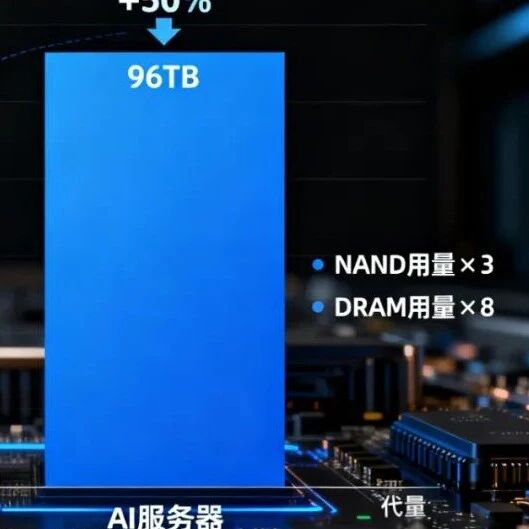
Core Viewpoint - Nvidia's shift from DDR5 to LPDDR memory for AI servers aims to reduce power costs, creating demand equivalent to a major smartphone manufacturer, which exacerbates the existing memory supply shortage [1][2][3]. Group 1: Impact on Memory Supply Chain - Nvidia's transition to LPDDR memory is expected to cause a "seismic" impact on the memory supply chain, as the demand generated will be significantly larger than that of mobile devices [3][4]. - The current supply chain is unprepared for the scale of demand that Nvidia's decision will create, leading to potential shortages in the advanced memory sector [4][6]. Group 2: Price Increase and Cost Pressure - Server memory prices are projected to double by the end of 2026, which will increase operational costs for cloud service providers and AI developers [5][7]. - The rising memory costs will add pressure to already strained budgets for data center operators, who are facing record expenditures due to GPU and power infrastructure upgrades [7][8]. Group 3: Broader Market Implications - The cost pressures from increased memory prices may ultimately affect cloud computing service pricing and the cost of AI application development, impacting the overall return on investment in the tech industry [8].
电力设备牛市“尚处于早期至中期”,摩根大通:美国电网升级尚未启动,中国企业有突破美国市场潜力
美股IPO· 2025-11-19 10:21
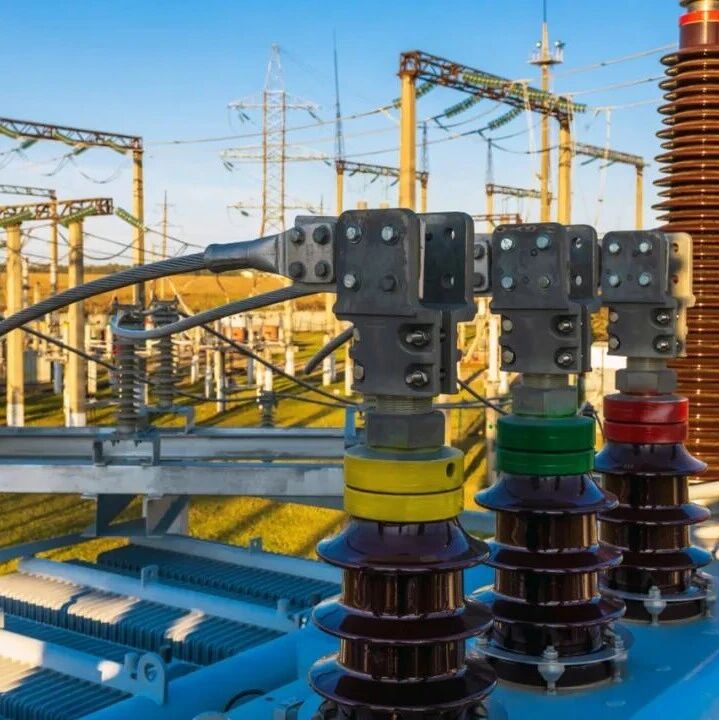
Core Insights - The growth of AI-driven electricity consumption is accelerating, with extreme supply-side constraints and structural demand surges leading to a backlog of orders for leading power equipment companies, which is 2.5 to 2.8 times their revenue, ensuring high visibility of profits until 2027-2028 [1][3][19] - The global power equipment industry is still in its early to mid-stage, with a supercycle not yet concluded, and data center electricity demand will be a key bottleneck, particularly benefiting Asian companies, especially those from South Korea and China [3][4] Supply and Demand Dynamics - In the U.S., data center installed capacity is expected to grow at a compound annual growth rate (CAGR) of over 15%, from 42 GW in 2024 to 100 GW by 2030 [4][6] - The U.S. utility companies are projected to invest $1.1 trillion from 2025 to 2029 for generation and grid upgrades, with capital expenditures expected to reach approximately $208 billion in 2025, a 17% year-on-year increase [4] - Despite surging demand, supply-side capacity expansion remains "disciplined," with delivery times for large power transformers (LPT) extending to 2-3 years, switchgear to over 1-2 years, and gas turbines requiring 3-4 years [4][14][15] Market Opportunities - The structural supply-demand imbalance supports strong pricing power for equipment manufacturers, with product prices having risen over 60% since 2021 without signs of slowing [4][15] - The global installed capacity for data centers is projected to increase from 117 GW in 2023 to approximately 242 GW by 2028, with a CAGR of 27% [7][19] - The U.S. will need approximately 100 GW of new generation capacity by 2028 to support data center electricity demand [6][19] Infrastructure Challenges - The U.S. grid is described as "extremely fragile," with interconnection queue times reaching up to 7 years in Virginia and potentially 11 years in certain areas of Texas [11][12] - The average annual construction of high-voltage transmission lines in the U.S. is currently less than 700 miles, a significant drop from 4,000 miles per year in 2013, with a need to build 5,000 miles annually to meet reliability goals [13] Long-term Profitability - The current backlog of orders is sufficient to support leading companies' revenues for the next 2.5 to 2.8 years, indicating high profit visibility [19] - The market has not fully priced in the potential of Chinese companies, such as Siyi Electric, to penetrate the U.S. market, which could lead to significant profit increases due to cost advantages and delivery capabilities [19]
明天凌晨,决定全球市场命运的财报来了!(附华尔街预测)
美股IPO· 2025-11-19 10:21
作为标普500最大权重股和AI交易中心,英伟达业绩的重要性前所未有。分析人士指出,如果投资者满意 三季度业绩和指引,多头将推动全球市场在年末迎来乐观收官;如果不满意,市场可能面临更深的调整。 全球市场正陷入一场危险的集体焦虑,而唯一能打破这种僵局的恐怕只有英伟达。这家市值4.5万亿美元 的芯片巨头将于美东时间周三(北京时间周四凌晨)美股盘后公布三季度财报,这份财报将决定全球市 场在今年最后几周的走向。 眼下,市场的紧张情绪正在蔓延:从比特币到科技股,从黄金到国债,从私募市场到企业债券,几乎所 有资产类别都遭遇抛售压力。 在这样的背景下,投资者将目光聚焦在英伟达身上,这既是希望也是无 奈。 这家公司的业绩将直接反映科技巨头们数千亿美元AI投资的真实回报。 目前,华尔街分析师普遍看好英伟达即将公布的财报,预计净利润和营收将双双增长超过50%。 分析人士指出, 如果投资者满意英伟达的三季度业绩和四季度指引,多头将推动市场迎来乐观收官;如 果不满意,市场可能面临更深的调整 。正如华尔街人士所言, "这是一份英伟达走向如何,市场就走向 如何的报告。" 值得注意的是,在市场高度集中风险下,英伟达作为标普500指数最大权重 ...